Plant Features
- Size: Typically 30–60 cm (12–24 in) tall and 30–60 cm (12–24 in) wide indoors, depending on pot size and growing conditions.
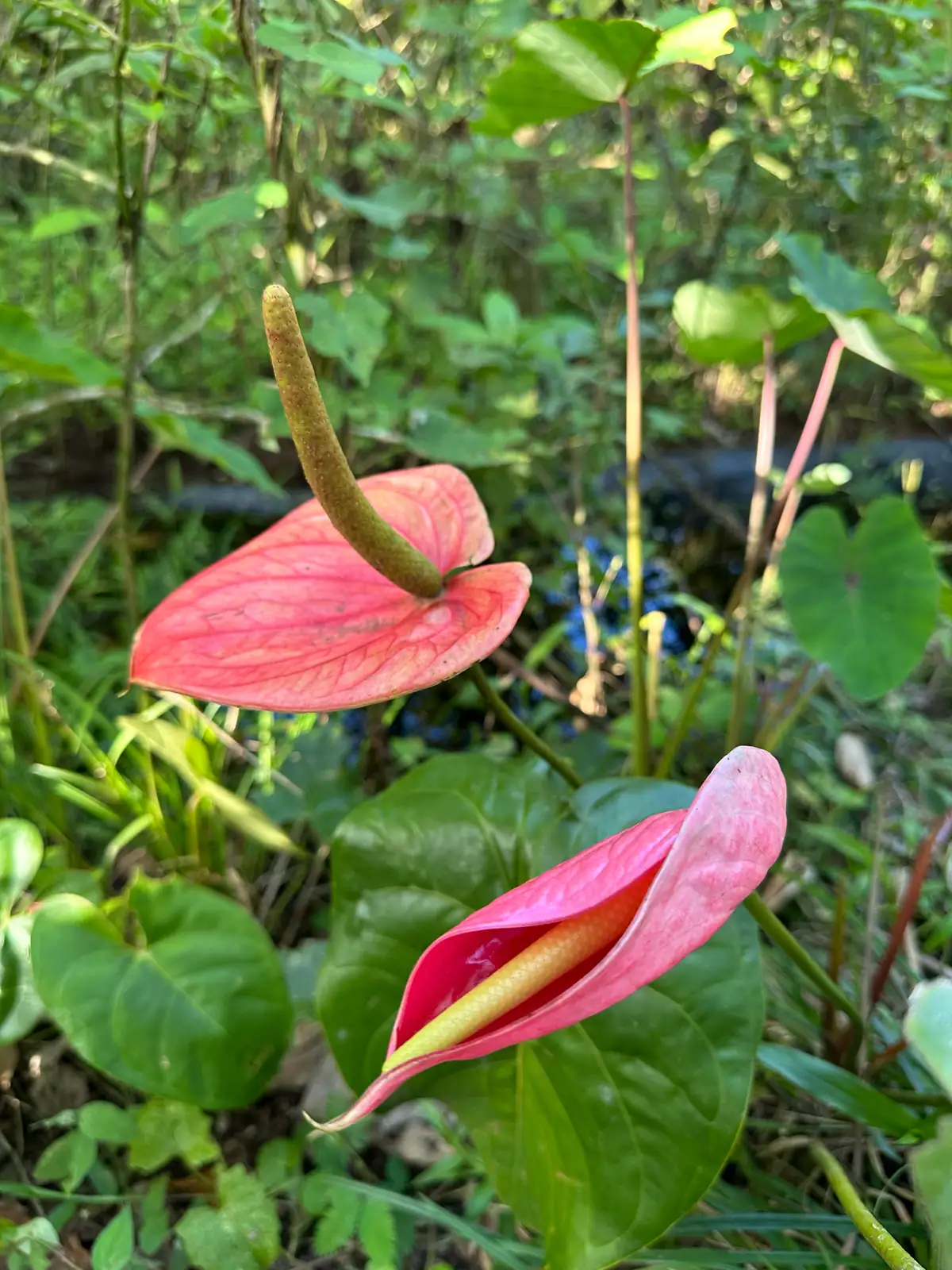
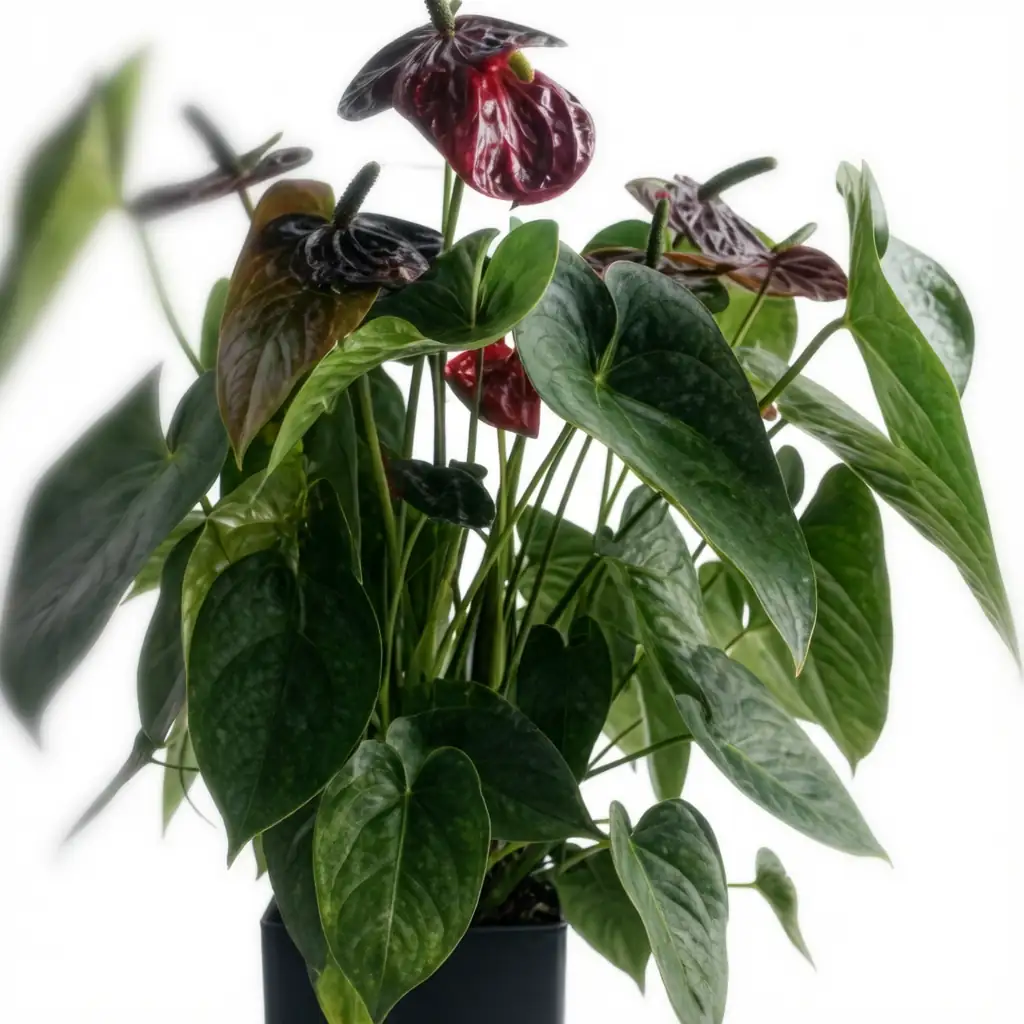
- Foliage: Glossy, leathery, heart-shaped to broadly oval green leaves held on upright petioles; overall it forms a neat, compact clump typical of florist-type anthuriums.
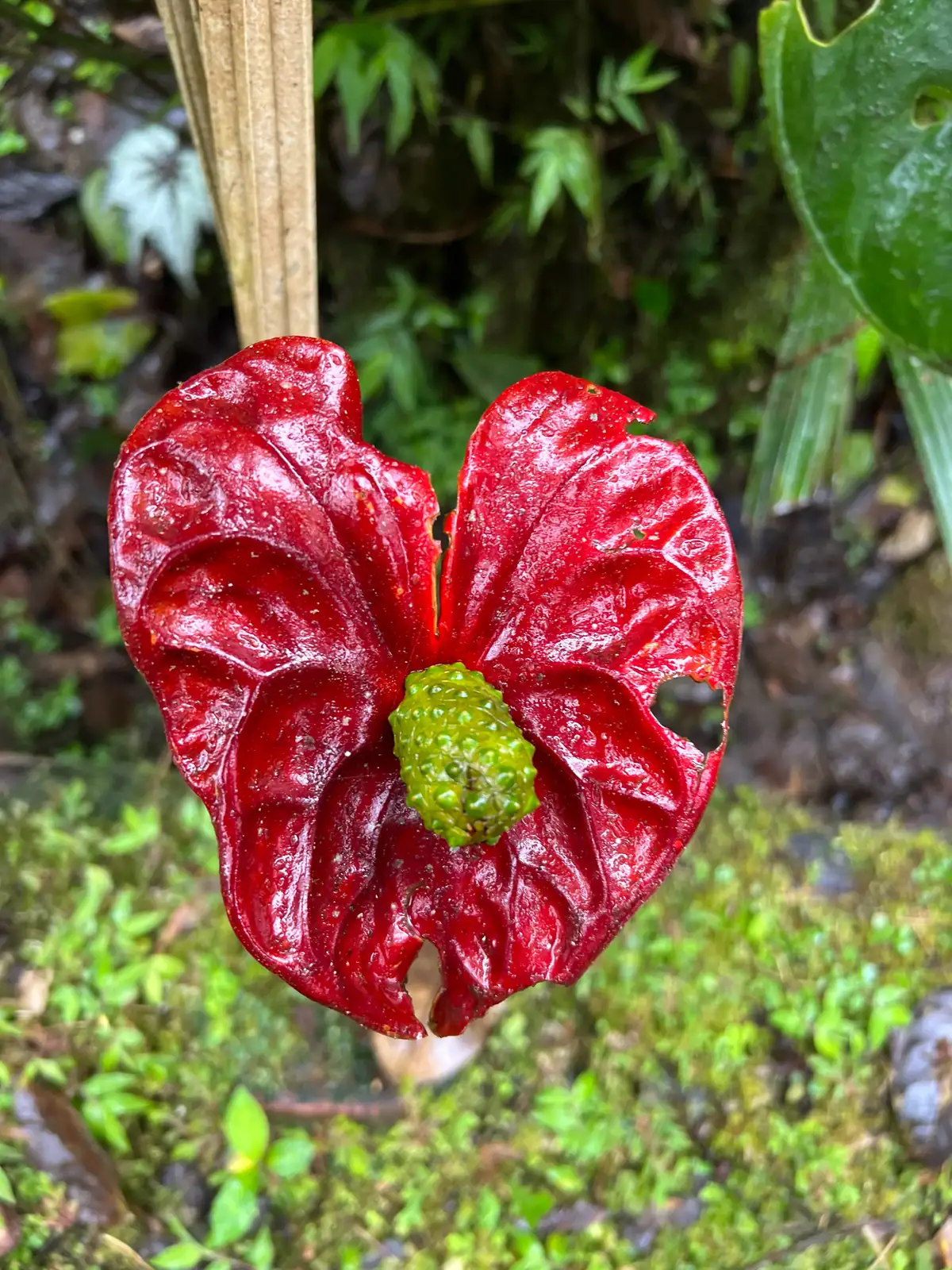
- Flower: Waxy, long-lasting spathes in very dark tones (deep burgundy to near-black), paired with a contrasting spadix that can be pale, greenish, or red depending on the clone. The spathe color often deepens as it matures, shifting from wine/burgundy toward its darkest shade.
- Flowering Season: Year-round indoors in warm, bright conditions; strongest flushes often in spring through autumn.
- Growth Habit: Evergreen, clump-forming, upright herbaceous perennial (aroid).
Environment
Sunlight
Bright, indirect light for best flowering; tolerates medium light but typically blooms less and shows less intense dark coloration. Avoid harsh midday sun that can scorch leaves and spathes.
Temperature
18–27°C (64–81°F); avoid prolonged drops below 15°C (59°F) and keep away from cold drafts.
Humidity
Prefers moderate to high humidity, ideally 60–80%.
Soil
Airy, fast-draining aroid mix such as orchid bark + perlite/pumice + peat/coco coir. Keep slightly acidic to neutral (about pH 5.5–7) and never waterlog the roots.
Placement
Indoors near an east or north window, or a few feet back from a bright south/west window with sheer filtering; does well in warm, humid rooms with good light.
Hardiness
USDA Zone 11–12 outdoors; frost-tender and best as a houseplant in cooler climates.
Care Guide
Difficulty
Moderate: quite straightforward if you provide warmth, steady humidity, and an airy mix; most problems come from soggy soil, low light, or cold drafts.
Buying Guide
Pick a plant with firm, glossy leaves and no yellowing or blackened tips. Check for a clean crown and healthy roots (avoid mushy roots or sour smells). Since ‘Black Queen’ can be used inconsistently as a trade name, it’s best to buy from reputable sellers and choose based on actual spathe color, plant vigor, and overall health rather than the label alone.
Watering
Water when the top 2–4 cm (1–1.5 in) of the potting mix feels dry. Water thoroughly until it runs out the bottom, then drain completely—never let the pot sit in water. Reduce watering in cooler, darker months.
Fertilization
Feed lightly during active growth with a balanced fertilizer at 1/4–1/2 strength every 2–4 weeks. Flush the pot with plain water occasionally to prevent fertilizer-salt buildup.
Pruning
Remove spent blooms and yellowing leaves by cutting at the base with clean tools. Wipe leaves occasionally to keep them glossy and help the plant photosynthesize efficiently.
Propagation
Best propagated by division of clumps or separating basal offshoots during repotting. Some can also be started from stem sections with nodes. Seed propagation is uncommon for named cultivars and won’t come true to type.
Repotting
Repot every 1–2 years or when roots crowd the pot. Move up just one pot size (about 2–5 cm / 1–2 in wider) and refresh with a chunky, breathable aroid mix.
📅 Seasonal Care Calendar
Spring–summer: brighter light, regular feeding, and evenly moist (not wet) substrate. Autumn–winter: keep warm, reduce fertilizer, water less often, and avoid cold windowsills and drafts.
Pests, Diseases & Safety
Common Pests & Diseases
Watch for spider mites, thrips, mealybugs, and scale. Overwatering can cause root rot; stagnant, overly wet conditions can encourage bacterial leaf spot. Improve airflow, avoid leaving foliage wet late in the day, and treat pests promptly with insecticidal soap or horticultural oil.
Toxicity
Toxic if chewed: contains calcium oxalate crystals that can irritate the mouth and throat. Keep away from children and pets (cats and dogs).
Culture & Symbolism
Symbolism: Anthuriums are often linked with hospitality and lasting affection; dark cultivars like ‘Black Queen’ add an extra layer of elegance, mystery, and dramatic flair.
History & Legends: A modern horticultural selection in the florist anthurium group (derived from Anthurium andraeanum and related hybrids), bred specifically for unusually dark spathe coloration.
Uses: Ornamental houseplant and premium cut flower, prized for long-lasting blooms and bold, near-black color in interior décor and floral arrangements.
FAQ
Why isn’t my ‘Black Queen’ turning fully black?
Color varies by clone and usually deepens as the spathe matures. Bright, indirect light, warm temperatures, and steady (light) feeding help develop the darkest tones; very low light often leads to smaller, duller, more reddish spathes.
How do I keep the plant from getting root rot?
Use a chunky, fast-draining aroid mix and a pot with drainage holes. Water only after the top layer dries slightly, and never leave water standing in the saucer.
Fun Facts
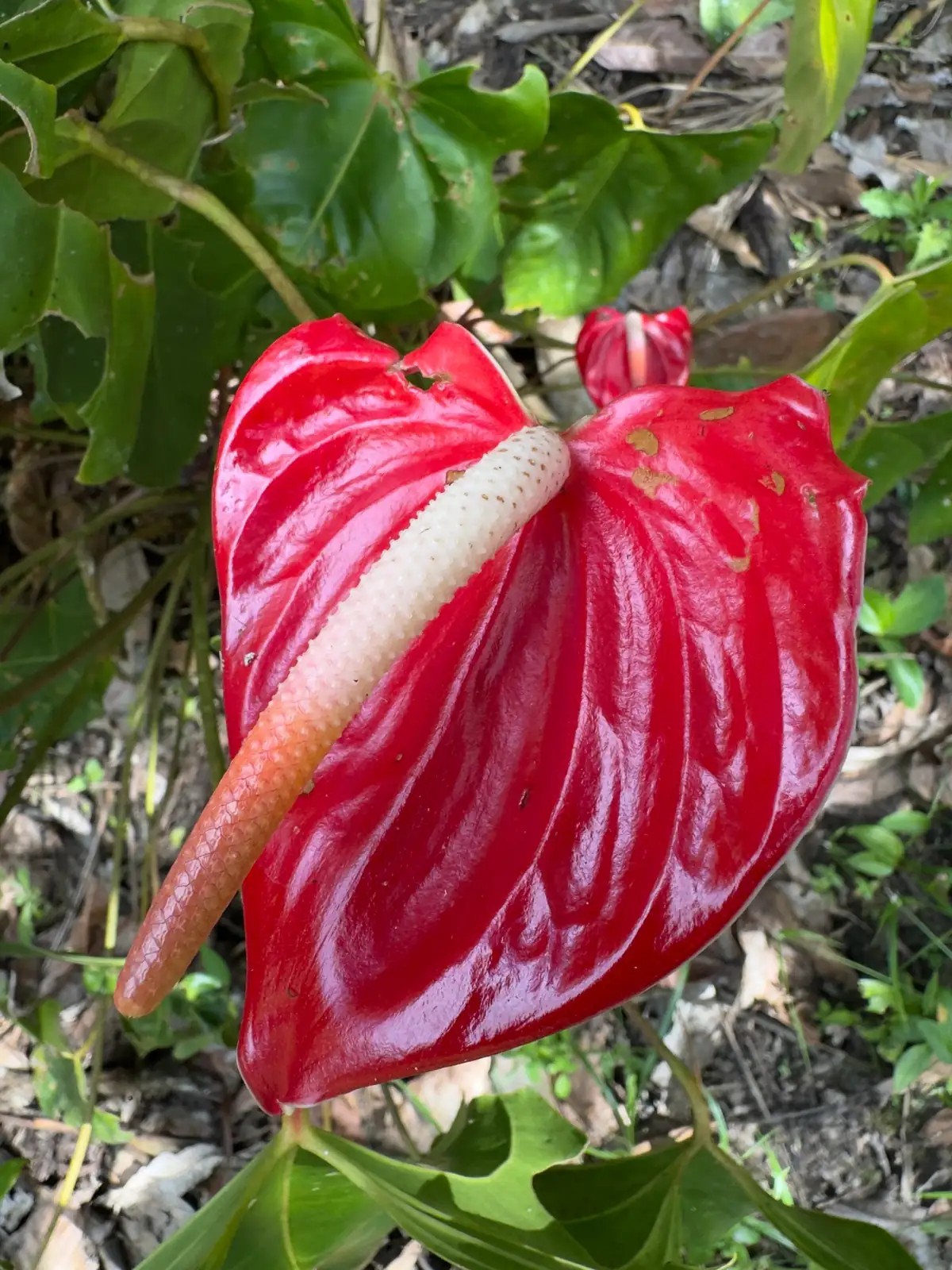
- In anthuriums, the colorful “flower” is actually a spathe; the true tiny flowers are packed along the spadix.
- Very dark anthurium spathes often open burgundy and deepen toward near-black as they age.