Plant Features
- Size: Up to 45 × 45 cm (18 × 18 in).
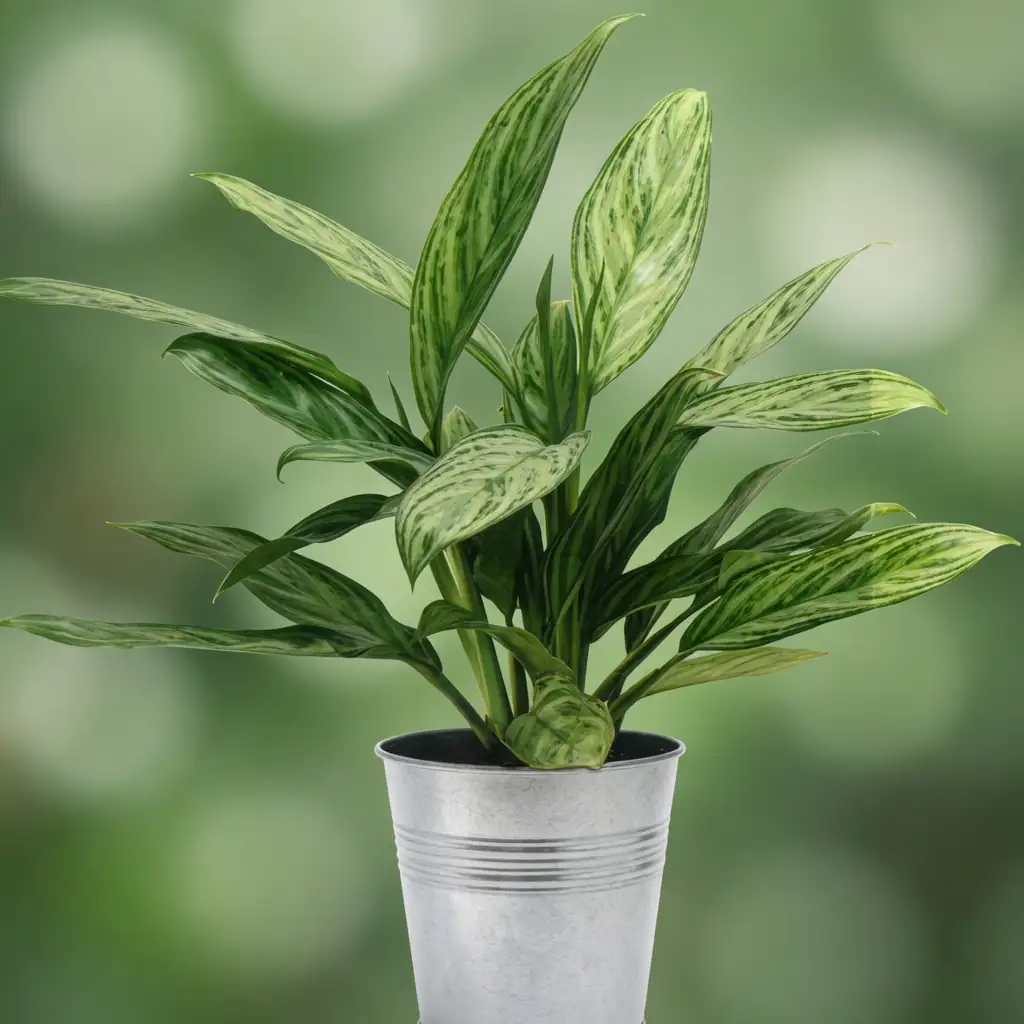
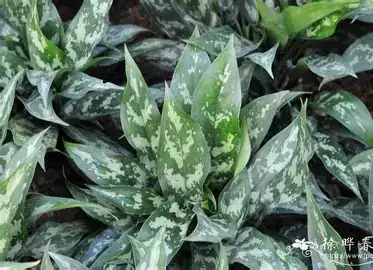
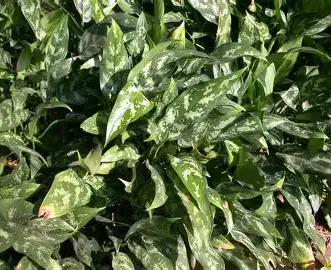
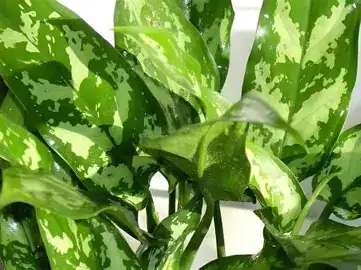
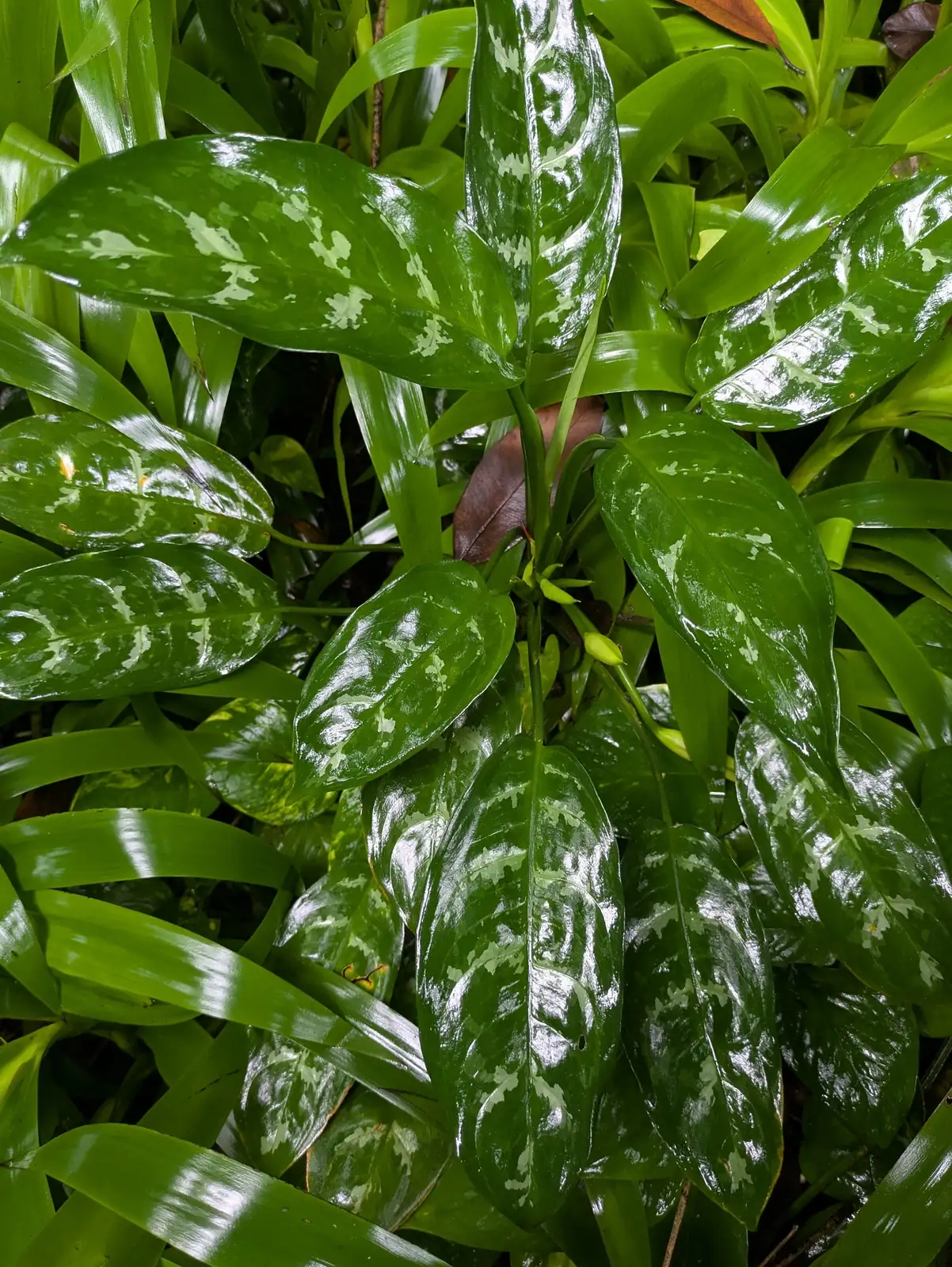
- Foliage: Lance-shaped, evergreen leaves with decorative variegation—often silver and cream, and in some cultivars pink tones—creating a patterned, “painted” look.
- Flower: Small, inconspicuous aroid blooms (spadix and spathe). Indoors they’re commonly removed to encourage stronger foliage growth.
- Flowering Season: Occasional/irregular indoors (most often in warm months).
- Growth Habit: Clump-forming, upright to arching evergreen perennial.
Environment
Sunlight
Partial shade to shade; bright, indirect light is ideal. Avoid harsh direct sun, which can scorch leaves.
Temperature
16–25°C (61–77°F); protect from cold drafts and keep above about 13°C (55°F).
Humidity
Moderate humidity; appreciates occasional misting or a humidifier in dry rooms.
Soil
Loose, well-draining houseplant mix amended with perlite (about 1–2 handfuls per pot). A 15–20 cm (6–8 in) pot suits a typical plant size.
Placement
Low- to medium-light indoor spot with indirect light; keep away from heating/AC vents and strong airflow.
Hardiness
Not frost-tolerant; suitable outdoors only in USDA Zone 11–12 (approx.) or grown as a houseplant elsewhere.
Care Guide
Difficulty
Easy; very forgiving indoors as long as it’s kept warm and not overwatered.
Buying Guide
Choose a plant with firm stems, crisp leaf edges, and strong coloration/variegation. Avoid pots that feel constantly soggy, plants with yellowing lower leaves plus a sour smell (possible root rot), or foliage with sticky residue/webbing that can signal pests like mealybugs or spider mites.
Watering
Keep the potting mix evenly moist but never waterlogged. Don’t let the pot sit in standing water (root rot risk). In winter, water when the top layer of mix feels dry. If your air is dry, mist about twice per week or use a humidity tray/humidifier.
Fertilization
Spring through autumn: feed every 2 weeks with a balanced liquid fertilizer at label rate (or slightly diluted). Hold or greatly reduce feeding in winter when growth slows.
Pruning
Remove spent, yellowing, or damaged leaves. Pinch off the small flowers indoors to redirect energy into foliage.
Propagation
Most commonly by division of clumps during repotting. Some types also propagate from stem cuttings rooted in warm, humid conditions.
Repotting
Repot about every 3 years in spring, or sooner if rootbound. Move up one pot size and refresh into a loose, airy mix.
📅 Seasonal Care Calendar
Spring: repot (about every 3 years) and restart active-growth care. Spring to autumn: keep evenly moist and fertilize every 2 weeks. Winter: let the surface dry slightly before watering; continue light misting if air is dry and avoid any standing water to prevent rot.
Pests, Diseases & Safety
Common Pests & Diseases
May attract spider mites, mealybugs, scale, and thrips indoors. Overwatering can cause root rot. Cold drafts or chilling can trigger leaf yellowing, spotting, or general decline.
Toxicity
Toxic if chewed or ingested by people or pets. The sap can irritate skin and mouth due to calcium oxalate crystals—keep away from children and animals that like to nibble.
Culture & Symbolism
Symbolism: Often associated with resilience and steady good fortune—likely because it stays attractive and green even in less-than-perfect indoor conditions.
History & Legends: Aglaonema has been grown as a houseplant for generations across Asia and beyond, becoming a staple “tough but beautiful” foliage plant in homes and offices thanks to its shade tolerance and many cultivated leaf patterns.
Uses: Primarily an ornamental indoor foliage plant, especially valued for low- to medium-light rooms, desks, and shaded corners.
FAQ
What temperature does it need?
Aim for 16–25°C (61–77°F). Avoid cold drafts and try to keep it above about 13°C (55°F).
What light does it prefer?
Bright, indirect light is ideal, but it also tolerates partial shade to shade. Strong direct sun can scorch the leaves.
How should I water it?
Keep the mix evenly moist but not soggy, and never leave the pot sitting in water. In winter, water when the surface of the mix dries.
How often should I fertilize?
From spring through autumn, feed every 2 weeks with a balanced liquid fertilizer (often best slightly diluted indoors).
Is it toxic?
Yes—avoid ingestion by people and pets. Sap can also irritate skin and mouth.
When should I repot?
About every 3 years in spring, or sooner if it becomes rootbound.
Where should I place it indoors?
A low- to medium-light spot with indirect light, away from heater/AC vents and strong drafts.
Fun Facts
- The “flowers” are technically an aroid inflorescence—a tiny spadix wrapped by a spathe—similar in structure to peace lilies and philodendrons.
- Different cultivars can look like completely different plants, ranging from silvery green to boldly pink-patterned leaves.