

Plant Features
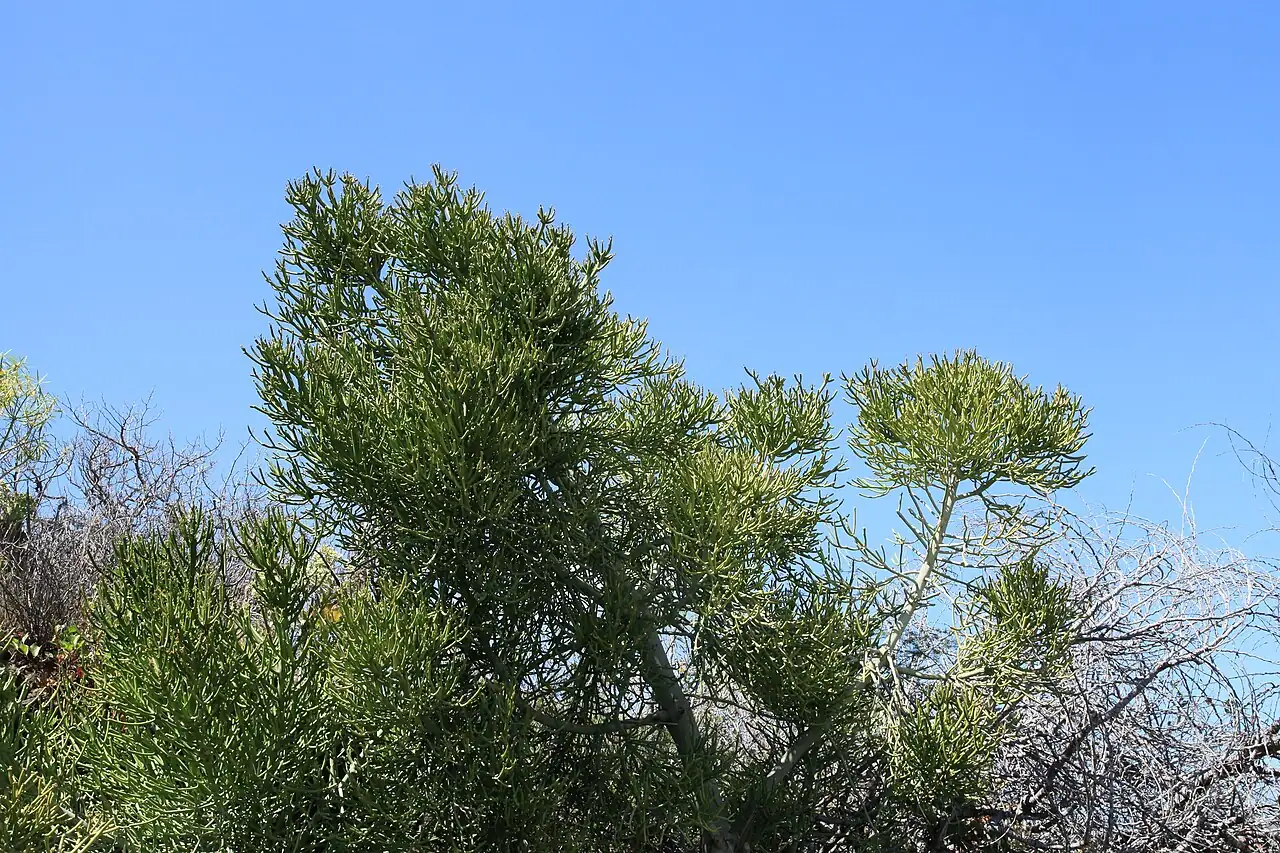
- Size: Typically 1.5–4 m (5–13 ft) tall in the ground; commonly kept at 30–150 cm (12–59 in) as a container plant. Spread about 60–200 cm (24–79 in) depending on pruning and age.
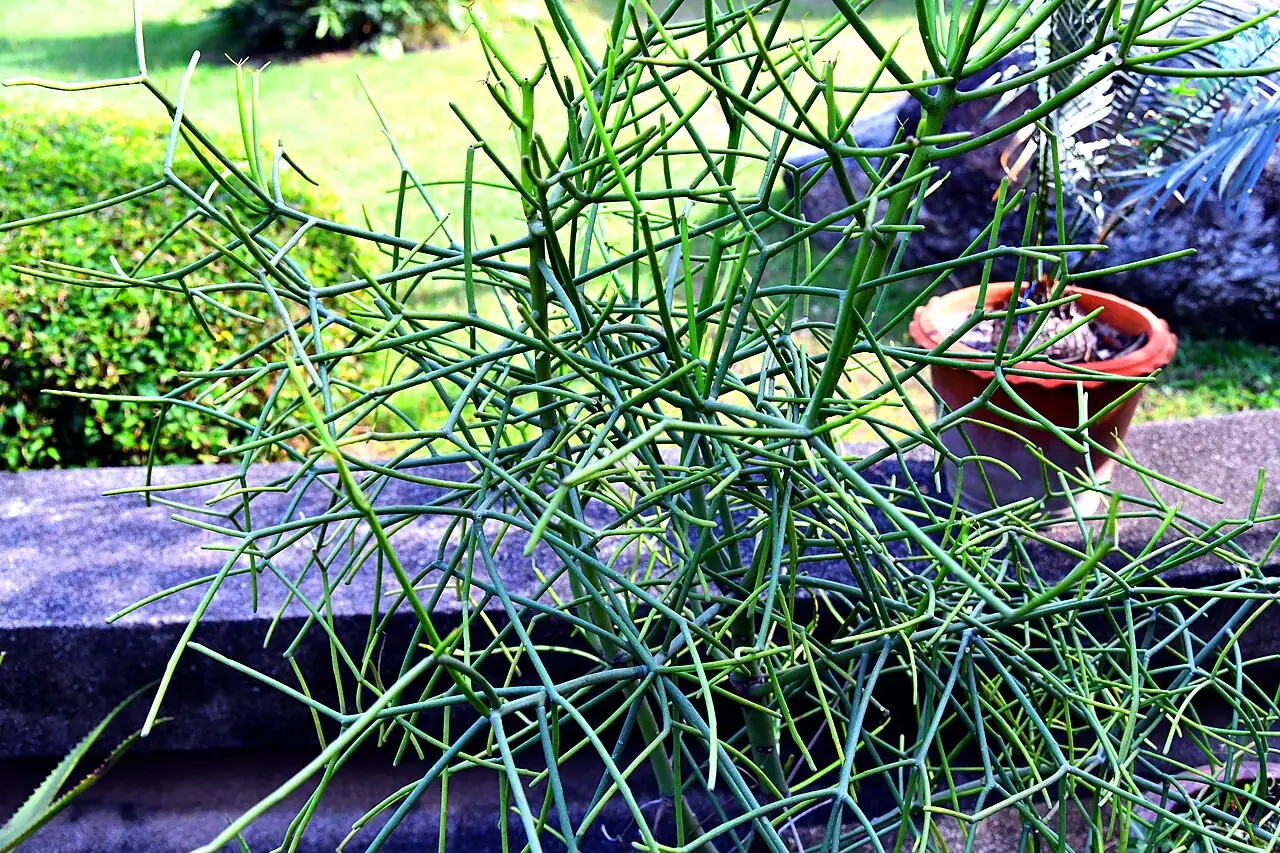
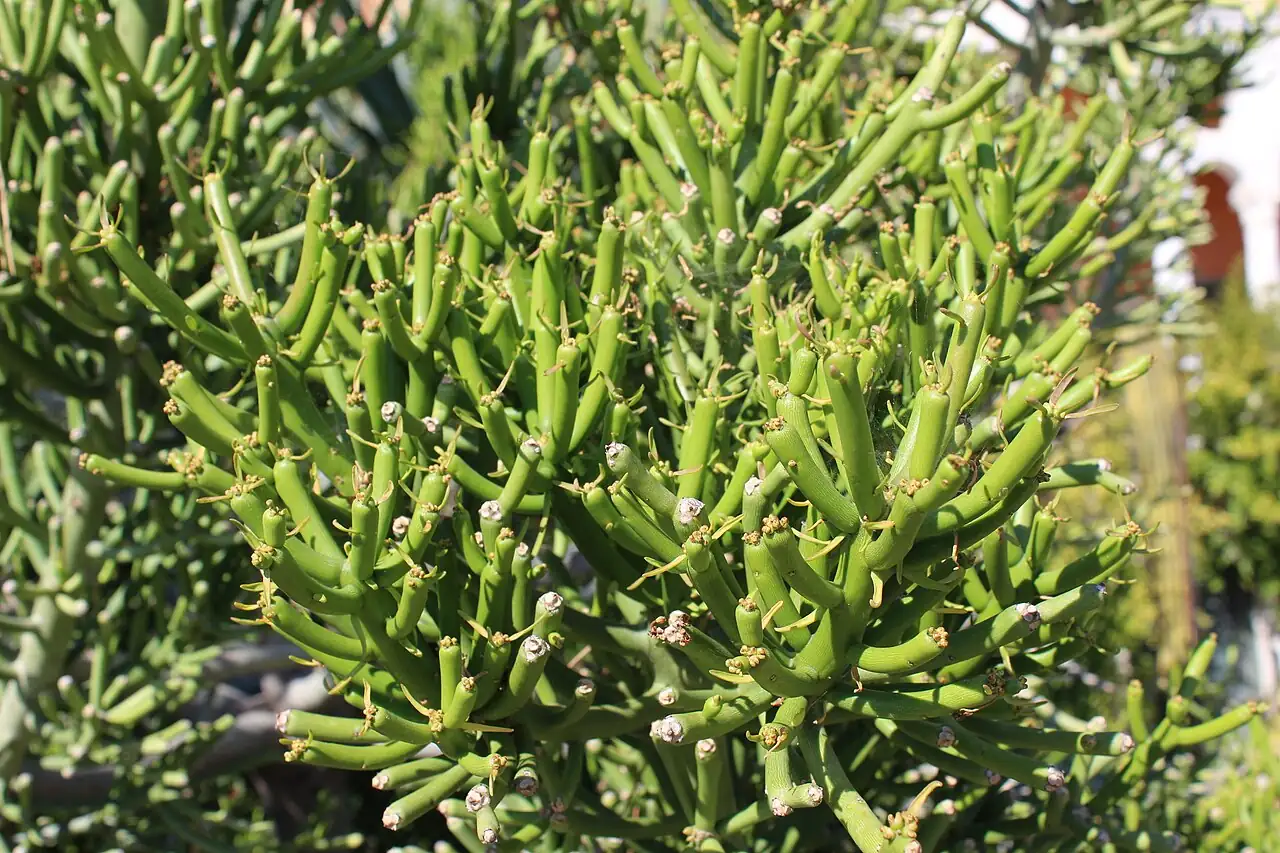
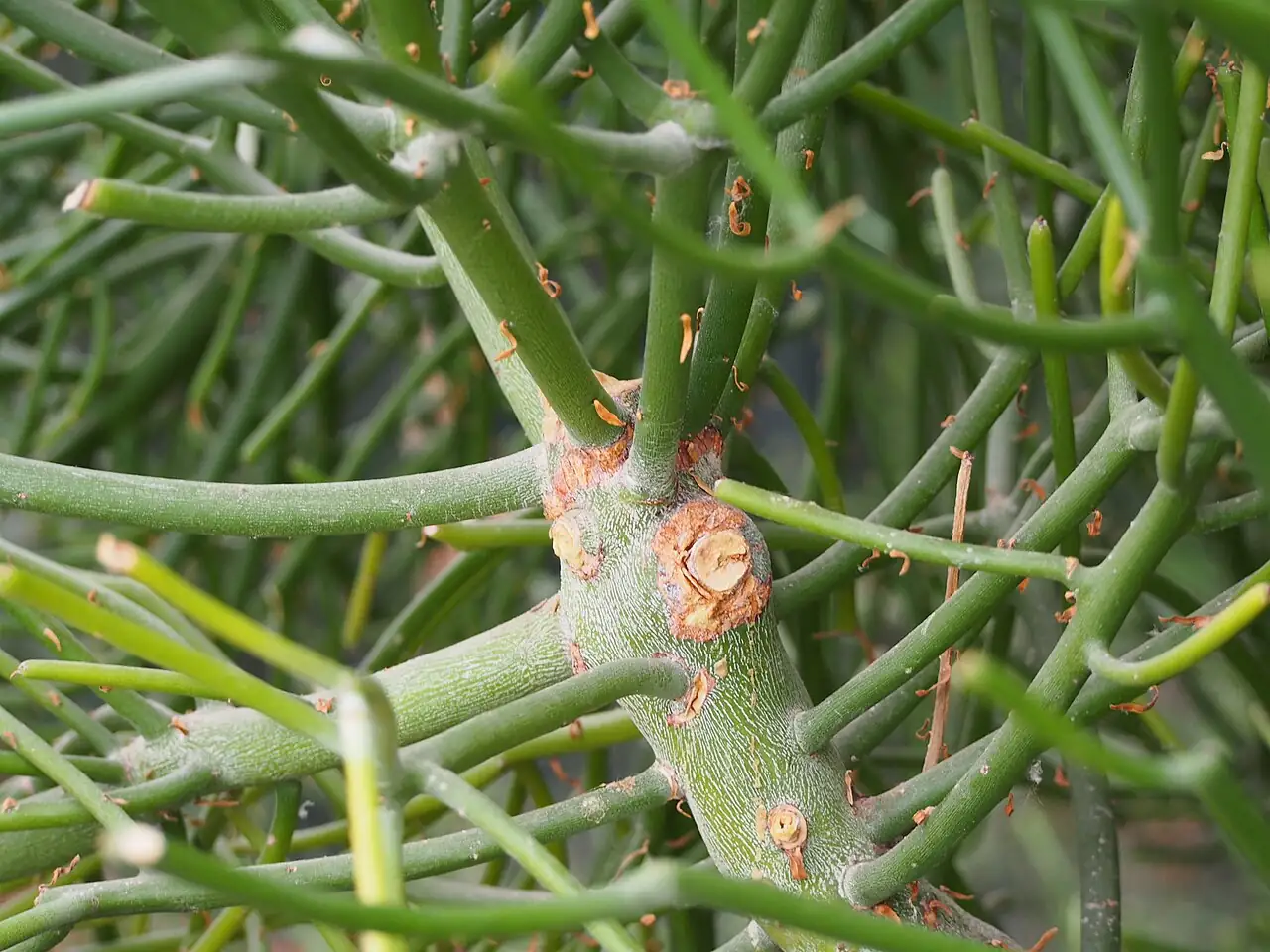
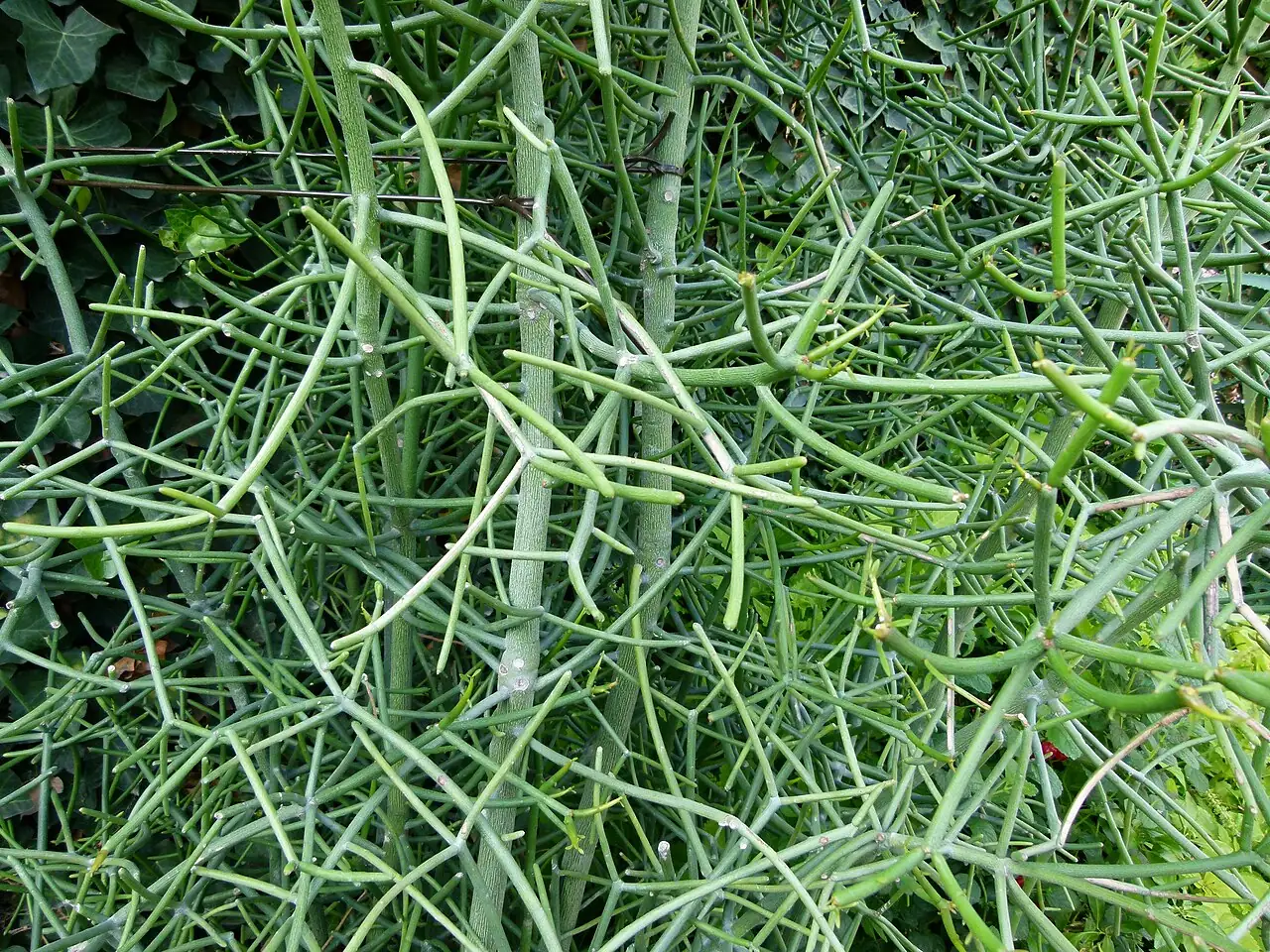
- Foliage: Leaves are extremely small and short-lived, showing up near stem tips and dropping quickly. Most of the plant’s visual impact comes from smooth, cylindrical, pencil-like green stems; in very bright sun, some forms can blush red to orange at the tips.
- Flower: Produces tiny, inconspicuous Euphorbia cyathia (not showy), usually yellowish to greenish.
- Flowering Season: Irregular; more likely during warm, bright periods (often spring to summer) under strong light.
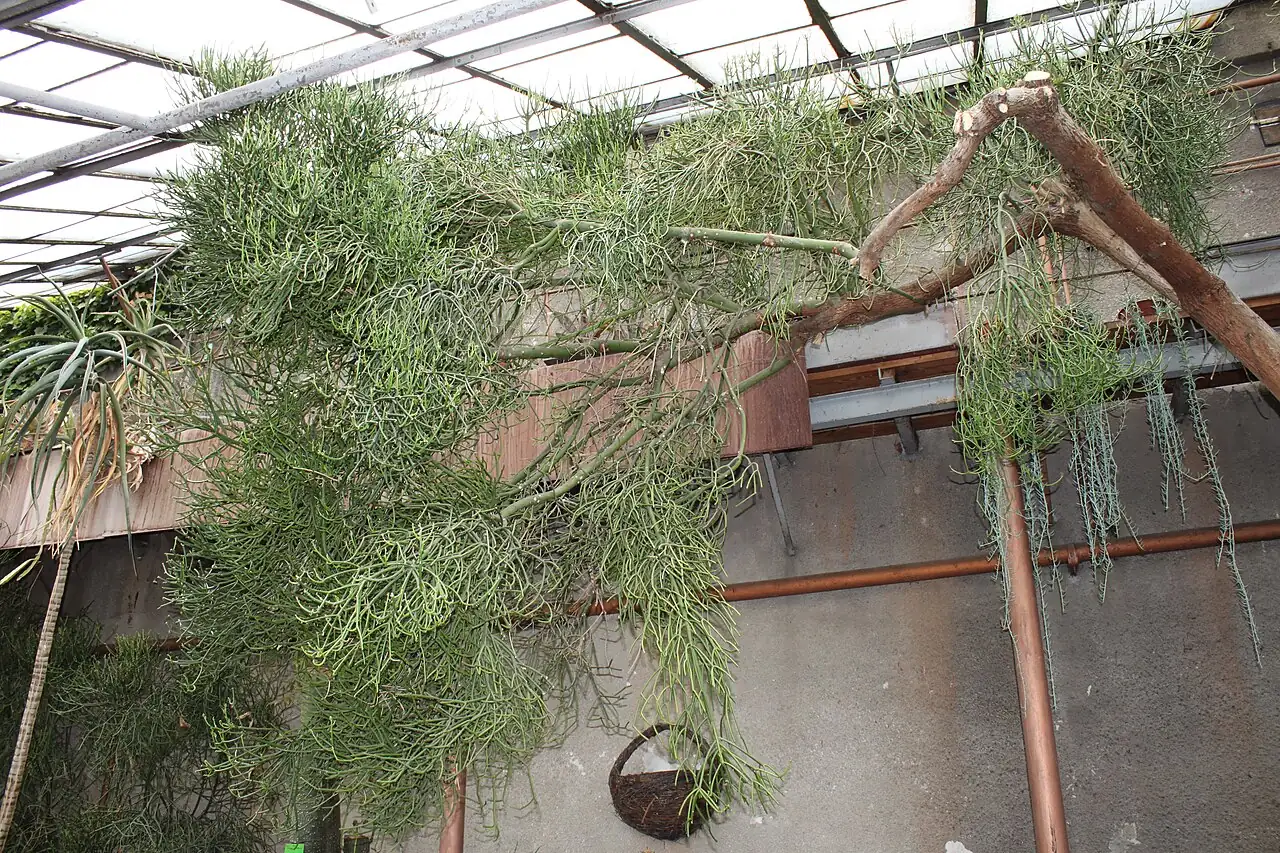
- Growth Habit: Upright, branching succulent shrub to small tree with a sparse, twiggy outline; responds well to pruning for shape and denser branching.
Environment
Sunlight
Bright light to full sun. Indoors, keep it at the brightest window you have; a few hours of direct sun is ideal. If moving it into stronger light, acclimate gradually to prevent sunscald.
Temperature
Prefers 18–30°C (64–86°F). Protect from cold; avoid sustained temperatures below 10°C (50°F).
Humidity
Low to average indoor humidity is fine; it doesn’t need high humidity.
Soil
Very fast-draining cactus/succulent mix. A gritty, airy blend (for example, cactus mix amended with pumice/perlite) helps prevent root and stem rot.
Placement
Indoors: bright south- or west-facing window. Outdoors (warm climates): sunny patio, xeriscape bed, or well-drained rock garden.
Hardiness
USDA Zone 10–12; frost-tender.
Care Guide
Difficulty
Easy to moderate: it’s straightforward with strong light and excellent drainage. Most failures come from overwatering or heavy, soggy soil.
Buying Guide
Pick a plant with firm, unwrinkled stems and a clean base—no black, mushy spots or lingering wet soil. Avoid plants with obvious rot or heavy pest residue. Handle carefully, because snapped stems ooze irritating latex.
Watering
Water deeply, then let the potting mix dry out almost completely before watering again. In spring–summer, this is often every 2–4 weeks; in winter, reduce to about every 4–8 weeks depending on warmth and light. Never leave the pot sitting in water.
Fertilization
Feed lightly in spring and summer with a diluted cactus/succulent fertilizer (about 1/4–1/2 strength) roughly once a month. Skip fertilizer in fall and winter.
Pruning
Prune to shape and to encourage branching. Wear gloves and eye protection—milky sap can irritate skin and can seriously injure eyes. Let cut ends dry and callus.
Propagation
Best by stem cuttings. Take a healthy cutting, allow latex to drain (you can rinse the cut end), then let it callus for several days before placing in a dry, gritty mix. Water very sparingly until roots form.
Repotting
Repot every 2–3 years or when root-bound, ideally in spring. Use a pot with drainage holes and refresh with a gritty succulent mix. Stems can be brittle, so support the plant while handling.
📅 Seasonal Care Calendar
Spring–summer: brightest light, water when nearly dry, light monthly feeding, optional shaping prune. Fall: reduce watering as growth slows. Winter: keep warm and very bright; water sparingly and avoid cold drafts.
Pests, Diseases & Safety
Common Pests & Diseases
Common indoor pests include mealybugs, scale insects, and spider mites. Overwatering and poor drainage can lead to root or stem rot. Improve airflow, let soil dry properly, and treat pests with insecticidal soap or horticultural oil (test first, and avoid applying right before harsh sun).
Toxicity
Toxic/irritant. The milky latex sap can cause skin irritation and severe eye injury; ingestion is harmful to people and pets. Keep away from children and animals; wear gloves when pruning and wash hands/tools after handling.
Culture & Symbolism
Symbolism: Often linked with resilience and minimalism—an unfussy plant with a bold, sculptural presence.
History & Legends: A familiar African Euphorbia that has long been grown as a hedge or living fence in warm regions. It has also drawn historical interest for its latex, but today it’s mainly appreciated as a dramatic ornamental.
Uses: Primarily ornamental (houseplant, patio container, warm-climate landscape accent). In suitable climates it can be used as a living fence/hedge. Not used for food.
FAQ
Why does my pencil cactus drop its tiny leaves?
That’s normal—its leaves are meant to be short-lived. Extra leaf drop can also happen with low light, sudden temperature shifts, or after moving the plant; keep conditions bright and stable.
Can I treat it like a cactus?
Yes, the care style is very similar: strong light, a fast-draining mix, and deep but infrequent watering. The biggest danger is keeping the roots wet.
Is the sap dangerous?
Yes. The latex sap is irritating and can be very harmful in eyes or if swallowed. Use gloves and eye protection when cutting, and keep it away from pets and children.
Fun Facts
- Despite the name, it isn’t a true cactus—it’s a Euphorbia (spurge) with milky latex sap.
- In strong sun, some forms develop red or orange tones near the tips, giving a “firestick” look.
- Its pencil-stem, near-leafless structure is a water-saving adaptation for hot, dry conditions.


