

Plant Features
- Size: Typically about 60 × 60 cm (24 × 24 in) in height and spread indoors.
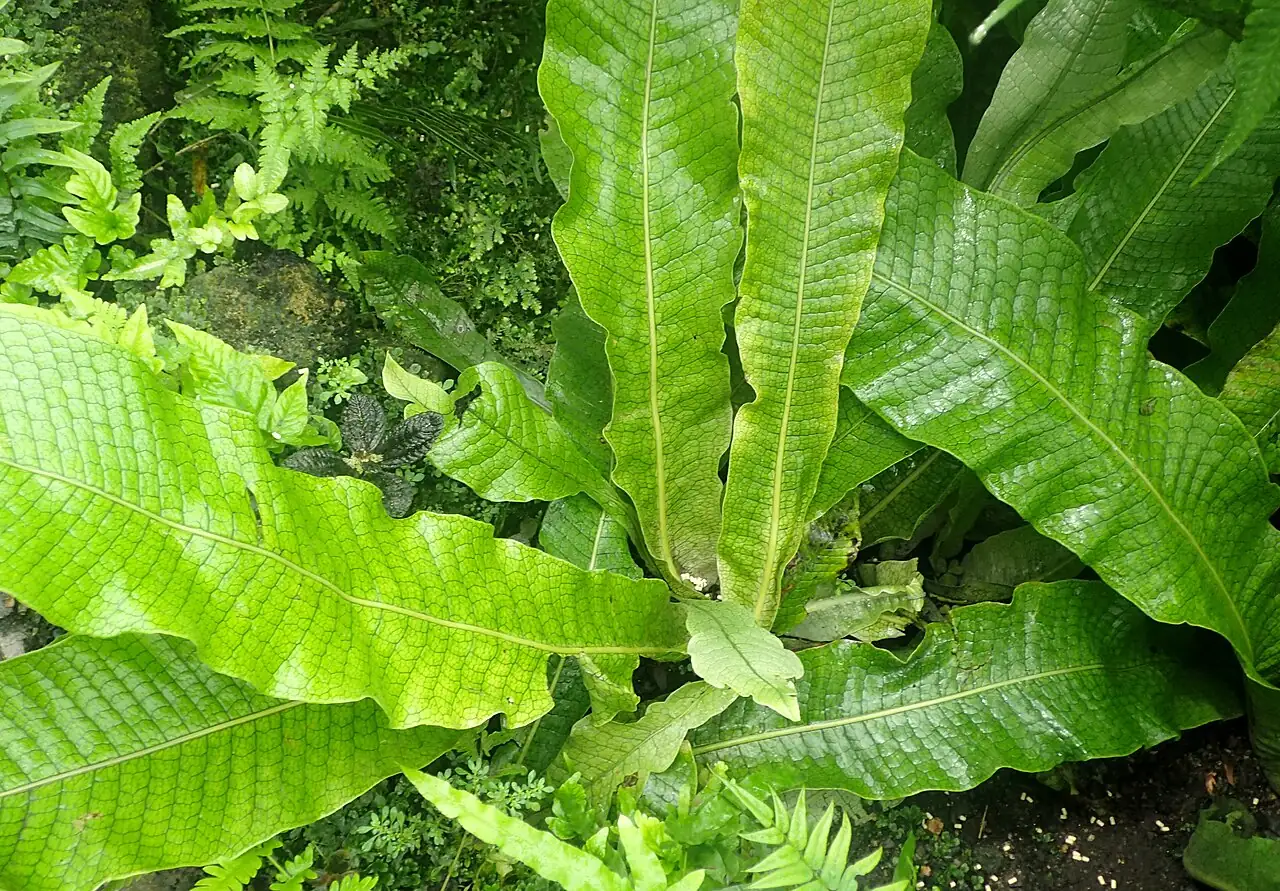
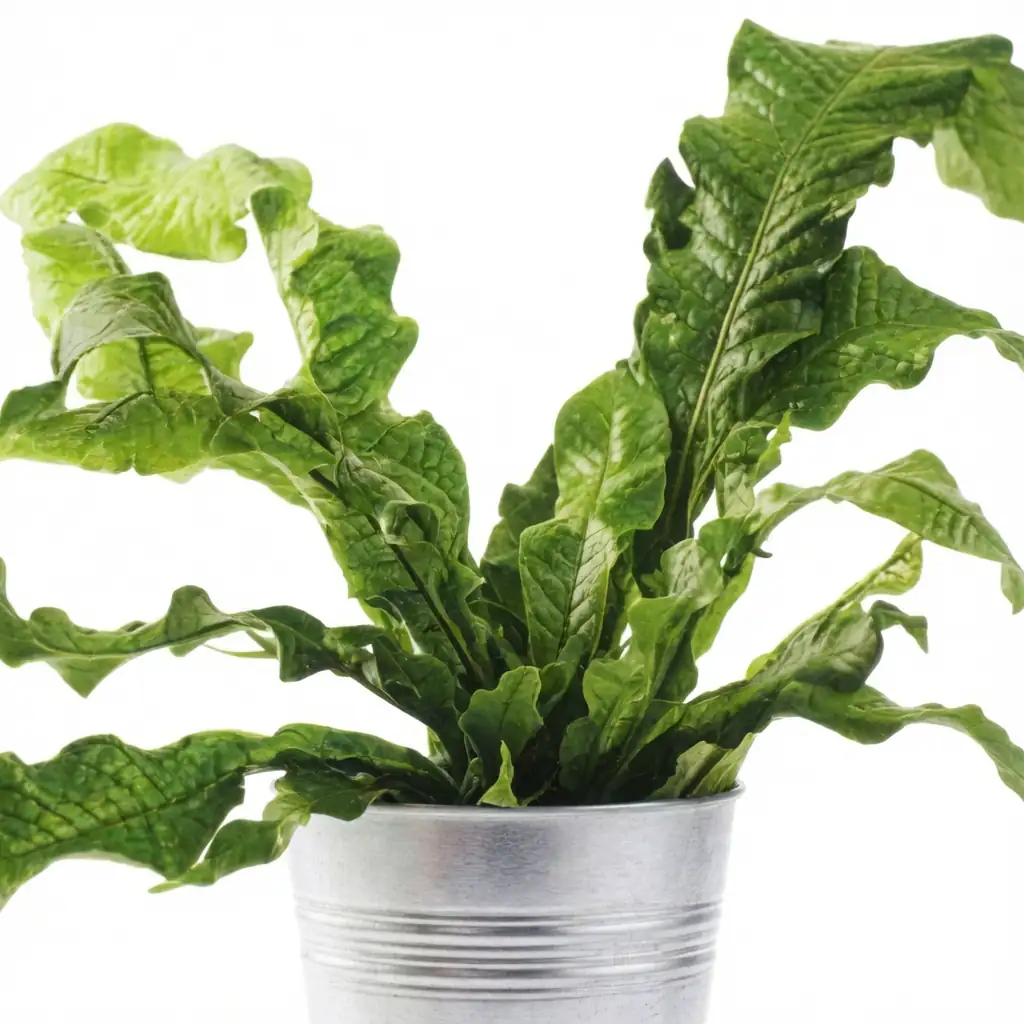
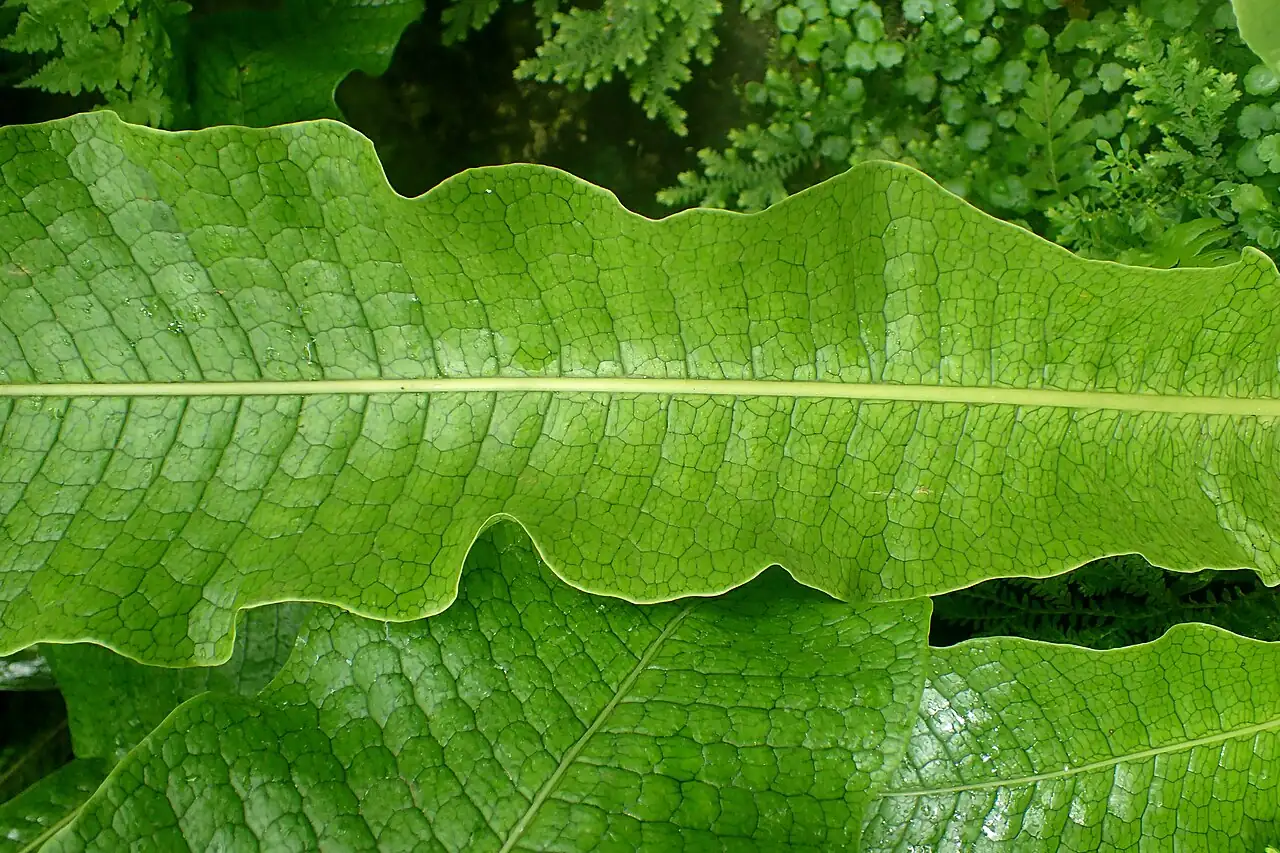
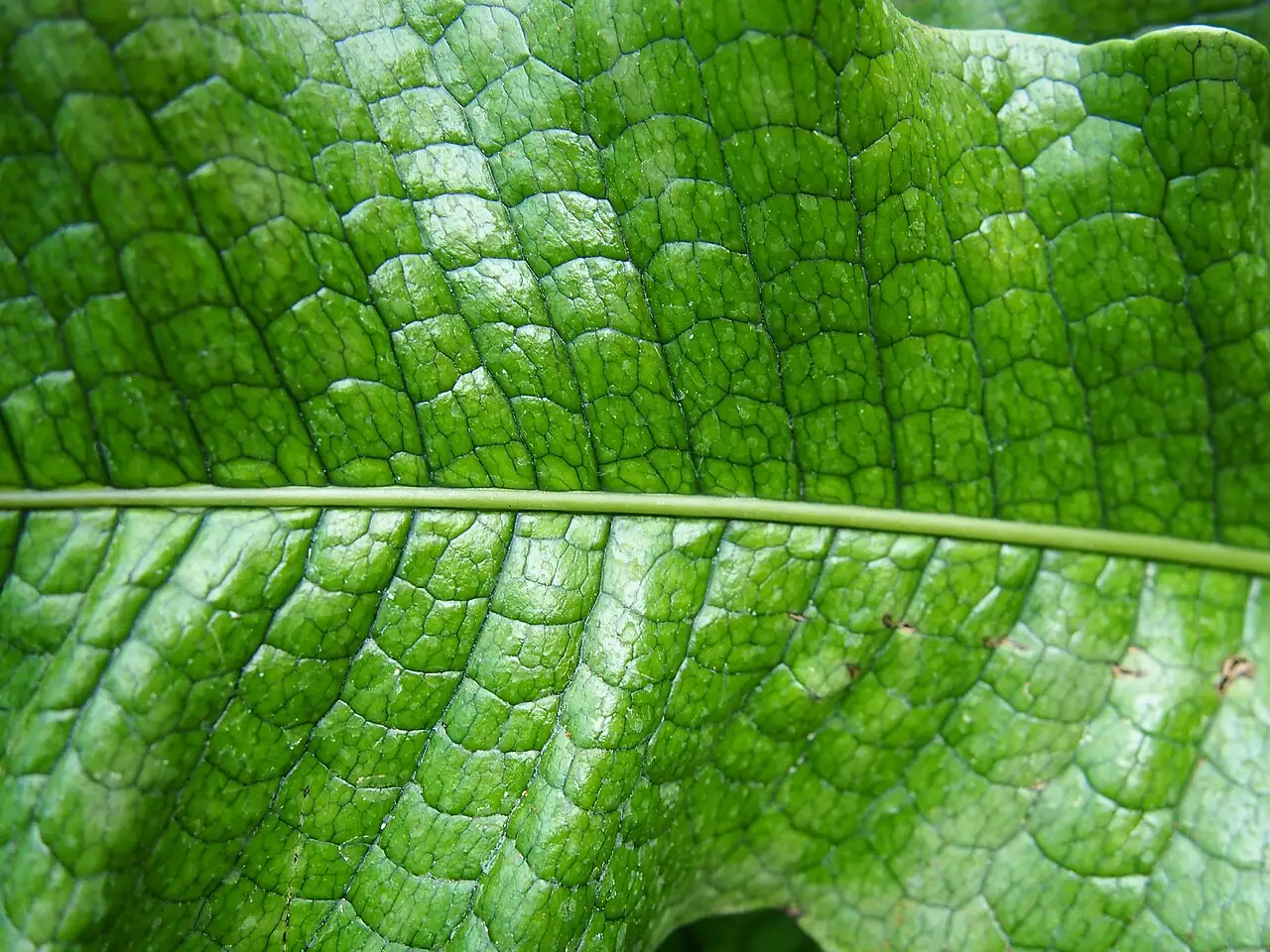
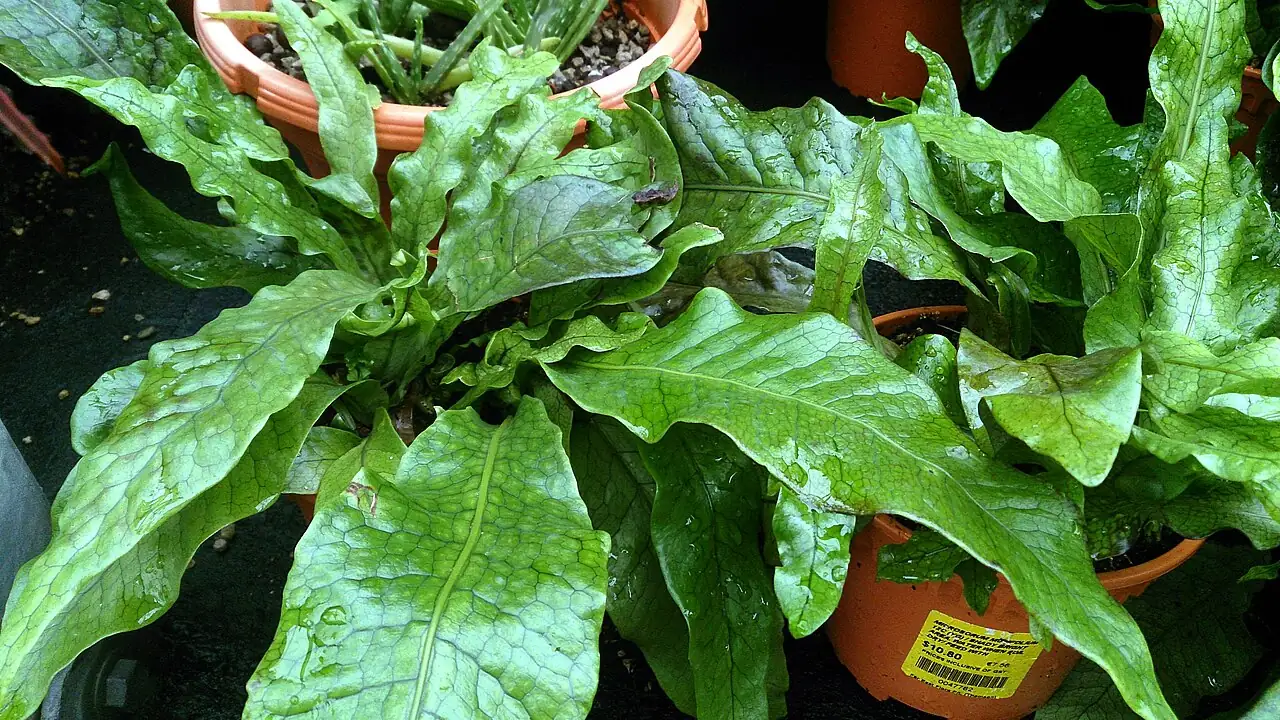
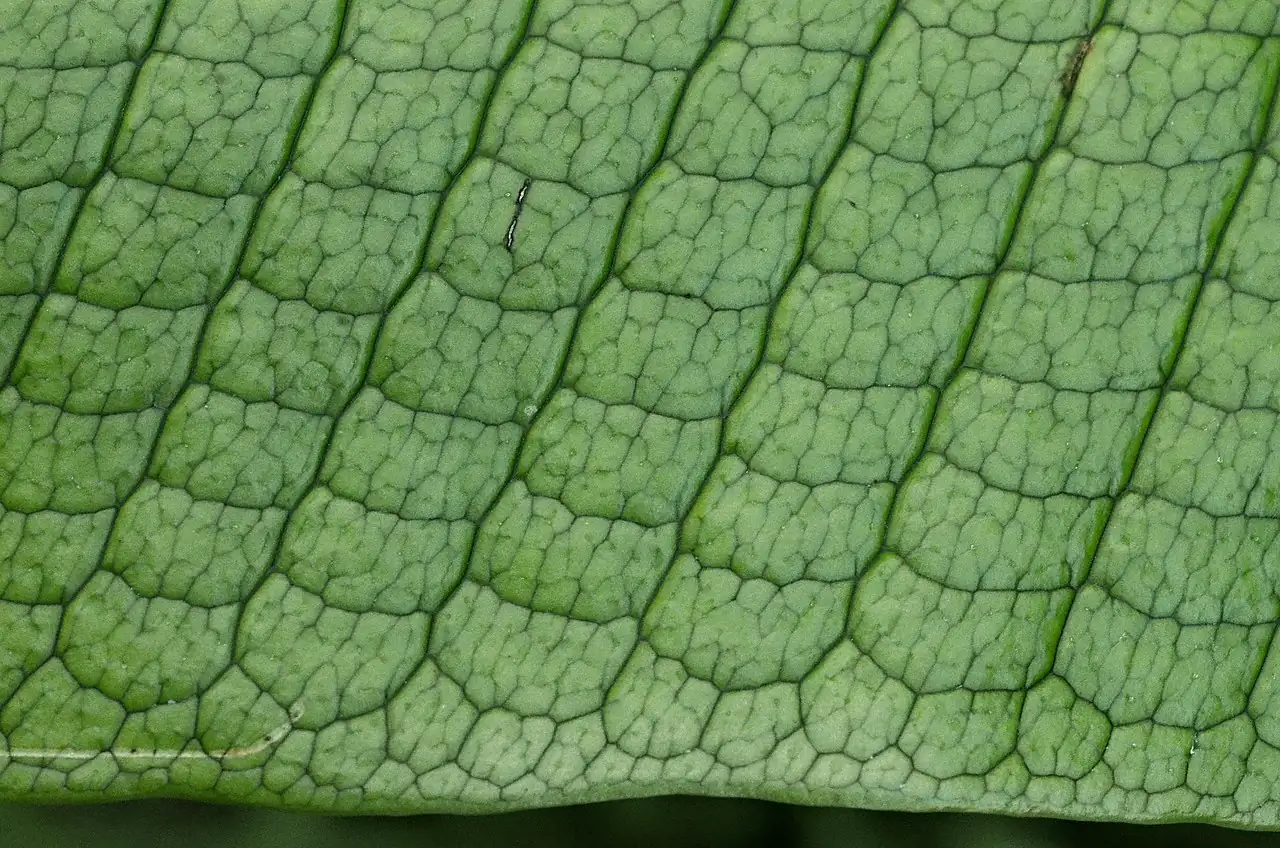
- Foliage: Broad, arching fronds with a raised, quilted pattern that strongly resembles crocodile skin; rich green, thick-looking, and dramatically textured.
- Flower: No flowers (a true fern). Reproduces by spores; sori may appear as small brown patches/dots on the underside of mature fronds.
- Flowering Season: Not applicable (fern).
- Growth Habit: Clump-forming, wide-spreading fern with arching fronds; excellent in containers and hanging baskets.
Environment
Sunlight
Bright, indirect light to partial shade; avoid strong direct sun. In winter, move a bit closer to a window if growth slows.
Temperature
13–24°C (55–75°F); protect from cold drafts and avoid temperatures below about 10°C (50°F).
Humidity
Moderate humidity is usually sufficient; aim for about 50%+ when possible (higher is even better).
Soil
Loose, moisture-retentive yet well-draining mix. An easy approach is a quality potting mix amended with bark and/or perlite for airflow. Common pot size for a typical plant: 15–20 cm (6–8 in) diameter.
Placement
Best where the texture can be enjoyed up close—an eye-level hanging basket is ideal. Works well in bathrooms or kitchens with good light and enough space for the wide fronds; keep away from hot midday sun.
Hardiness
Tender tropical fern; outdoors only in frost-free climates (roughly USDA Zone 11–12).
Care Guide
Difficulty
Easy, provided you keep the potting mix evenly moist and don’t let the air become extremely dry.
Buying Guide
Pick a plant with firm, richly green fronds and no crispy edges. Avoid waterlogged, sour-smelling soil or any sign of blackened rhizomes, and check the frond undersides for scale insects.
Watering
Spring to early fall: water when the surface is just starting to dry, keeping soil evenly moist (not soggy). Winter: water when the surface has dried. If your home is dry, use a pebble tray and mist every few days in spring/summer to help the fronds stay lush.
Fertilization
Spring to early fall: feed once a month with a balanced liquid fertilizer at 1/2 strength. Reduce or stop feeding in winter.
Pruning
Remove yellowing or damaged fronds by cutting them at the base with clean scissors. Don’t routinely cut healthy fronds for shaping—this fern naturally replaces fronds over time.
Propagation
Best by division of the rhizome/clump during repotting. Make sure each division has healthy roots and at least one growth point.
Repotting
Repot about every 2 years (or sooner if root-bound). Refresh with a clean, airy mix and move up only one pot size if needed (often around 15–20 cm / 6–8 in).
📅 Seasonal Care Calendar
Spring–early fall: water when the surface is nearly dry; fertilize monthly at half strength; mist every few days and/or use a pebble tray if air is dry. Winter: water when the surface dries; move closer to a window if light is weak; pause feeding. Repot every ~2 years or when root-bound.
Pests, Diseases & Safety
Common Pests & Diseases
Can develop scale, mealybugs, and spider mites (especially in dry air). Fungus gnats may appear if the mix stays too wet. Prevent problems with good airflow and avoiding waterlogging; treat pests with insecticidal soap or horticultural oil as needed.
Toxicity
Generally considered non-toxic to cats and dogs and not known to be poisonous to people, though chewing may still cause mild stomach upset. Keep out of reach of persistent plant-chewers.
Culture & Symbolism
Symbolism: Like many ferns, it’s often linked with calm, resilience, and refreshing greenery.
History & Legends: Primarily grown as a modern ornamental houseplant, prized for its unusually textured, “reptile-skin” fronds.
Uses: Ornamental indoor foliage plant for pots and hanging baskets; especially suited to brighter, more humid rooms such as bathrooms and kitchens.
FAQ
What light does crocodile fern need?
Bright, indirect light to partial shade. Strong direct sun can scorch the fronds.
Where should I place crocodile fern at home?
Put it where you can enjoy the frond texture up close—an eye-level hanging basket is perfect. Bathrooms or kitchens can work well if there’s enough light and space, and the plant stays out of direct sun.
Any watering tips?
Aim for evenly moist soil. In the growing season, water when the top just starts to dry; in winter, wait until the surface dries. Pebble trays and occasional misting can help in dry homes.
How often should I fertilize?
Once a month from spring through early fall using a balanced liquid fertilizer at half strength; reduce or stop during winter.
When should I repot?
About every 2 years, or sooner if it’s clearly root-bound.
Fun Facts
- Its name comes from the raised, quilted pattern on the fronds that looks like crocodile or alligator skin.
- Those brown dots underneath mature fronds aren’t pests or disease—on a fern, they’re sori (spore-producing structures).


