Plant Features
- Size: Up to 1.5 m × 1.5 m (5 ft × 5 ft) when trained or allowed to trail
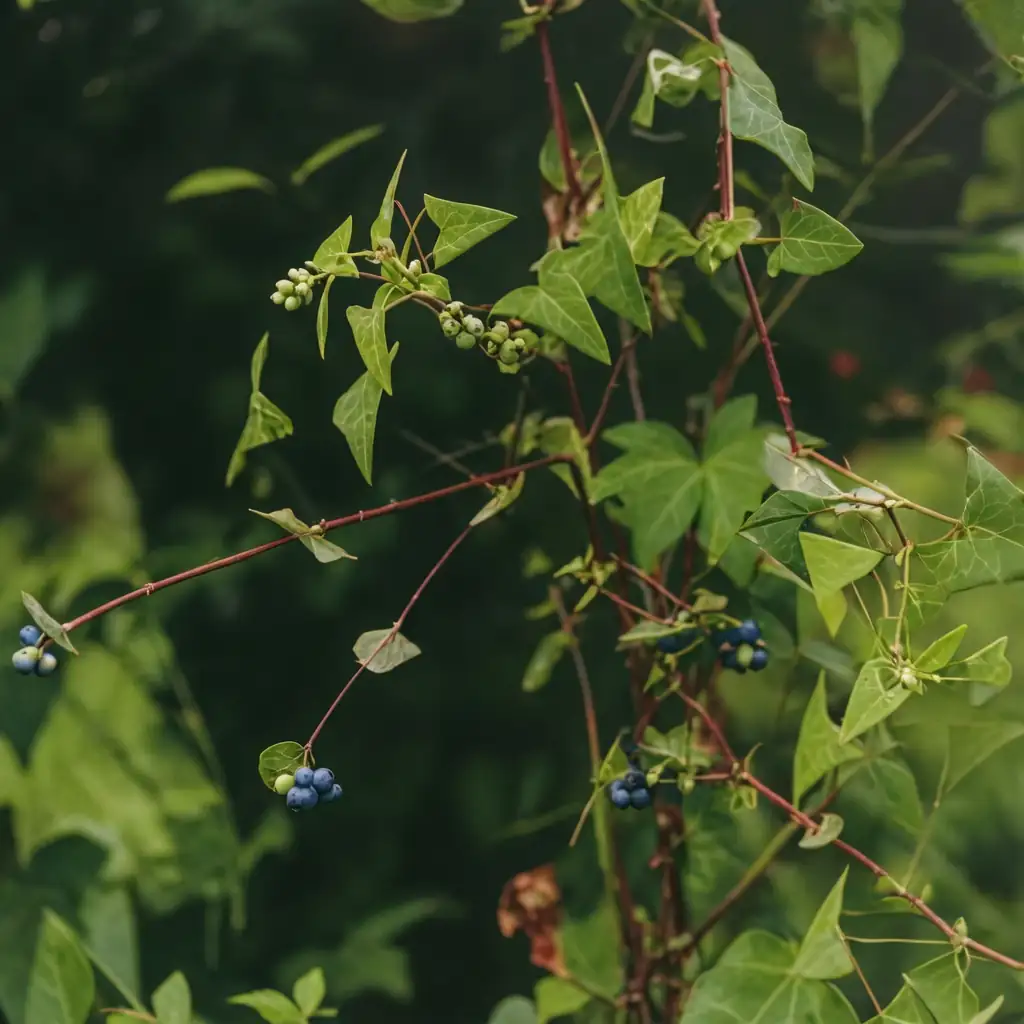
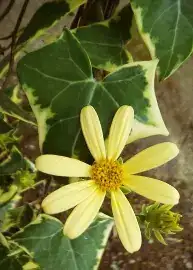
- Foliage: Glossy, fleshy, ivy-shaped leaves with yellow-and-green variegation. The stems are darker and naturally twine, making the plant easy to wrap around hoops or climb a small support.
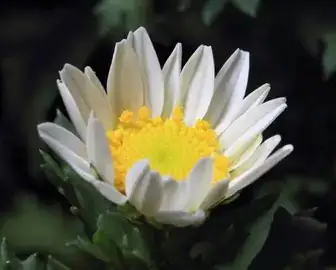
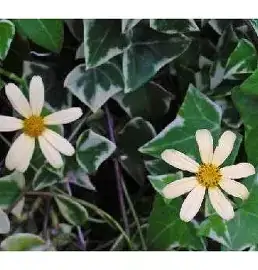
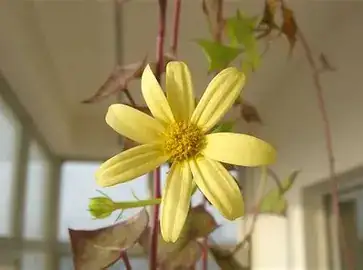
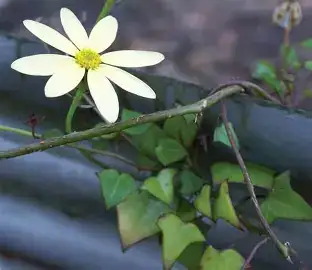
- Flower: May produce small, daisy-like composite flowers, especially outdoors in suitable climates. Indoors it flowers irregularly and is mainly grown for its foliage.
- Flowering Season: Late winter to spring (outdoors in suitable climates); irregular indoors
- Growth Habit: Trailing to climbing/twining; ideal for hanging baskets and for training onto hoops, trellises, frames, or small tripods.
Environment
Sunlight
Full sun to bright light. Indoors, bright indirect light with some gentle direct sun is ideal; give light shade from harsh midday sun in peak summer.
Temperature
10–25°C (50–77°F). Protect from frost; avoid prolonged cold below about 5°C (41°F).
Humidity
Low to average household humidity; avoid constantly damp conditions and stagnant air.
Soil
Fast-draining cactus/succulent mix, or potting mix blended with sharp sand at about 3:1 by volume. Drainage holes are essential. A pot around 15 cm (6 in) suits smaller plants.
Placement
Sunny windowsill or bright conservatory. Works beautifully in hanging baskets, or trained onto a hoop/trellis/tripod; move slightly back from scorching midday sun in midsummer.
Hardiness
Not frost hardy; best as a houseplant or outdoors only in frost-free climates (approx. USDA Zone 10–11).
Care Guide
Difficulty
Easy; most issues come from overwatering or not enough light.
Buying Guide
Pick plants with firm, glossy leaves and clear variegation. Avoid soggy pots, blackened stems, or lots of leaf drop, which can signal rot.
Watering
Spring to late summer: water when the surface of the mix has dried. Autumn and winter: reduce watering—aim for the mix to be only barely moist and never wet.
Fertilization
Spring to autumn: feed with a balanced liquid fertilizer at half strength.
Pruning
In spring, pinch or cut back long shoots to encourage branching and a fuller plant. If training upward, tie or clip stems to supports as they grow.
Propagation
Stem cuttings: take a healthy cutting, let the cut end dry/callus, then root in a free-draining mix in bright light.
Repotting
Repot every 2–3 years, or when rootbound. Move up only slightly in pot size and refresh with a gritty, fast-draining mix.
📅 Seasonal Care Calendar
Spring: trim long stems and start training onto supports. Spring–late summer: water when the surface dries. Spring–autumn: feed at half strength. Peak summer: provide light shade from harsh sun. Autumn/winter: water sparingly (lightly moist at most). Repot every 2–3 years or when crowded.
Pests, Diseases & Safety
Common Pests & Diseases
Common indoor pests include mealybugs, scale, and spider mites. Root or stem rot can occur with frequent watering or poor drainage—use a gritty mix, improve airflow/light, and let the soil dry more between waterings.
Toxicity
Toxic if ingested; keep away from children and pets. Sap may irritate sensitive skin.
Culture & Symbolism
Symbolism: Often linked with resilience and adaptability—it’s drought-tolerant and can be shaped into many display forms.
History & Legends: Popular worldwide as an ornamental trailing succulent and often compared to true ivy because of its leaf shape, even though it’s not closely related to ivy at all.
Uses: Primarily an ornamental houseplant for containers and hanging baskets; also excellent for training into hoops, wreath-like forms, or small vertical supports.
FAQ
Why are the leaves turning greener and losing variegation?
Variegation fades when light is too low. Move it to a brighter position with some direct sun, while avoiding harsh midsummer midday sun that can scorch leaves.
What is the most common cause of failure with this plant?
Overwatering. Use a fast-draining mix and let the top of the soil dry before watering again—especially in autumn and winter.
Fun Facts
- It looks like ivy, but it’s actually a succulent in the daisy family (Asteraceae).
- Train it around a hoop or small trellis and it can form a striking living “wreath” indoors.