Plant Features
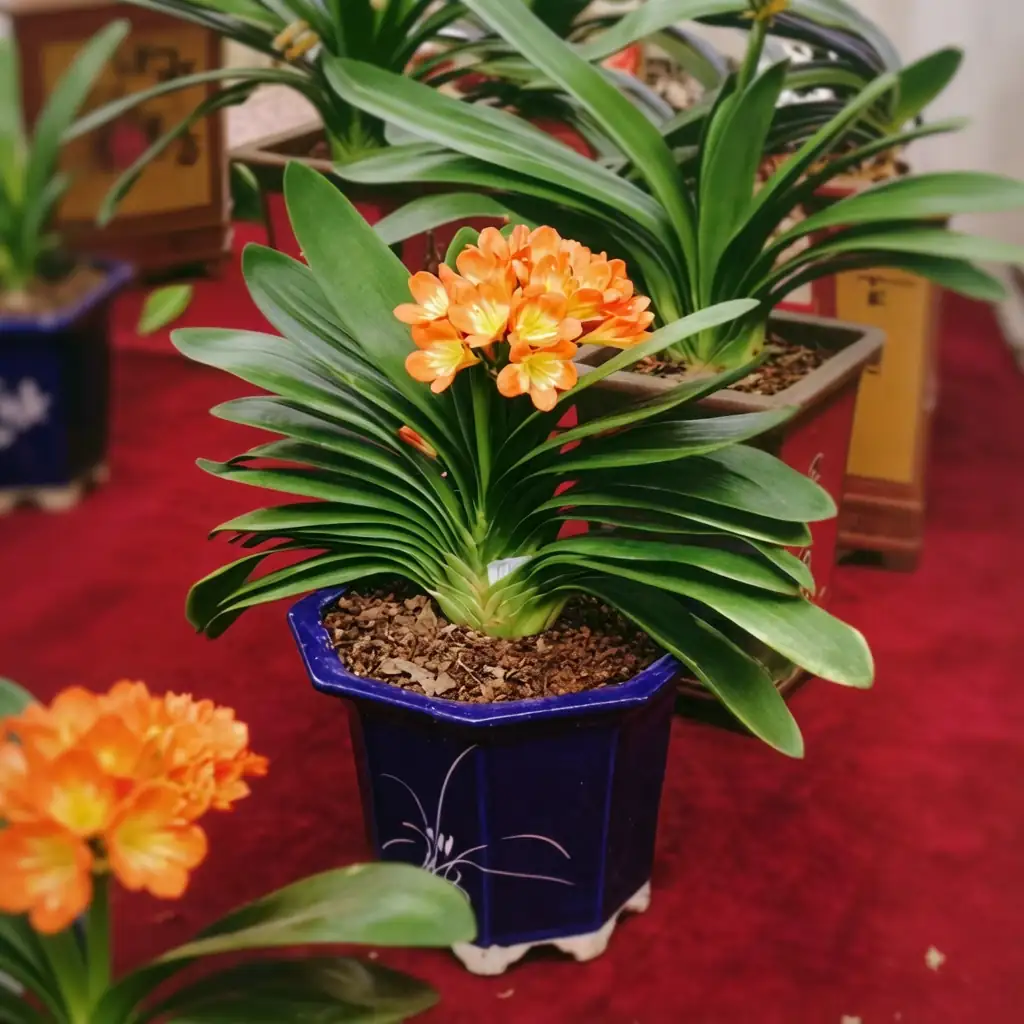
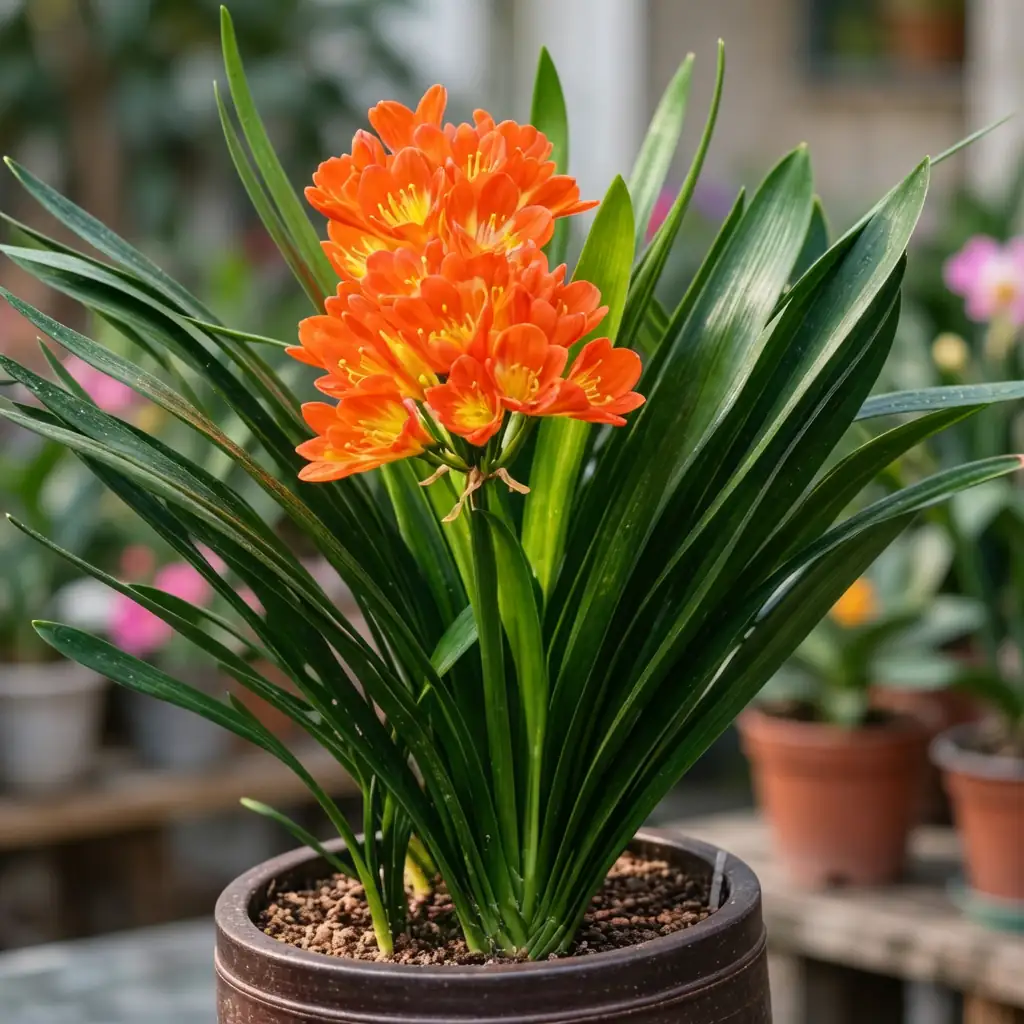
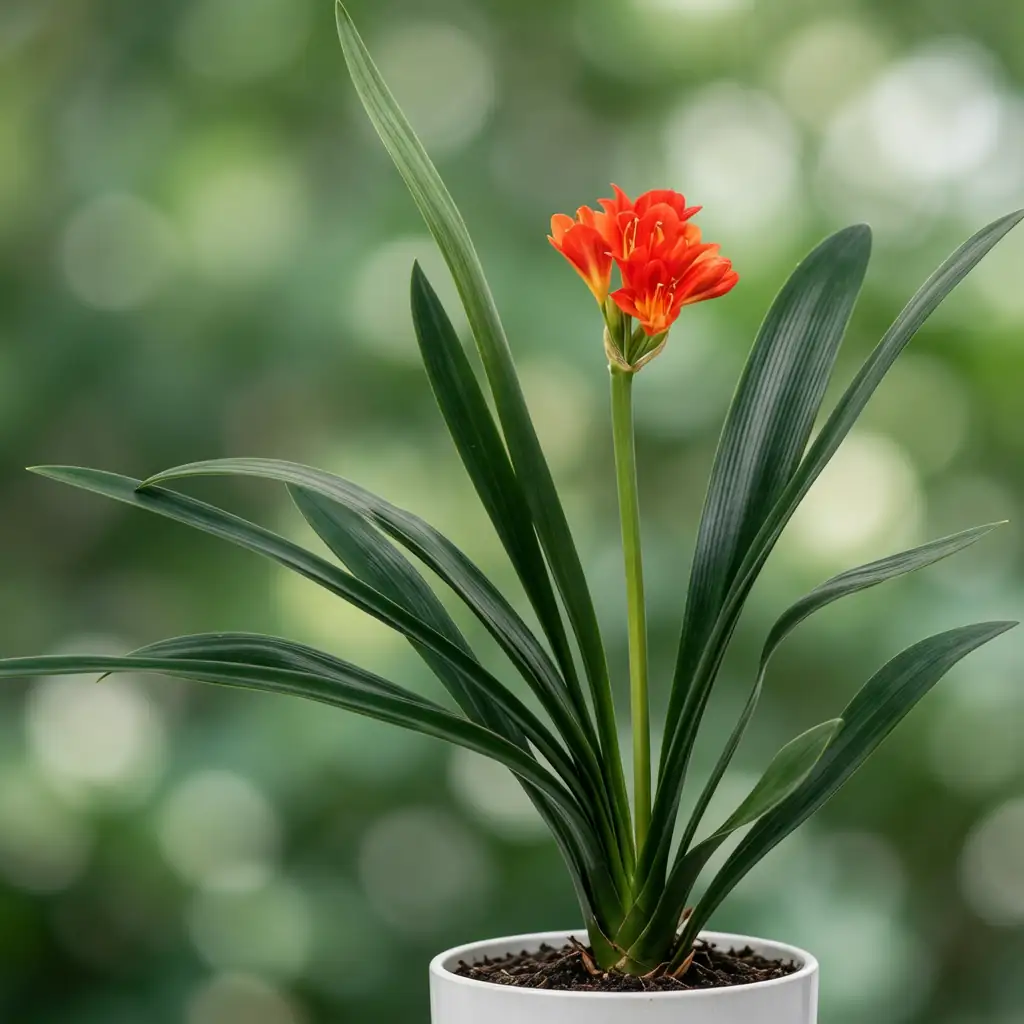
- Size: Typically 30–60 cm (12–24 in) tall in bloom, with a spread of about 30–60 cm (12–24 in) in containers; flower stalks commonly reach 45–60 cm (18–24 in). Mature, well-grown clumps may become broader over time.
- Foliage: Evergreen, thick, glossy, dark green strap-like leaves arranged in tidy two-ranked fans. Many plants look naturally symmetrical, and rotating the pot helps keep the fan even. Some cultivated forms show subtle striping, mottling, or variegation.
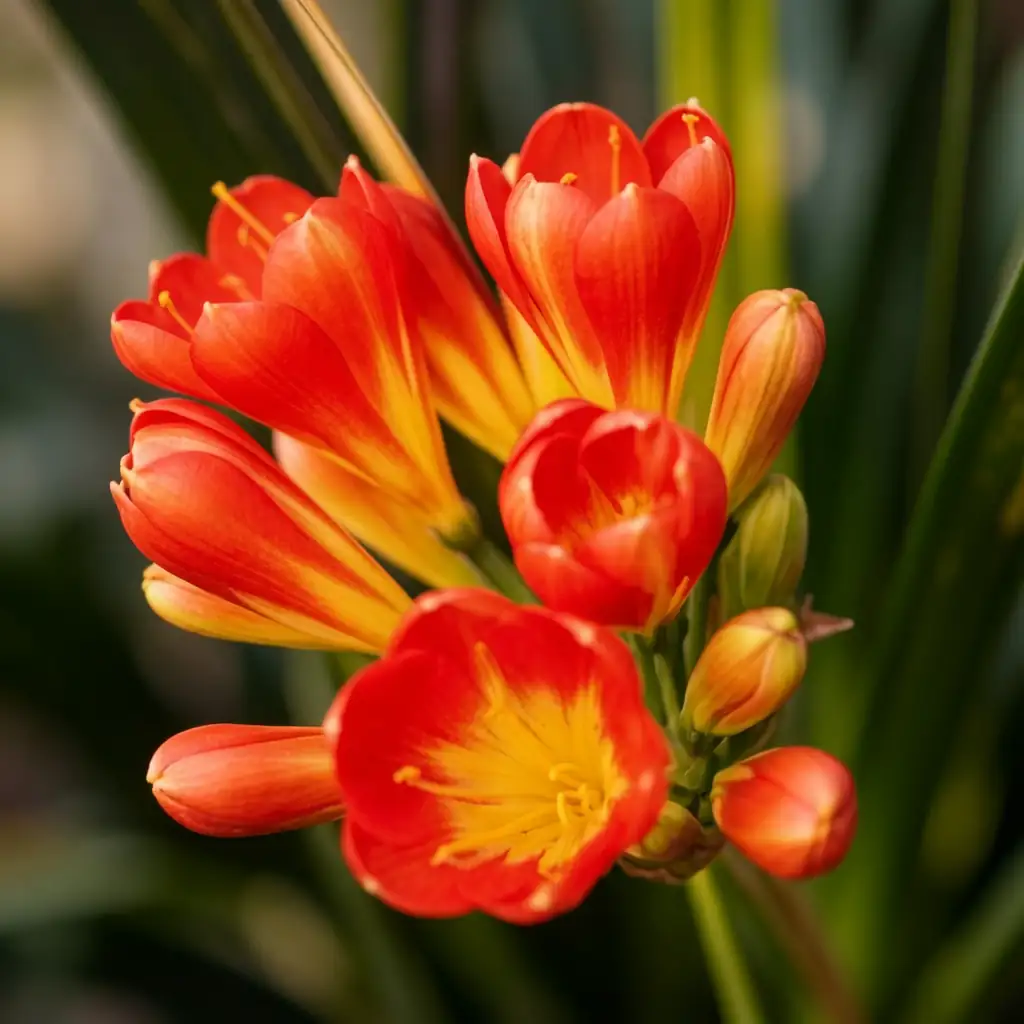
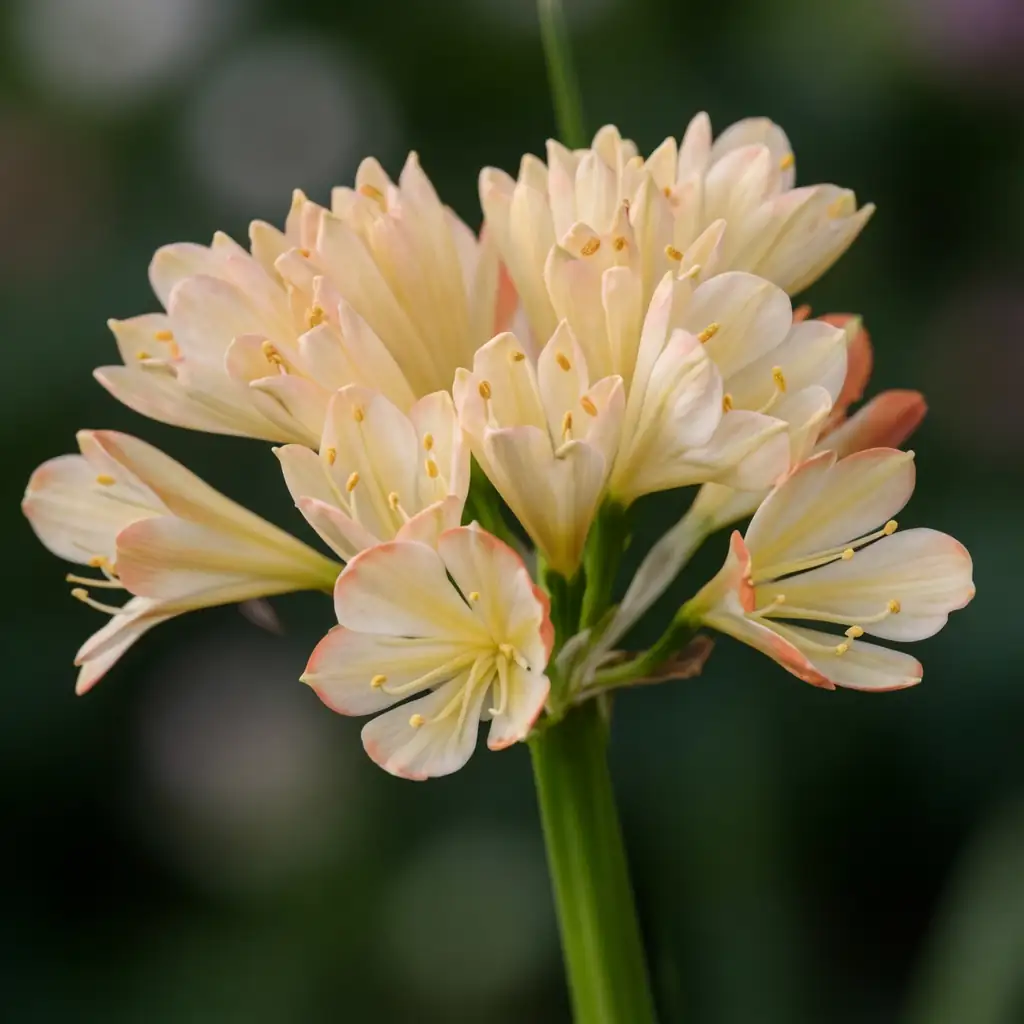
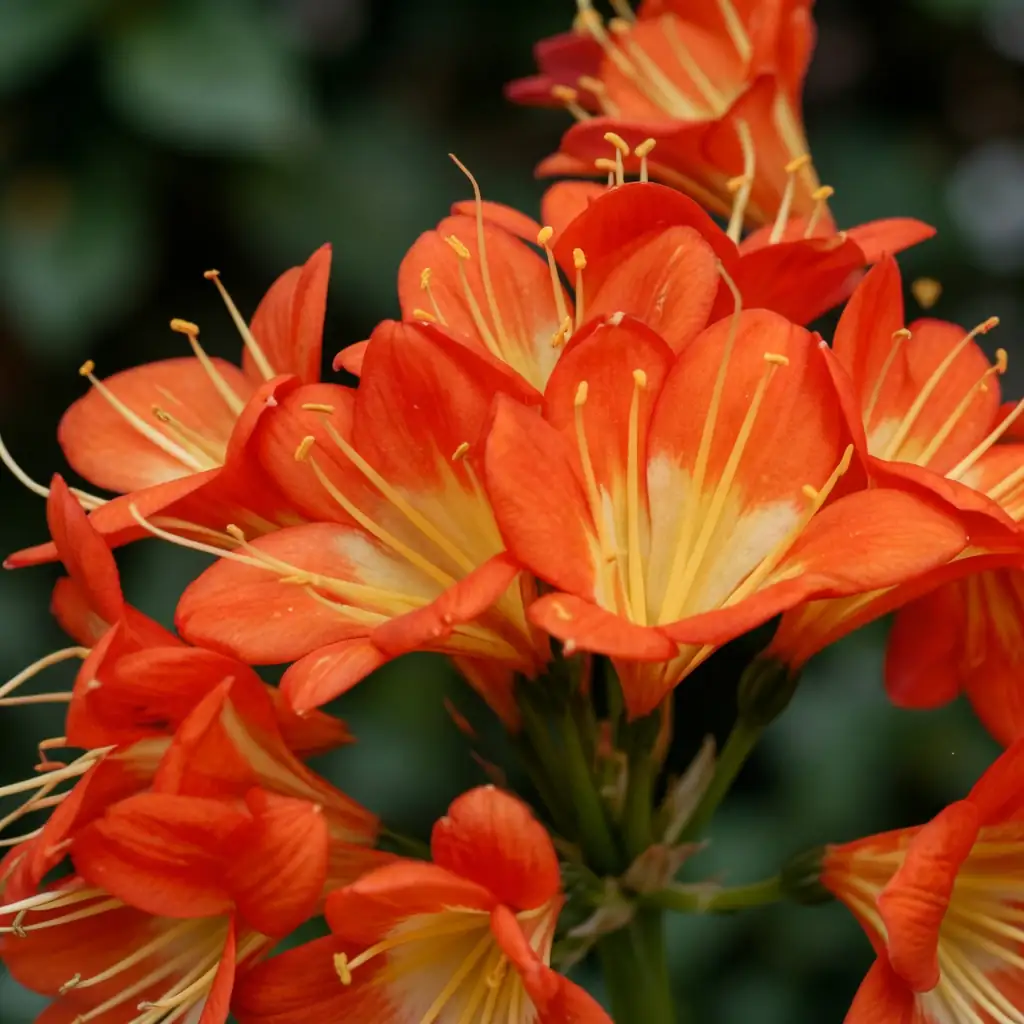
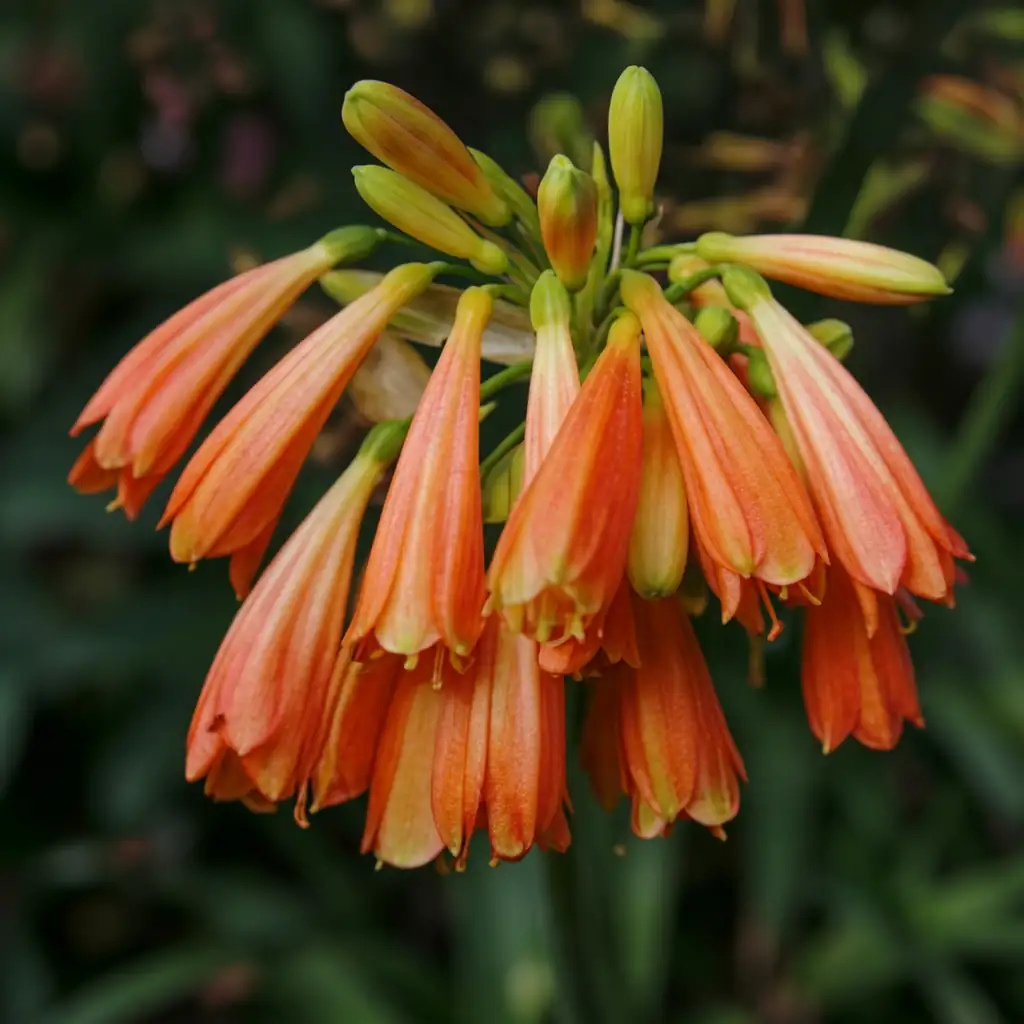
- Flower: Upright stems carry rounded umbels of funnel- to trumpet-shaped flowers, most often orange with yellow throats, but also yellow or apricot in some cultivars. After successful pollination, round berries form and slowly ripen from green to red (sometimes with a reddish-purple cast).
- Flowering Season: Late winter to spring; may extend into early summer indoors depending on conditions and cultivar.
- Growth Habit: Evergreen, clump-forming perennial that gradually produces offsets; adapted to woodland light and well-suited to indoor culture.
Environment
Sunlight
Bright, indirect light or light part shade. Gentle morning sun is usually fine, but avoid harsh midday sun (especially through glass), which can scorch leaves. In winter, slightly brighter light often supports flowering.
Temperature
Active growth is happiest around 16–25°C (61–77°F). For bud initiation, many growers use a cooler, bright rest period in late autumn to winter around 10–15°C (50–59°F), then bring it back to roughly 16°C (61°F) or warmer to push flowers. Avoid frost entirely. When buds/spikes are developing, prolonged chills below about 12°C (54°F) combined with dryness can lead to “stuck” flower spikes or bud problems. Prolonged heat above about 35°C (95°F) can cause weak, stretched growth.
Humidity
Adaptable to average household humidity; moderate humidity with good airflow is ideal. In very dry conditions you can lightly mist or use a humidifier, but avoid water sitting in the crown and avoid stagnant, overly damp air.
Soil
Loose, free-draining, humus-rich mix that holds some moisture but never stays soggy (e.g., quality potting mix with leaf mold/composted bark plus perlite/grit/coarse sand; some growers blend loam-based compost with multipurpose mix about 1:1). Keep the neck/crown at or slightly above the soil surface and prioritize drainage to prevent rot.
Placement
Indoors near an east or north window, or set back from bright south/west windows with filtered light. Great for living rooms, entryways, side tables, or bright shelves—keep away from hot radiators and cold drafts. Outdoors in warm seasons: a shaded patio/balcony; bring inside as nights approach ~10°C (50°F).
Hardiness
Frost-tender; best as a houseplant except in very mild climates. Roughly USDA Zone 9–11, depending on local winter lows and protection from cold/wet.
Care Guide
Difficulty
Easy to moderate. It’s a forgiving, long-lived plant once established, but it rewards good habits: excellent drainage, not overwatering, and (for reliable blooms) a cool, slightly drier rest period. Most failures come from soggy soil, cold stress, or skipping the rest that encourages flowering.
Buying Guide
Look for firm, glossy leaves and a balanced fan with no yellowing, spotting, or soft tissue at the base. Avoid sour-smelling pots, blackened roots, or obvious pest signs (especially scale/mealybugs). A plant with roughly 10–15 healthy leaves is a great starter size; if buying in bud, choose one with a visible spike and several buds for a longer show. After purchase, place it in bright filtered light, and once it’s in bloom try not to move it around repeatedly.
Watering
Water thoroughly, then let the surface/top layer dry before watering again—never leave the pot standing in water, and don’t let water sit in the crown.
Typical rhythm indoors:
– Spring to autumn (active growth): water when the top feels dry; many homes average about 1–2 times per week, more often in hot bright weather and less in cool/cloudy conditions.
– Late autumn to mid-winter (rest period): keep much drier—only small sips to prevent shriveling.
– Bud/spike development: avoid the “too cool + too dry” combination. If spikes seem reluctant (“stuck”), slightly warmer conditions and more even moisture (still not soggy) often help.
Adjust to pot size, light, and temperature rather than the calendar alone.
Fertilization
During active growth (spring to early autumn), feed about monthly with a balanced liquid fertilizer, often at half strength. In the lead-up to flowering, 1–2 feeds that are higher in phosphorus and potassium can support bud and bloom quality. Reduce or stop feeding during the cool rest and during summer slow-down/semi-dormancy if growth pauses. Avoid splashing fertilizer onto leaves/crown.
Pruning
After flowering, cut the spent flower stalk at the base unless you want berries/seed. Remove only fully yellowed or diseased leaves with clean tools; avoid trimming healthy green foliage. Rotating the pot periodically helps keep the leaf fan symmetrical.
Propagation
Most commonly by division of offsets, ideally after flowering or at spring repotting. Separate offsets when they have about 6–7 leaves; pot them into a very free-draining mix. If roots are sparse, start the offset in clean sand/gritty medium until new roots form, then move to a richer mix. Offsets often flower in about 1–3 years.
Seed is also possible (typically sown in spring at about 20–25°C / 68–77°F). Seed-grown plants commonly take about 4–5 years to flower.
For berries/seed indoors, hand-pollination can help: pollinate 2–3 days after a flower opens when pollen is ready and the stigma feels sticky; repeat the next day. Berries may take around 9 months to ripen.
Repotting
Repot infrequently—this plant often blooms best slightly pot-bound. Many growers repot about every 2–3 years; some stretch it to every 3–5 years and simply top-dress in spring by replacing the upper layer of mix. Repot in spring or after flowering.
Pot sizing guidance from the sources:
– For a plant with ~10–15 leaves: about 20 cm (8 in) pot.
– For a clump with ~20–25 leaves: about 30–40 cm (12–16 in) pot.
Always keep the crown/neck at or just above the soil line and ensure excellent drainage.
📅 Seasonal Care Calendar
Spring: resume stronger growth—water when the surface dries; feed monthly; consider top-dressing or repotting if crowded.
Summer: bright filtered light; protect from harsh sun and heavy rain outdoors; reduce feeding/watering if growth slows.
Autumn: gradually reduce watering; many growers begin the cooler, brighter rest period to encourage bud formation.
Late autumn to mid-winter: cool rest around 10–15°C (50–59°F) with very little water.
After rest: move to a brighter, slightly warmer spot (~16°C/61°F or warmer) and water more evenly to support flowering.
Pests, Diseases & Safety
Common Pests & Diseases
Watch for scale insects (very common), plus mealybugs and spider mites (especially in dry indoor air). Overwatering is the big trigger for root/crown rot and can also invite bacterial soft rot (water-soaked spots that turn mushy). Less commonly, basal fungal issues such as southern blight/white mold can occur near the soil line.
Prevention: use clean pots and a sterile, free-draining mix; keep the crown above the soil; let the top dry between waterings; provide airflow; remove debris.
Treatment: wipe pests off and repeat treatments with horticultural soap/oil as needed; for rot, remove affected tissue, improve drainage and watering practices, and consider appropriate labeled fungicide/bactericide only when necessary.
Toxicity
Toxic if ingested. Clivia contains alkaloids, with bulbs/roots and berries often considered more risky. Ingestion may cause vomiting, drooling, diarrhea, and abdominal pain in people and pets; sap may irritate sensitive skin. Keep away from children, cats, and dogs.
Culture & Symbolism
Symbolism: Often linked with quiet elegance, perseverance, and longevity—an evergreen plant that can look composed year-round and still surprise you with bright blooms after a rest.
History & Legends: A long-cultivated ornamental from southern Africa that became especially popular as a conservatory and houseplant in cooler climates (including Victorian-era collections). Modern cultivars have been selected for richer colors, larger flower clusters, and variegated foliage.
Uses: Primarily ornamental: valued for glossy evergreen leaves, showy winter–spring flowers, and sometimes decorative red berries. Flower stalks can be used as cut flowers in arrangements. Like other houseplants it contributes to normal indoor oxygen exchange, though it shouldn’t be treated as a guaranteed “air purifier.”
FAQ
Why does the flower spike get “stuck” and not emerge properly?
This usually happens when the plant is kept too cool and too dry at the same time while the spike is trying to extend (often below about 12°C / 54°F). Move it to a slightly warmer, bright spot and water more evenly (without waterlogging). Consistent light and gentle feeding in the growing season also help prevent the issue.
How do I pick a good plant and place it at home?
Choose firm, glossy leaves with no soft base or rot smell, and a balanced fan (around 10–15 leaves is a great size). Place it in bright filtered light near an east/north window or set back from a sunny window. When it’s in bud or bloom, avoid moving it repeatedly; rotate occasionally for even growth.
How can I get berries or seeds indoors?
Hand-pollinate: transfer pollen onto the stigma about 2–3 days after a flower opens (when the stigma feels sticky) and repeat the next day. If successful, berries form and can take around 9 months to ripen from green to red.
Fun Facts
- It’s often called a “three-in-one” ornamental: handsome leaves, bright flowers, and (if pollinated) colorful berries.
- Bush lily typically blooms better when slightly pot-bound—so resisting the urge to repot can actually mean more flowers.
- A cool, drier rest period in late autumn/winter is one of the most reliable indoor bloom triggers.
- Seed-grown plants commonly take about 4–5 years to flower, while divisions (offsets) may bloom in about 1–3 years.