Plant Features
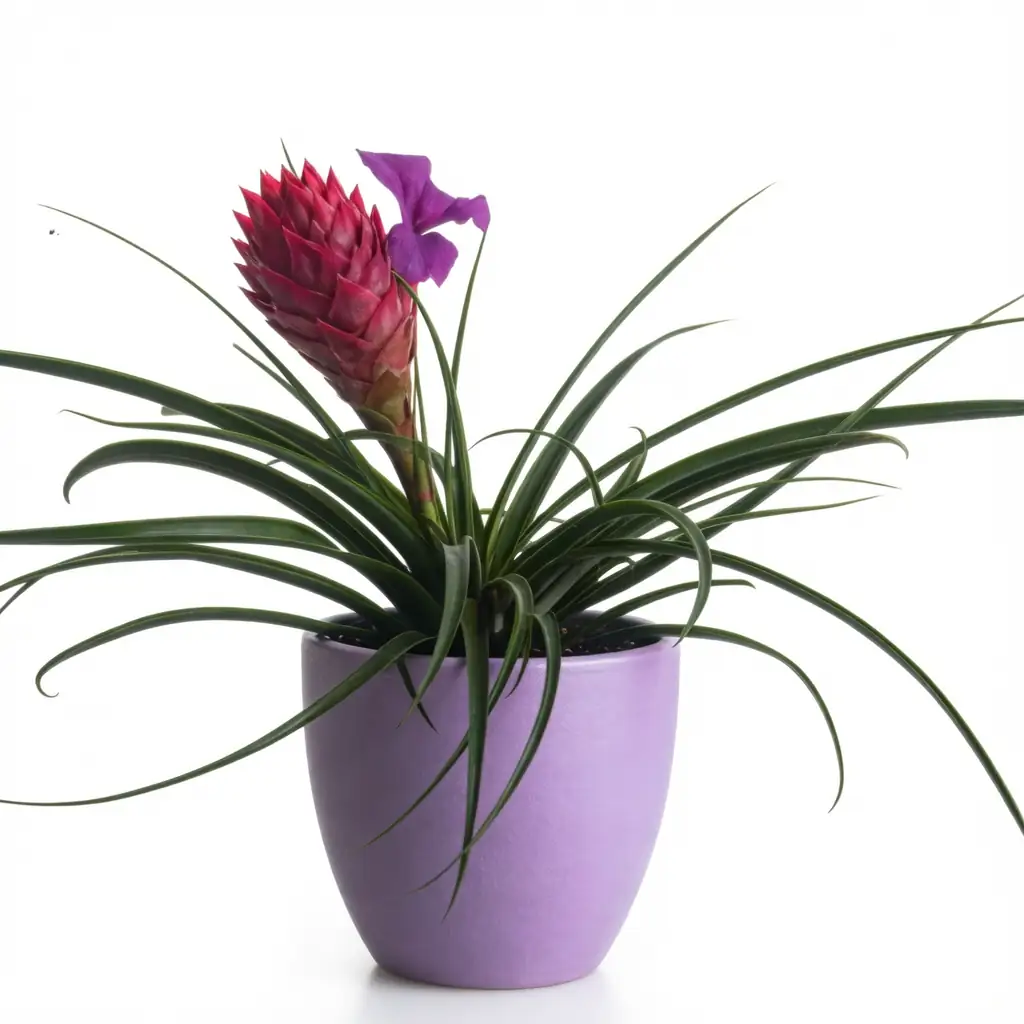
- Size: Typically 20–30 cm (8–12 in) tall and 20–30 cm (8–12 in) wide in a pot; the flower spike may extend slightly above the foliage.
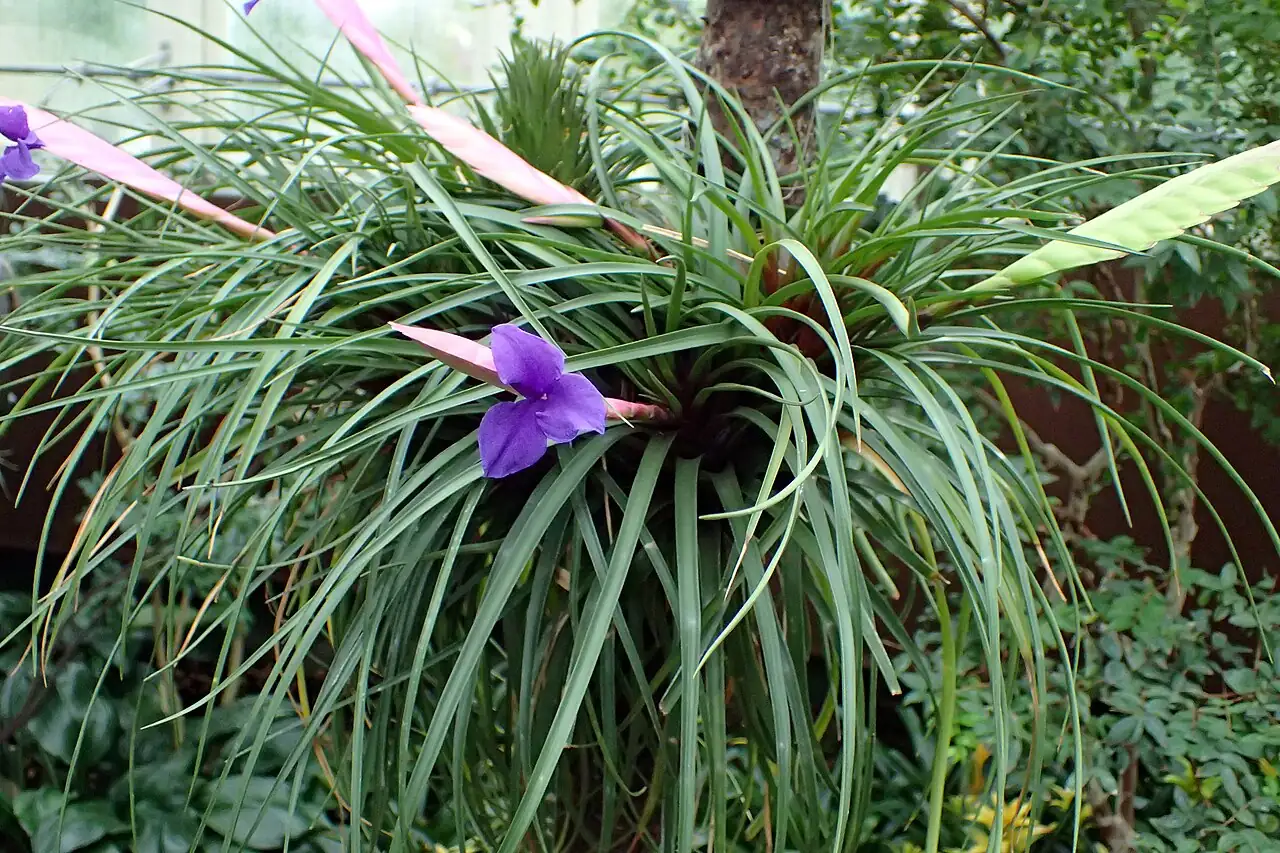
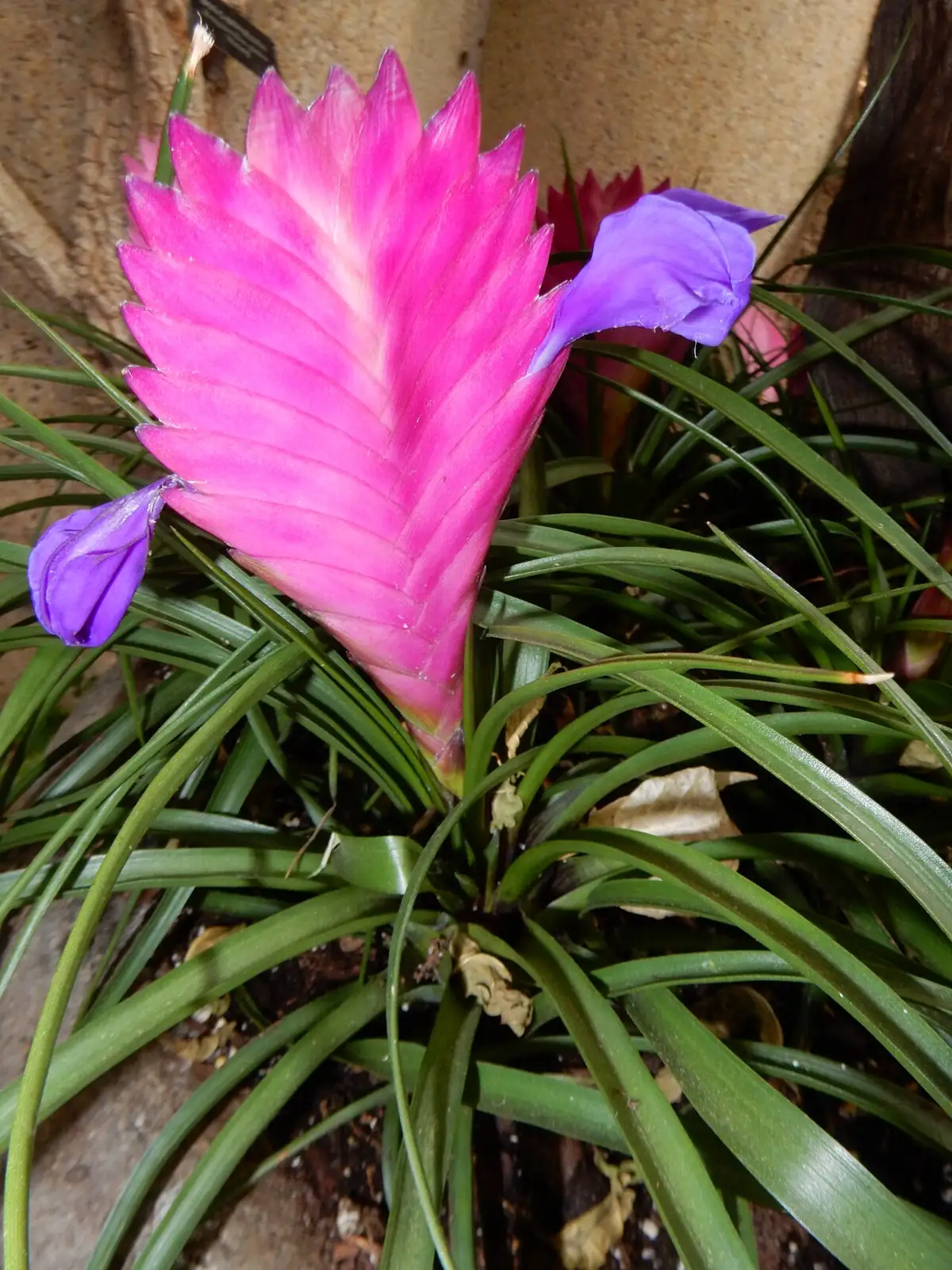
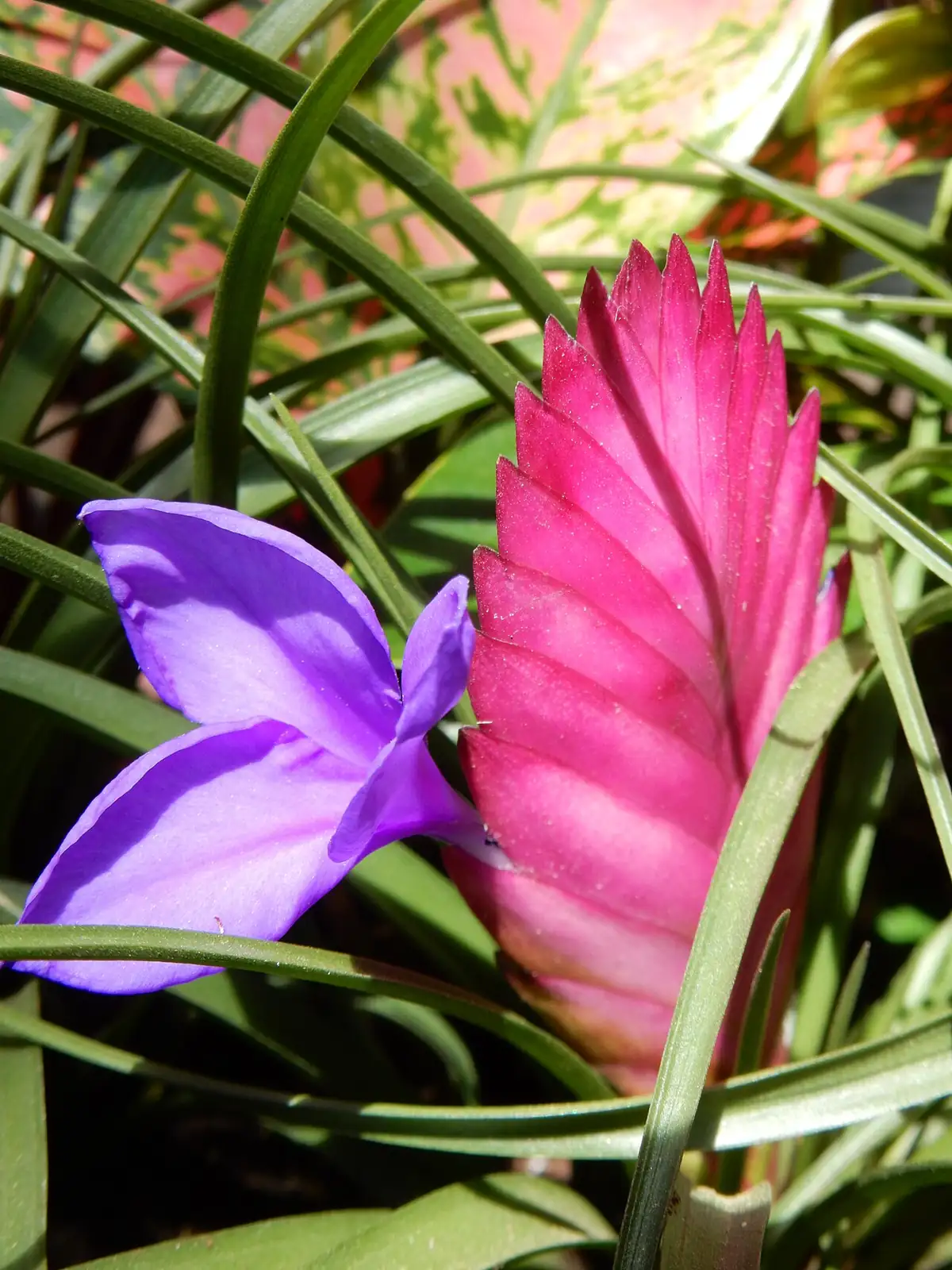
- Foliage: Deep green, narrow, strap-like leaves forming a compact rosette.
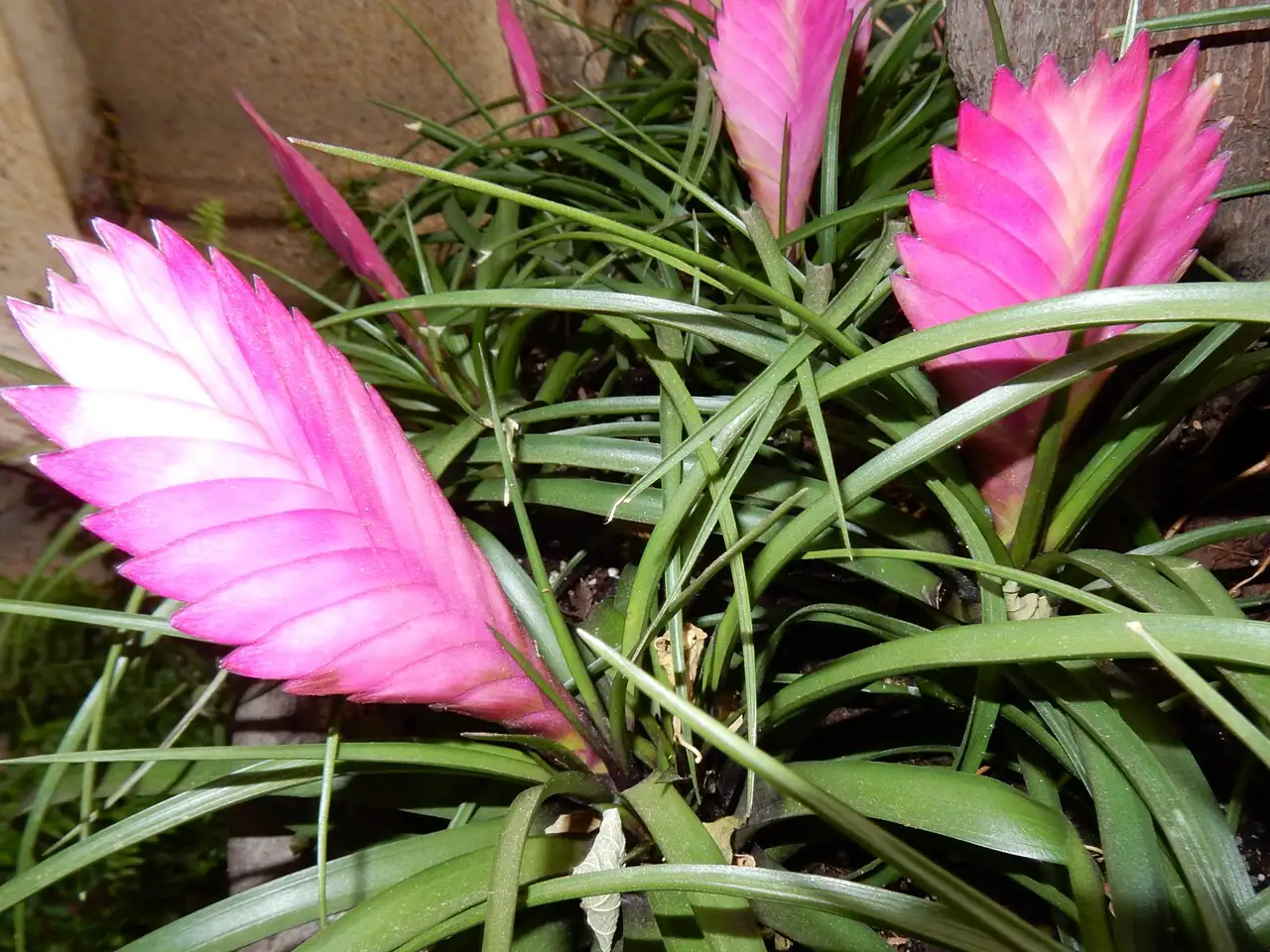
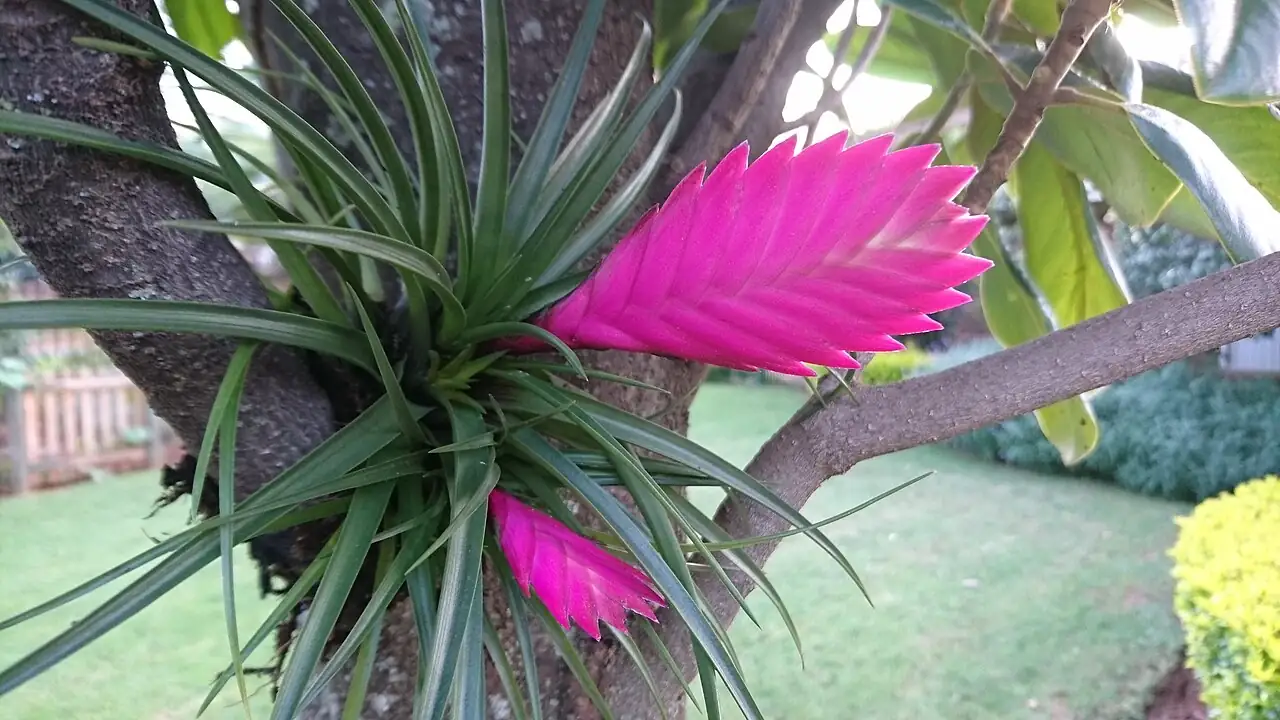
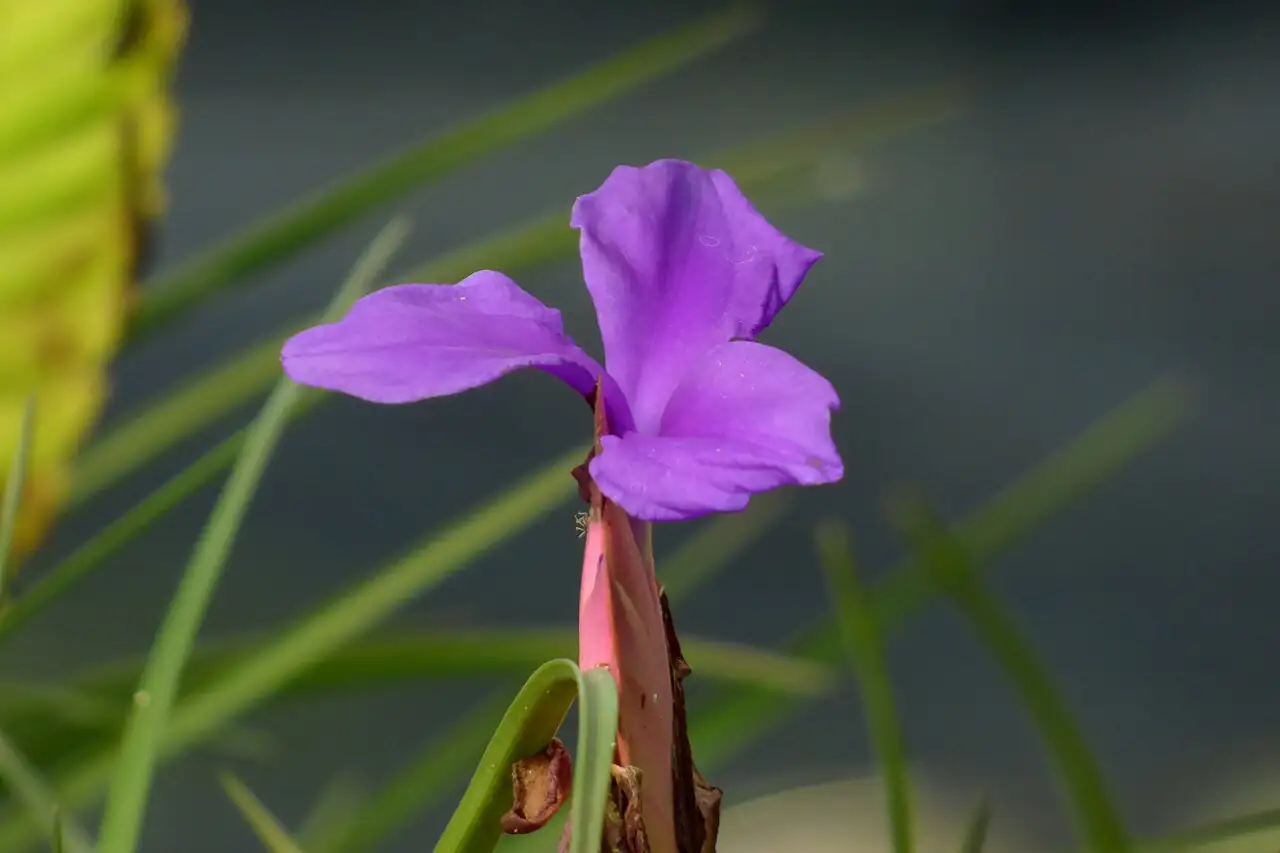
- Flower: A flattened, oval to quill-like inflorescence of bright pink bracts; short-lived violet-blue tubular flowers appear one by one from between the bracts.
- Flowering Season: Most often late summer to winter indoors; timing varies with growing conditions.
- Growth Habit: Evergreen, rosette-forming epiphytic bromeliad; in homes it’s commonly grown potted in a very airy mix rather than mounted.
Environment
Sunlight
Bright, indirect light; tolerates gentle morning sun but avoid harsh midday sun.
Temperature
Preferred 18–27°C (64–81°F); avoid prolonged drops below 10°C (50°F).
Humidity
Moderate to high humidity, ideally 50–70%.
Soil
Very free-draining, airy bromeliad/epiphyte mix (e.g., orchid bark with perlite and a little peat/coco). Do not use heavy garden soil.
Placement
Near an east or bright north window indoors; also suitable for a bright bathroom or kitchen with good airflow.
Hardiness
USDA Zone 10–12 (50°F/10°C and above); grown as a houseplant in cooler climates.
Care Guide
Difficulty
Easy to moderate: straightforward if kept warm with bright indirect light, good airflow, and a fast-draining mix.
Buying Guide
Choose plants with firm, deep green leaves and an unblemished pink bract. Avoid specimens with a soggy base, blackened center, or persistent leaf spotting.
Watering
Water when the top 2–3 cm (1 in) of the mix dries. Use room-temperature water; water the potting mix thoroughly, then let it drain completely. If grown as a typical rosette bromeliad, you may keep a small amount of water in the central cup, but refresh weekly and never let it stagnate. Reduce watering in cooler, darker months.
Fertilization
Feed lightly in spring and summer: 1/4-strength balanced liquid fertilizer about once every 4–6 weeks. Avoid heavy feeding, which can reduce flowering and damage roots.
Pruning
Remove spent violet-blue flowers as they fade. After the pink bract finishes, cut the old flower spike at the base. Trim only dead leaf tips if desired.
Propagation
By offsets (pups) produced after flowering. Separate when pups reach about 1/3–1/2 the size of the mother plant, roughly 7–15 cm (3–6 in), and pot into an airy mix.
Repotting
Repot every 1–2 years or when crowded, preferably in spring. Use a small pot and keep the crown above the mix to prevent rot.
📅 Seasonal Care Calendar
Spring–summer: brightest indirect light, regular watering, light feeding, good airflow. Fall–winter: slightly drier, keep warm, stop or reduce feeding, avoid cold drafts; flowering often occurs in this period.
Pests, Diseases & Safety
Common Pests & Diseases
Watch for mealybugs and scale in leaf bases; treat with insecticidal soap or alcohol swabs and improve airflow. Overwatering can cause crown/root rot—use a fast-draining mix and avoid water sitting in the pot.
Toxicity
Generally considered non-toxic to cats and dogs, but chewing may cause mild gastrointestinal upset. Keep out of reach of pets that like to chew plants.
Culture & Symbolism
Symbolism: Often associated with vibrant affection and cheerful resilience—bright bracts paired with delicate blue flowers that appear in a charming little sequence.
History & Legends: A South American bromeliad that became a favorite in indoor horticulture thanks to its long-lasting pink bracts and compact size. It’s often sold as a “flowering air plant,” even though most people grow it in a pot like a bromeliad rather than mounted bare-root.
Uses: Ornamental indoor plant; prized for its colorful bracts, compact rosette form, and ability to brighten bright-but-not-sunny interior spaces.
FAQ
Why is my pink quill turning brown?
The pink bracts naturally fade after flowering, but browning can be sped up by harsh direct sun, very dry air, or salt buildup from hard water/fertilizer. Provide bright indirect light, raise humidity, and flush the potting mix periodically with clean water.
Do I need to keep water in the center cup?
It can help in warm, bright conditions, but refresh it weekly and keep excellent airflow. In cooler or dim conditions, it is safer to water the mix and keep the crown drier to prevent rot.
Will it bloom again?
The original rosette blooms once, then slowly declines while producing pups. The pups can grow on to flower in time under good light and care.
Fun Facts
- The showy pink “flower” is mostly bracts; the true flowers are the small violet-blue blooms that appear briefly.
- After flowering, the plant redirects energy into making pups, so a single plant can eventually become a clump.
- Even though it’s a Tillandsia, it’s commonly grown in a pot (like a bromeliad) rather than mounted like many classic “air plants.”