


Plant Features
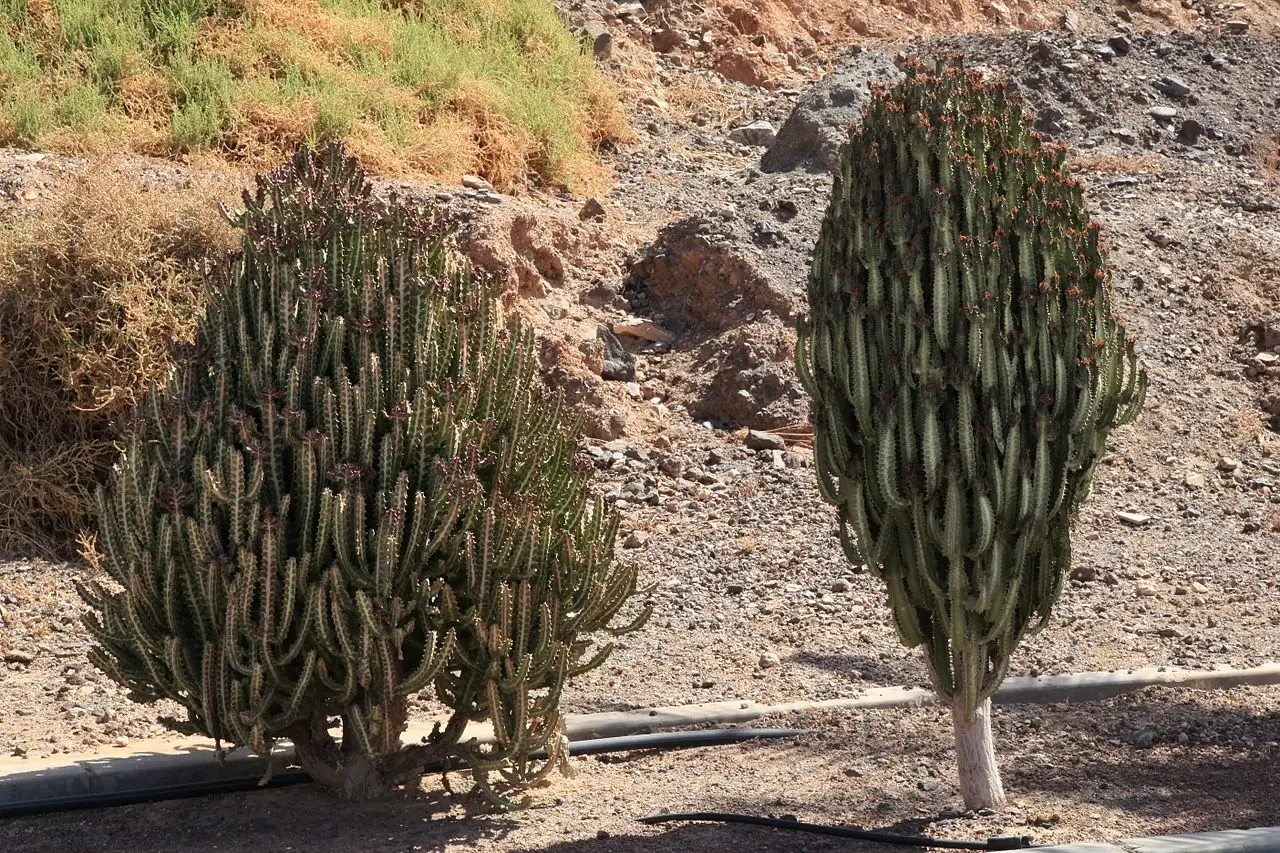
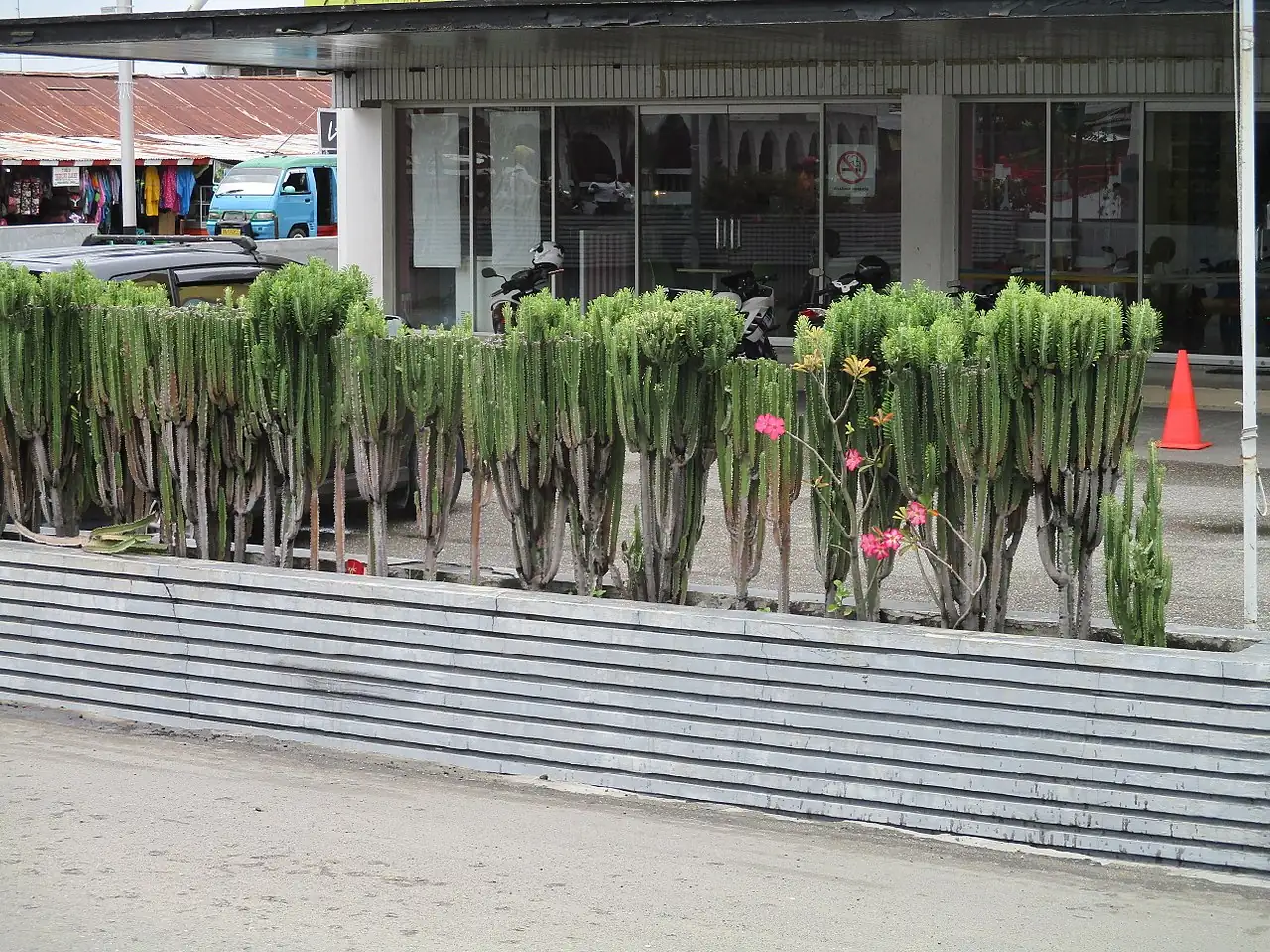
- Size: Typically 1–2 m (3–6.5 ft) indoors; can reach 3–6 m (10–20 ft) in frost-free outdoor climates.
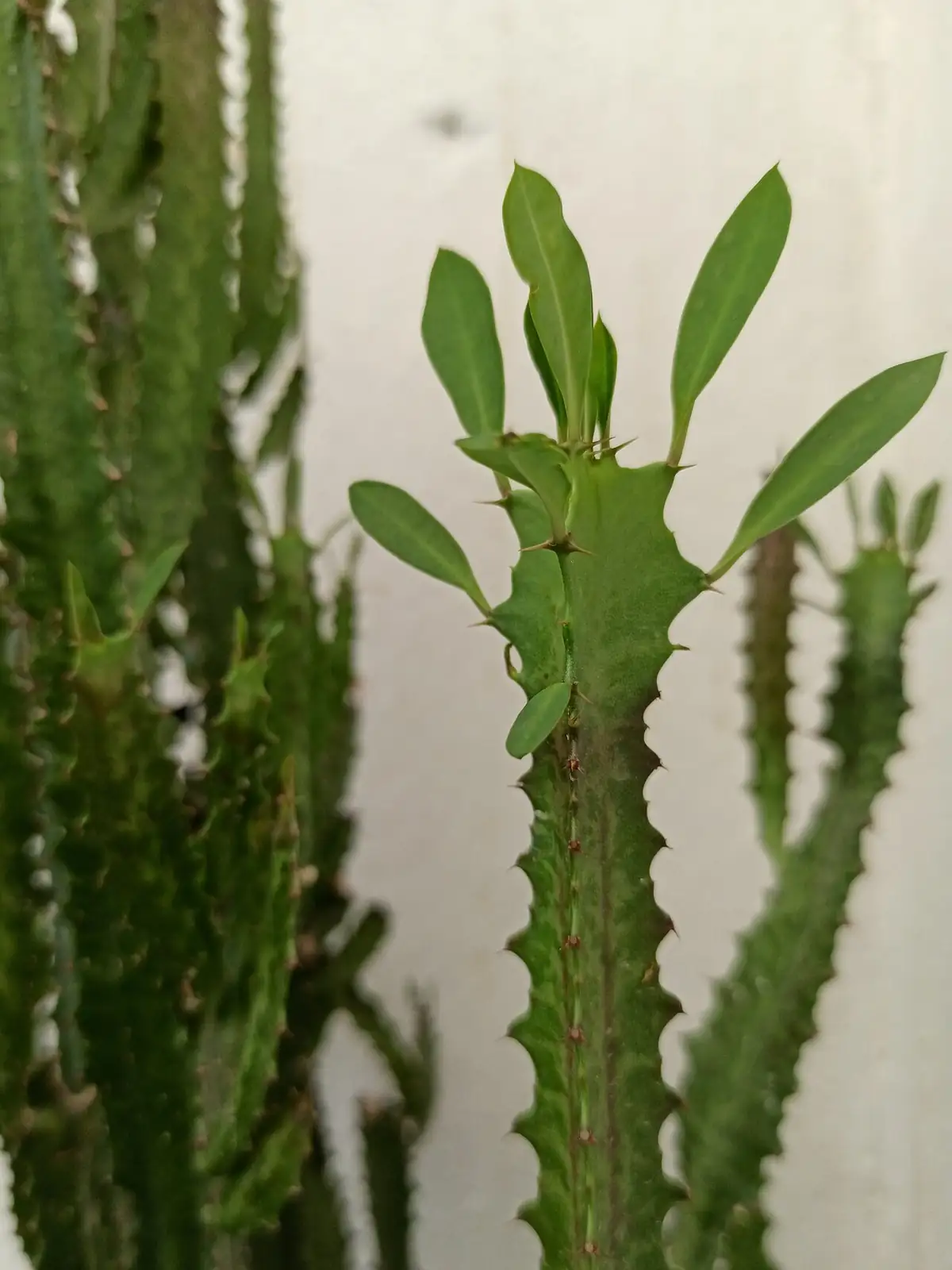
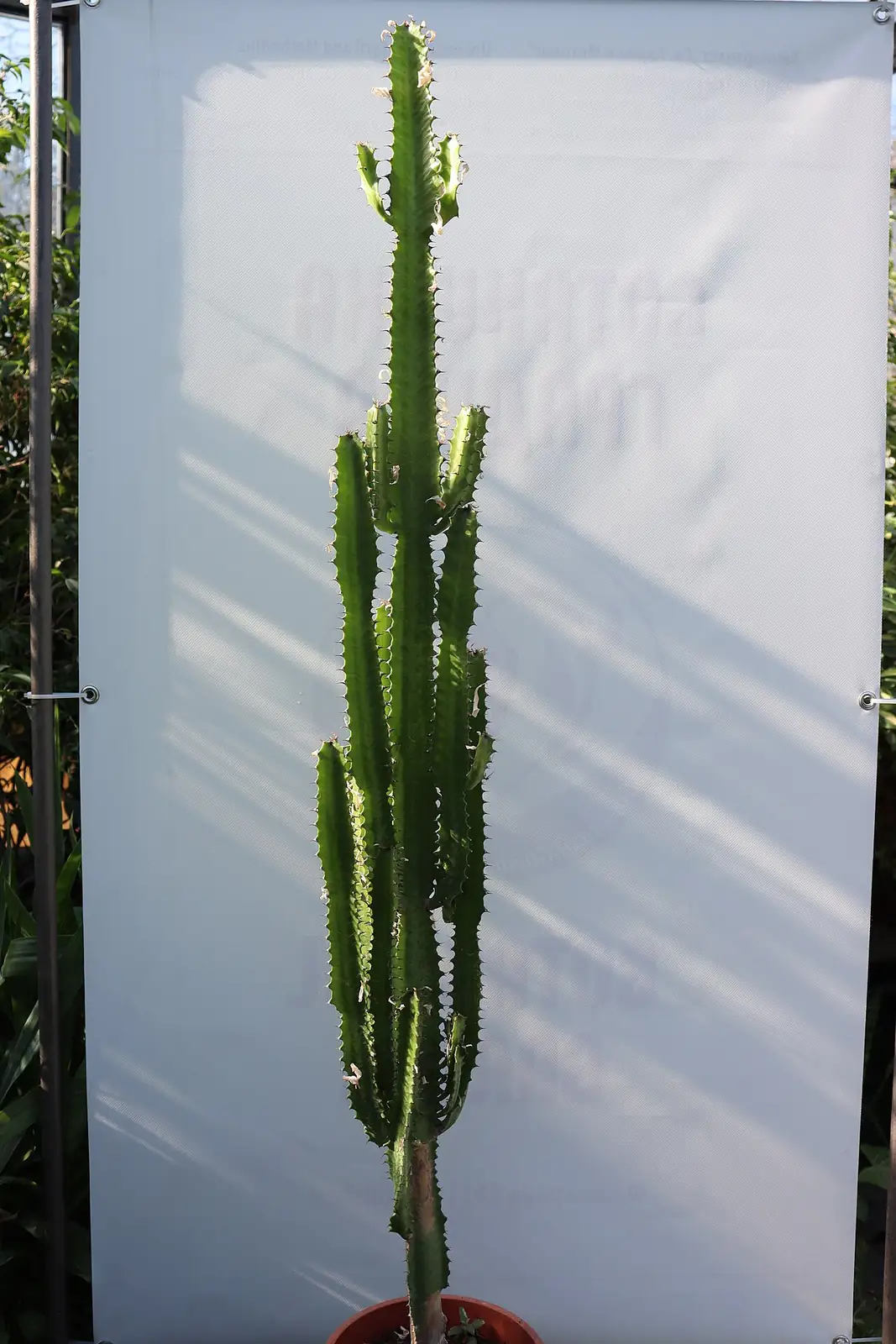
- Foliage: Small, narrow, finger-like leaves appear along the stem ridges, especially on new growth. Leaves may drop when light is too low, during cold stress, or after extended dryness.
- Flower: Flowers are uncommon indoors. If it blooms, the flowers are tiny and inconspicuous (typical Euphorbia cyathia) rather than showy petals.
- Flowering Season: Sporadic; more likely in warmer months under strong light (spring to summer).
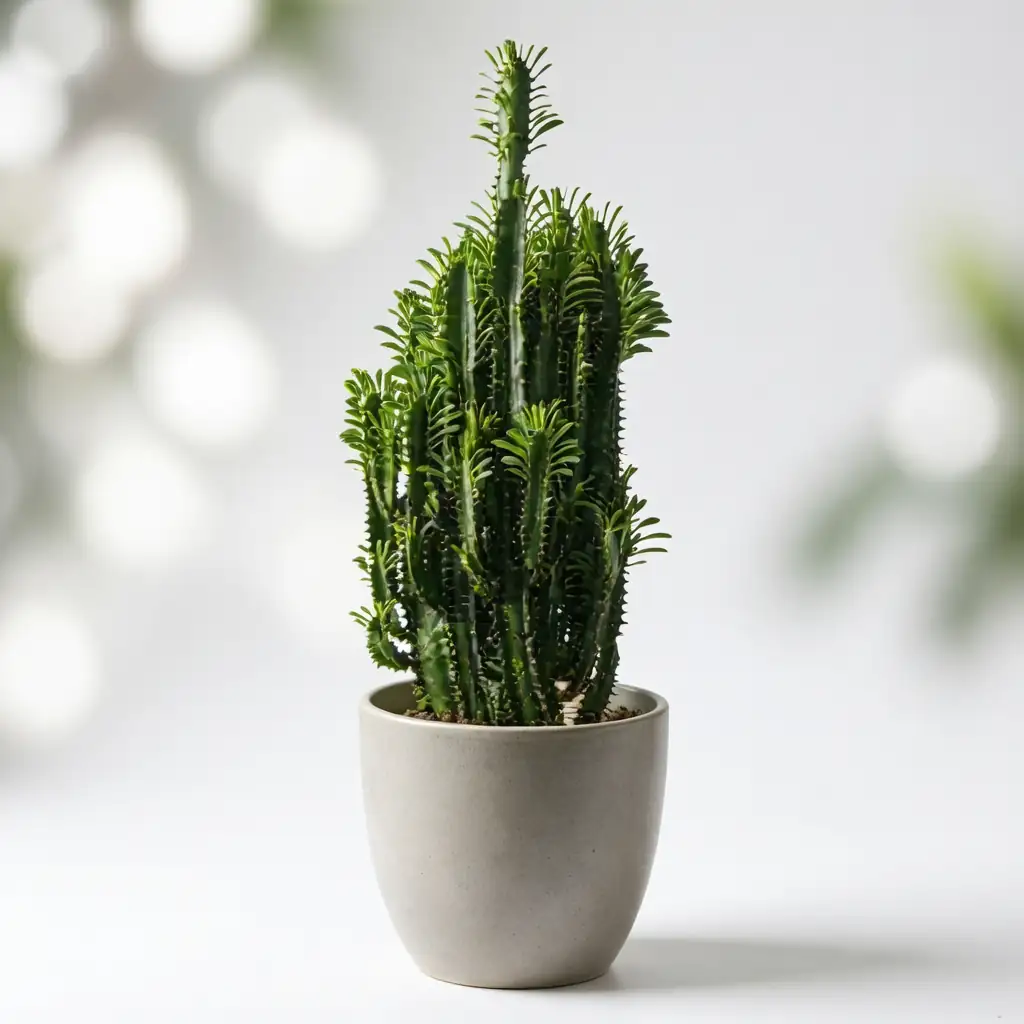
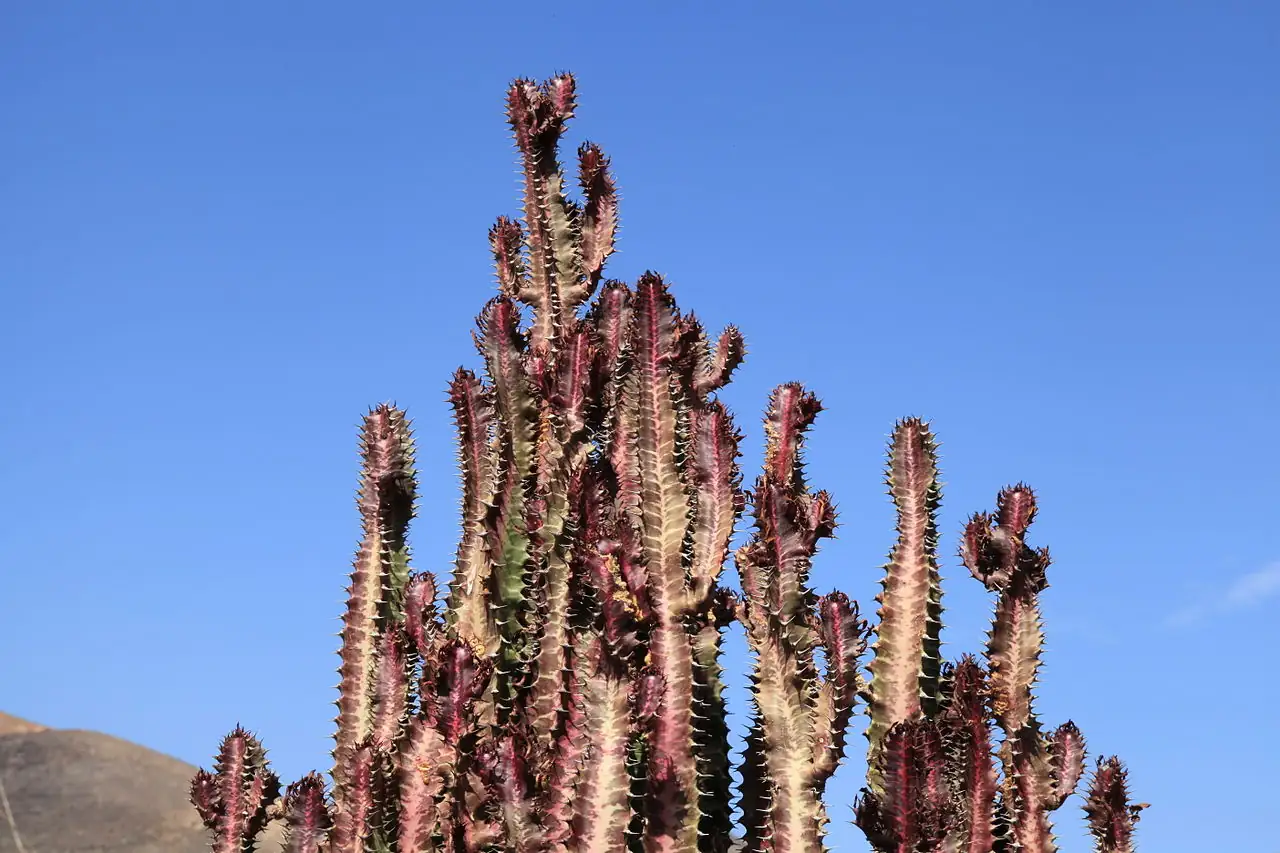
- Growth Habit: Upright, clumping, columnar succulent with three-angled stems and short spines along the edges; often forms a branching, candelabra-like silhouette over time.
Environment
Sunlight
Bright light to several hours of direct sun. Acclimate gradually to stronger sun to avoid sunscald. In bright indirect light it survives well but grows slower and may shed leaves.
Temperature
Prefers 18–30°C (64–86°F). Keep above 10°C (50°F) and protect from frost and cold drafts.
Humidity
Average indoor humidity is fine. It prefers dry to moderate humidity with good airflow (avoid constantly humid, stagnant conditions).
Soil
Very fast-draining cactus/succulent mix. Improve drainage with mineral grit such as pumice or perlite, and always use a pot with drainage holes.
Placement
Sunny windowsill (south or west exposure), bright conservatory, or the brightest room you have. Place out of high-traffic areas because of spines and irritating sap.
Hardiness
USDA Zone 10–12 (generally above 10–13°C / 50–55°F); not frost hardy.
Care Guide
Difficulty
Easy to moderate: it’s forgiving and likes a bit of neglect, but it needs strong light and careful, not-too-frequent watering. Extra caution is needed when handling due to spines and irritating latex sap.
Buying Guide
Pick a plant with firm, upright stems and even coloration. Avoid soft spots, blackened areas, or any sign of rot at the base. Check for mealybugs/scale at stem joints, and avoid pots with soggy, heavy mix—gritty, fast-draining soil is a good sign.
Watering
Soak thoroughly, then let the mix dry out most of the way before watering again. In spring–summer, this often means every 2–4 weeks; in winter, reduce to roughly every 4–8 weeks. Overwatering is the #1 cause of failure—when in doubt, wait.
Fertilization
Feed lightly in spring and summer with diluted cactus/succulent fertilizer (about 1/4–1/2 strength) every 4–6 weeks. Skip fertilizer in winter.
Pruning
Prune to control height or remove damaged stems. Wear gloves and eye protection—milky latex sap can irritate skin and eyes. Allow cut surfaces to dry/callus before attempting to root or replant cut sections.
Propagation
Stem cuttings: cut a healthy section, rinse or use cool water to help stop sap flow, then allow the cut end to callus for 3–7 days. Root in a dry, gritty mix in warm, bright conditions, watering very sparingly until roots form.
Repotting
Repot every 2–3 years or when rootbound, ideally in spring. Use a slightly larger heavy pot for stability and refresh with a very free-draining mix.
📅 Seasonal Care Calendar
Spring–summer: maximum light, occasional feeding, water only when mostly dry. Autumn: reduce watering as growth slows. Winter: keep warm and very dry, give as much light as possible, and avoid cold drafts.
Pests, Diseases & Safety
Common Pests & Diseases
Most common pests are mealybugs and scale. Treat early with cotton swabs dipped in isopropyl alcohol or with insecticidal/horticultural soap. Root rot is the biggest disease issue and is usually caused by poor drainage or overwatering; watch for stem softening or dark, mushy spots.
Toxicity
Toxic/irritant: the white latex sap can cause skin irritation and severe eye irritation, and it is harmful if ingested. Keep away from children and pets, and use gloves when pruning or moving the plant.
Culture & Symbolism
Symbolism: Often linked with resilience and protection—its tough, spiny, drought-adapted form feels like a living little fortress.
History & Legends: A very popular modern houseplant that’s frequently mislabeled as a cactus because of its shape. Botanically it’s a spurge (Euphorbiaceae), and the telltale clue is its milky latex sap—classic Euphorbia behavior.
Uses: Grown mainly as an ornamental, architectural succulent for indoor containers and (in truly frost-free climates) warm, drought-tolerant landscaping.
FAQ
Is African milk tree a cactus?
No—it’s Euphorbia trigona, a spurge. It only looks cactus-like; it has milky latex sap and different flower structures than true cacti.
Why are the leaves falling off?
Leaf drop is usually caused by low light, cold stress, or extended dryness. Move it to brighter light, keep it above 10°C (50°F), and water only after the mix has mostly dried.
How do I prevent rot?
Use a fast-draining succulent mix, a pot with drainage holes, and water only when the soil has dried significantly. Keep it warmer and much drier in winter.
Fun Facts
- Despite the nickname “Cathedral Cactus,” it’s not a cactus—it’s a Euphorbia.
- The milky sap is a hallmark of spurges and the main reason careful handling is recommended.
- In strong light, new growth often shows the most noticeable little leaves along the stem ridges.


