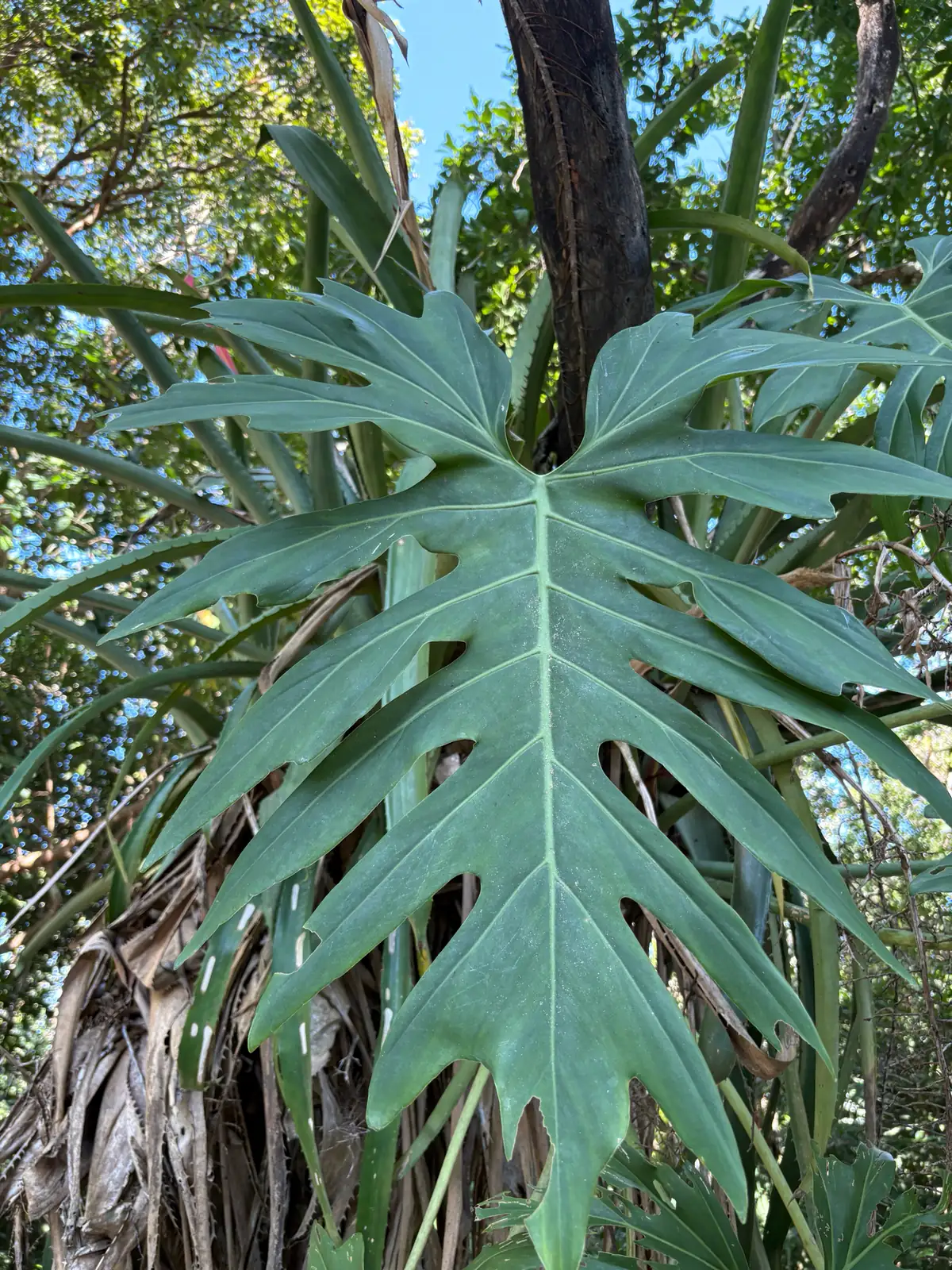
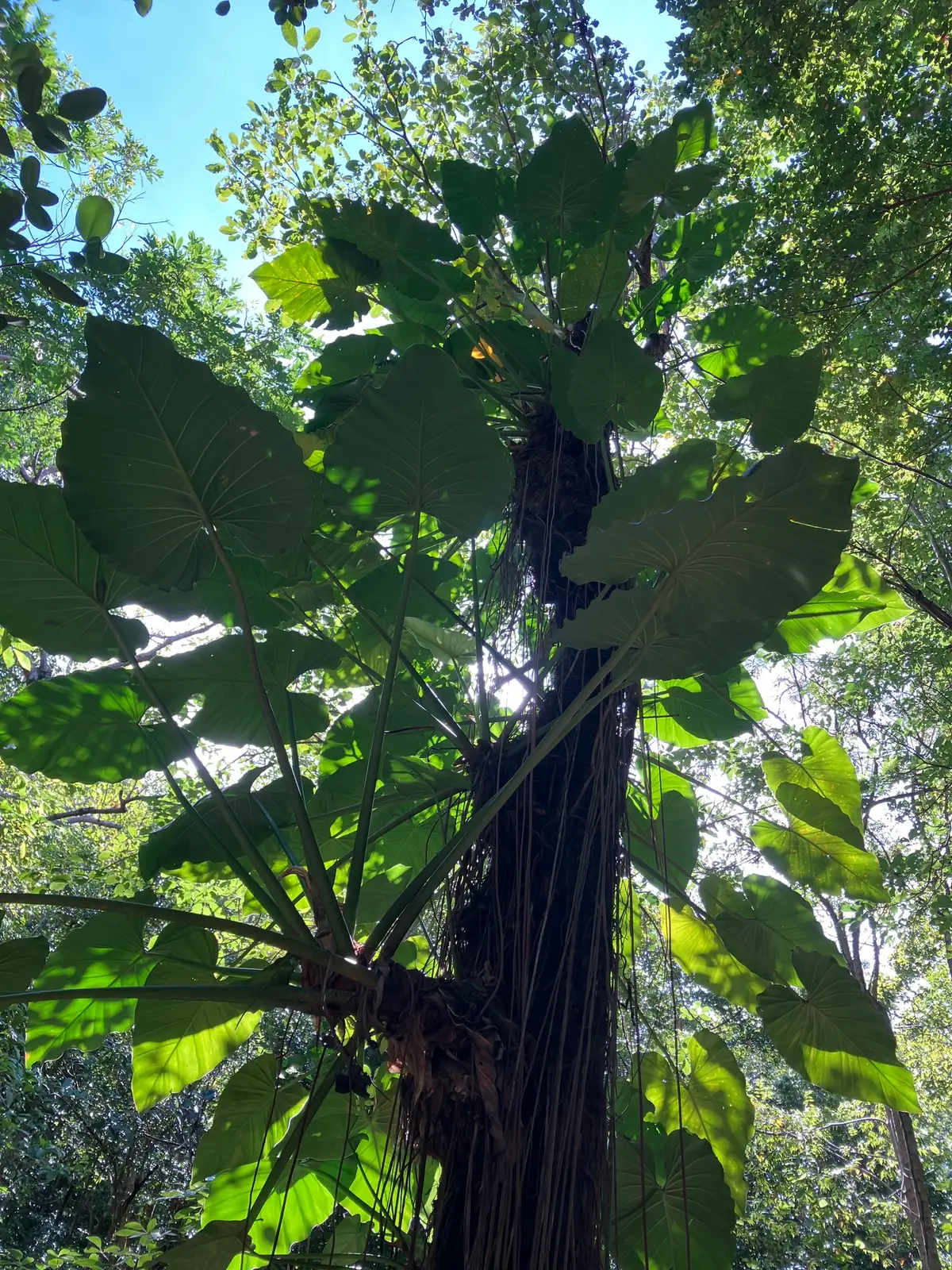
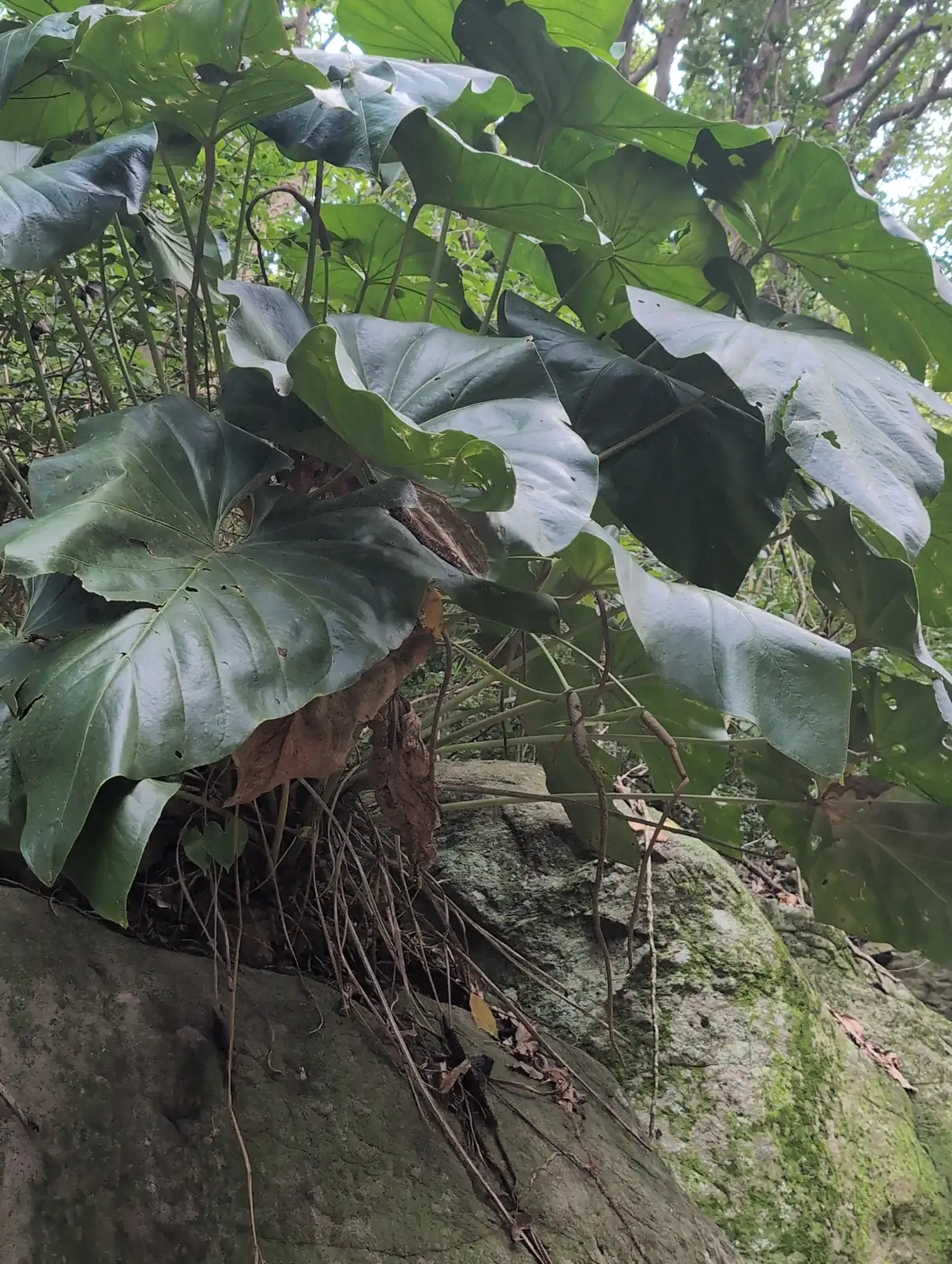
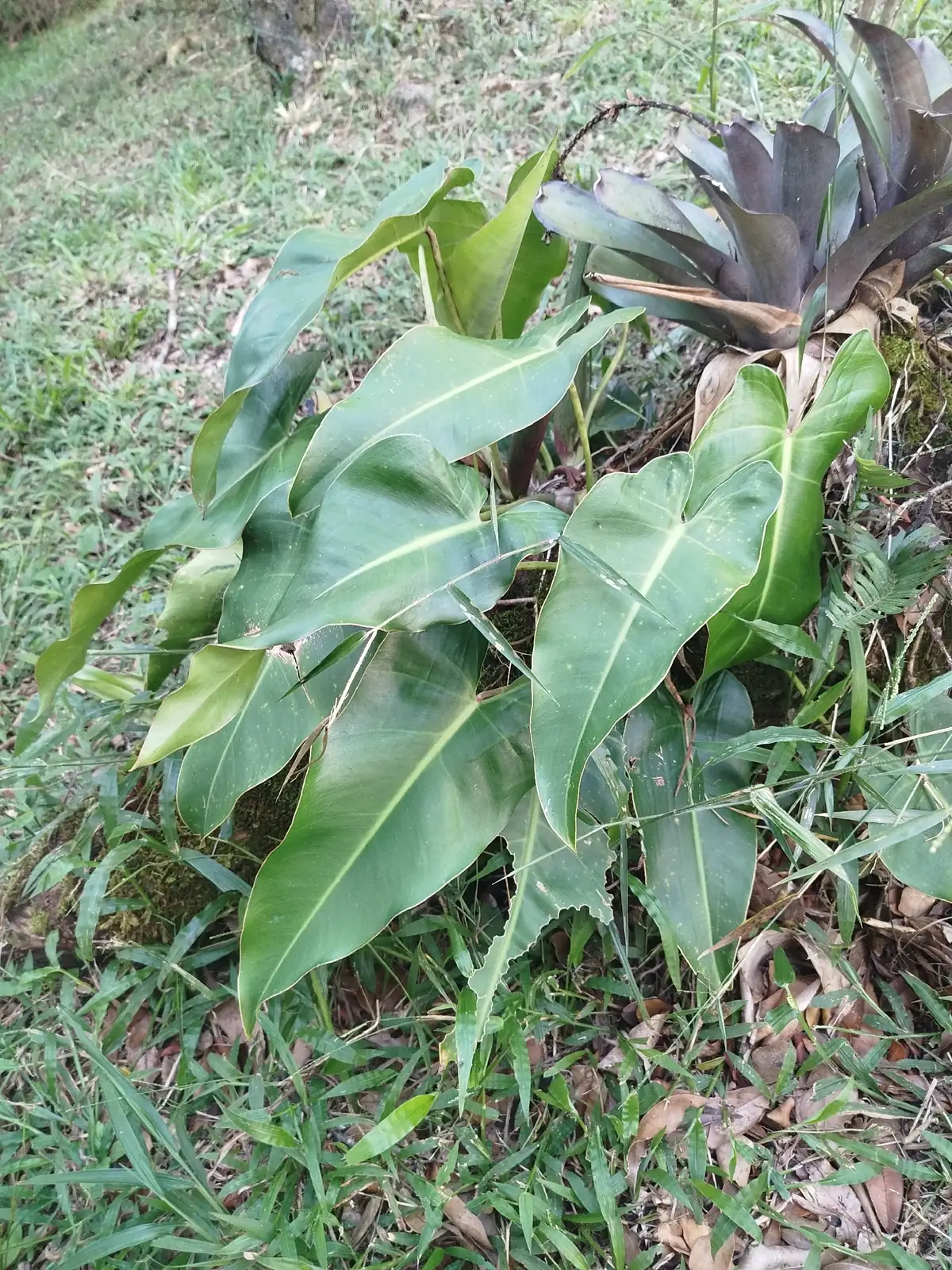
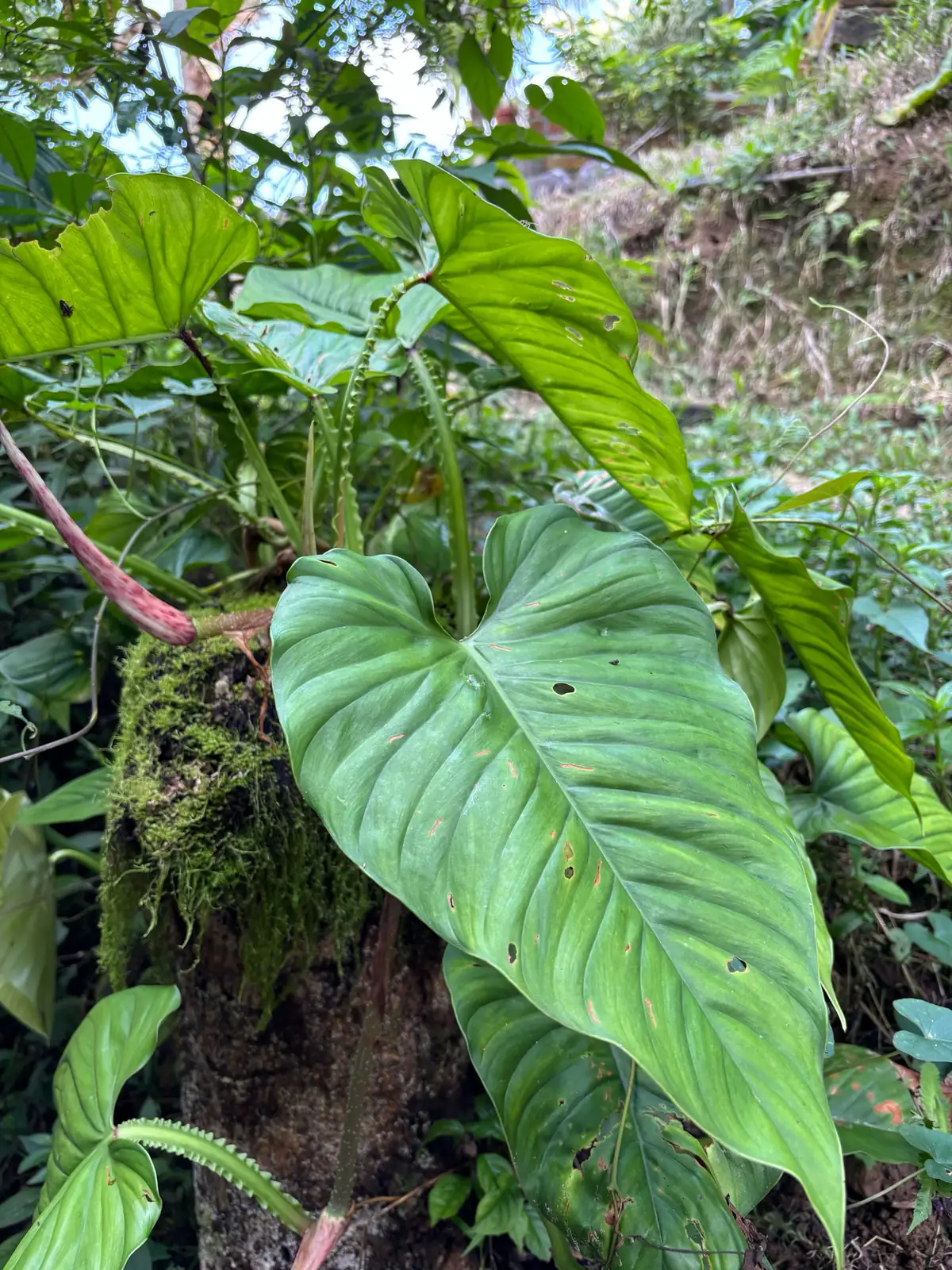
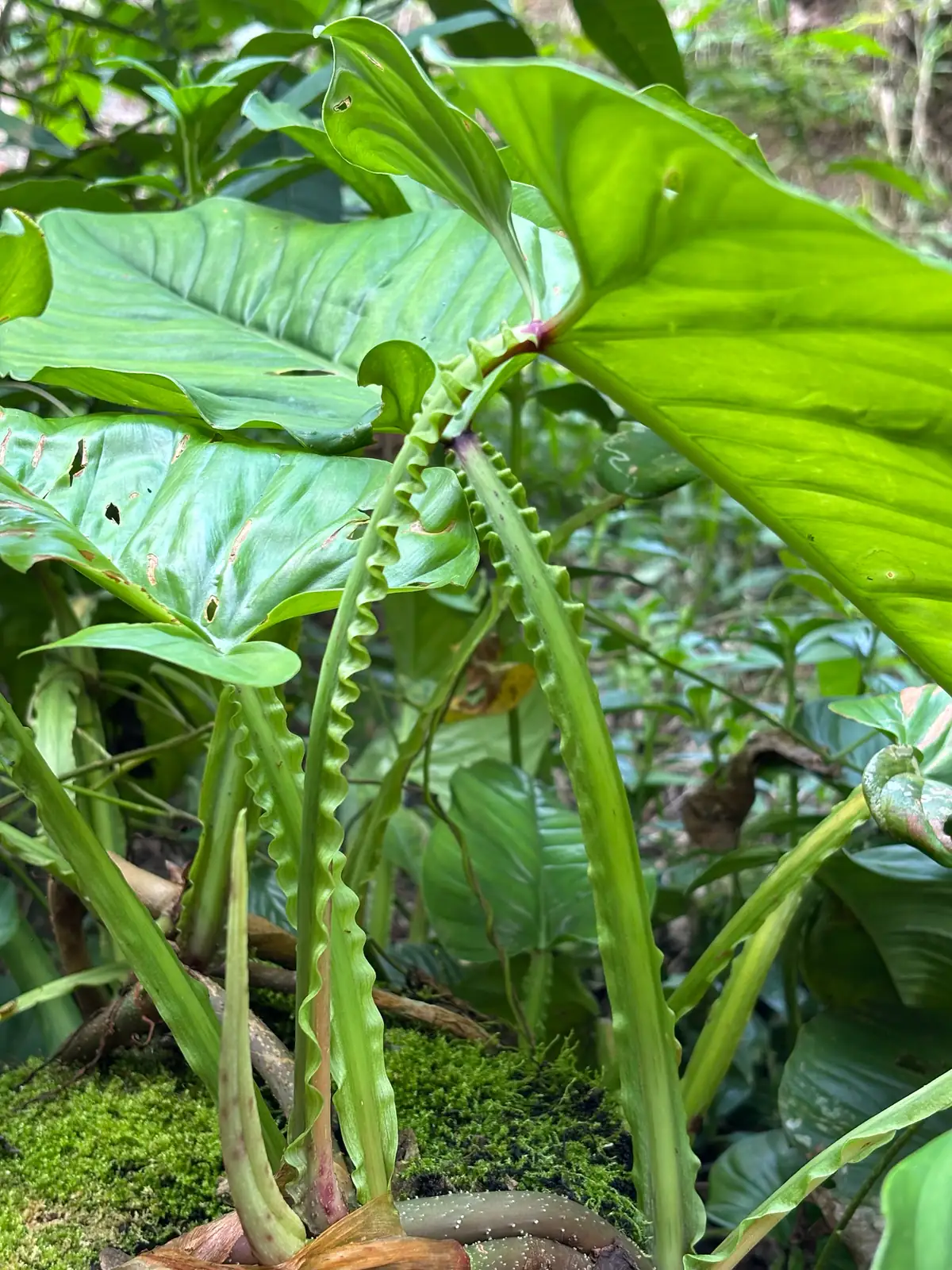
Plant Features
- Size: Up to about 1 m tall × 1.2 m wide (3.3 ft × 3.9 ft)
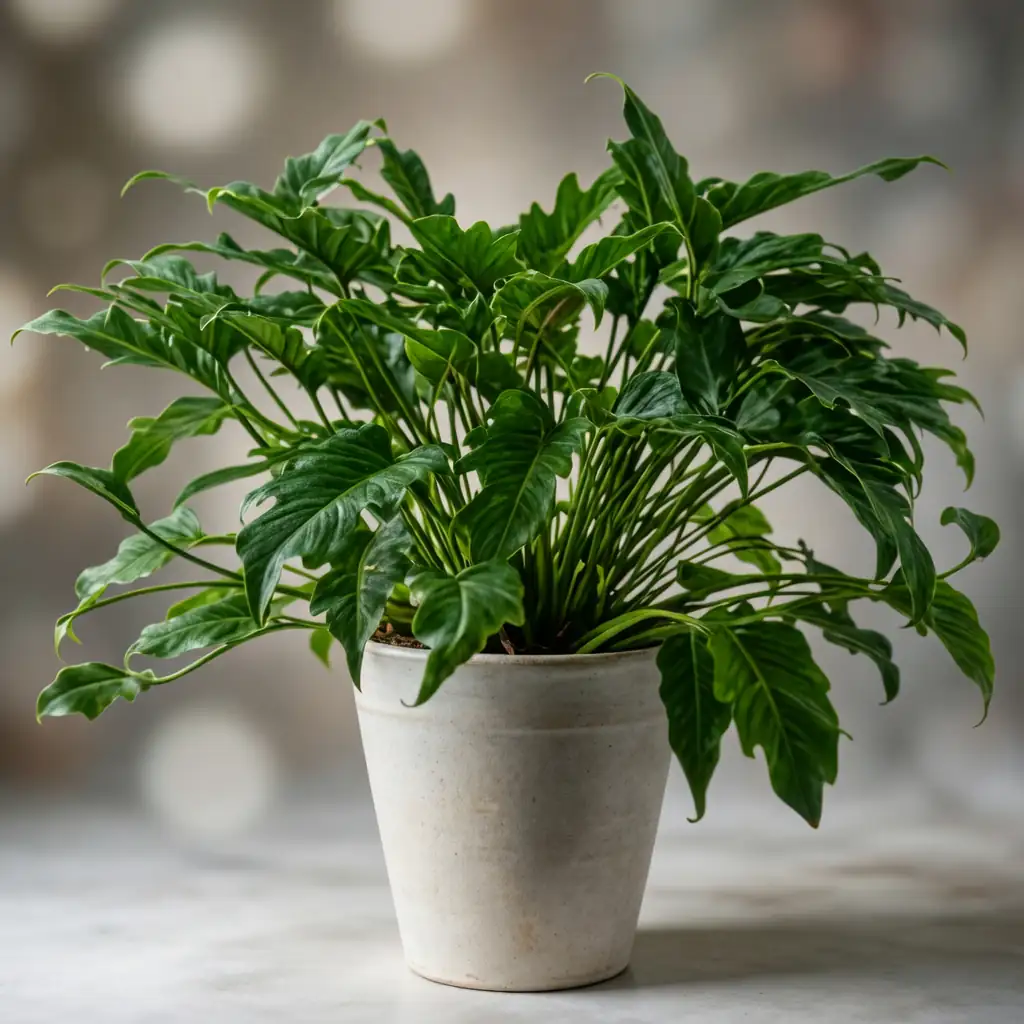
- Foliage: Glossy, deep-green leaves with shallow lobing; individual leaves can reach about 45 cm (18 in) long. Growth is dense and fountain-like, forming a compact mound.
- Flower: Rarely flowers indoors; if it does, it produces a typical aroid bloom: a pale spathe surrounding a spadix, more of a botanical curiosity than a showy floral display.
- Flowering Season: Occasional/irregular indoors (no consistent season)
- Growth Habit: Bushy, self-heading clump forming a compact “mound” rather than a long vine
Environment
Sunlight
Shade to bright indirect light; avoid harsh direct sun, which can scorch leaves
Temperature
15–24°C (59–75°F)
Humidity
Medium to moderately high; aim for around 40–60% (or higher) if possible
Soil
A loose, moisture-retentive but well-draining aroid mix (e.g., peat/coco + bark + perlite). Use a pot with drainage holes and choose a size that comfortably accommodates the root system.
Placement
Ideal for shaded corners, hallways, and entryways indoors; keep out of direct midday sun
Hardiness
Not frost tolerant; suitable outdoors year-round only in USDA Zone 11–12 (approx.)
Care Guide
Difficulty
Easy
Buying Guide
Choose plants with firm stems, glossy unblemished leaves, and no signs of pests (sticky residue, webbing, or cottony clusters). Avoid pots with sour-smelling, constantly wet mix.
Watering
Spring to autumn: keep the potting mix evenly moist (not waterlogged). Winter: water when the top layer of mix feels dry. If your home air is dry, boost humidity with a pebble tray (pot base kept above the waterline) or a humidifier; light misting can help briefly but is less effective than steady humidity.
Fertilization
Spring to autumn: feed once a month with a balanced liquid houseplant fertilizer, diluted per label directions.
Pruning
Remove yellowing or damaged leaves at the base with clean scissors. Trim lightly for shape as needed; avoid heavy pruning in winter.
Propagation
Best by division when repotting. If stems develop clear nodes, sections with a node can be rooted in moist sphagnum or water, then potted up.
Repotting
Repot every 2–3 years (or when rootbound) into a slightly larger pot with fresh aroid mix.
📅 Seasonal Care Calendar
Spring–autumn: keep evenly moist; fertilize monthly. Winter: let the surface dry before watering. Repot every 2–3 years or when rootbound.
Pests, Diseases & Safety
Common Pests & Diseases
Watch for spider mites, mealybugs, scale, and thrips, especially in dry indoor air. Root rot can occur in poorly drained, constantly wet soil. Improve airflow, avoid overwatering, and treat pests promptly with insecticidal soap or horticultural oil.
Toxicity
Toxic if chewed or ingested (contains calcium oxalate crystals). Keep away from children and pets; sap may irritate skin.
Culture & Symbolism
Symbolism: Often associated with lush growth, comfort, and creating a calming “green sanctuary” indoors.
History & Legends: A modern cultivated philodendron selection grown primarily as a houseplant; detailed breeding history is not widely documented.
Uses: Ornamental: a statement indoor foliage plant for shaded corners, hallways, or entryways—adding structure, volume, and a tropical feel without a vining habit.
FAQ
Why are the leaves turning yellow?
Most commonly from overwatering or low light. Let the top of the mix dry slightly before watering again, ensure good drainage, and move the plant to brighter indirect light.
Can it handle low light?
Yes, it tolerates shade and low light, but growth will be slower and leaves may be smaller. Bright indirect light typically gives the best results.
Do I need to mist it?
Misting can help temporarily, but steady humidity (about 40–60% or higher) is more effective. A pebble tray or humidifier works better than frequent misting alone.
Fun Facts
- Many philodendrons are prized for staying full and tropical-looking even in bright shade indoors.
- The “flower” is a classic Araceae spathe-and-spadix structure, but blooms are uncommon in typical home conditions.