Plant Features
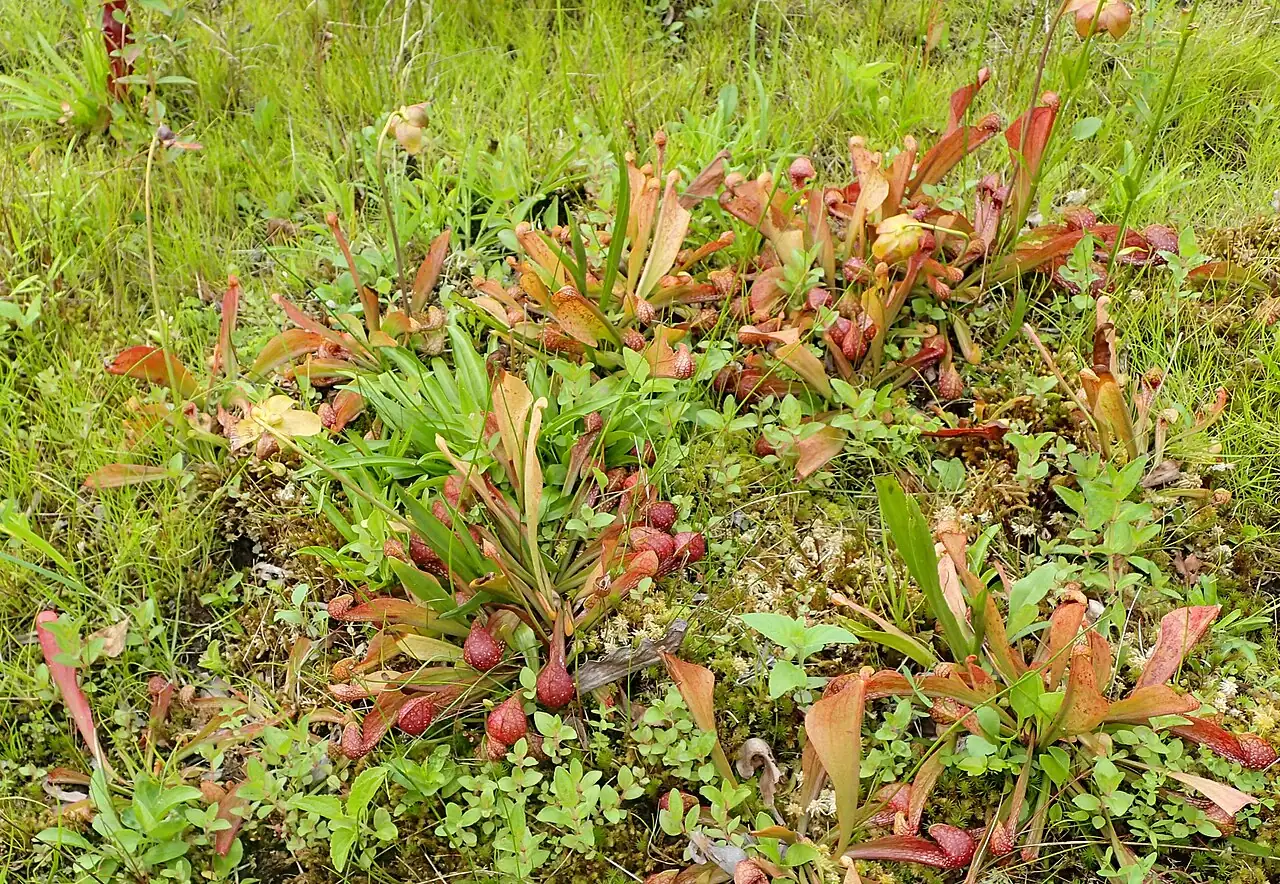
- Size: Typically 10–25 cm (4–10 in) tall, spreading 20–45 cm (8–18 in) wide in clumps.
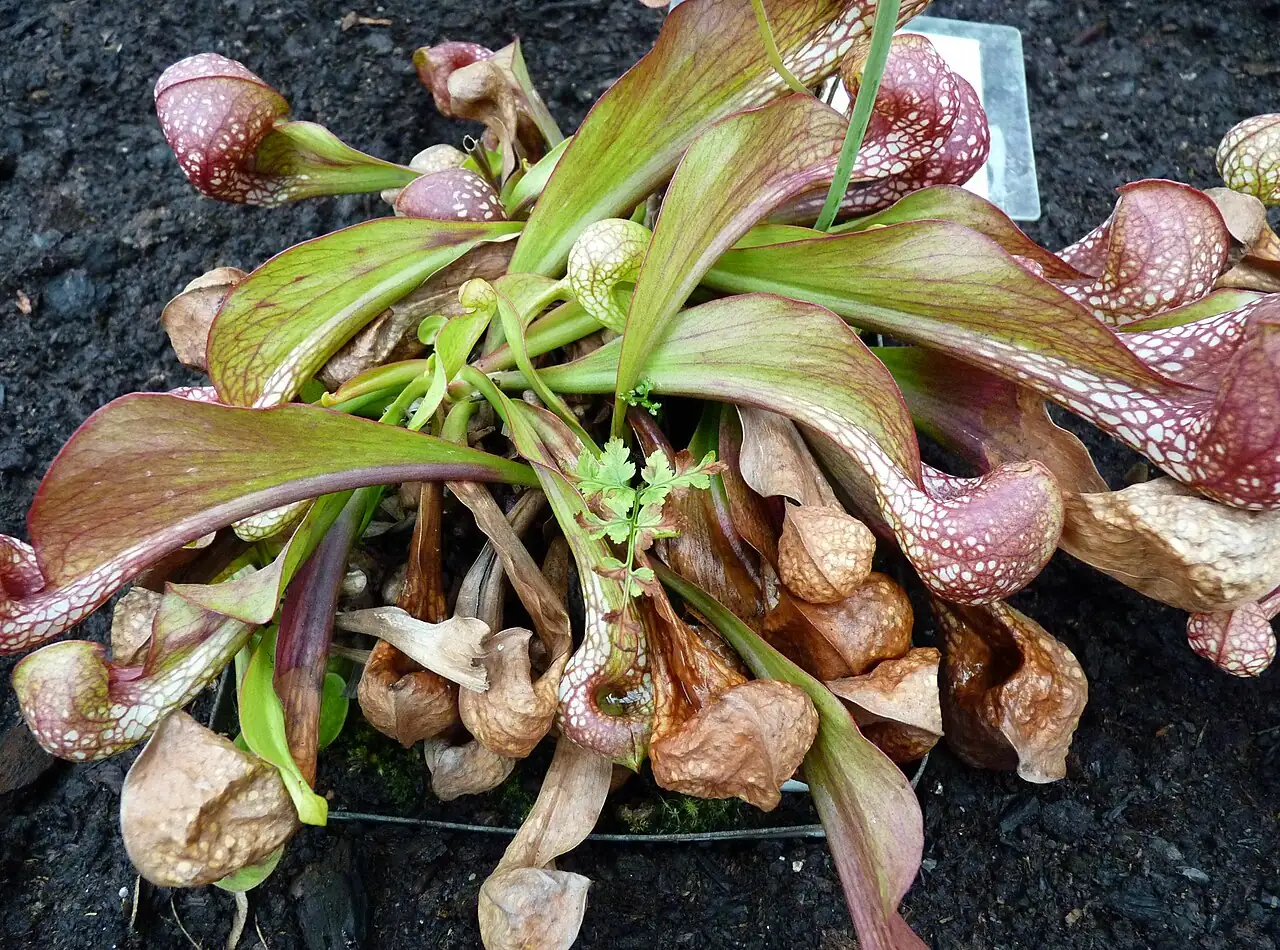
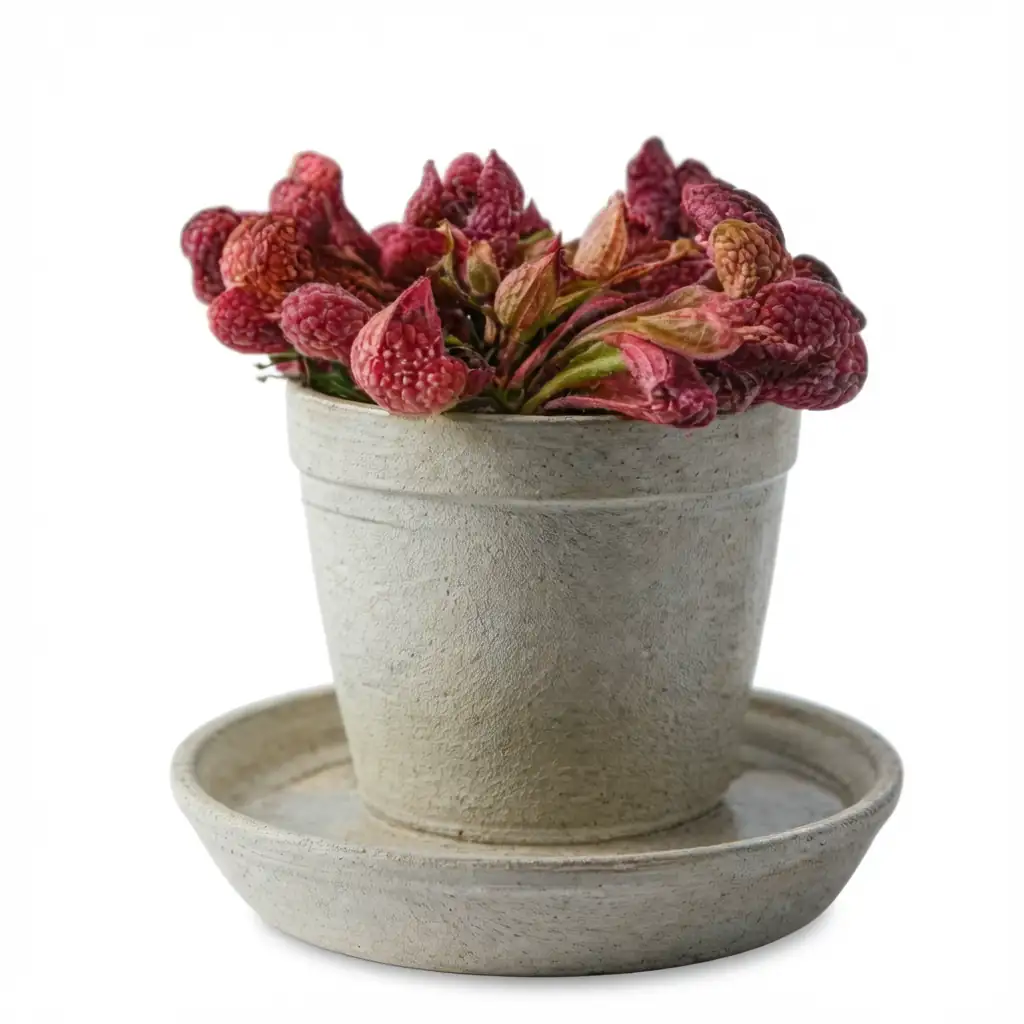
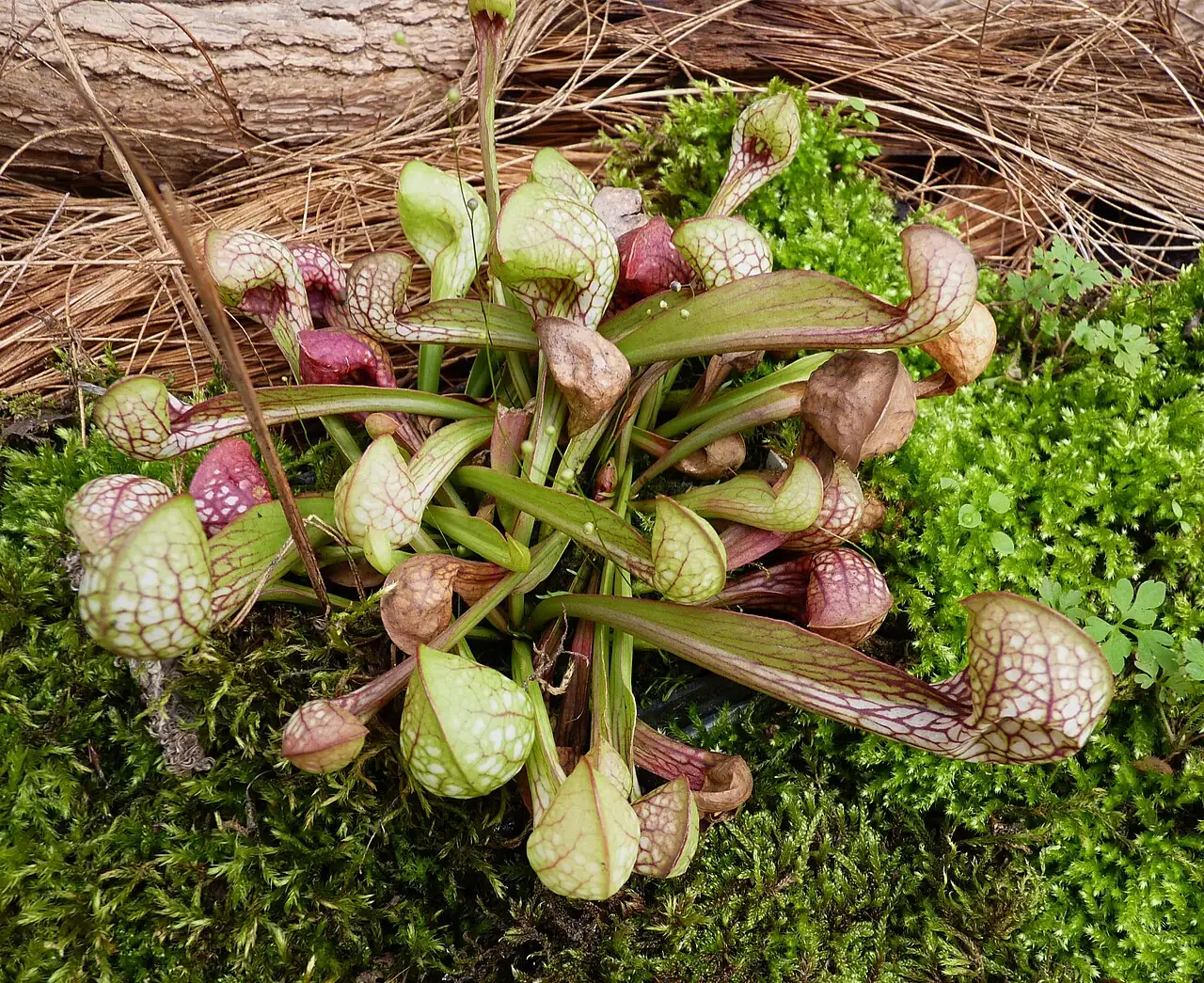
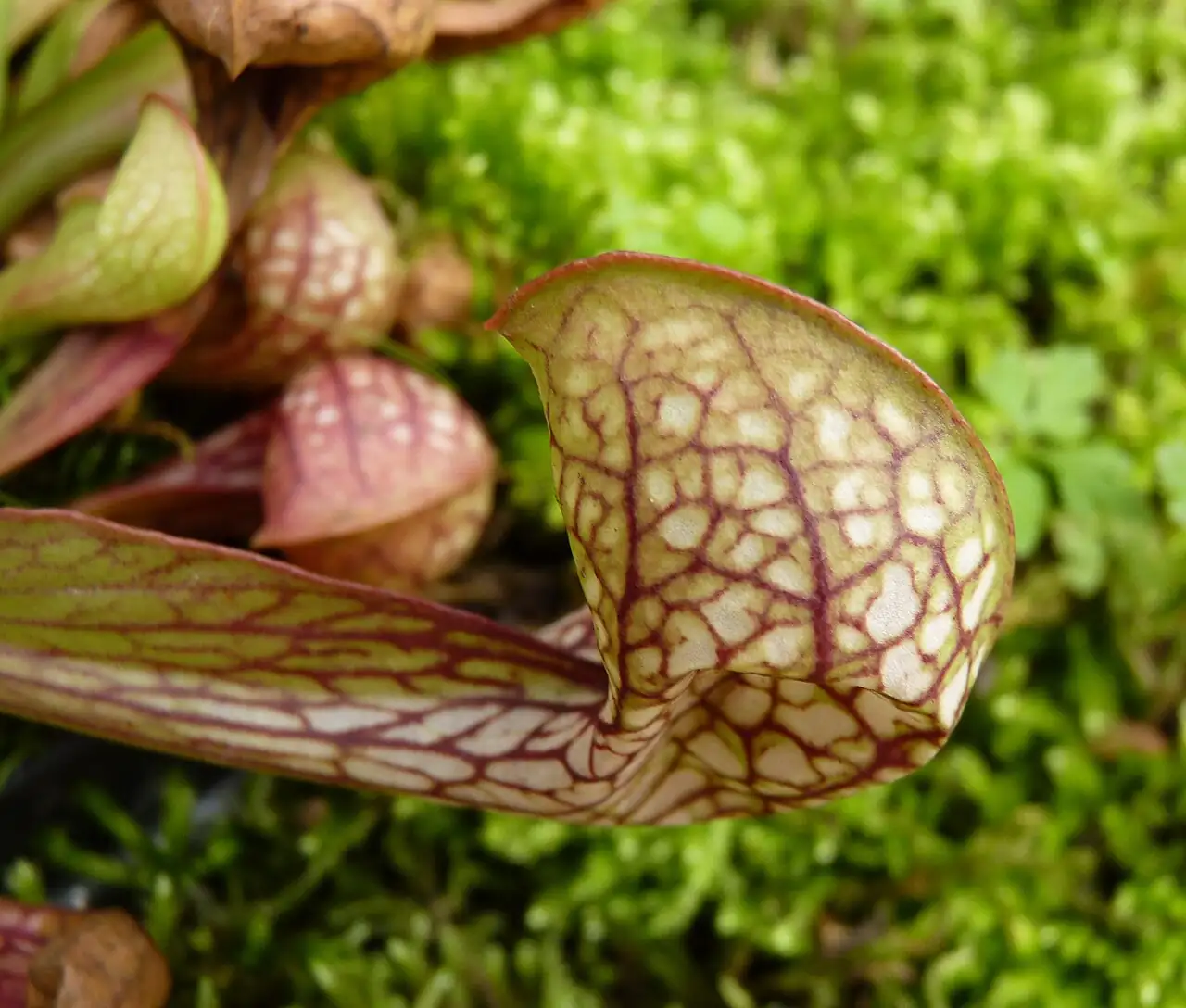
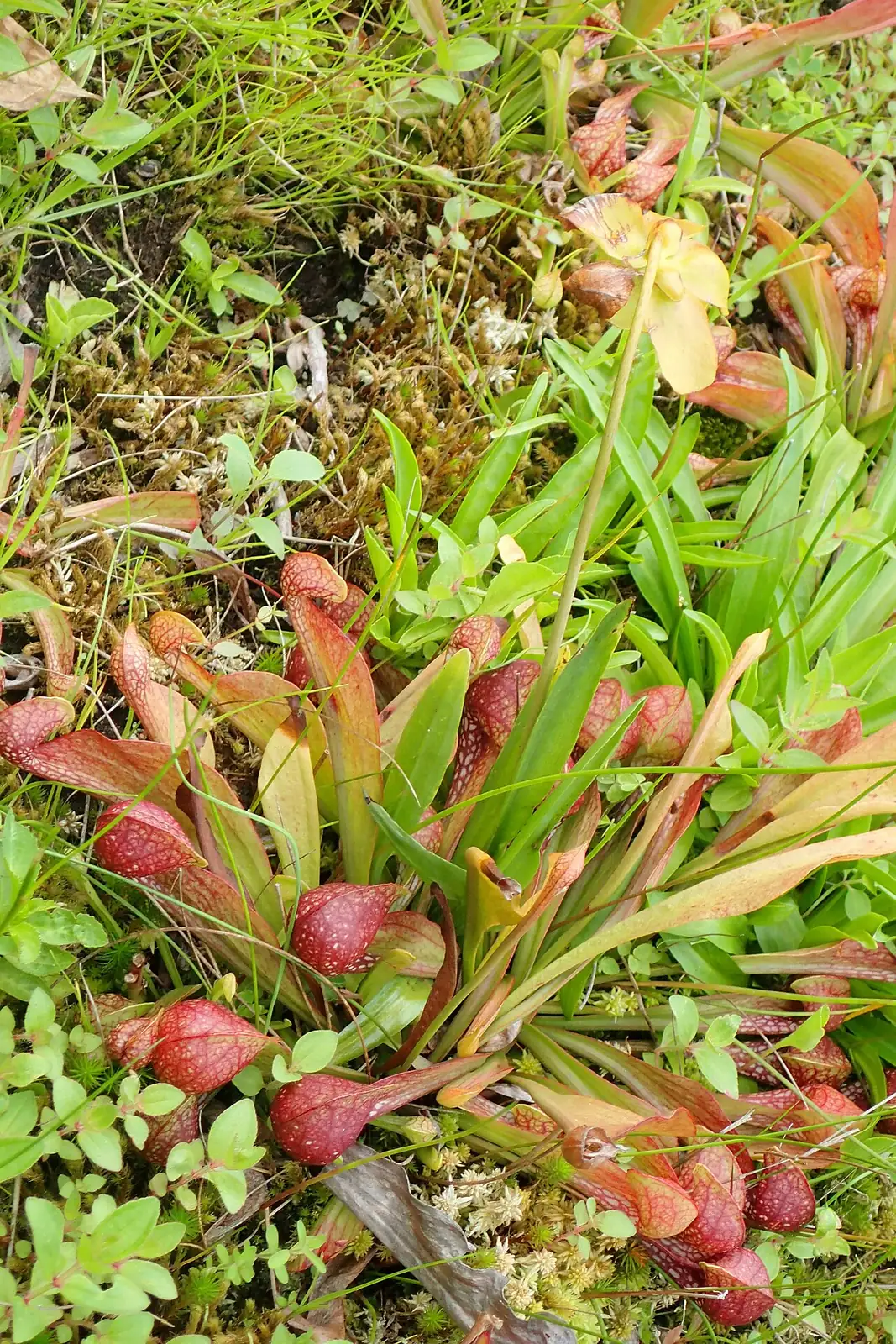
- Foliage: Low, rosette-forming pitchers that lie horizontally or sprawl along the ground. Pitchers are often strongly veined and may be green with red markings or more heavily red-flushed; the hooded mouth helps guide crawling insects inward and reduces rain entry.
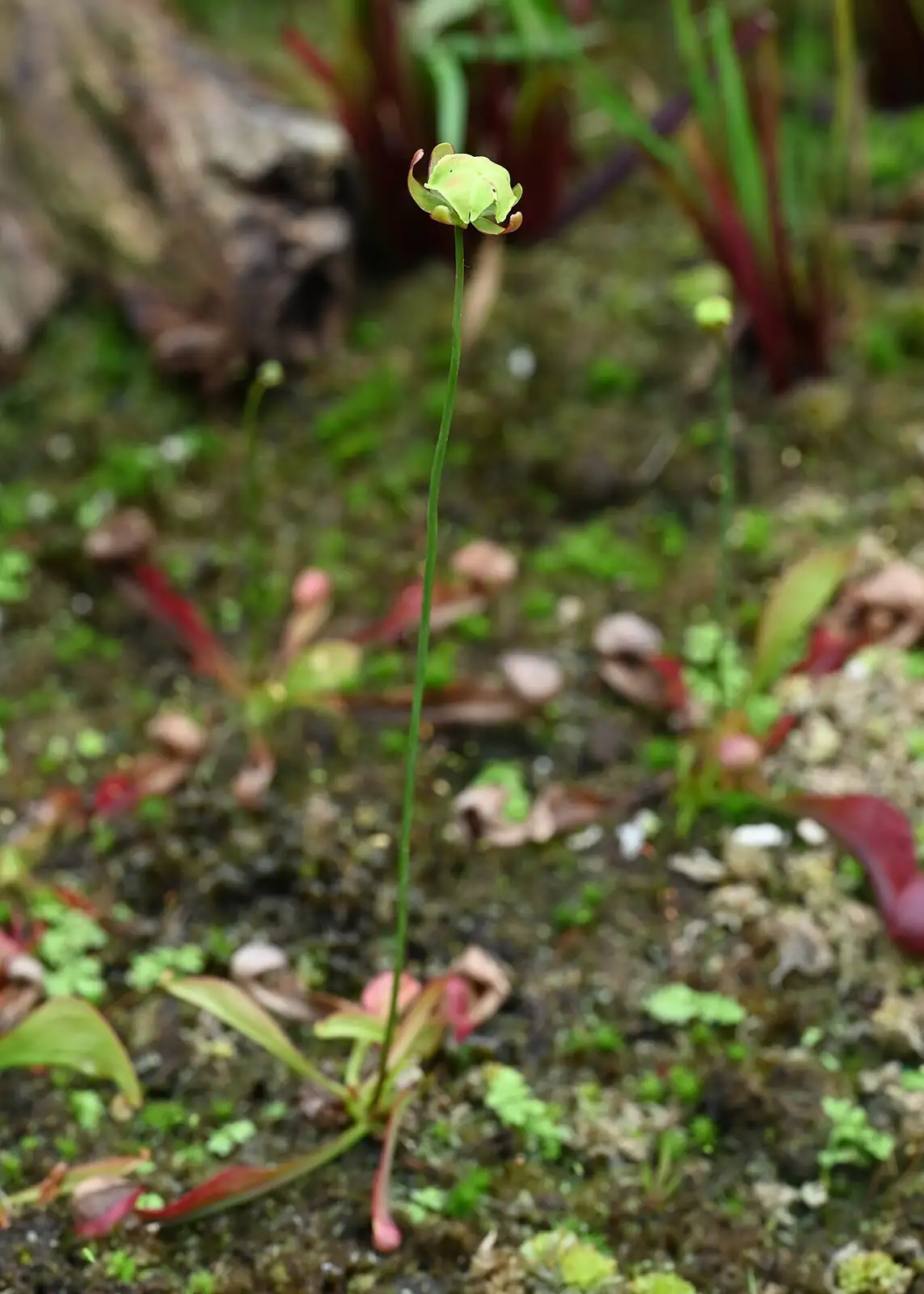
- Flower: In spring it produces nodding, dark-toned flowers—commonly deep red to maroon—held on upright stalks above the pitchers (color can be somewhat variable).
- Flowering Season: Spring
- Growth Habit: Clump-forming rosette with horizontal, ground-hugging pitchers.
Environment
Sunlight
Full sun to very bright light; best color and vigor in full sun (at least 6+ hours/day).
Temperature
Active growth: 18–32°C (64–90°F). Winter dormancy preferred: 0–10°C (32–50°F) for roughly 3–4 months.
Humidity
Moderate to high humidity; around 50–80% is suitable. Avoid persistently very dry air.
Soil
Nutrient-poor, acidic carnivorous-plant medium (e.g., sphagnum peat moss mixed with silica sand and/or perlite). Avoid fertilizers, compost, and mineral-rich ingredients.
Placement
Best outdoors in full sun (bog garden, water tray on a patio/balcony). Indoors only with a very bright south-facing window or strong grow lights plus mineral-free water; still benefits from cool winter dormancy.
Hardiness
USDA Zone 7–10. Cold-hardy with dormancy, but protect potted plants from prolonged deep freezes.
Care Guide
Difficulty
Moderate. Very straightforward when given full sun, mineral-free water, and a constantly wet, nutrient-poor medium—yet it declines quickly in normal potting soil or with tap water.
Buying Guide
Look for firm, uncollapsed pitchers and a clean, healthy growth point. Avoid plants with black, mushy rhizomes (a rot warning sign) or obvious heavy pest issues. Choose nursery-propagated plants rather than wild-collected specimens.
Watering
Use only rainwater, distilled water, or reverse-osmosis (RO) water. During the growing season, keep the pot standing in 1–3 cm (0.4–1.2 in) of water and never let the medium dry out. During winter dormancy, keep the mix evenly damp—cool and moist, not soggy and warm.
Fertilization
Do not fertilize the soil. Outdoors, it usually catches enough prey on its own. Indoors under lights, you may feed sparingly (tiny insects or very dilute foliar feeding) but overfeeding can burn or deform pitchers.
Pruning
Trim dead/brown pitchers at the base to improve airflow and reduce mold; avoid cutting into the rhizome.
Propagation
Divide the rhizome in late winter to early spring. Seed propagation is possible but slow; fresh seed plus cold stratification improves germination.
Repotting
Repot every 1–2 years in late winter/early spring into fresh carnivorous-plant medium. Plastic or glazed ceramic pots are preferred; avoid unglazed terracotta because it can leach minerals into the mix.
📅 Seasonal Care Calendar
Spring: repot/divide; restart tray watering as growth begins. Summer: full sun, keep constantly wet; prevent small pots from overheating. Autumn: reduce any feeding and ease into dormancy. Winter: provide a cool rest period and keep the medium just damp.
Pests, Diseases & Safety
Common Pests & Diseases
Can be bothered by aphids, mealybugs, scale, or spider mites. Treat with insecticidal soap or other products labeled appropriate for Sarracenia. Rot can occur with poor airflow or if kept too warm and waterlogged during dormancy—cool conditions and clean, airy growth help prevent it.
Toxicity
Not known to be poisonous to people or pets, though nibbling may cause mild stomach upset. The pitchers are not dangerous to pets, but it’s best to prevent chewing.
Culture & Symbolism
Symbolism: Often linked with curiosity, clever adaptation, and the delightfully strange beauty of carnivorous plants.
History & Legends: Famous among carnivorous plant lovers for its parrot-like, hooded pitcher shape and its unusual strategy of catching prey at ground level—an elegant twist on the classic pitcher-plant trap.
Uses: Grown mainly for ornamental display and education in bog gardens and carnivorous plant collections; not used as a food plant.
FAQ
Why are my pitchers turning brown?
Some browning is normal as older pitchers age out, but fast dieback is often linked to mineral-heavy tap water, too little light, very low humidity, or rot from poor dormancy conditions. Switch to rain/distilled/RO water, increase light, and keep winter care cool and only evenly damp.
Does it need a winter dormancy?
Yes. As a temperate Sarracenia, it performs best with a cool rest for about 3–4 months at roughly 0–10°C (32–50°F).
Can I grow it indoors year-round?
It can persist indoors with very strong light and mineral-free water, but it’s happiest if you still provide a cool winter dormancy period.
Fun Facts
- Unlike many pitcher plants that mainly catch flying insects, parrot pitcher plant is especially good at trapping crawling prey at ground level.
- Its hooded opening helps limit rain dilution while guiding insects deeper into the trap.