Plant Features
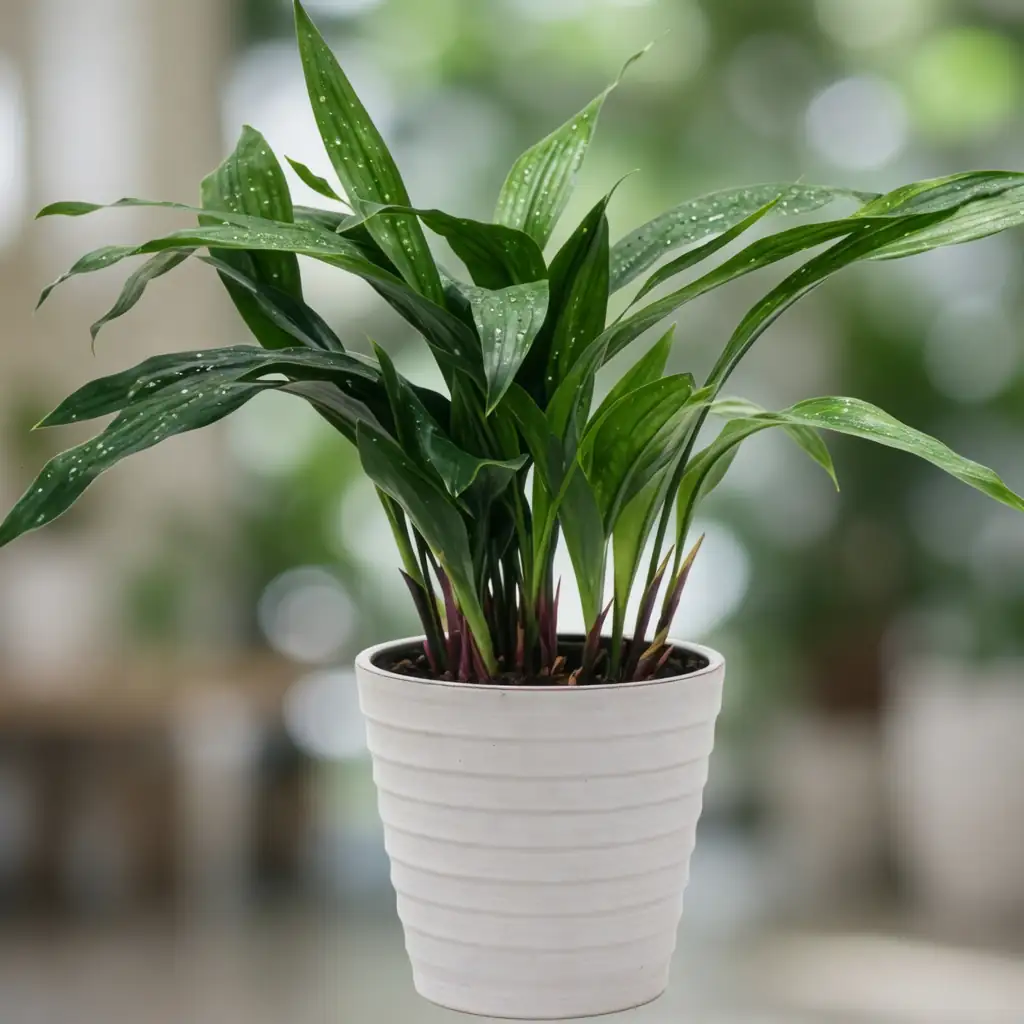
- Size: Typical size indoors: about 60 × 60 cm (24 × 24 in).
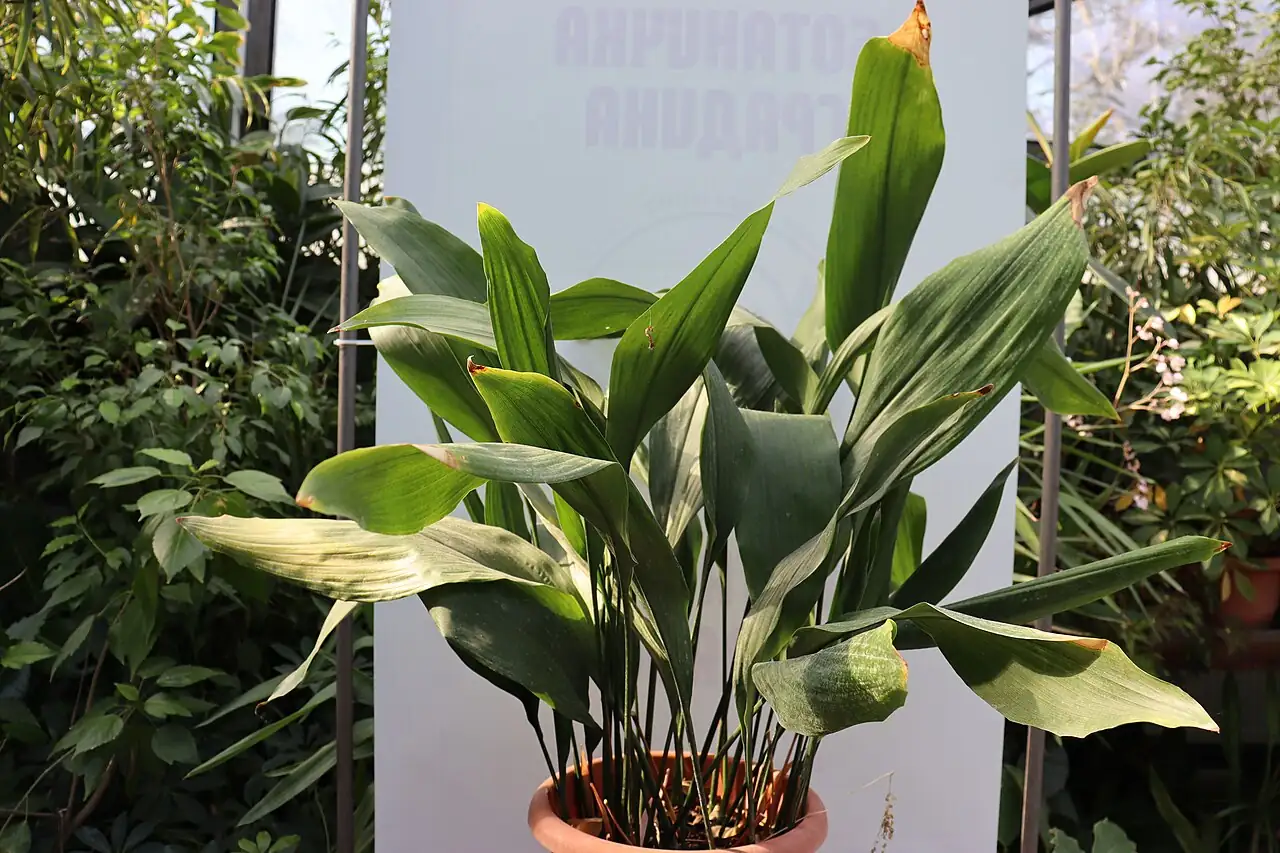
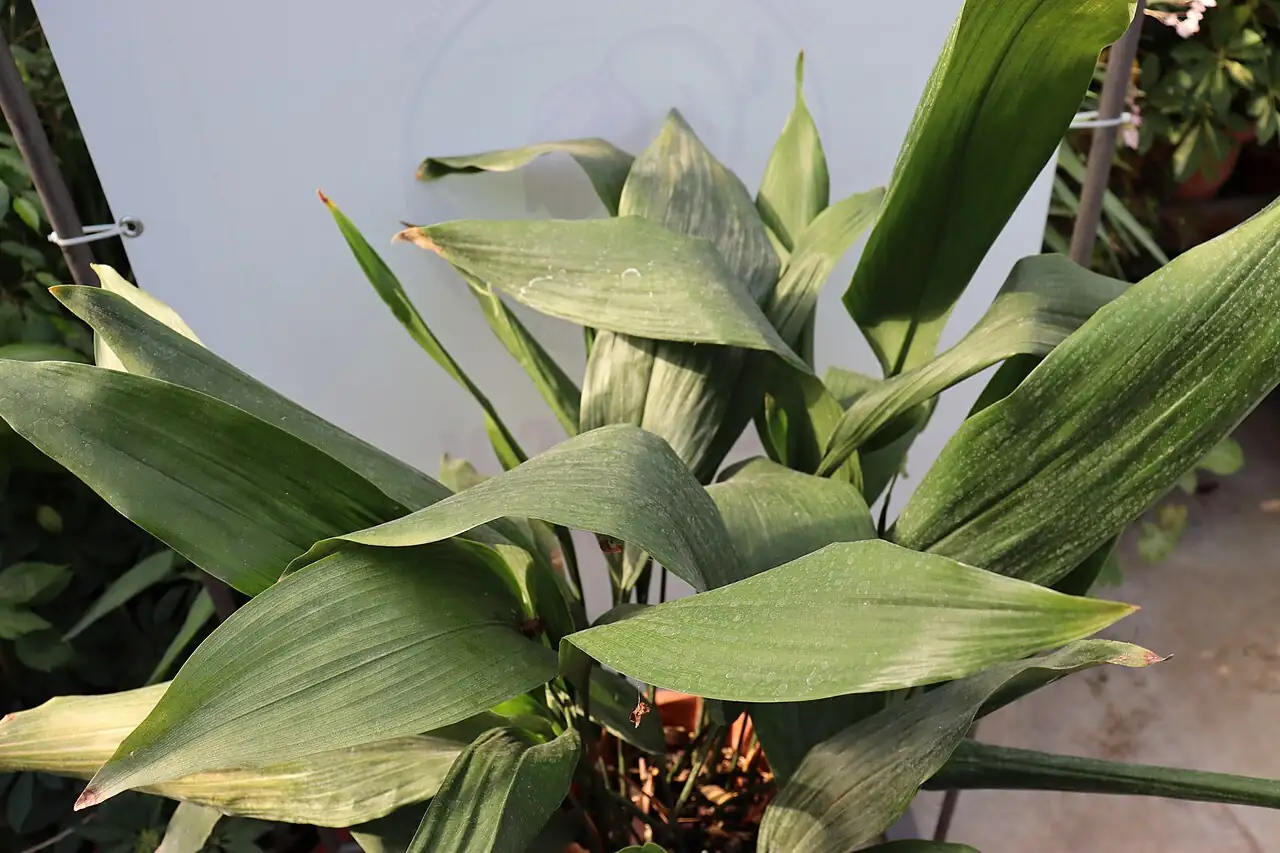
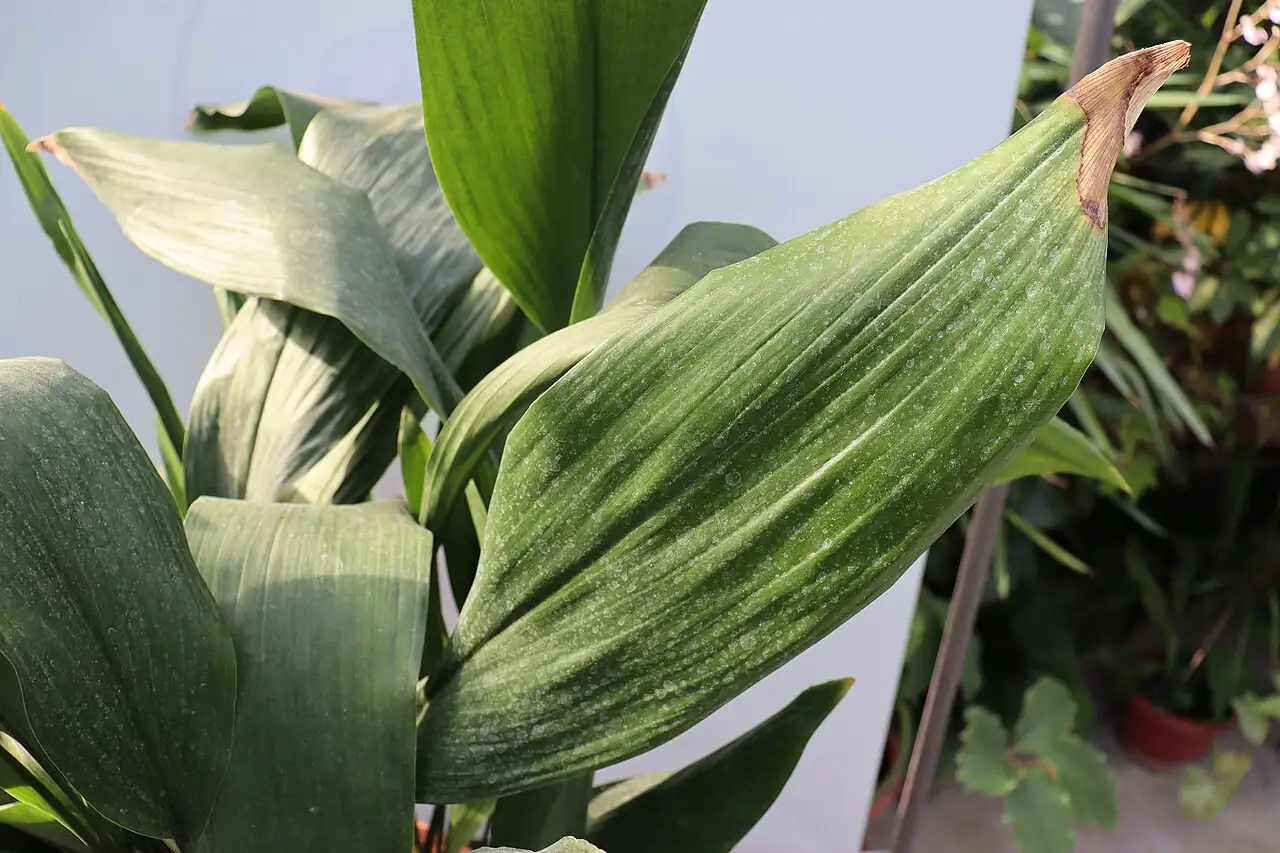
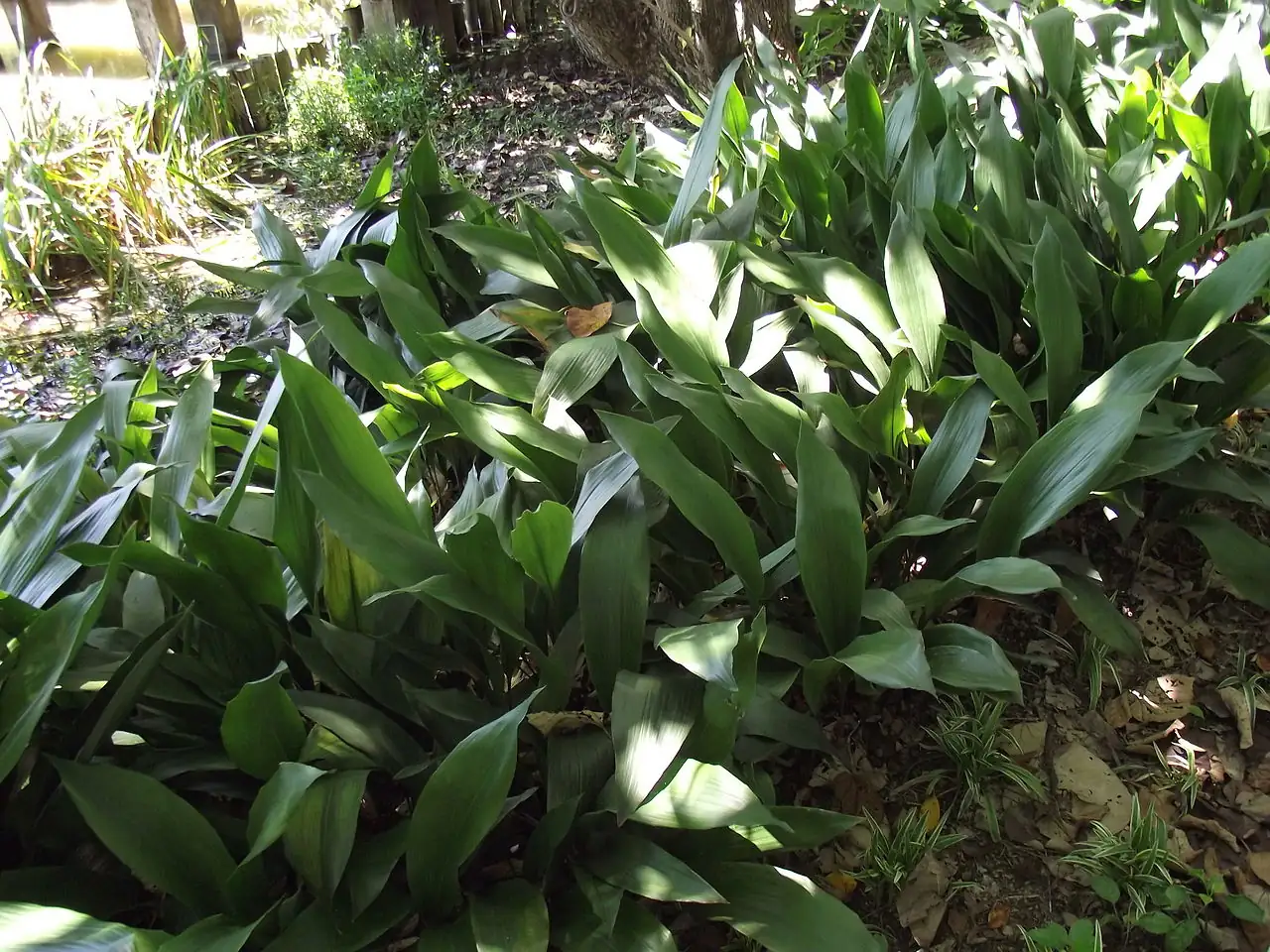
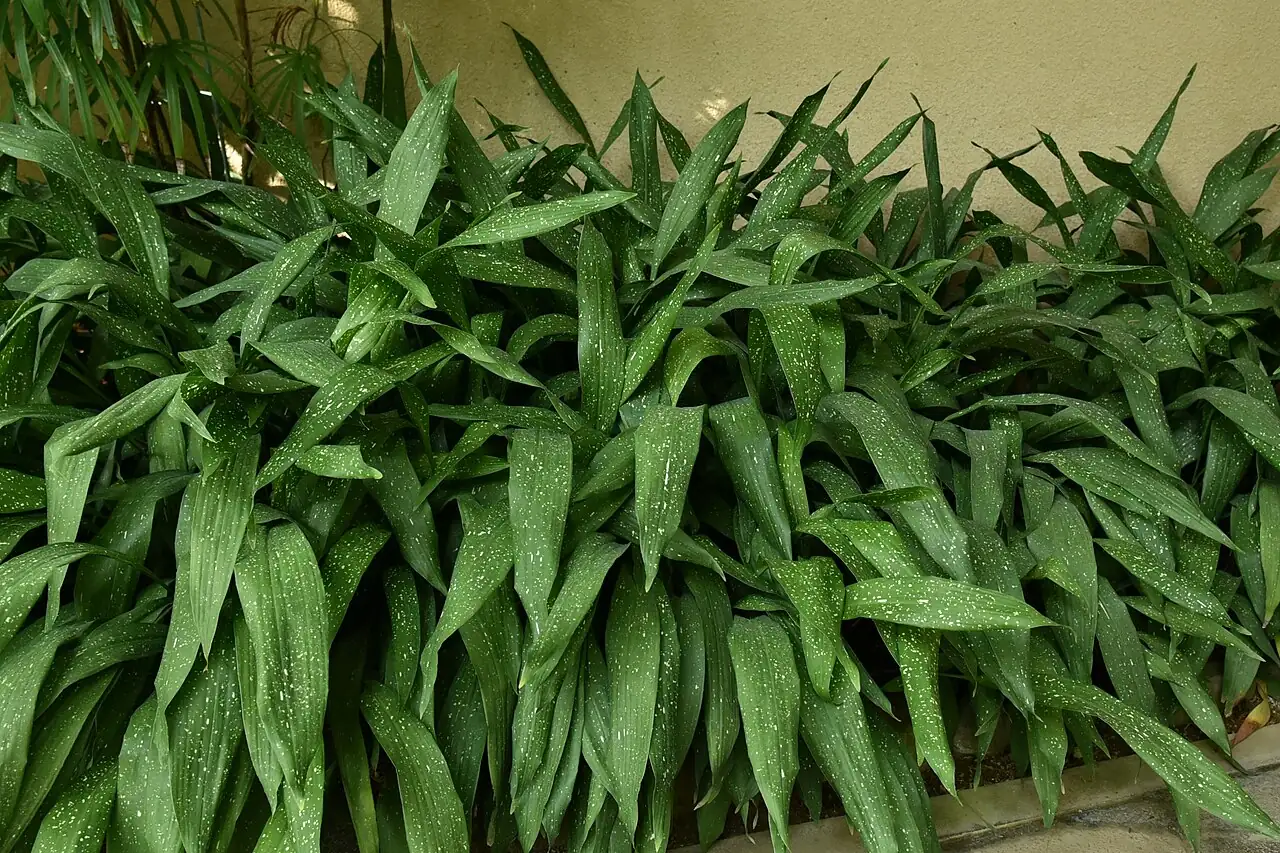
- Foliage: Long, leathery, arching leaves arising from rhizomes; usually deep green, with some cultivars showing creamy stripes or speckles.
- Flower: Small, ground-level, bell-shaped flowers in brownish-purple tones; often hidden by foliage and rarely noticed indoors.
- Flowering Season: Late winter to spring (sporadic indoors).
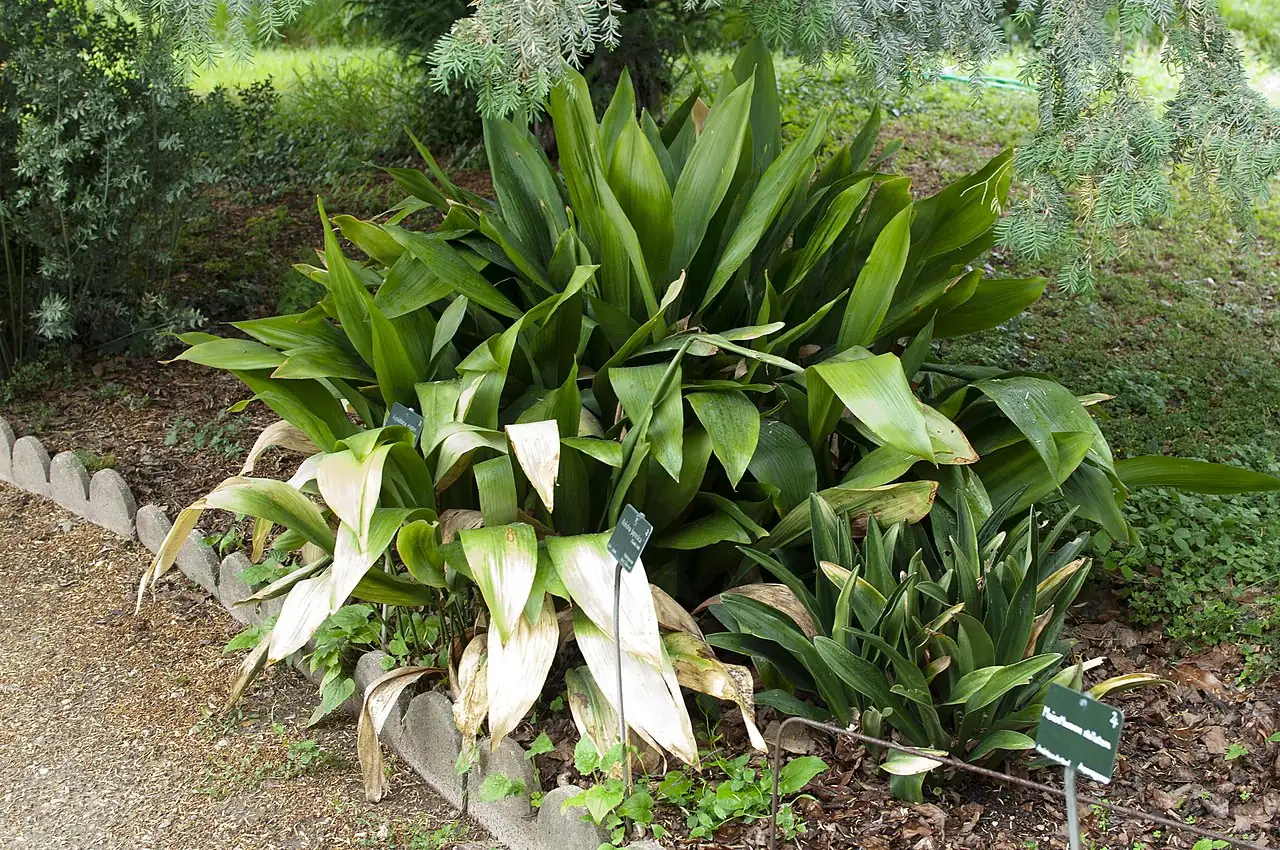
- Growth Habit: Clump-forming evergreen perennial with slowly spreading rhizomes.
Environment
Sunlight
Partial shade to full shade; bright, indirect light is fine, but avoid harsh direct sun.
Temperature
Preferred 5–20°C (41–68°F); tolerates cooler spells but protect from hard frost.
Humidity
Low to average indoor humidity; adapts well without extra misting.
Soil
A loose, well-draining potting mix. A practical option is a 1:1 blend of standard potting soil and a multi-purpose mix, kept airy (add perlite if needed). Use a 12.5–20 cm (5–8 in) pot.
Placement
Ideal for dim rooms, hallways, and shaded corners; keep away from strong, direct sunlight.
Hardiness
Generally hardy outdoors in USDA Zone 8–11 (protect from severe freezes).
Care Guide
Difficulty
Easy; very forgiving, but dislikes soggy soil.
Buying Guide
Choose plants with firm, upright leaves and healthy-looking crowns (the base where leaves emerge). Avoid pots that smell sour, feel constantly wet, or show lots of yellowing—these can hint at overwatering or early root rot.
Watering
Water when the surface of the mix has dried. Reduce watering in winter. Do not let the pot sit in water or allow the mix to become waterlogged.
Fertilization
From spring through late summer, feed monthly with a balanced liquid fertilizer at half strength.
Pruning
Remove yellowing or damaged leaves by cutting them cleanly at the base; otherwise minimal pruning is needed.
Propagation
Best by division of rhizome clumps during repotting: separate sections with roots attached and pot up individually.
Repotting
Repot every 2–3 years, moving up only one pot size. A 12.5–20 cm (5–8 in) container is typically sufficient.
📅 Seasonal Care Calendar
Spring to late summer: feed monthly at 1/2 strength. Winter: water less. Every 2–3 years: repot (increase pot size by one step only).
Pests, Diseases & Safety
Common Pests & Diseases
Generally trouble-free. Watch for scale insects, mealybugs, and spider mites in dry indoor conditions. Root rot can occur if the soil stays wet; ensure drainage and let the surface dry between waterings.
Toxicity
Commonly regarded as non-toxic to cats, dogs, and people (not considered a hazardous houseplant).
Culture & Symbolism
Symbolism: Often associated with endurance and resilience because it thrives in low light and can bounce back from a bit of neglect.
History & Legends: Popular in Victorian and early 20th-century interiors for its ability to survive smoky, low-light rooms—hence the nickname “bar-room plant.”
Uses: Primarily grown as an indoor ornamental foliage plant, especially for shaded or partially shaded interior displays.
FAQ
Is the cast-iron plant good for beginners?
Yes. It’s one of the most forgiving houseplants and can handle low light where many other plants struggle.
How much light does it need?
Partial shade to full shade is ideal. Bright, indirect light is fine, but avoid strong direct sun.
How should I water it?
Water when the surface of the potting mix feels dry, and water less in winter. Avoid waterlogging or letting the pot sit in water.
When should I fertilize?
Feed monthly from spring through late summer with a balanced liquid fertilizer at half strength.
When should I repot, and what pot size should I use?
Repot every 2–3 years, moving up only one pot size. A 12.5–20 cm (5–8 in) pot is usually appropriate.
Fun Facts
- It earned its reputation by tolerating dim light, irregular watering, and average household humidity better than most foliage plants.
- Its flowers form at soil level and can be easily missed—many indoor plants never show them.