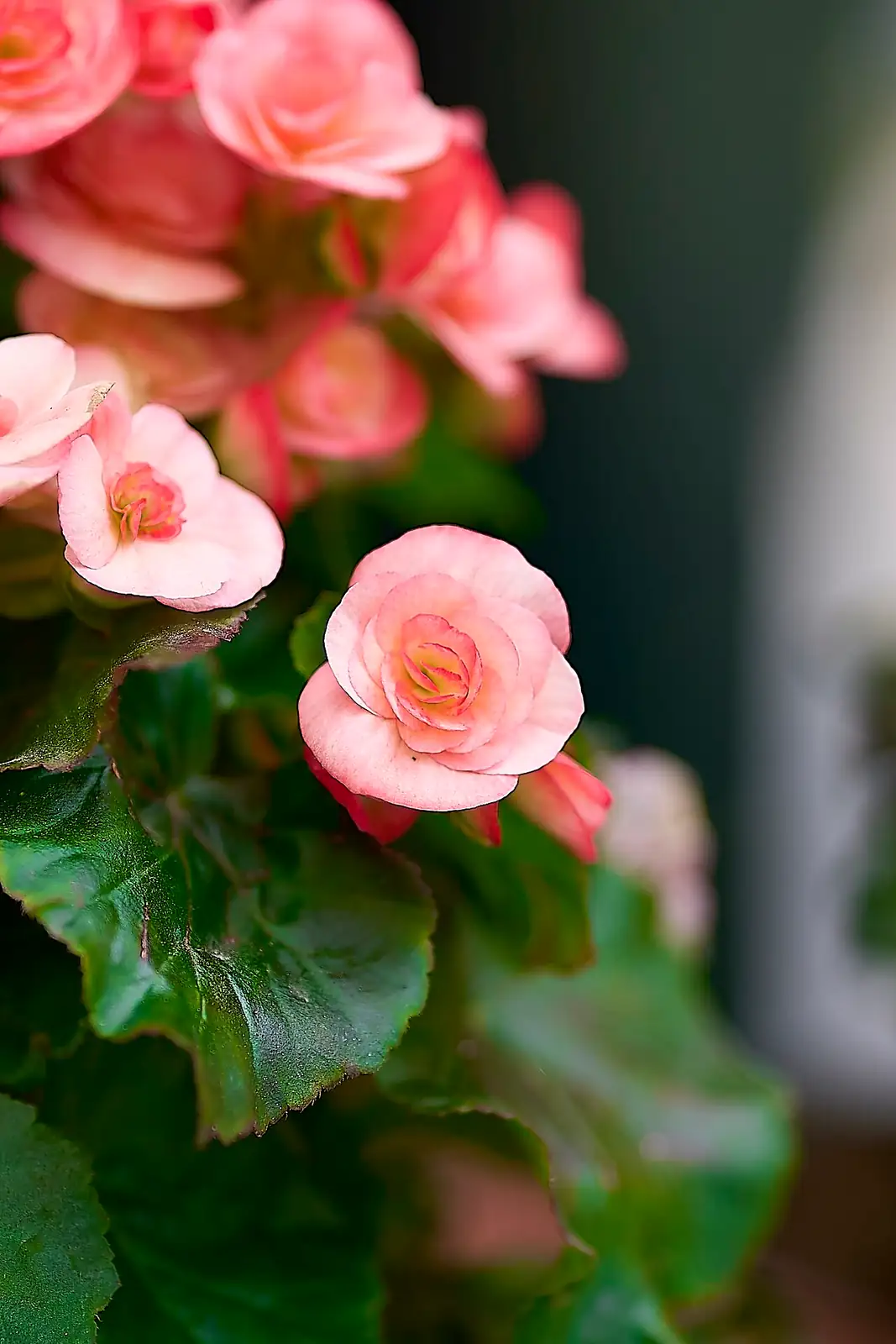
Plant Features
- Size: For strong flowering, choose a dormant tuber at least 2 cm (0.8 in) in diameter; a typical flowering plant does well in a 20–25 cm (8–10 in) diameter pot.
- Foliage: Leaves are classic begonia-style: broad and slightly asymmetrical, with a soft, mildly succulent feel. Foliage is usually medium to deep green and may be lightly hairy depending on the cultivar.
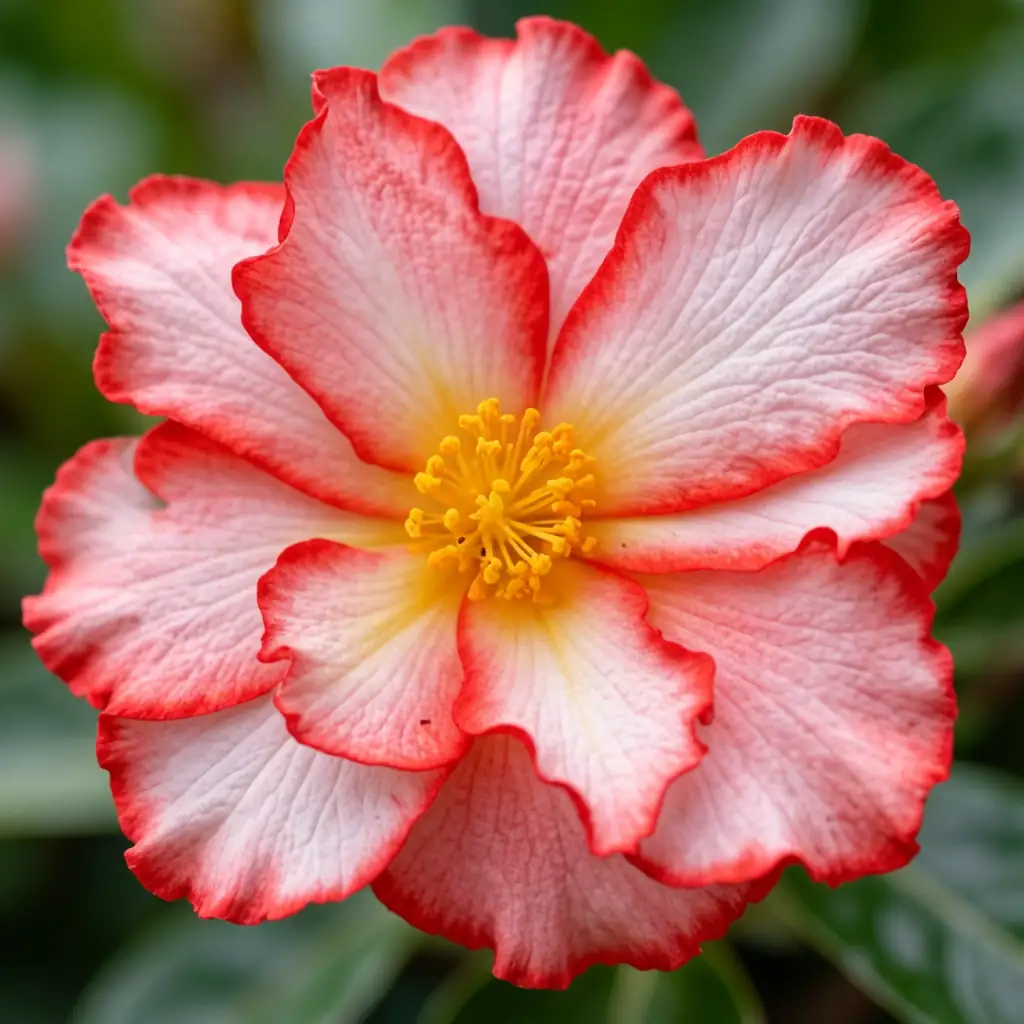
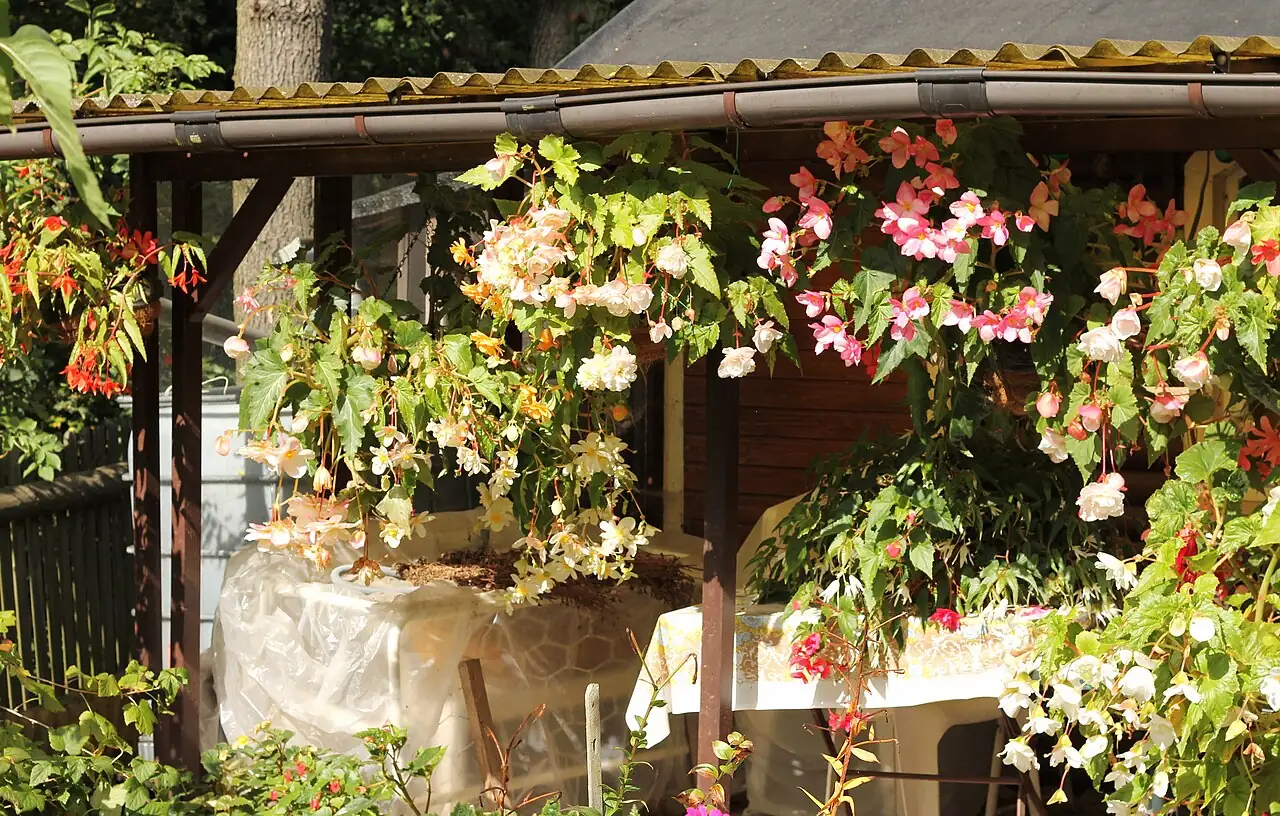
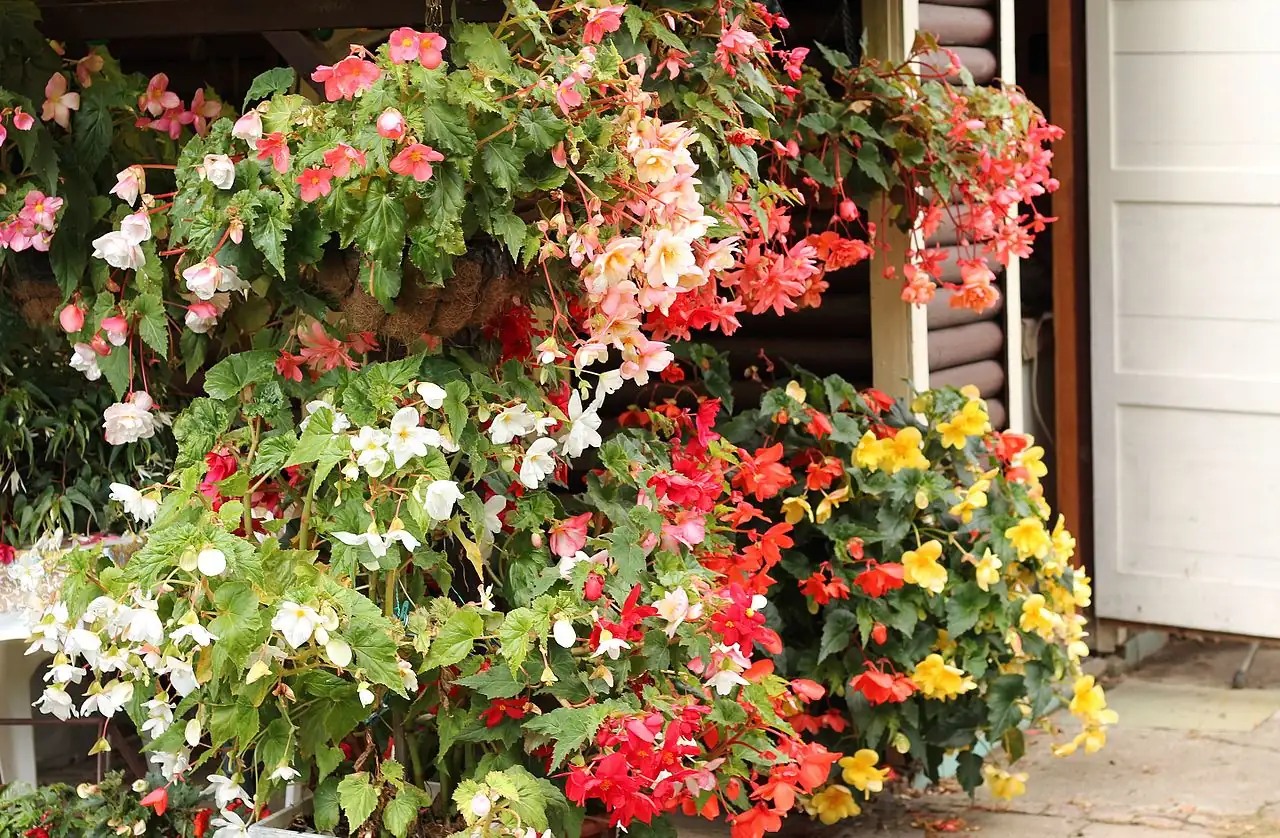
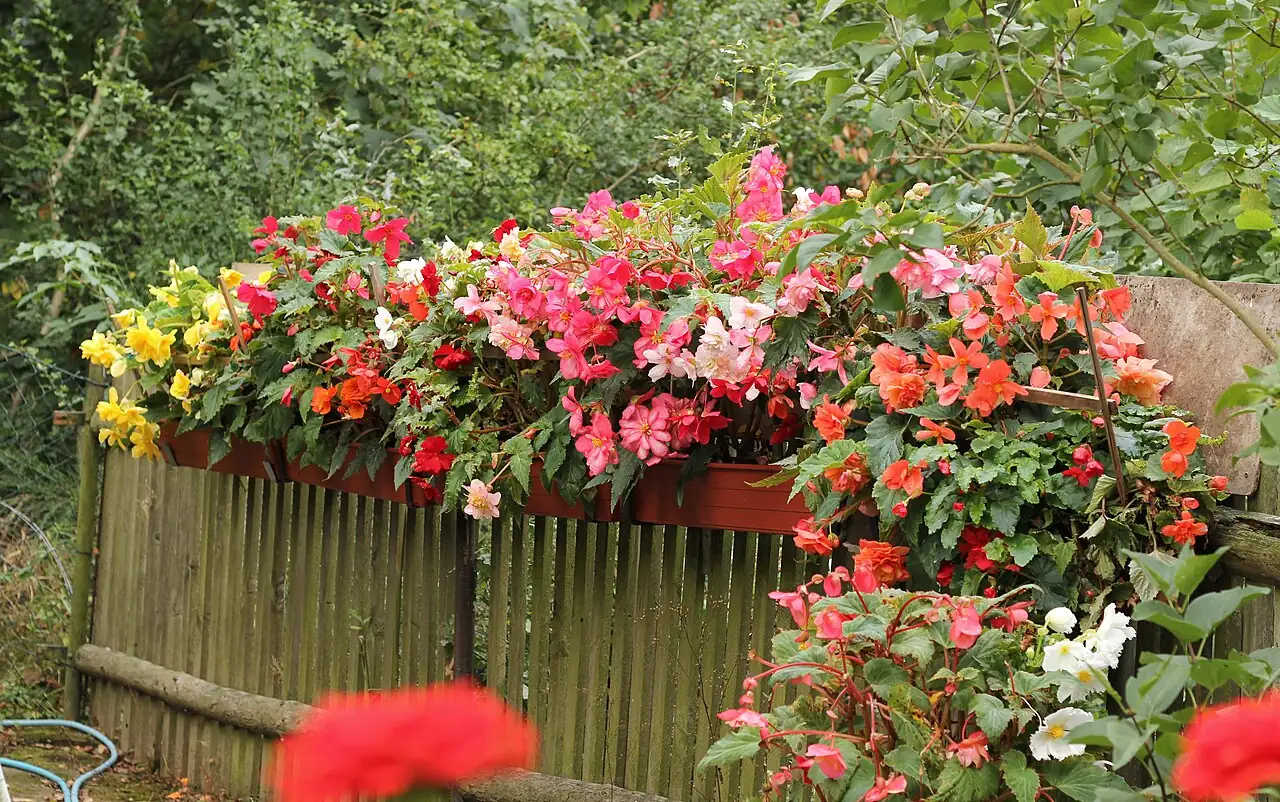
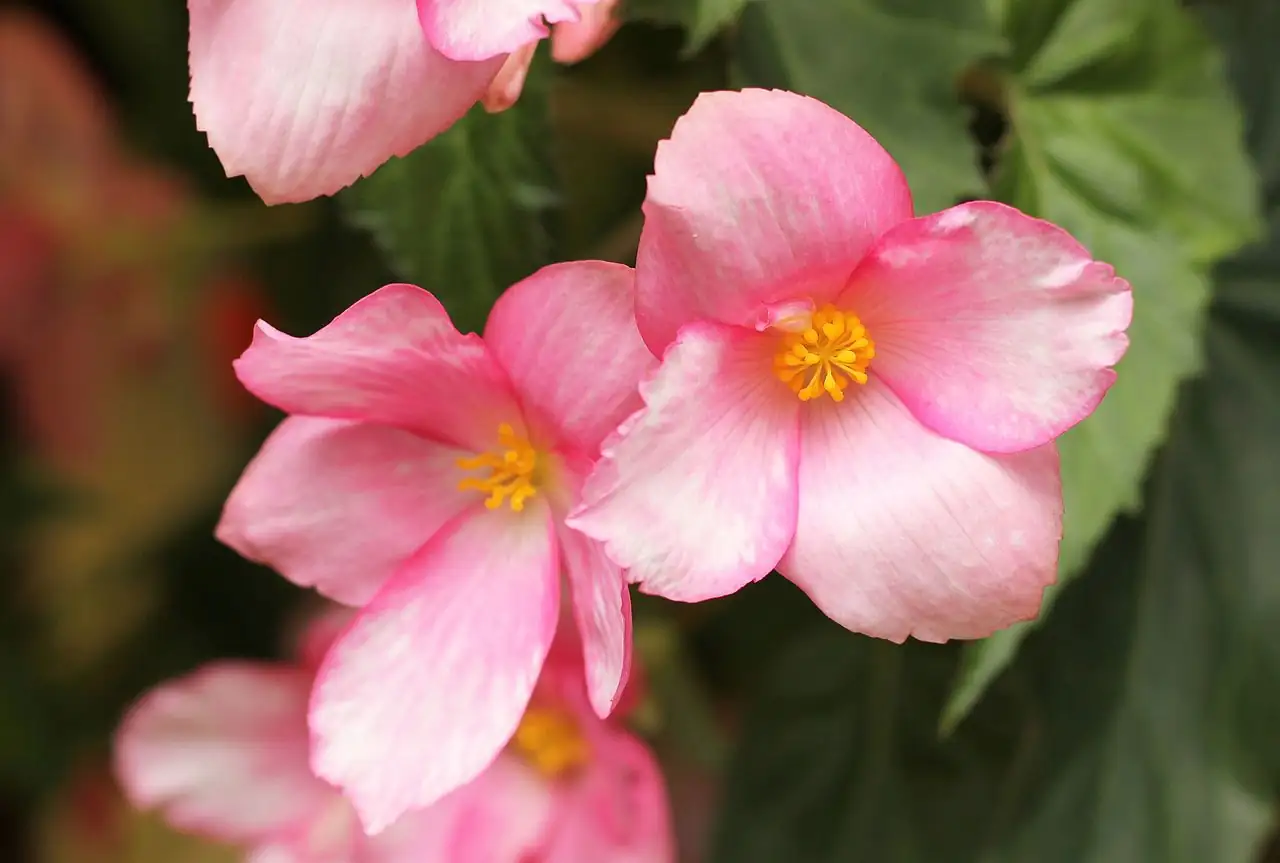
- Flower: Produces large, highly ornamental flowers held above the foliage. Colors can be vivid and varied, with many cultivars offering fully double blooms; some varieties are bicolored and can resemble small camellias or roses.
- Flowering Season: Spring to summer (timing varies by cultivar and growing conditions).
- Growth Habit: A tuber-forming, clump-growing seasonal plant. It sends up upright, fleshy stems during the growing season, then naturally dies back and persists as a dormant tuber.
Environment
Sunlight
Bright indirect light to partial shade. Gentle morning sun is usually fine, but avoid strong midday and afternoon sun. Outdoors, give bright shade and good airflow, and shelter from heavy rain.
Temperature
Best growth at 16–21°C (61–70°F). Keep above 10°C (50°F) in winter. Prolonged heat above about 32°C (90°F) can trigger wilting, bud drop, or collapse.
Humidity
Enjoys moderate to high humidity (about 50–70%), but needs ventilation—stagnant, damp air can invite rot and mildew.
Soil
Rich yet free-draining potting mix (peat- or leaf-mold-based mix blended with fertile loam plus coarse sand/perlite). Avoid heavy, water-retentive soils; a small amount of well-rotted compost/manure can be beneficial.
Placement
Indoors: near a bright window out of harsh direct sun (e.g., living room, bright windowsill). Outdoors during bloom: shaded patio/balcony with airflow, protected from wind and pounding rain.
Hardiness
Frost-tender. Commonly grown as a seasonal plant or overwintered as stored tubers; outdoors year-round only in warm climates (roughly USDA Zone 10–11) unless lifted and stored.
Care Guide
Difficulty
Moderate. Success comes from bright shade, steady warmth, evenly moist (not wet) soil, and protection from extremes—especially heat, cold, harsh sun, and standing water. Understanding dormancy and tuber storage makes it much easier to keep year after year.
Buying Guide
Pick compact, sturdy plants with thick stems and plenty of healthy buds/flowers. If buying dormant tubers, choose ones that are firm, plump, clean, and fresh-looking—ideally round to flattened-round and at least 2 cm (0.8 in) across.
Watering
During active growth, keep the mix evenly moist but never waterlogged, and never let the pot sit in water. A common baseline is about once per week, adjusted for temperature, airflow, and pot size. Use room-temperature water to reduce stress. Protect flowering plants from heavy rain. After flowering, gradually reduce watering; once leaves yellow and die back, stop regular watering, lift the tuber, let it dry slightly, and store for dormancy. Overwatering can cause soft tuber rot; underwatering can lead to limp, collapsing stems and leaves.
Fertilization
Feed during active growth roughly every 10 days to 2 weeks with a balanced-to-bloom fertilizer (for example, a diluted organic liquid feed or a bloom formula such as 15-15-30 used per label). Pause or reduce feeding as flowering finishes and the plant prepares for dormancy.
Pruning
Deadhead (remove spent blooms and stalks) to keep the plant tidy and help the tuber store energy. In prolonged rainy spells or when growth becomes weak and leggy, cutting stems back to about half their height can encourage sturdier regrowth (as long as the tuber remains healthy).
Propagation
Seed: sow indoors in January–February; seeds are dust-fine—do not cover. Keep at 18–21°C (64–70°F); germination often takes 10–15 days. Transplant at 2–3 true leaves into 6 cm (2.4 in) pots. Cuttings: in June–July, take strong shoots about 10 cm (4 in) long with a tip bud, remove lower leaves, allow the cut to dry briefly, and root in a sandy medium; rooting/callusing commonly takes about 3 weeks.
Repotting
For a blooming plant, a 20–25 cm (8–10 in) pot is a common choice. At dieback, lift the tuber, dry it slightly, and either store it or repot at the right time to restart the next growth cycle.
📅 Seasonal Care Calendar
Spring: restart growth—gradually increase light and watering; begin feeding. Summer: keep in bright shade with airflow; maintain even moisture; protect from heat and heavy rain. Late summer to autumn: reduce feeding and water as blooms fade. Autumn to winter: allow natural dieback; lift and store tubers in a cool, dry place (avoid damp), keeping temperatures above 10°C (50°F).
Pests, Diseases & Safety
Common Pests & Diseases
Most serious issues are stem/root/tuber rot from excess moisture and poor airflow. Use a well-drained mix, avoid soggy conditions, and remove affected tissue promptly. Pests may include scale, aphids, thrips, and leaf-rolling caterpillars; manage with isolation, washing, insecticidal soap/horticultural oil, and targeted treatments where appropriate.
Toxicity
Begonias are commonly considered toxic to pets, with the tubers often the most problematic. Keep away from cats, dogs, and children who might chew plant parts; seek veterinary/medical advice if ingestion is suspected.
Culture & Symbolism
Symbolism: Often linked with affection and tender feelings (sometimes even unrequited love). In the home it’s simply a joy-maker—bright, colorful, and a little dramatic in the best way.
History & Legends: Tuberous begonias are long-cultivated garden hybrids, bred from South American Begonia species to emphasize larger, more flamboyant flowers—especially double forms prized for their camellia- or rose-like look.
Uses: Primarily ornamental: an eye-catching container plant for bright indoor spots and for shaded patios, balconies, and sheltered garden areas during its blooming season.
FAQ
Why is my tuberous begonia getting root/tuber rot?
Overwatering and poor drainage are the usual culprits. Keep soil evenly moist but never soggy, don’t let the pot stand in water, and protect plants from heavy rain. Improve airflow and remove rotting tissue quickly; badly rotted tubers are often not salvageable.
Is tuberous begonia hard to keep through summer?
It can be, especially in hot weather. In sustained heat it may collapse, or it may enter dormancy (top growth dies back while the tuber stays firm). If the tuber is still firm, you can store or repot it; if the whole plant has rotted, discard it and the contaminated soil. In milder conditions, it can keep growing and flowering with bright shade, even moisture, and cooler air.
Fun Facts
- That “bulb” is actually a tuber—a storage organ that lets the plant rest and come back next season.
- Many modern varieties were bred specifically for extra-large, fully double flowers that look like miniature camellias or roses.
- Humidity helps, but airflow is just as important—stagnant, damp air is a common trigger for fungal problems and rot.