Plant Features
- Size: Size varies widely by cultivar. Many bush/garden forms reach about 60–150 cm (2–5 ft) tall with a similar spread; miniature types are often 20–60 cm (8–24 in). Small potted plants sold for beginners are commonly around 40 cm (16 in) tall or less.
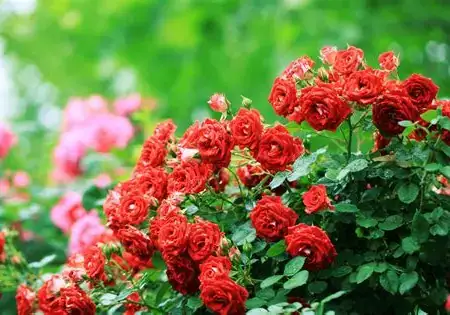
- Foliage: A woody, bushy shrub with dense leafy stems. Leaves are pinnate with multiple leaflets, usually green and sometimes glossy (deciduous to semi-evergreen in mild climates). Stems typically carry prickles (thorns), so handle with care.
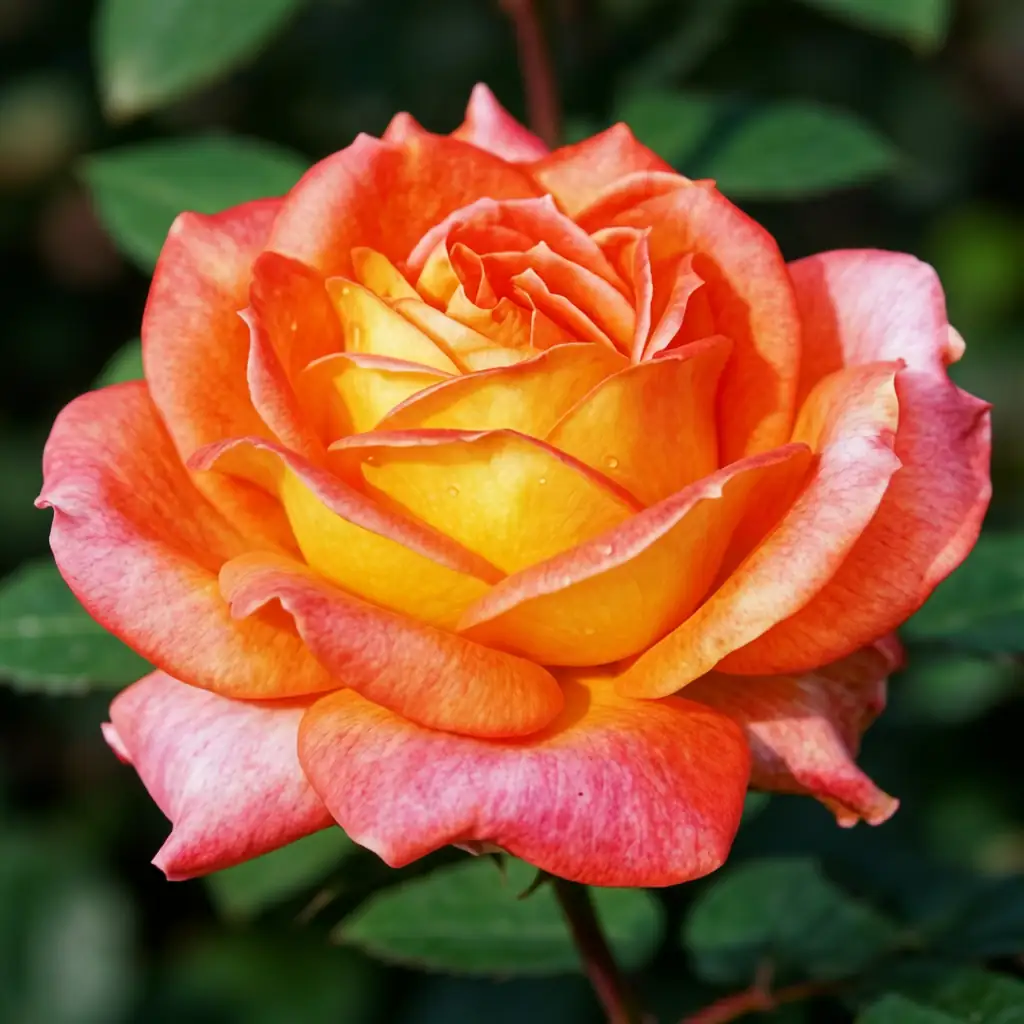
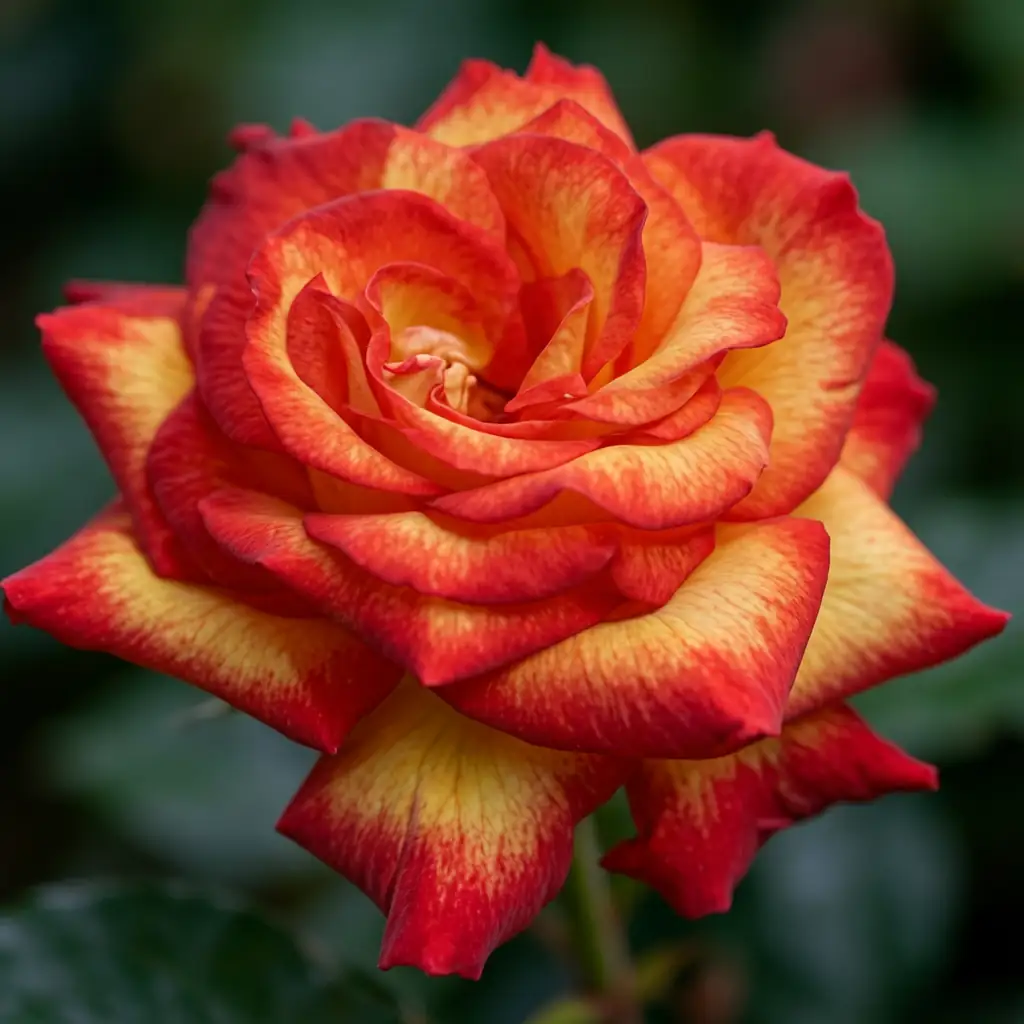
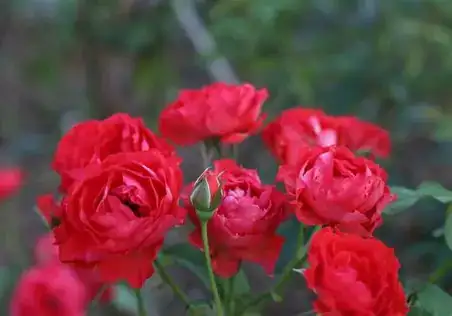
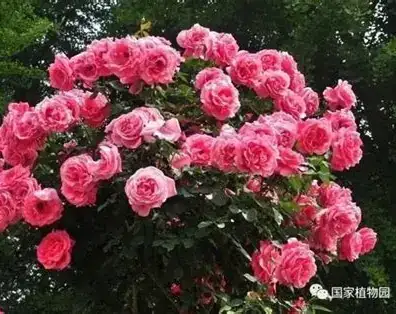
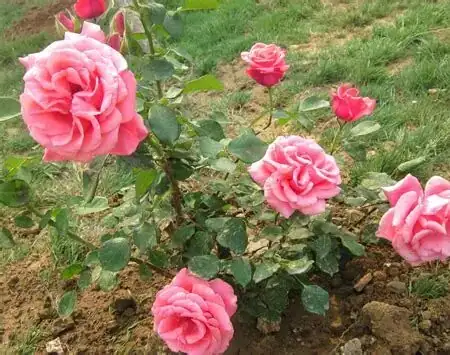
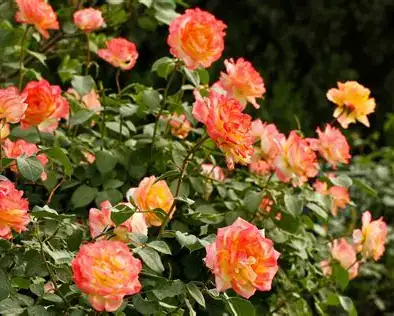
- Flower: Showy blooms ranging from single to very double, often fragrant. Colors can include red, pink, white, yellow, orange, and bicolors depending on cultivar. Many types bloom repeatedly from late spring through autumn. In intense summer sun, petals may scorch and flowers can fade faster; removing spent blooms (deadheading) helps push new shoots and encourages the next flush. For cut flowers (especially red/pink), harvest when sepals have reflexed and outer petals are just beginning to loosen for best vase life.
- Flowering Season: Late spring through autumn (often in repeated flushes; commonly described as spring to autumn or summer to autumn depending on cultivar and climate)
- Growth Habit: Woody shrub; habits vary by cultivar (bushy, upright, arching, or climbing). Performs best in open, airy positions with good drainage and ventilation.
Environment
Sunlight
Full sun is best—aim for 6–8+ hours of direct sun daily. Not shade-tolerant. Spring and autumn sun strongly improves flowering. In very hot summers, light afternoon shade can help protect buds and petals from scorching.
Temperature
Grows best around 20–25°C (68–77°F). Often goes dormant below about 5°C (41°F). Prolonged heat above 30°C (86°F) can slow growth and reduce flowering. Cold tolerance varies by cultivar: many tolerate around -15°C (5°F), and hardier selections may handle about -20°C (-4°F) with good siting and winter protection.
Humidity
No strict humidity requirement, but good airflow is important to reduce fungal disease. Keep humidity higher when rooting cuttings; in warm conditions above 20°C (68°F), occasional light misting can raise local humidity (avoid keeping the potting mix waterlogged and avoid wet foliage late in the day).
Soil
Fertile, rich, and free-draining soil is ideal—loose, well-aerated, slightly acidic to neutral. For containers, use a nutrient-rich mix (loam/compost or leaf mold) lightened with coarse sand or perlite for aeration; well-rotted manure or compost is beneficial as a base amendment.
Placement
Best outdoors in a bright, open spot: sunny balcony/patio (south- or east-facing is excellent) or a well-drained garden bed with good airflow. Potted roses generally perform better outdoors than indoors (indoors is best reserved for short-term display).
Hardiness
Typically suited to about USDA Zone 5–9 overall (strongly cultivar- and rootstock-dependent). Plants commonly enter dormancy below about 5°C (41°F). In very cold regions, winter protection (mulch, wind shelter, protected placement for pots) improves survival and spring performance.
Care Guide
Difficulty
Easy to moderate: roses are adaptable and many are cold-tolerant, but truly great flowering depends on consistency—strong sun, steady watering, regular feeding, timely pruning, and early pest/disease management.
Buying Guide
Choose plants with vigorous, clean foliage and multiple plump buds just starting to show color; ideally 1–2 flowers are just opening so you can judge color/fragrance. Avoid plants with heavy black spot or powdery mildew. After bringing a potted plant home, place it immediately in the brightest spot available (south-facing is ideal), keep the mix evenly moist (never soggy), and improve airflow. For cut roses, pick stems where sepals have reflexed and the outer petals are just loosening—these usually last longer in a vase than fully open blooms.
Watering
Water deeply and regularly during active growth, especially at bud break, shoot growth, and flowering. A practical container rhythm: spring about once per week; summer about 2–3 times per week (more during heat); autumn about once per week; winter much less—keep just barely moist during dormancy and do not let the root ball fully dry out. Let the top ~2–3 cm (about 1 in) dry slightly between waterings. Water at the base to keep foliage drier and reduce black spot/powdery mildew risk. Overwatering and poor drainage can cause root rot.
Fertilization
Feed about every 2 weeks during active growth with a balanced rose fertilizer. During flowering, add 2–3 extra applications of a bloom-leaning fertilizer higher in phosphorus and potassium. In early spring, keep fertilizer solutions mild because tender new roots can burn. Reduce feeding in late autumn so plants don’t push soft growth that’s easily damaged by frost.
Pruning
Prune to shape, improve airflow, and trigger strong new flowering shoots. Avoid pruning too early in winter (it can prompt premature growth that gets frost-damaged). Do major pruning before spring bud break (often late winter to early spring; in some climates also described as Nov–Dec or Feb–early Mar depending on local weather). Remove weak/crowded/inward-growing stems; deadhead after each flush by cutting back to just above a strong leaf (often one with 5 leaflets). For larger blooms, disbud so one flower develops per stem. For container shrubs, many growers keep about 3 strong main branches and hard-prune to around 15 cm (6 in) above the soil line; miniatures are often thinned rather than heavily cut. On grafted plants, remove any rootstock suckers promptly.
Propagation
Common methods include stem cuttings, budding/grafting, and layering (including air-layering). Cuttings can be taken most of the year: use healthy shoots about 8–10 cm (3–4 in) long, keep 3–5 small leaflets at the top, and insert 1/3–1/2 of the cutting into a clean, free-draining medium (coarse sand, vermiculite, rockwool, etc.). Keep warm at about 20–25°C (68–77°F) with high humidity and bright shade; rooting often takes ~15 days in spring/summer and ~30 days in autumn (winter cuttings may callus and root later). A quick 1–2 second dip in rooting hormone can improve success. Bud grafting is commonly done May–October; layering can root in ~30–40 days under warm conditions.
Repotting
Repot annually in early winter or early spring, refreshing the mix and checking root health. Typical pot sizes: about 15–18 cm (6–7 in) diameter for many patio/bush roses; miniatures often suit 10–15 cm (4–6 in). Use a rich but well-drained mix; adding well-rotted manure/compost as a base amendment is helpful. For in-ground planting, dig deeply and incorporate base fertilizer; planting is best in autumn or early spring.
📅 Seasonal Care Calendar
Spring: major pruning and repotting before strong new growth; start feeding gently as new roots wake up; watch for aphids and early mildew. Summer: water more often (especially containers), feed regularly, deadhead promptly; give light afternoon shade in extreme heat to reduce petal scorch; manage black spot/mildew with airflow and clean watering habits. Autumn: keep moisture steady, continue light feeding early on, then taper fertilizer late in the season; enjoy late flushes. Winter: many plants go dormant below about 5°C (41°F); keep on the dry side while preventing complete dry-out; avoid very early pruning that may trigger frost-tender shoots.
Pests, Diseases & Safety
Common Pests & Diseases
Common diseases include powdery mildew and black spot. Prevention focuses on sun, spacing/airflow, watering at the base (not overhead), and quick removal of infected leaves; clean up fallen leaves to reduce overwintering spores, and prune out diseased wood in winter. Common pests include aphids, scale insects, caterpillars/sawfly larvae, borers, and other chewing/sucking insects. Use integrated pest management: hand-pick or spray off aphids, encourage beneficial insects, and use horticultural soap/oil or labeled treatments when necessary (follow local regulations and label directions).
Toxicity
Generally considered non-toxic to people and pets, but prickles can cause punctures and scratches, and sap may irritate sensitive skin. If large amounts of plant material are eaten, mild stomach upset is possible. Keep away from small children and pets mainly to prevent injuries.
Culture & Symbolism
Symbolism: Commonly linked with love, beauty, appreciation, celebration, and “renewal” or “enduring affection”—a fitting meaning for a plant that flowers again and again over a long season. (Bouquet traditions and color meanings can vary by culture.)
History & Legends: Chinese roses (including Rosa chinensis and its cultivated forms) strongly influenced global rose breeding, especially by contributing repeat flowering to many Western rose lines after introductions to Europe in the 18th–19th centuries. Today’s modern garden roses are the result of centuries of hybridization involving both Asian and European species.
Uses: A top ornamental for pots, balconies, patios, borders, and landscape planting; also a major cut flower for indoor vases and arrangements. Often grown for its long season of color and (in many cultivars) fragrance.
FAQ
How do I choose a healthy potted rose, and what should I do right after bringing it home?
Pick a compact plant with lush, clean leaves and many plump buds just showing color (1–2 blooms just opening is ideal). Avoid plants with obvious black spot or heavy powdery mildew. Put it straight into the brightest, sunniest spot you have (south-facing is great), keep the mix evenly moist but never waterlogged, and prioritize airflow.
Why did spring shoots die back after they emerged?
This often happens when pruning is done too early in winter, which triggers early growth that later gets hit by frost. Time major pruning for late winter to early spring (just before bud break), and give extra protection in cold snaps—especially for container plants.
Do roses really need frequent feeding and pruning to bloom well?
Yes. Repeat-blooming roses use lots of nutrients; feeding every ~2 weeks during active growth helps support continuous flowering. Deadheading and seasonal pruning stimulate strong new shoots and better bud formation, while pest/disease control prevents defoliation that can quickly reduce bloom.
Fun Facts
- Chinese roses helped reshape the modern rose world by passing on the trait of repeat flowering to many later hybrids.
- Cut roses usually last longer if harvested when sepals have reflexed and the outer petals are just starting to loosen—rather than when fully open.
- In warm seasons, rose cuttings can root surprisingly fast: often around 15 days in spring/summer and about 30 days in autumn under good conditions.
- Because cultivars vary so much, two “monthly roses” can look completely different—yet share similar care needs: sun, airflow, and steady feeding.