Plant Features
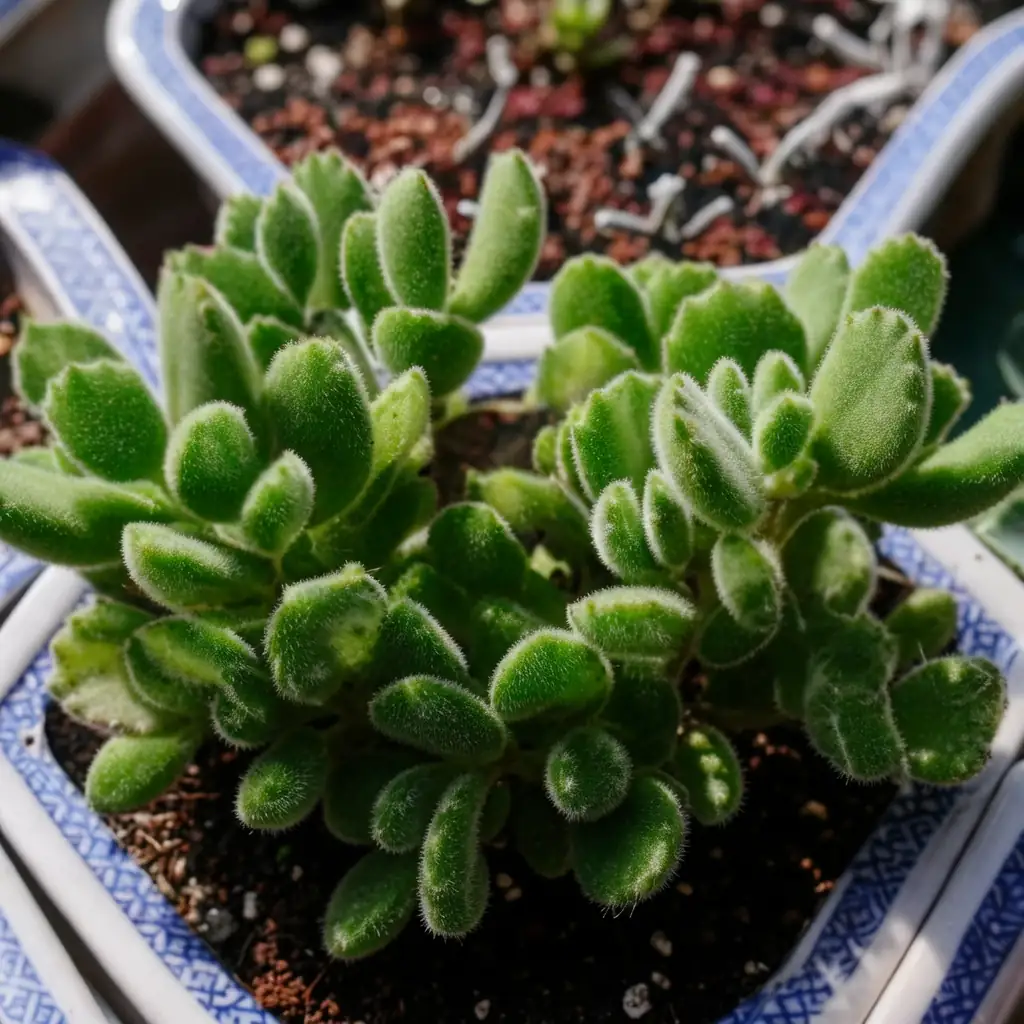
- Size: In containers it’s commonly 10–20 cm (4–8 in) tall and 10–30 cm (4–12 in) wide when kept compact, but older plants can reach about 20–50 cm (8–20 in) tall over time (especially if light is weaker). Many plants are sold around 15 cm (6 in) tall. A mature plant often suits a 12–15 cm (5–6 in) diameter pot with excellent drainage.
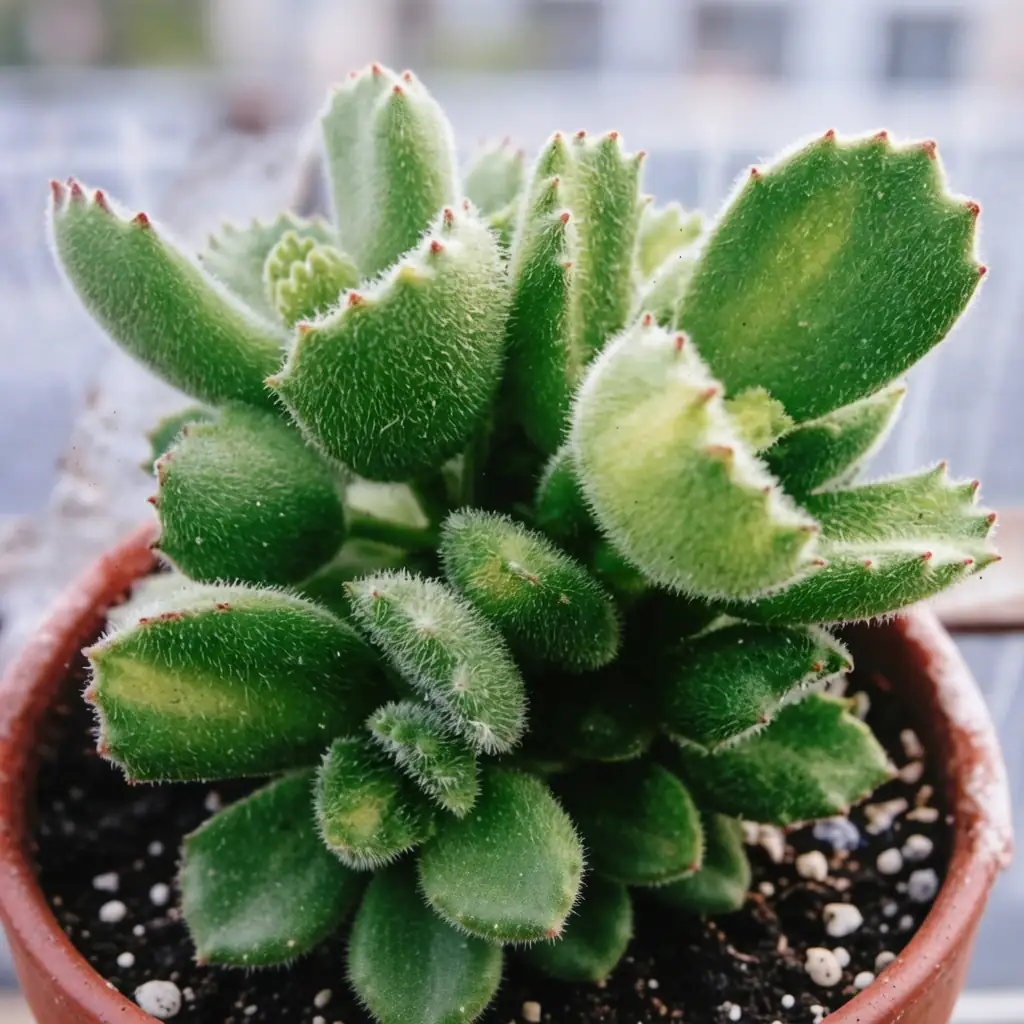
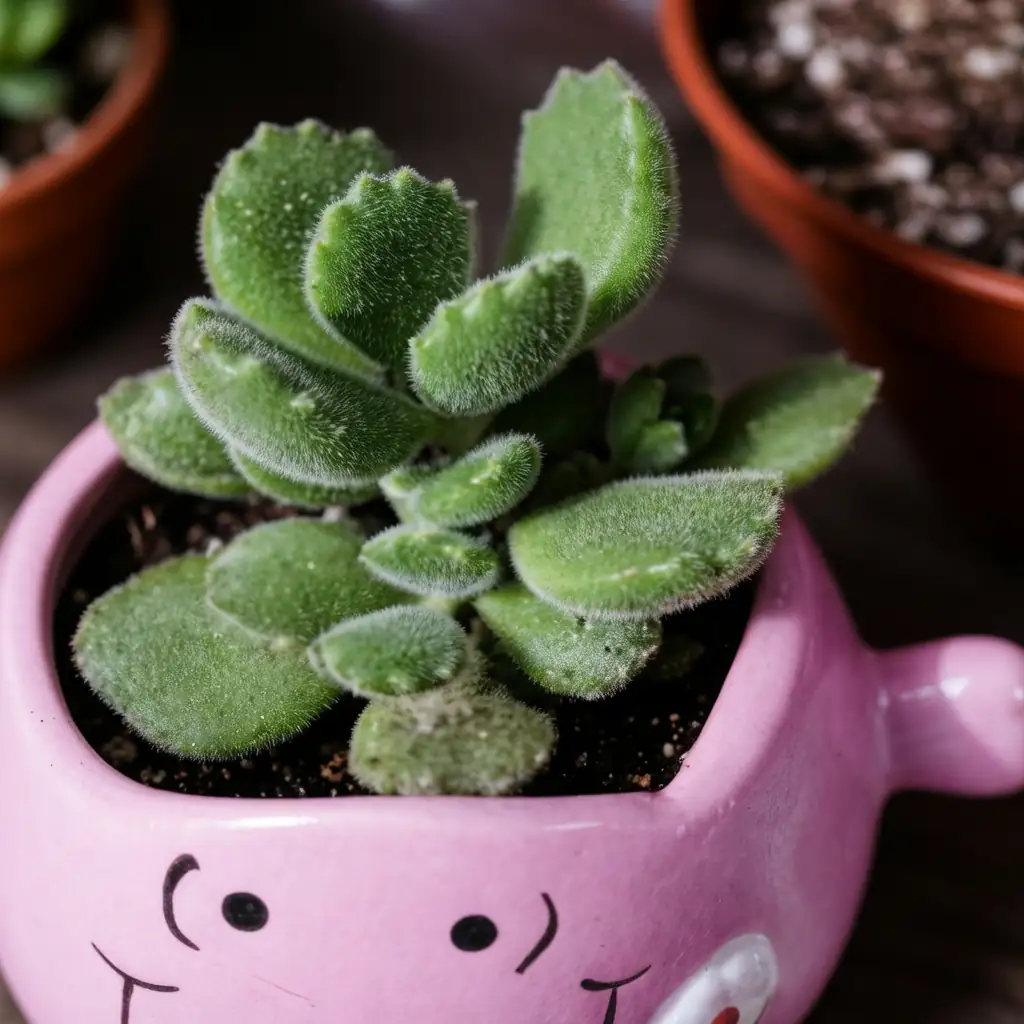
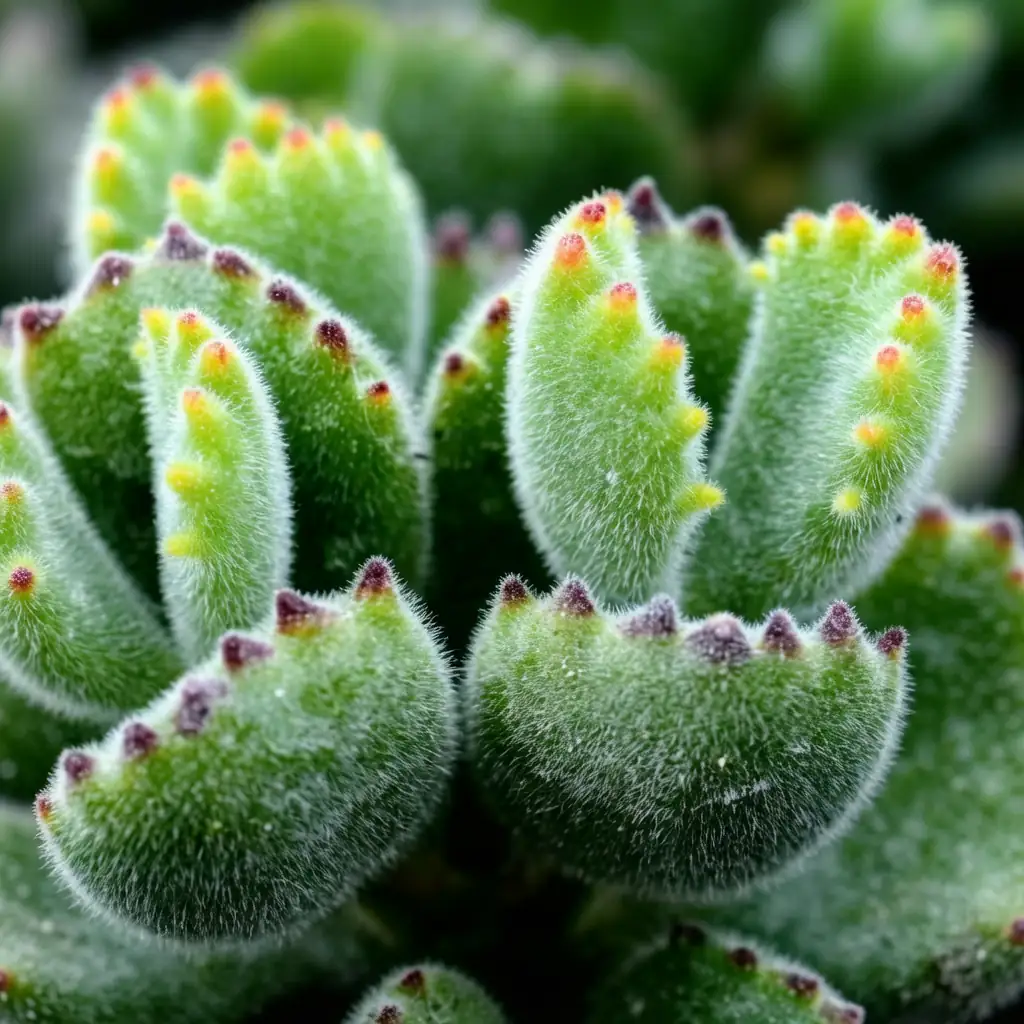
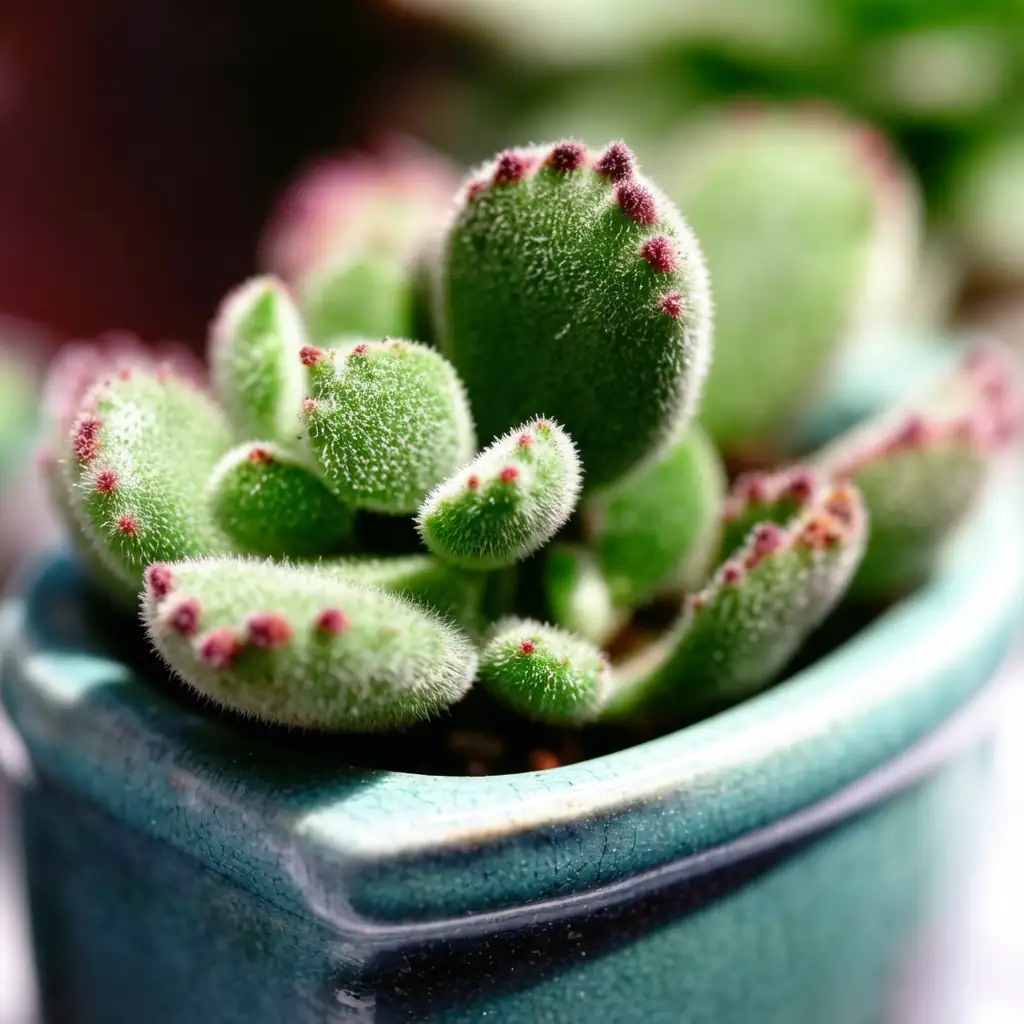
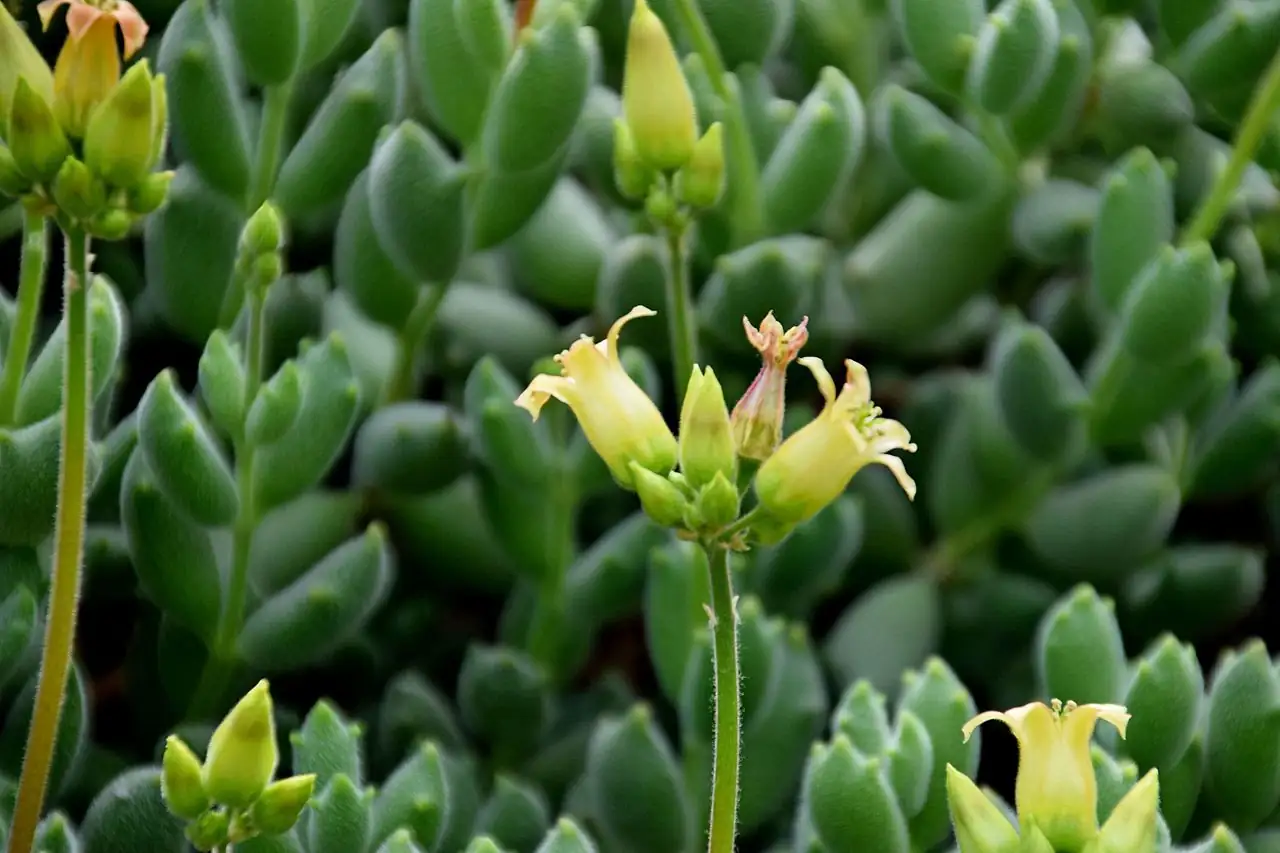
- Foliage: Plump, oval-to-oblong “paw-shaped” grey-green leaves covered in short, velvety hairs. The tips usually have small notches that resemble toes, and in stronger light the tips/edges often blush red, creating the classic “little claw” look.
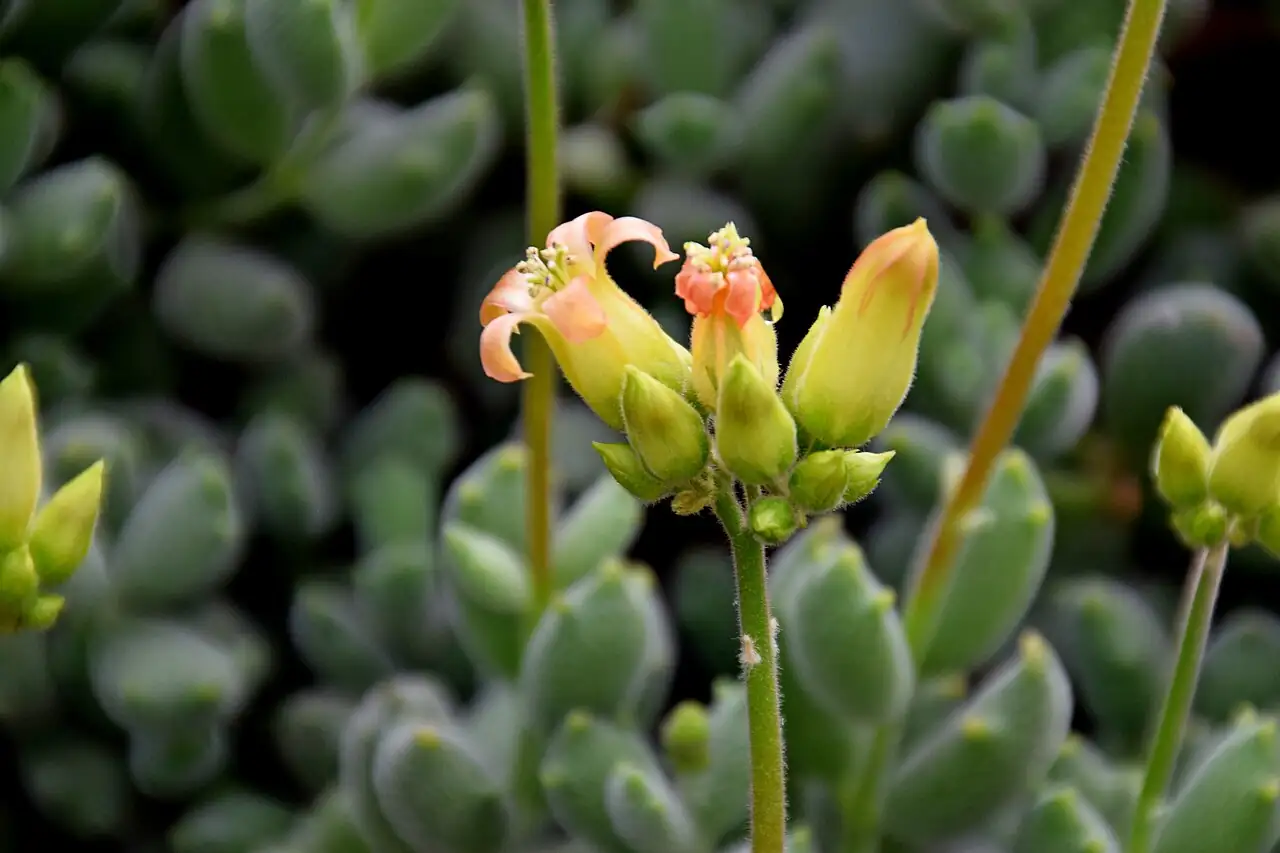
- Flower: Small tubular, bell-like blooms held on upright stems above the foliage, typically in warm shades such as orange, coral, or orange-red. Flowering is most likely with strong light plus a cooler, drier rest period.
- Flowering Season: Often spring and/or autumn; many plants bloom from late summer into autumn (late summer to fall) depending on conditions.
- Growth Habit: Compact, branching succulent subshrub with cylindrical stems. It prefers warm, dry conditions and lots of light; it can become leggy if light is insufficient. Not frost hardy, and it benefits from a brighter, cooler, drier winter rest.
Environment
Sunlight
Bright light with several hours of sun for best shape and red-tipped “claws.” Morning sun with bright indirect light later is ideal. In very hot climates, protect from intense midday/afternoon sun and acclimate gradually to stronger exposure. Good airflow helps prevent spotting and rot.
Temperature
Best growth around 18–24°C (64–75°F). Keep above 10°C (50°F) in winter; protect from cold drafts and any frost.
Humidity
Prefers low humidity and fast-drying conditions. Avoid persistently damp air or wet foliage; keep extra dry during winter rest.
Soil
Very well-draining cactus/succulent mix. A practical approach is potting soil cut heavily with mineral grit (coarse sand, perlite, pumice, or grit), roughly around a 1:1 organic-to-mineral style blend. Avoid heavy, water-retentive mixes; always use a pot with drainage holes.
Placement
Indoors: a bright east- or south-facing windowsill with airflow. Outdoors (warm seasons): a sunny, sheltered balcony/patio—protected from prolonged rain and harsh midday sun.
Hardiness
Not frost hardy; generally suited to outdoor year-round growing only in warm regions around USDA Zone 10–11 (sometimes listed as 10–12 depending on microclimate and dryness).
Care Guide
Difficulty
Easy to moderate. It’s very forgiving of missed waterings, but not forgiving of staying wet. Most issues trace back to overwatering, poor drainage, poor airflow, or low light (which leads to stretching and rot).
Buying Guide
Choose a compact, sturdy, well-branched plant with firm stems and plump, evenly fuzzy leaves. Avoid plants that are tall and weak (stretched), have soft/mushy areas, black spots, leaf drop, visible pests (whiteflies/mealybugs), or a sour smell from the potting mix (often a rot warning sign).
Watering
Use the “soak and dry” method: water thoroughly, then wait until the mix dries out well before watering again. In spring and autumn, water sparingly—enough to prevent severe shriveling but never keep the soil consistently moist. In summer heat, reduce watering and protect from heavy rain. Avoid misting or leaving water on the fuzzy leaves (it can cause spotting and encourage rot); water the soil directly. In winter, keep almost dry and only water lightly if leaves begin to wrinkle, especially when kept above 10°C (50°F).
Fertilization
Feed lightly during active growth (spring through early autumn) about once a month with a diluted, low-nitrogen succulent fertilizer. Bloom-leaning formulas (e.g., similar to 15-15-30) can work well at reduced strength. Stop feeding in winter or whenever the plant is stressed.
Pruning
Pinch or tip-prune when the plant reaches around 15 cm (6 in) tall to encourage branching and a bushier shape. If it becomes leggy, cut back to reshape. Older plants are often refreshed every 4–5 years by restarting from healthy cuttings.
Propagation
Stem cuttings are the easiest and most reliable. In spring or autumn, take firm tip cuttings about 5–7 cm (2–3 in) long, let the cut end callus, then place into a gritty medium. Rooting is commonly around 14–21 days (about 2–3 weeks) in warm, bright conditions (roughly 18–22°C / 64–72°F). Leaf propagation may work but is slower and less predictable.
Repotting
Repot in spring, typically yearly or when the mix compacts or the plant outgrows its pot. A 12–15 cm (5–6 in) pot suits many mature plants—choose a snug pot with excellent drainage and refresh with a very free-draining mix.
📅 Seasonal Care Calendar
Spring: repot, resume light watering after dry-downs, begin monthly light feeding, and take cuttings. Summer: give strong light but add midday shade in extreme heat; boost airflow; reduce watering and protect from heavy rain; keep water off leaves. Autumn: excellent time for cuttings; keep bright light and gradually reduce watering as temperatures fall. Winter: brightest possible spot, keep above 10°C (50°F), keep very dry, and stop fertilizing.
Pests, Diseases & Safety
Common Pests & Diseases
Common problems include root rot from wet soil and leaf spot/rust in humid, poorly ventilated conditions. Improve airflow, keep foliage dry, remove affected leaves, and correct watering/soil drainage. Pests can include whiteflies and mealybugs; isolate affected plants and treat with insecticidal soap or horticultural oil, repeating as needed.
Toxicity
Toxicity is not consistently documented for Cotyledon tomentosa. To be safe, treat it as potentially irritating/toxic if ingested: keep away from pets and small children, avoid tasting, and wash hands after handling—especially if you’re sensitive to plant sap.
Culture & Symbolism
Symbolism: Often seen as a symbol of comfort, warmth, and playful companionship—basically a “cute little buddy” plant thanks to those paw-like leaves.
Uses: Primarily ornamental: a popular windowsill and balcony succulent for small pots, mixed succulent arrangements, and gift plants. Variegated forms are also collected for their color.
FAQ
Why is my bear’s paw getting long and stretched (leggy)?
That’s almost always a light issue. Move it to a brighter spot (acclimate gradually to stronger sun), water only after the mix dries well, and fertilize lightly at most once a month during active growth.
How do I get the little red “claws” on the leaf tips?
Give it stronger light and keep it on the dry side. Bright sun encourages the red edging, but avoid sudden exposure to harsh midday sun—introduce stronger light slowly and keep good airflow.
How do I choose a healthy bear’s paw succulent?
Pick a short, sturdy, well-branched plant with a thick stem. Leaves should be plump and evenly fuzzy, with no soft spots, black patches, pests, or a sour smell from the pot.
How should I care for a newly purchased plant?
Place it in bright light with airflow (windowsill or sheltered balcony), and water only after the potting mix dries well. Shade it during extreme summer heat, and keep it warm and bright in winter (above 10°C / 50°F).
Fun Facts
- Those soft leaf hairs help reduce water loss and can act like a tiny sun-shield in its native habitat.
- Water sitting on the fuzzy leaves can cause spotting—watering the soil directly is much safer than misting.
- Variegated bear’s paw forms are usually slower-growing and can be more sensitive to strong sun than the green type.
- With the right light and a drier winter rest, bear’s paw can reward you with warm-toned, bell-like Cotyledon flowers.