Plant Features
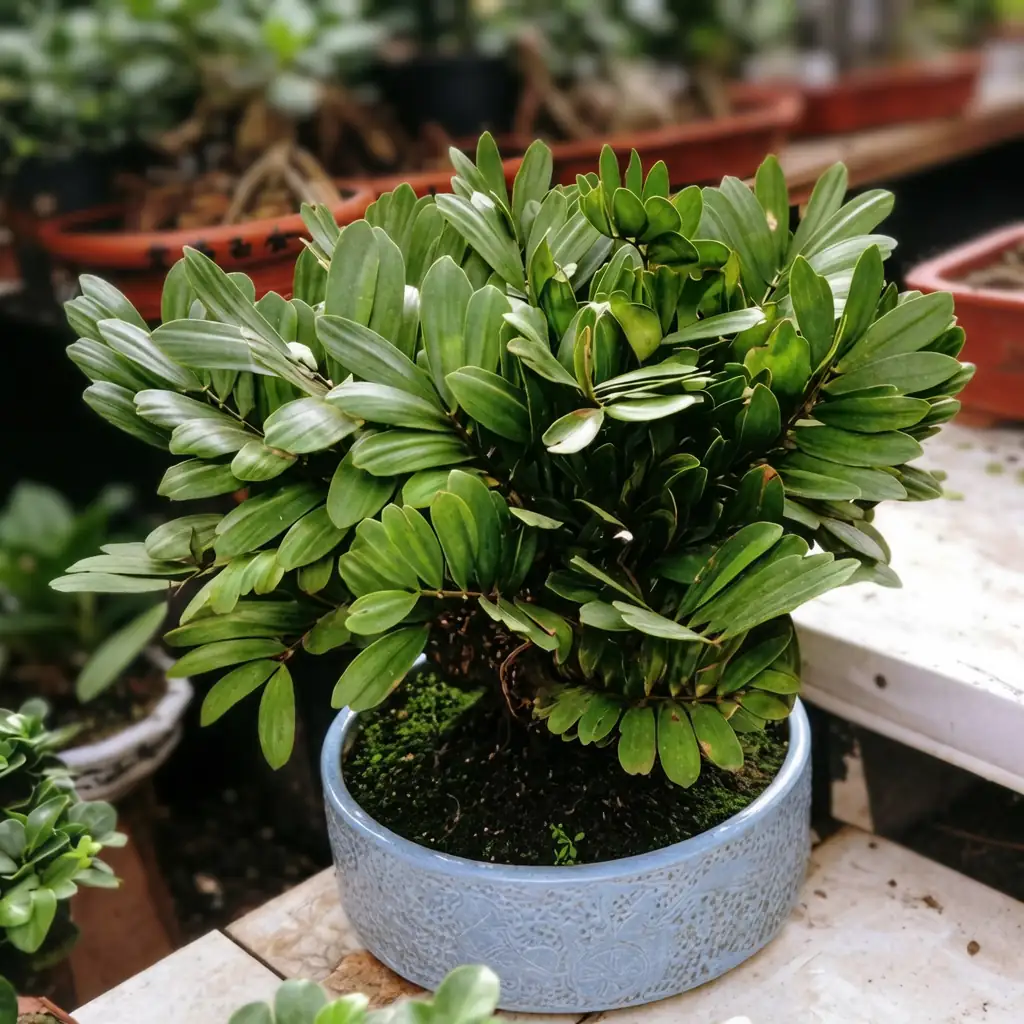
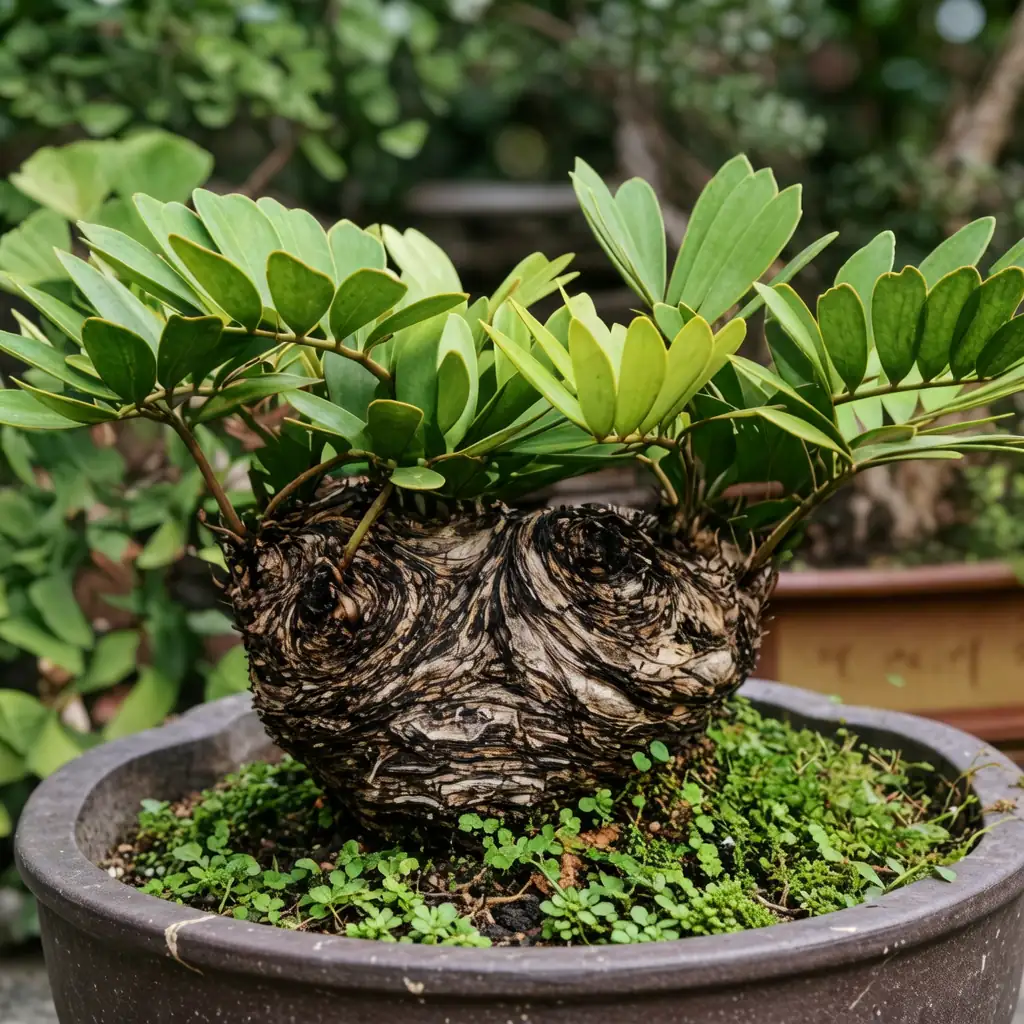
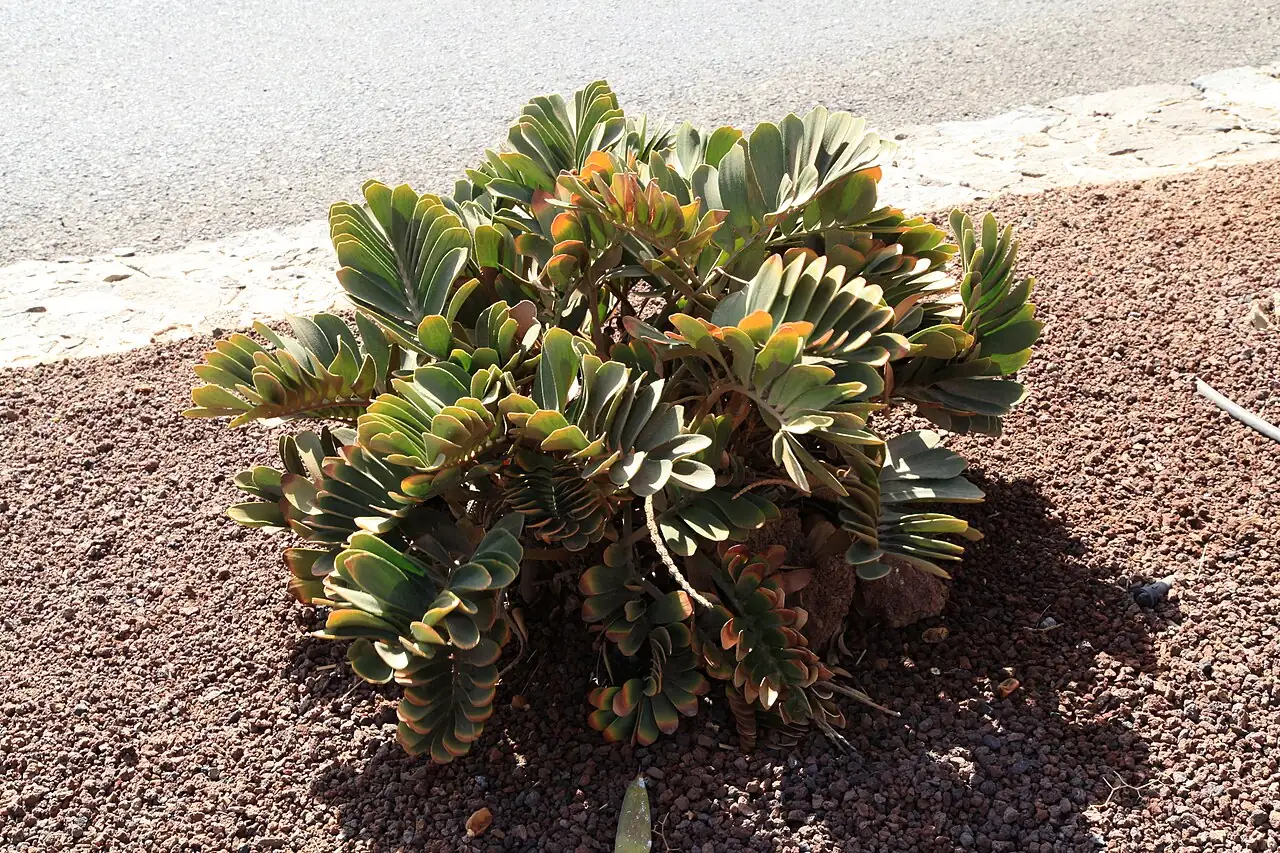
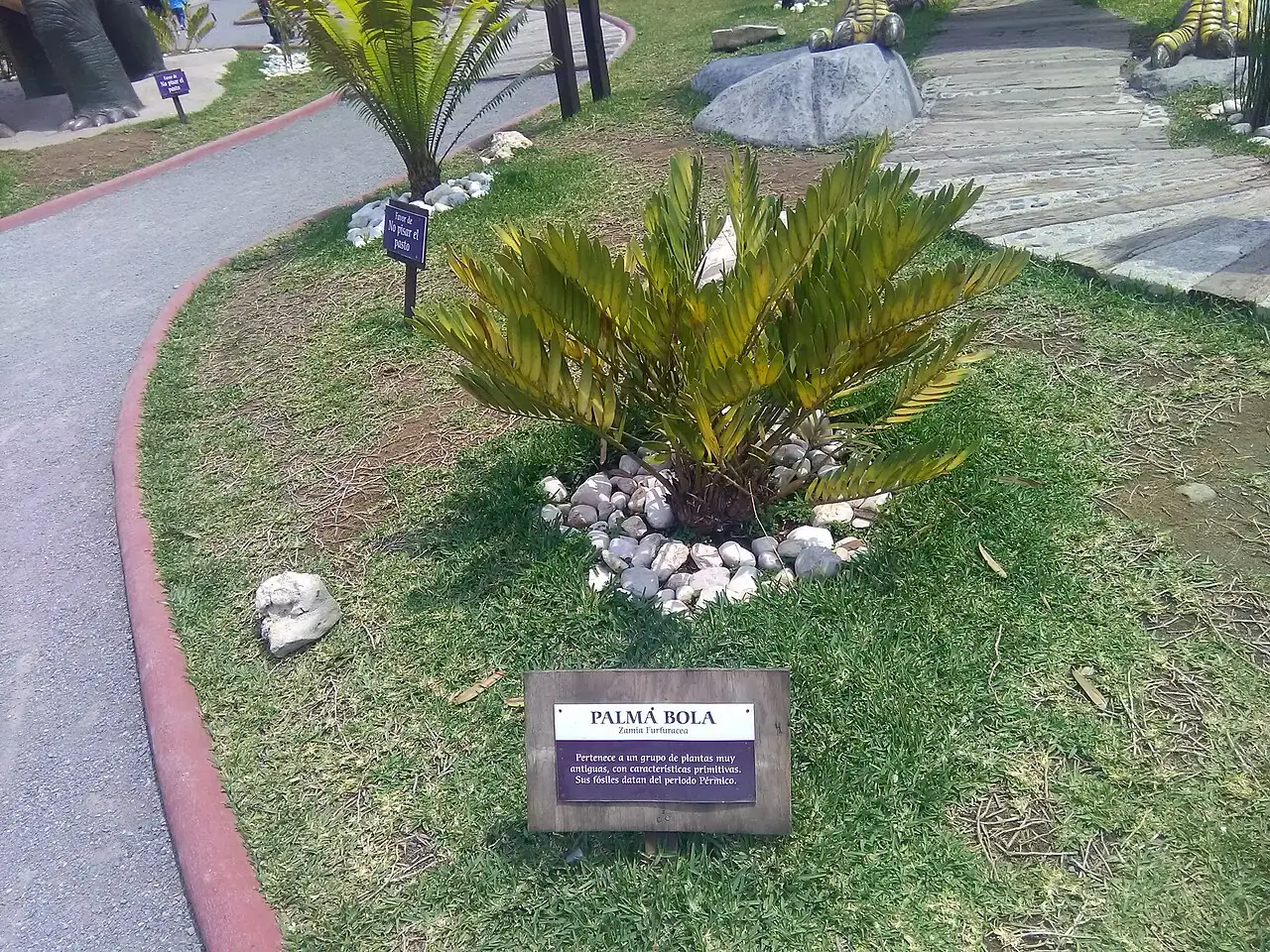
- Size: Typically grown in 15–40 cm (6–16 in) diameter containers. Slow-growing; forms a compact rosette with a trunkless to short-trunked, thickened base (caudex) over time.
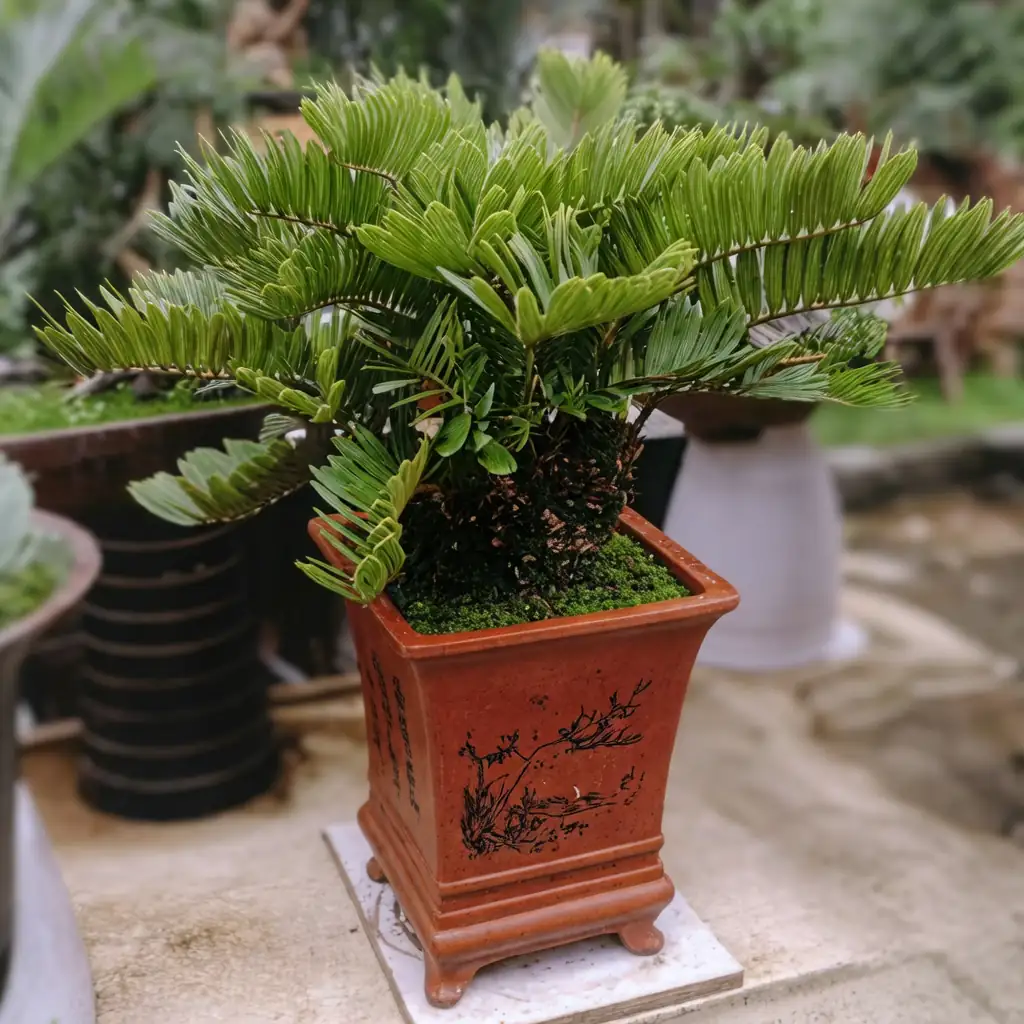
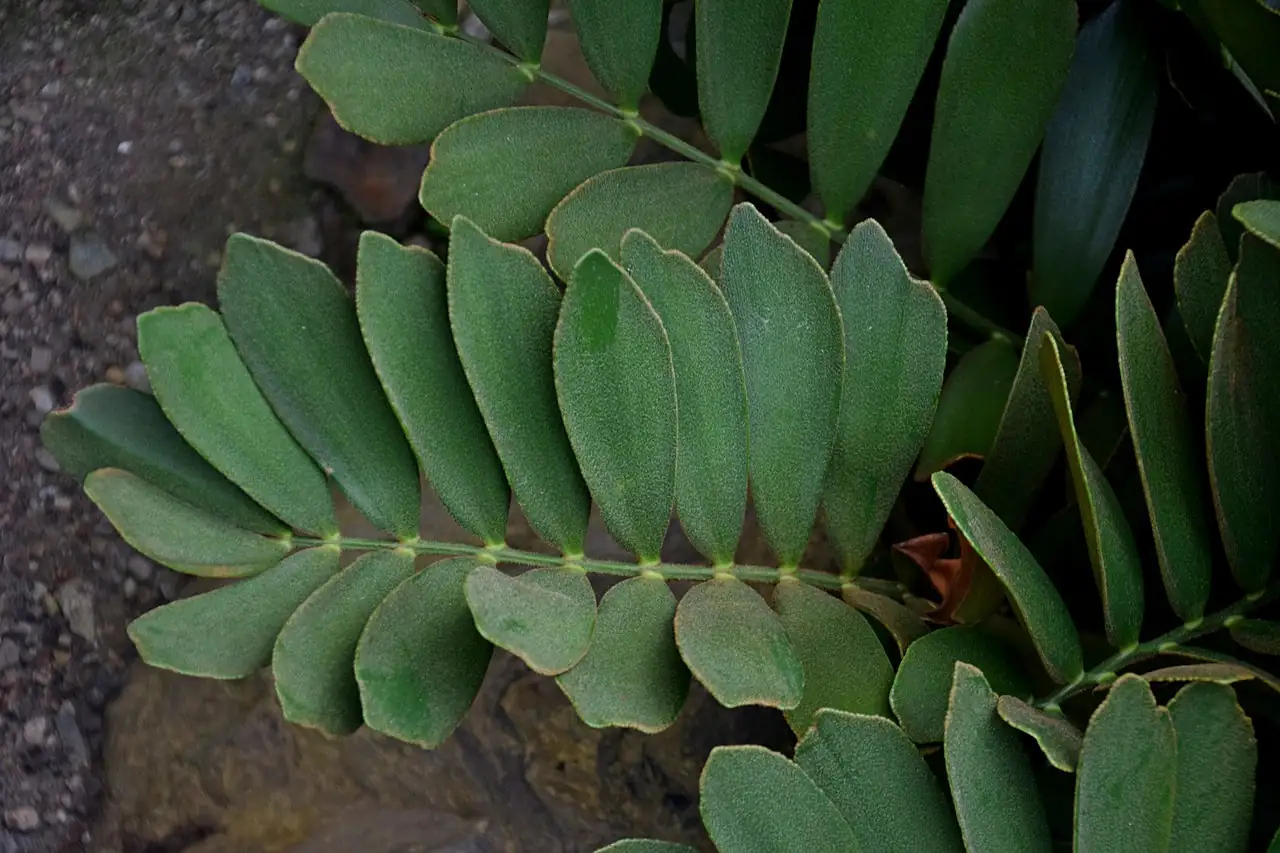
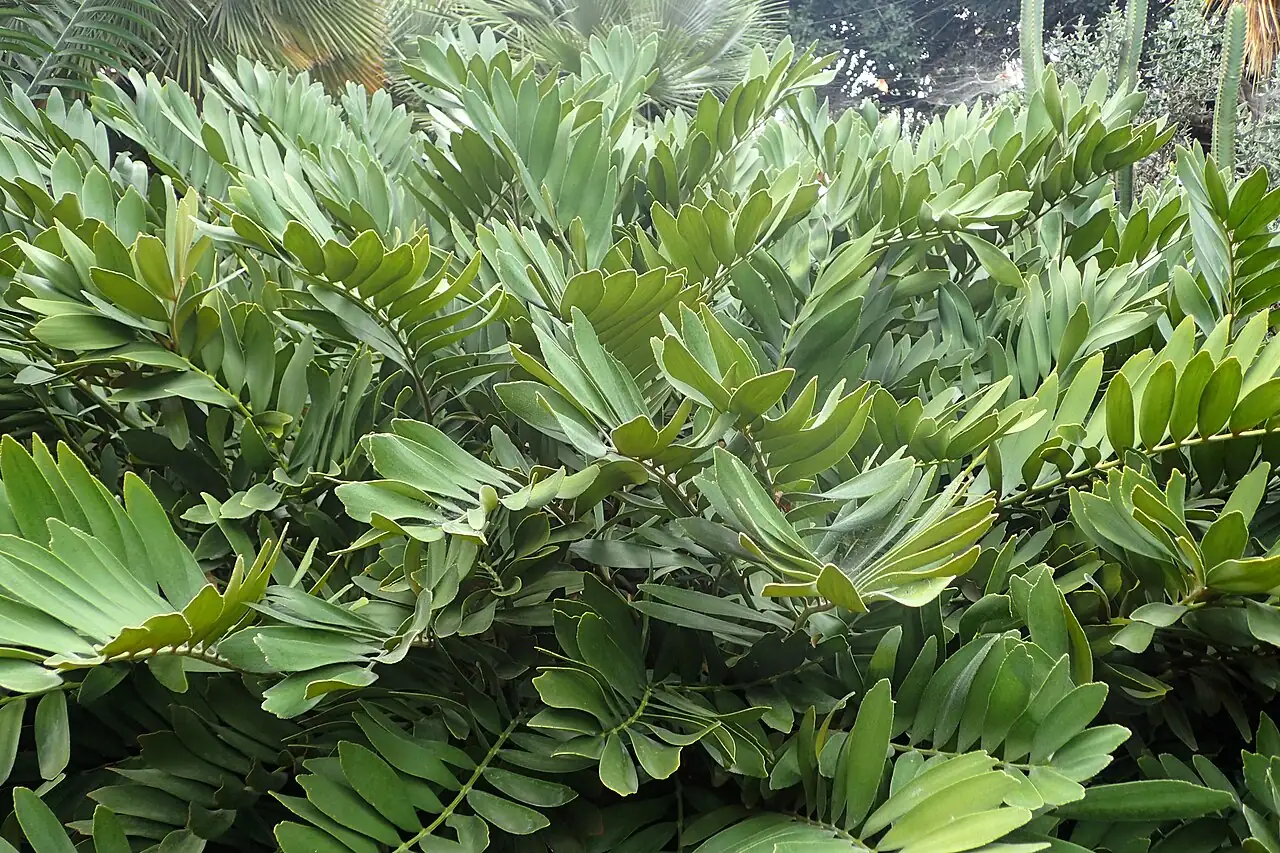
- Foliage: Stiff, pinnate (feather-like) fronds with deep green, glossy leaflets. Older basal leaves may yellow naturally with age and can be removed one by one to keep the plant looking tidy.
- Flower: Not a true flowering plant: it produces separate male and female cones. Coning is most likely when the plant is mature and kept warm and bright, and it’s most often seen in summer.
- Flowering Season: Summer
- Growth Habit: Evergreen, slow-growing cycad that develops an open, graceful crown and may clump with offsets. Once established, it tolerates drought and some shade, but looks best with warmth, good light, and free airflow.
Environment
Sunlight
Bright light to full sun indoors; also tolerates bright shade. Best near a sunny, well-ventilated window or on a bright balcony. Protect from harsh, scorching midday sun behind glass.
Temperature
Ideal: 13–24°C (55–75°F). Keep above 2°C (36°F); leaf damage can occur below 0°C (32°F).
Humidity
Average indoor humidity is fine. Prefers moderately humid air, but is quite drought-tolerant; occasional misting or leaf-wiping in warm seasons helps keep foliage clean.
Soil
Very free-draining mix (e.g., potting mix with added grit): about 2 parts peat/leaf-mold–based mix to 1 part coarse sand/grit/perlite. Use pots with drainage holes and avoid waterlogged media.
Placement
Bright, airy indoor spots such as living rooms or offices, or a sheltered sunny balcony. If purchased in autumn, overwinter indoors in a cool, bright place and keep above 2°C (36°F).
Hardiness
Not frost-hardy; generally grown outdoors only in USDA Zone 9–11 with frost protection.
Care Guide
Difficulty
Easy overall and very tolerant once established. The main thing it won’t forgive is staying wet in cool conditions—overwatering is the most common mistake.
Buying Guide
Choose a plant with a firm, thick caudex/base and a symmetrical crown. Leaves should be deep green and intact, without spots, pests (especially scale), or physical damage. After bringing it home, give it your brightest, best-ventilated spot. If it’s pushing new leaves, weak light can cause thin, stretched leaflets and a sparse-looking crown. Water lightly at first while it settles in.
Watering
Water thoroughly, then let the top layer of mix dry before watering again. In the active season, keep the mix lightly moist but never soggy. Reduce watering in autumn as temperatures drop. In winter, keep it on the dry side—cold + wet soil is a recipe for root rot. In hot, dry weather you can mist lightly (or simply wipe leaves clean and mist occasionally).
Fertilization
Feed monthly during the growing season with a balanced fertilizer (for example NPK 20-20-20) at label rates, or use a gentle organic liquid feed. Skip fertilizing in winter if growth slows.
Pruning
No shaping needed. Remove yellowing, damaged, or diseased older leaves individually by cutting at the base with clean tools. Take care not to damage the stem/caudex surface when cleaning up old foliage; small buds/offsets can form near the base.
Propagation
Seed or offsets. Seeds: sow indoors in spring, covering with about 2 cm (0.8 in) of mix; warm conditions around 24–30°C (75–86°F) speed germination (sometimes ~2 weeks when consistently warm). Offsets: in April–May, separate pups with minimal wounding, let cuts dry/callus, then root in sand at about 26–30°C (79–86°F) before potting on.
Repotting
Because it grows slowly, repot small plants about every 2 years; larger specimens every 3–4 years. Use a fast-draining mix and a pot with excellent drainage—often a shallow, wide container improves stability and suits the root system. Typical container range is 15–40 cm (6–16 in) diameter.
📅 Seasonal Care Calendar
Spring: resume watering gradually; propagate by seed indoors or divide offsets in April–May; repot if needed. Summer: brightest light with ventilation; keep lightly moist; fertilize monthly; cones may appear in warm, bright conditions. Autumn: reduce watering as temperatures cool. Winter: keep brighter and cooler, water sparingly, and keep above 2°C (36°F) to avoid cold damage and rot.
Pests, Diseases & Safety
Common Pests & Diseases
Scale insects are a common nuisance—wipe them off and treat with horticultural oil or insecticidal soap, repeating as needed. Leaf spot can occur; improve airflow, avoid keeping the crown wet late in the day, and remove affected leaves. Root problems (including possible root-knot nematodes in contaminated media) are best prevented by using clean, well-draining potting mix and avoiding waterlogged conditions; discard severely affected plants. Follow label directions and local regulations for any treatments.
Toxicity
Toxic if ingested. Like many cycads, all parts—especially the seeds—contain potent toxins. Keep away from children and pets.
Culture & Symbolism
Symbolism: Often appreciated as a symbol of resilience and longevity—its slow pace and ancient cycad lineage give it a “quiet strength” vibe in plant collections.
History & Legends: Cycads are sometimes called “living fossils” because their relatives were already growing when dinosaurs roamed. Cardboard palm earned its common name from the stiff, thick-textured leaflets that can feel a bit like cardboard.
Uses: Primarily an ornamental foliage plant for indoor containers and bright patios/balconies. Its strong silhouette also makes it popular in minimalist décor and bonsai-style pot presentations (trained for form rather than true bonsai techniques).
FAQ
Why did some leaves turn yellow by the second spring?
Yellowing can come from low winter temperatures or big day–night swings, weak light, drafts from vents, overwatering (especially in cool weather), severe underwatering, stress from newly renovated rooms (off-gassing), or misapplied fertilizer. Start by checking temperature stability and watering habits, then improve light and airflow.
How do I choose a good plant, and what should I do after bringing it home?
Look for a firm, thick base and evenly arranged deep-green leaves without pest marks or damage. Place it in your brightest, most ventilated spot. If it’s pushing new leaves, low light can cause stretched, sparse foliage. Water sparingly at first—this plant is drought-tolerant and dislikes staying wet.
Fun Facts
- Despite its name, Cardboard Palm is not a true palm—it’s a cycad, an ancient plant lineage.
- It’s slow-growing, which makes it ideal for long-term indoor container culture.
- The number-one killer is overwatering in cool weather; keeping it slightly dry in winter helps prevent root rot.
- It can be propagated by seed or by separating offsets in spring.
- It produces cones (not flowers), most often in warm, bright conditions—typically in summer.