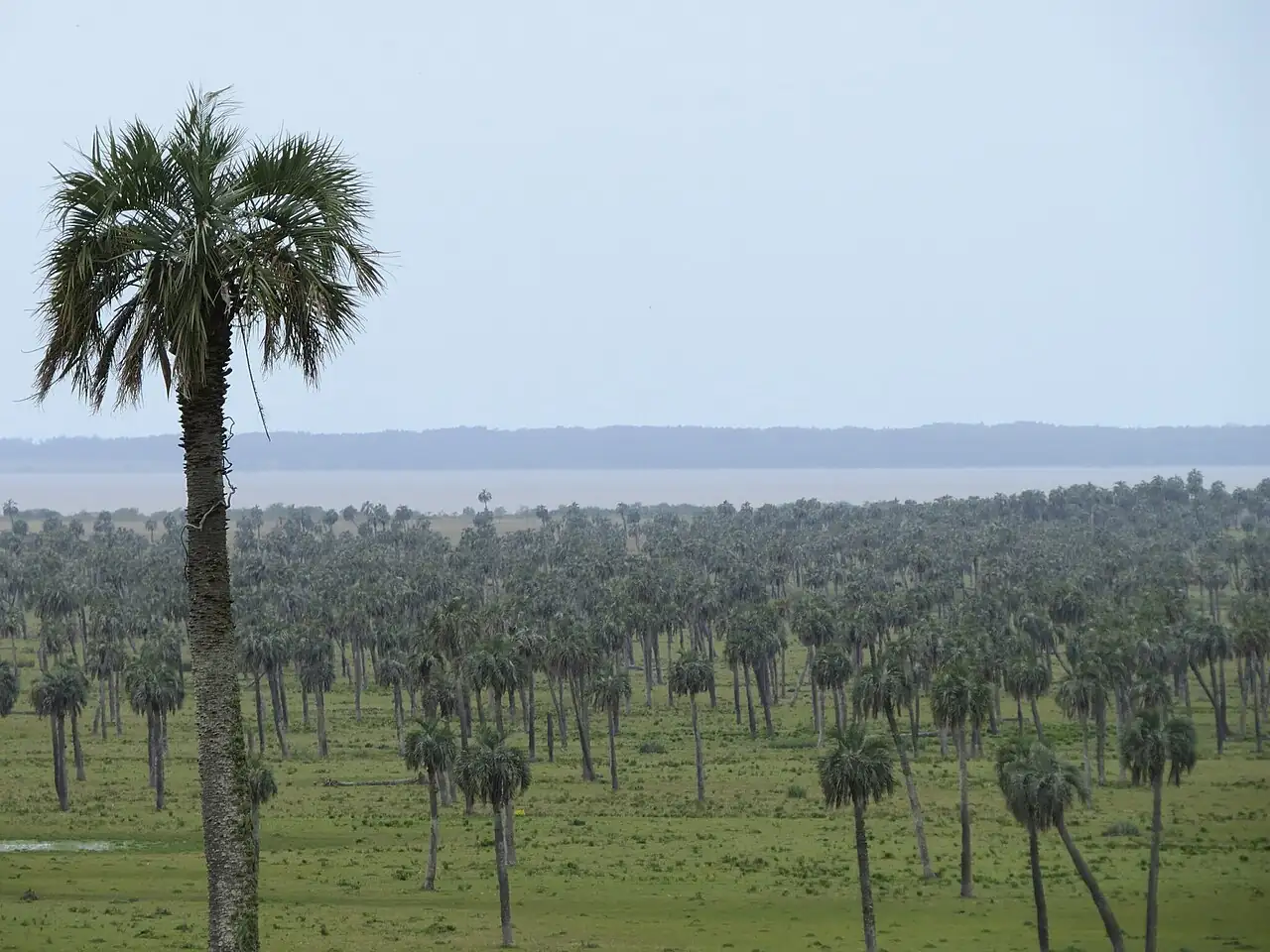
Plant Features
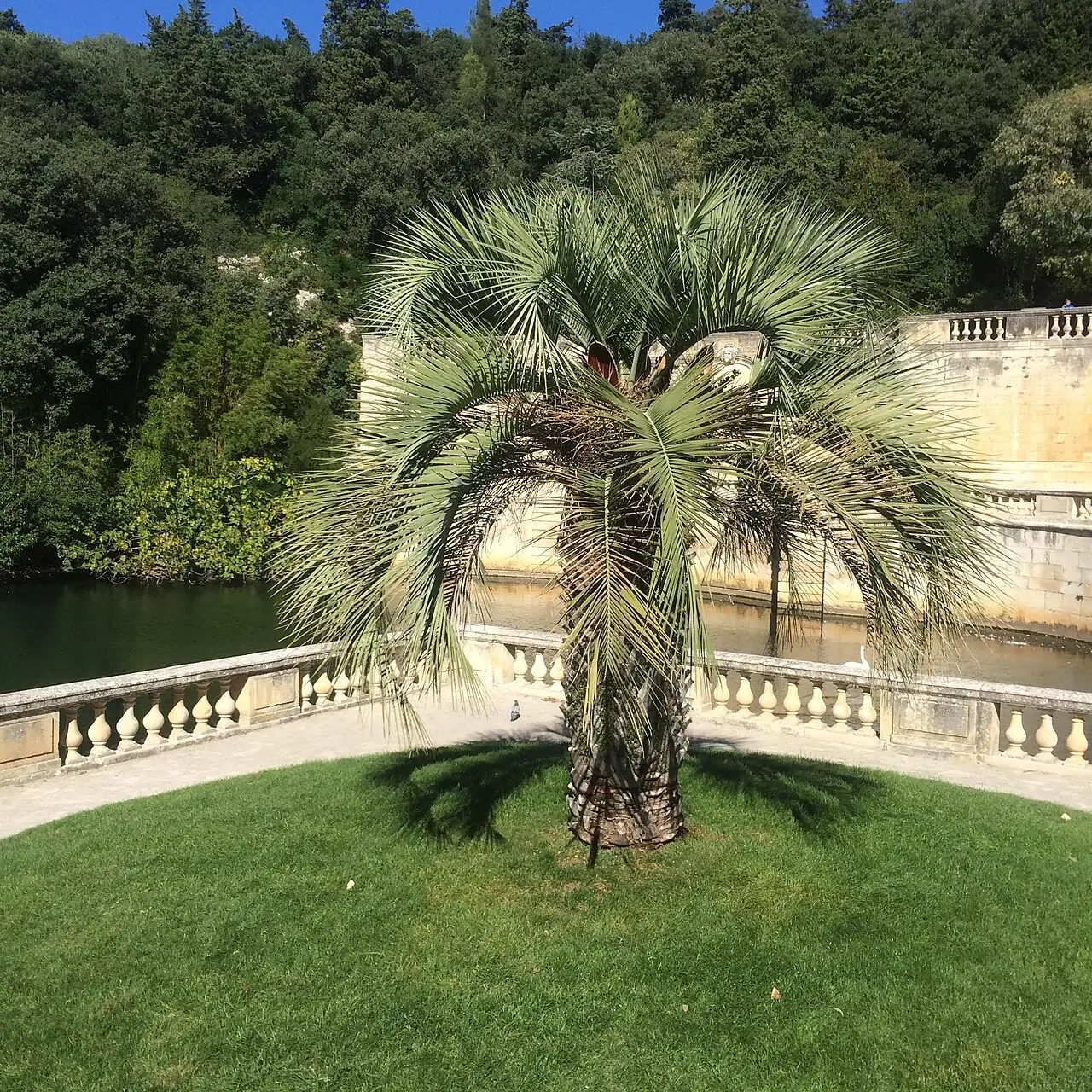
- Size: About 1.8 m tall × 1.5 m wide (about 5.9 ft tall × 4.9 ft wide); the crown can be nearly as wide as the plant is tall.
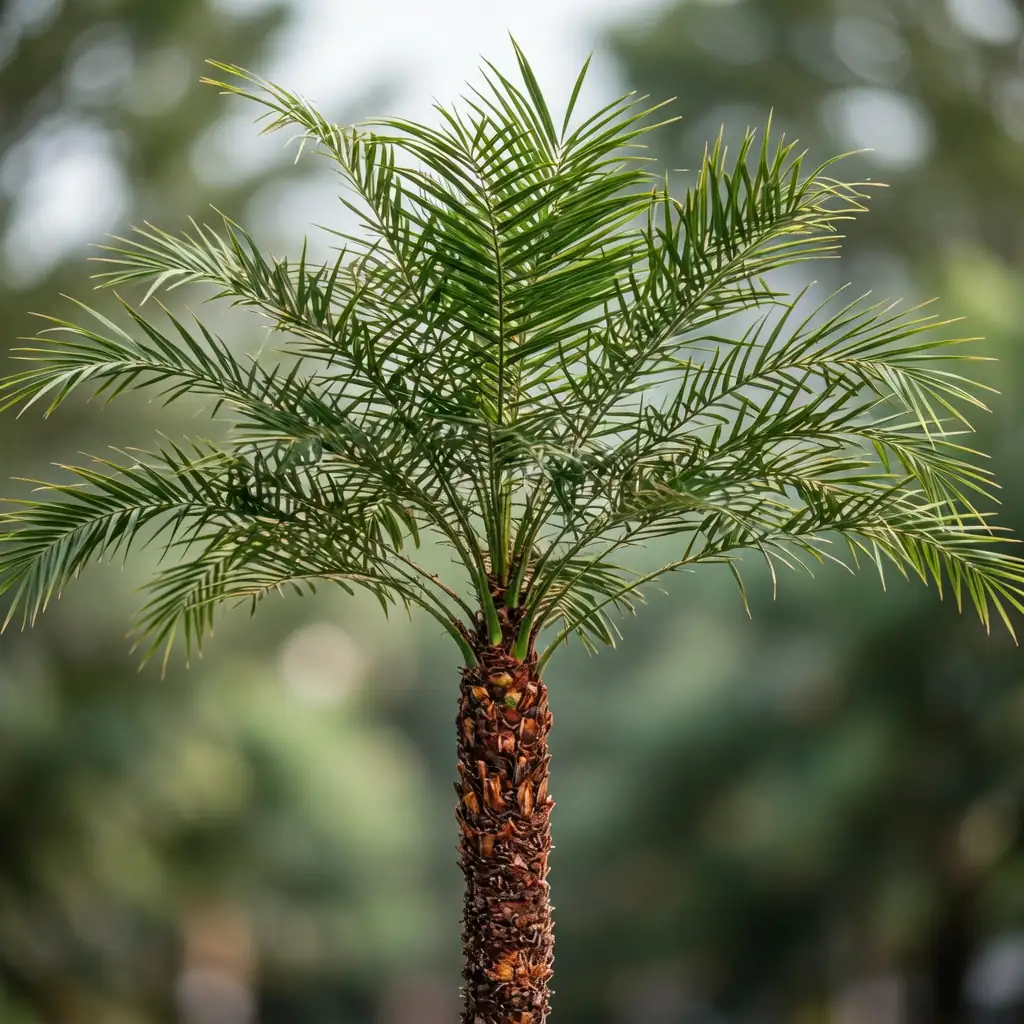
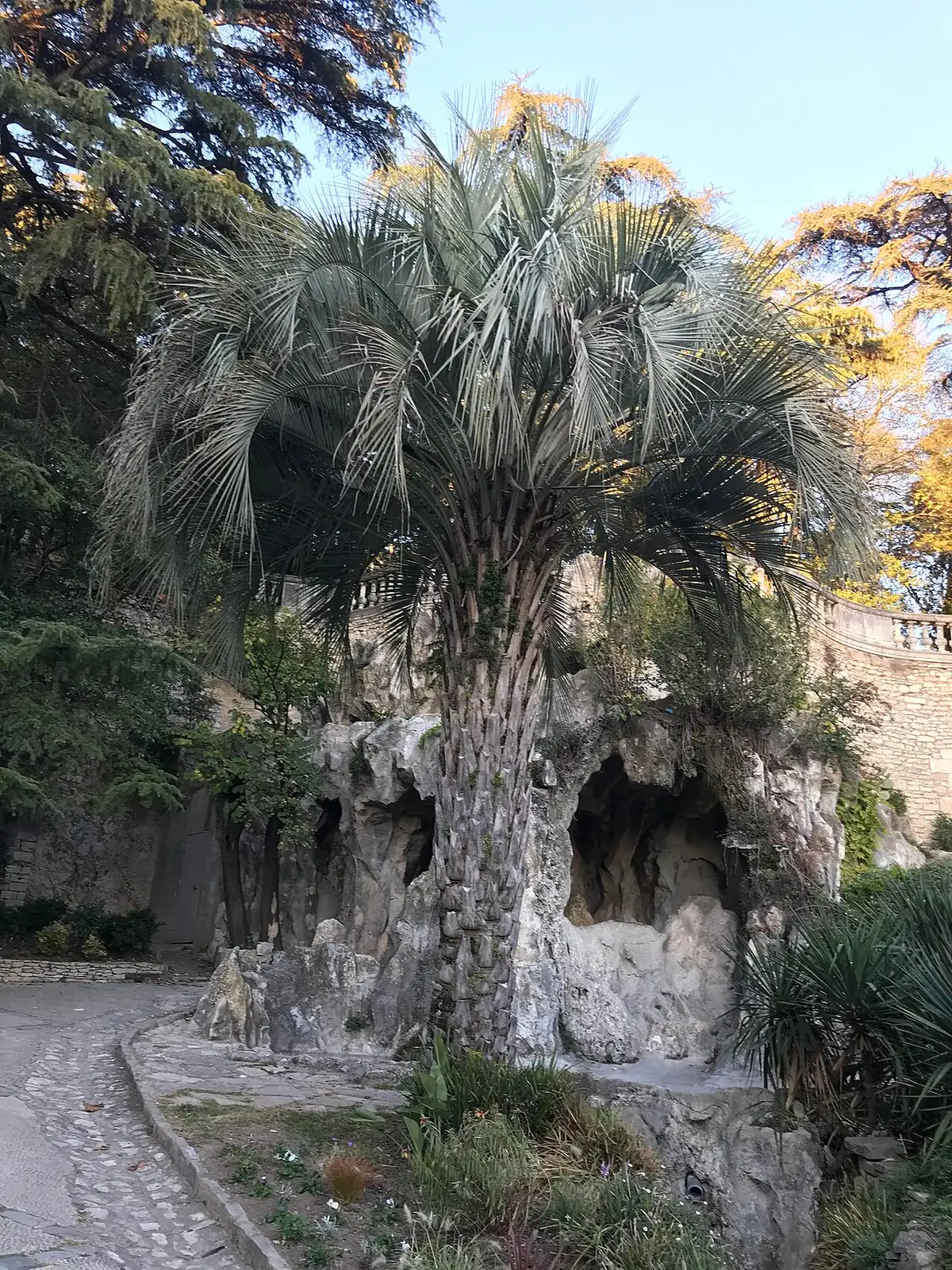
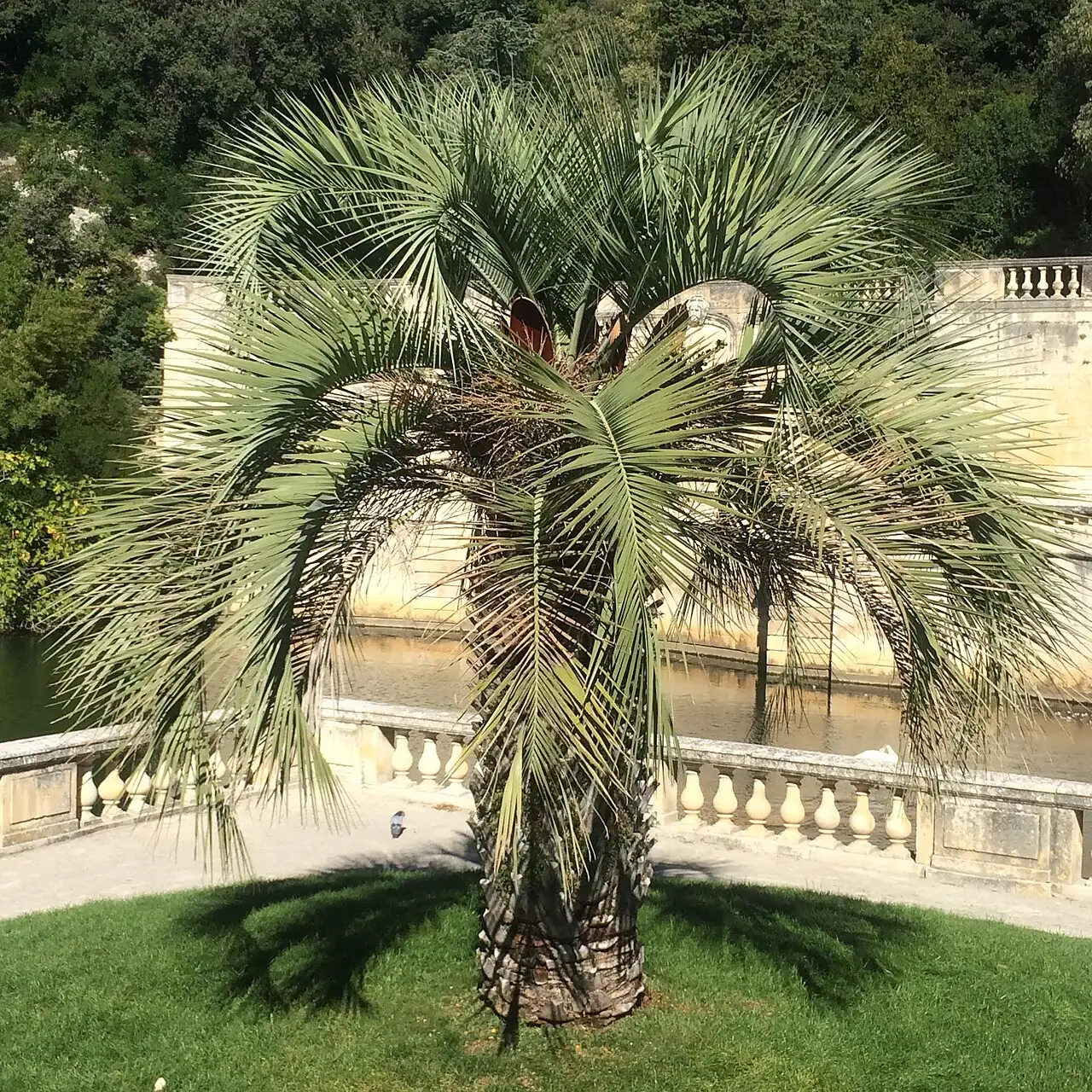
- Foliage: A sturdy, patterned trunk topped with elegant pinnate (feather-like) fronds in a distinctive blue‑green to silvery green tone. The crown is broad, airy, and strongly architectural.
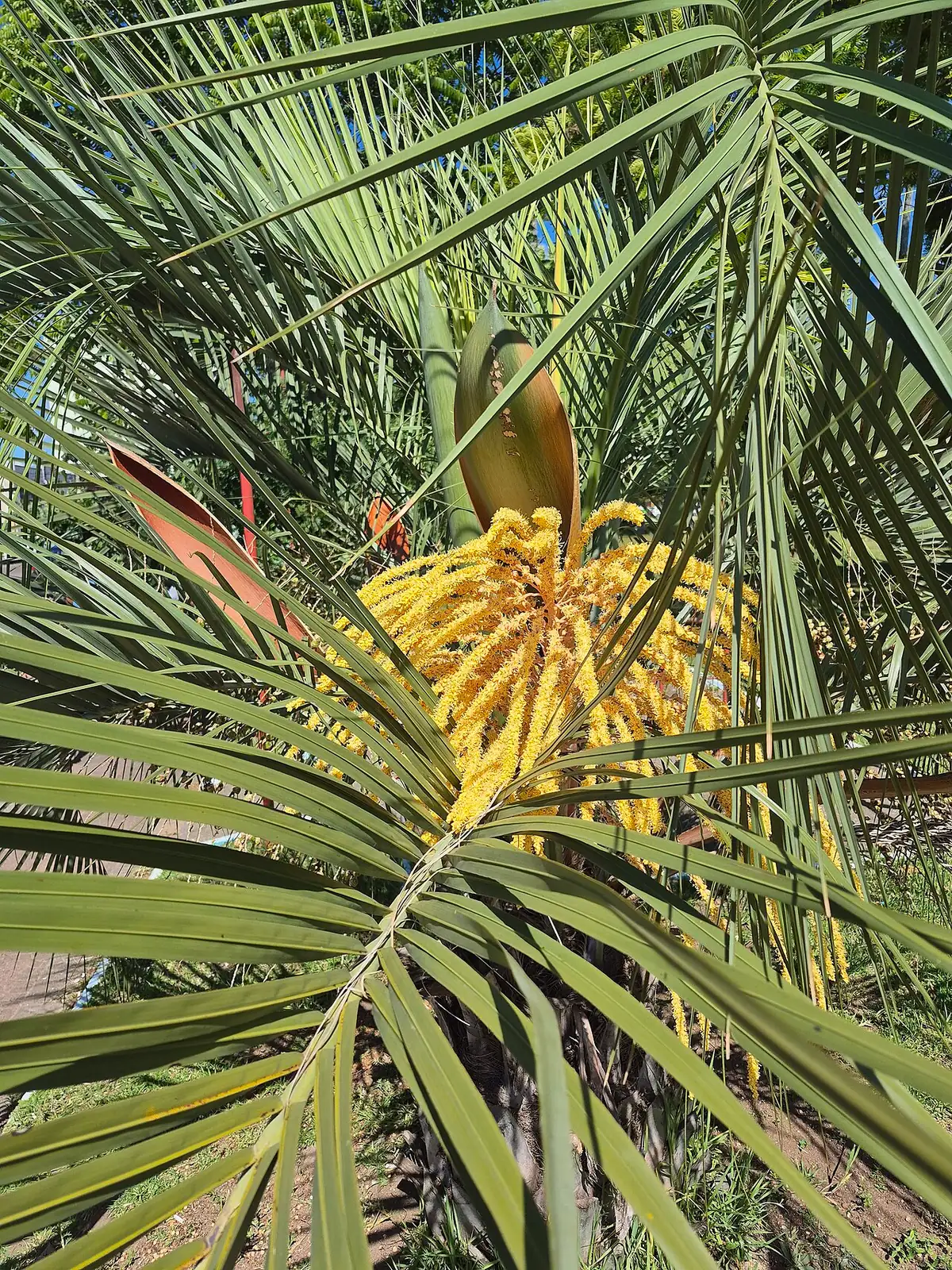
- Flower: Creamy flowers appear in summer on mature plants, followed by aromatic, edible fruits (often associated with jelly-making and fermented drinks).
- Flowering Season: Summer
- Growth Habit: Single-trunk palm with slow to moderate growth, forming a wide, sculptural crown and needing generous space to look its best.
Environment
Sunlight
Part sun to light shade outdoors; indoors, give the brightest light possible near a sunny window. In very hot climates, protect from harsh midday sun to prevent stress and leaf scorch.
Temperature
10–24°C (50–75°F) for active growth; if overwintering in a container, keep it bright and cooler if possible at 5–12°C (41–54°F).
Humidity
Moderate humidity is ideal. In dry indoor air, occasional misting and a pebble tray can help reduce brown tips and discourage spider mites.
Soil
Free-draining, loam-based potting mix (a palm mix or palm/cactus-style blend). Choose a pot just large enough for the root ball to reduce the risk of waterlogging.
Placement
A spacious, draft-sheltered spot with bright filtered light or part sun (patio, conservatory, bright room). If potted, move to a cooler, bright position for winter.
Hardiness
Generally hardy outdoors in USDA Zones 8b–11 (about -9 to -12°C / 16–10°F once established). Protect from prolonged hard freezes; container plants are more vulnerable and should be sheltered in winter.
Care Guide
Difficulty
Easy overall—success comes down to bright light, excellent drainage, and much less water in winter.
Buying Guide
Look for a firm trunk and clean, unspotted fronds. Avoid plants with a sour smell from the pot (possible root rot) or a loose/wobbling crown.
Watering
Spring to autumn: keep the mix evenly moist but never soggy. Winter: water sparingly—only after the surface/top layer has dried. Prevent dry tips by improving humidity in warm weather (misting or a tray of damp pebbles), but don’t compensate with extra watering if the soil is already wet.
Fertilization
Spring to autumn: feed monthly with a balanced liquid fertilizer; a palm fertilizer with micronutrients is especially helpful. Reduce or stop feeding in winter.
Pruning
Remove only fully brown, dead fronds. Avoid cutting green fronds, as this can weaken the palm. Old flower/fruit stalks can be trimmed after they finish.
Propagation
Usually grown from seed; offsets are uncommon. Seed-grown plants are slow and can vary from plant to plant.
Repotting
Repot in spring only when root-bound (about every 2–3 years). Use a pot that just fits the root ball. Each spring, refresh the top 3–5 cm (1–2 in) of potting mix as a lighter alternative to full repotting.
📅 Seasonal Care Calendar
Spring–autumn: water evenly (not soggy), feed monthly, and raise humidity in hot/dry spells. Spring: refresh top-dressing; repot if root-bound. Winter: keep brighter and cooler if possible, and water only after the surface dries.
Pests, Diseases & Safety
Common Pests & Diseases
Can attract scale insects, mealybugs, and spider mites—especially indoors with dry air. The biggest preventable problem is root rot: use a fast-draining mix, don’t oversize the pot, and reduce watering sharply in winter.
Toxicity
Generally considered non-toxic to people and pets; the fruit is edible. Leaf edges may be sharp, so handle carefully.
Culture & Symbolism
Symbolism: Often linked with relaxed coastal elegance, sunny resilience, and that “holiday promenade” feel in Mediterranean-style landscapes.
History & Legends: Commonly planted in resort and seaside settings for its architectural silhouette and tolerance of breezy, coastal conditions.
Uses: Ornamental specimen palm for gardens and large containers; produces fragrant, edible fruits traditionally used for jelly and sometimes fermented beverages.
Fun Facts
- “Jelly palm” comes from its aromatic fruits, which are traditionally cooked into jams and jellies.
- The naturally blue‑green fronds give it a softer, more silvery look than many other feather-leaved palms.