Plant Features
- Size: Typically about 10–20 cm (4–8 in) tall; rosettes about 8–15 cm (3–6 in) wide; flowering stems can reach 20–40 cm (8–16 in).
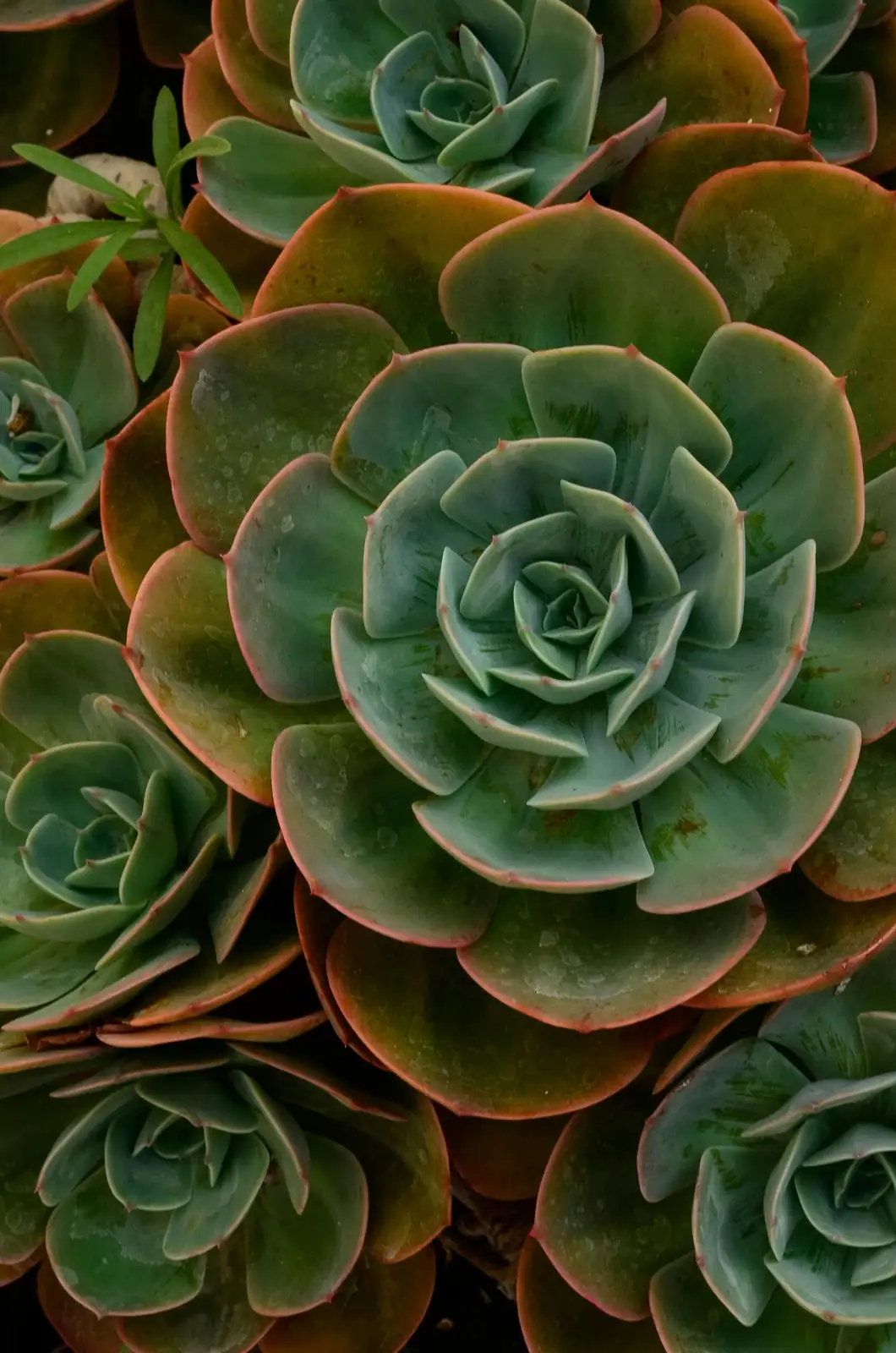
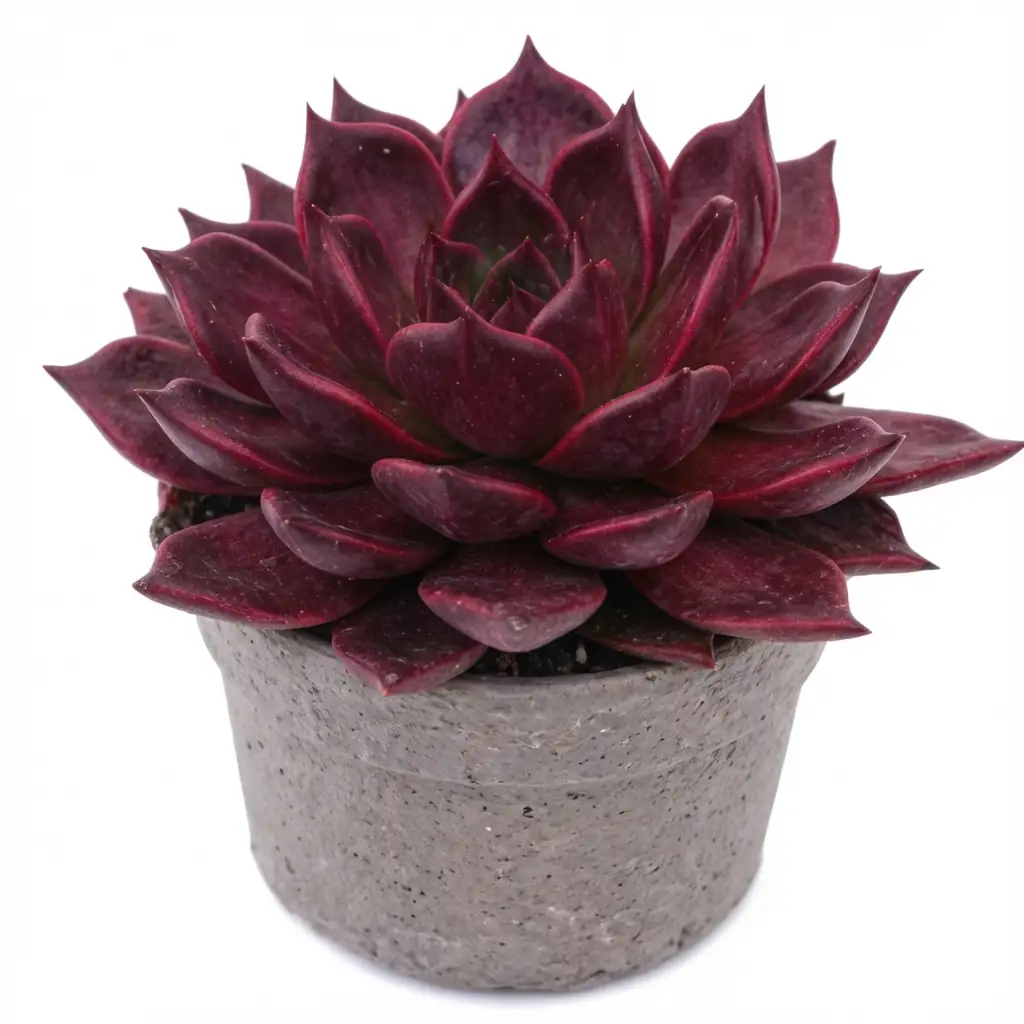
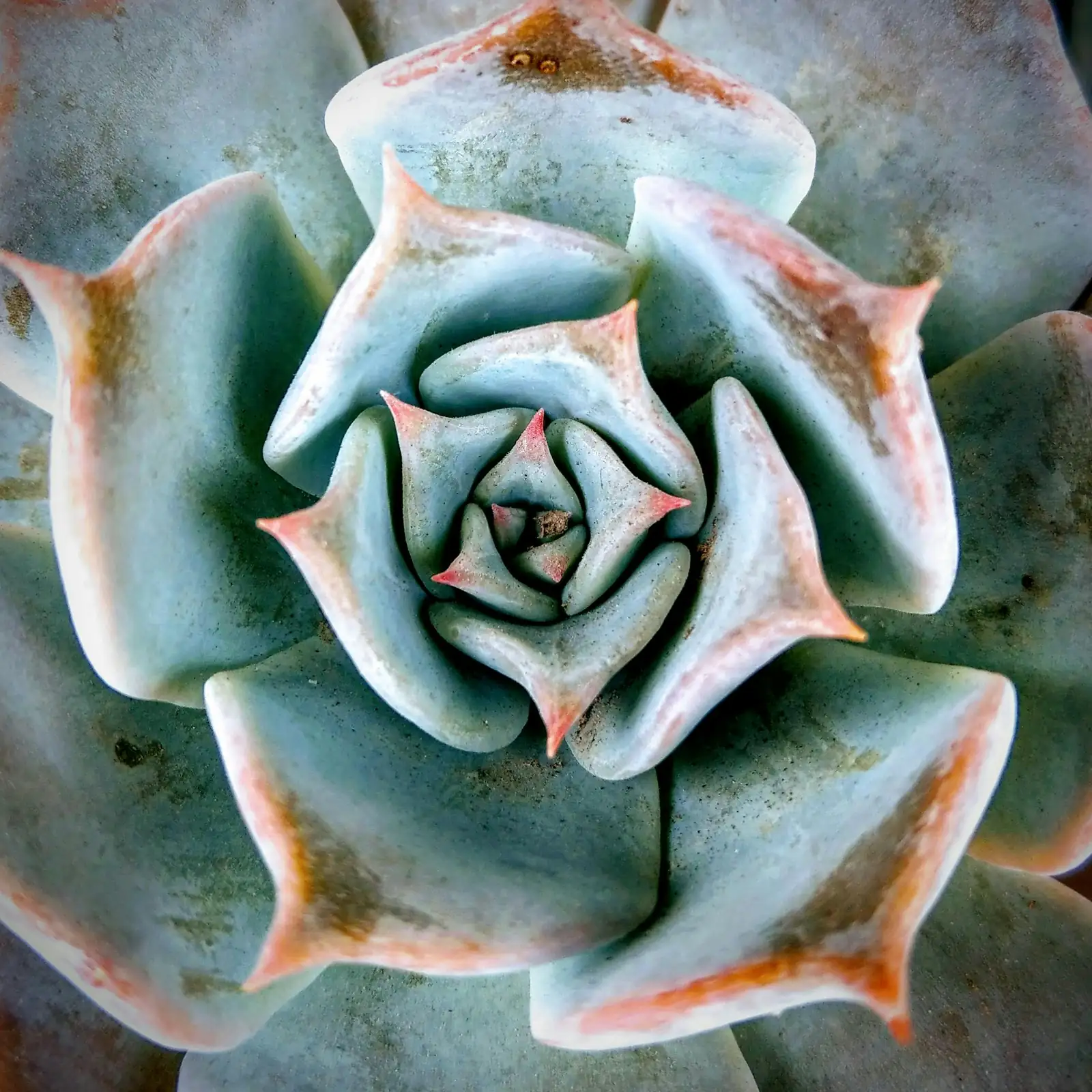
- Foliage: Compact, rosette-forming leaves with a deep burgundy to wine-red coloration. With good light the rosettes stay tight; over time the plant offsets and forms small clusters.
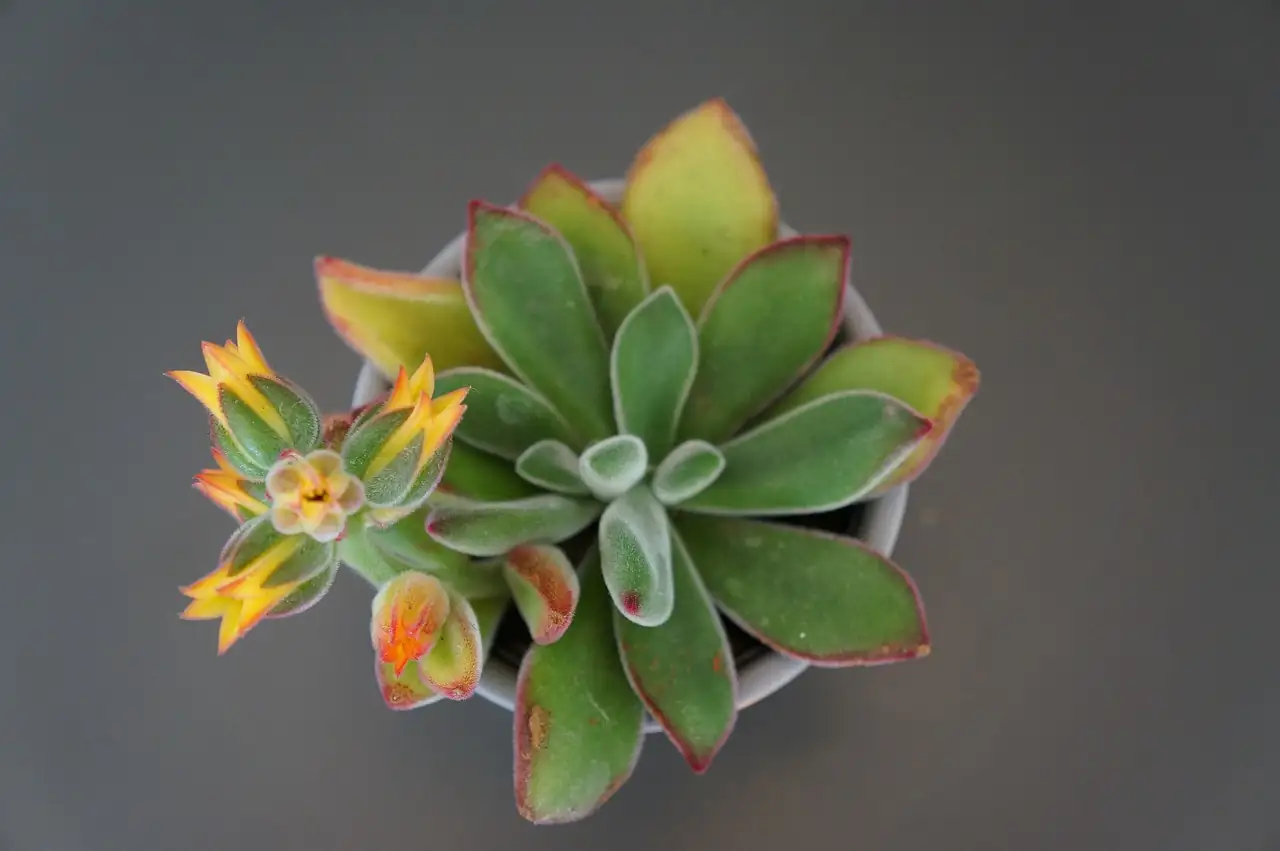
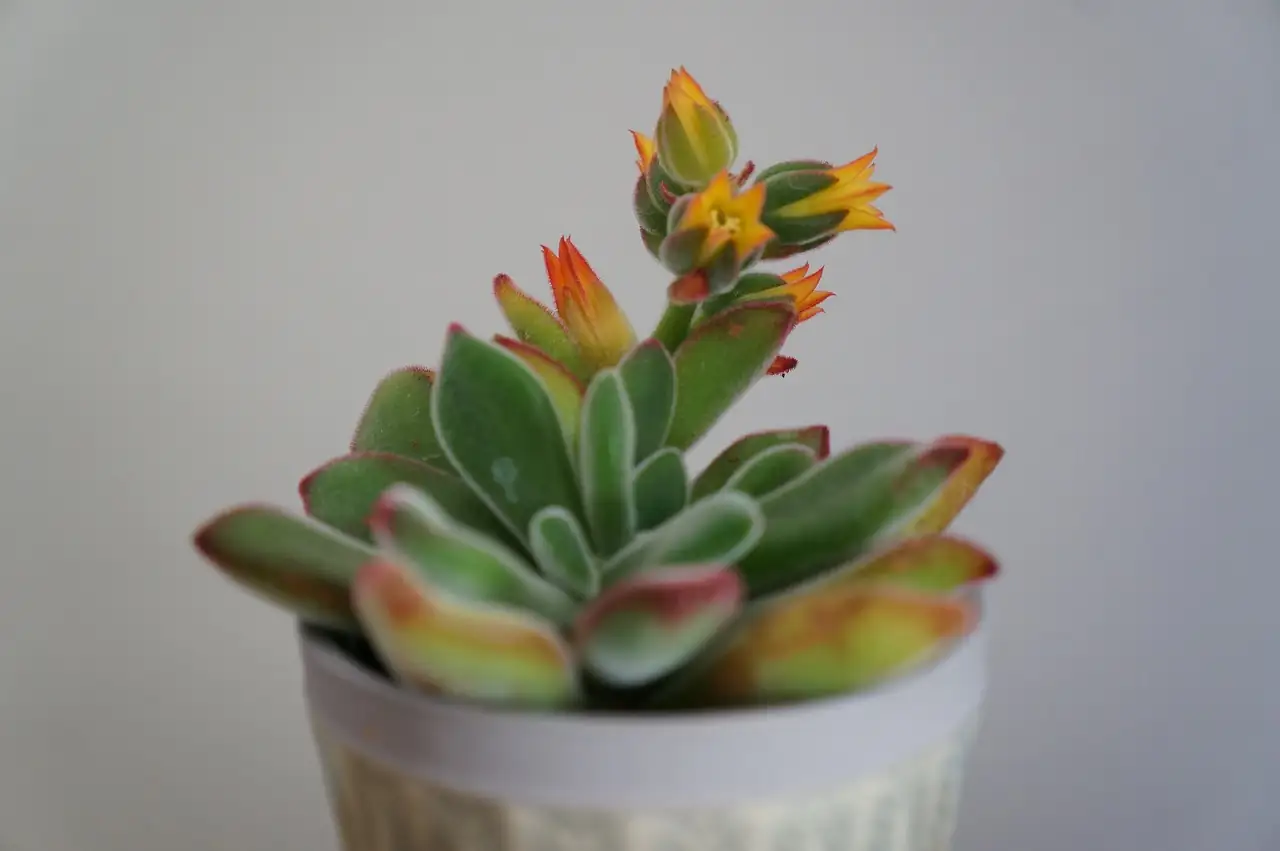
- Flower: Bicolored flowers (red with yellow tones) carried along upright, elongated stalks that rise above the rosettes.
- Flowering Season: Summer
- Growth Habit: Clump-forming, rosette-forming succulent
Environment
Sunlight
Bright light to full sun. Aim for 4–6+ hours of direct sun for the best red color; in very hot climates, give light afternoon shade to prevent scorching.
Temperature
Grows best at 15–27°C (59–81°F). Protect from frost; keep above 0–5°C (32–41°F) to reduce cold damage risk.
Humidity
Prefers low to moderate humidity. Good airflow is important; avoid long periods of dampness around the crown and soil.
Soil
Very free-draining cactus/succulent mix. Improve drainage further with mineral grit such as pumice or perlite.
Placement
Sunny windowsill, bright balcony, greenhouse, or a patio outdoors in warm seasons; bring indoors before cold weather.
Hardiness
Not frost-hardy; generally suitable outdoors year-round only in USDA Zone 10–11 (approx.).
Care Guide
Difficulty
Easy to moderate; does best with strong light and a careful “soak and dry” watering routine.
Buying Guide
Pick a plant with a tight, symmetrical rosette and firm leaves. Avoid soft/translucent leaves (often a sign of overwatering) and stretched, open rosettes (too little light). Check leaf bases and the crown for mealybugs.
Watering
Water thoroughly, then allow the potting mix to dry out completely before watering again. In spring–summer this is often every 7–14 days; in winter reduce to about every 3–4 weeks (or less), depending on how fast the mix dries. Avoid letting water sit in the rosette/crown—water at the soil line.
Fertilization
Feed lightly in spring and summer with a cactus/succulent fertilizer diluted to 1/4–1/2 strength every 4–6 weeks. Skip feeding in winter.
Pruning
Gently remove dried lower leaves and cut off spent flower stalks after blooming. If rot appears, trim promptly back to healthy tissue.
Propagation
Most easily by offsets (separate and re-root) or leaf cuttings. Let cut surfaces callus for about 2–5 days, then place on dry, gritty mix; water sparingly once roots form.
Repotting
Repot every 1–2 years in spring into a slightly larger pot with fresh, fast-draining mix. Use a pot with drainage holes; terracotta can help the soil dry faster.
📅 Seasonal Care Calendar
Spring: increase light and watering; repot/propagate. Summer: protect from extreme heat; water only when fully dry; enjoy blooms. Autumn: gradually reduce watering. Winter: keep bright and cooler, water very sparingly, and protect from frost.
Pests, Diseases & Safety
Common Pests & Diseases
Common issues include mealybugs (especially in leaf axils), aphids on flower stalks, and spider mites during hot, dry spells. Overwatering can lead to root or crown rot. Prevent problems with a gritty mix, strong airflow, and watering only after the pot dries; treat pests with insecticidal soap or isopropyl alcohol swabs.
Toxicity
Generally considered non-toxic to people and pets, though chewing/ingestion may cause mild stomach upset. It’s still best kept away from pets that like to nibble plants.
Culture & Symbolism
Symbolism: Often linked with endurance and self-reliance—classic “tough-but-beautiful” succulent energy.
History & Legends: A modern horticultural selection sold under the cultivar/trade name “Red Taurus.” Detailed breeding background and exact parentage are not widely published.
Uses: An ornamental container plant for windowsills, patios, succulent bowls, and mixed arrangements; in frost-free climates it can also be used in rock-garden style plantings.
FAQ
Why are the leaves turning green instead of deep red?
Red color intensifies with strong light (and often cooler nights). Move it gradually to brighter conditions with more direct sun to avoid sunburn.
Why is my plant stretching and becoming tall?
That’s etiolation from insufficient light. Increase light levels; you can also behead and re-root the rosette to restore a compact shape.
What causes the rosette to rot from the center?
Most often water trapped in the crown or soil staying wet too long, especially with poor airflow. Water at the soil line, use a fast-draining gritty mix, and let the pot dry fully between waterings.
Fun Facts
- Echeverias often show their best red and purple tones under strong light and cooler nights.
- Tall flower stalks help present blooms to pollinators while keeping flowers above the leaf rosettes.