

Plant Features
- Size: Typically grown as a potted shrub; commonly kept around 60–150 cm (2–5 ft) tall with a similar spread when container-grown (size varies with pruning and pot size).
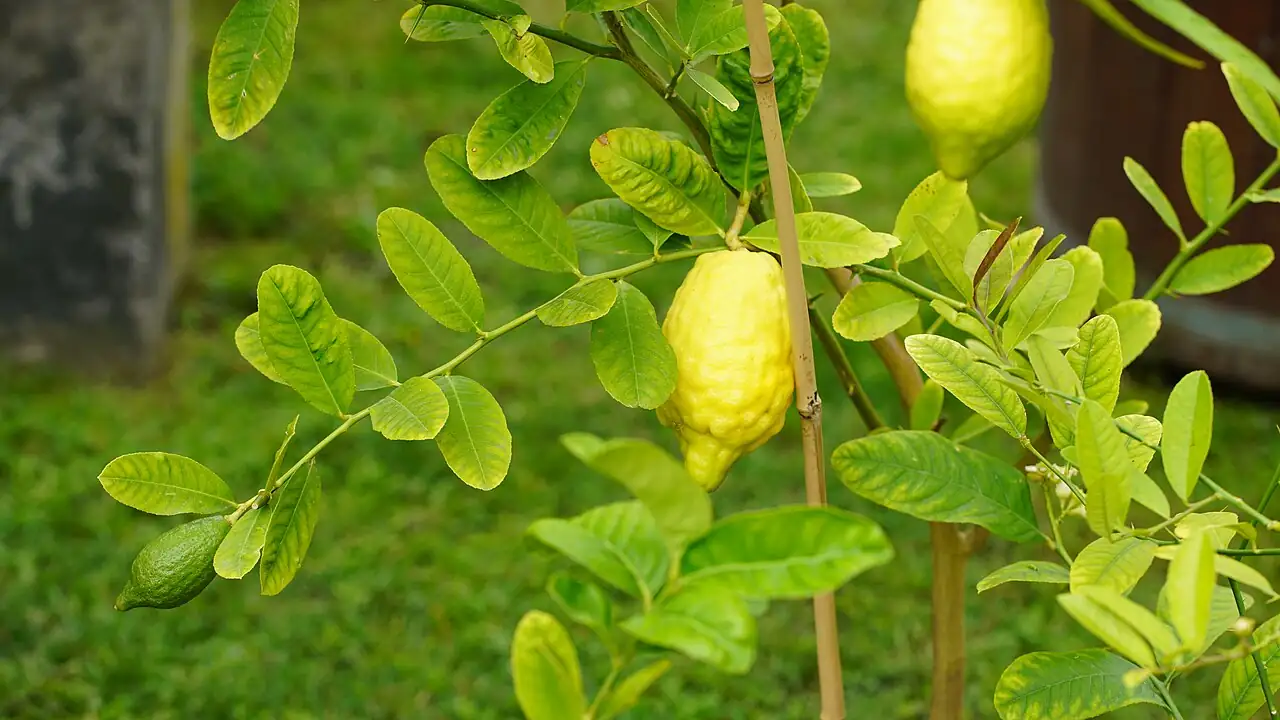
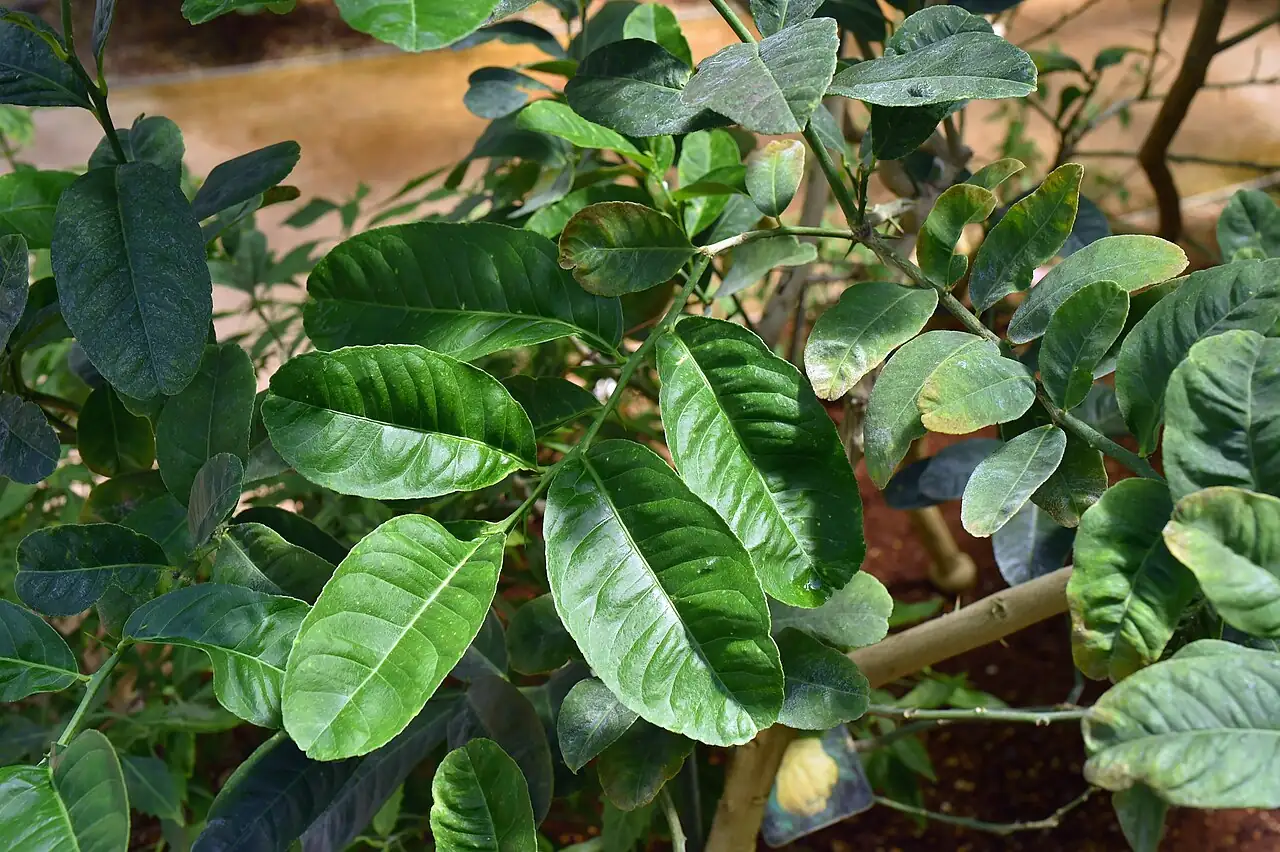
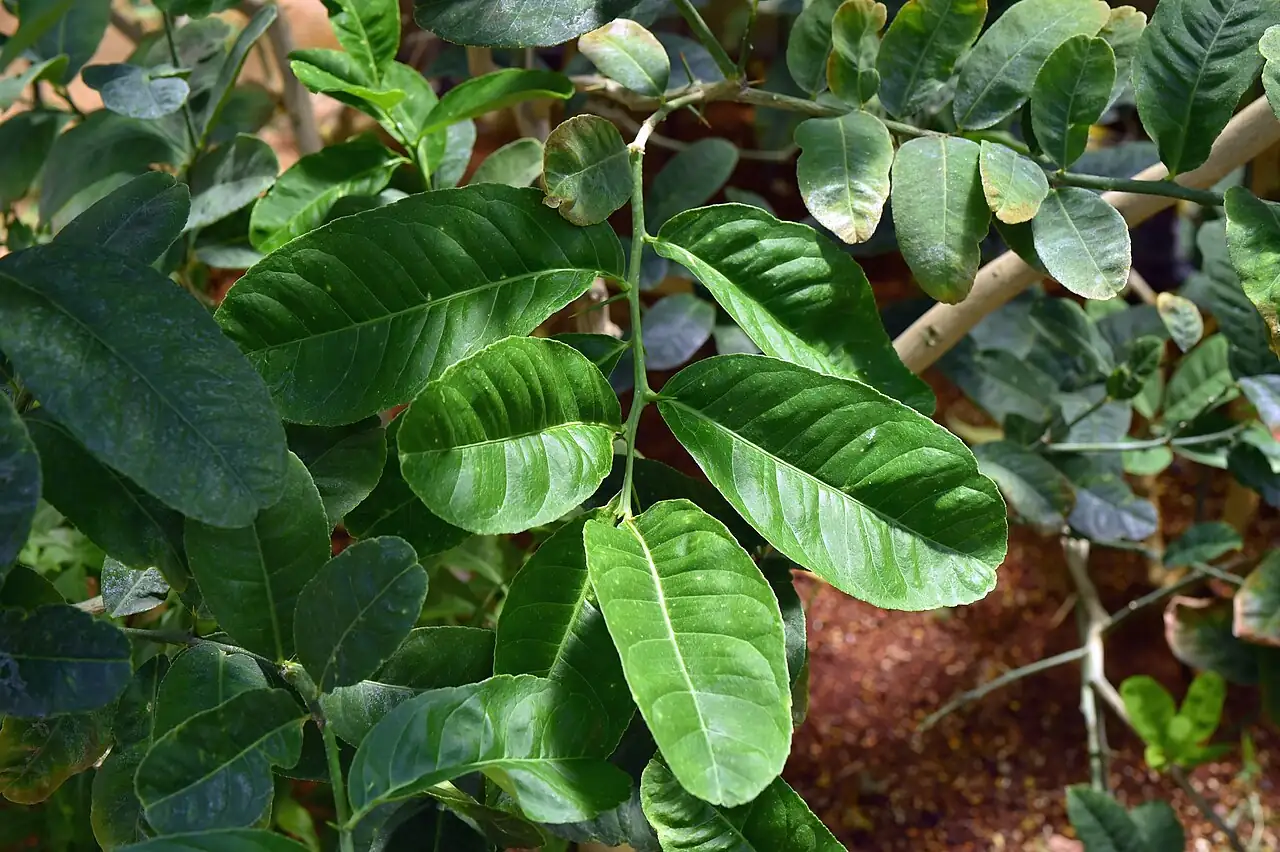
- Foliage: Leaves are deep green and glossy, giving the plant a dense, evergreen look when grown in good light.
- Flower: Produces sweetly fragrant citrus blossoms in multiple flushes through the year. To improve fruit set and fruit quality, growers often thin some spring flowers and keep more of the summer bloom/fruit.
- Flowering Season: Intermittent flowering in warm conditions; main flowering flushes often occur in spring and summer.
- Growth Habit: Evergreen, woody shrub with irregular branching; commonly trained and pruned to create a balanced shape and to highlight the showy fruits.
Environment
Sunlight
Bright light with some direct sun. Not shade-tolerant, but harsh midsummer midday sun can scorch leaves—give light noon shade in summer. Best on an east- or south-facing windowsill/balcony with good airflow.
Temperature
Warm-growing: 22–28°C (72–82°F) for active growth. Cold damage can occur below about 4°C (39°F). For winter indoor display, a bright, cool spot around 5–12°C (41–54°F) helps hold fruit and reduce stress. Avoid prolonged indoor temperatures below 8°C (46°F) or above 35°C (95°F).
Humidity
Prefers a warm, moderately humid environment. Typical household humidity is often fine, but extra humidity can help reduce leaf drop in dry, heated rooms.
Soil
Fertile, free-draining, slightly acidic potting mix. A practical blend is loam-based soil with leaf mold/compost plus coarse sand for drainage. Avoid alkaline media, and never let the pot sit in water—waterlogging commonly triggers leaf and fruit drop.
Placement
Outdoors in bright sun (with midday summer shade) during warm seasons; indoors for winter at 5–12°C (41–54°F) near a bright east/south window or in a cool sunroom.
Hardiness
Frost-tender; best treated as a container citrus unless you live in a truly frost-free climate. Protect from frost and cold winds.
Care Guide
Difficulty
Moderate. The make-or-break skill is watering: it dislikes both drought and waterlogging. Water thoroughly, then wait until the top layer begins to dry. Keep evenly moist in the growing season (never soggy). In summer heat, don’t let it dry out completely; in winter keep it a bit drier. During fruiting, reduce watering and be extra strict about no standing water to prevent leaf/fruit drop.
Buying Guide
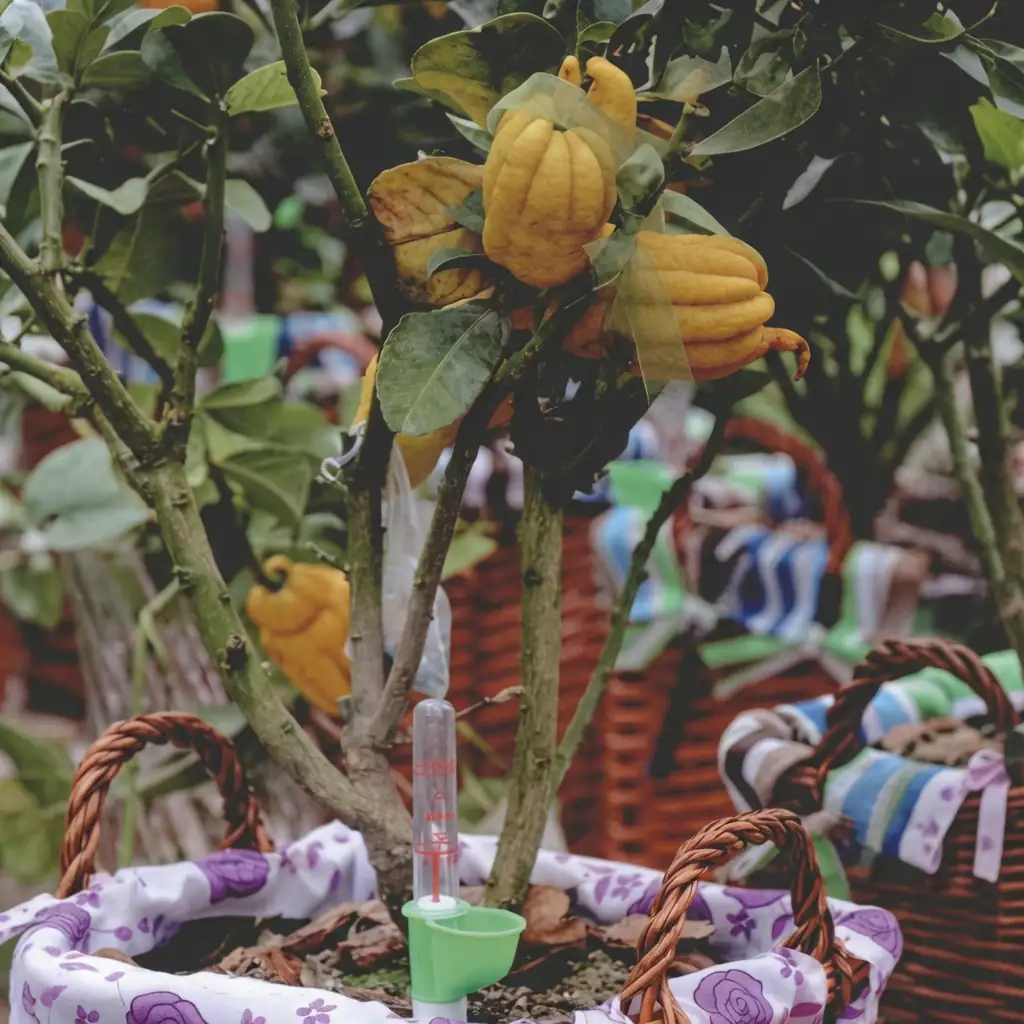
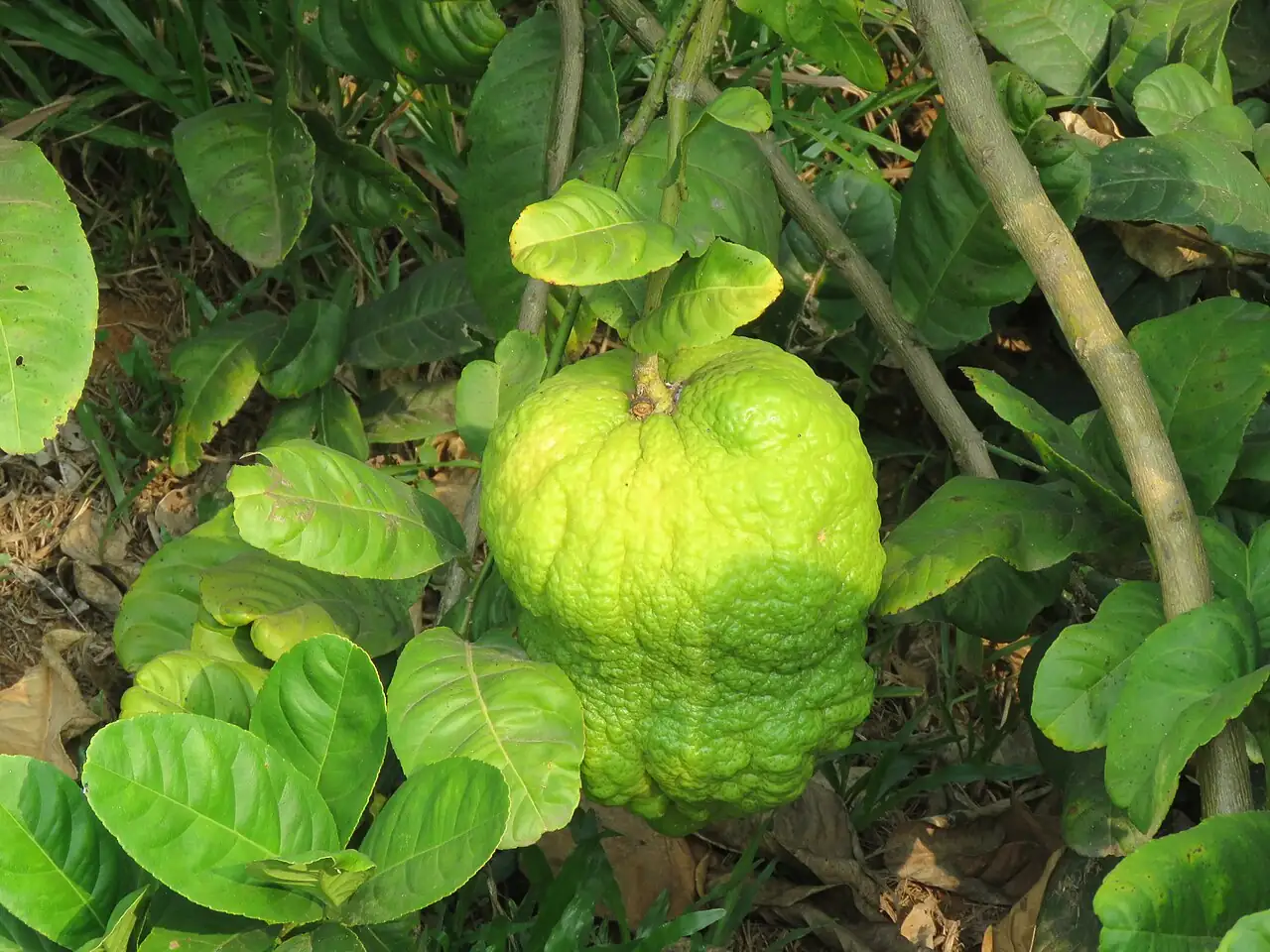
Choose a plant with a pleasing, well-balanced framework, deep green leaves, and intact fruits that are evenly yellow and strongly fragrant.
Watering
“Water when nearly dry, then water deeply.” In active growth, keep the mix lightly and consistently moist; occasional misting can help in dry air. In hot summer weather, avoid missed waterings. In winter, allow the mix to dry a little more between waterings. While carrying fruit, water more cautiously and never allow water to collect in the saucer.
Fertilization
For newly potted plants, skip fertilizing in the first year. From the second year, feed about every 2 weeks during active growth. From the third year onward, pause feeding when flower buds appear; once fruit has set, feed about weekly using a citrus fertilizer or a balanced fertilizer that includes micronutrients.
Pruning
Because it can flower multiple times a year, selective thinning helps a lot. Thin spring flowers and keep more summer flowers/fruit for better results. For show-quality fruit, aim for roughly one fruit per branch and remove extras. In early spring (before new growth), remove overly vigorous shoots, crowded growth, and weak branches while preserving shorter fruiting spurs. In summer, prune lightly for shape and airflow. In autumn, keep strong autumn shoots—they often become next year’s fruiting wood.
Propagation
Cuttings: best in June–July. Take firm shoots from the previous season’s spring or autumn growth, 10–12 cm (4–5 in) long with 4–5 buds; root in a sandy medium—roots in ~30–35 days and shoots in ~60–70 days, then pot on.
Grafting: March–April. Use citron or lemon as rootstock; take 6–8 cm (2.4–3.1 in) scions from 1–2-year-old shoots with 2–3 buds; keep humid—new growth often appears ~40–50 days after grafting.
Air layering: May–July on vigorous branches; roots in ~30–40 days; detach and pot after ~50–60 days.
Repotting
Often grown in a pot around 30 cm (12 in) in diameter. Repot about every 2 years in early spring, refresh with a free-draining slightly acidic mix, and lightly prune top growth to rebalance the plant after any root reduction.
📅 Seasonal Care Calendar
Spring: Repot (about every 2 years) in early spring; prune before bud break; provide strong light.
Summer: Provide midday shade in extreme sun; don’t allow drought; prune lightly for shape and airflow.
Autumn: Preserve healthy autumn shoots as next year’s fruiting wood; keep in bright light.
Winter: Peak ornamental fruit season; move indoors to a bright, cool spot at 5–12°C (41–54°F); water sparingly and avoid waterlogging, especially while fruiting.
Pests, Diseases & Safety
Common Pests & Diseases
Watch for aphids and scale insects; their sticky honeydew can lead to sooty mold. Improve airflow, prune overly dense growth, and treat early with horticultural oil/soap or other citrus-safe controls (follow label directions, especially if you’ll use the rind). Copper-based products are sometimes used for fungal issues where appropriate.
Toxicity
Generally considered non-toxic, and the rind is commonly used in food. However, citrus oils can irritate sensitive skin, and pets that chew plants may get mild stomach upset—best to keep curious chewers away.
Culture & Symbolism
Symbolism: A classic symbol of good fortune, longevity, and blessings in East Asian culture—often displayed for festivals and the Lunar New Year.
History & Legends: Long cultivated in China as an ornamental and aromatic citrus. Its unusual fingered fruit made it a memorable gift plant, prized as much for its perfume as for its appearance.
Uses: Ornamental: a prized winter potted fruiting plant for seasonal display.
Culinary/aromatic: the intensely fragrant rind is used to perfume rooms, candy or preserve, and flavor foods and drinks.
FAQ
How do I choose a good Buddha’s hand citron plant?
Look for a well-shaped plant with deep green foliage and fruits that are intact, evenly yellow, and strongly fragrant.
How can I keep the plant leafy and get well-shaped fruit?
Keep temperatures steady (avoid prolonged indoor lows below 8°C/46°F or highs above 35°C/95°F), maintain consistent moisture without waterlogging, and use a slightly acidic mix. Thin flowers and fruit so each branch carries about one fruit. Some growers also apply monopotassium phosphate as a foliar spray 1–2 times at bud stage to support fruit development, following product directions.
Fun Facts
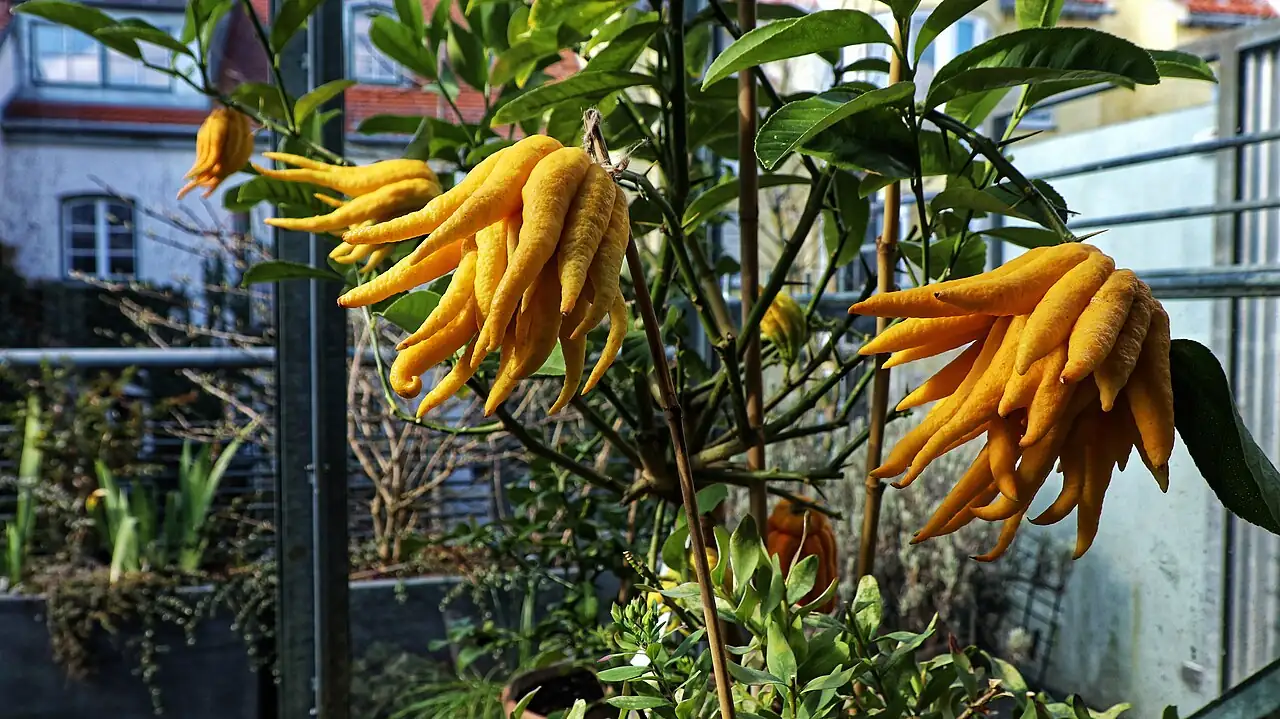
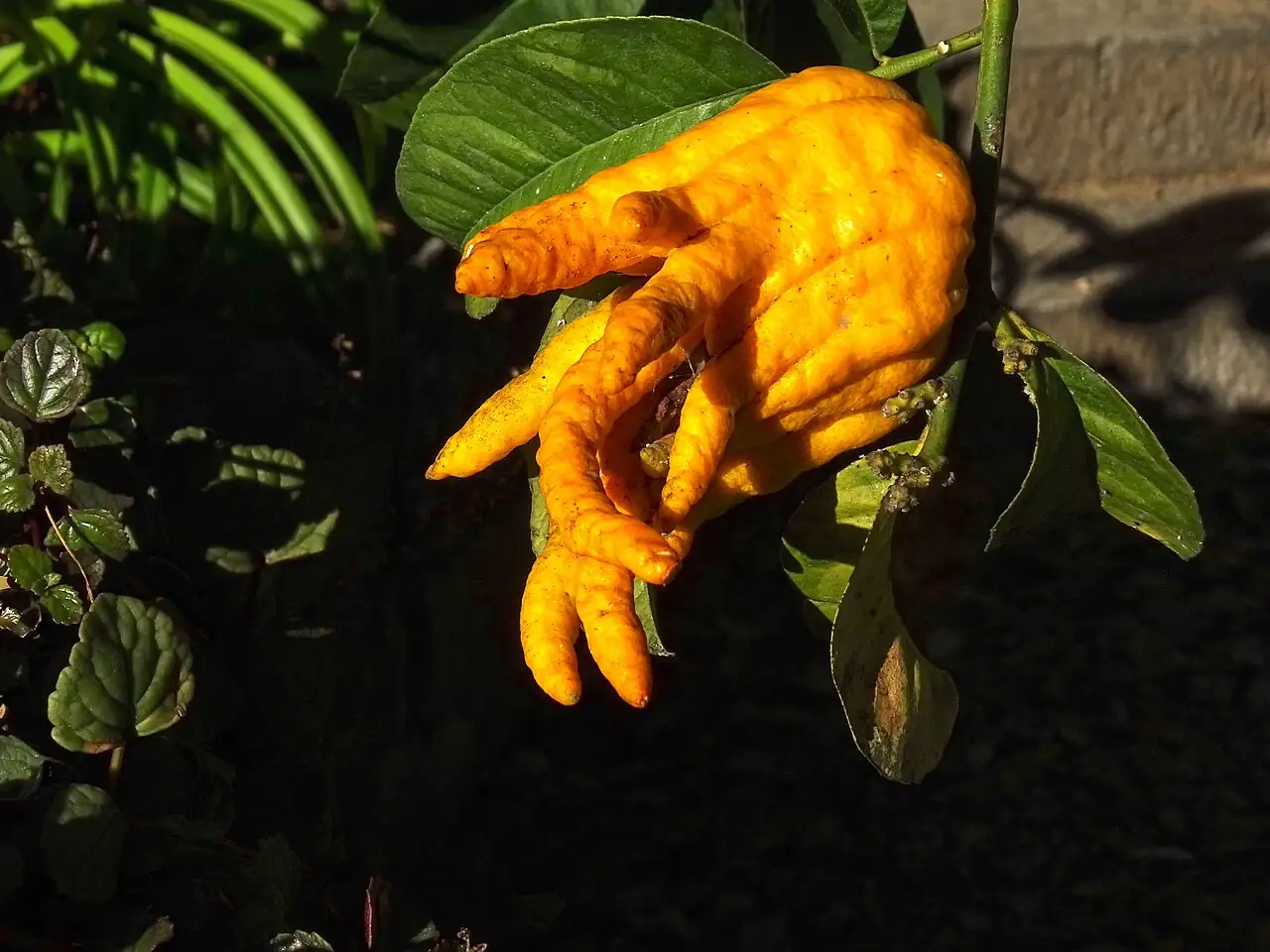
- The fruit naturally forms “fingers,” making it look uncannily like a yellow hand.
- A single ripe fruit can perfume a room for days.
- It’s grown more for fragrance and show than for juice—there’s very little pulp inside.
- As a container plant, it’s a classic winter centerpiece in many Chinese households.


