

Plant Features
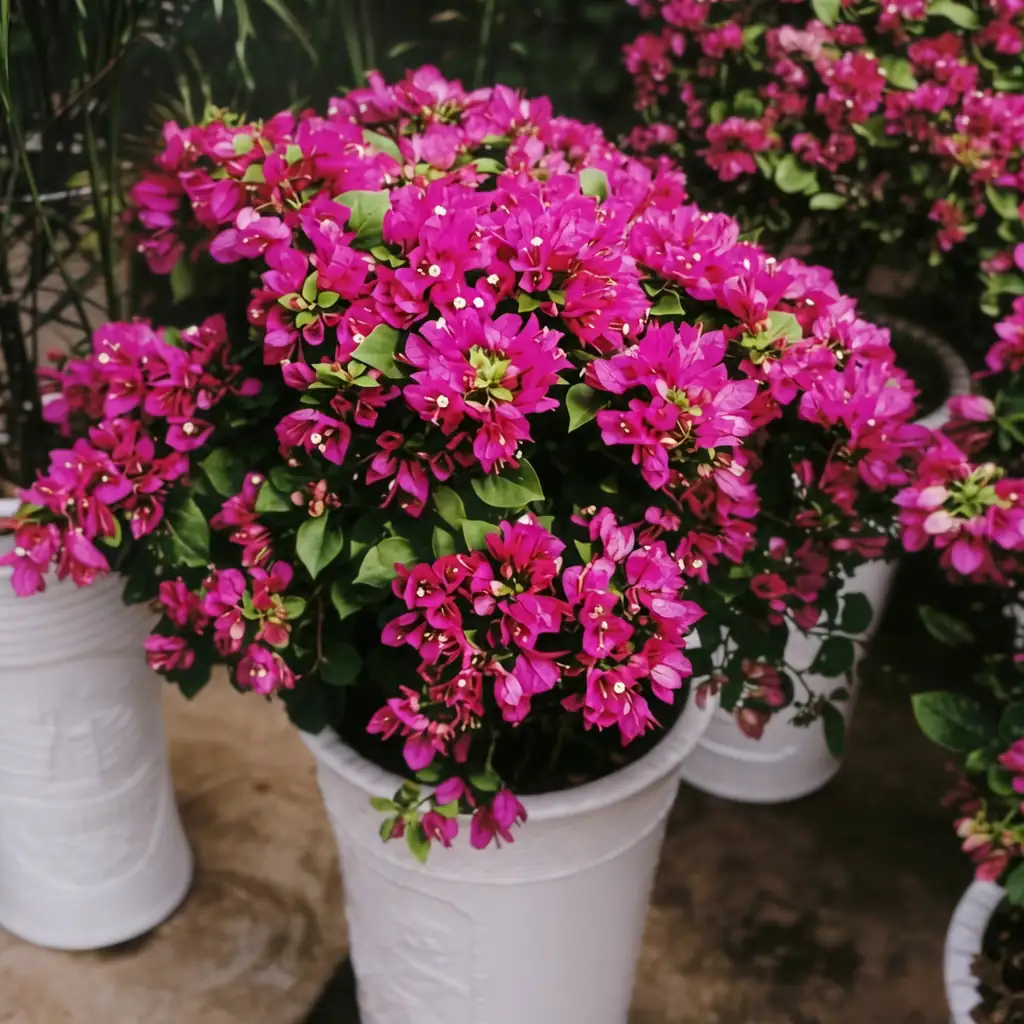
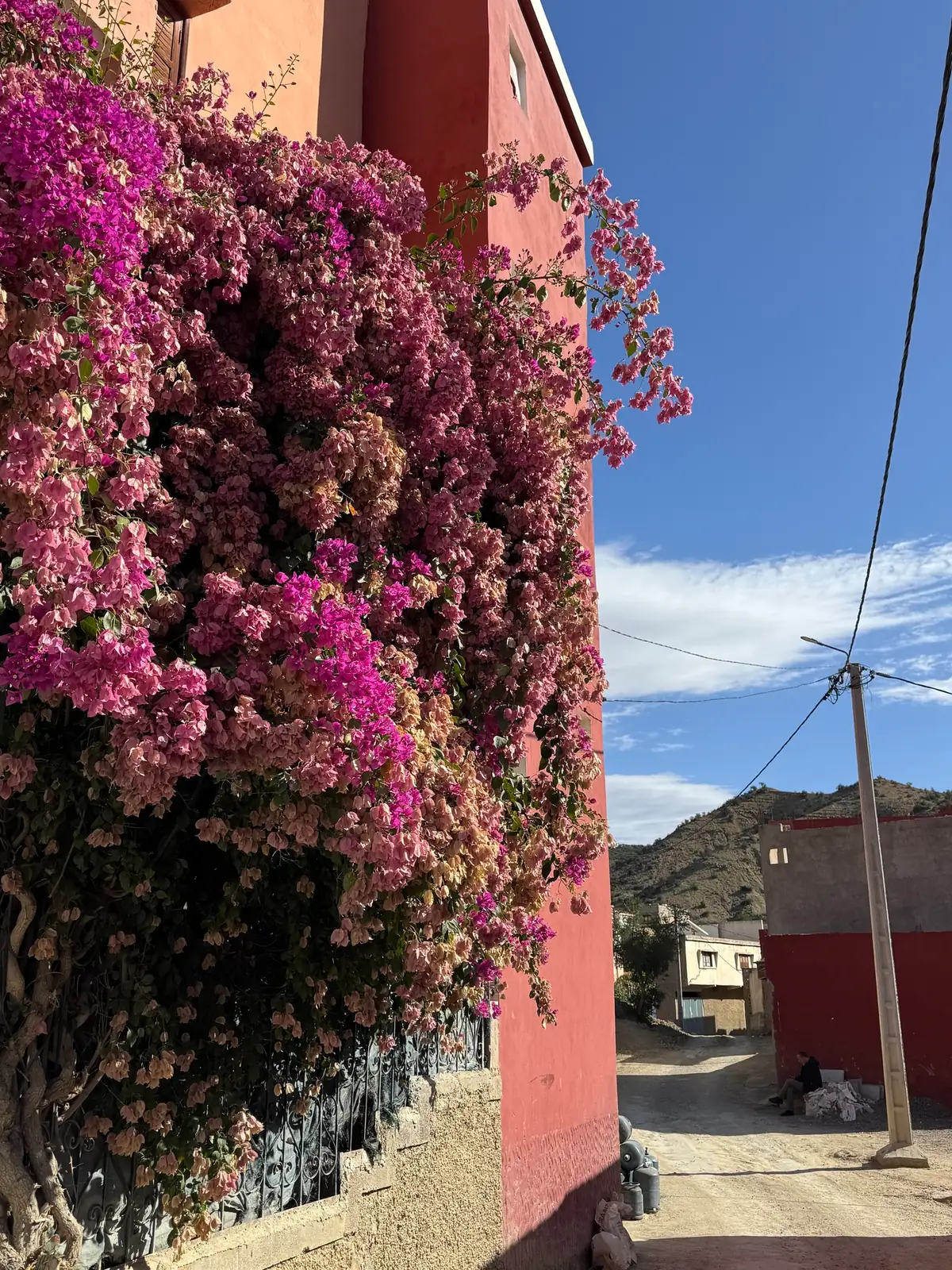
- Size: In containers and with training, often around 1.5 m × 1.5 m (5 ft × 5 ft). With support in warm outdoor climates, it can commonly reach about 1.5–6 m (5–20 ft) tall/spreading, depending on cultivar, training, and pruning.
- Foliage: Leaves are typically small to medium and deep green; some cultivars are attractively variegated with crisp patterning. In low light, growth becomes thin and leggy and foliage may look duller or drop.
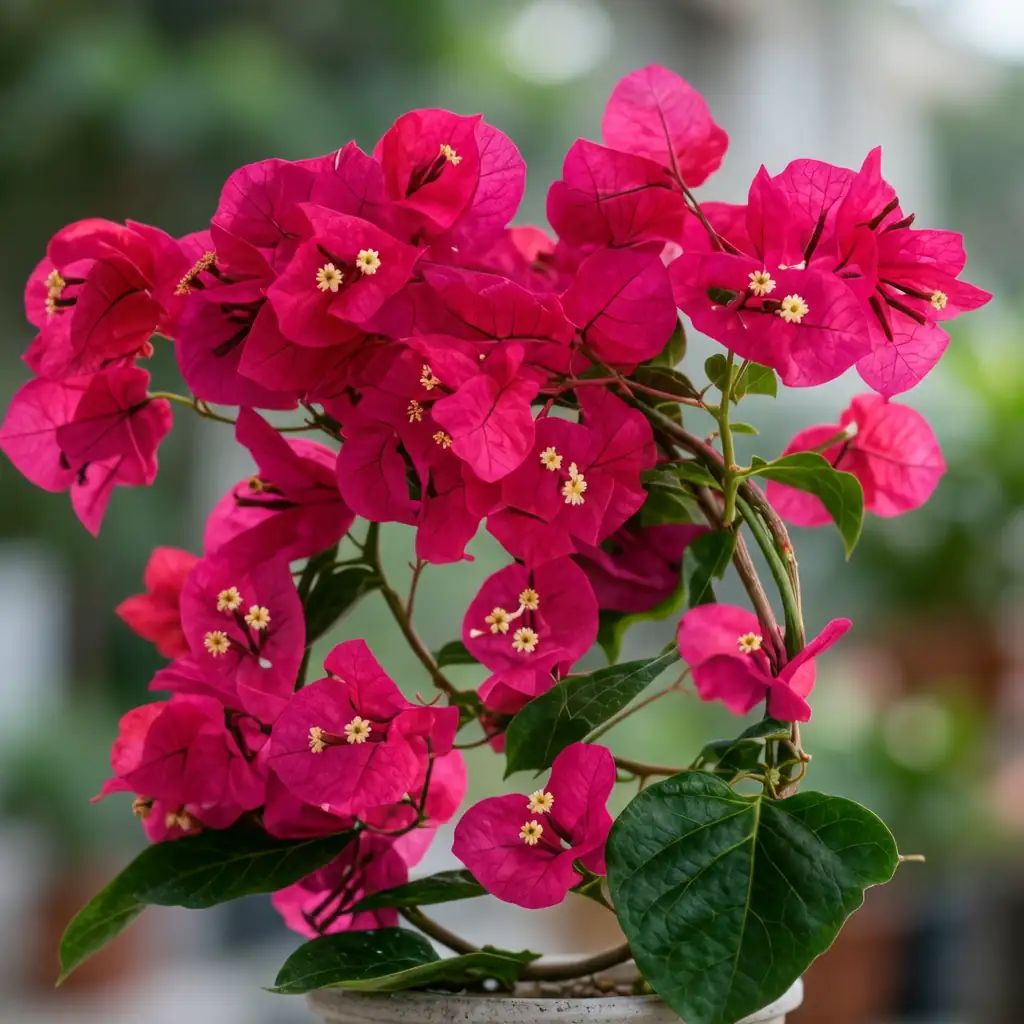
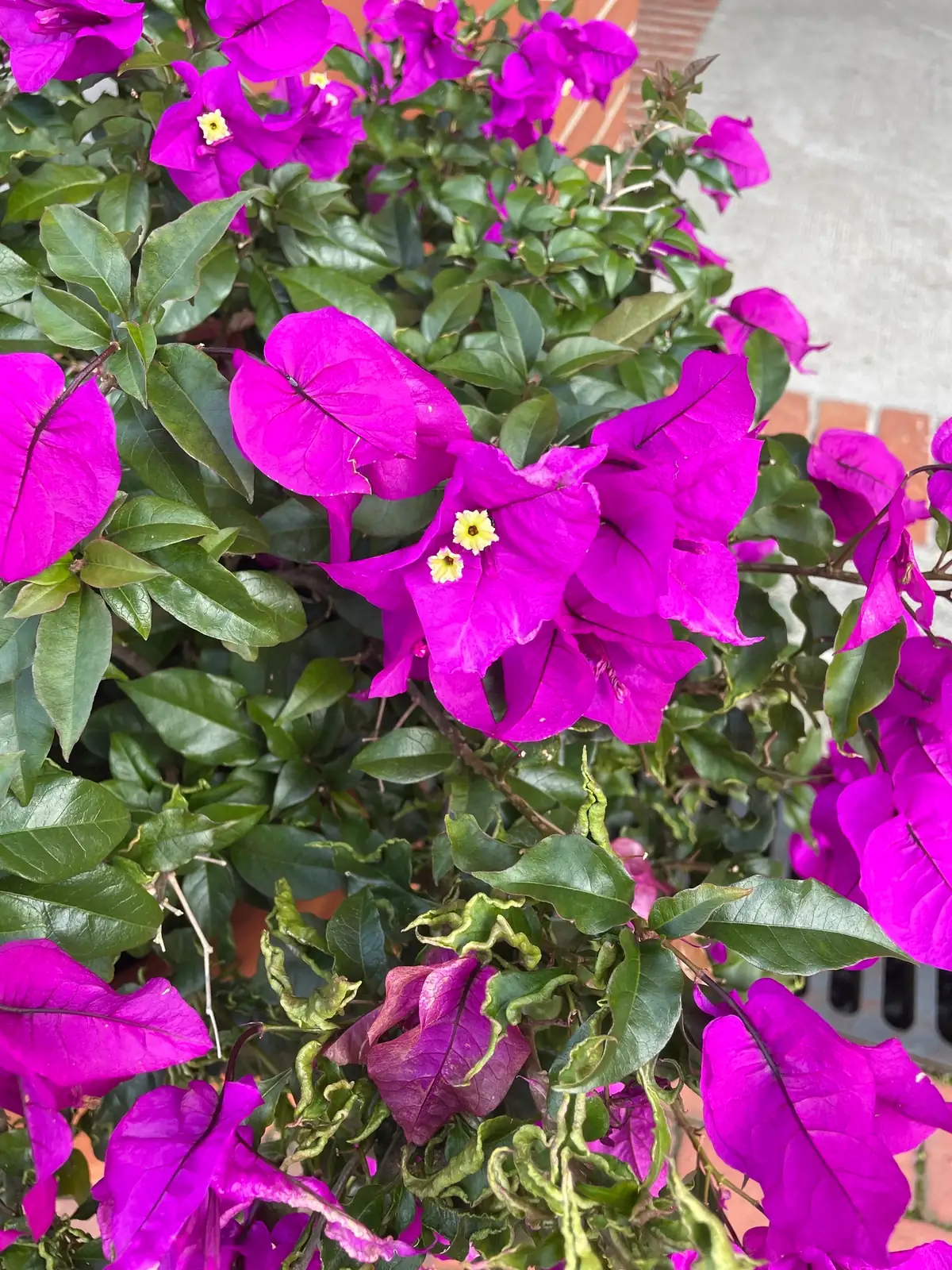
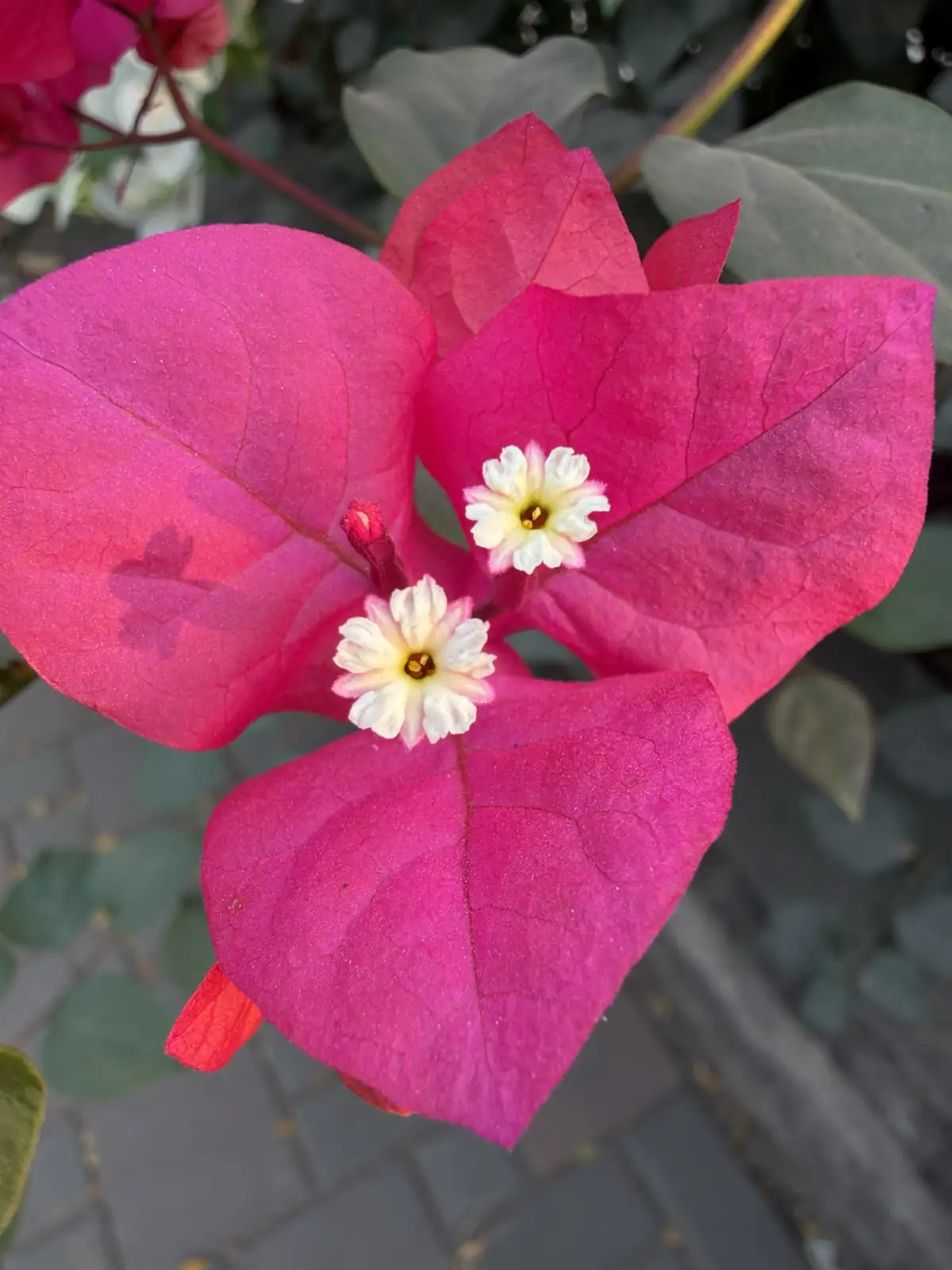
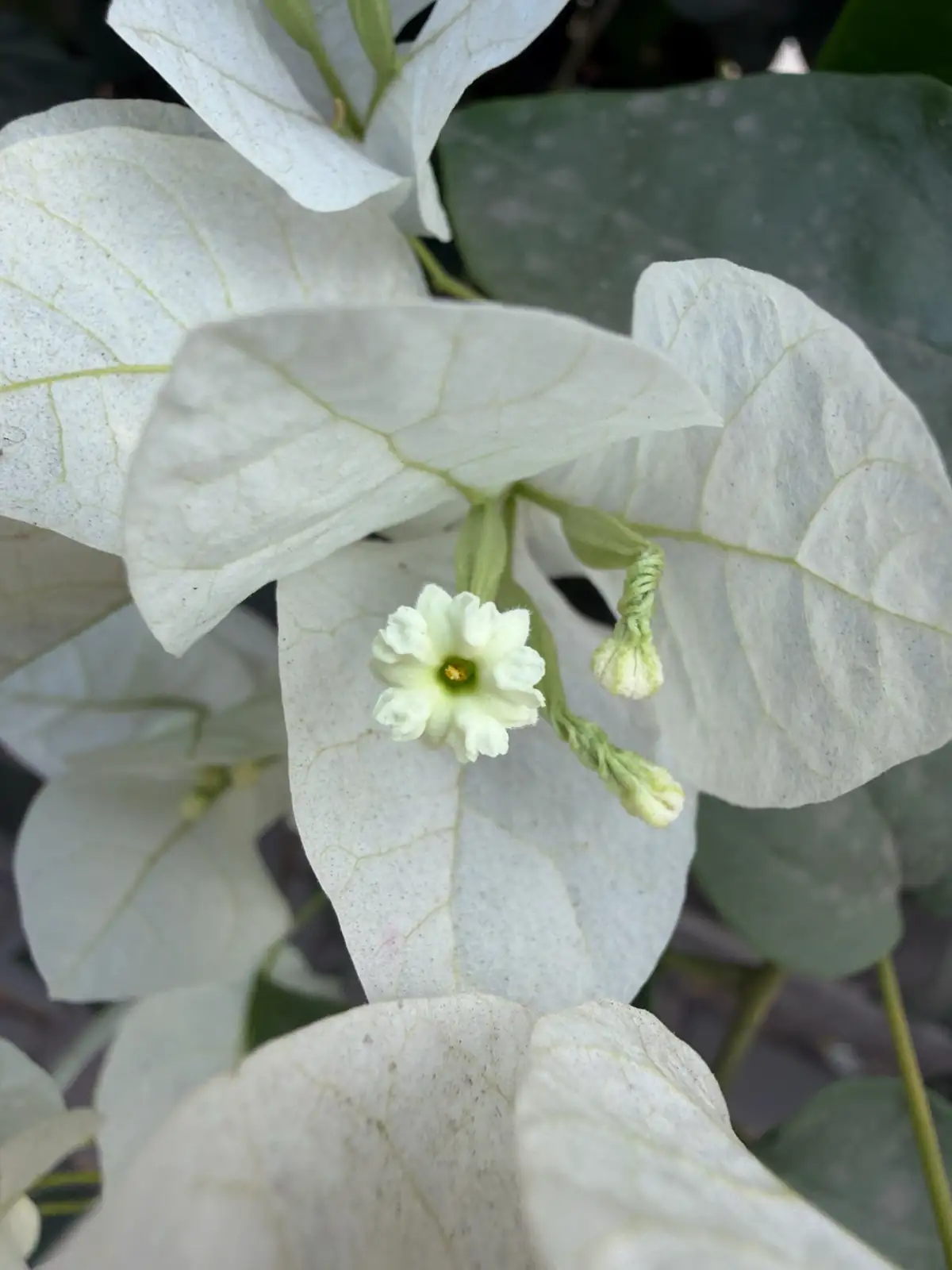
- Flower: The main display comes from bright, papery bracts (often mistaken for petals) in shades such as red, pink, or white, surrounding clusters of tiny, pale/creamy true flowers tucked inside. Bract color and abundance are strongly influenced by sun and bloom-focused feeding.
- Flowering Season: Mainly spring through autumn; in frost-free, very bright conditions it may bloom in repeated cycles for much of the year.
- Growth Habit: Woody, scrambling shrub-vine (often thorny) that can be trained and tied to trellises, hoops, bamboo canes, wires, fences, or pergolas; also grown as a compact bush, standard, hanging basket, or even bonsai-like specimen.
Environment
Sunlight
Full sun for best flowering—aim for 4–6+ hours of direct sun daily (6+ hours is ideal). Too much shade leads to weak, leggy growth, leaf/bract drop, and fewer blooms. Indoors, use the brightest south- or west-facing window/sunroom; outdoors, a sunny balcony, patio, or warm wall is perfect.
Temperature
Prefers warmth. Best growth roughly 15–30°C (59–86°F); many growers keep it in the 10–26°C (50–79°F) range indoors. Protect from frost and prolonged chill; overwinter above about 7–10°C (45–50°F) for safety, with flowering generally best when consistently above 15°C (59°F).
Humidity
Low to moderate humidity is fine, but avoid stagnant, constantly damp air. Good airflow helps prevent leaf issues and reduces pest pressure. Very dry indoor air can encourage spider mites.
Soil
Fast-draining, well-aerated mix is crucial (e.g., quality potting mix with added coarse sand, grit, or similar drainage materials). Avoid waterlogged soil and ensure strong drainage holes. Often flowers better slightly root-restricted, so don’t over-pot.
Placement
Sunniest possible spot: bright balcony/patio/entryway outdoors, or a very bright window/sunroom indoors. Provide a trellis/hoop/wires for training if you want a neat, sculpted shape.
Hardiness
Generally tender and not frost-hardy; best outdoors year-round in USDA Zones 10–11 (some plants can manage warm Zone 9 with protection, depending on cultivar and microclimate).
Care Guide
Difficulty
Easy to moderate. It’s straightforward if you can give strong sun and excellent drainage; the “trick” is avoiding constant wetness and excess nitrogen, both of which push leaves instead of bracts.
Buying Guide
Choose a well-shaped plant with plenty of evenly spaced branches and firm, healthy green leaves (or clean variegation). Avoid plants with blackened stems, sour-smelling soil, yellowing, heavy leaf drop, or visible pests. If buying in bloom, look for strong bract color without browned edges and plenty of buds—many growers like plants with roughly 1/3–1/2 of bracts already open. After purchase, place it immediately in a bright, airy, sunny position (south/west exposure). In some indoor setups, keeping it away from ripening fruits/vegetables may help reduce unwanted leaf/bract drop.
Watering
Water deeply, then let excess drain fully. During active growth (spring to early autumn), water again only when the top layer has dried and the mix is heading toward “nearly dry,” rather than staying constantly damp. In autumn, slightly reducing watering can help encourage blooming. In winter, reduce significantly—keep on the drier side and water only when it has dried more between waterings (some care guides suggest about every 4–5 days in warm indoor conditions, but always adjust to pot size, light, and drying speed). Constant wet soil is a common cause of leaf/bract drop and root rot. A classic bloom-boosting method is brief, controlled “drying down” to nudge bud formation—use cautiously and don’t let the plant severely wilt.
Fertilization
During the growing season, feed regularly but avoid high-nitrogen dominance. Options that work well include: (1) monthly feeding with a balanced-to-blooming formula, leaning higher in potassium (for example, a bloom-type ratio such as 15-15-30), or (2) feeding every 2 weeks with a balanced liquid fertilizer, switching every third feed to a higher-potassium bloom fertilizer. During peak blooming, a one-time boost with monopotassium phosphate may intensify bract color. Don’t overfertilize—too much nitrogen = lots of leaves, fewer bracts.
Pruning
Pinch or trim soft, overly long shoots to keep plants compact and encourage branching. Many plants bloom on new growth; after pinching, flowering can follow later (often on the scale of months, depending on warmth/light). Prune to shape after flowering and remove dead, weak, or overcrowded stems. Autumn pruning of side shoots is commonly used to maintain a tidy form. For older, woody plants (around 5–6 years or more), occasional harder “rejuvenation” pruning can restore vigor. Avoid heavy pruning during peak bloom if you don’t want to sacrifice the show.
Propagation
Most commonly by cuttings: softwood cuttings in early spring, semi-ripe cuttings in summer, or hardwood cuttings in autumn/warm weather. Typical cutting length is about 15–20 cm (6–8 in) in a loose, free-draining rooting medium. Warmth helps—around 21–27°C (70–81°F)—and rooting may take roughly a month under good conditions; rooting hormone (IBA) improves success. Layering (including air-layering) in early summer can also work, with roots often forming in about 2 months. Many cultivated forms are also grafted in spring when temperatures are above about 15°C (59°F).
Repotting
Bougainvillea often prefers being slightly pot-bound. Use a free-draining mix and a pot sized close to the root ball, stepping up gradually. Young plants can be repotted about every 2 years; mature plants are often better top-dressed in spring (replace the top layer of mix) rather than moved into much larger pots. For a fuller look, some growers plant multiple young plants together; common container sizes mentioned include about 15–18 cm (6–7 in) wide for a single container start and 20–25 cm (8–10 in) for hanging baskets, adjusting to the plant’s root mass.
📅 Seasonal Care Calendar
Spring–early autumn: maximum sun, water deeply then allow partial drying; feed regularly (every 2 weeks or monthly, using balanced plus higher-potassium bloom support); train and tie in new growth. Autumn: reduce watering a bit to encourage flowering; prune side shoots after flowering to maintain shape. Winter: keep very bright and above about 7–10°C (45–50°F), avoid cold drafts, and water sparingly (more drying between waterings). Spring: repot young plants if needed (about every 2 years) or top-dress mature plants; grafting is often done once temperatures stay above about 15°C (59°F).
Pests, Diseases & Safety
Common Pests & Diseases
Pests can include scale insects, mealybugs, aphids on fresh growth, caterpillars, and spider mites (especially in hot, dry indoor air). Diseases/issues include leaf spot and root rot—most often tied to poor drainage, overwatering, or stagnant air. Prevention: strong sun, airy placement, and a sharply draining mix. Treat pests with horticultural oil/insecticidal soap where appropriate and follow local label directions; correct watering habits to prevent rot.
Toxicity
Low to moderate concern: the sap can be irritating (skin/eyes) and ingestion may cause gastrointestinal upset; thorns can also injure. Wear gloves when pruning/training and keep away from children and pets.
Culture & Symbolism
Symbolism: Often linked with passionate color, warm welcome, and celebration—basically the plant version of hanging out a bright, cheerful banner for guests.
History & Legends: Named for the French navigator Louis Antoine de Bougainville. While some plants are species (such as Bougainvillea glabra), many garden favorites are hybrids selected for heavier blooming and intense bract colors.
Uses: Primarily ornamental: a high-impact climber for trellises, fences, pergolas, sunny walls, patios, balconies, conservatories, and bright indoor windows. It can also be trained into standards, espaliers, hoops, hanging baskets, and bonsai-style forms.
FAQ
Why does my bougainvillea have lots of leaves but few bracts?
Nearly always it’s one (or more) of these: not enough direct sun, too much water, or fertilizer that’s too high in nitrogen. Move it to the brightest spot you have, let the mix dry more between deep waterings, and switch to a bloom-leaning, higher-potassium feeding plan.
Can I grow bougainvillea indoors year-round?
Yes—if you can give it strong, direct sun (a bright south- or west-facing window/sunroom) and keep it drier in winter. Without enough direct light, it will survive but won’t bloom well and may get leggy.
Does bougainvillea need a big pot?
Usually not. Bougainvillea often blooms better slightly root-restricted. Use a well-draining mix and only move up one pot size at a time; mature plants can often be top-dressed instead of frequently repotted.
Fun Facts
- Those “petals” are actually bracts—papery modified leaves; the true flowers are small and tucked inside.
- A little strategic dryness (done carefully) often triggers better blooming in the next flush.
- Bougainvillea can be trained into surprising shapes—espaliers, hoops, standards, and bonsai-like mini trees.


