

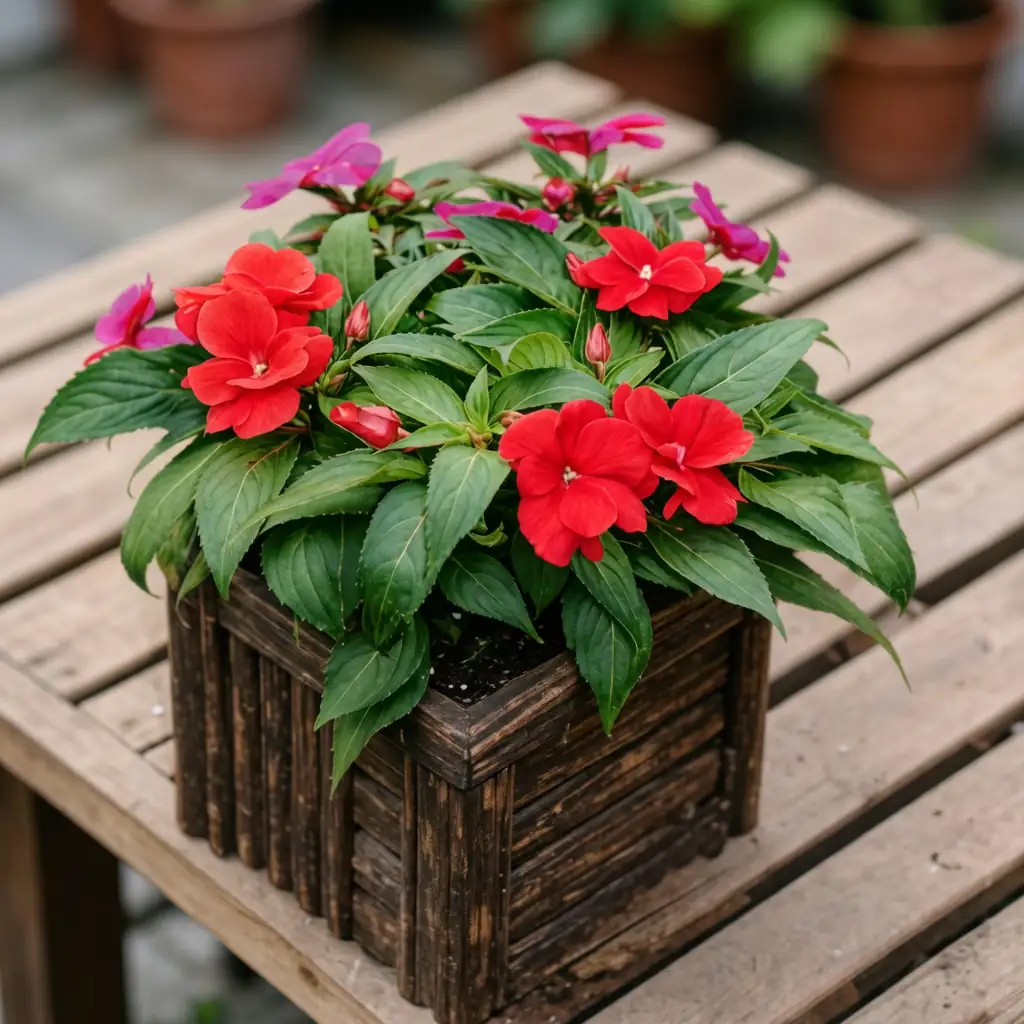
Plant Features
- Size: Compact, mounding to slightly trailing plant (often grown as an annual). Commonly 20–45 cm (8–18 in) tall and 20–45 cm (8–18 in) wide depending on cultivar and conditions. Typical containers: 10 cm (4 in) pot for a single plant; 12–15 cm (4.7–5.9 in) hanging basket/pot is common, often with 3 young plants per pot for a full, cascading look.
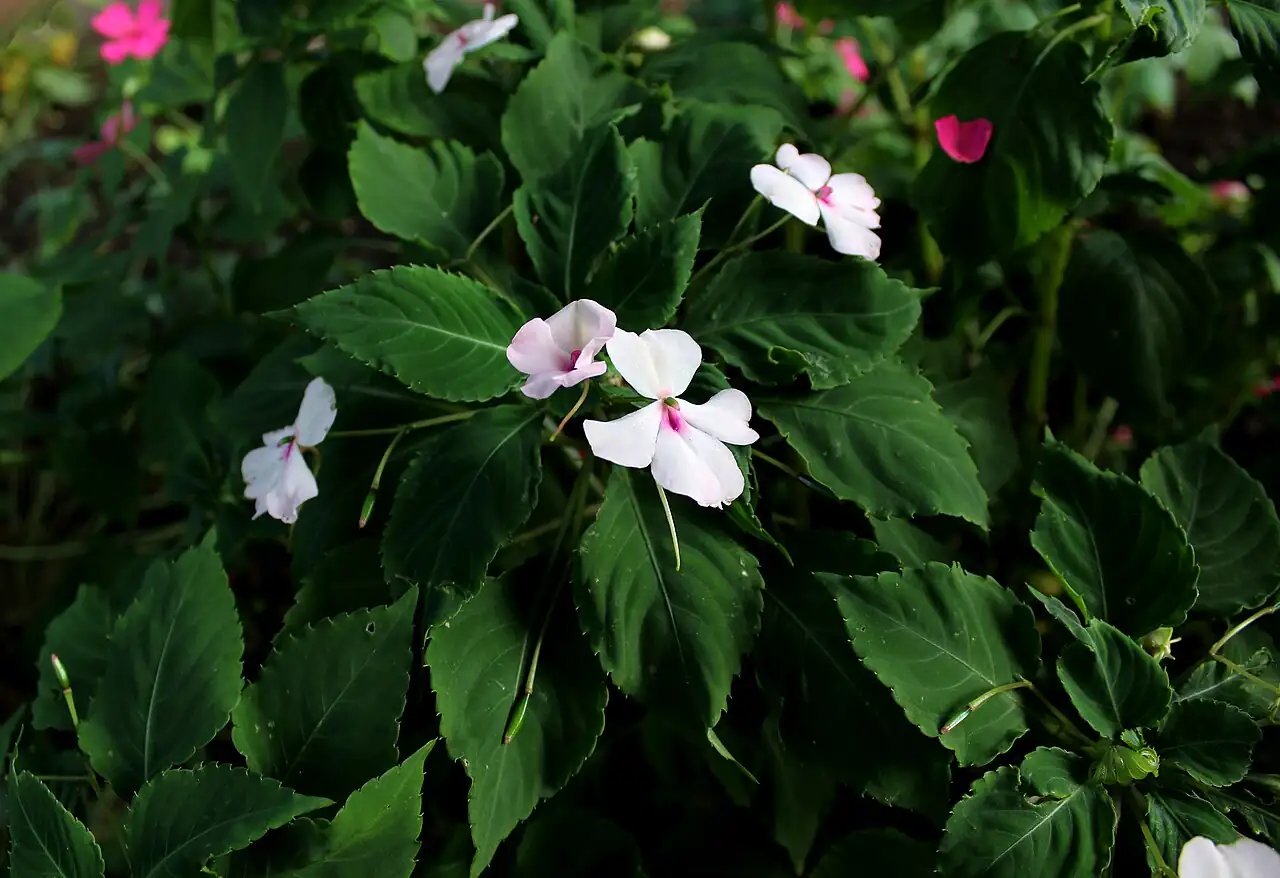
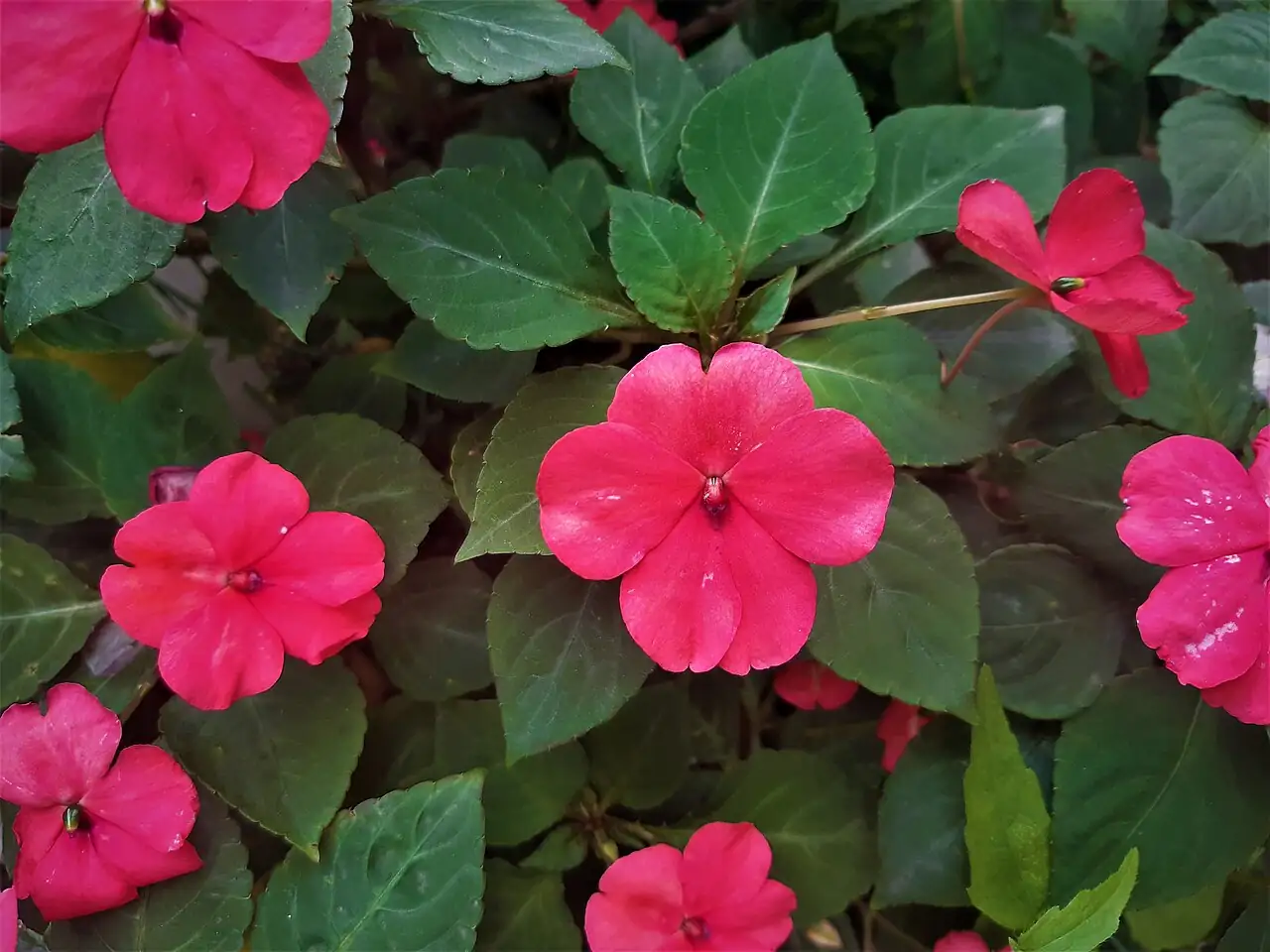
- Foliage: Dense, glossy, bright-green leaves on succulent, semi-translucent stems. When light is good and moisture is even, plants stay lush and compact; in dim corners they stretch and lose fullness.
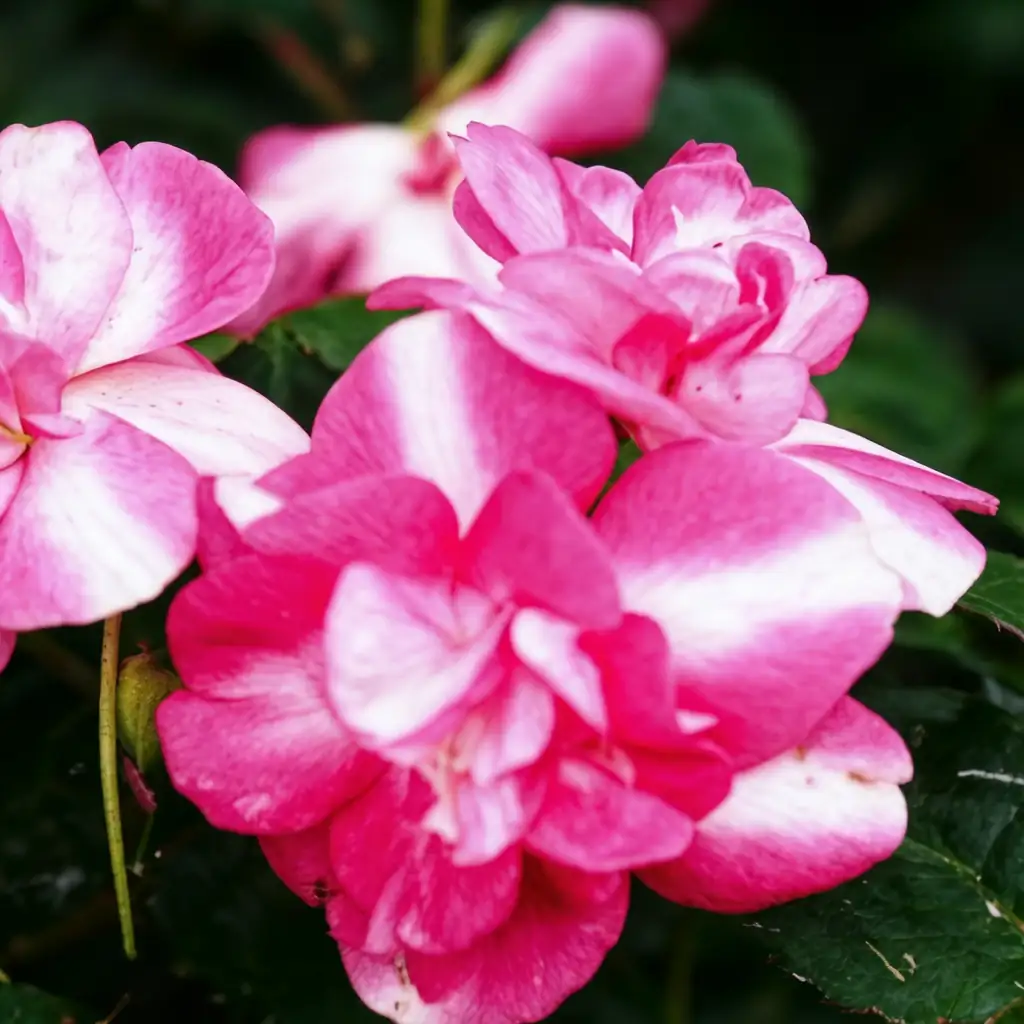
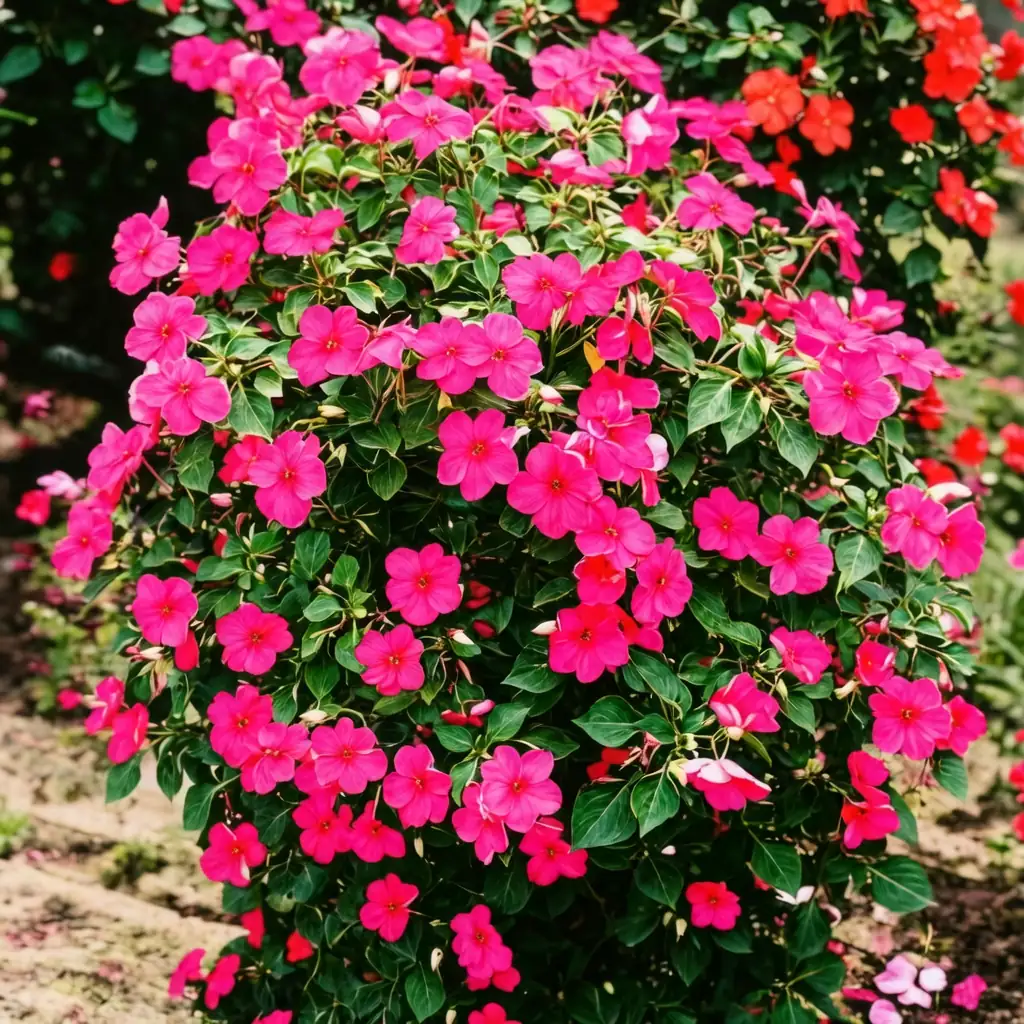
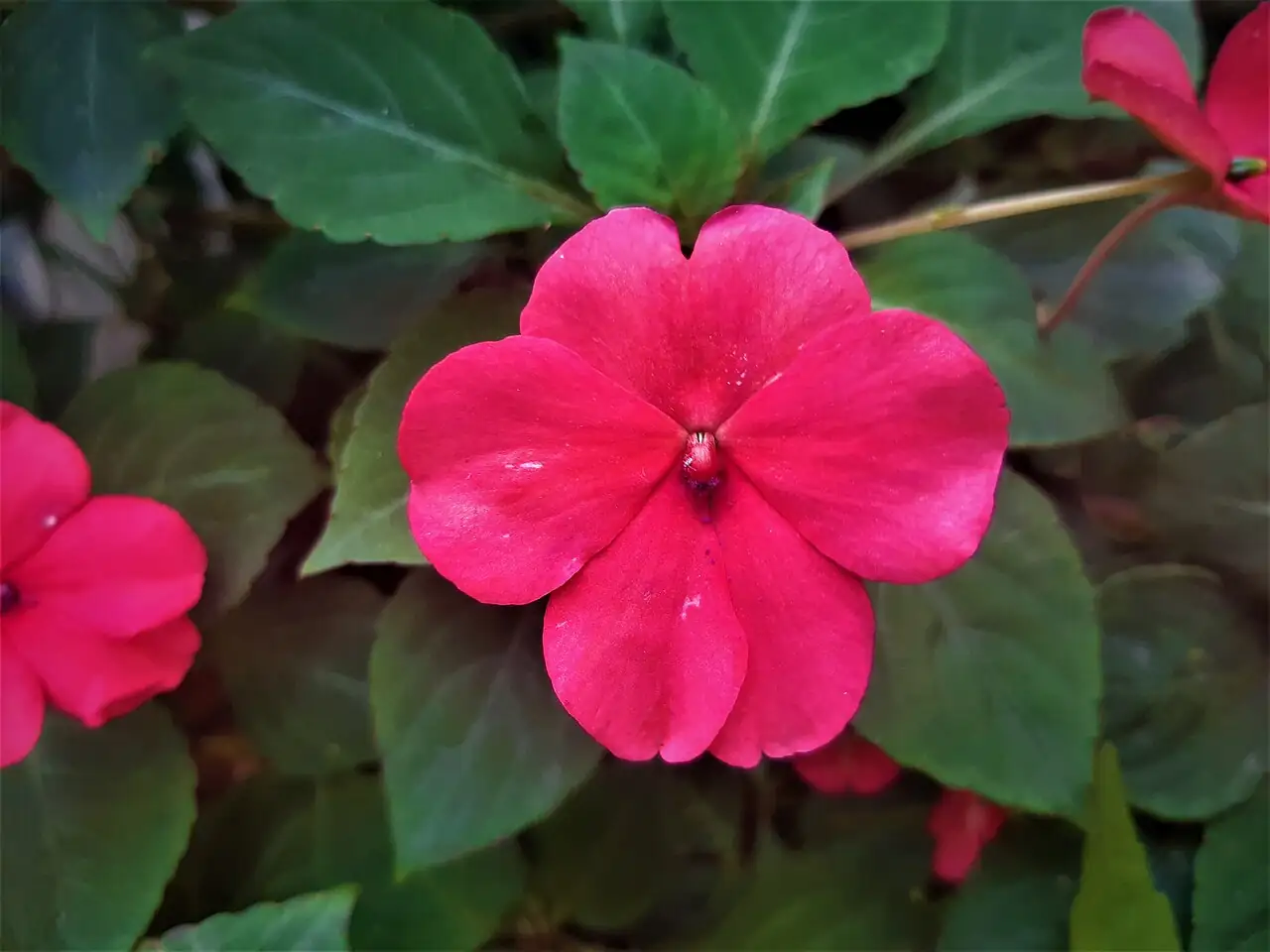
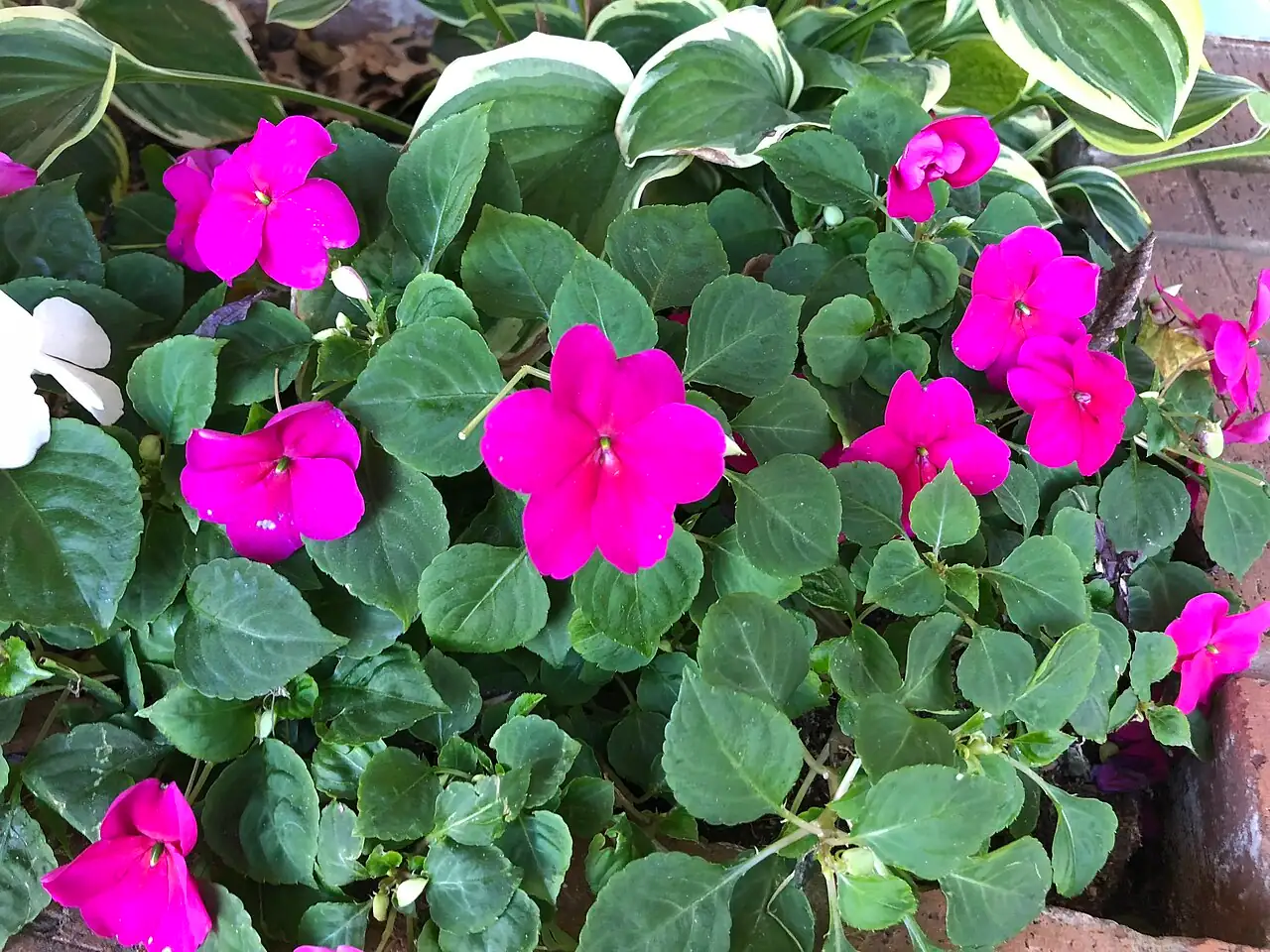
- Flower: Masses of flat, showy flowers in many colors—pink, red, white, orange, purple, and bicolors are all common. Blooms can be marked or damaged if water is splashed onto petals, and sustained heat can cause buds/flowers to drop. Removing spent blooms and keeping the plant evenly watered helps it keep looking fresh.
- Flowering Season: Summer through autumn outdoors; in warm, bright indoor conditions it can bloom for most of the year (sometimes nearly year-round).
- Growth Habit: Mounding with gently arching, trailing stems that can spill over the rim—especially attractive in baskets, window boxes, and mixed containers.
Environment
Sunlight
Bright light to partial shade. Morning sun or bright filtered light is ideal; protect from intense midday/afternoon sun. In very bright outdoor spots, about 40–50% shade (40–50% light reduction) helps prevent scorch.
Temperature
Best at 17–20°C (63–68°F). Keep above 10°C (50°F) in winter; cold damage is likely below 5°C (41°F). After purchase, keeping it above 12°C (54°F) reduces yellowing and leaf drop; above 16°C (61°F) it may keep flowering strongly. Prolonged heat above 30°C (86°F) often triggers bud/flower drop.
Humidity
Enjoys a warm, moderately humid to humid atmosphere (around 50%+). Good airflow matters—stagnant, damp air plus wet foliage encourages fungal problems.
Soil
Rich but well-drained mix that holds moisture evenly: peat/coco coir or leaf-mold based potting mix blended with fertile loam and coarse sand/perlite for drainage. Aim for “moist like a wrung sponge,” never swampy.
Placement
Great for bright porches, sheltered balconies, window boxes, and hanging baskets near a bright window. Avoid deep indoor corners with low light.
Hardiness
Frost tender; generally outdoor-perennial only in warm climates (about USDA Zone 10–11). In cooler regions, grow as an annual or overwinter indoors away from cold drafts.
Care Guide
Difficulty
Moderate (often feels easy once you nail the routine). It’s happiest with steady moisture, warmth, bright-but-gentle light, and decent airflow. It reacts quickly to stress: cold snaps, heat spikes, drought, and waterlogged soil can all cause yellowing, leaf drop, or flower drop.
Buying Guide
Choose a plant that’s full and symmetrical with dense, deep-green foliage and lots of buds (ideally with some blooms already open—some guides suggest about half open). For baskets, look for evenly trailing stems around the rim and good overall coverage. After bringing it home, give bright filtered light and keep it warm (above 12°C / 54°F is a helpful minimum).
Watering
Keep evenly moist but never waterlogged. Seasonal guide: spring ~2× per week; in summer water as needed but avoid constantly saturated soil (and in extreme heat, water based on the top layer drying); autumn every 2–3 days; winter about once per week (less if growth slows). Don’t let seedlings dry out. Water at the soil level—avoid splashing petals to reduce spotting, petal damage, and gray mold.
Fertilization
March–October: feed about every 2 weeks with a balanced fertilizer (e.g., 20-20-20 at label rate). During heavy bloom, add 2–3 applications of a bloom fertilizer higher in phosphorus/potassium. In extreme summer heat, reduce feeding; stop in winter if growth pauses.
Pruning
Pinch once when plants reach about 10 cm (4 in) tall to encourage branching and a bushier shape. Remove spent blooms and any soft, damaged, or diseased growth promptly.
Propagation
Seed: sow indoors in early spring; best germination at 16–18°C (61–64°F). Seedlings typically emerge in 10–20 days; flowering usually follows in about 8–10 weeks. Cuttings (especially common with New Guinea types and many cultivars): take tip cuttings 10–12 cm (4–4.7 in) long in spring to early summer; root in sand/sterile medium at 20–25°C (68–77°F). Rooting often takes ~20 days; pot up after ~30 days.
Repotting
Pot into 10 cm (4 in) for single plants or 12–15 cm (4.7–5.9 in) for baskets; planting 3 young plants per pot creates a fuller display. Repot when roots fill the pot and water runs through too quickly. Use a fertile, free-draining mix (peat/leaf mold/coco coir + loam + sand/perlite).
📅 Seasonal Care Calendar
Spring: start seeds indoors (16–18°C / 61–64°F), water ~2× weekly, pinch at ~10 cm (4 in), take cuttings spring–early summer (10–12 cm / 4–4.7 in). Summer: give shade from harsh sun, keep evenly moist, reduce fertilizer in extreme heat; above 30°C (86°F) flower drop is common. Autumn: water as needed (often every 2–3 days). Winter: keep above 10°C (50°F) and ideally above 12°C (54°F); water ~weekly; stop feeding if growth slows.
Pests, Diseases & Safety
Common Pests & Diseases
Common diseases: leaf spot, gray mold (Botrytis), and stem/root rot—usually worsened by wet foliage and poor airflow. Common pests: aphids, spider mites, and whiteflies. Prevention is half the battle: improve ventilation, avoid overhead watering, and remove affected parts early. Treat pests with insecticidal soap or horticultural oil, repeating as needed; use labeled controls for severe infestations where appropriate.
Toxicity
Generally considered non-toxic/low-toxicity for people and pets when used as an ornamental. Still, chewing or eating plant material may cause mild stomach upset in sensitive individuals.
Culture & Symbolism
Symbolism: Often linked with cheerful, lively energy—its constant flowering makes it feel like a “happy, bustling” house-and-home plant.
Uses: Mainly ornamental: a top choice for hanging baskets, window boxes, patio containers, porch columns, and bright indoor windows thanks to its long flowering season and fast, full growth.
FAQ
Why are the leaves turning yellow and dropping?
The usual culprits are temperature stress (too cold or too hot), drought or waterlogging (root rot), low light over time, nutrient issues, or pests—especially spider mites. Check warmth (keep above 10°C/50°F, ideally 12°C/54°F+), keep soil evenly moist but not soggy, brighten the location, and inspect the undersides of leaves for pests.
Why is it dropping flowers or buds?
Heat is a big trigger—sustained temperatures above 30°C (86°F) often cause bud/flower drop. Strong midday sun can also stress it, and splashing water on petals can damage blooms. Move it to bright filtered light, keep it evenly watered, and water the soil rather than the flowers.
How do I choose a good plant and help it settle in after purchase?
Pick a full, balanced plant with dense green foliage and plenty of buds. Put it immediately in bright filtered light and keep it warm (above 12°C / 54°F is ideal for the first weeks). Water when the surface begins to dry, and avoid soaking the pot or wetting the blooms.
Fun Facts
- “Busy Lizzie” earned its name because it can flower so heavily the plant looks constantly “busy” with color.
- Impatiens seed pods can pop open when ripe and fling seeds—one reason the genus name is associated with “impatience.”
- From seed to flowers can take as little as about 8–10 weeks in warm, bright conditions.
- Keeping blooms dry (watering the soil, not the petals) noticeably improves flower quality and reduces spotting.


