

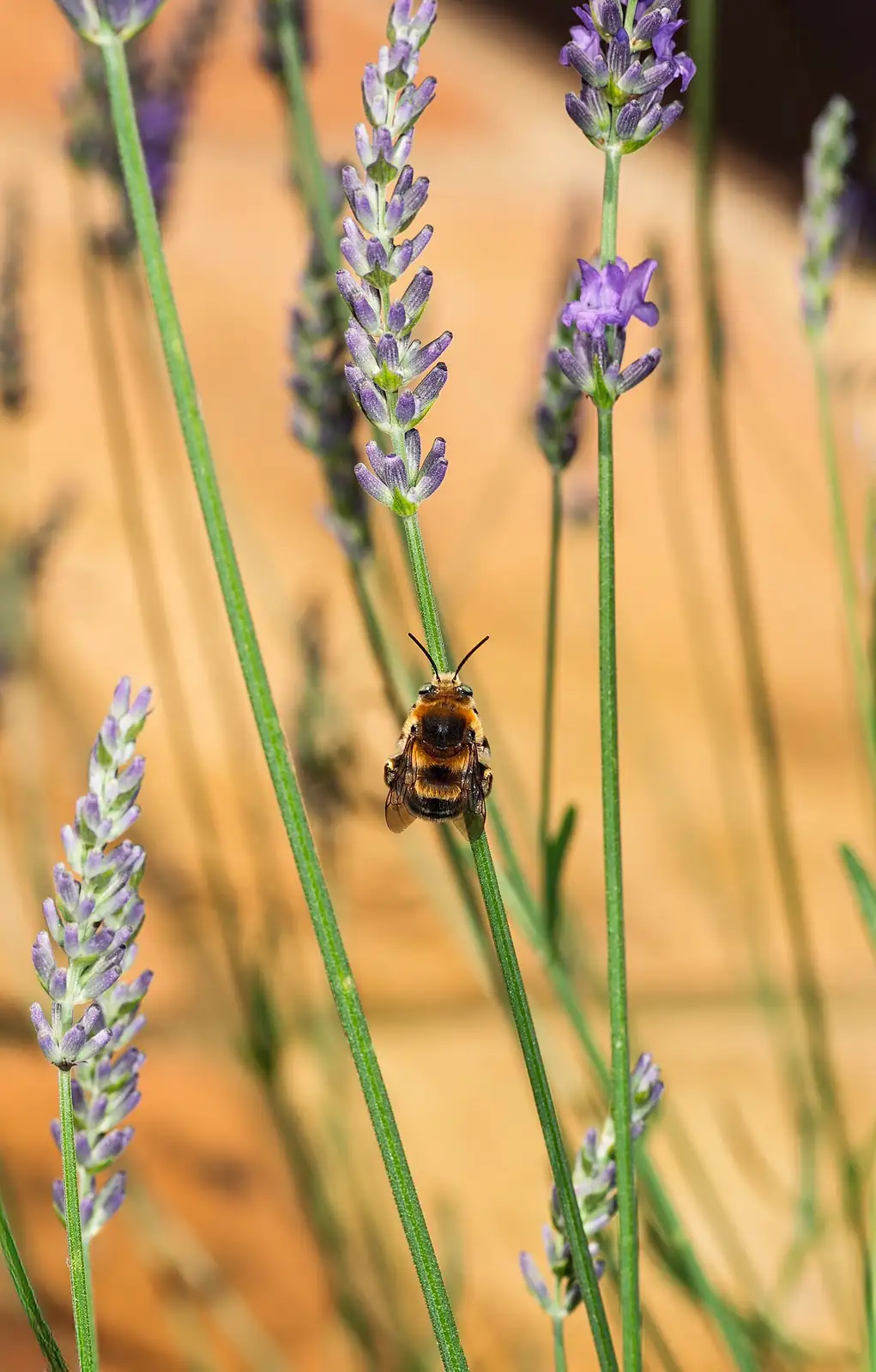
Plant Features
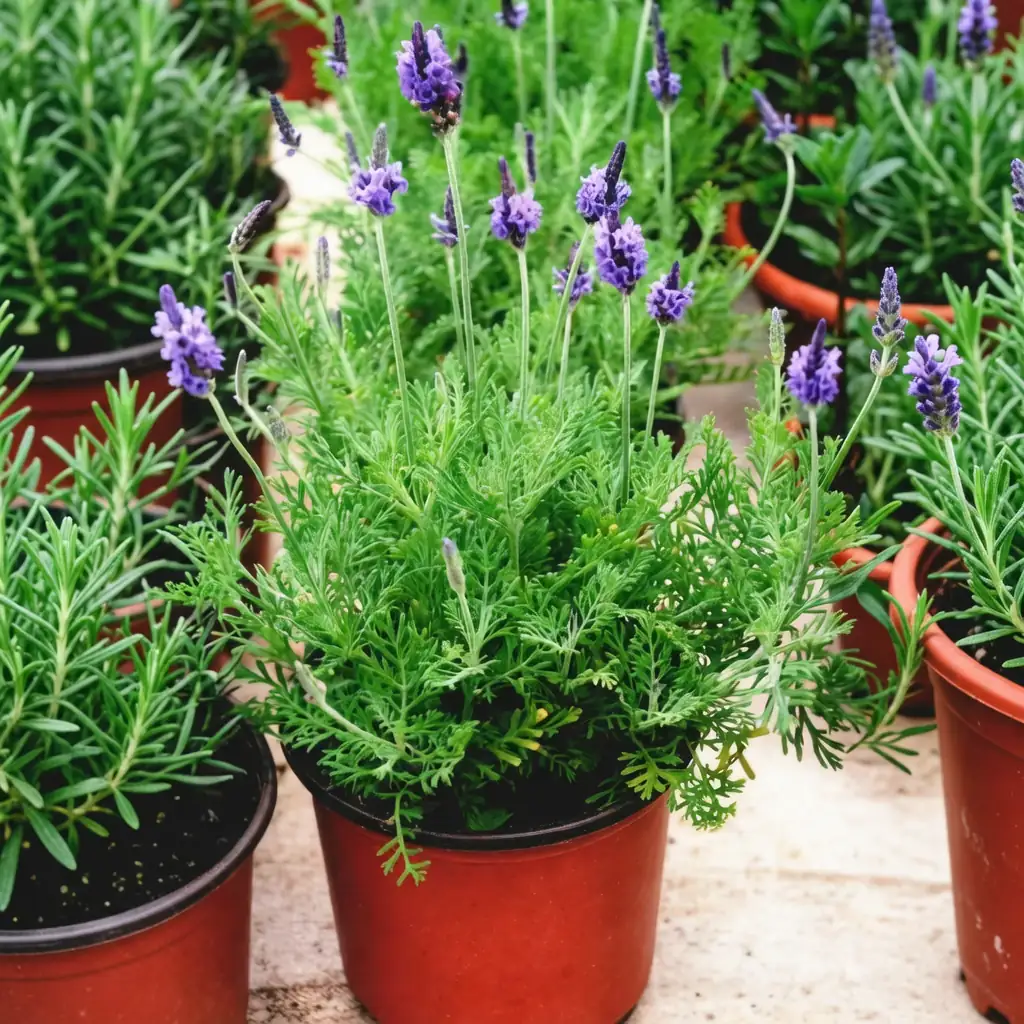
- Size: Typically 30–60 cm (12–24 in) tall. In pots it’s often 30–60 cm (12–24 in) wide; in ideal garden conditions many cultivars reach about 45–90 cm (18–36 in) wide, forming a rounded mound.
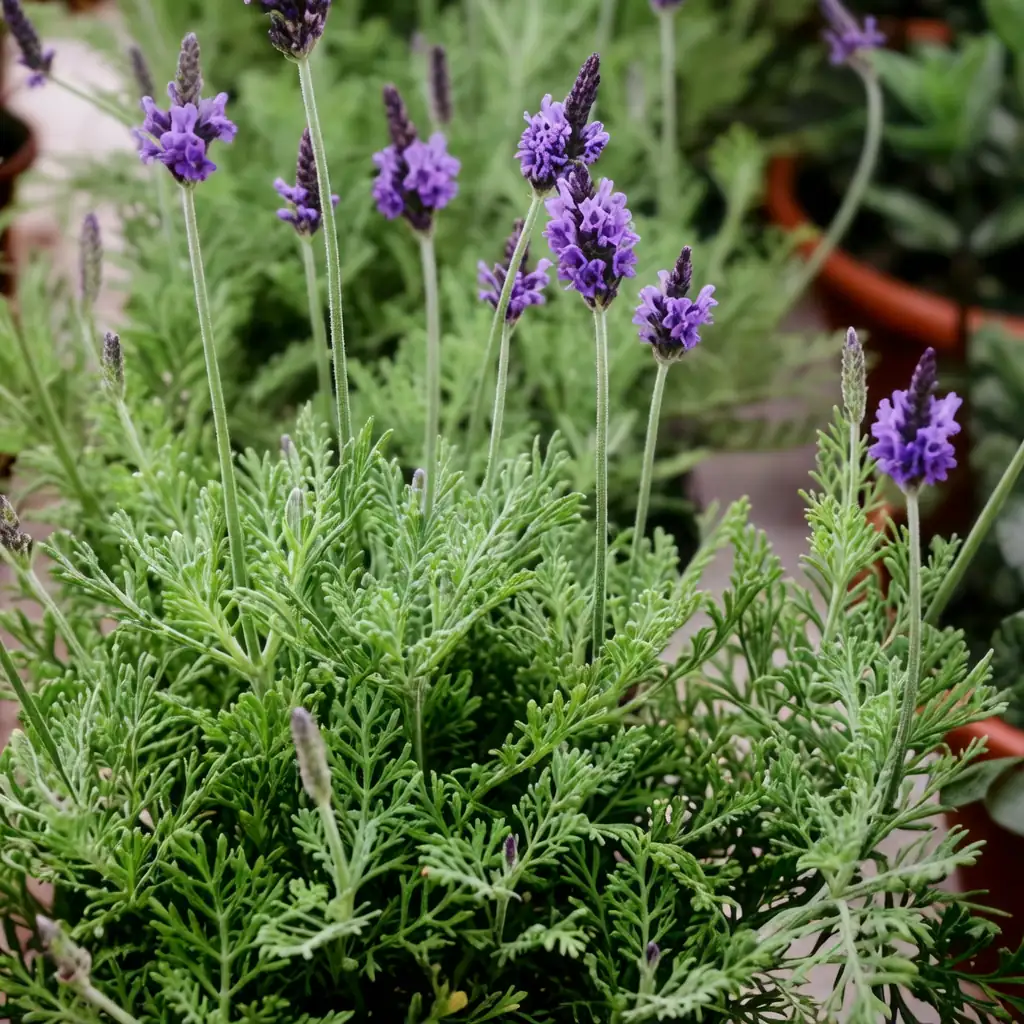
- Foliage: Narrow, lance-shaped leaves that are grey-green to silvery, softly aromatic when brushed. Over time it develops a woody base; regular pinching and light clipping help it stay dense and mound-shaped rather than sparse.
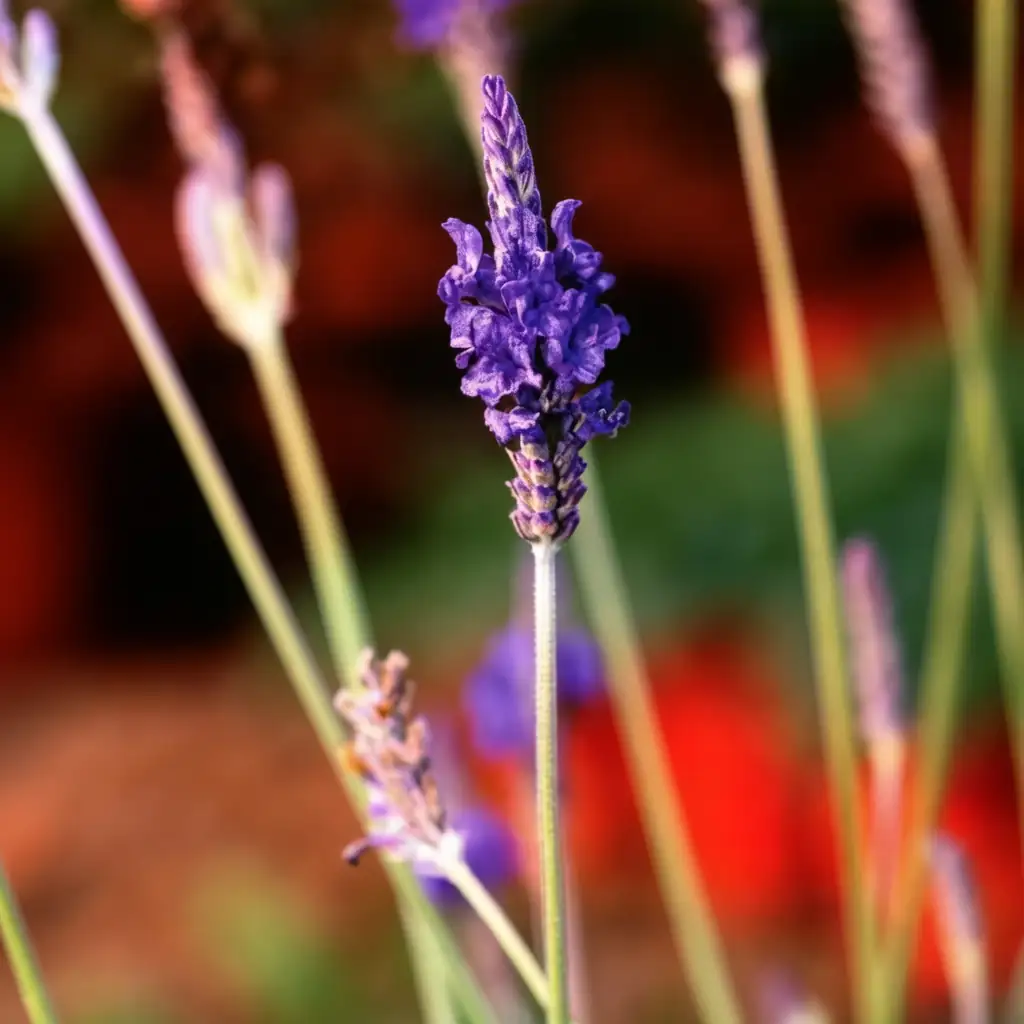
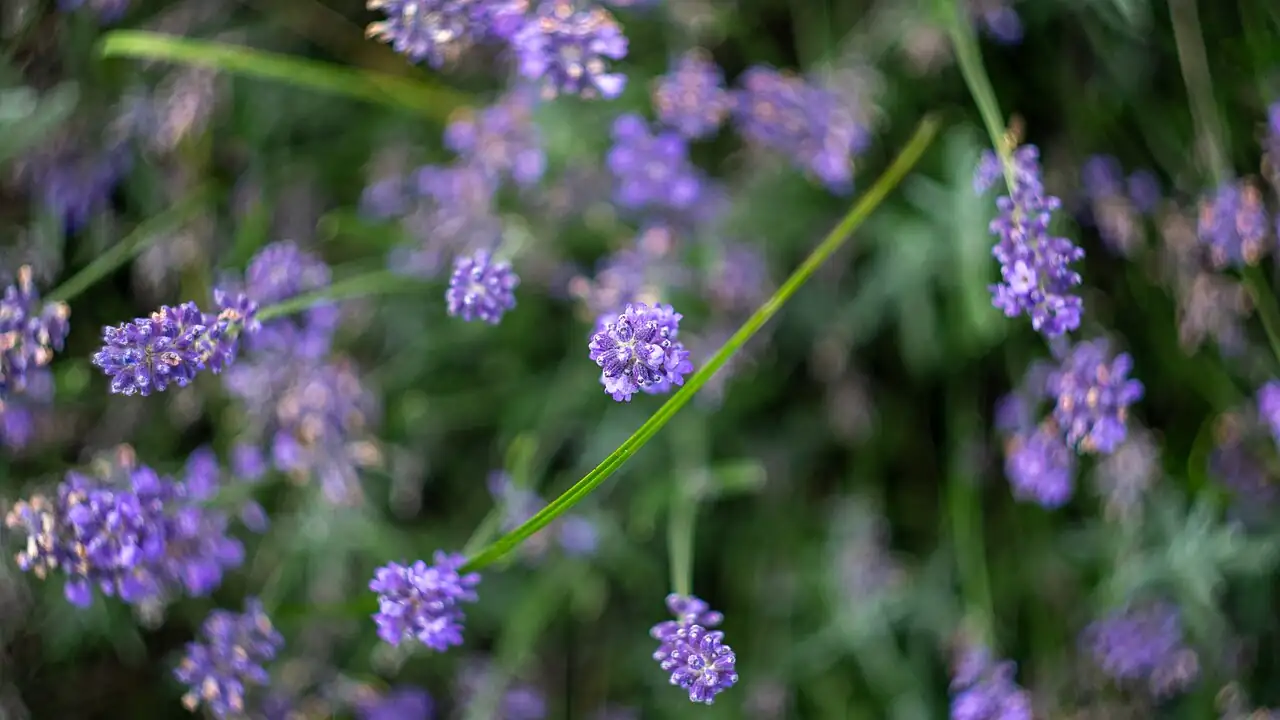
- Flower: Slender, upright spikes carrying many small, strongly fragrant flowers, usually pale to mid purple (sometimes more violet depending on cultivar). Flowers are excellent fresh, and they keep their scent well when dried for crafts and sachets.
- Flowering Season: Summer—commonly June–August (6–8), with peak bloom often around July; in some climates it starts in late spring and runs into mid-summer.
- Growth Habit: Compact to upright, bushy, mound-forming evergreen (or semi-evergreen in cold winters) woody subshrub that becomes more woody with age and can form dense clumps.
Environment
Sunlight
Full sun is best—aim for at least 6–8 hours/day. Shade leads to weak, floppy growth and fewer flowers. Outdoors, a bright, airy spot is ideal; indoors, a south-facing window or brightest available windowsill helps.
Temperature
Grows best at about 15–25°C (59–77°F). It dislikes prolonged hot, humid weather. Container plants are more vulnerable to cold and wet; in winter, protect pots and try to keep them above about 5°C (41°F) in very cold regions, while still giving maximum light and airflow.
Humidity
Prefers dry to moderate humidity with excellent ventilation. Hot, humid, stagnant air plus damp soil is a common recipe for fungal problems—give it sun, space, and moving air.
Soil
Very well-drained, sandy/gritty loam. For containers, use a free-draining mix (e.g., loam-based compost amended with coarse sand/grit/perlite). Avoid heavy, water-retentive media and never let the pot sit in water.
Placement
Sunniest, breeziest spot you have: sunny balcony/patio, raised bed, or a bright windowsill/sunroom. In late spring, move containers outdoors after frost risk; in autumn/winter, shift pots to a cool, bright, sheltered place where the mix won’t stay wet for long.
Hardiness
Generally hardy around USDA Zones 5–8 (sometimes listed 5–9 depending on cultivar and winter conditions). More than cold alone, winter wet and waterlogging are what typically kill lavender.
Care Guide
Difficulty
Easy to moderate. Lavender is simple when you nail the basics—strong sun, sharp drainage, and restraint with water. Most failures come from soggy soil, poor airflow, or humid heat, plus pruning into bare old wood.
Buying Guide
Pick a plant that’s compact, upright, and evenly shaped with dense grey-green foliage. Stems should look clean (not blackened), and the potting mix should not be soggy or sour-smelling. Avoid plants with yellowing leaves, weak floppy shoots, or an over-compacted rootball that’s heavily circling the pot.
Watering
Water deeply, then let the mix dry noticeably before watering again—lavender prefers a “wet–dry” rhythm.
• Spring/cool weather: about every 10 days to 1–2 weeks, depending on drying speed.
• Summer/flowering: water when the top few centimeters of mix are dry; keep it lightly even but never waterlogged. Morning watering plus good airflow helps in heat.
• Autumn–winter (especially indoors): reduce strongly—keep just barely on the dry side and avoid pots staying wet for long periods.
Always ensure excellent drainage and never leave standing water in a saucer.
Fertilization
A light feeder. During active growth (roughly May–September), feed about once a month with a balanced fertilizer (e.g., 20-20-20) at a reduced/light rate. Avoid heavy feeding—especially excess nitrogen—which can cause floppy growth, fewer flowers, and reduced fragrance. Lavender often performs best in relatively lean soil.
Pruning
Pinch or tip-prune young plants 2–3 times (or once they reach about 10 cm / 4 in) to encourage branching. After flowering, remove spent flower stems and lightly clip to keep a neat mound. If growth is very vigorous, you can reduce up to about 1/2 of the current green growth; if average, aim closer to about 1/3. Do not cut back into old, leafless woody stems, as they may not resprout well. Best timing is late spring or early autumn; avoid pruning during extreme heat.
Propagation
Seed: often surface-sown (light helps germination); some growers soak seed in warm water around 40°C (104°F) for 24 hours. Germinate around 20–24°C (68–75°F); sprouts typically appear in ~14–21 days (2–3 weeks).
Cuttings: semi-ripe cuttings from early summer through autumn, about 6–10 cm (2.5–4 in) long, rooted in a sandy/gritty medium; commonly root in ~3–6 weeks (often faster in warm conditions).
Water propagation: semi-ripe cuttings can root in clean water in bright shade, often in ~2–3 weeks, then pot up carefully.
Division: possible in spring or autumn, best with younger, less woody clumps.
Repotting
Repot in spring or right after flowering. Use a very free-draining mix and a pot with excellent drainage; a 12–15 cm (4.7–5.9 in) diameter pot suits small plants. When repotting, remove and refresh a good portion of the old mix (some growers remove up to about 1/2), tidy fine roots lightly, then water once and give brief recovery in bright shade before returning to full sun.
📅 Seasonal Care Calendar
Spring: repot if needed; water roughly every 10 days (or when partly dry); keep on the drier side with maximum sun.
Summer (main bloom): water when the top layer dries; fertilize monthly; prioritize airflow and avoid hot, humid stagnation.
Late summer–early autumn: take semi-ripe cuttings; prune lightly after flowering; begin reducing water as growth slows.
Late autumn–winter: keep very bright and cool if possible; water sparingly (about every 10 days to 1–2 weeks or less); protect containers from prolonged cold and, especially, winter wet.
Pests, Diseases & Safety
Common Pests & Diseases
The biggest issue is fungal disease—especially grey mold (Botrytis)—when conditions are damp, crowded, or poorly ventilated. Prevent with full sun, fast drainage, spacing, and watering at the base (avoid wet foliage late in the day). Remove infected stems/flowers promptly. If needed and permitted, use a labeled fungicide according to local regulations and instructions.
Toxicity
Generally low toxicity as an ornamental plant, but the essential oil can irritate sensitive skin and may be harmful if ingested in quantity. Pets (cats/dogs) may get mild stomach upset if they chew a lot of plant material; keep concentrated oils and large amounts out of reach of children and pets.
Culture & Symbolism
Symbolism: Often linked with calm, devotion, purity, remembrance, and (in some flower-language traditions) “anticipation” or “waiting for love.” It’s also sometimes associated with Virgo in popular symbolism.
History & Legends: Lavender has a long tradition in Mediterranean daily life—used to scent linens, freshen homes, and perfume baths. The name is often connected to the Latin “lavare” (“to wash”), a nod to its cleansing and bathing history.
Uses: Ornamental for sunny gardens and containers; pollinator-friendly flowers; dried bouquets and crafts; scented sachets for drawers/wardrobes (often said to help deter clothes moths); and an important source of lavender essential oil (use oils responsibly and properly diluted).
FAQ
Why are my lavender leaves turning yellow?
Most often it’s too much water or poor drainage, which stresses roots and reduces oxygen. Hot, humid weather can make the problem worse. Move it to a sunnier, breezier spot, let the mix dry more between waterings, and ensure the pot drains freely (no standing water).
Why did my lavender grow poorly after pruning?
The usual cause is cutting into old, leafless woody stems, which may not reshoot well. Prune mainly in the green growth: vigorous plants can be reduced by up to about 1/2, average plants more like 1/3, then lightly shape after flowering. Prune in late spring or early autumn and avoid extreme heat.
What are dried lavender flowers used for?
They’re popular for dried bouquets, wreaths, and crafts, and for sachets—seal dried buds in a small pouch for drawers or closets to add fragrance and help discourage fabric pests.
Fun Facts
- “Angustifolia” literally means “narrow-leaved,” describing the slim lavender leaves.
- Lavender’s fragrance is often strongest on warm, sunny, dry days—exactly the conditions the plant loves.
- A single healthy pot can noticeably scent a sunny balcony or windowsill.
- Lavender often flowers and smells best when it isn’t overfed—lean soil and sharp drainage beat rich compost.


