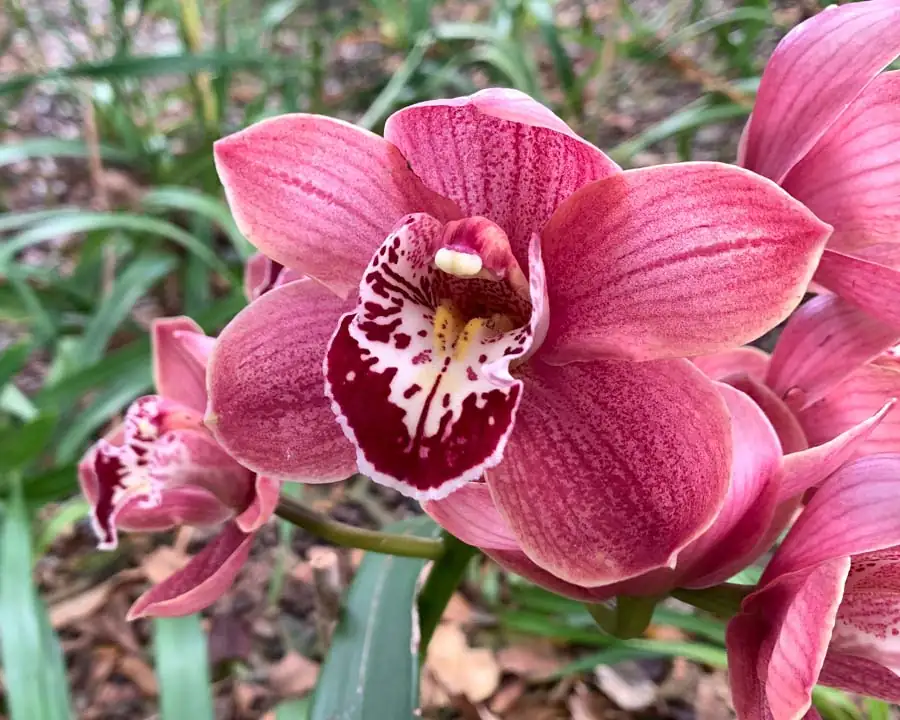
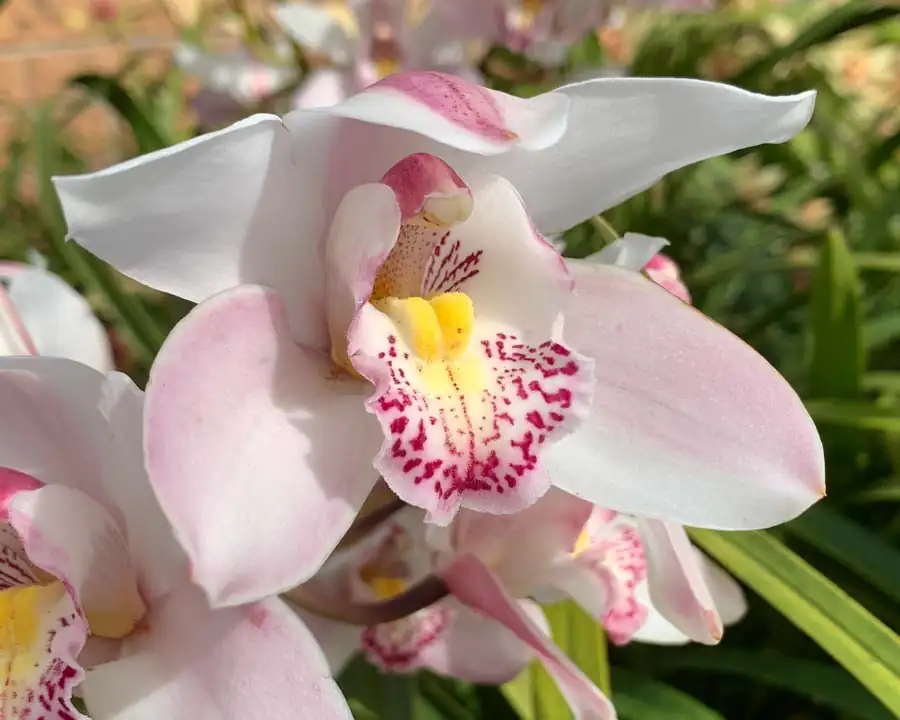
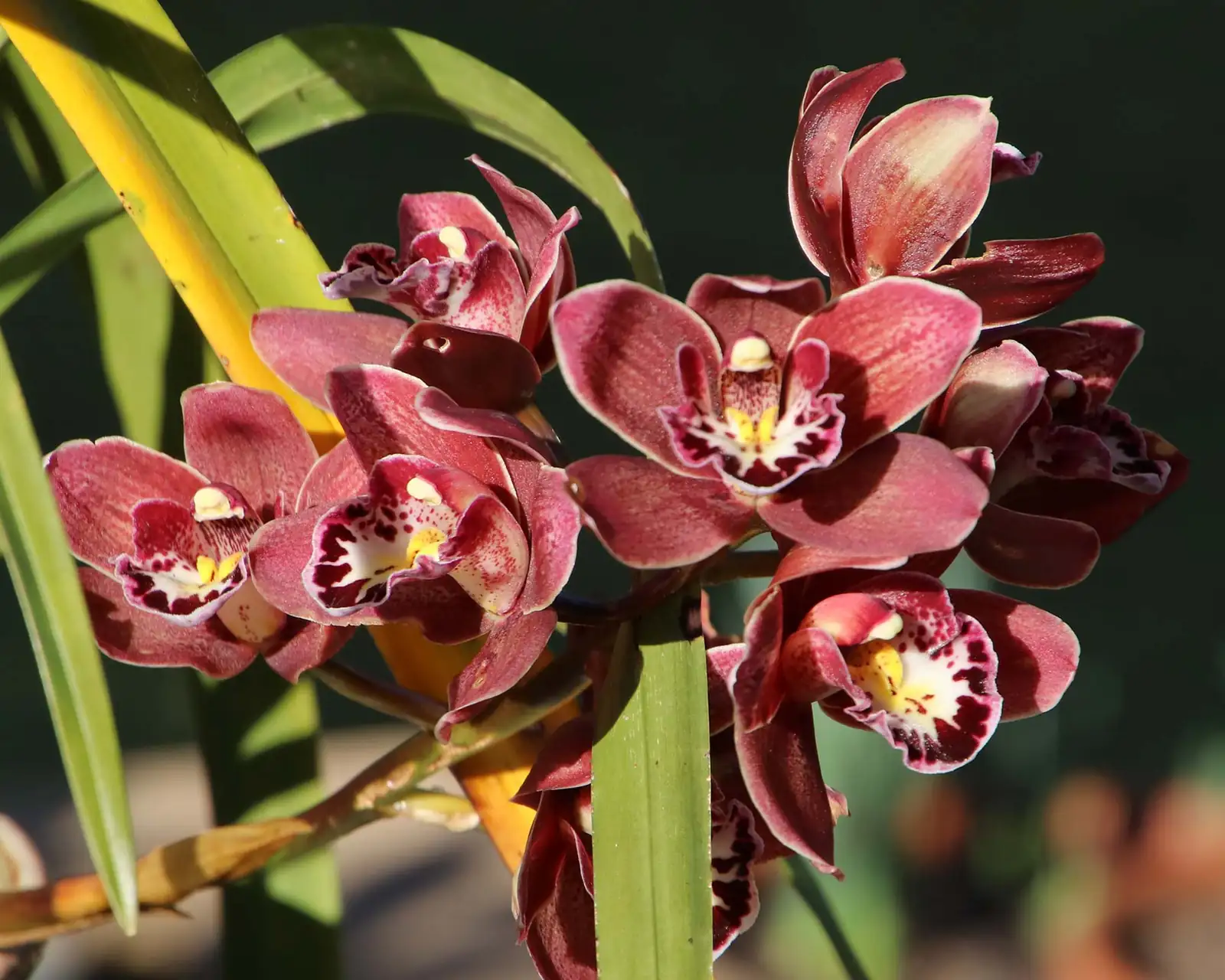
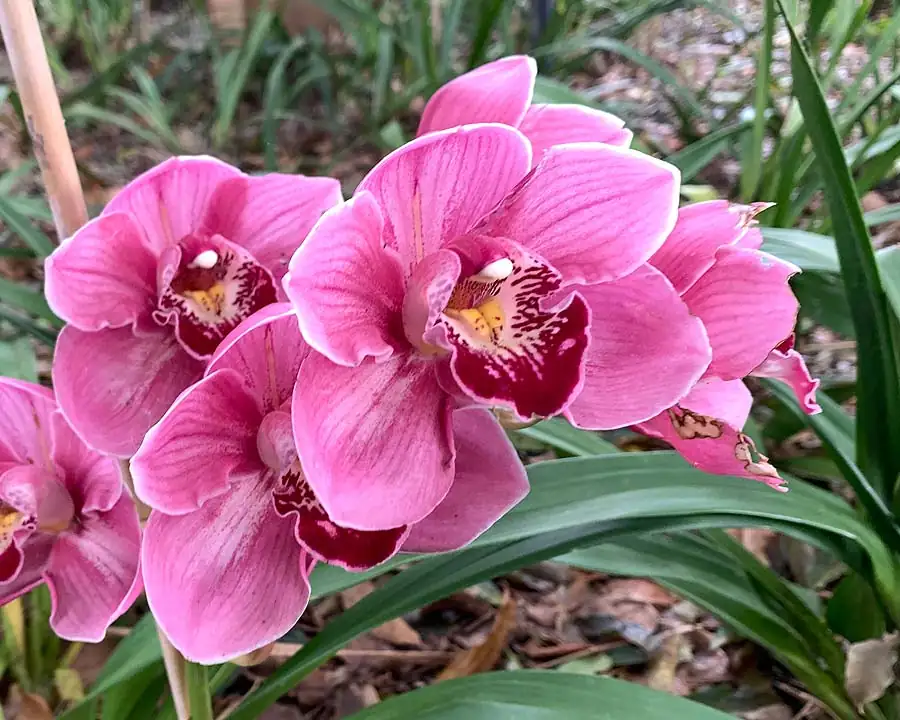
Plant Features
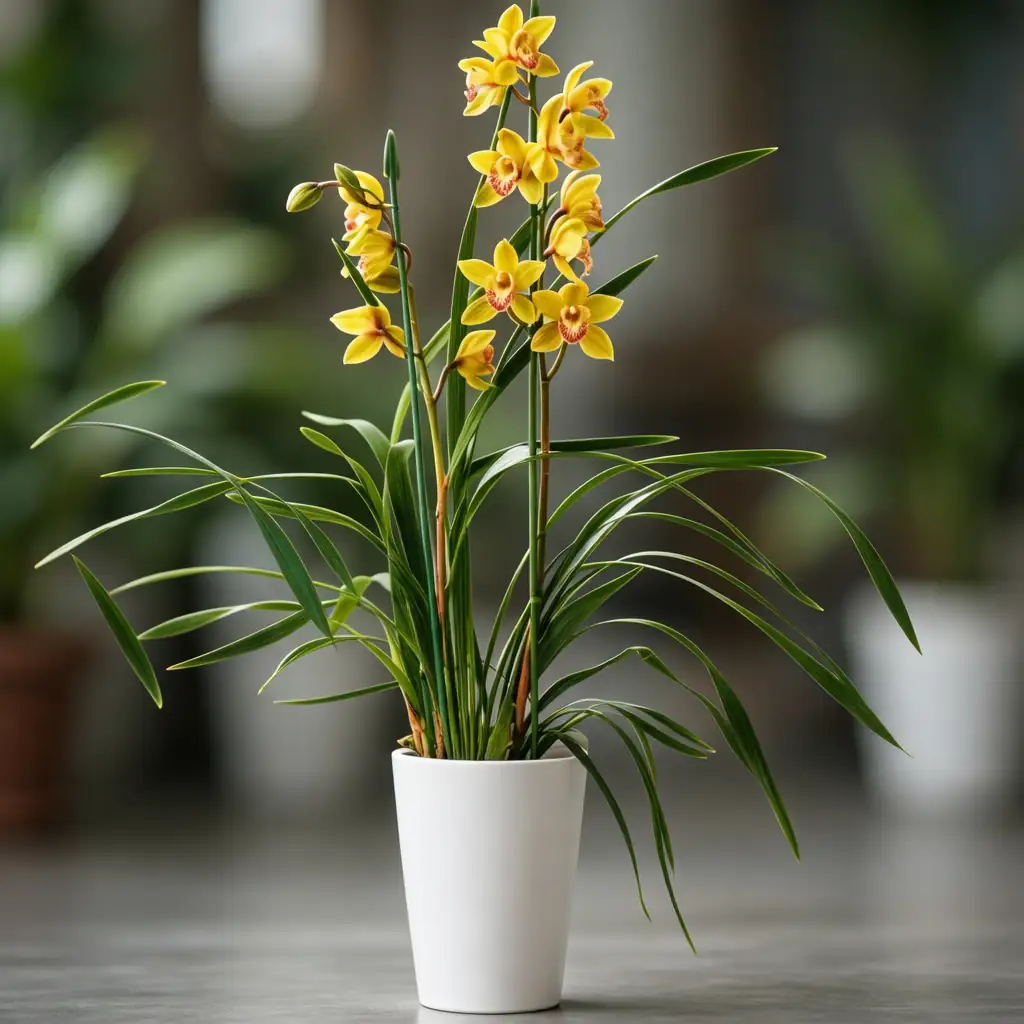
- Size:30–60 cm (12–24 in) tall; typically compact and clumping
- Foliage: Evergreen, strap-like leaves that arch gracefully, emerging from pseudobulbs; usually medium to deep green.
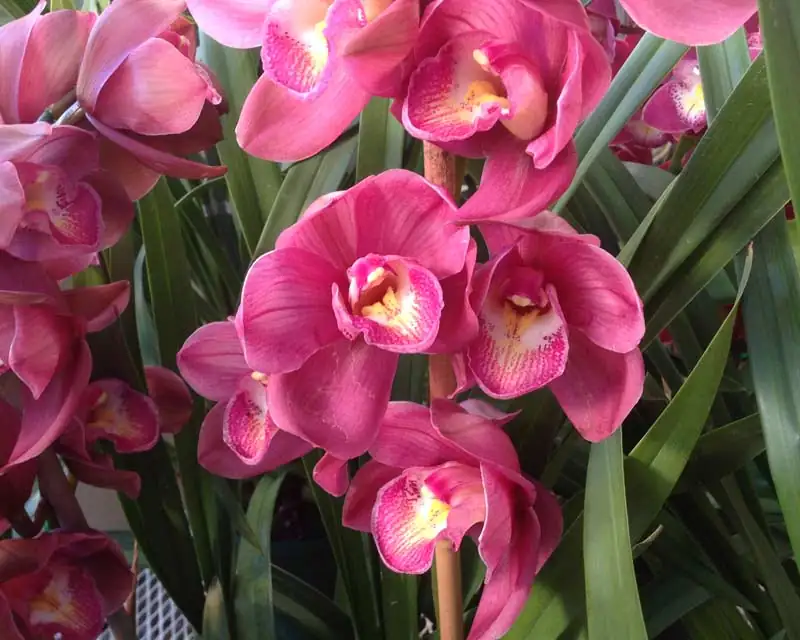
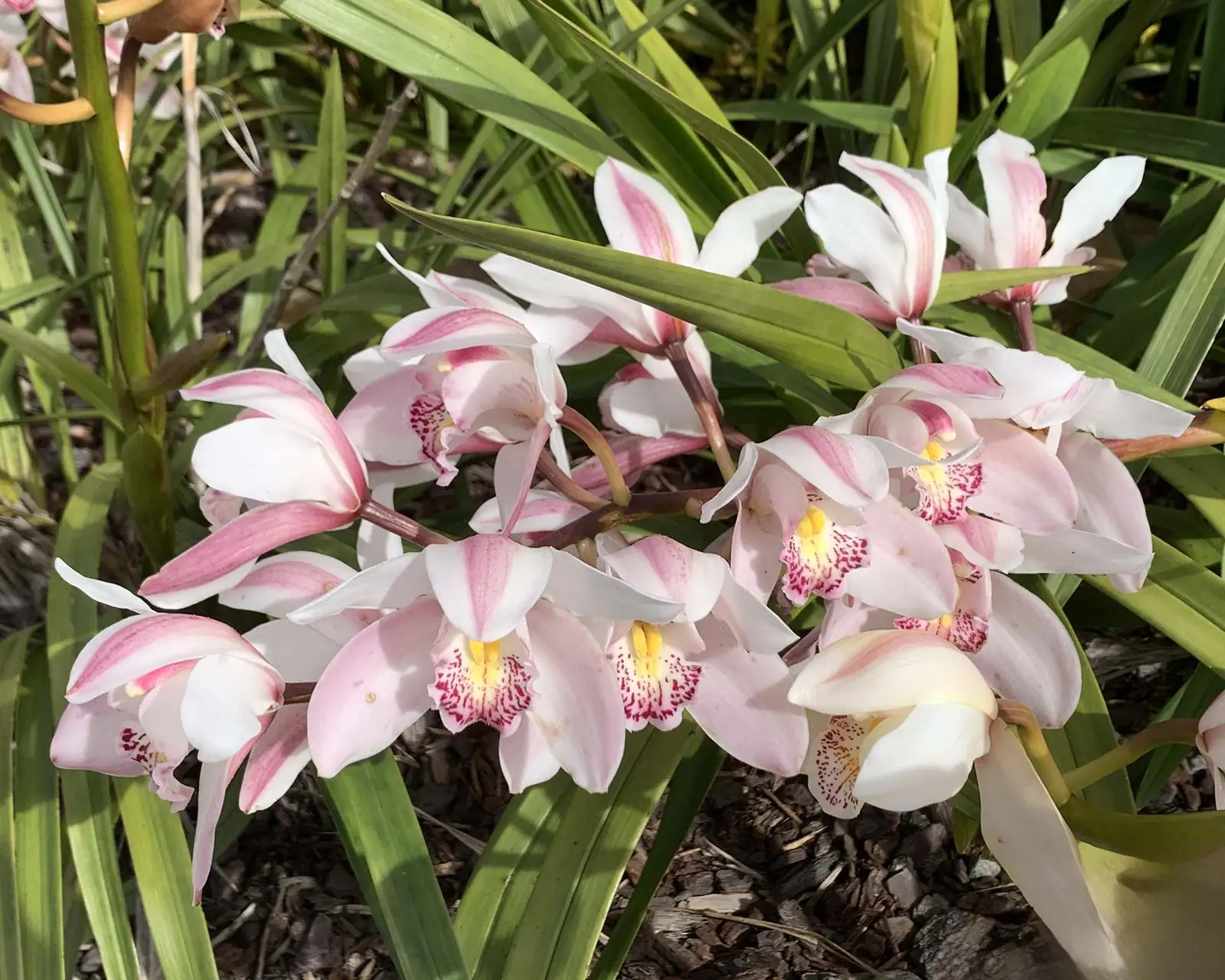
- Flower: Waxy, long-lasting orchid blooms carried on upright to gently arching spikes. Flowers are typically very durable and showy, and the strongest flowering is encouraged by cooler conditions—especially cool nights.
- Flowering Season: Typically winter to spring (varies by cultivar and growing conditions)
- Growth Habit: Compact, clumping sympodial orchid with pseudobulbs
Environment
Sunlight
Bright, indirect light. Gentle morning sun is usually fine; avoid harsh midday sun through glass which can scorch leaves.
Temperature
Best growth around 10–24°C (50–75°F). To encourage blooming, provide cooler nights about 10–13°C (50–55°F) in autumn for several weeks.
Humidity
Moderate humidity around 40–60%. Aim to avoid persistently dry air (and don’t trap the plant in stale, wet air either—gentle airflow helps).
Soil
Free-draining orchid mix, typically bark-based with additions like perlite and/or charcoal. Avoid heavy garden soil, which suffocates roots and promotes rot.
Placement
A bright, cool indoor spot such as a cool windowsill or an unheated but frost-free sunroom. Keep away from radiators, heating vents, and hot, dry drafts.
Hardiness
Not frost-hardy; protect from temperatures below 0°C (32°F). Outdoors only in mild, frost-free climates (roughly USDA Zone 10–11) with protection.
Care Guide
Difficulty
Moderate: generally easy to keep healthy, but dependable flowering usually requires bright light plus cool nights.
Buying Guide
Look for firm, plump pseudobulbs and clean green leaves. Avoid plants with black spotting, mushy bulbs, or a sour smell from the potting mix (often a sign of breakdown or rot). For the longest display, choose a plant with developing spikes or buds rather than one that’s already fully open.
Watering
Water thoroughly so the whole mix is soaked, then let it drain completely. During active growth, keep the mix evenly moist but allow the top to dry slightly between waterings. Reduce watering in cooler, darker periods. Never leave the pot standing in water, and avoid constantly soggy media to prevent root rot.
Fertilization
Use a balanced orchid fertilizer at half strength every 2–4 weeks during active growth. Reduce or pause feeding in winter unless the plant is clearly producing new growth.
Pruning
After blooming, remove spent flower spikes by cutting near the base. Only trim leaves that are dead or yellowing—healthy green leaves are best left alone.
Propagation
Division is the standard method. Divide mature clumps after flowering, ensuring each division has several pseudobulbs plus healthy roots for a good restart.
Repotting
Repot every 2–3 years, ideally after flowering or as new growth begins, or whenever the mix breaks down. Use a snug pot and fresh, airy orchid mix—oversized pots stay wet too long.
📅 Seasonal Care Calendar
Spring–summer: provide brighter light, regular watering, and light feeding. Late summer–autumn: keep light bright and introduce cooler nights (about 10–13°C / 50–55°F) to initiate spikes. Winter: keep cool and bright, water less, and support developing spikes if needed.
Pests, Diseases & Safety
Common Pests & Diseases
Common issues include scale insects, mealybugs, spider mites, and aphids. Root rot is the main disease problem, usually from stale, broken-down, or waterlogged media. Improve airflow, avoid overwatering, and treat pests with horticultural soap or horticultural oil when needed.
Toxicity
Generally considered non-toxic to cats and dogs and low risk to people, though chewing any plant material may cause mild stomach upset.
Culture & Symbolism
Symbolism: Orchids are classic symbols of elegance, admiration, and refined beauty; cymbidiums are especially popular as celebratory “gift orchids.”
History & Legends: Cymbidium orchids have been cultivated for centuries in Asia and remain a cornerstone of modern orchid growing. Miniature cymbidiums are primarily the result of selective breeding—created to keep the traditional cymbidium look while fitting comfortably into indoor spaces.
Uses: Ornamental flowering houseplant; also used as a gift plant and sometimes for cut-flower arrangements thanks to its long-lasting blooms.
FAQ
Why won’t my miniature cymbidium bloom indoors?
The most common culprit is a lack of cool nights in late summer to autumn. Keep the plant in bright light and aim for night temperatures around 10–13°C (50–55°F) for several weeks, while keeping it away from indoor heat sources.
Can I grow it outdoors?
Only in mild, frost-free climates. In most regions, it can go outside during warm weather but should be brought back in before temperatures drop below about 10°C (50°F), and it must be protected from any frost.
Fun Facts
- Cymbidium blooms are among the longest-lasting of commonly grown orchids, often staying showy for weeks.
- Miniature cymbidiums were bred to suit windowsills while keeping the classic cymbidium flower-spike look.