Plant Features
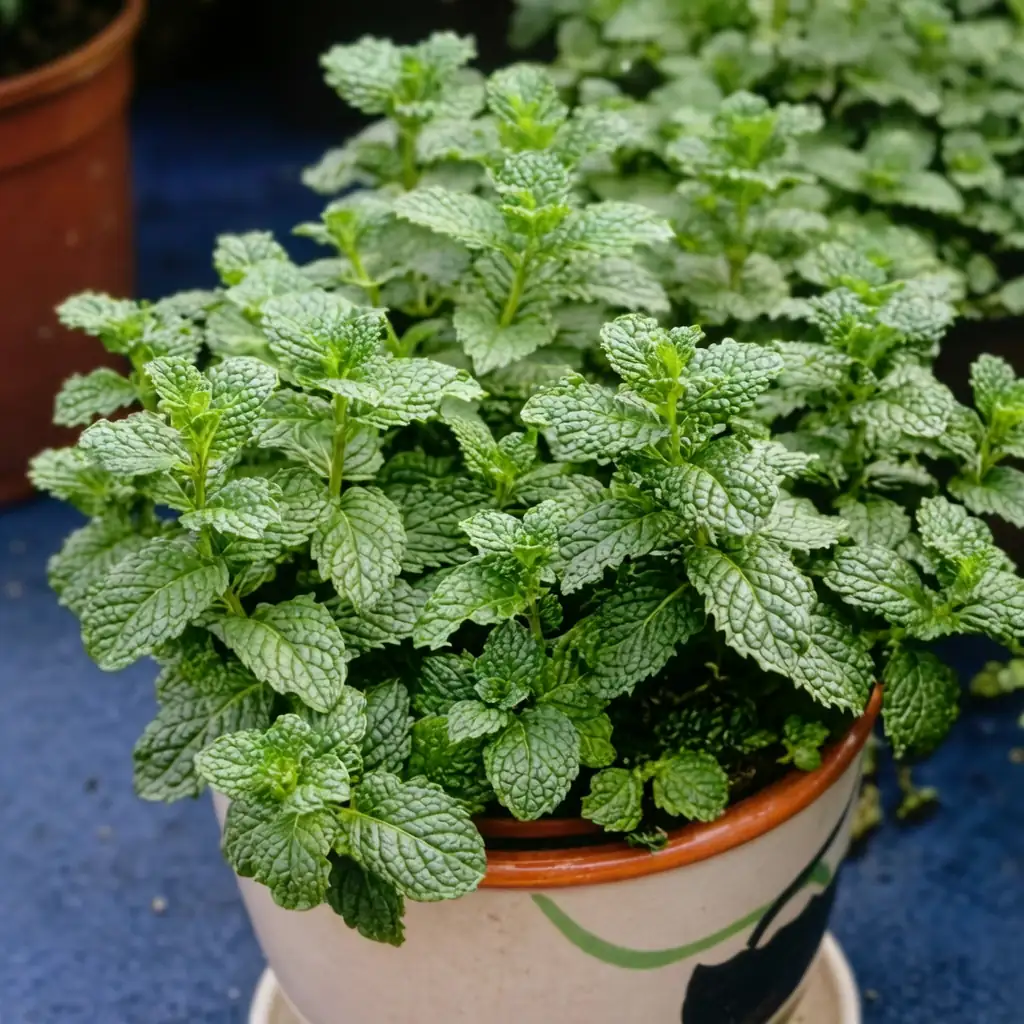
- Size: Typically 30–90 cm (12–35 in) tall and spreading; in containers it’s often maintained at about 15–30 cm (6–12 in) with regular cutting. For pot culture, a 12–15 cm (4.7–5.9 in) pot can hold about 3 young plants; begin pinching when plants reach 15–20 cm (6–8 in).
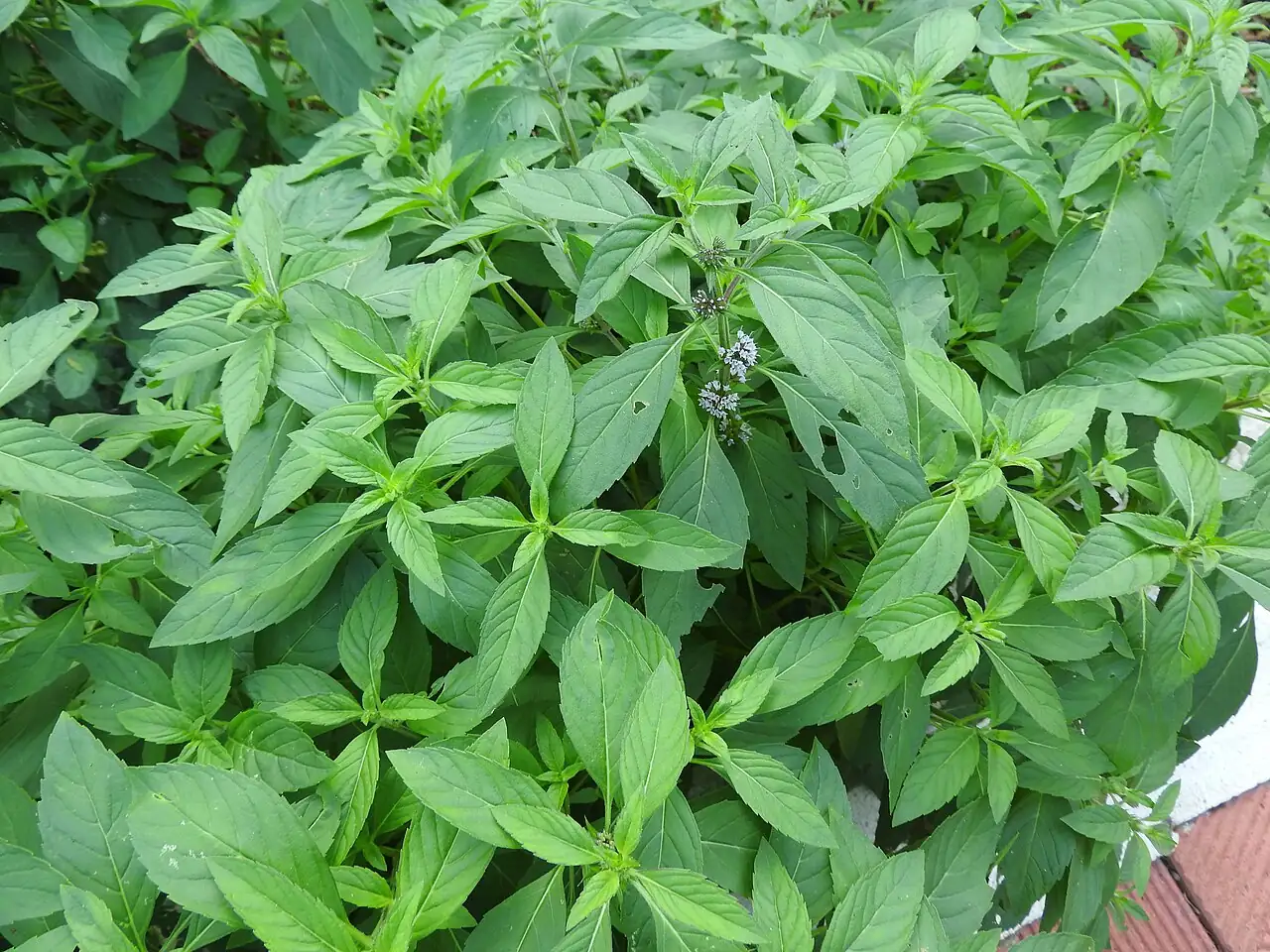
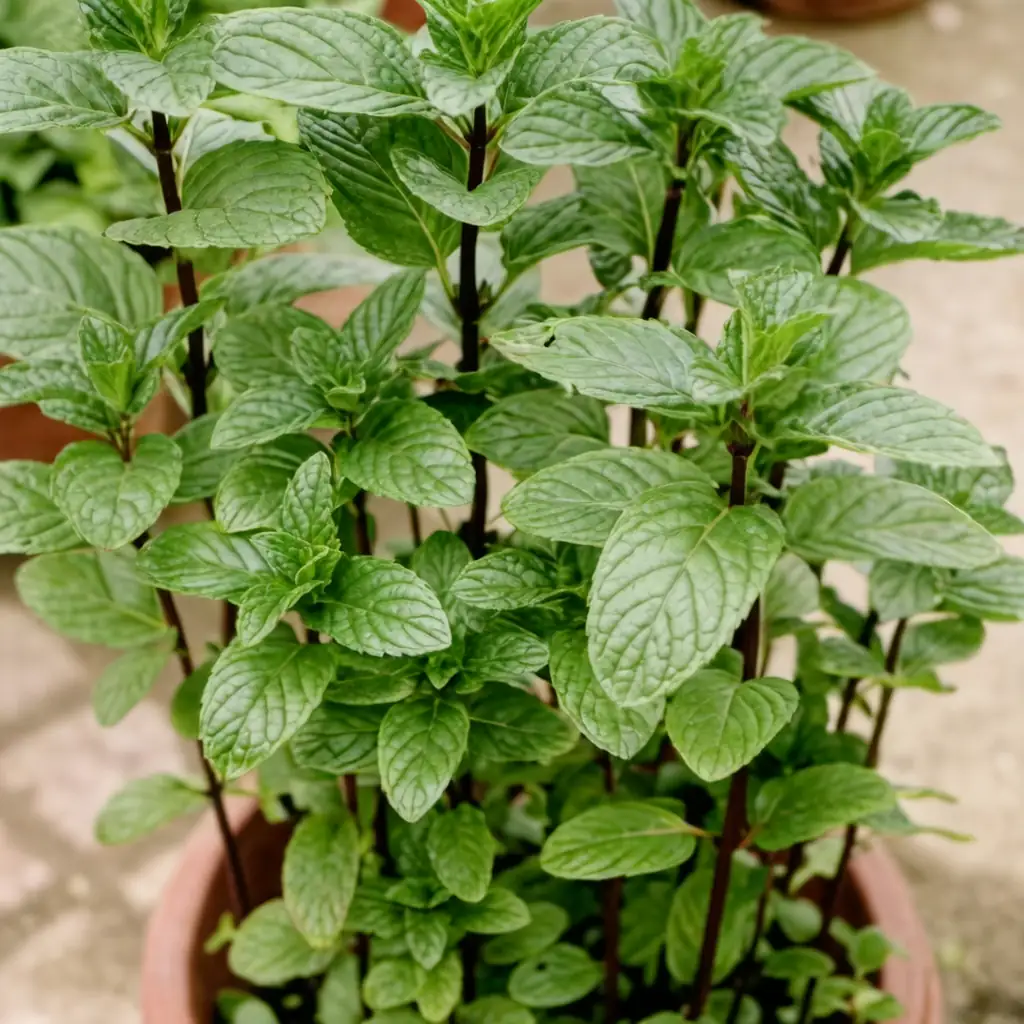
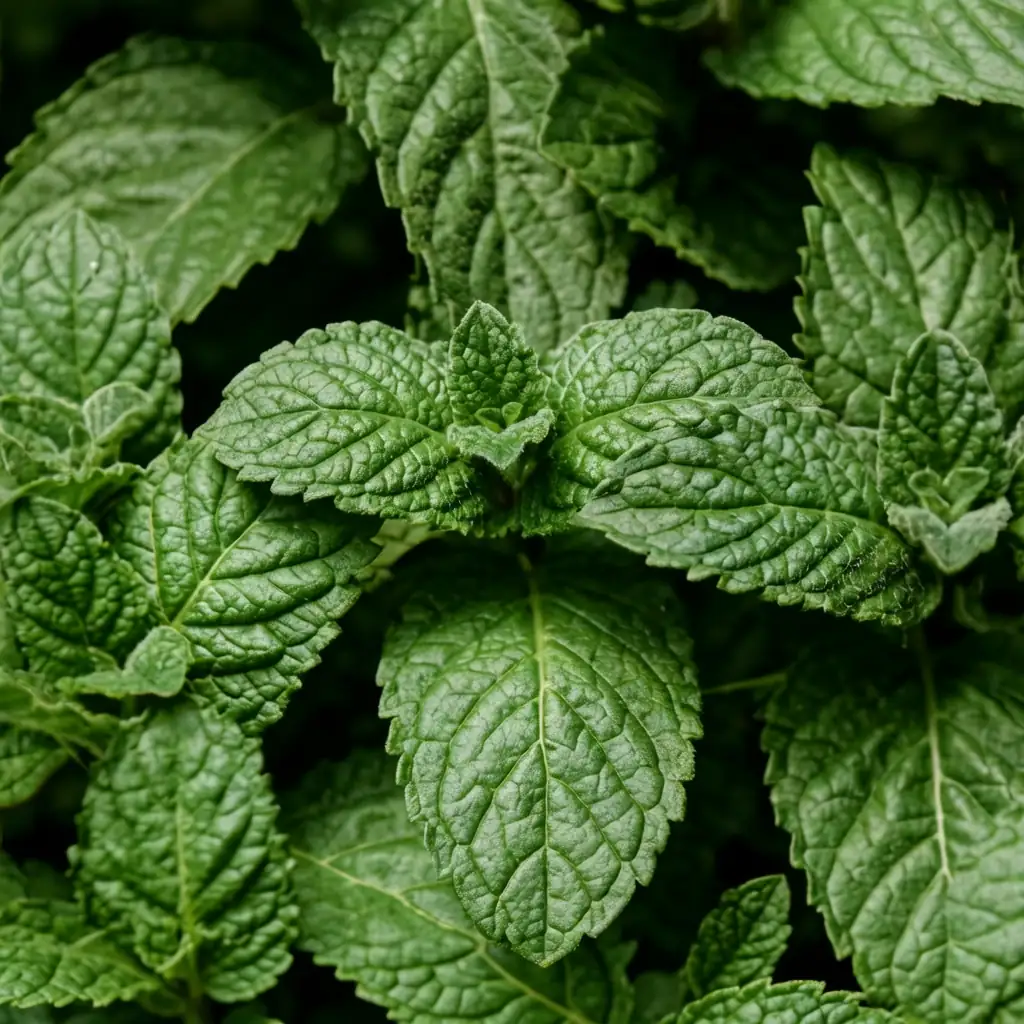
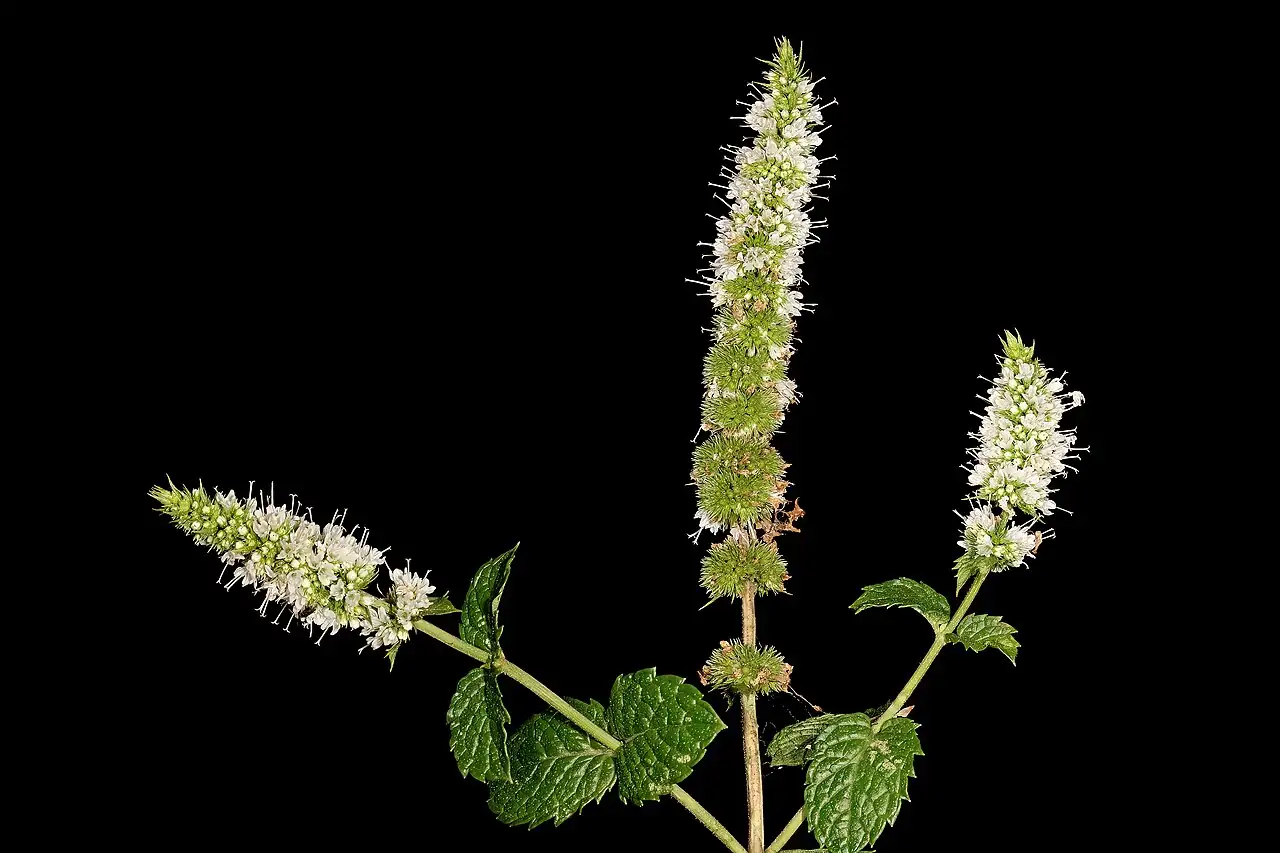
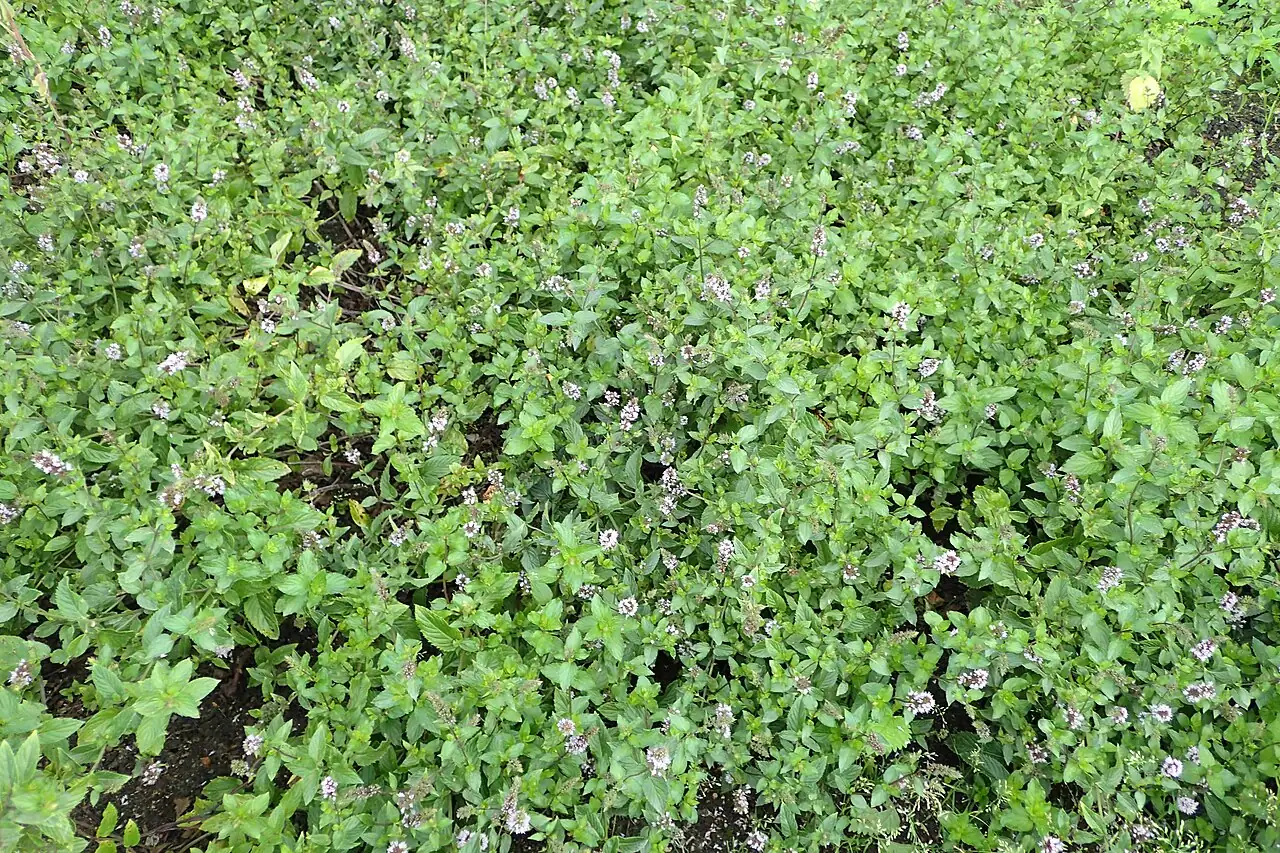
- Foliage: Bright green, strongly aromatic leaves on characteristically square stems (a mint-family trait). When allowed to spread, it forms a dense, carpet-like mat; leaves and tender stems are the main harvested parts for cooking and home herbal use.
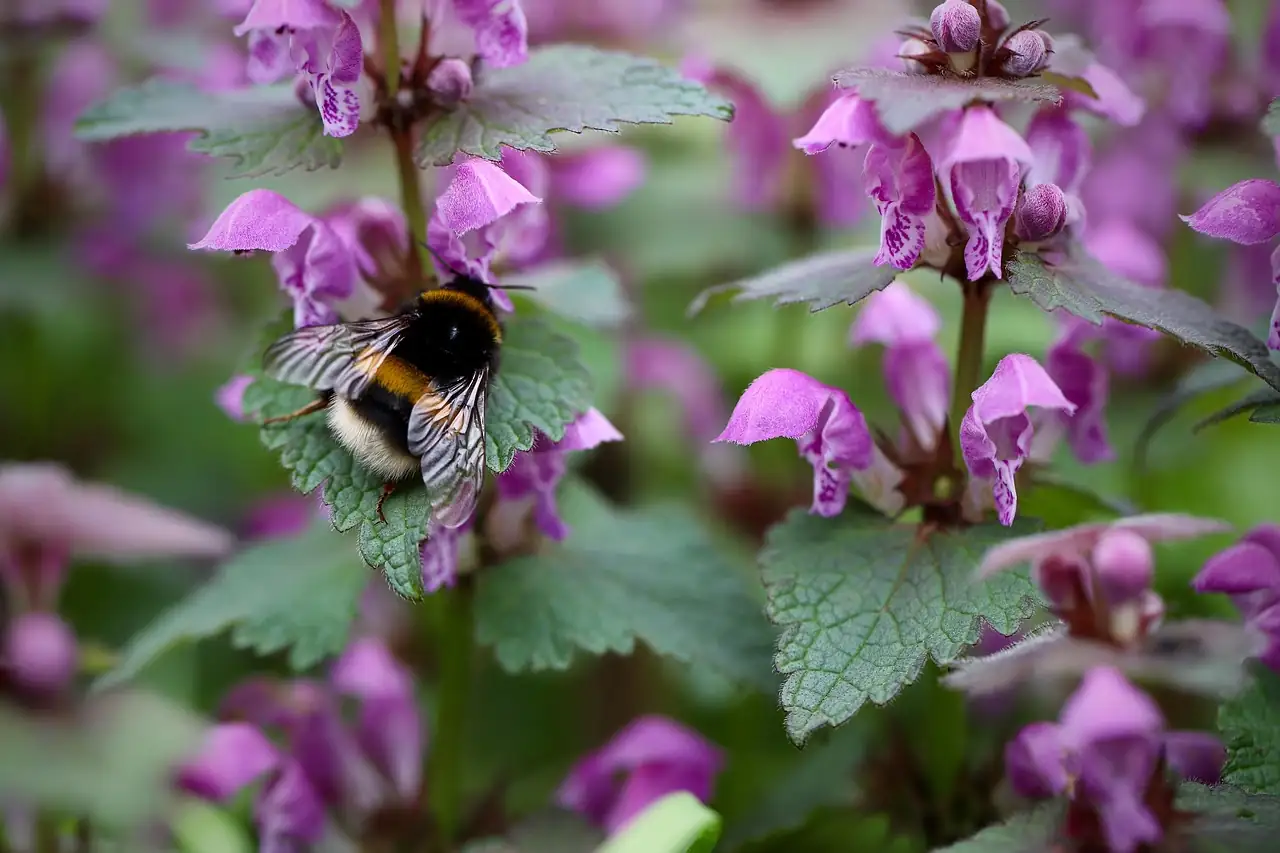
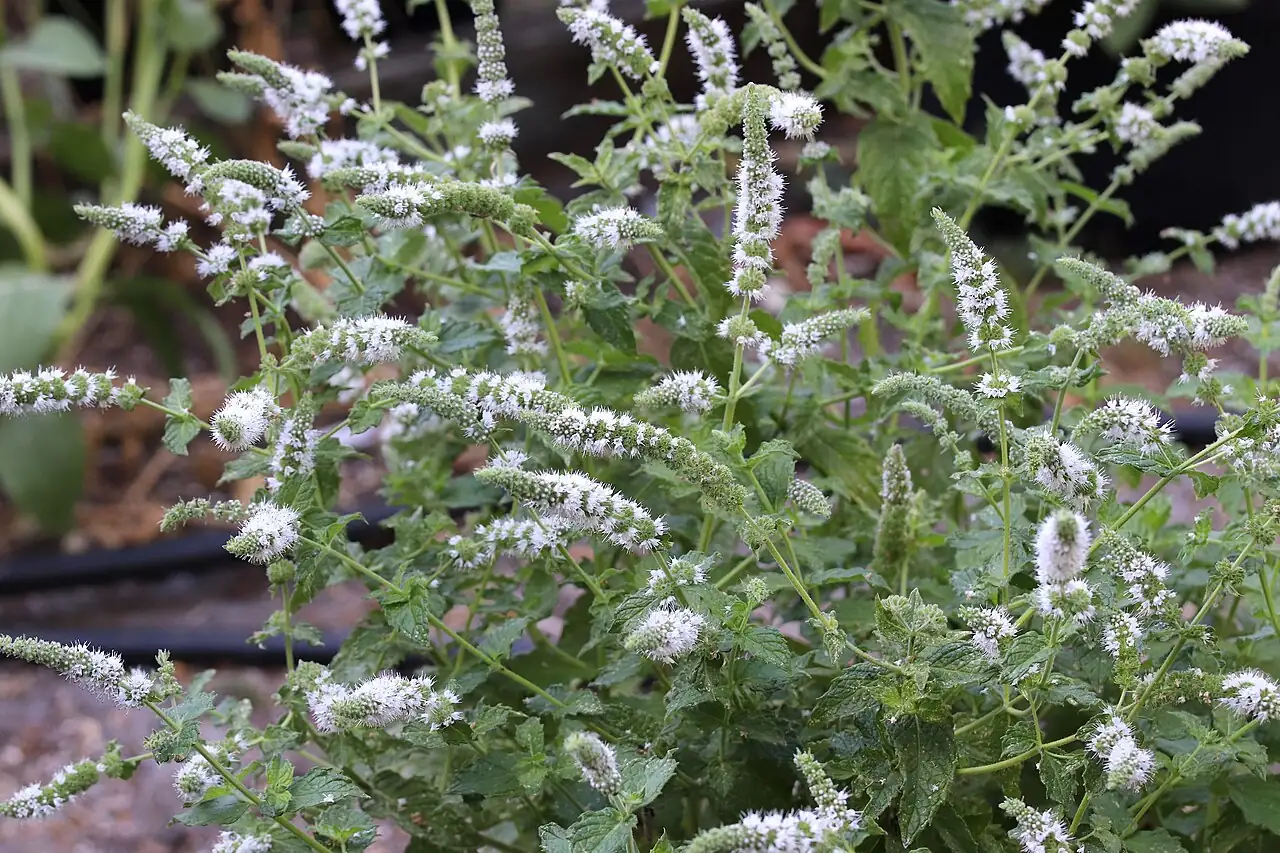
- Flower: Small, nectar-rich flowers held in short spikes, usually pale purple to pink. Blooms are especially attractive to bees and butterflies.
- Flowering Season: Summer.
- Growth Habit: Herbaceous perennial; clump-forming above ground but strongly spreading via vigorous underground rhizomes (often used as a groundcover, and best contained with pots or barriers).
Environment
Sunlight
Full sun to partial shade. Bright light generally gives the best flavor; for pots, a sunny balcony or bright windowsill works well. Outdoors from spring through autumn in a sunny spot.
Temperature
Grows best at 20–30°C (68–86°F). Top growth may be damaged below 0°C (32°F), but underground rhizomes can survive to about −15°C (5°F). For indoor overwintering, aim for about 10–12°C (50–54°F).
Humidity
Prefers evenly moist conditions. Keep soil consistently moist during active growth; in hot, dry summer/autumn air, light misting can help reduce leaf stress. In winter, keep only slightly moist if still growing—overly wet soil can cause root/rhizome rot.
Soil
Rich, fertile, well-drained yet moisture-retentive soil. A loam-based potting mix amended with compost/leaf mold plus sand or perlite works well; incorporate compost or a base fertilizer at planting.
Placement
Balcony, sunny patio, or bright windowsill; also suitable for moist garden areas near ponds/ditches. Best grown in containers or with root barriers to prevent runaway spreading.
Hardiness
Generally hardy in temperate climates; rhizomes are cold-tolerant to about −15°C (5°F) though foliage is frost-tender. Often suited to USDA Zone 5–9 (varies by cultivar and local conditions). In very cold regions, pot culture makes overwintering and spread-control easier.
Care Guide
Difficulty
Easy; very fast to propagate and very forgiving as long as it doesn’t dry out for long. Frequent harvesting actually improves bushiness and leaf quality.
Buying Guide
Choose plants with a strong mint scent and fresh green leaves. Avoid blackened stems, visible mildew, or severely root-bound pots (dense circling roots). Typical starter pot size is about 8–15 cm (3–6 in).
Watering
Keep the mix evenly moist during active growth. Water when the surface just begins to dry; avoid letting the pot dry out completely for extended periods. In hot/dry weather, occasional misting can help. In winter, reduce watering—keep slightly moist only if the plant is still growing; soggy soil can rot roots/rhizomes.
Fertilization
Likes fertile soil. Mix in compost or a base fertilizer at planting. During active growth, feed about every 2 weeks; in summer, you can feed about weekly with a diluted, well-rotted liquid fertilizer. Stop feeding when growth naturally slows and tops begin to die back.
Pruning
Pinch tips once plants reach 15–20 cm (6–8 in) to encourage branching. For harvest, cut stems back, leaving about 10 cm (4 in) above the soil. It resprouts readily and can often be cut 3–4 times once well established.
Propagation
Seed: surface-sow indoors (tiny seeds need light), keep evenly moist (bottom-watering helps), start in partial shade and move to brighter light after germination. Cuttings: May–July, take ~10 cm (4 in) tip cuttings, remove lower leaves, soak in water 1–2 hours, then stick into sand/vermiculite; roots typically form in ~2 weeks. Division: April–May or early November, lift and divide rhizomes; replant thick, pale, sturdy sections for best success.
Repotting
Repot around March: lift the plant, shake off old soil, discard tired/weak rhizomes, keep vigorous rhizomes, and replant into fresh fertile mix. If crowded, divide into 2–3 pots. Keep in partial shade to recover; about 1 week after potting, give a light feeding once.
📅 Seasonal Care Calendar
Spring–autumn: grow outdoors in sun/bright light and keep consistently moist. March: repot/divide. Growing season: feed every 2 weeks; in summer about weekly. May–July: take cuttings (rooting ~2 weeks). April–May or early November: divide rhizomes. When stems/leaves start to wither, stop feeding. Winter: water sparingly; keep only slightly moist if still actively growing.
Pests, Diseases & Safety
Common Pests & Diseases
Watch for powdery mildew and gray mold (often in cool, damp conditions such as early spring), rust and leaf spot/blight, and caterpillars like cutworms/armyworms in spring–summer. Improve airflow, remove affected leaves promptly, avoid wetting foliage late in the day, and use locally approved controls only when needed (follow label directions).
Toxicity
Generally considered non-toxic as a culinary herb when used normally. However, concentrated peppermint essential oil can irritate skin and mucous membranes if misused—keep essential oils away from children and pets.
Culture & Symbolism
Symbolism: Often linked with freshness, clarity, and hospitality—no surprise given that clean, cooling scent.
History & Legends: Mint has been cherished across European and Asian food and herbal traditions for centuries, valued for its bold fragrance and soothing reputation.
Uses: Use the leaves and tender stems fresh or dried for tea, desserts, sauces, and savory cooking. Peppermint oil is widely used as a flavoring in sweets and liqueurs. A simple home-style option is to simmer fresh mint leaves, strain, and use the infusion to enrich rice porridge for a cooling, throat-soothing drink/food.
FAQ
Can peppermint be used in garden landscaping?
Yes—peppermint can make a fragrant, flowering groundcover in reliably moist areas (near ponds, drainage lines, or low spots). Just remember it spreads by rhizomes, so most gardeners keep it in containers or use root barriers to prevent it from taking over.
How should I use what I harvest from my plant?
Use stems and leaves fresh for cooking, drinks, and tea, or dry them for later. For a quick home remedy-style treat, simmer fresh leaves to make a mint infusion, then stir the strained liquid into rice porridge for a gentle, cooling dish.
Fun Facts
- Peppermint is famously easy to propagate—tip cuttings often root in about 2 weeks.
- Even if frost knocks back the leafy top growth, the underground rhizomes can survive down to about −15°C (5°F).
- Left unchecked, it can quickly form a dense, carpet-like mat—great for coverage, but best contained.
- Its summer flowers are a reliable magnet for bees and butterflies.
- Regular “cut-and-come-again” harvesting keeps plants bushy and the leaves tender and flavorful.