Plant Features
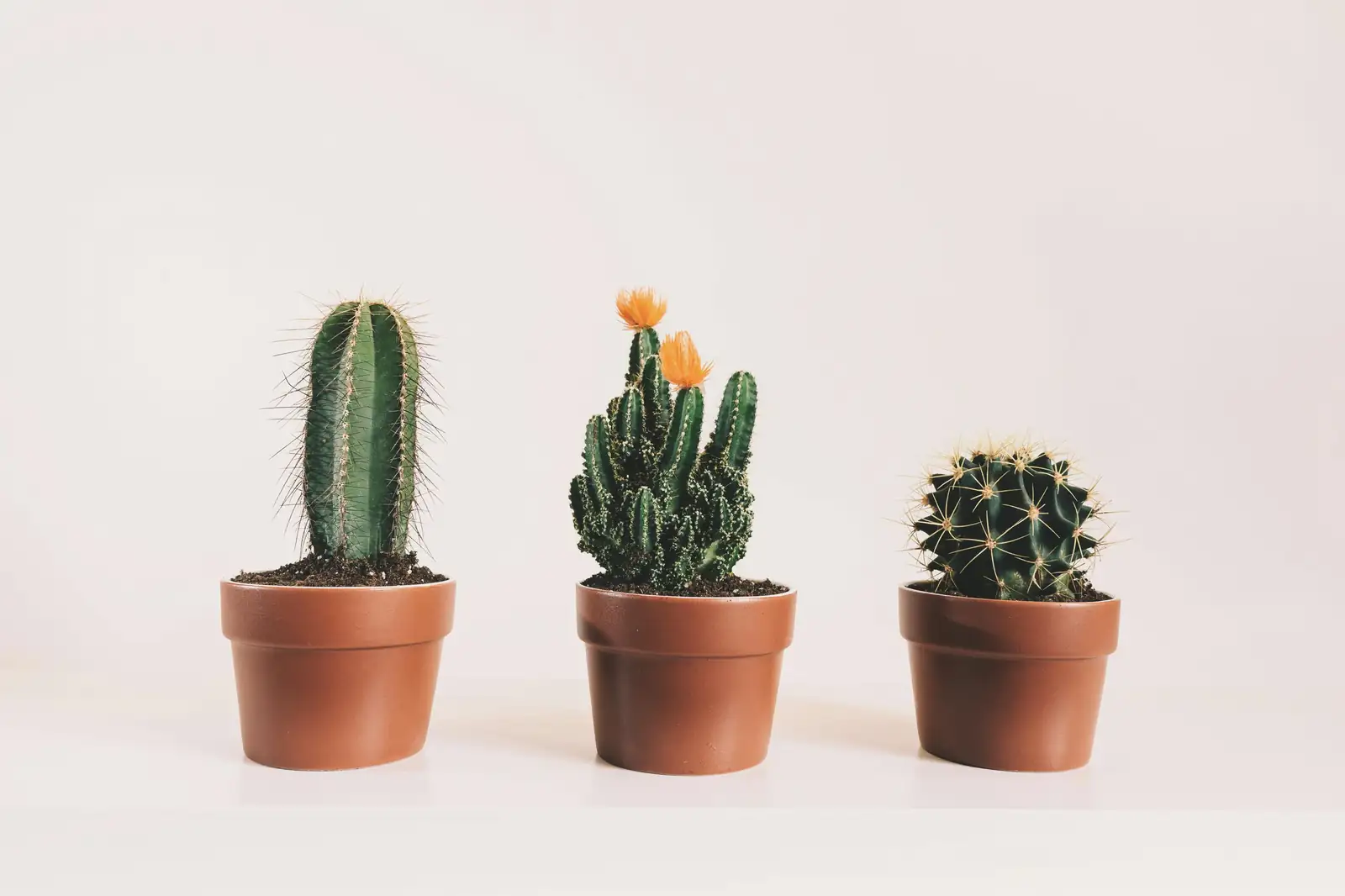
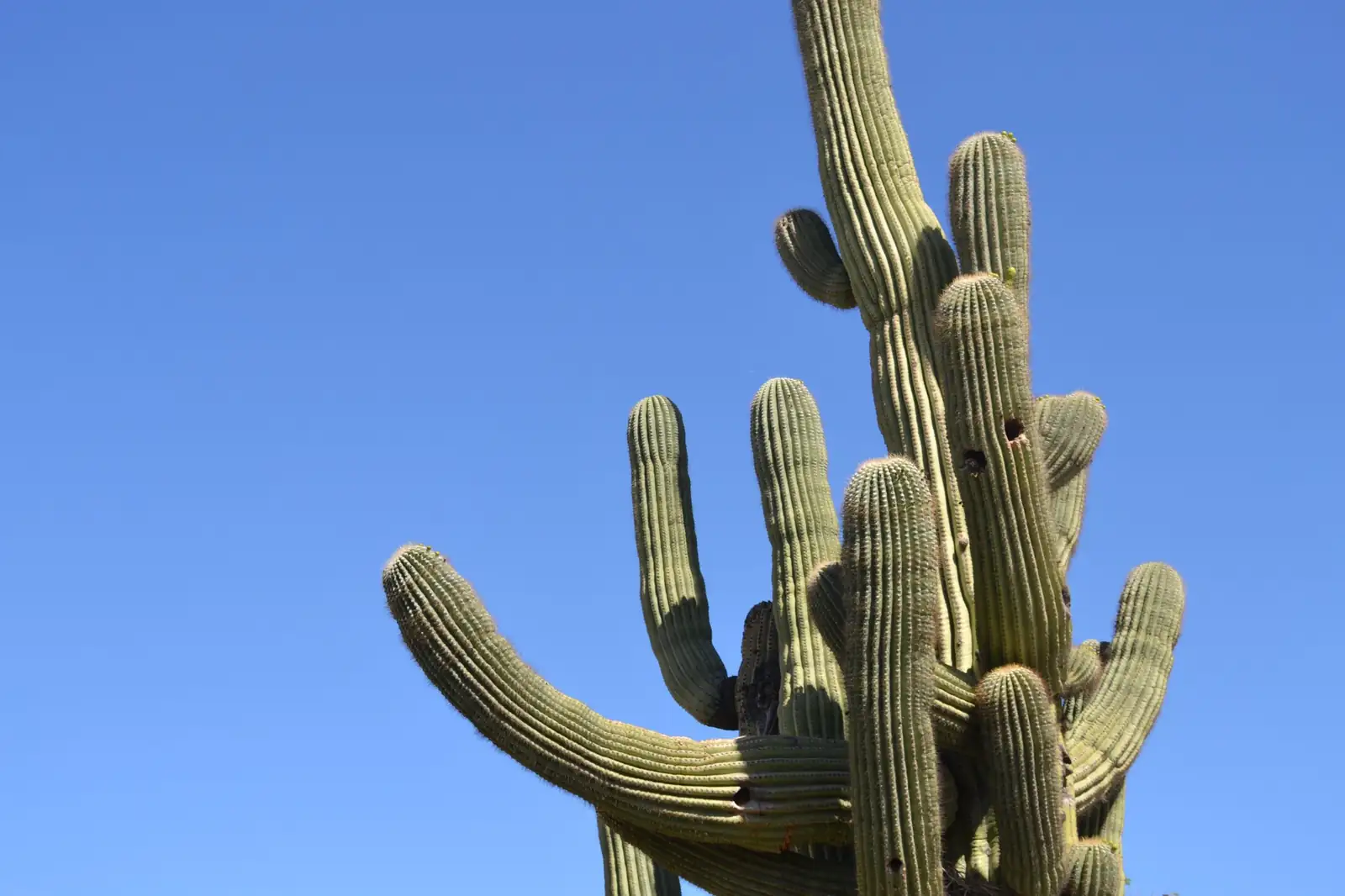
- Size: Varies widely by type: small forms about 5–15 cm (2–6 in), medium forms about 30–60 cm (12–24 in), and large species can reach several meters in height.
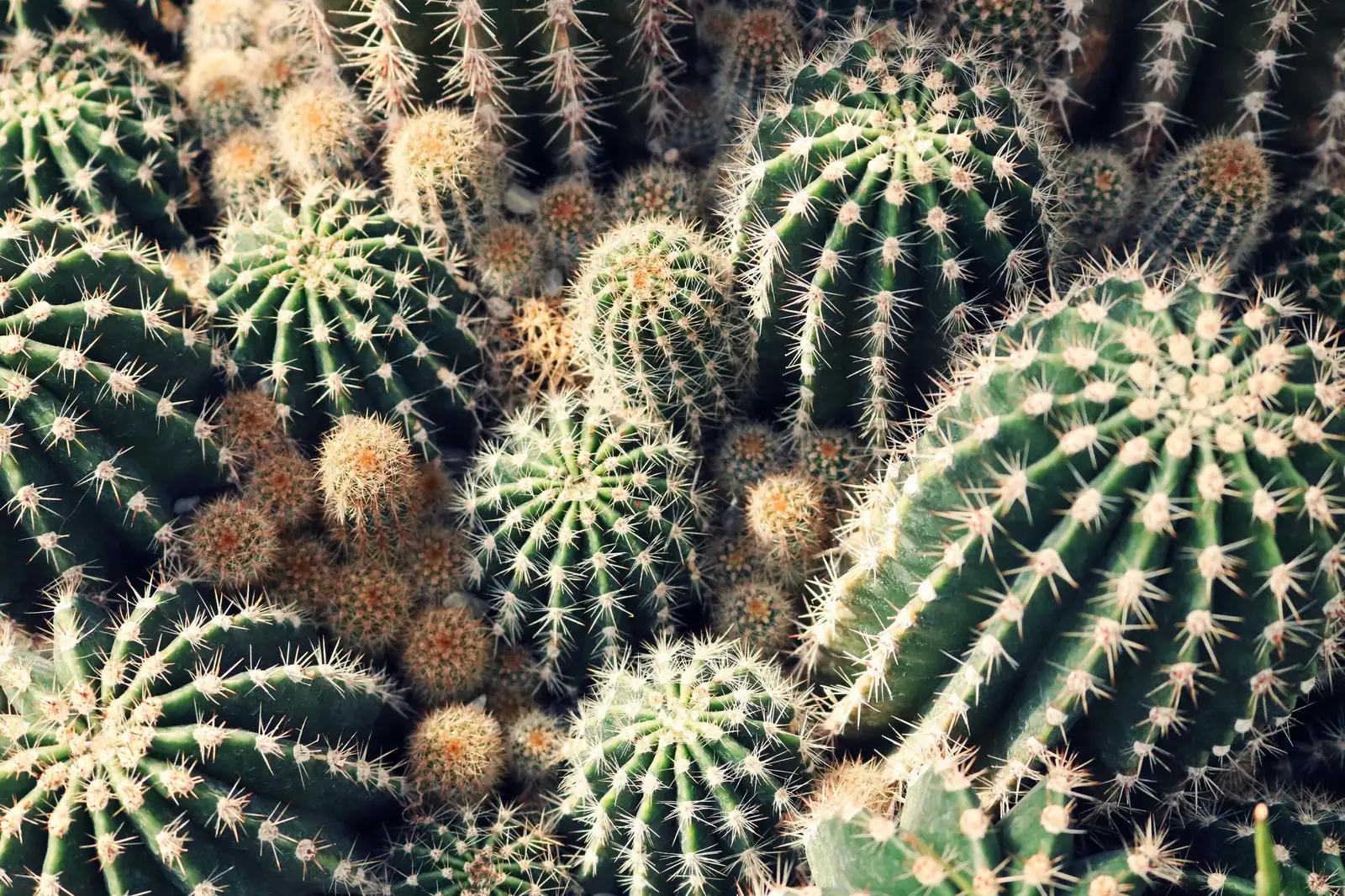
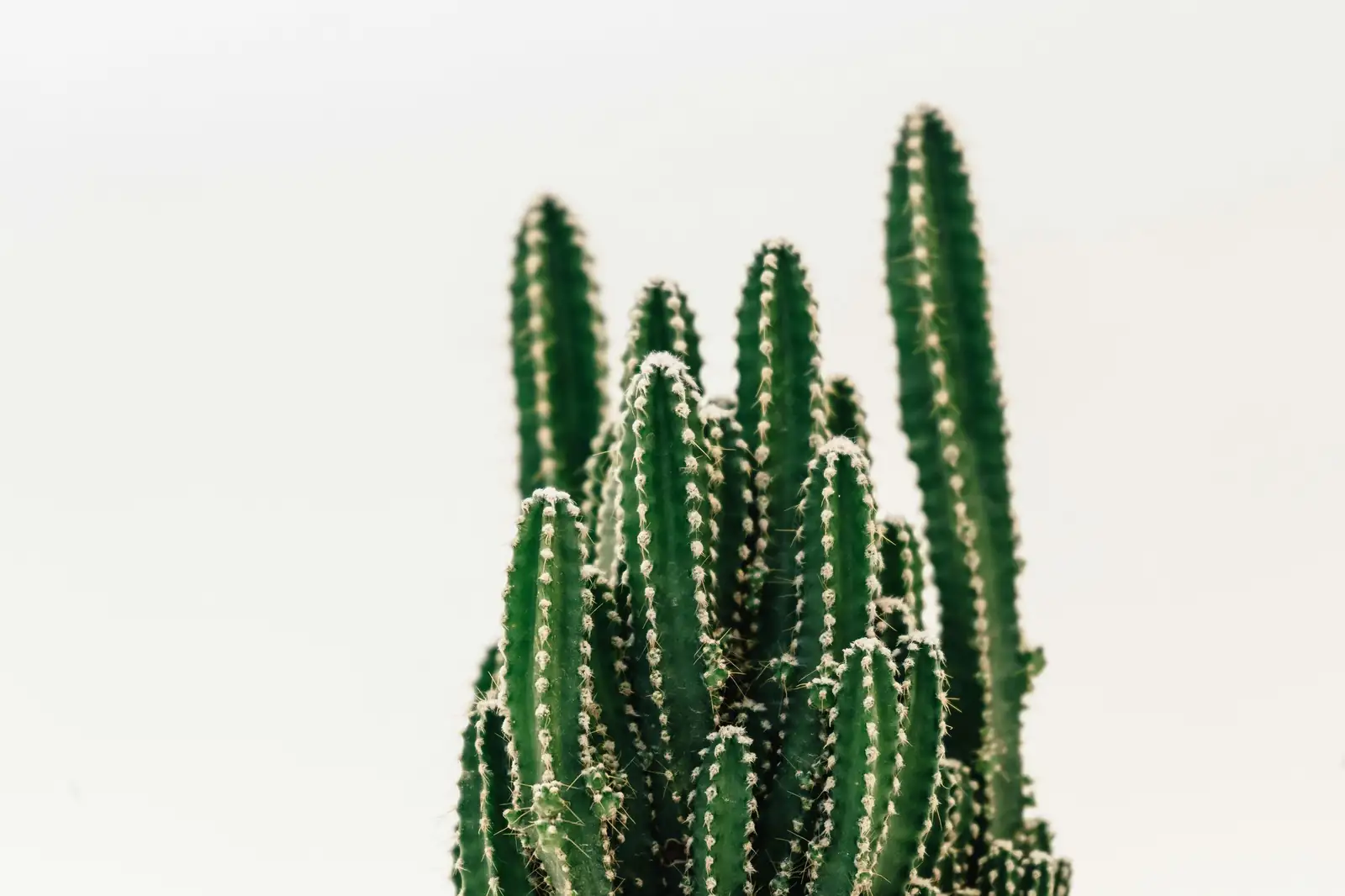
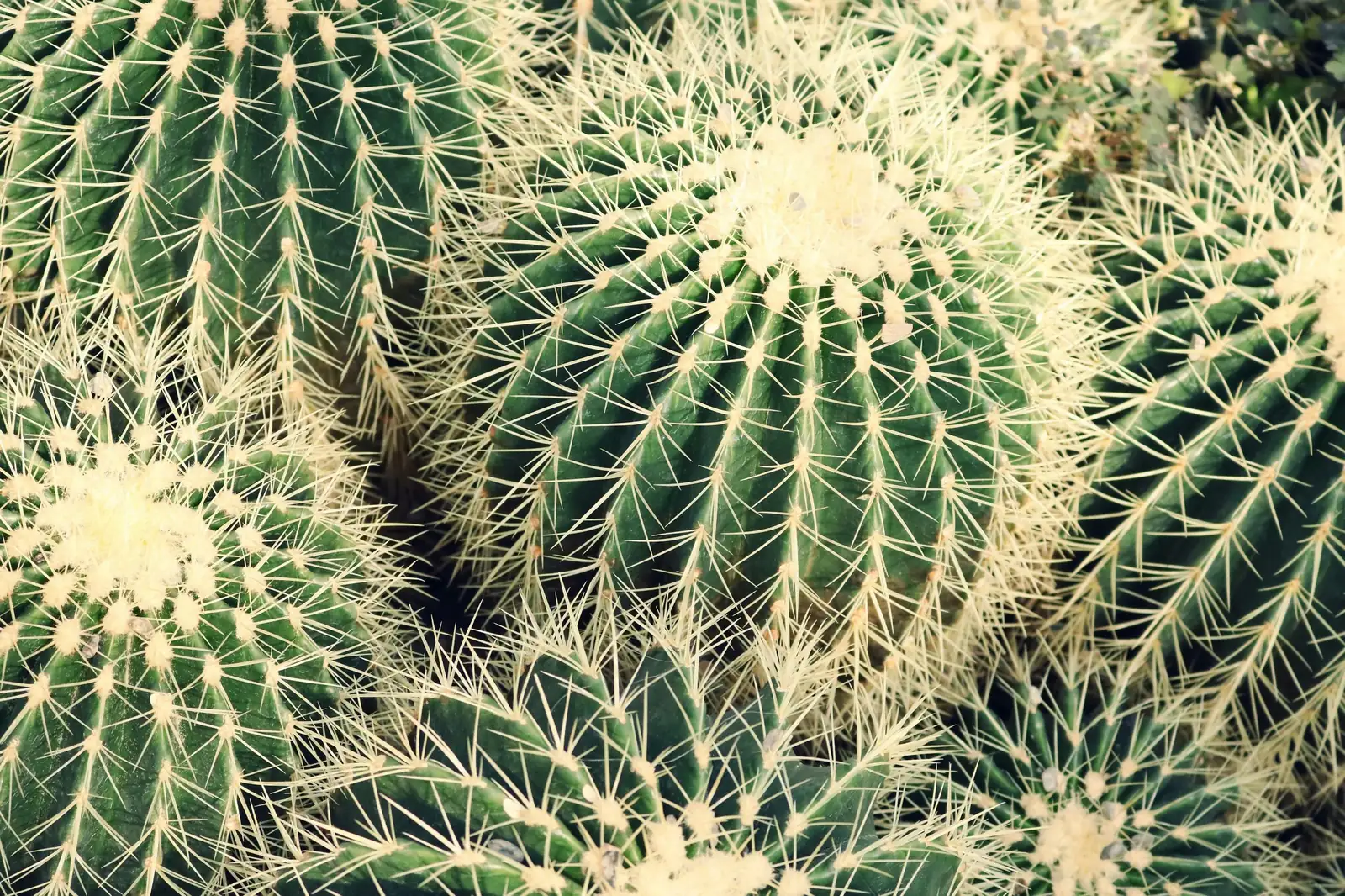
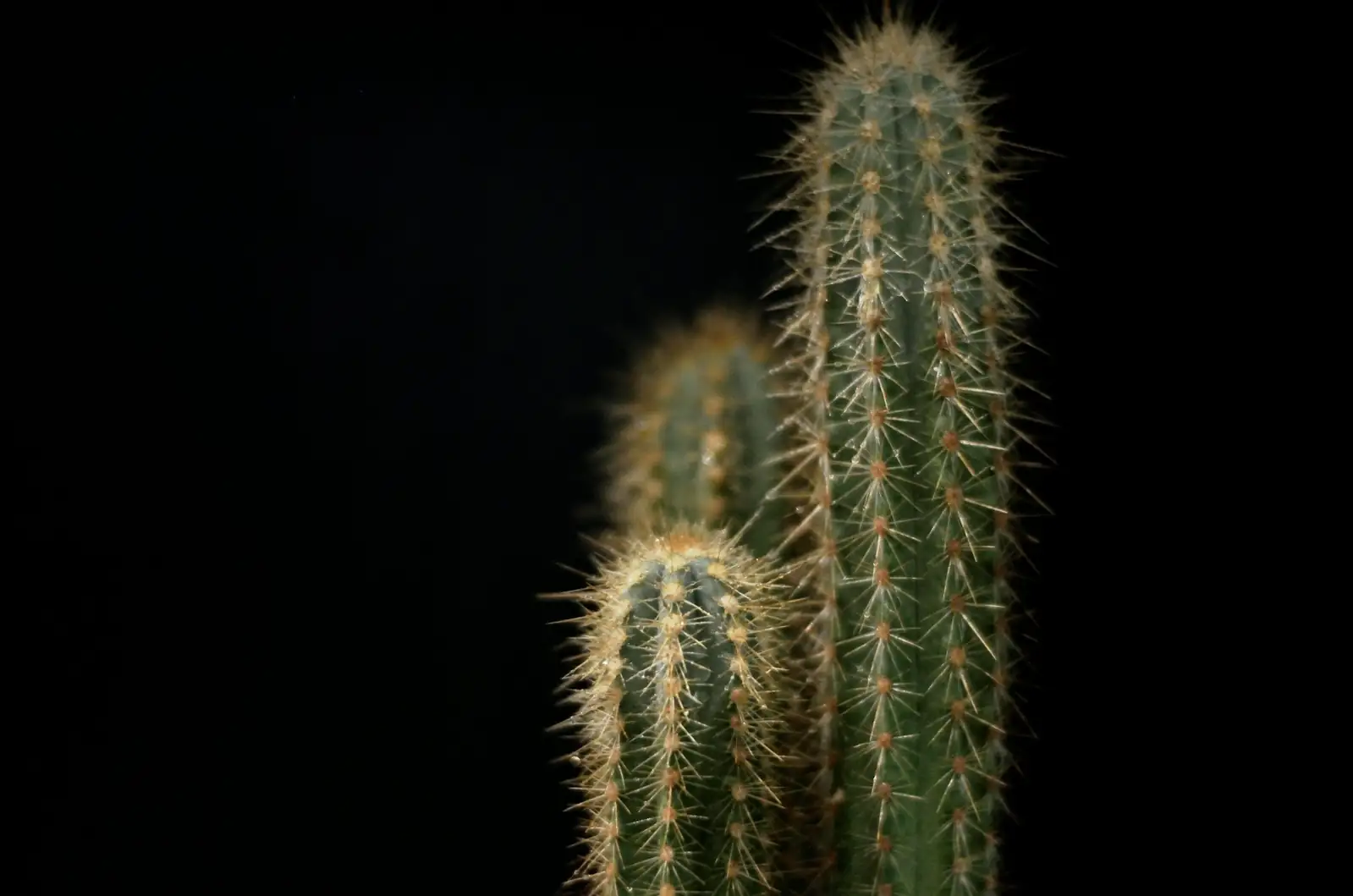
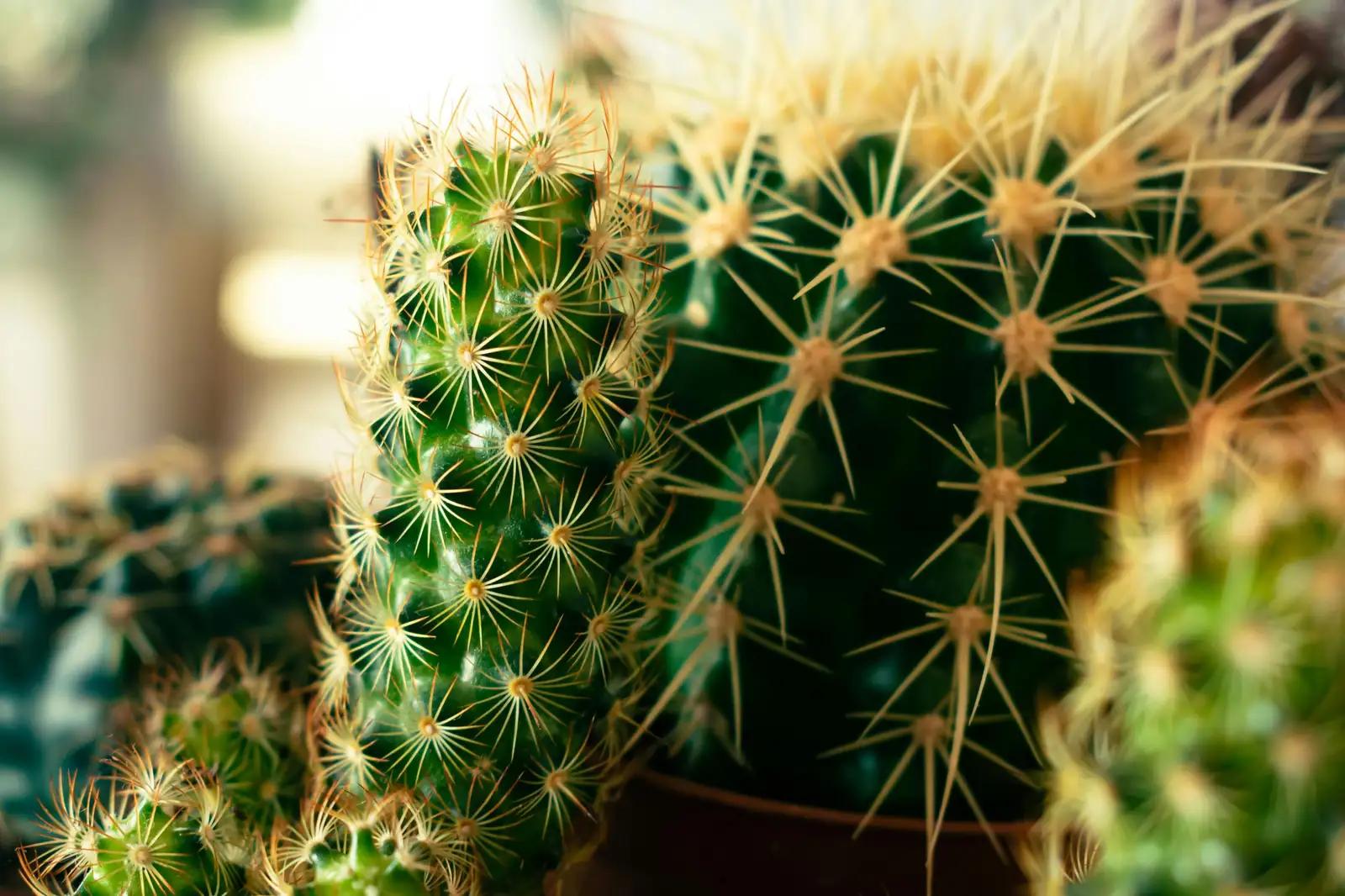
- Foliage: Leaves are reduced to spines; the “green body” you see is actually the stem. Stems are thick, fleshy, and typically green to gray‑green, shaped as globes, columns, or flat paddles depending on the type. Spines, flowers, and new growth emerge from regularly spaced areoles (small cushion-like nodes).
- Flower: Flowers can be large and showy, often about 5–10 cm (2–4 in) across, with bowl- to funnel-shaped blooms and layers of silky petals. Colors commonly include yellow, pink, red, and white. Many cactus blooms are short-lived—sometimes lasting only a day or even just hours.
- Flowering Season: Spring through summer, primarily March to July
- Growth Habit: Slow-growing; typically upright or clumping depending on the species, with strong heat and drought tolerance and excellent adaptation to arid conditions.
Environment
Sunlight
Bright, direct sunlight is best. Aim for at least 4–6 hours of full sun daily (more is often better). Too little light can cause stretching (etiolation) and poor flowering; in very hot summers, brief afternoon shade can prevent sunburn.
Temperature
Grows best around 20–30°C (68–86°F). During active growth it tolerates hotter days around 30–40°C (86–104°F) with cooler nights around 15–25°C (59–77°F). Generally not frost-hardy; in winter, keep above about 5°C (41°F).
Humidity
Prefers dry air. High humidity combined with wet soil increases the risk of rot.
Soil
Fast-draining cactus mix or sandy, gritty soil. A good blend is loose and airy (often amended with sand and/or perlite) so water never lingers around the roots.
Placement
Sunny windowsill, bright balcony/patio, or any spot with strong light and good airflow. Indoors, keep it away from high-traffic areas where spines might snag skin or clothing.
Hardiness
Best for warm, dry climates; many commonly grown types fit USDA Zones 9–11 outdoors, and need frost protection in colder regions.
Care Guide
Difficulty
Very easy overall—excellent for beginners. The biggest challenge is resisting overwatering, since cacti handle neglect far better than soggy soil.
Buying Guide
Pick plants with firm, plump stems, healthy color, and no soft spots, blackened areas, or signs of rot (especially near the base). Areoles/spines should look intact, and the plant should feel stable in its pot—wobbling can hint at root problems.
Watering
Use the “soak and dry” approach: water thoroughly, then wait until the potting mix is completely dry before watering again. Typical rhythm: spring/fall every 2–4 weeks; summer can be weekly in intense heat if the mix dries quickly; winter every 4–6 weeks or even less. Overwatering is the #1 cause of failure—always prioritize drainage.
Fertilization
Feed only in the growing season (spring–summer), about 1–2 times per month with a cactus fertilizer or diluted liquid feed at 1/4–1/2 strength. Reduce or stop in fall and winter when growth slows or dormancy sets in.
Pruning
Usually unnecessary. Remove only dead, damaged, rotting, or severely stretched sections. Use sterilized tools and gloves, make clean cuts, and let wounds dry/callus before exposing to moisture.
Propagation
Commonly by cuttings, offsets, or seed. For cuttings (often best in May–June): take a healthy pad/stem, let it callus for about 2–3 days, then set into dry cactus mix. Begin light watering after about 10–14 days once roots start forming. Offsets can be separated and replanted; seeds are slower but rewarding.
Repotting
Infrequent—about every 3–5 years, or when roots clearly outgrow the pot. Repot in spring or early summer into a container with drainage holes, only slightly larger than the previous pot, using fresh cactus mix.
📅 Seasonal Care Calendar
Spring (Mar–May): growth resumes—water more often, fertilize monthly, best time to repot and propagate. Summer (Jun–Aug): keep strong light and airflow; protect from scorching afternoon sun in extreme heat; adjust watering to drying speed. Fall (Sep–Nov): taper watering and stop feeding to prepare for rest. Winter (Dec–Feb): dormancy—minimal water, no fertilizer, keep bright light and temperatures above about 5°C (41°F).
Pests, Diseases & Safety
Common Pests & Diseases
Generally hardy, but can get mealybugs, scale, or spider mites (wipe with alcohol on a cotton swab, or use insecticidal soap). The most serious issue is root/stem rot from excess water or poor drainage—reduce watering, improve airflow, remove affected tissue promptly, and repot into a dry, fresh mix if needed.
Toxicity
Most cacti are considered non-toxic to people and pets, though sap may irritate sensitive skin. The main risk is physical injury from spines (puncture wounds), so place thoughtfully around children and animals.
Culture & Symbolism
Symbolism: Cacti are a symbol of resilience and endurance—thriving where other plants would struggle. They’re also associated with protection (thanks to those spines) and, in many traditions, a quiet kind of steadfast love and support.
History & Legends: Cacti have deep roots in Indigenous cultures across the Americas, especially in Mexico. A famous Aztec legend tells of an eagle perched on a cactus, a sign that led to the founding of Tenochtitlan (modern Mexico City)—an image that still appears on Mexico’s flag. For centuries, people have relied on cacti for food, remedies, building materials, and ceremonial uses.
Uses: Ornamental: prized as bold architectural houseplants and landscape plants. Edible: some Opuntia (prickly pear) provide edible pads (nopales) and fruits. Traditional remedies: used in folk medicine for issues such as minor wounds and digestive complaints (use responsibly and with local guidance). Environmental: offer shelter and food for desert wildlife; historically linked to cochineal dye production on certain Opuntia species.
FAQ
How often should I water my cactus?
Water only when the soil is fully dry. A common schedule is every 2–4 weeks in spring/fall, more often in summer if it dries quickly, and every 4–6 weeks (or less) in winter. When in doubt, underwater rather than overwater.
Why is my cactus turning soft and mushy?
Most often it’s overwatering and rot. Stop watering, check roots and the base, remove rotted parts, and repot into fresh, dry cactus mix with excellent drainage. Cold damage can also cause soft tissue.
Do cacti need sunlight?
Yes—bright, direct sun is key. Aim for at least 4–6 hours daily. Low light causes stretching and weak growth, and usually prevents flowering.
Can I keep a cactus in my bedroom?
Yes, as long as it gets enough light (a bright window is ideal). Just place it where you won’t brush against spines, especially at night.
How do I get my cactus to bloom?
Give it strong light, avoid overwatering, and provide a winter rest: cooler temperatures, bright light, and much less water. Many species also respond well to day/night temperature swings.
Fun Facts
- Cactus spines are modified leaves, evolved to reduce water loss and protect the plant.
- Many cactus flowers are famously fleeting—some open for only a single day (or less).
- There are 2,000+ cactus species, and they’re naturally native to the Americas.
- The cactus on Mexico’s flag refers to the Aztec founding legend of Tenochtitlan.
- Some cacti can live for well over a century under the right conditions.