Plant Features
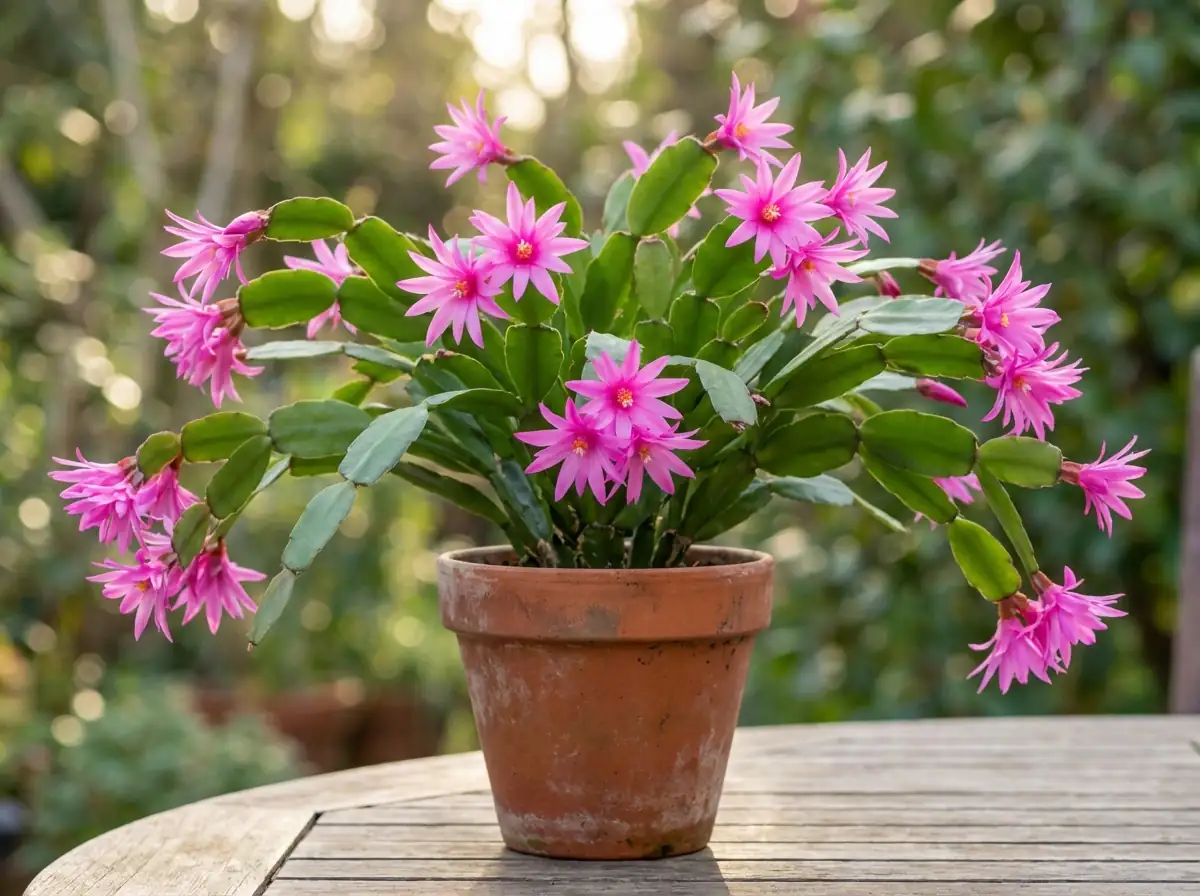
- Size: Mature size about 15–30 cm (6–12 in) tall and 30–60 cm (1–2 ft) wide, often forming a bushy, slightly trailing mound over time.
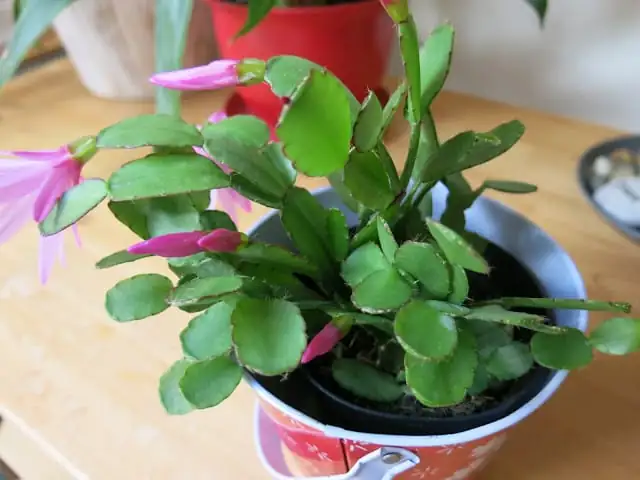
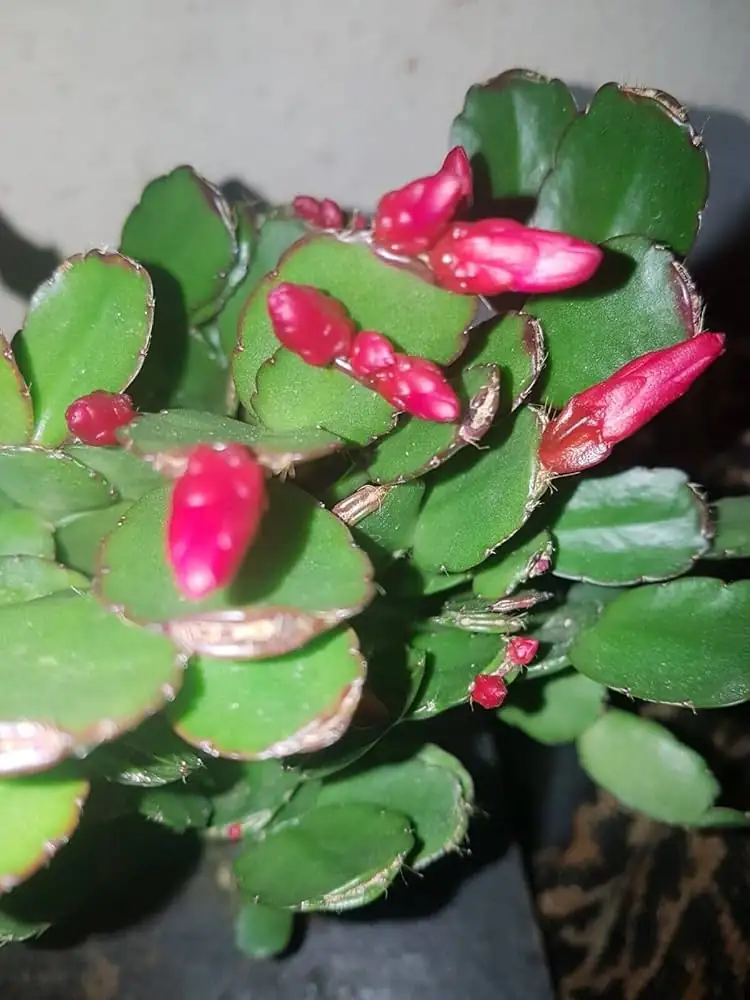
- Foliage: The “leafy” look is actually made of flat, fleshy stem segments (typically 4–7 cm / 1.6–2.8 in long and about 2 cm / 0.8 in wide). Segments are oblong with gently scalloped edges and small areoles that carry short bristles. New growth can blush purplish-red, maturing to green with reddish edging in good light.
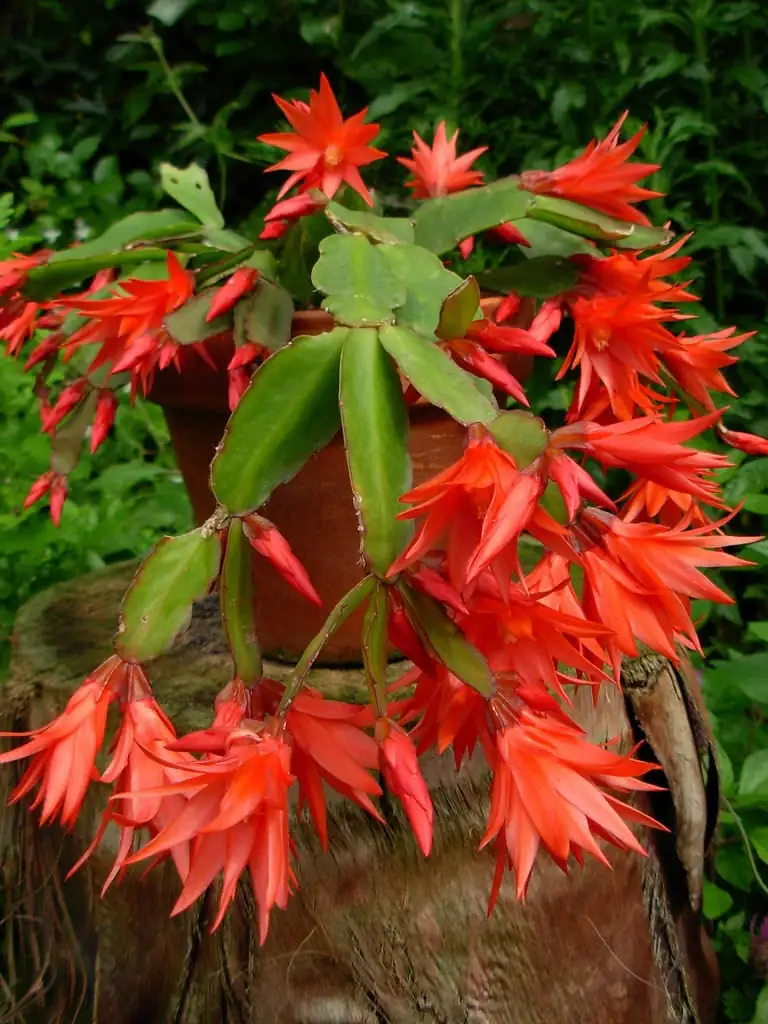
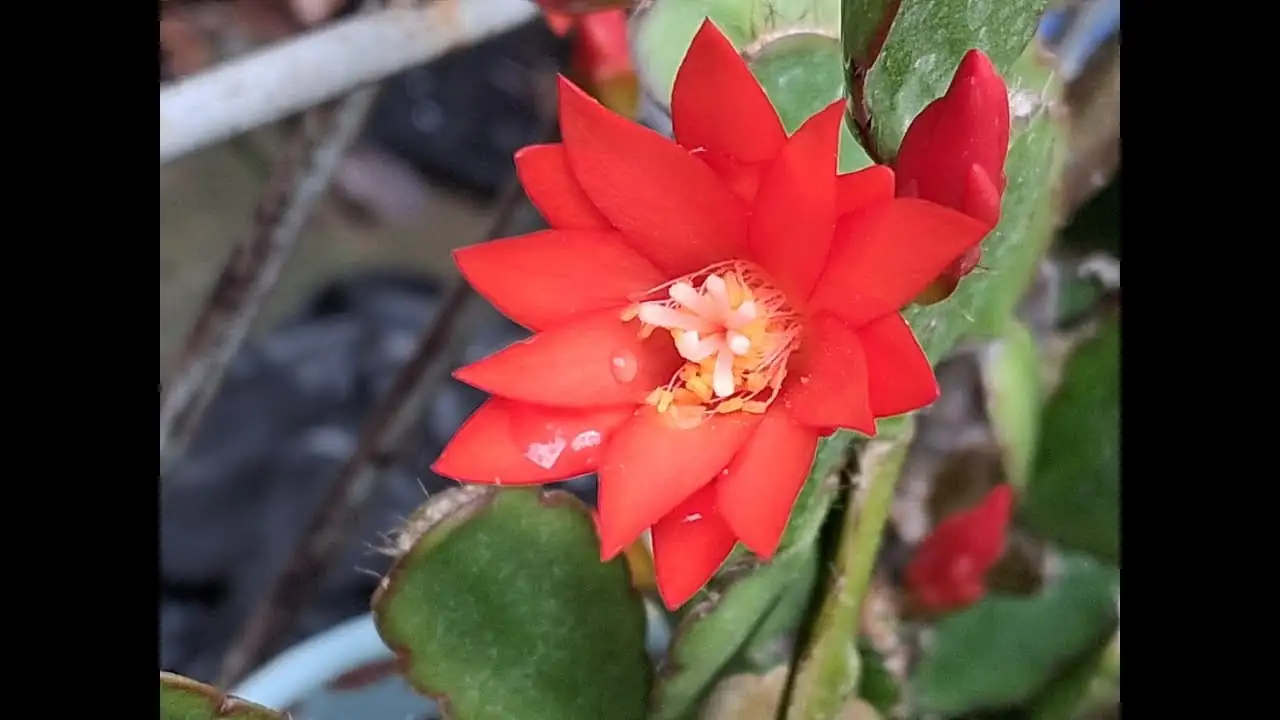
- Flower: Blooms form at the tips of the segments. Flowers are noticeably star-shaped, with around 10 petal-like segments and a short floral tube. Colors commonly include red, pink, orange, purple, and white, with pale yellow stamens visible when fully open. Flowers typically open in daytime and close at night; a well-grown plant can carry many blooms at once.
- Flowering Season: Spring (typically March–May, often around Easter)
- Growth Habit: Bushy, semi-trailing, epiphytic habit; excellent in hanging baskets or spilling slightly over a pot rim.
Environment
Sunlight
Bright, indirect light or partial shade. Avoid harsh direct sun, which can scorch the segments; a little gentle morning sun is usually tolerated indoors if acclimated.
Temperature
Best growth at 15–24°C (60–75°F). Protect from cold; avoid below about 5°C (41°F). For bud initiation, it benefits from cooler nights around 10–15°C (50–60°F) and a noticeable day–night temperature drop.
Humidity
Enjoys higher humidity—aim for ~50%+ if possible (especially with indoor heating). Occasional misting, pebble trays, or a humidifier can help.
Soil
A fast-draining, airy epiphyte-style mix: cactus/succulent mix cut with perlite plus orchid bark works well. Slightly acidic is preferred (around pH 6.0–6.5). Drainage is essential to prevent root rot.
Placement
Indoors: bright windowsill with filtered light, or 1.5–2.5 m (5–8 ft) back from a strong south/west window. Humid rooms like a bright bathroom can be ideal. Outdoors (warm climates only): sheltered shade.
Hardiness
USDA Zone 10–12; not frost tolerant.
Care Guide
Difficulty
Easy to moderate—very doable for beginners once you treat it like a rainforest epiphyte rather than a desert cactus.
Buying Guide
Pick a plant with firm, plump segments and no mushy spots or widespread discoloration. Buds are a bonus, but be aware that moving a plant in bud (store to home) can cause bud drop. Slight reddish edging can be a sign of good light and vigor.
Watering
Water thoroughly, then let excess drain away—never let the pot sit in water. Let the mix dry partially between waterings (top layer dry, but not bone-dry for long). During active growth (spring through fall), keep it lightly and evenly moist, not soggy. While in bloom, don’t allow it to dry out completely. After flowering, give a short 2–3 week rest with less water. In late fall to early winter, reduce watering to help prepare for bud set.
Fertilization
Feed during active growth with a balanced fertilizer (e.g., 10-10-10 or 15-15-15), typically monthly, or every 2–4 weeks at half strength. Start fertilizing about 4–6 weeks after flowering finishes. When buds are forming, slightly higher phosphorus can help. Stop feeding in fall and winter dormancy.
Pruning
Optional, but helpful for shaping and encouraging branching (more tips = more flowers). Prune right after flowering by twisting or cutting off end segments at the joints. Avoid pruning in fall/winter when buds are being initiated.
Propagation
Very easy from stem cuttings. Take 2–3 segment tips about 2–3 months after blooming; let the cut end dry/callus for 1–2 days, then insert into a lightly moist, airy mix (bury about half of the bottom segment). Roots usually form in ~2–4 weeks. Division is also possible. (It can also be grafted onto other cacti in cultivation.)
Repotting
Repot every 2–3 years, ideally in spring after blooming. It likes being slightly pot-bound; if upsizing, choose a pot only about 5–8 cm (2–3 in) wider. Terracotta/clay pots can help with airflow and drying.
📅 Seasonal Care Calendar
Spring: peak bloom (Mar–May); keep evenly moist, bright filtered light, and higher humidity. Summer: protect from strong sun; continue watering and feeding; can vacation outdoors in warm, shaded shelter. Fall: gradually reduce watering and stop fertilizing to set up dormancy. Winter/late winter (about 6–8 weeks before desired bloom): cooler nights around 10–13°C (50–55°F) plus long, uninterrupted darkness (about 12 hours) and lighter watering to encourage buds.
Pests, Diseases & Safety
Common Pests & Diseases
Watch for mealybugs, scale, spider mites, and fungus gnats (often linked to overly wet soil). The biggest issue is root rot from poor drainage or overwatering. Good airflow, an airy mix, and letting the pot drain well prevent most problems.
Toxicity
Generally considered non-toxic to humans, cats, and dogs, though chewing any houseplant may cause mild stomach upset in pets.
Culture & Symbolism
Symbolism: A classic symbol of spring renewal and hope—its timely blooms feel like a little celebration of brighter days returning.
History & Legends: First loved as a houseplant in the early 1900s as collectors began cultivating Brazil’s rainforest epiphytic cacti. Its changing scientific names in older references reflect how botanists have re-sorted this group over time.
Uses: Primarily ornamental—perfect for hanging baskets, tabletops, and bright bathrooms. Its spring flower show makes it a popular seasonal gift. Like many succulents, it uses CAM photosynthesis (taking in CO₂ at night).
FAQ
What’s the difference between Easter Cactus and Christmas Cactus?
Easter Cactus typically has smoother, scalloped segment edges and star-shaped flowers, blooming in spring. Christmas/Thanksgiving cacti usually have more pointed “teeth” on the segments and more tubular, asymmetrical flowers, blooming in late fall to winter.
Why isn’t my Easter Cactus blooming?
The usual culprits are too little light, no cool-night period, not enough uninterrupted darkness, or a warm winter. Aim for about 6–8 weeks of cooler nights around 10–13°C (50–55°F), roughly 12 hours of darkness, and lighter watering to trigger buds.
How often should I water it?
There’s no single schedule—water when the top portion of the mix dries. In many homes that’s about every 1–2 weeks, more often in bloom and in warm bright conditions, and less during the post-bloom rest and winter.
Can I put it outdoors?
Yes, as long as it’s warm and shaded. In USDA Zones 10–12 it can stay out year-round in sheltered shade. In cooler climates, move it outside in summer but bring it in well before temperatures approach 5°C (41°F).
How long can an Easter Cactus live?
With steady care, it can live for many years (often 10+), getting fuller and blooming more heavily as it matures.
Fun Facts
- Its flowers open in daylight and close at night.
- It’s a cactus from rainforests—so it appreciates humidity and an airy mix more than desert-style drought.
- In nature it can grow on trees or rocks as an epiphyte, taking advantage of leaf litter and rainwater rather than deep soil.
- A happy, mature plant can carry dozens of blooms at once, with a flowering display that can last several weeks.
- You may see it listed under different scientific names in older books due to reclassification.