Plant Features
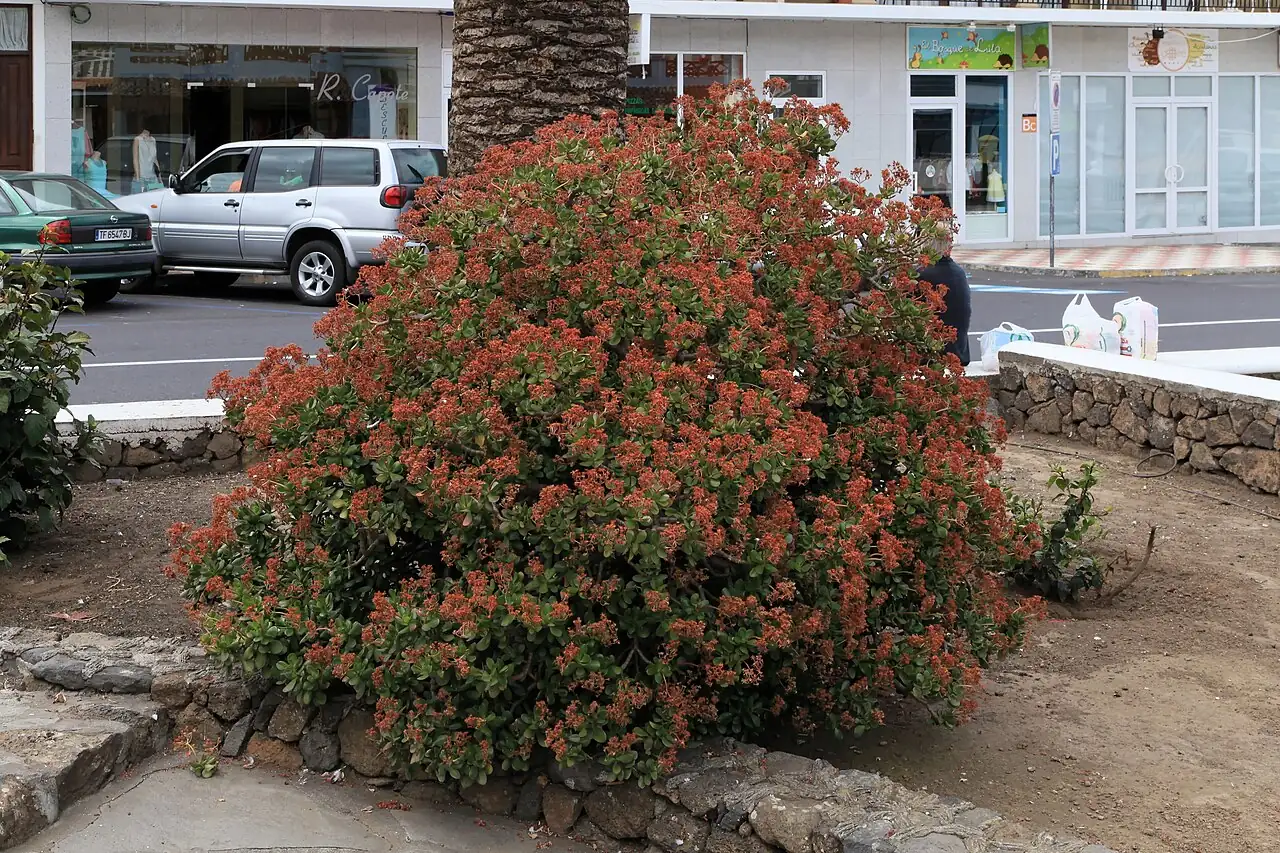
- Size: Typically 60–100 cm (24–39 in) tall and about 60–100 cm (24–39 in) wide in containers; can be kept smaller and bushier with pruning.
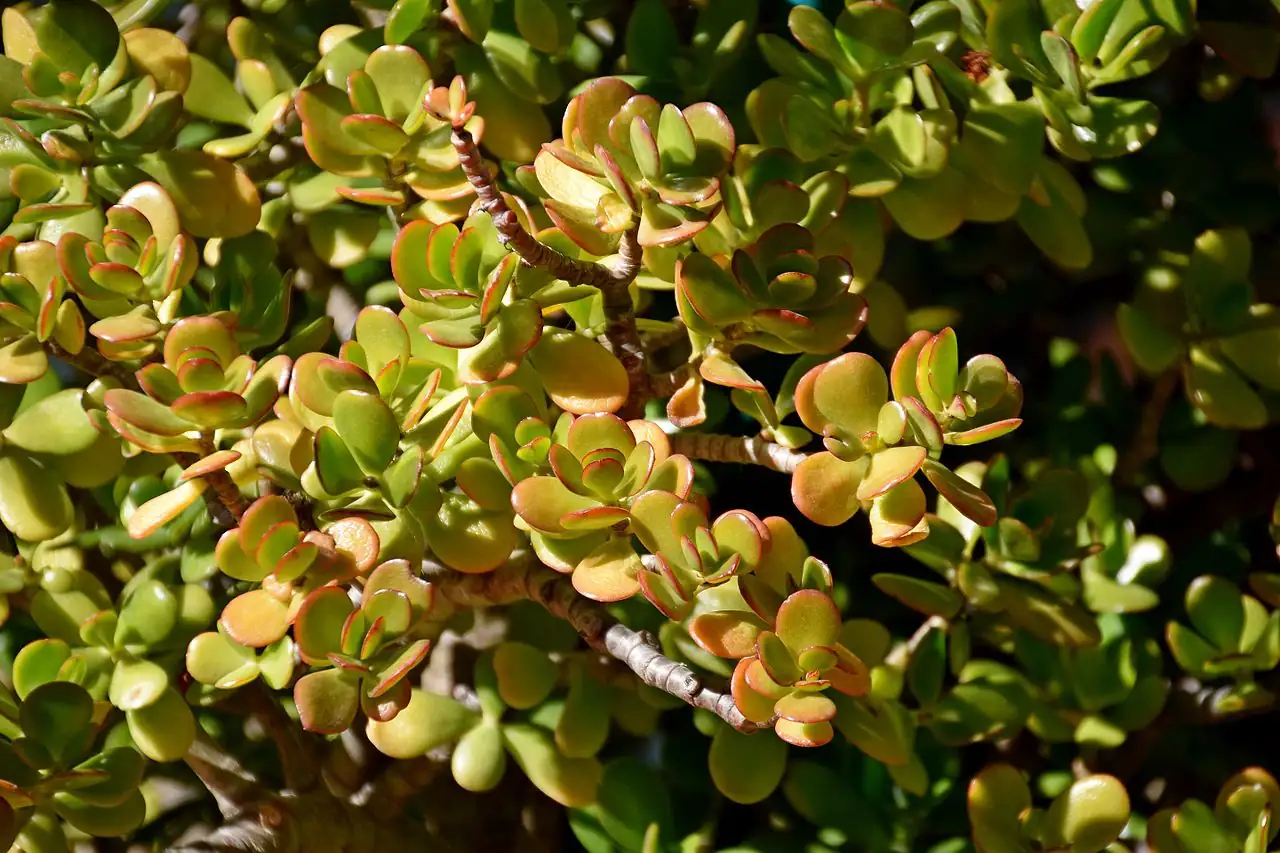
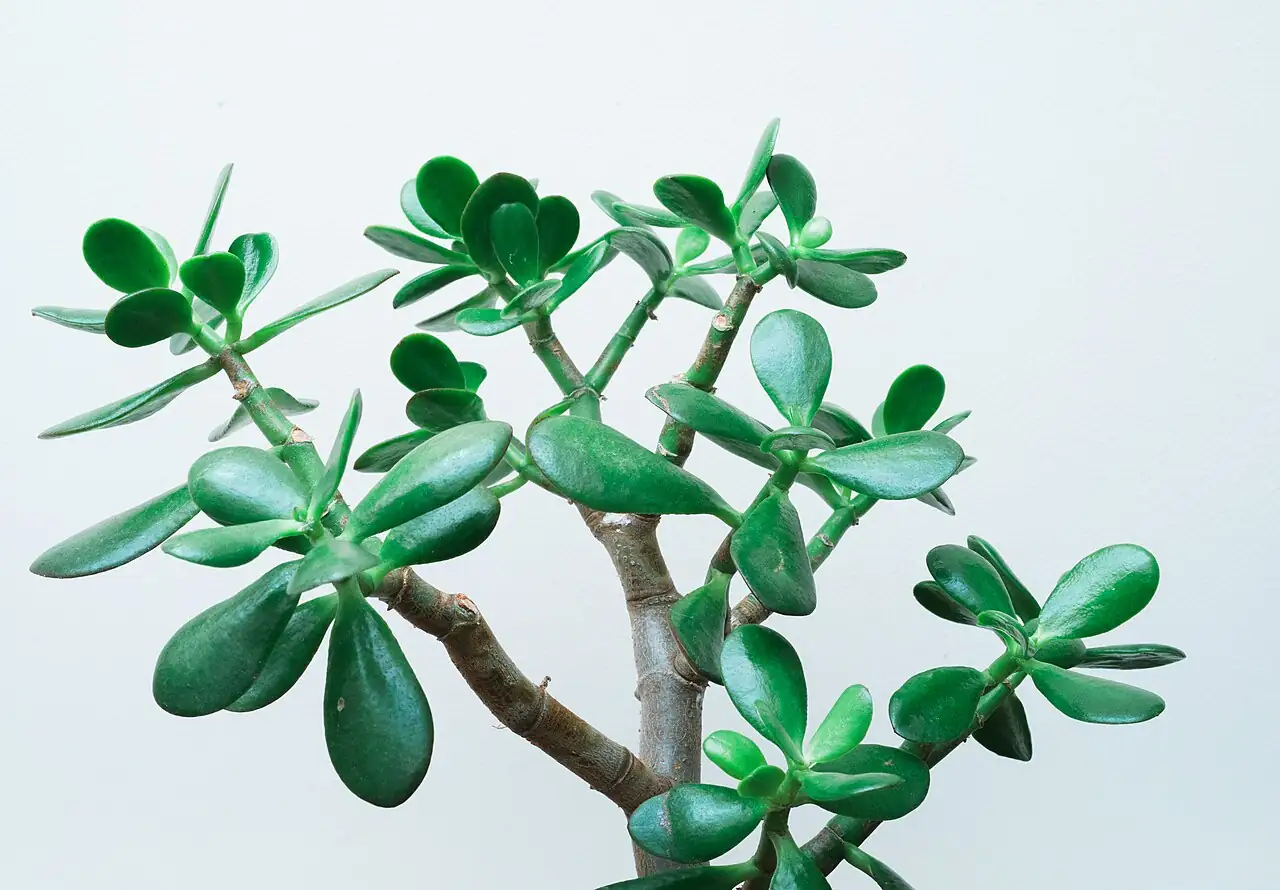
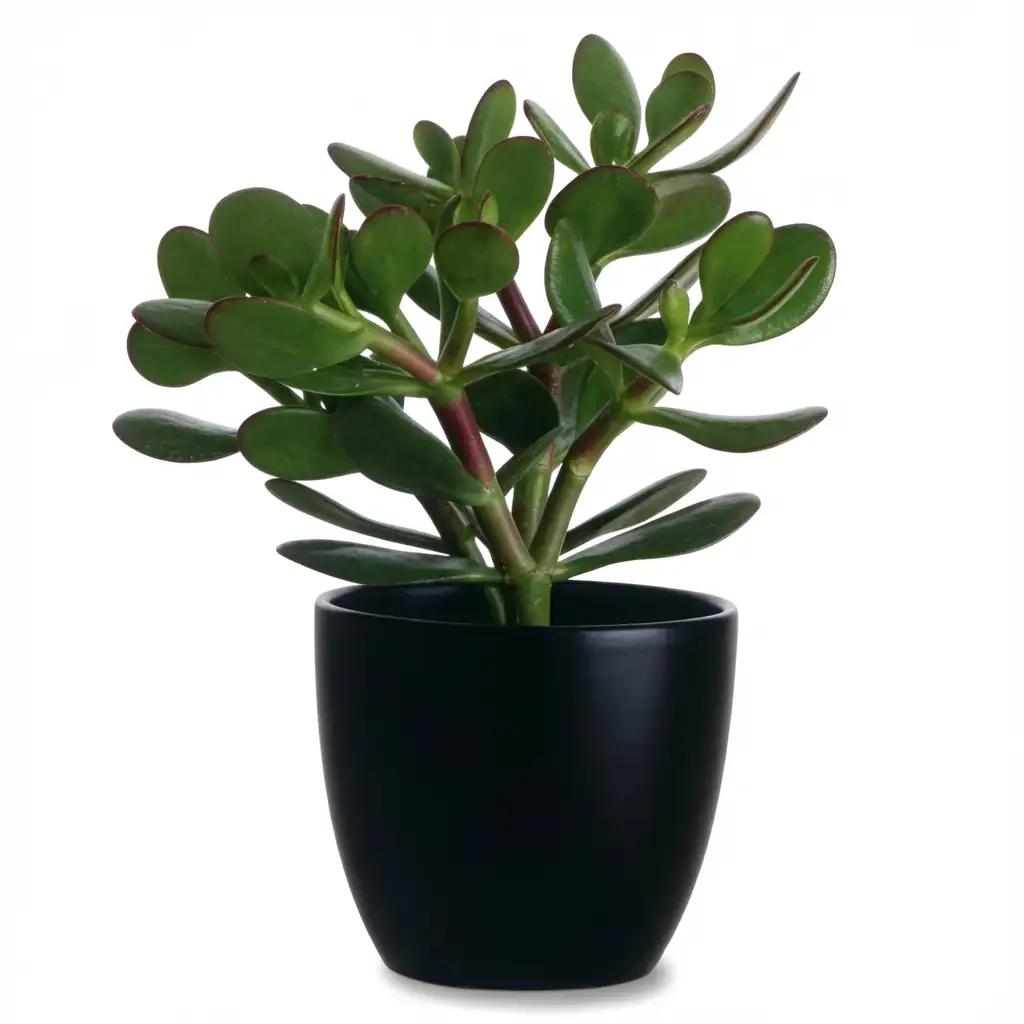
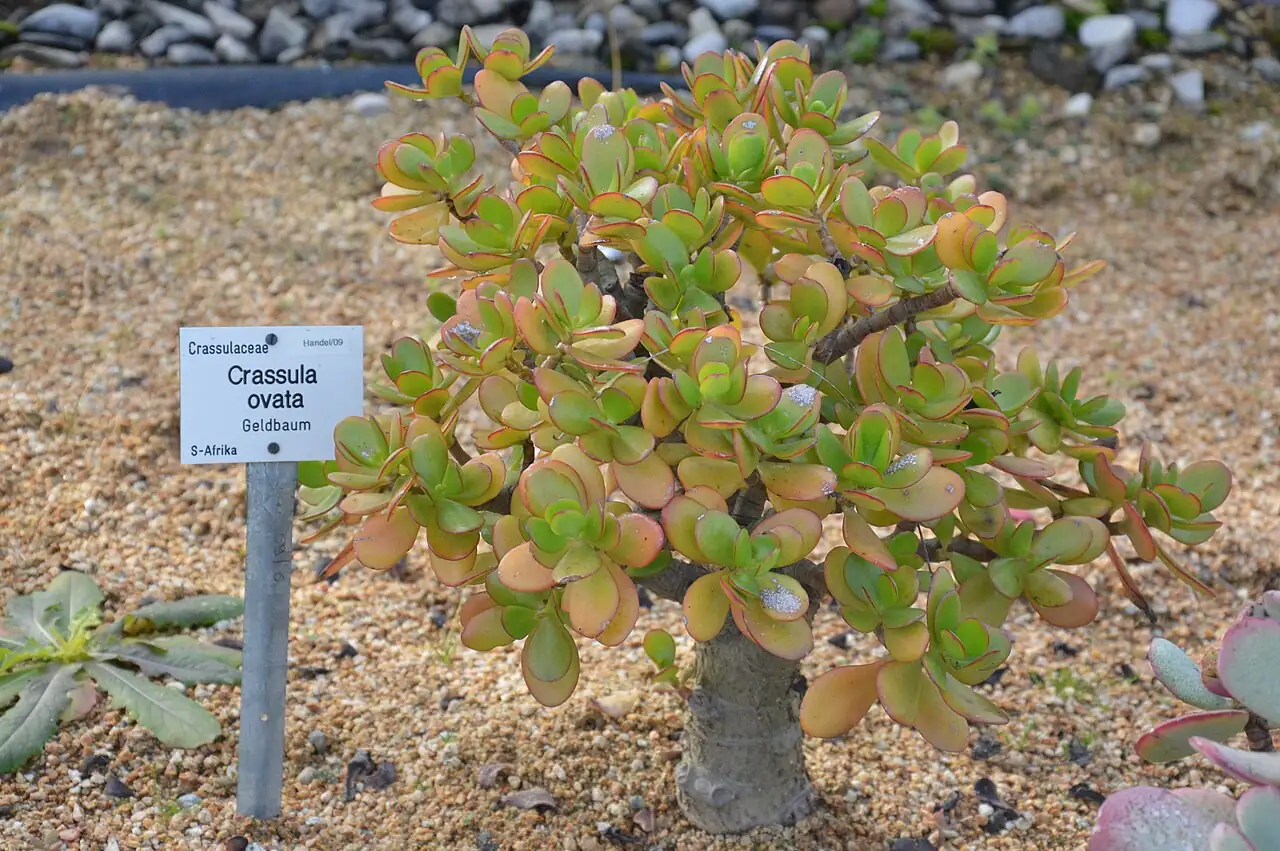
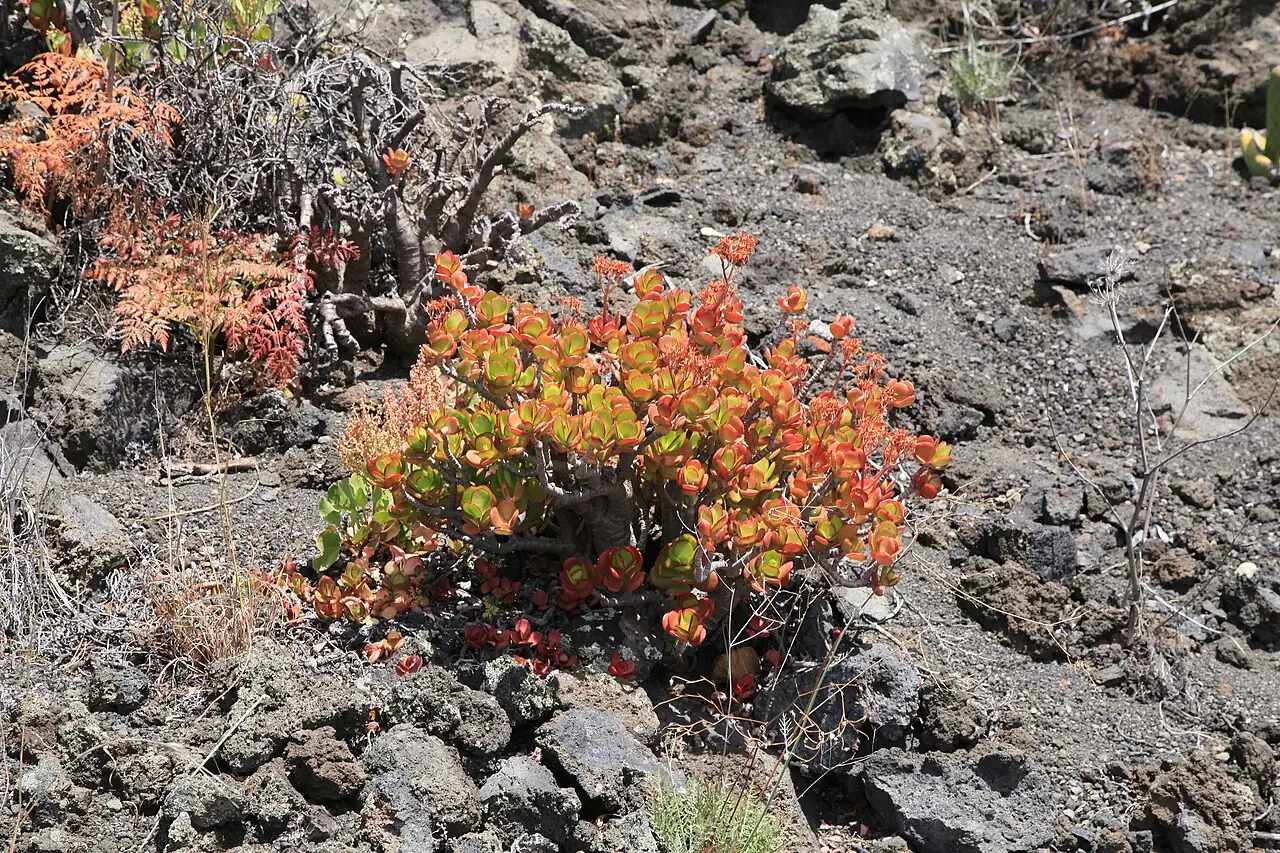
- Foliage: Thick, oval, fleshy leaves that are glossy green; leaf margins can turn red or blush under brighter light and cooler nights.
- Flower: Small, star-shaped flowers (usually white to pale pink) borne in clusters. Blooming is most likely on mature plants, especially with bright light and a cooler, drier winter rest; indoor flowering can be unpredictable.
- Flowering Season: Winter to early spring (indoors flowering is variable).
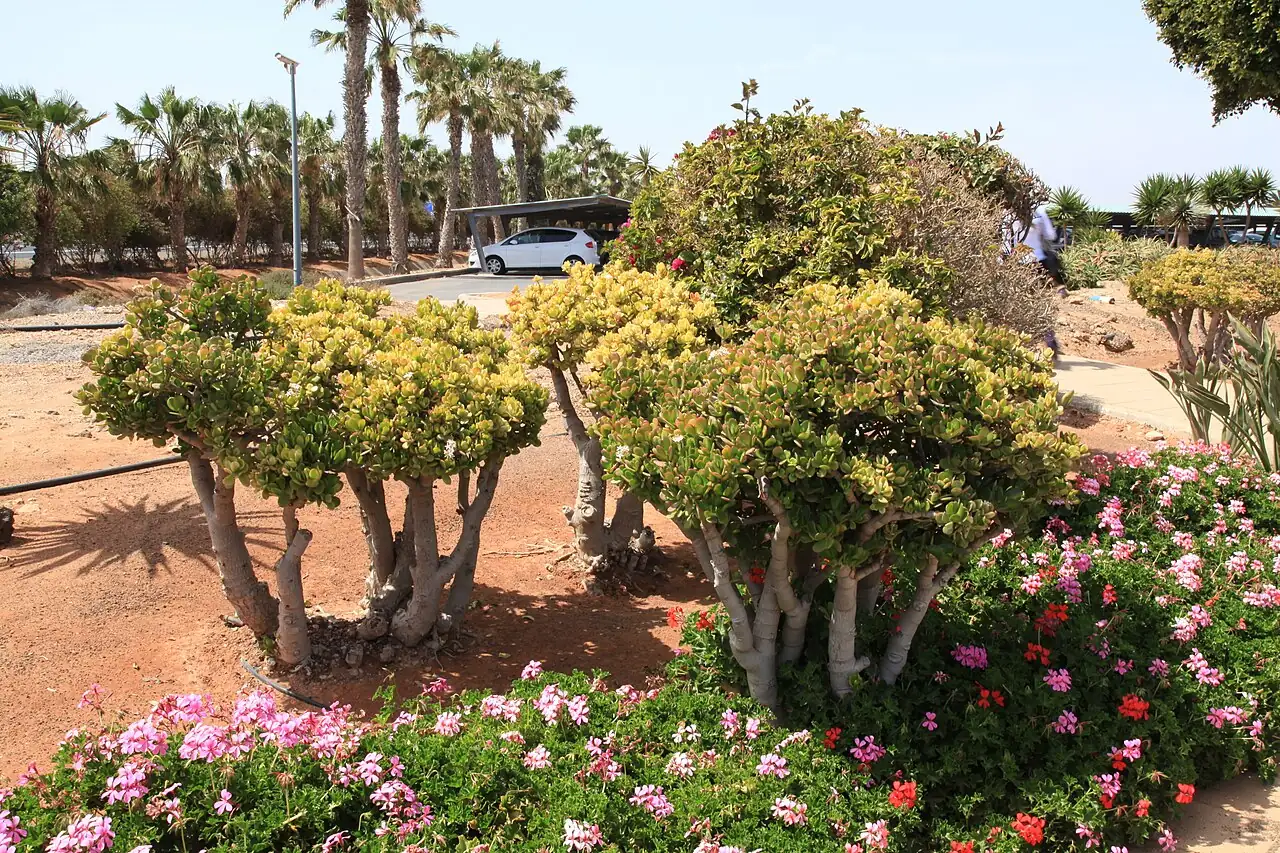
- Growth Habit: An upright, shrubby succulent that becomes woody and tree-like with age; thick, branching stems.
Environment
Sunlight
Bright light is best; full sun to partial sun. Indoors, place it at the sunniest window you have to prevent stretching and keep growth compact.
Temperature
Ideal 15–25°C (59–77°F). Protect from frost; keep above 5°C (41°F).
Humidity
Low to average indoor humidity. Avoid constantly damp conditions and stagnant air.
Soil
Fast-draining cactus/succulent mix. A simple approach is potting substrate mixed with sharp sand at about 3:1, or amended with perlite/pumice for extra drainage.
Placement
Sunny windowsill indoors; a bright balcony or patio in warm seasons. Shelter from cold drafts and winter frost.
Hardiness
USDA Zone 11–12 outdoors; not frost-hardy and typically grown as a houseplant in cooler climates.
Care Guide
Difficulty
Easy and beginner-friendly—its main weakness is overwatering.
Buying Guide
Pick a plant with firm, plump leaves and sturdy stems. Avoid soft or blackened bases, mushy leaves, or any sour smell from the potting mix—these often point to rot from overwatering.
Watering
Spring to autumn: water thoroughly only after the surface and much of the mix has dried. Winter: water sparingly (just enough to prevent severe shriveling). Never leave the pot sitting in water, as soggy roots quickly lead to rot.
Fertilization
In active growth (spring to autumn), feed 2–3 times with a balanced liquid fertilizer at half strength. Skip feeding in winter.
Pruning
Prune in spring or summer to shape and encourage branching. Let cut surfaces dry/callus, and remove weak or damaged growth.
Propagation
Easy from stem cuttings or even single leaves. Allow cut pieces to dry and callus for several days, then place into a dry, well-draining mix; water lightly only after roots begin forming.
Repotting
Repot every 2–3 years or when rootbound, preferably in spring. Use a gritty, fast-draining mix and consider a pot around 15–20 cm (6–8 in) wide for small to medium plants. Wear gloves if you’re sensitive to the irritating sap.
📅 Seasonal Care Calendar
Spring–summer: maximum light, water when dry, optional shaping prune. Autumn: reduce watering as growth slows. Winter: keep cool and bright, water sparingly to prevent rot (a slightly drier rest can also encourage flowering on mature plants).
Pests, Diseases & Safety
Common Pests & Diseases
Common indoor pests include mealybugs, scale insects, and spider mites. The biggest health issue is root or stem rot from overwatering. Improve light and airflow, isolate affected plants, and treat pests with insecticidal soap or horticultural oil as needed.
Toxicity
Toxic/irritating sap. Wear gloves when pruning if you have sensitive skin, and keep away from children and pets—ingestion can cause gastrointestinal upset.
Culture & Symbolism
Symbolism: Often associated with wealth, good luck, and prosperity, especially in parts of Asia—one reason it’s such a popular “housewarming” gift.
History & Legends: Its reputation as an “almost indestructible” plant comes from how well it tolerates missed waterings and ordinary indoor conditions, helping it become a long-loved gift plant linked with prosperity and longevity.
Uses: Primarily ornamental: a long-lived houseplant prized for its sculptural, bonsai-like silhouette and easy-care nature.
FAQ
Why are my jade plant’s leaves turning red at the edges?
That red edging is usually a good sign: brighter light (and sometimes cooler nights) can intensify the blush. If the plant also looks stressed or scorched, back it off from harsh midday sun and acclimate it more gradually.
What’s the fastest way to kill a jade plant?
Overwatering. Let the mix dry well between waterings, use a gritty fast-draining soil, and never let the pot sit in water.
How can I encourage flowering indoors?
Flowering is more likely on mature plants given very bright light and a cooler, drier winter rest. Even then, indoor blooming can be hit-or-miss.
Fun Facts
- Red leaf edges usually intensify with stronger light and cooler nights.
- Many jade plants can live for decades and become true heirloom houseplants.
- Overwatering is the most common cause of failure; brighter light and a gritty mix make care much easier.