Plant Features
- Size: Typically 60–100 cm (24–39 in) tall and 60–90 cm (24–35 in) wide, depending on cultivar and growing conditions.
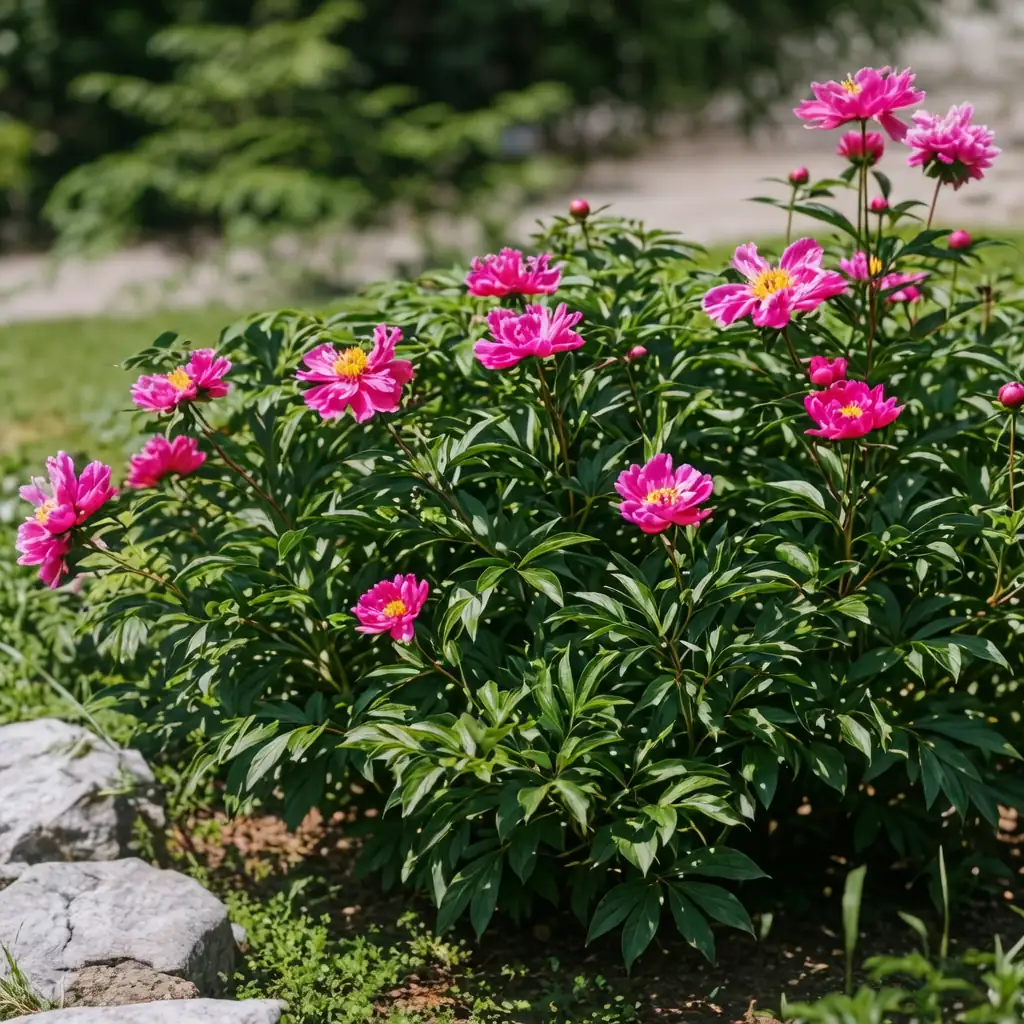
- Foliage: Forms a dense, upright clump with divided, glossy to fresh green leaves. With good sun, the stems are vigorous and the plant looks full and robust. In autumn the foliage yellows, then the stems die back to ground level as it enters winter dormancy.
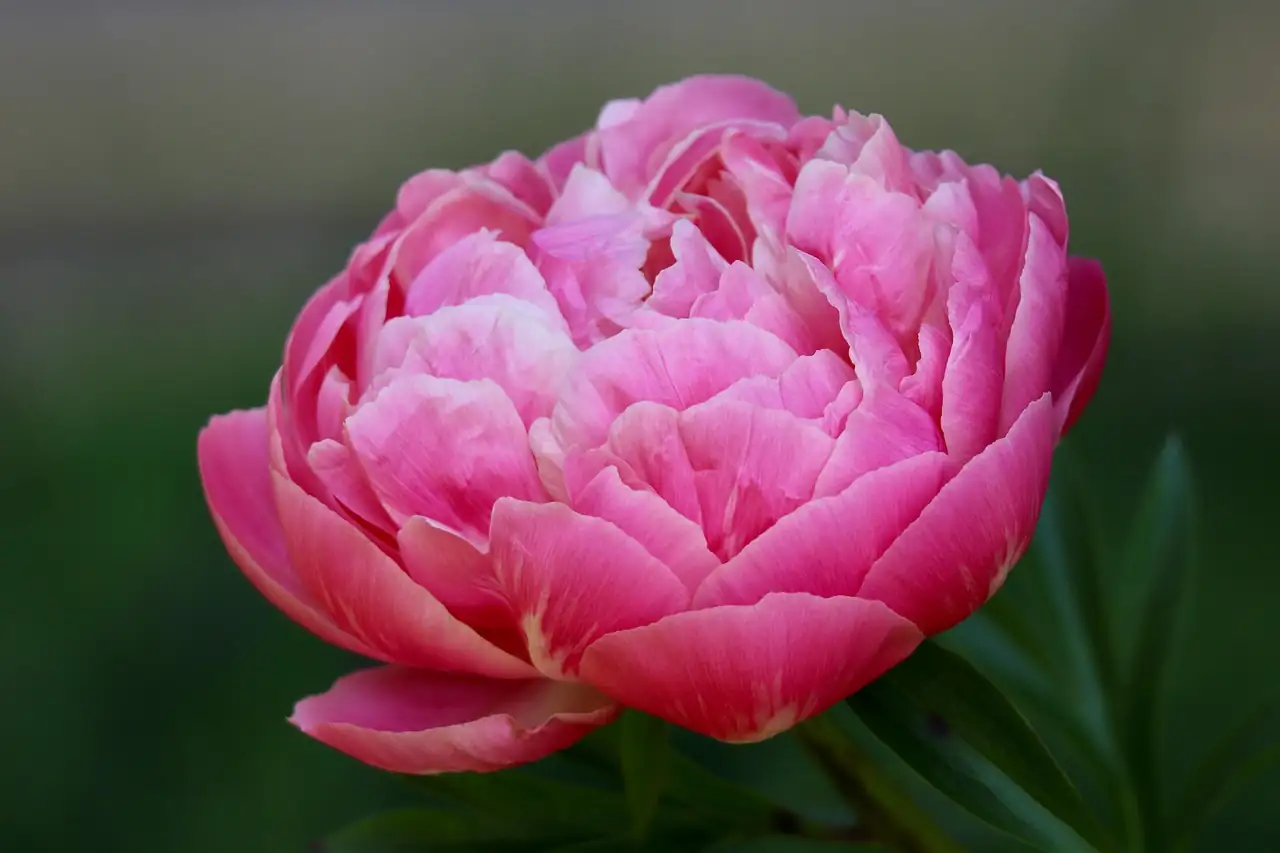
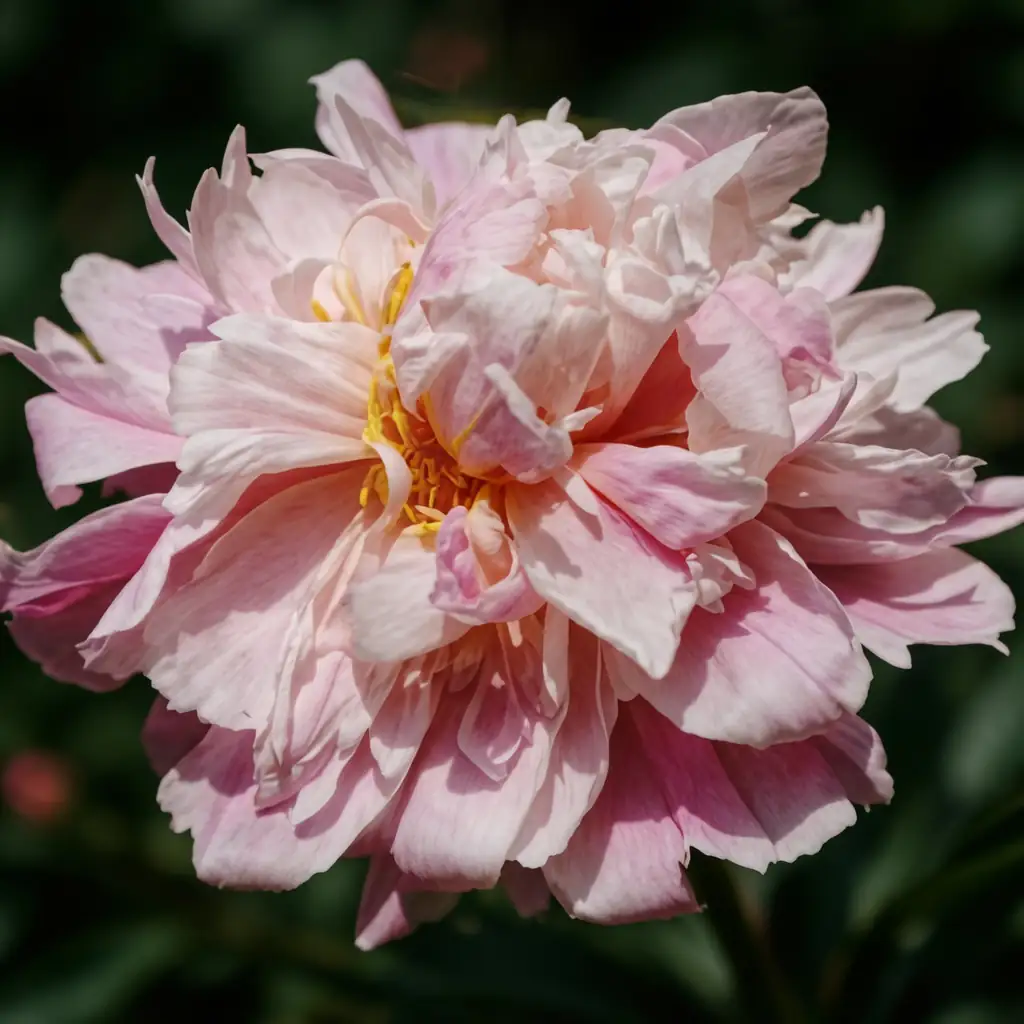
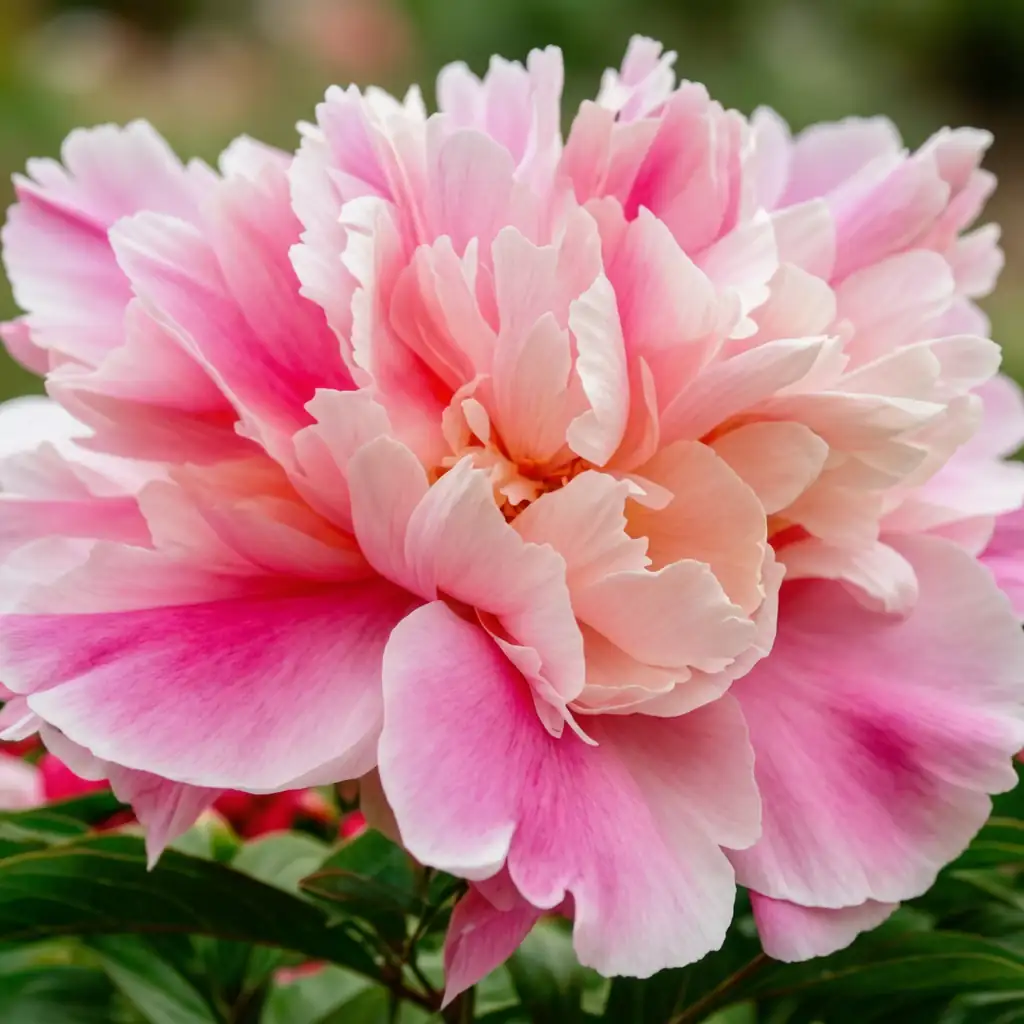
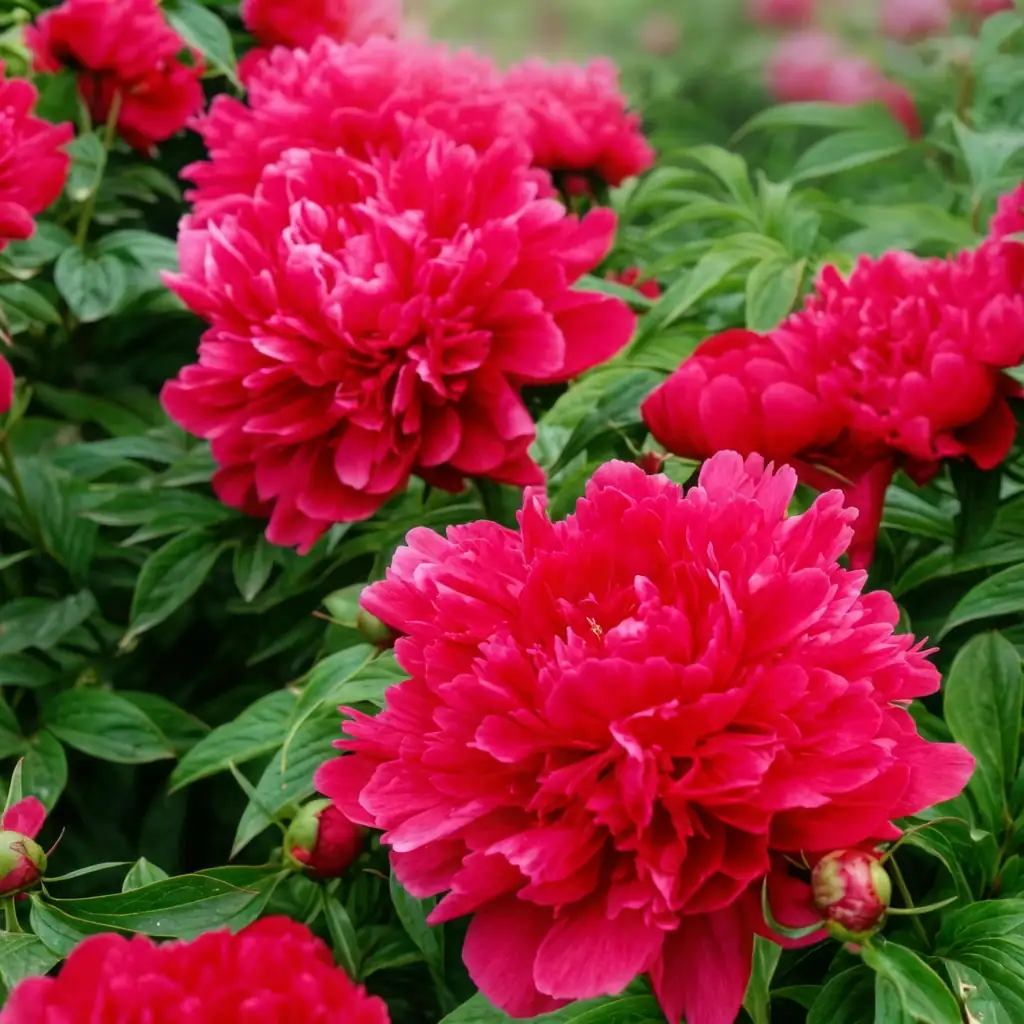
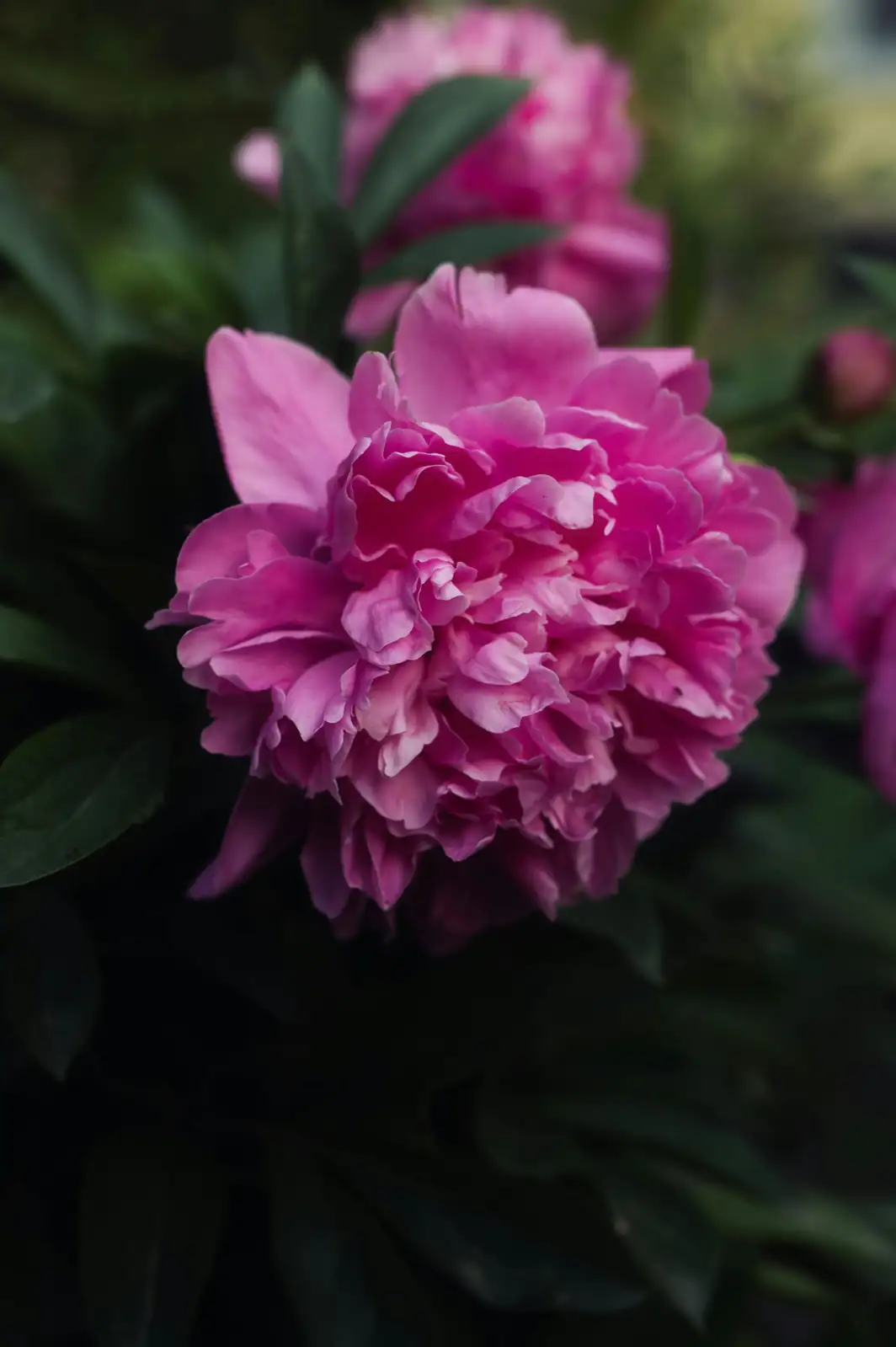
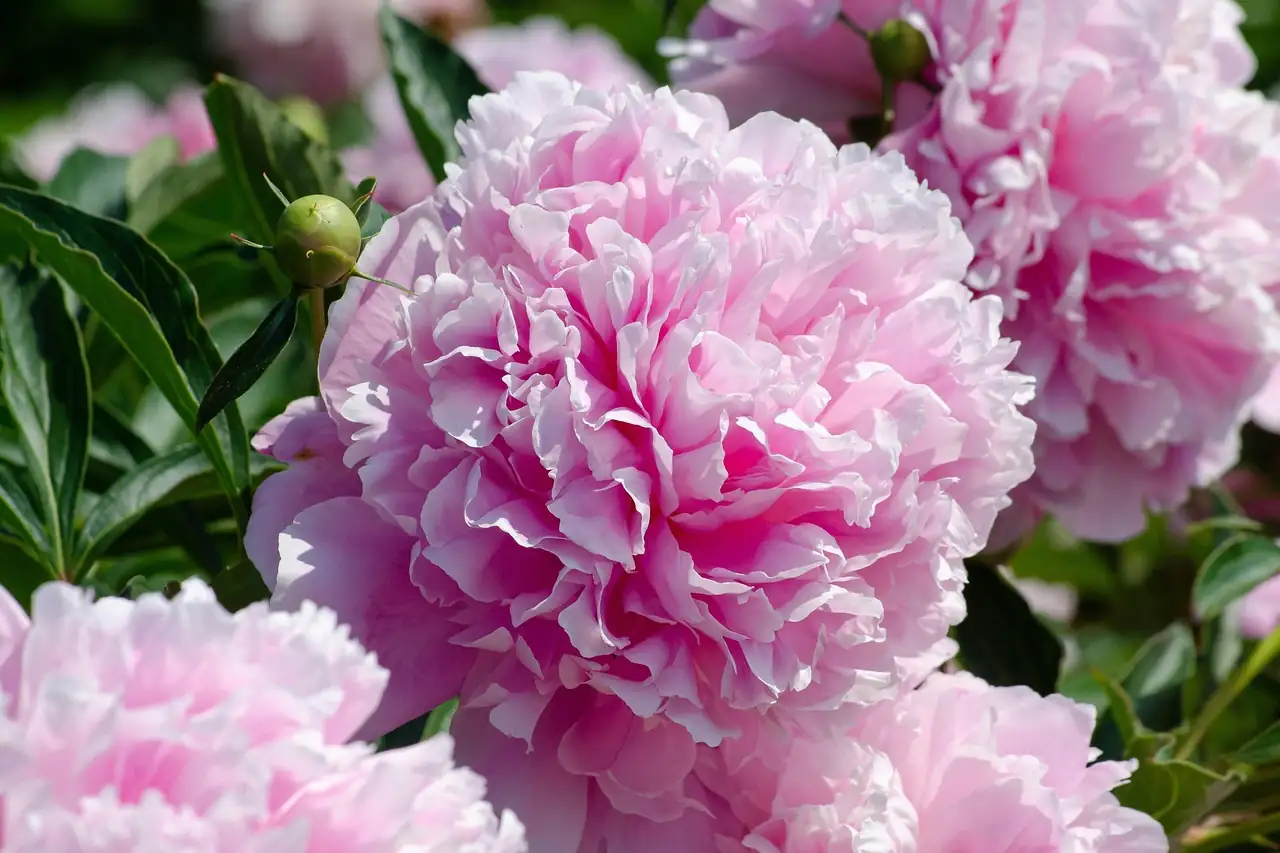
- Flower: Large, showy, often fragrant flowers in forms ranging from single to fully double; double types are especially common and can look richer and more packed with petals. Blooms are carried on sturdy stems, often rising above the foliage on well-grown plants, making it an excellent cut flower.
- Flowering Season: Late spring to early/mid-summer (often May–July / May–July, depending on climate and cultivar).
- Growth Habit: Upright, clump-forming herbaceous perennial with a crown and fleshy storage roots; dormant in winter. Performs best with cool to moderate summers and can struggle in prolonged intense heat.
Environment
Sunlight
Full sun is best for strong stems and maximum flowering (at least 6 hours/day). In hot-summer climates, morning sun with light afternoon shade helps prevent heat stress; too much shade can cause stretching and duller flower color.
Temperature
Grows best around 10–25°C (50–77°F). Once established, dormant crowns tolerate winter lows around -15°C (5°F). Prolonged high heat can reduce vigor and flowering.
Humidity
Moderate humidity is ideal. Keep the soil evenly moist during active growth, but avoid a constantly wet crown or stagnant, muggy conditions—good airflow helps prevent leaf and crown problems.
Soil
Fertile, deep, well-drained loam that holds moisture without staying soggy. Improve with compost/leaf mold; add coarse sand or grit where drainage is slow. Dislikes waterlogging and often performs poorly in strongly saline or alkaline soils. Plant with buds (“eyes”) level with the soil surface (or only slightly below, depending on winter severity).
Placement
Best outdoors in a bright, open spot with good airflow—sunny borders, courtyards, or a sunny patio/balcony. Also widely grown specifically for cutting gardens and indoor floral arrangements.
Hardiness
Commonly grown in USDA Zones 3–8; may perform in Zone 9 where winter chill is adequate. Not frost-tender, but sensitive to waterlogged soil and extended hot summers.
Care Guide
Difficulty
Moderate. It’s wonderfully long-lived and easy in cool-temperate regions, but it demands sun, winter chill, and especially excellent drainage. The main pitfalls are waterlogging (fleshy roots rot) and stressing the plant with heat or frequent disturbance.
Buying Guide
For potted plants, choose a sturdy, full specimen with fresh green leaves and strong stems; ideally, flower stems rise above the foliage and you may see 1–2 blooms already open. For cut stems, pick firm buds that are just beginning to show color. For bare roots, select thick, firm roots with plump, healthy buds (eyes), free of rot, pests, or disease. If buying seed, choose fresh, well-filled seed for the best germination.
Watering
Aim for “evenly moist, never soggy.” Spring: keep steady moisture as shoots and buds develop. Summer (flowering): don’t let it dry out; water gently at the base and provide temporary light shade during extreme heat. After heavy rain, make sure water drains away quickly. Autumn: continue moderate moisture so the plant can rebuild reserves. Winter: dormant—water sparingly and avoid wet, cold soil; in very cold areas, mound soil and/or mulch over the crown to protect buds from exposure and freeze-thaw damage.
Fertilization
Feed 2–3 times during the growing season with well-rotted organic fertilizer or a diluted organic liquid feed. Around bud formation (often April, climate-dependent), many growers switch to a bloom-leaning feed higher in phosphorus and potassium to support larger, brighter flowers. During dormancy, a slow-release organic amendment can be added near (not directly on) the crown.
Pruning
For show-size blooms, remove side buds once the main bud is visible so each stem carries a single flower. Deadhead promptly after flowering (unless saving seed) to redirect energy into the crown and roots. In late autumn, once foliage yellows, cut stems down to ground level and clean up debris.
Propagation
Division is the standard method and is best done in autumn (about September–December / Sep–Dec). Cut back top growth, lift the clump carefully, and split along natural cracks. Each division should have about 3–5 plump buds (“eyes”); avoid damaging bud tips. Seed is also possible: sow fresh seed soon after it ripens (often July / Jul). Seedlings are slow—roots may form in autumn, shoots emerge the following spring, and flowering commonly takes 4–5 years.
Repotting
For containers, use a pot about 20–25 cm (8–10 in) in diameter at minimum (bigger is often better long-term) with a rich but free-draining mix. Repot or divide while dormant, roughly mid-October to mid-February (Oct–Feb). Keep buds level with the soil surface and avoid injuring roots—spring repotting/division is widely discouraged because it can delay flowering.
📅 Seasonal Care Calendar
July (Jul): sow fresh seed if propagating by seed. Late summer to autumn: keep moisture moderate; allow foliage to feed the roots. September–December (Sep–Dec): divide if needed. Mid-October to mid-February (Oct–Feb): best window for planting/repotting while dormant. Spring: full sun, even moisture, no standing water. Late spring–summer: flowering period—steady watering, excellent drainage, heat protection in hot climates. Winter: dormant—mulch/mound in cold regions; keep soil on the drier side and never waterlogged.
Pests, Diseases & Safety
Common Pests & Diseases
Can develop leaf spot/black spot-like spotting and serious basal rots such as southern blight (often seen as white mycelium and rot near the base). Prevention focuses on excellent drainage, good airflow, avoiding wet foliage, and removing old stems/leaves. Aphids and spider mites may appear on tender new growth; manage with strong water sprays, horticultural soap/oil, and—where appropriate—label-directed controls.
Toxicity
Generally considered low toxicity for people and pets, but chewing or ingesting plant parts may cause mild gastrointestinal upset in sensitive individuals. It’s best to discourage pets from nibbling ornamental plants.
Culture & Symbolism
Symbolism: Often linked with romance and affection, honor, prosperity, and a happy marriage in East Asian flower culture. It’s also a classic “gift flower” associated with heartfelt feelings and refined beauty.
History & Legends: Chinese writings and folk traditions describe peony petals used in food—such as fritter-like petal cakes and sweet rice porridge scented with blossoms. The plant is also deeply rooted in traditional herbal practice, where preparations made from the root have been used for centuries; modern studies have investigated compounds such as paeoniflorin and their potential effects.
Uses: Ornamental: a signature perennial for borders and large containers. Cut flowers: a top-tier florist flower prized for luxury and vase performance. Traditional culinary/folk use: petals and flowers appear in historical recipes and infusions. Traditional medicine: the root (notably in “white peony root” preparations) is widely used—seek qualified guidance rather than self-medicating.
FAQ
How do I choose a good potted plant, bare root, or cut stems?
Choose potted plants with sturdy stems and full, fresh green foliage; ideally, flower stems rise above the leaves and you may see 1–2 blooms already open. For bare roots, pick thick, firm roots with plump, healthy buds (eyes) and no signs of rot or pests. For cut stems, select buds that feel firm and are just starting to show color for best vase life.
What should I do if my Chinese peony shows signs of root or crown rot?
Rot is almost always a drainage and watering issue. Reduce watering, let the surface dry slightly between waterings (except during peak bud/flower time), and improve drainage immediately. If you can lift the plant during the correct dormant season, trim away rotted tissue and replant into a freer-draining, healthier spot—peonies hate sitting in cold, wet soil.
Why do people say not to divide or repot peonies in spring?
Because spring disturbance often sets them back: they’re busy pushing shoots and buds, and damaged roots can mean weak growth and poor flowering. Dividing/planting during dormancy (mid-autumn through winter, climate-dependent) is far more reliable.
Fun Facts
- A well-sited Chinese peony can live for decades in the same spot—often improving year after year if left undisturbed.
- Disbudding (removing side buds) is a classic trick for producing extra-large, show-quality blooms.
- Seed-grown plants are patient-gardener territory: 4–5 years to first flowers is normal.
- Chinese peony looks similar to tree peony in bloom, but it’s herbaceous—everything above ground disappears in winter.