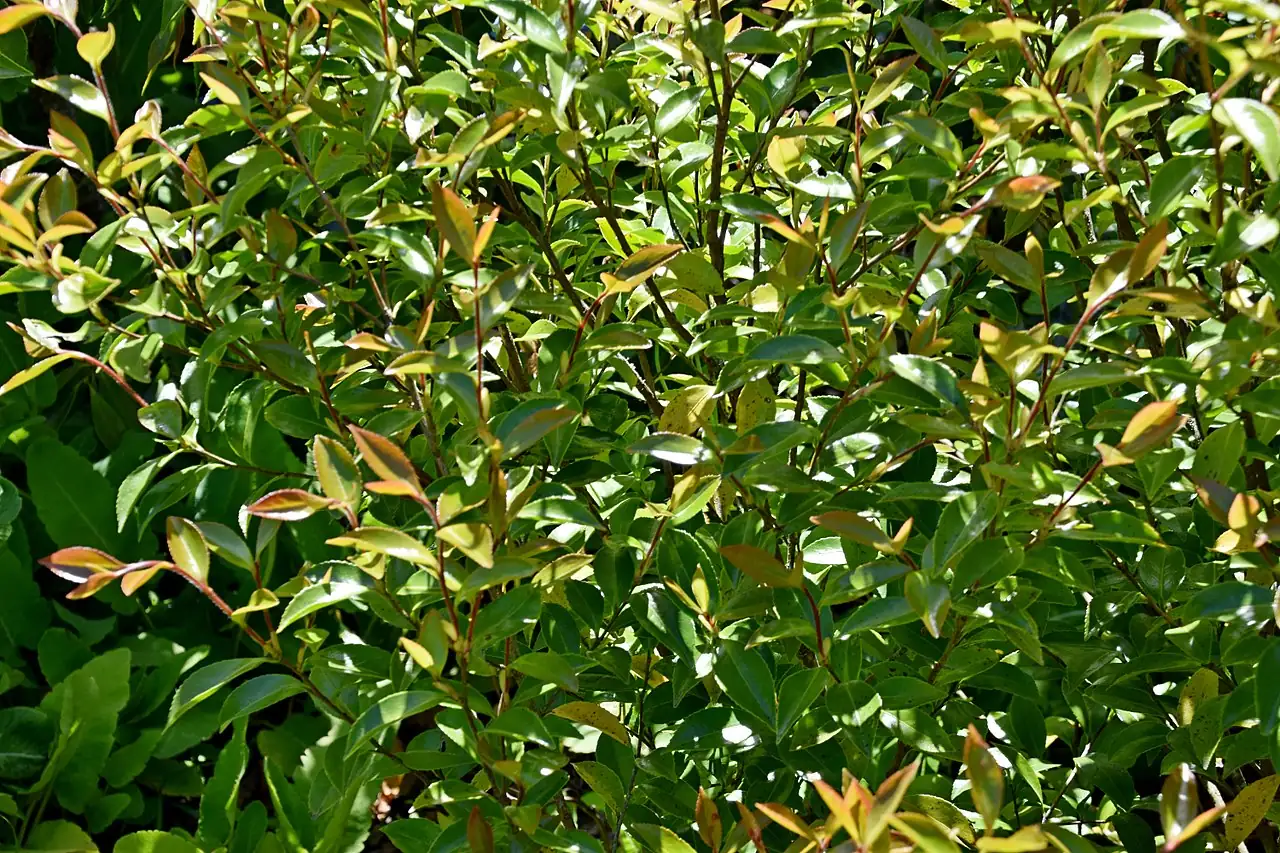
Plant Features
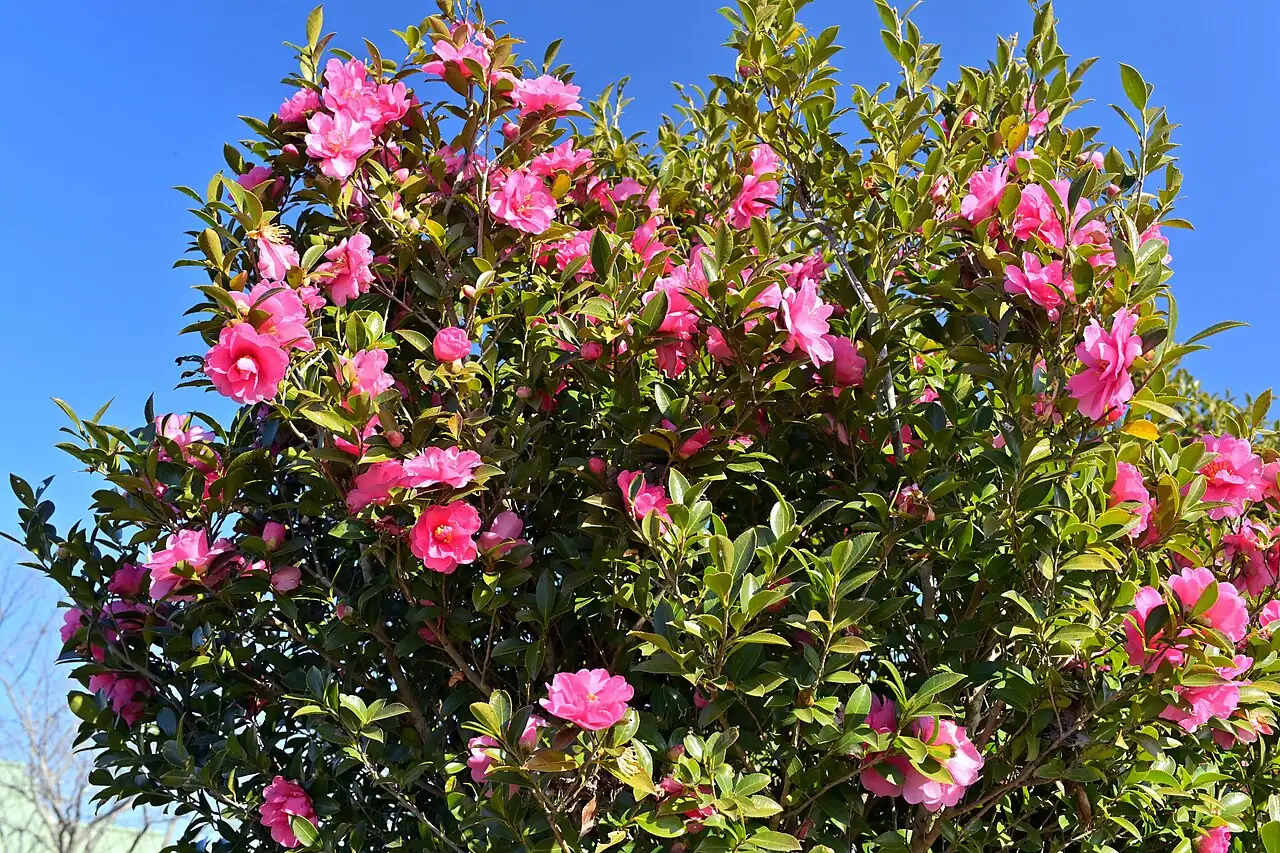
- Size: Evergreen shrub; typically about 1.5–5 m (5–16 ft) tall and 1.5–4 m (5–13 ft) wide depending on cultivar and pruning.
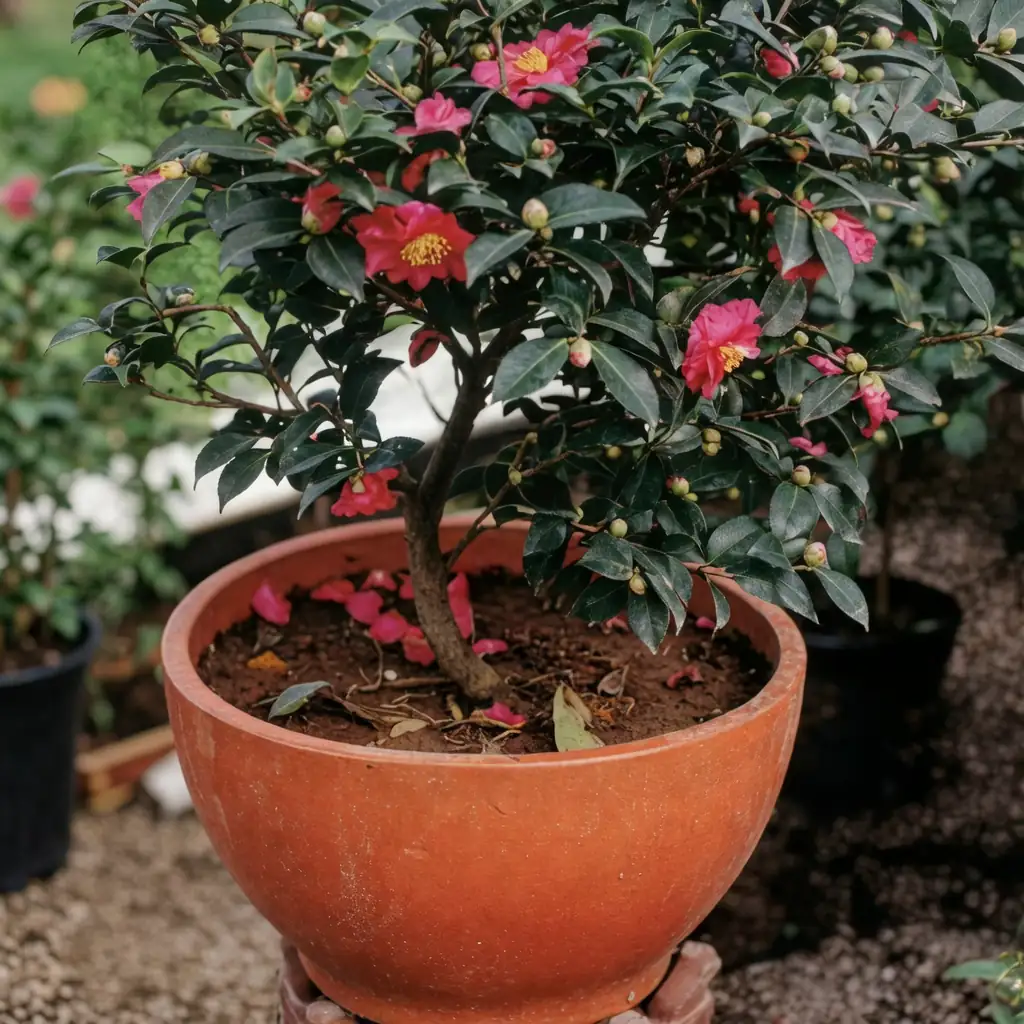
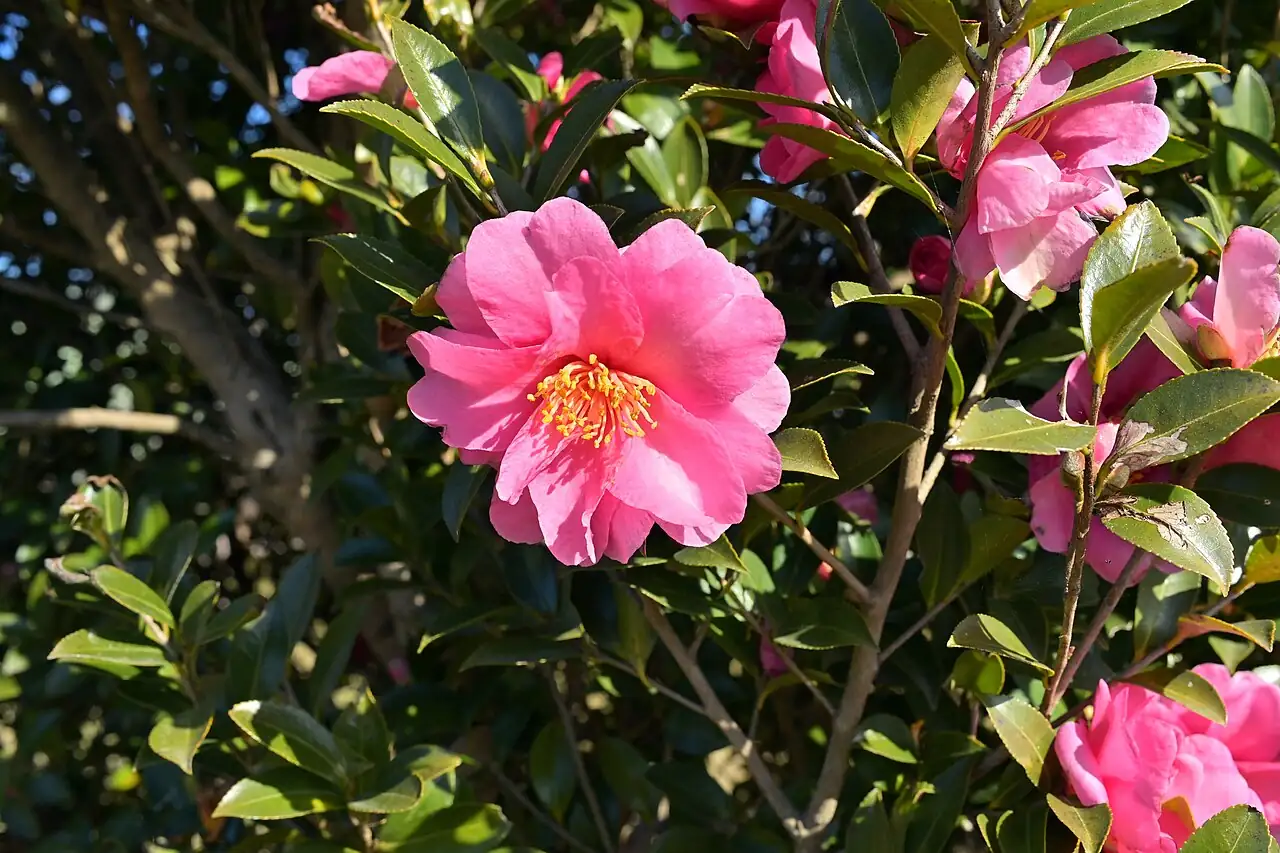
- Foliage: Dense branching with small to medium, deep green, glossy leaves that keep the plant looking neat and polished year-round.
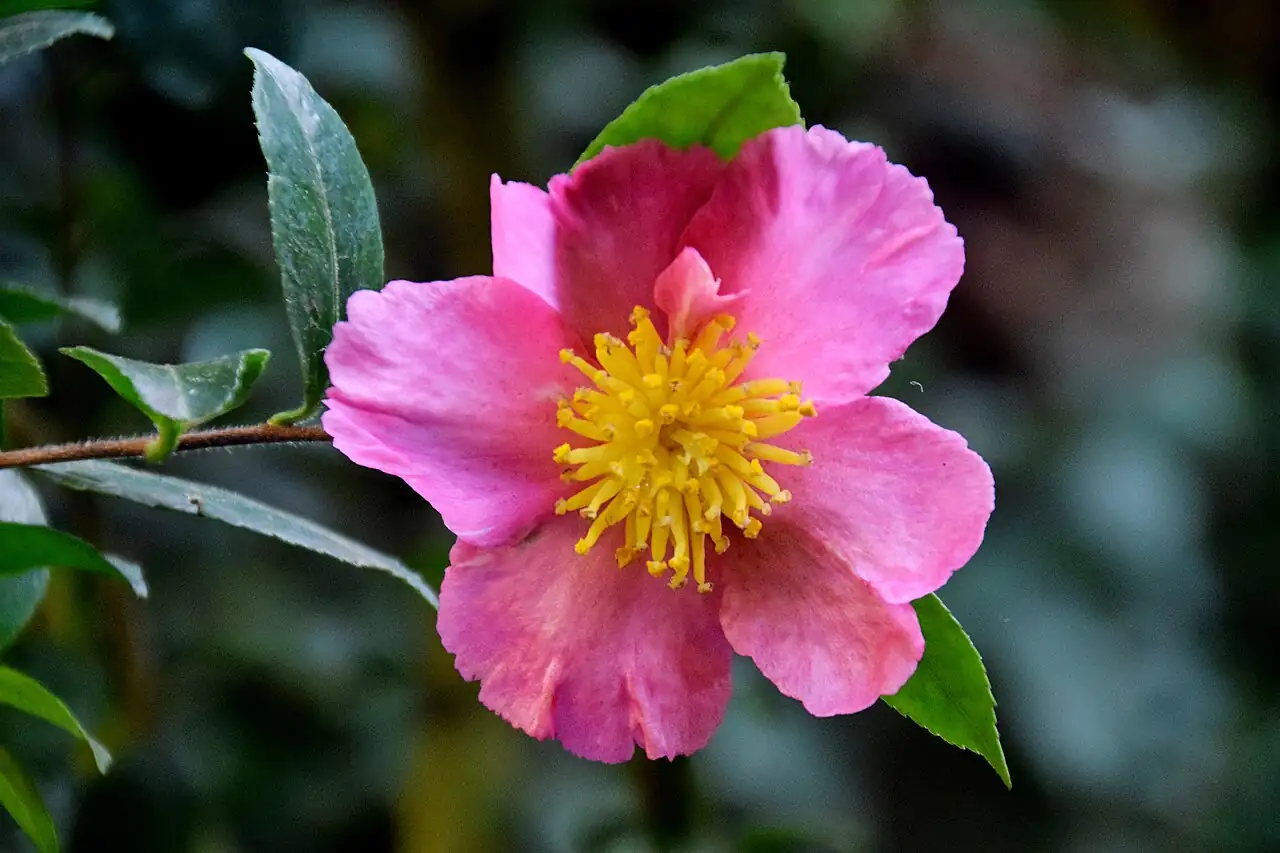
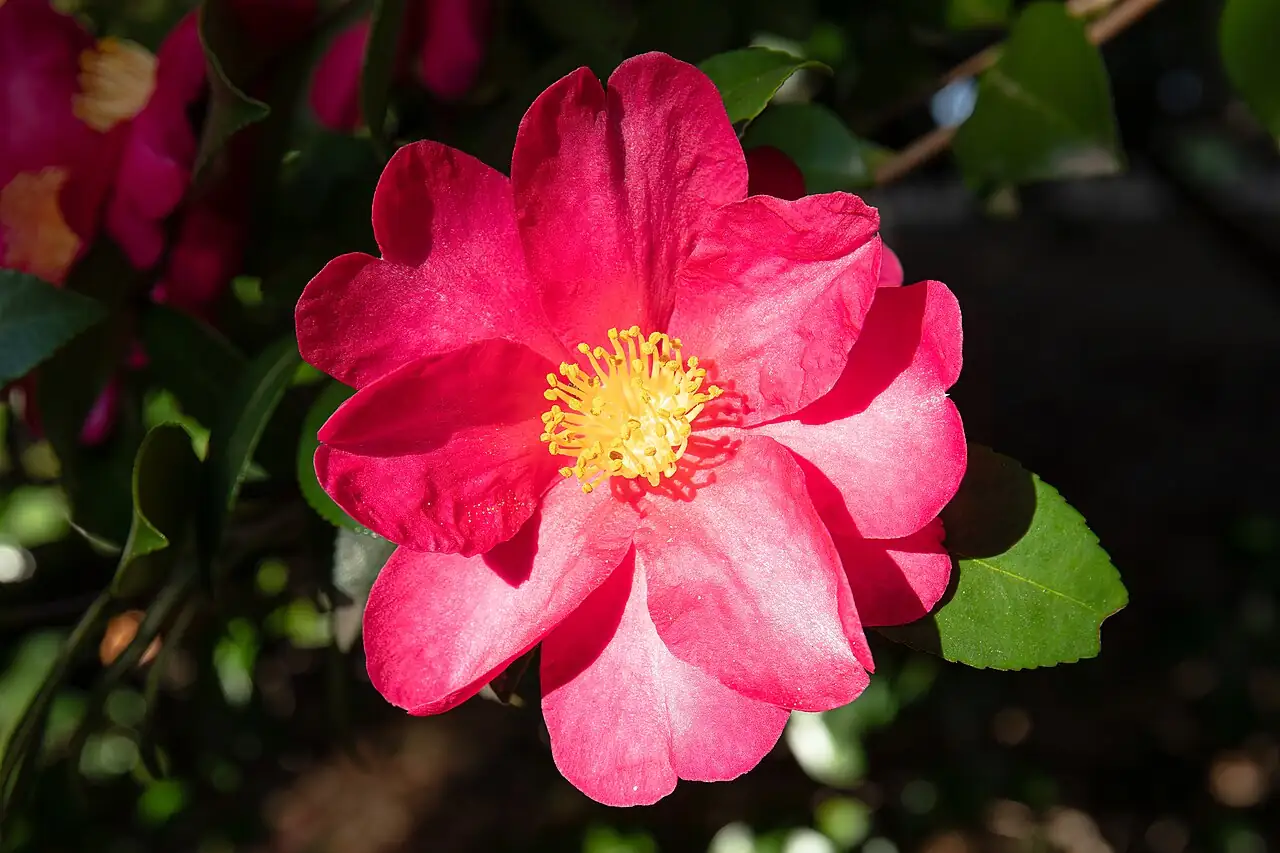
- Flower: Showy flowers in white, pink, or red, often lightly fragrant; blooms may be single to semi-double depending on cultivar.
- Flowering Season: Autumn to winter (roughly October–January in many climates).
- Growth Habit: Evergreen, densely branched shrub; naturally rounded to upright and easy to clip into hedges or shape in containers/bonsai.
Environment
Sunlight
Bright light to full sun; in hot summers, protect from harsh midday sun. Tolerates partial shade. In warm regions, ~50% shade cloth (half-day filtered light) can help. Indoors (temporary display), keep extremely bright (south- or east-facing window) to avoid weak growth and poor bud set.
Temperature
Best growth at 18–25°C (64–77°F). In-ground plants can tolerate short cold spells to about -10°C (14°F) depending on cultivar and exposure. Container plants are best overwintered cool at about 3–6°C (37–43°F). Prolonged heat above 38°C (100°F) may scorch buds and leaves. For indoor flowering display, a cool 8–10°C (46–50°F) helps blooms last longer.
Humidity
Prefers moderately high humidity around 70–80%. Avoid very dry air; except in winter, a light mist about once per week can help (with good airflow).
Soil
Moist but well-drained, slightly acidic mix. A practical container blend: leaf mold/composted bark + peat (or substitute) + coarse sand/grit. Keep evenly moist but never waterlogged.
Placement
Outdoors: bright, sheltered patio/balcony. Indoors (short-term display): very bright window in a cool room with good ventilation; keep away from heating/AC vents and drying drafts.
Hardiness
Generally hardy in USDA Zone 7–9 (varies by cultivar). Established plants handle some cold but dislike extreme heat and hot, drying sun.
Care Guide
Difficulty
Easy overall, especially planted outdoors in mild climates. Container plants need more consistent attention to light, even moisture, and cool overwintering for reliable flowering.
Buying Guide
For holiday or seasonal display, buy about 1 week before you need it. Choose a 2–3-year-old plant with a well-shaped, dense crown, glossy healthy leaves, and roughly a 50/50 mix of buds and open flowers. Avoid yellowing foliage or leaf spots (often followed by bud/leaf drop). After purchase, give very bright light, keep cool at about 8–10°C (46–50°F), and keep soil evenly moist—never bone-dry or soggy.
Watering
Water thoroughly each time, letting excess drain freely. Aim for evenly moist soil (not wet, not dry). In summer, water about once daily (or morning and evening during hot spells). In winter, water about every 3–5 days, ideally around midday on a mild bright day. Avoid drought stress and waterlogging—especially in winter. Except in winter, mist lightly about once per week if air is dry, and maintain good ventilation.
Fertilization
Feed regularly during the growing season to support heavy flowering. From March to September, fertilize every 2 weeks with a balanced fertilizer (e.g., 20-20-20) or organic liquid feed. In May, one application of 0.2% monopotassium phosphate can help with bud initiation. In October, add an extra phosphorus-forward feed to encourage strong flowering.
Pruning
After flowering, prune to remove spent blooms, dead/diseased wood, and leggy shoots to keep the shrub full. An additional light prune in early summer helps maintain shape. In late summer, thin crowded buds (often leaving about one bud per shoot) for larger, better-quality blooms.
Propagation
Semi-ripe stem cuttings in early summer: take 5–10 cm (2–4 in) cuttings, keep warm, humid, and shaded; rooting often takes about 4–6 weeks, then pot on the following spring. Cuttings with a small heel of older wood may root more readily. Grafting (late spring to early summer), commonly onto Camellia oleifera rootstock, is widely used. Air-layering in spring is also effective.
Repotting
Repot after flowering. Young plants: every 2 years; mature plants: every 3–4 years. Typical pot sizes: 15–20 cm (6–8 in) wide for young plants; 20–30 cm (8–12 in) for mature specimens. Trim dead/rotten roots, remove dead twigs and old leaves, and replant into an acidic, free-draining mix with strong drainage.
📅 Seasonal Care Calendar
Spring–Summer: grow at 18–25°C (64–77°F); fertilize every 2 weeks March–September; take cuttings in early summer (rooting ~4–6 weeks). May: optional 0.2% monopotassium phosphate for bud initiation. Early summer: light shaping prune. Late summer: bud thinning. Autumn: October phosphorus-forward feed; flowering begins. Winter: flowering continues; water less (about every 3–5 days), avoid waterlogging; container plants overwinter best at 3–6°C (37–43°F). For indoor bloom display, keep cool at 8–10°C (46–50°F).
Pests, Diseases & Safety
Common Pests & Diseases
Anthracnose may cause gray-white circular or irregular leaf spots, often starting near margins—remove infected leaves, improve airflow, and avoid wetting foliage late in the day; use an appropriate fungicide if severe. Indoors or in still air, scale insects and aphids can cause curling/yellowing leaves and sticky honeydew that can lead to sooty mold; treat with horticultural oil or insecticidal soap and increase light/ventilation.
Toxicity
Generally considered non-toxic to people and pets, though chewing leaves/flowers may cause mild stomach upset in sensitive animals.
Culture & Symbolism
Symbolism: Often associated with admiration, grace, and refined beauty—an elegant companion for the quieter months of the year.
History & Legends: Not specified in the provided source text.
Uses: Ornamental shrub for hedging and specimen planting; excellent in planters and large containers; suitable for bonsai-style training and seasonal indoor display when kept cool and bright.
FAQ
How do I choose a good sasanqua camellia, and what should I do right after bringing it home?
Choose a plant with a dense, well-shaped crown, glossy healthy leaves, and about half buds and half open flowers. Avoid yellowing leaves or spotting. Once home, give very bright light, keep it cool around 8–10°C (46–50°F), protect it from heating/AC drafts, and keep the soil evenly moist—never bone-dry or waterlogged.
Why do container plants often drop leaves and buds after being brought indoors in winter?
The usual culprits are uneven watering (too dry or too wet), dry indoor air, low light, poor ventilation, pests (especially scale/aphids), and temperature swings from vents or heaters. Keep it cool (about 8–10°C / 46–50°F while blooming), very bright, evenly moist, and well ventilated.
Fun Facts
- Native to Japan and treasured for flowering when gardens are at their quietest.
- Often sold as a seasonal “holiday plant” thanks to its autumn-to-winter bloom season.
- Brief cold snaps down to about -10°C (14°F) are possible in the ground, but potted plants are safest kept cool at 3–6°C (37–43°F).
- Extended heat above 38°C (100°F) can scorch developing buds and foliage.
- You can propagate it by semi-ripe cuttings, grafting, or spring air-layering.