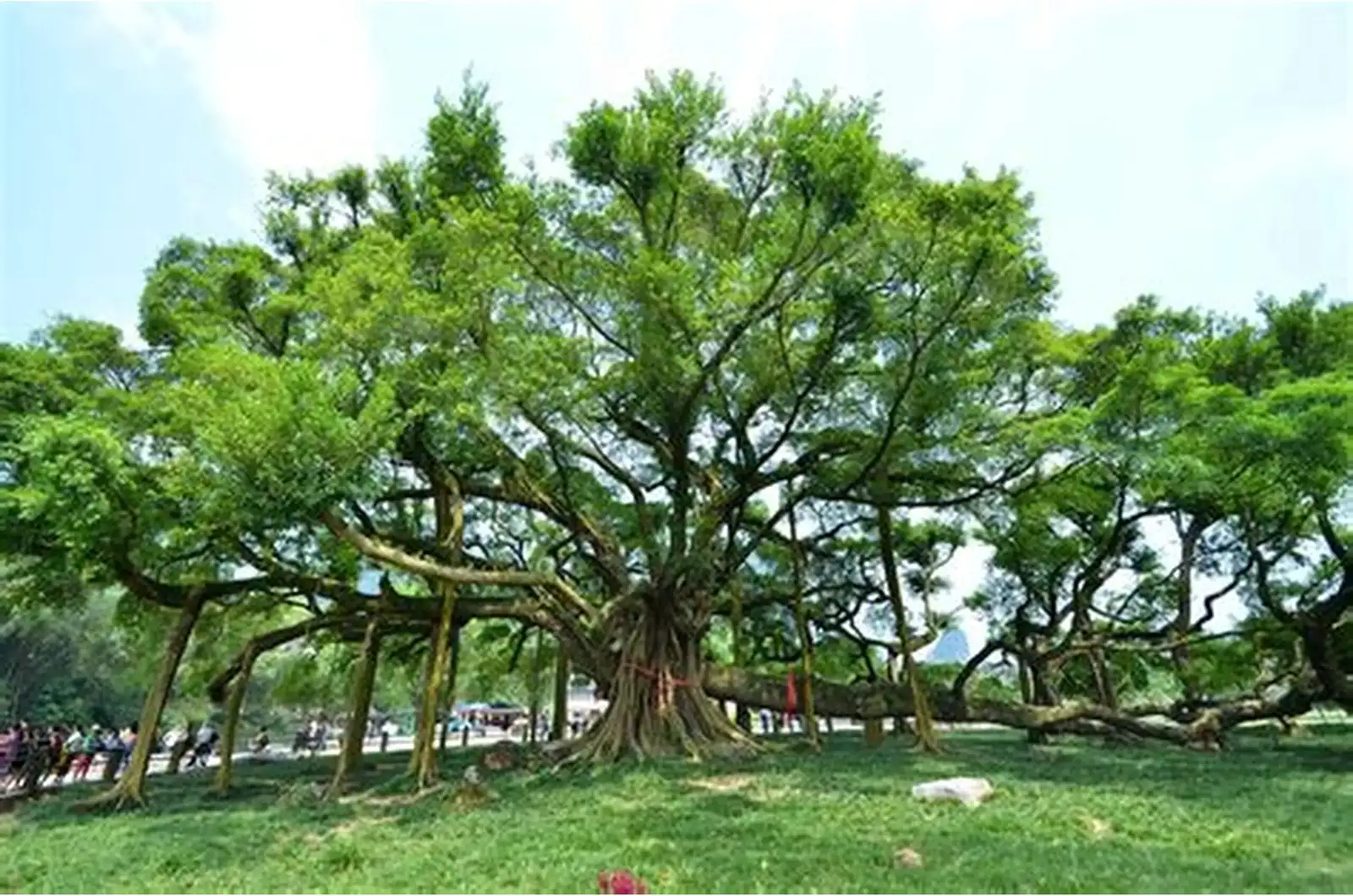




Plant Features
- Size: In nature it becomes a large evergreen tree; indoors it’s commonly grown as a potted plant in 12–20 cm (4.7–7.9 in) pots, with larger specimens often in about 30 cm (11.8 in) diameter pots.
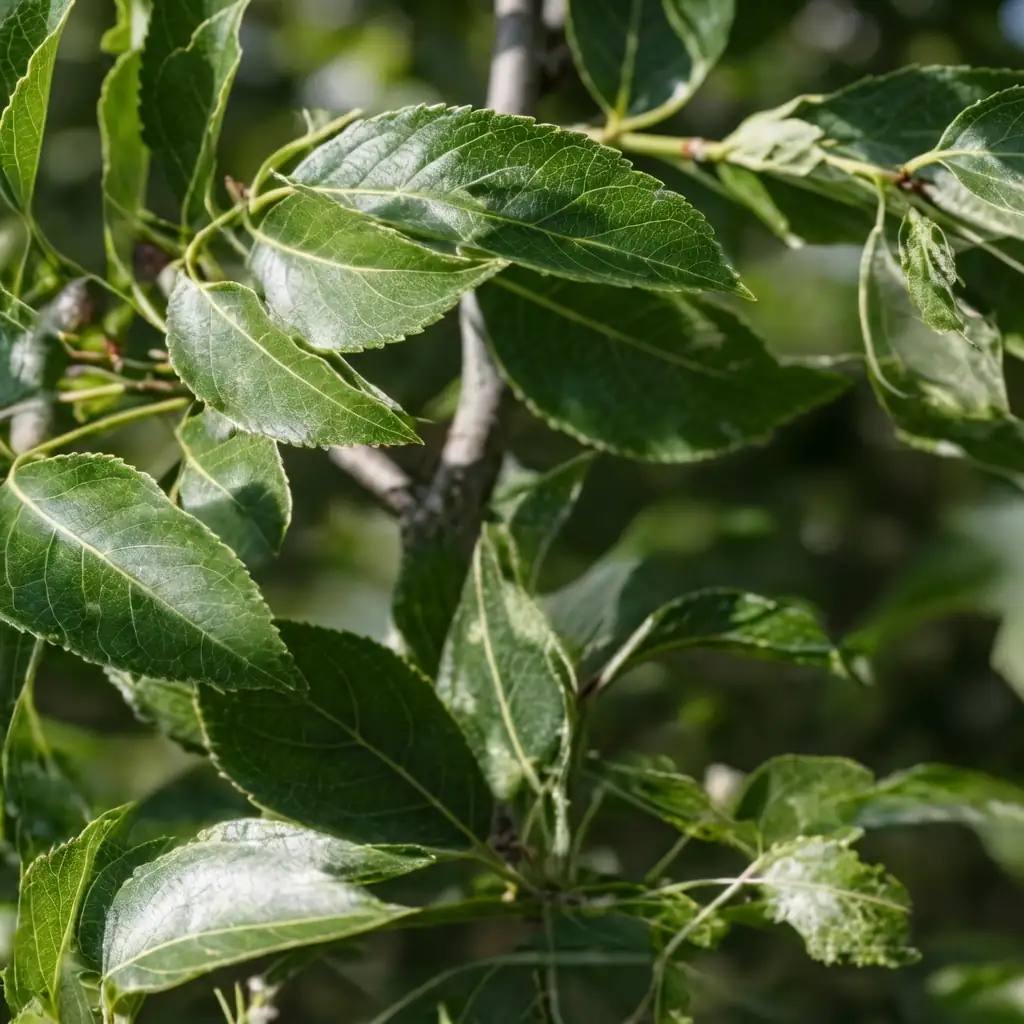
- Foliage: Leaves are glossy and rich green. If the potting mix dries out too much, it may drop leaves and the shoot tips can blacken and dry. Prolonged indoor temperatures below 10°C (50°F) often lead to yellowing and stalled growth.
- Flower: Instead of showy blooms, it forms fig-type fruits called syconia. The tiny flowers are hidden inside the developing fig, so you won’t see typical blossoms on the outside.
- Flowering Season: Not showy; reproductive growth is usually noticed when young figs (syconia) begin forming, with flowers concealed inside.
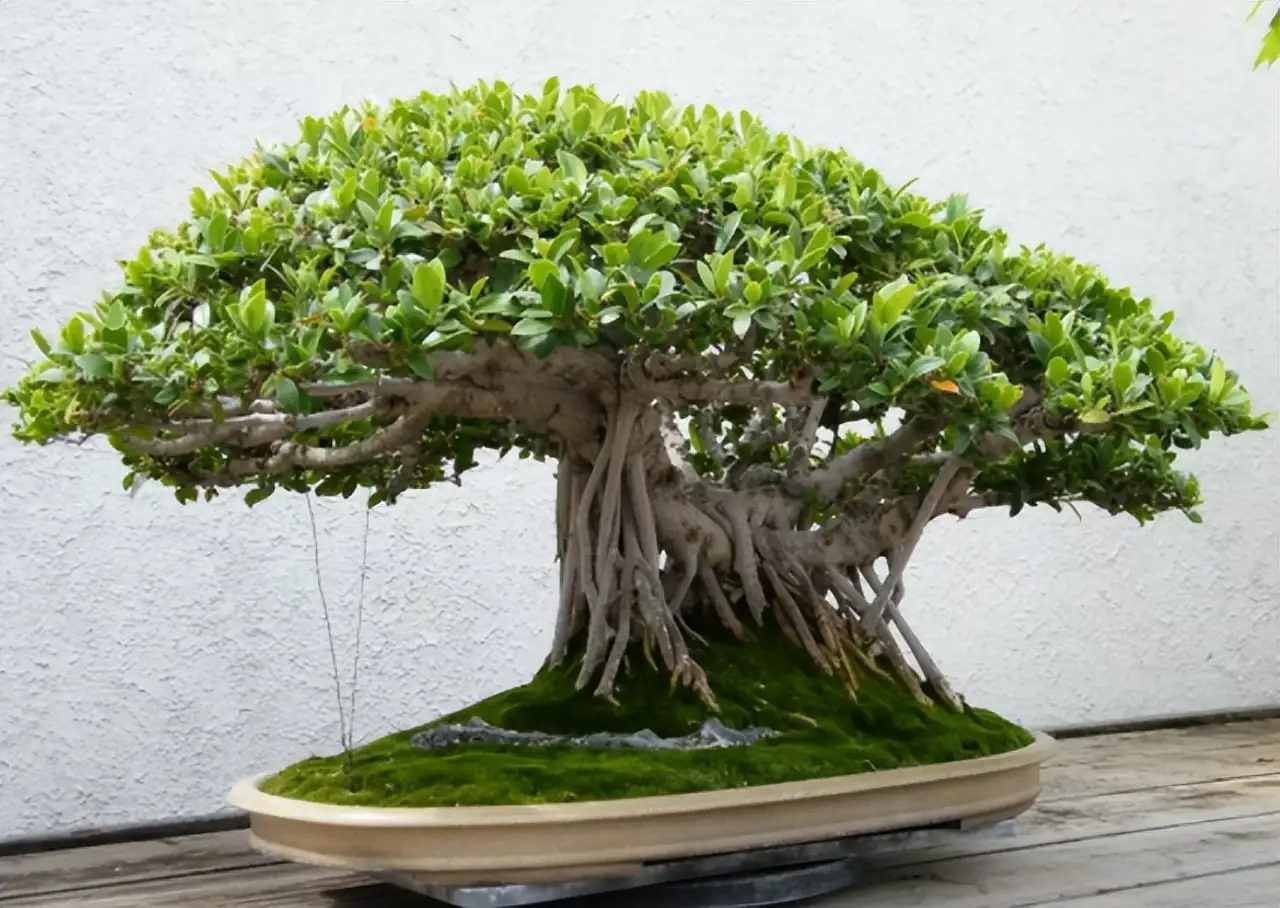
- Growth Habit: Evergreen woody plant with an upright-to-arching structure and a naturally graceful, weeping habit; readily shaped by pruning into compact, decorative forms for indoor growing.
Environment
Sunlight
Bright light is ideal, though it tolerates partial shade/medium indoor light. In warm months it can enjoy a balcony or patio in bright, filtered light; in winter it’s best kept indoors away from cold drafts and harsh conditions.
Temperature
Best at 20–25°C (68–77°F). It can handle temperatures above 30°C (86°F) if watering is adjusted, but it dislikes cold: avoid below 5°C (41°F). Indoors, sustained temperatures below 10°C (50°F) commonly cause yellowing and slowed growth; in winter, a steady 13–16°C (55–61°F) is especially comfortable.
Humidity
Prefers moderate to high humidity, roughly 60–70%. In dry indoor air, misting or a humidifier can help reduce yellowing and leaf drop.
Soil
Loose, well-aerated, free-draining potting mix—often a compost/leaf-mold based houseplant soil blended with coarse sand or perlite for drainage.
Placement
Indoors near a bright window in winter; in other seasons, a sheltered balcony/patio/courtyard spot with bright light and protection from harsh midday sun and cold drafts.
Hardiness
Frost-tender; keep above 5°C (41°F). Suitable outdoors year-round mainly in warm climates roughly comparable to USDA Zone 10–12.
Care Guide
Difficulty
Generally easy, as long as you provide warmth and consistent moisture. The main pitfalls are letting it dry out too far, keeping it waterlogged, or exposing it to cold—any of which can trigger leaf drop.
Buying Guide
Choose a plant with a pleasing, balanced shape, dense branching, and glossy leaves free of spots and visible pests. After bringing it home, avoid big swings: don’t let the mix go bone-dry and don’t keep it constantly soggy. Winter success hinges on warmth and humidity—below 10°C (50°F) often causes yellowing and slow growth; 13–16°C (55–61°F) with about 60–70% humidity helps it settle in well.
Watering
During active growth, water thoroughly and keep the soil slightly moist—more harm comes from drought than from being a touch moist, but never let the pot sit in standing water. In summer, watering is often needed about every 2–3 days (adjust for light, pot size, and temperature). An occasional full soak is fine as long as excess water drains away. Mist foliage during the growing season to support new leaves and raise humidity. If the mix dries out, leaf drop is common and shoot tips may blacken. In winter, reduce to roughly once every 10 days, and mist if indoor air is dry.
Fertilization
Feed in the growing season about every 10 days (around 3 times per month) with a balanced houseplant fertilizer; one suggested option for potted plants is a 15-15-30 formula. Reduce or pause feeding as growth slows in autumn and winter.
Pruning
Prune during strong growth to maintain shape and encourage a fuller silhouette. Remove weak, dead, or crowded branches promptly to improve airflow and light penetration—this also helps keep the plant neat indoors.
Propagation
Stem cuttings: late spring to early summer (May–June), take healthy mature tip cuttings about 10–12 cm (3.9–4.7 in), keep 2–3 leaves at the tip, let the cut end dry briefly, then root in a sandy medium—often about 4 weeks. Air-layering: May–July, remove a bark ring about 1.5 cm (0.6 in) wide, positioned 20–25 cm (7.9–9.8 in) below the shoot tip; wrap with moist leaf mold and plastic. Roots may form in ~2–3 weeks; after about 4 weeks, cut below the layer and pot it up.
Repotting
Use a free-draining mix (e.g., leaf mold/potting soil with coarse sand/perlite). Repot smaller plants in 15–20 cm (5.9–7.9 in) pots each spring; larger specimens in around 30 cm (11.8 in) pots are commonly repotted every 2 years.
📅 Seasonal Care Calendar
Spring: main repotting season (especially for 15–20 cm / 5.9–7.9 in pots). Spring–summer: water generously (often every 2–3 days in summer), fertilize about every 10 days, and mist for humidity; propagate by cuttings (May–June) or air-layering (May–July). Autumn: reduce feeding and ease up on watering as growth slows. Winter: keep indoors warm (above 10°C / 50°F, ideally 13–16°C / 55–61°F), water about every 10 days, and mist if air is dry.
Pests, Diseases & Safety
Common Pests & Diseases
Spider mites are common indoors when air is dry—raise humidity and treat with insecticidal soap, horticultural oil, or an appropriate miticide if needed. Leaf spot can occur; address early with a copper-based fungicide (such as Bordeaux mixture) or another suitable broad-spectrum fungicide, and improve airflow while avoiding chronically wet foliage.
Toxicity
The milky sap (latex) can irritate skin and eyes. It is considered toxic to cats and dogs if chewed or ingested (often causing drooling, vomiting, and irritation). Keep out of reach of pets and small children.
Culture & Symbolism
Symbolism: Often associated with resilience, steadiness, and creating a calm, green presence indoors—especially when trained into graceful, sculptural forms.
History & Legends: Ficus species have long been valued across Asia for shade, greenery, and cultural plantings. While this particular species is most famous today as a modern houseplant, it belongs to a genus (Ficus) deeply woven into tropical landscapes and human history.
Uses: Primarily an ornamental foliage plant for homes and offices; frequently trained and pruned into compact decorative shapes, including bonsai-style displays.
FAQ
How do I choose a good weeping fig, and what should I do after bringing it home?
Pick one with a balanced shape, dense growth, and glossy leaves with no spots or pests. At home, avoid extremes—don’t let the soil dry out completely and don’t keep it constantly soggy. In winter, warmth matters most: below 10°C (50°F) often leads to yellowing and slow growth; 13–16°C (55–61°F) plus 60–70% humidity helps it adjust smoothly.
My weeping fig started dropping leaves about a month after moving indoors—why?
Leaf drop is usually stress. Common triggers include the mix drying out, very dry indoor air, low temperatures, spider mites, cold drafts, insufficient light, or sudden changes in its environment. Check those factors one by one—correcting watering consistency, warmth, humidity, and light usually makes the biggest difference.
Fun Facts
- Outdoors in the tropics it can become a sizable evergreen tree, but indoors it’s often sold as a compact, sculpted plant grown and trained from cuttings.
- Its flowers are hidden inside the fig-like fruit (syconium), which is why you don’t see typical blossoms.
- Tip cuttings often root in about 4 weeks, while air-layers may root in roughly 2–3 weeks and can usually be potted after about 4 weeks.
- It’s famously sensitive to sudden changes in light, temperature, or watering—leaf drop is one of its most common reactions to being moved.