Plant Features
- Size: As a potted vine, it’s typically trained to trail or climb; many growers start guiding new shoots onto a small support once they reach about 30 cm (12 in).
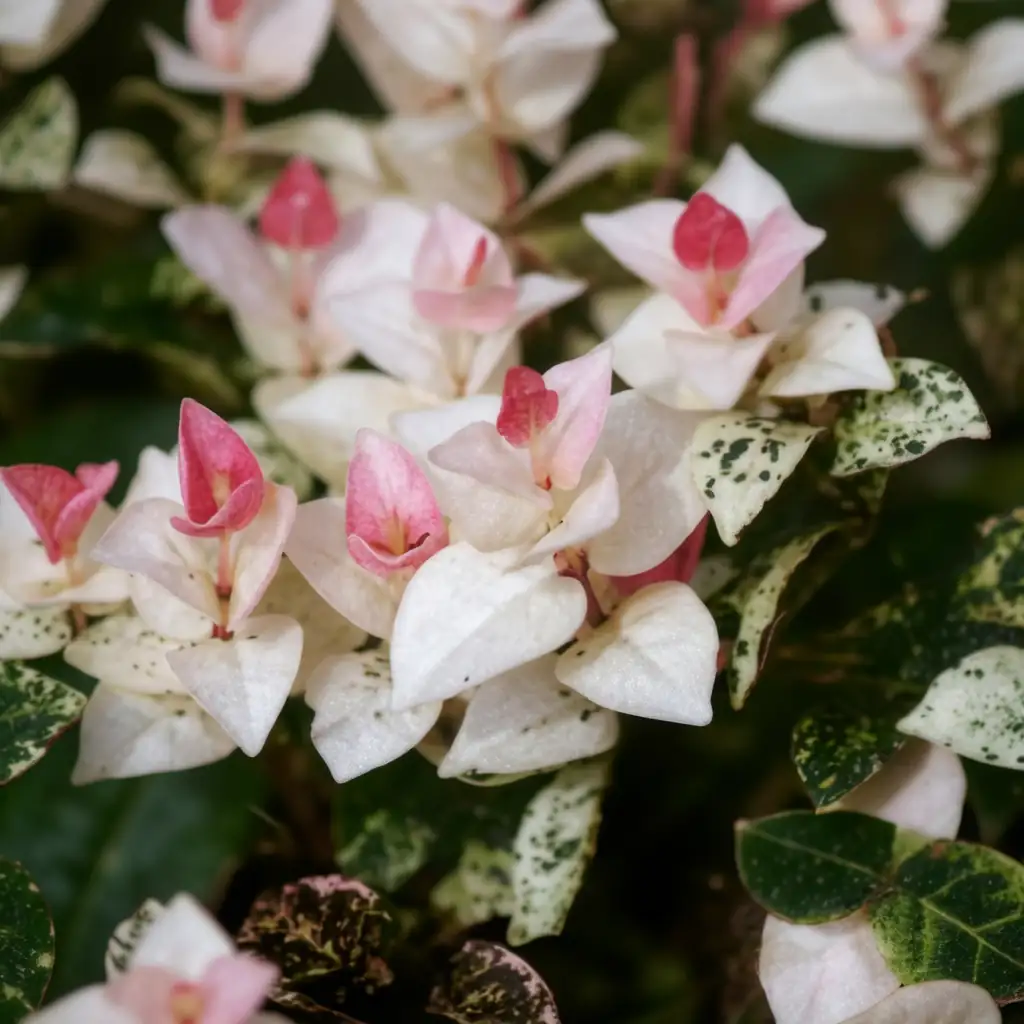
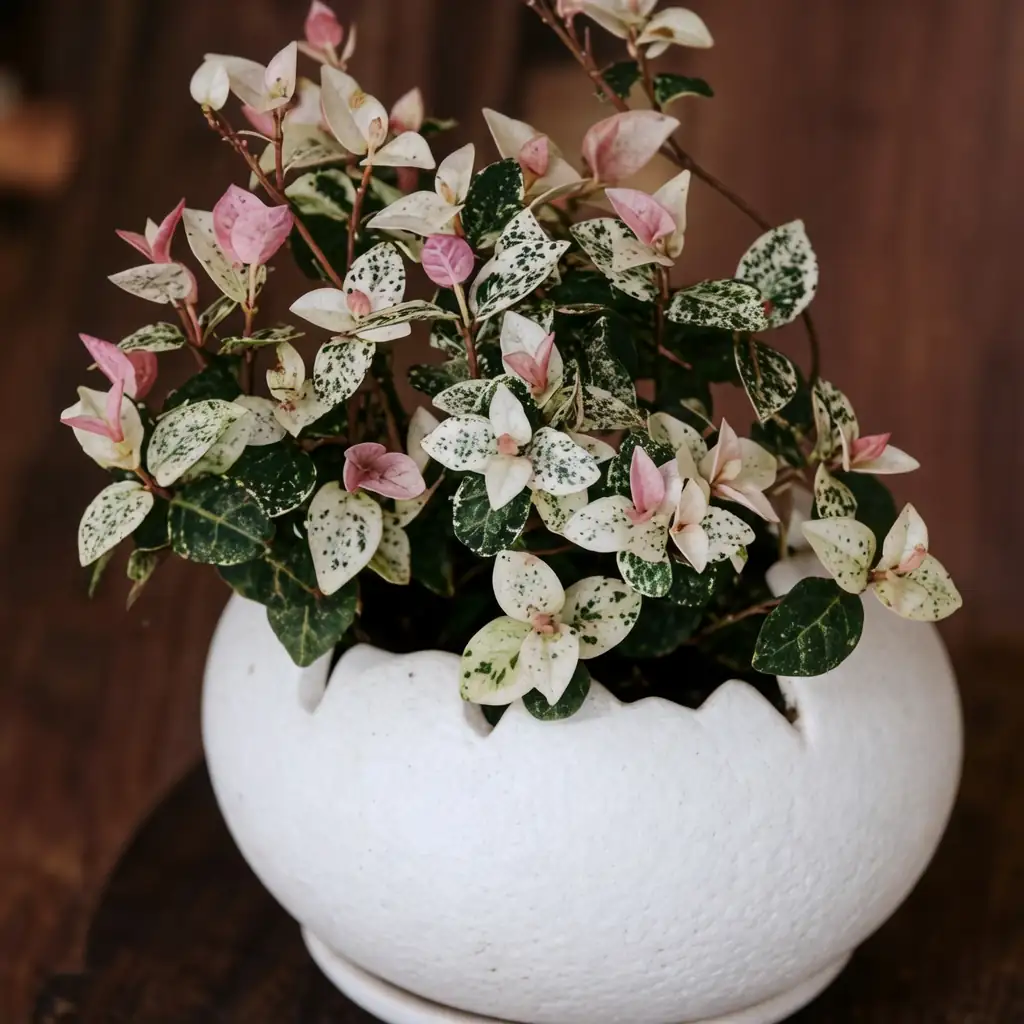
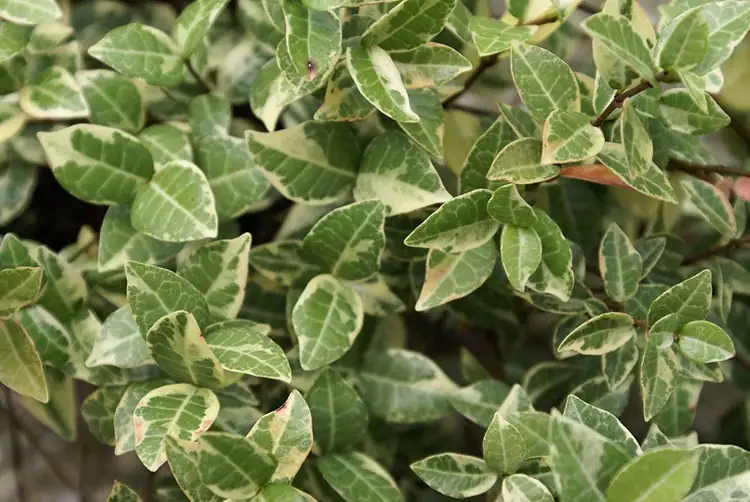
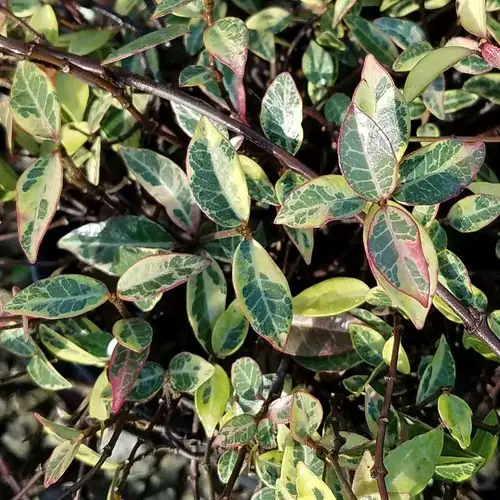
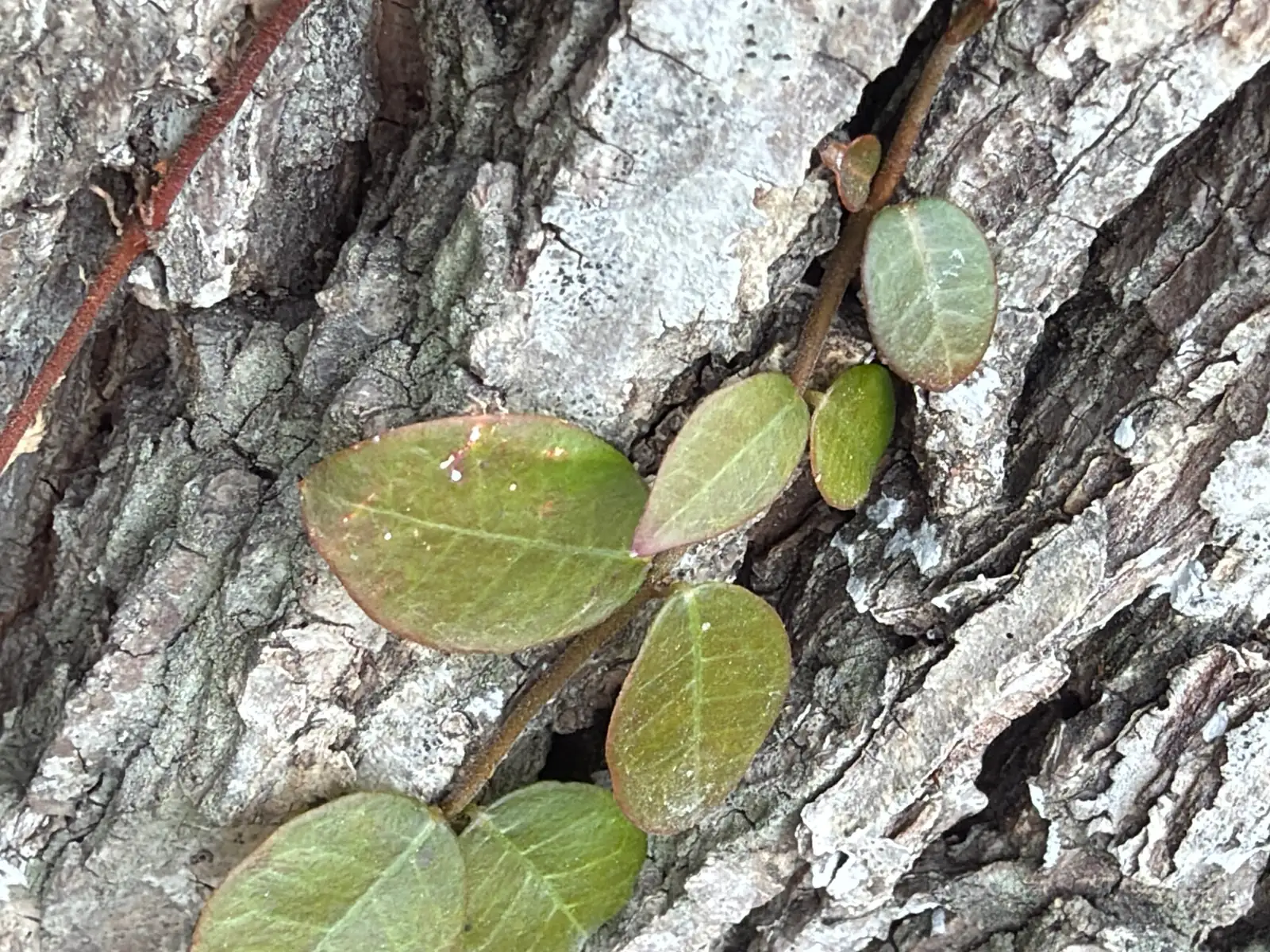
- Foliage: Glossy evergreen leaves with strong variegation in cream/white and green. If any stems revert to solid green, prune them out promptly to keep the plant looking nicely patterned. Variegation can look duller under stress (for example, strong sun combined with cold), and extended low temperatures or cold, wet soil can lead to leaf drop.
- Flower: Small, star-shaped, fragrant white flowers may appear in summer. Blooming is usually more dependable outdoors than for indoor container plants.
- Flowering Season: Summer
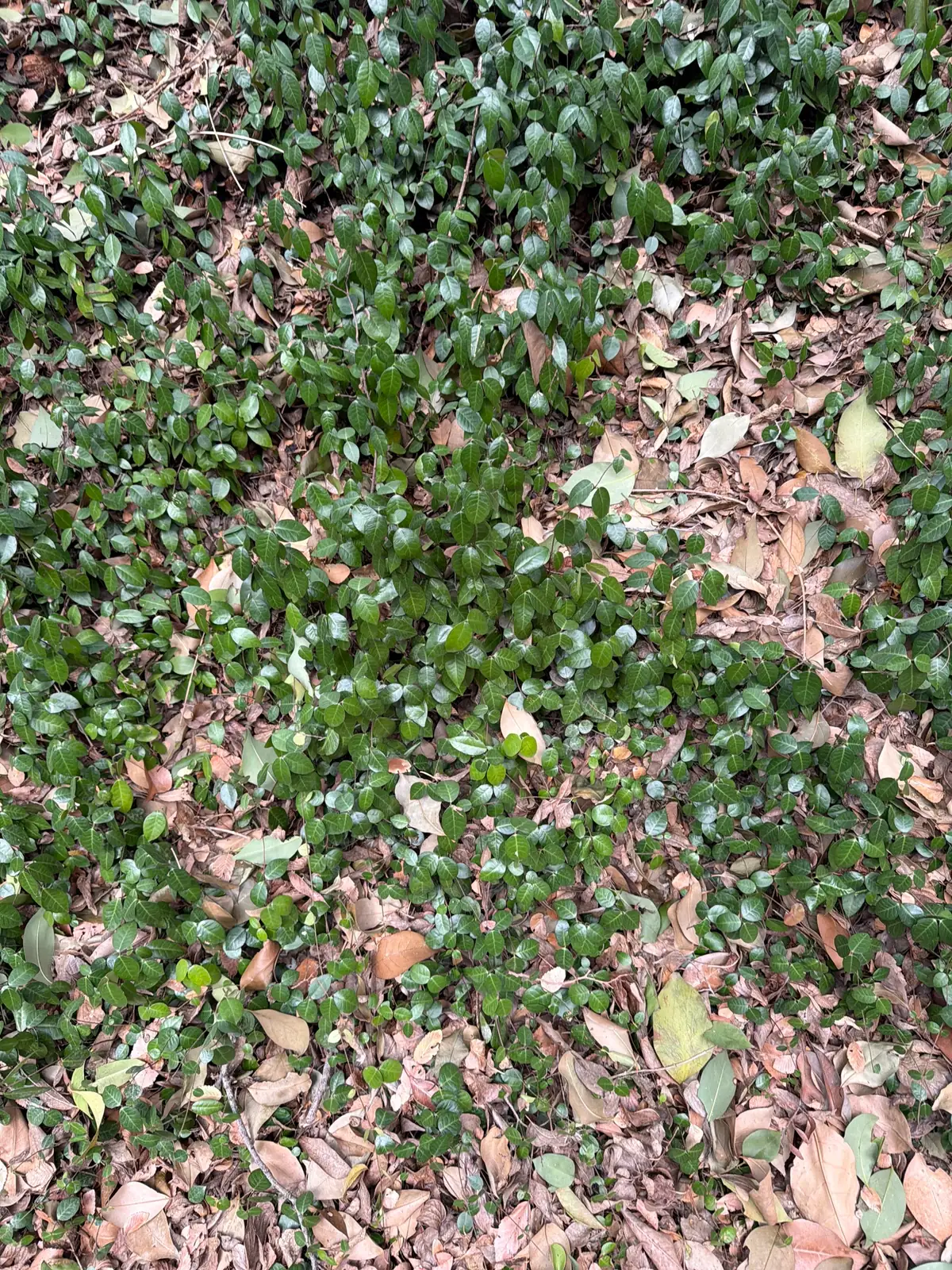
- Growth Habit: Evergreen twining/trailing vine; works well in containers, trained on a small trellis, allowed to hang, or grown in water culture.
Environment
Sunlight
Bright light to sun for strongest growth and best chance of flowering; also tolerates partial shade. Indoors, an east- or south-facing window is ideal. Avoid harsh sun when temperatures are low, which can dull variegation and increase wilting/leaf drop risk.
Temperature
Best growth at 20–25°C (68–77°F). In winter, aim to keep it above 10°C (50°F) to reduce leaf drop. It may tolerate brief dips to about 0°C (32°F), but prolonged cold commonly causes defoliation.
Humidity
Prefers moderate humidity. In dry indoor air, occasional misting can help—pair it with good airflow, and avoid stagnant, overly humid conditions.
Soil
Rich, fertile, loose, well-drained potting mix (leaf-mold based or a high-quality all-purpose mix). Avoid waterlogging; especially right after potting, water lightly and let the plant settle in.
Placement
A bright, airy spot on an east- or south-facing balcony/windowsill; also suitable for decorative water culture displays if you’re willing to top up and change water regularly.
Hardiness
Not reliably frost-hardy in containers. Briefly tolerant to around 0°C (32°F), but protect from extended cold; overwinter above 10°C (50°F). Tolerates shade and some drought once established, but dislikes waterlogged soil.
Care Guide
Difficulty
Easy overall and famously easy to propagate. The main keys are bright light, careful watering (especially in winter), and keeping it warm enough to prevent leaf drop.
Buying Guide
Choose a plant with dense branching, a pleasing shape, and crisp variegation; leaves should be glossy and free of spots. After bringing it home, place it somewhere bright and well ventilated and mist occasionally; avoid extreme dryness and scorching sun. If stems are long or crowded, prune to shape, then wait for fresh growth before feeding. For water-cultured plants, top up water, change it regularly, and use an appropriate nutrient solution.
Watering
During active growth, keep the mix evenly moist but never soggy. From autumn onward, reduce watering; in winter keep it on the slightly drier side. Cold + wet conditions are a classic trigger for yellowing and leaf drop. After repotting, avoid heavy watering—light watering plus occasional misting is often enough at first.
Fertilization
Feed about once per month during the growing season. If you’re aiming for flowers, add 1–2 extra feeds higher in phosphorus and potassium (or use a bloom fertilizer) before summer.
Pruning
Add a small support/trellis when new shoots reach about 30 cm (12 in). Pinch tips to encourage branching and thin congested growth as needed. Remove all-green reverted shoots promptly. Older container plants (around 3–4 years) can be hard-pruned to rejuvenate.
Propagation
Very easy from cuttings. In early summer, take semi-ripe tip cuttings about 10–12 cm (4–5 in) long, keep 3–4 leaves at the top, remove lower leaves, and root in moist sand or a gritty mix; roots typically form in about 3–4 weeks. Stem cuttings also root readily in water. Layering long stems during the growing season is another reliable method. Seed can be sown immediately after collection at 13–16°C (55–61°F), but seedlings may revert to solid green.
Repotting
Repot about every 2 years in spring using a fertile, loose, well-drained mix. A common approach is planting 3 young plants in one 15–20 cm (6–8 in) pot for a fuller look. Water sparingly right after repotting.
📅 Seasonal Care Calendar
Growing season: keep lightly moist; fertilize monthly; add 1–2 bloom feeds before summer flowering. Early summer: take 10–12 cm (4–5 in) semi-ripe cuttings. Autumn: reduce watering. Winter: keep slightly dry and ideally above 10°C (50°F); avoid cold, wet soil to prevent leaf drop. Spring (every ~2 years): repot. Every 3–4 years: rejuvenation pruning.
Pests, Diseases & Safety
Common Pests & Diseases
Leaf spot can occur—improve airflow, avoid wetting foliage late in the day, and remove affected leaves. If needed, use a broad-spectrum fungicide labeled for ornamental leaf spot. Spider mites may show up in dry indoor air; raise humidity, rinse foliage, and treat with insecticidal soap/horticultural oil or a labeled miticide as directed.
Toxicity
Specific toxicity information for this exact cultivar is not consistently documented. As a sensible precaution—especially with pets or small children—treat it as potentially irritating if chewed and prevent ingestion; seek veterinary/medical advice if symptoms occur.
Culture & Symbolism
Symbolism: Often associated with steadfastness and loyalty thanks to its evergreen nature and twining, clinging growth—an easy-going “always there” kind of plant.
History & Legends: This is a cultivated variegated form of Asiatic jasmine (Trachelospermum asiaticum), selected and grown mainly for decorative foliage rather than flowers. It’s commonly trained as a tidy potted vine or used as a design-forward water-culture houseplant.
Uses: Primarily ornamental—grown for bright variegated foliage in pots, on small trellises, and as a trailing/hanging plant; also popular for water culture in minimalist indoor displays.
FAQ
My variegated star jasmine leaves keep turning yellow and dropping—what’s wrong, and how can I fix it?
The usual culprits are low light or the winter one-two punch of cold + overwatering. Move it to brighter light (a good window or bright balcony), keep it warmer (ideally above 10°C/50°F), and let the potting mix dry a bit more between waterings in winter. During active growth, a light monthly feed can also help it stay vigorous.
How do I choose a good plant, and what should I do after bringing it home?
Pick one with dense, healthy growth, glossy leaves, and clear variegation without spotting. At home, give it bright light and fresh air, mist occasionally, avoid harsh scorching sun, and prune long/crowded stems to shape. Wait for new growth before fertilizing. If growing in water, top up and change the water regularly and add a suitable nutrient solution.
Why are some stems turning solid green, and should I cut them off?
That’s reversion—some shoots can lose variegation and grow green-only, which often makes them more vigorous than the patterned parts. If you want to keep the plant looking variegated, prune those green shoots out as soon as you notice them.
Fun Facts
- It’s often grown in water culture as a sleek, modern houseplant display.
- Its comfort zone is around 20–25°C (68–77°F); it can handle a brief chill near 0°C (32°F), but long cold spells often cause leaf drop.
- Cuttings root readily in either propagation mix or plain water, often in about 3–4 weeks.
- Seed-grown plants may lose variegation and revert to solid green leaves.
- Older potted plants (about 3–4 years) can be cut back hard to rejuvenate.