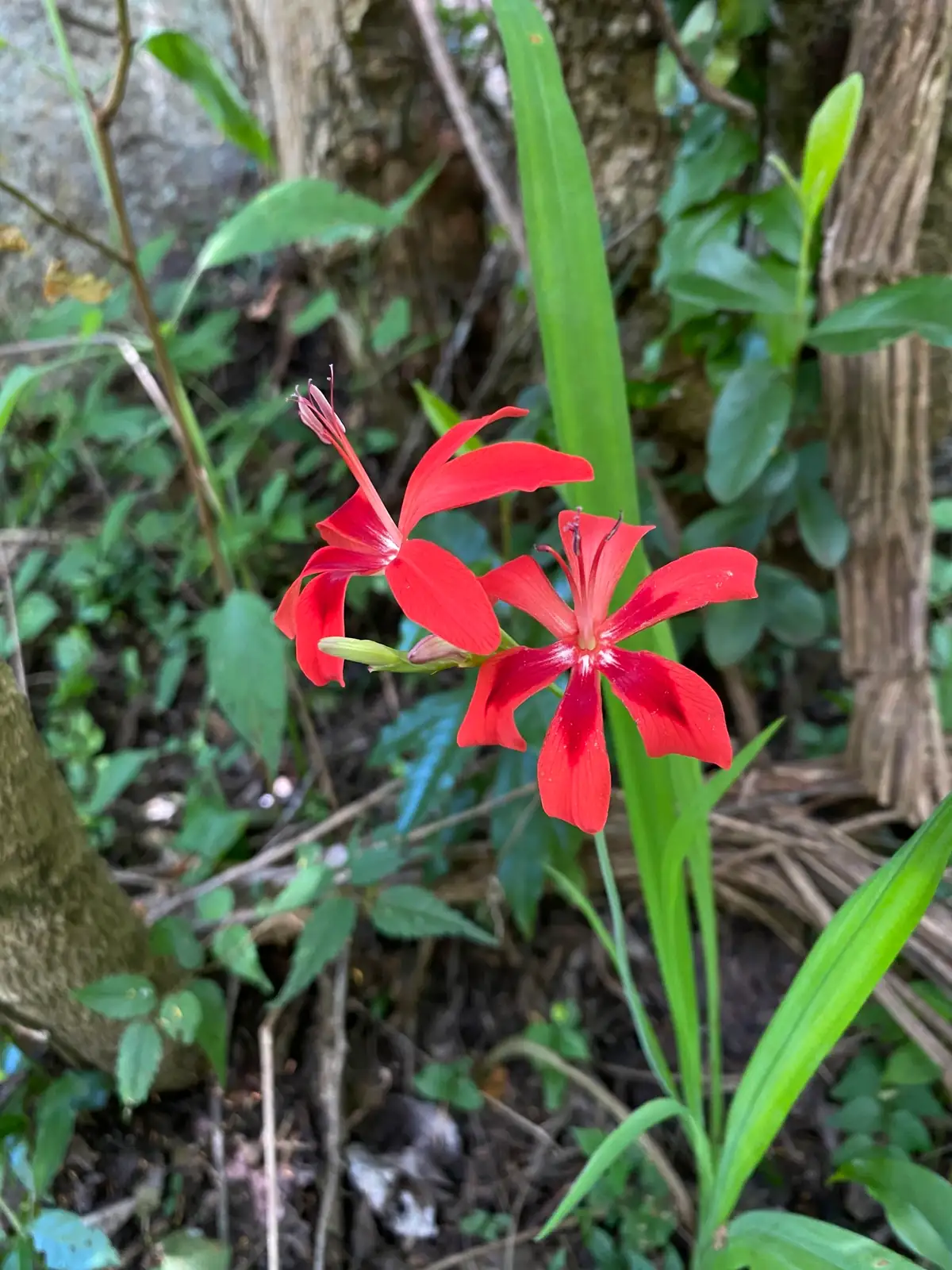
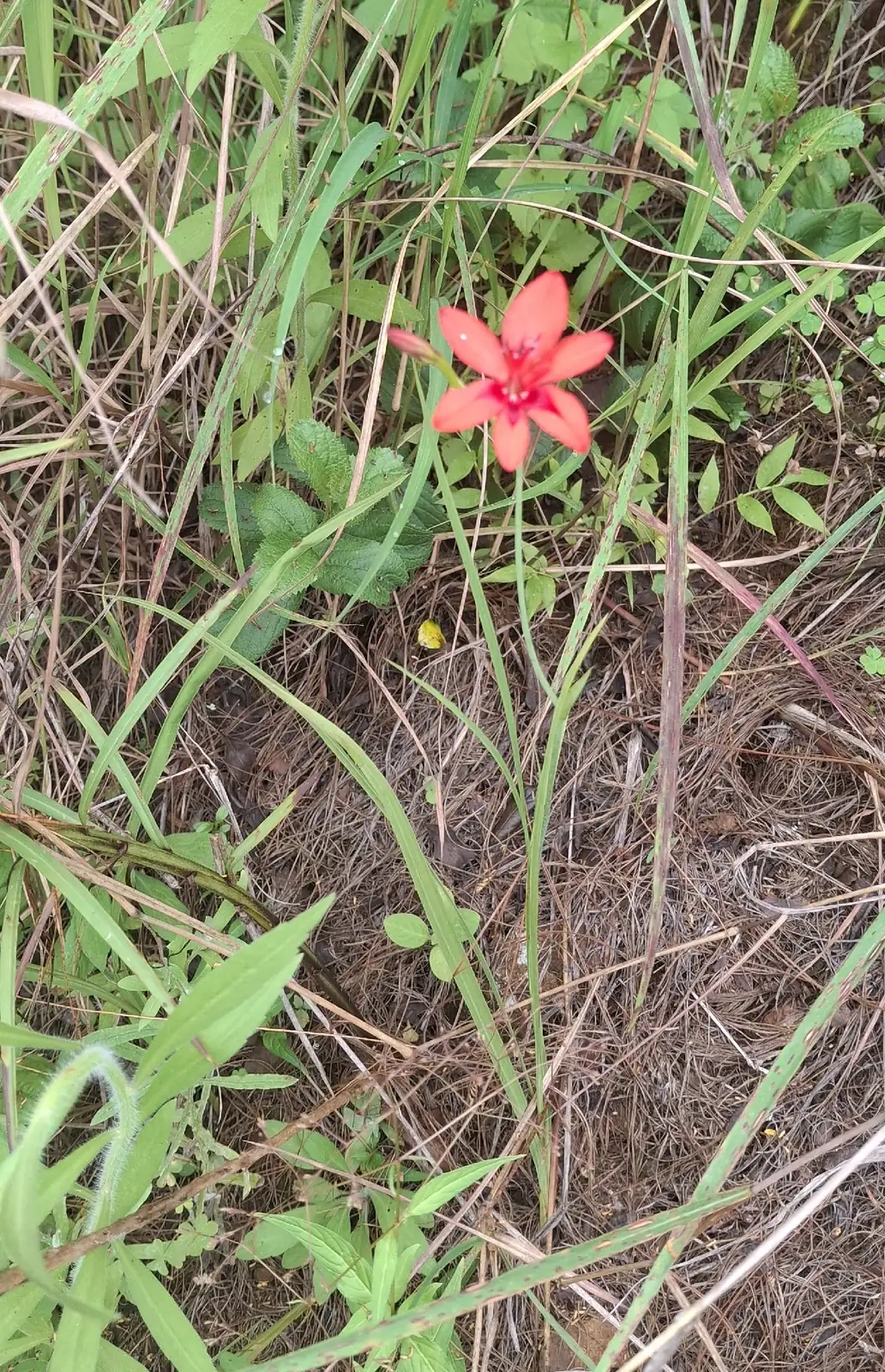
Plant Features
- Size: Typically 20–45 cm (8–18 in) tall in pots; clumps usually spread about 10–20 cm (4–8 in) depending on planting density, cultivar, and conditions.
- Foliage: Leaves are narrow, sword-shaped, and fresh to mid-green, arising from the base and along the stems for a clean, upright look.
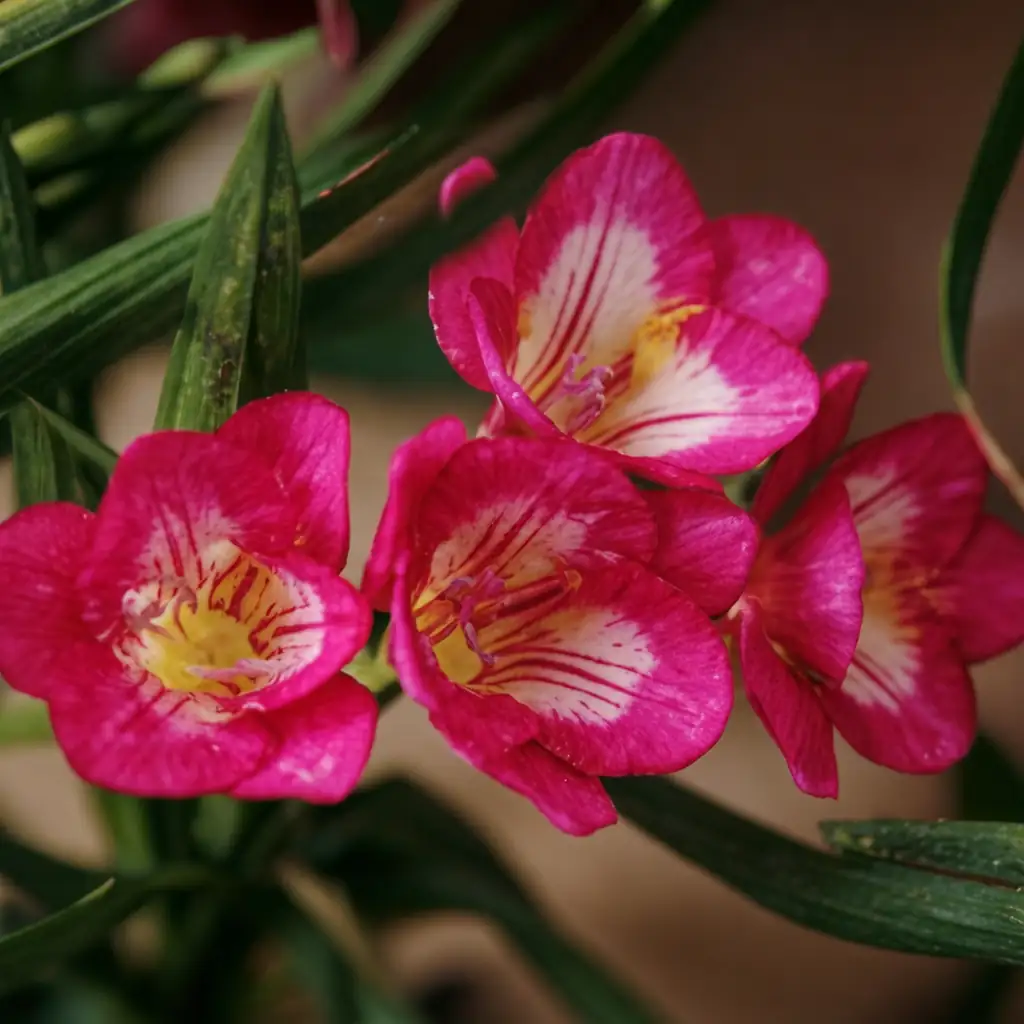
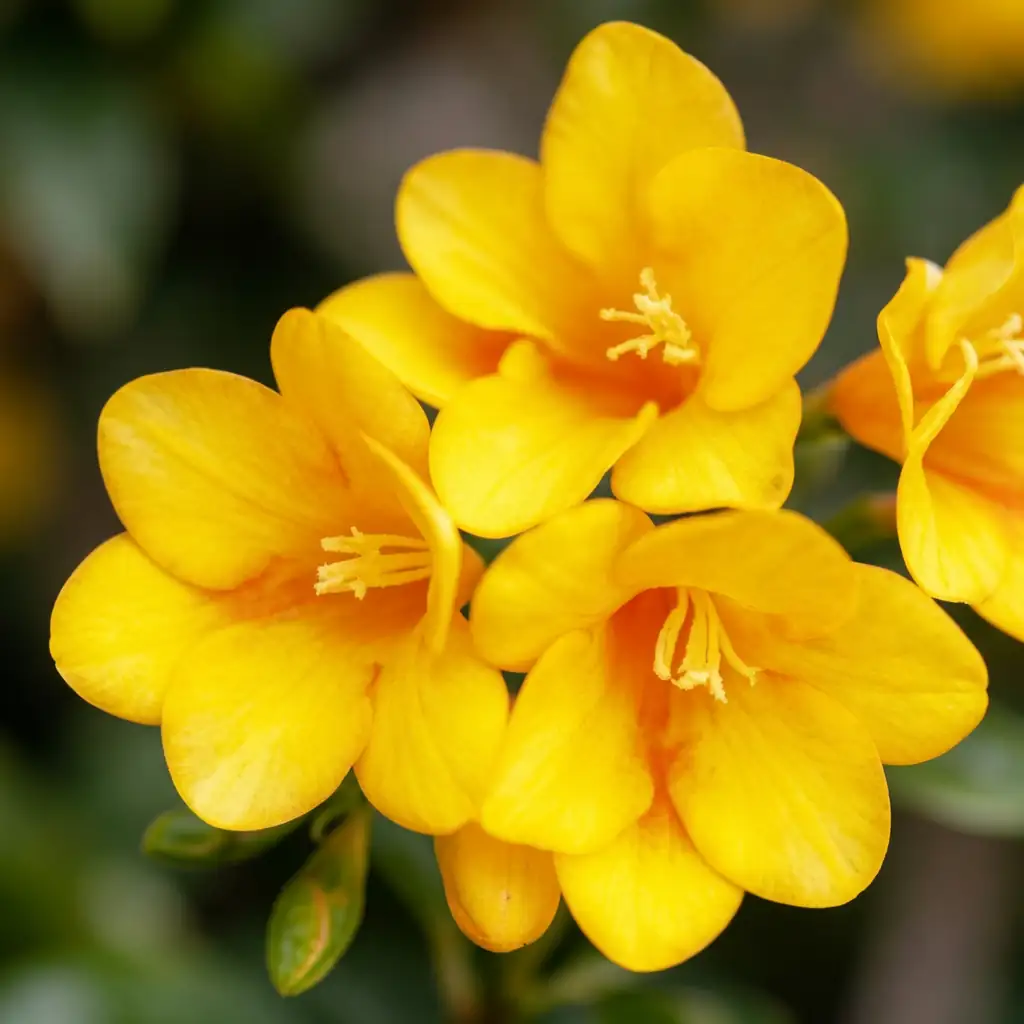
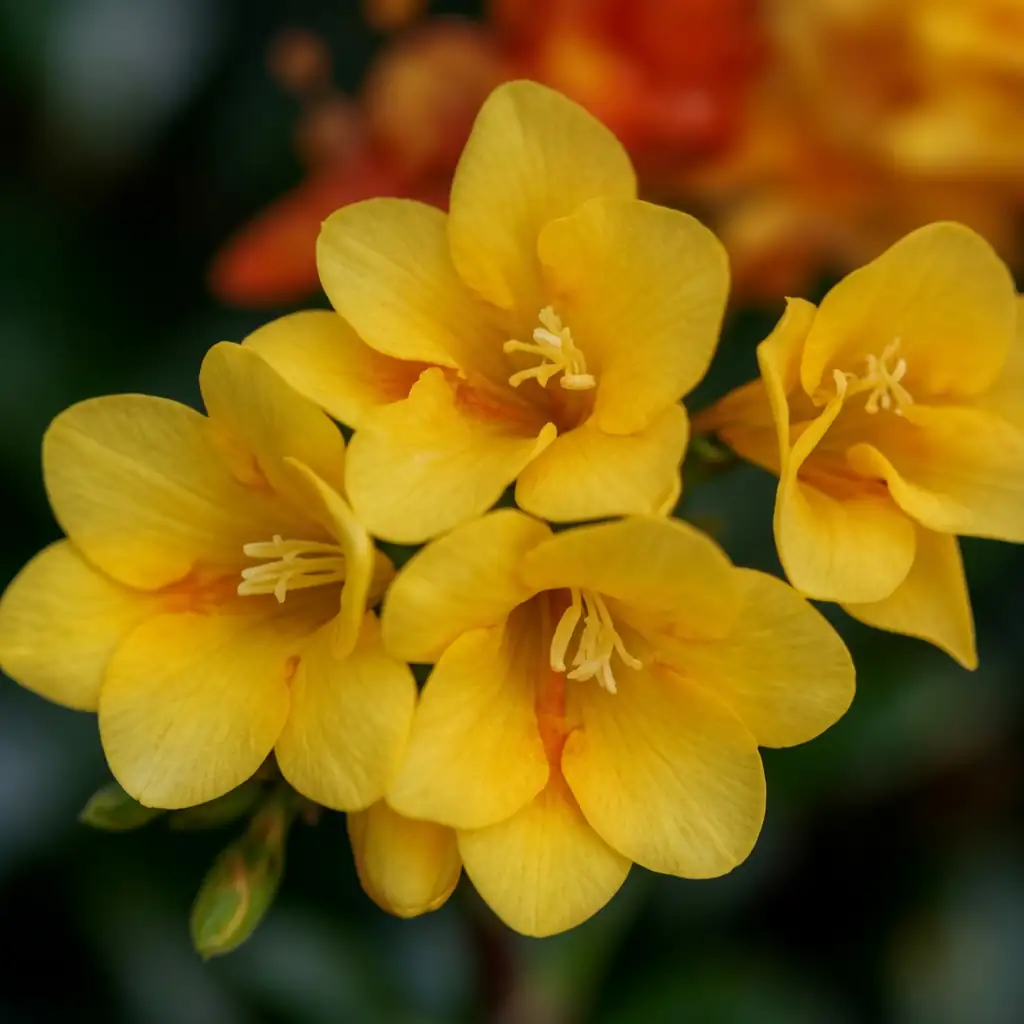
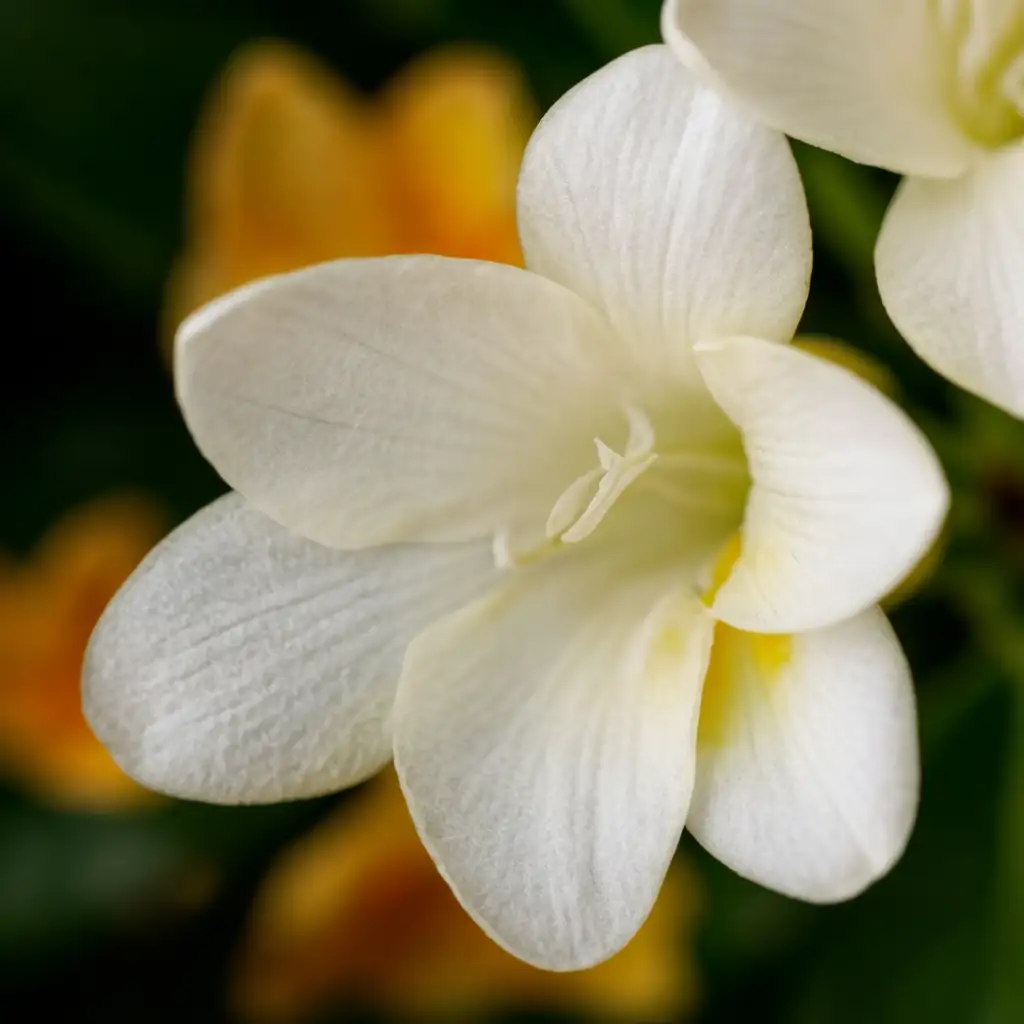
- Flower: Strongly fragrant, funnel/trumpet-shaped flowers carried along one side of an arching spike. A typical stem carries about 6–10 blooms. Colors vary widely in cultivation, including white, cream/yellow, orange, pink, red, and many bicolors.
- Flowering Season: Late winter to spring (often winter to early spring indoors; timing varies with planting date and temperature).
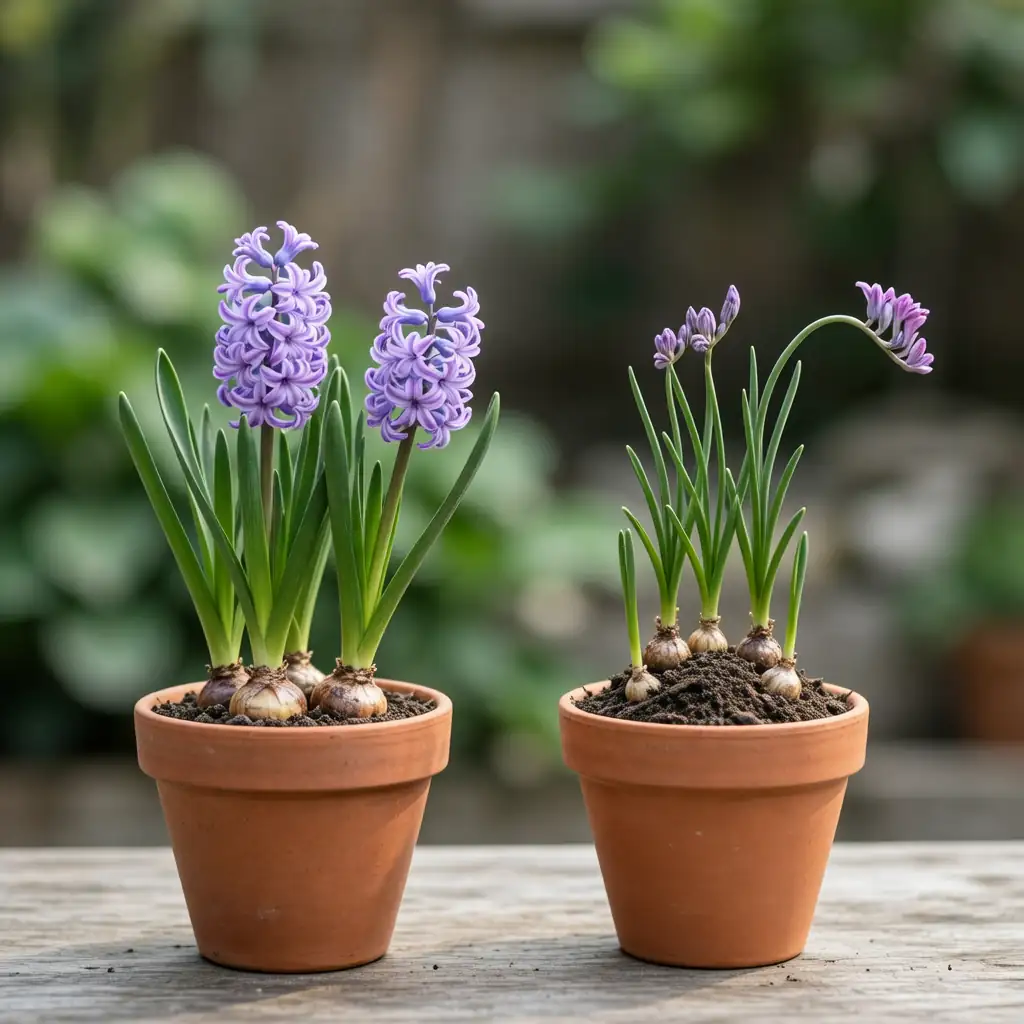
- Growth Habit: Corm-forming perennial grown as a seasonal bloomer: active growth and flowering are followed by dormancy. After blooming it forms a new replacement corm plus several small offsets (often 3–5 cormlets).
Environment
Sunlight
Full sun to very bright light. Indoors, a sunny east- or south-facing windowsill or a bright balcony is ideal; avoid deep shade and protect from harsh heat while ensuring good airflow.
Temperature
Prefers cool conditions: best growth around 15–20°C (59–68°F), with ideal days about 18–20°C (64–68°F) and nights about 14–16°C (57–61°F). Prolonged warmth above ~20°C (68°F) can cause weak, floppy growth and shorter flowering. Protect from frost and freezing; for safety keep above about 5°C (41°F), though some guidance notes it may tolerate near 0°C (32°F) briefly if protected. Dormant corm storage is often kept warm and dry at about 25°C (77°F) with ventilation.
Humidity
Likes evenly moist conditions during growth, but with plenty of ventilation. Still, humid air encourages gray mold; aim for “fresh air + moderate humidity,” not muggy rooms.
Soil
Fertile but fast-draining mix (loam + leaf mold/compost + coarse sand or perlite). Planting depth: about 2–3 cm (0.8–1.2 in) in pots; 3–4 cm (1.2–1.6 in) in the ground. Drainage is essential to prevent corm rot.
Placement
Bright, cool indoor spots such as a windowsill in a living room, study, or bedroom; also a bright balcony with protection from frost and strong midday heat. Keep away from heaters/AC blasts and from ethylene sources (like ripening fruit), which can shorten flower life.
Hardiness
Frost-tender; best outdoors in mild climates (roughly USDA Zone 9–11). In cooler regions, grow in pots or lift and store corms dry during dormancy.
Care Guide
Difficulty
Moderate: freesia is easy to enjoy once you keep three things in balance—cool temperatures, bright light, and even moisture without waterlogging. It’s sensitive to heat (flowers fade faster and stems weaken), to stale humid air (gray mold), and to ethylene exposure.
Buying Guide
For potted plants, choose specimens with fresh green, narrow leaves and thick, sturdy flower stems. A spike with about 6–10 buds/flowers where roughly half are just starting to open usually gives the longest display. For cut stems, buy when the first flower is opening and at least two more buds are showing color. If buying corms, select ones that are firm, plump, clean, and undamaged, with a brown fibrous tunic and no signs of pests/rot; corms at least 2 cm (0.8 in) wide tend to flower more reliably.
Watering
During active growth and bud formation, keep the mix evenly moist—never soggy. In many indoor schedules, peak bloom may need watering about 2–3 times per week, then reduce to about once weekly as flowering winds down. About a month after flowering, gradually reduce watering; once the foliage naturally yellows and dries, stop watering completely and let the corms rest. When new shoots appear again (often autumn), restart lightly (about weekly) and increase as growth accelerates. Avoid spraying open flowers; if air is dry, mist leaves lightly instead.
Fertilization
Feed lightly during active leafy growth to support strong stems and bloom. Practical options from the sources include: (1) a diluted balanced fertilizer about every 10 days during growth, then stop once flower stems are up; or (2) feeding about every 2 weeks with a bloom-leaning fertilizer (higher phosphorus and potassium), with a one-time phosphorus/potassium boost as spikes begin to emerge (e.g., a very dilute monopotassium phosphate solution). Avoid heavy feeding during peak flowering, which can encourage bud/flower drop.
Pruning
Remove spent blooms to keep the plant tidy (unless saving seed). Stake or lightly support stems as they elongate—freesias are famous for flopping when light is low or temperatures are too warm.
Propagation
By offsets (cormlets). After flowering, a mature corm typically produces a new replacement corm plus several cormlets (often 3–5). Once the plant enters dormancy (often late spring; timing varies), separate offsets, store them dry and airy, then replant in early autumn (commonly around September) for next season.
Repotting
Refresh the mix and replant corms every 1–2 years, usually in late summer to early autumn before growth resumes. A common setup is a 12–15 cm (4.7–5.9 in) pot with about 5–7 corms planted 2–3 cm (0.8–1.2 in) deep in a rich but free-draining medium.
📅 Seasonal Care Calendar
Spring: enjoy peak bloom; water regularly (often 2–3 times weekly), keep cool and bright. After flowering: over ~1 month taper watering; remove spent blooms; keep leaves until they yellow naturally. Late spring to summer: dormancy—stop watering; lift/separate if desired; store dry, ventilated (often around 25°C / 77°F). Early autumn (often September): replant and water lightly as shoots appear (about weekly). Winter: keep in the brightest, coolest practical spot (around 15°C / 59°F); water when the top mix begins to dry; maintain airflow and avoid heat sources.
Pests, Diseases & Safety
Common Pests & Diseases
Common problems include corm/bulb rots (soft rot, sclerotium rot), gray mold (Botrytis) in still humid air, and mosaic virus. Prevention is the real secret: start with healthy corms, use clean fast-draining mix, avoid overcrowding, water carefully, and keep good airflow. Remove and discard badly rotted corms or virus-suspect plants promptly. Home growers typically rely on sanitation and environment control; chemical treatments, if used, should follow local guidance and labels.
Toxicity
Generally not widely listed as a highly toxic houseplant, but definitive pet/toxin listings vary by region and database. Treat corms and foliage as potentially irritating if chewed, and keep out of reach of children and pets; fragrance may bother sensitive individuals in enclosed spaces.
Culture & Symbolism
Symbolism: Often linked with purity, trust, and thoughtful affection. In gifting traditions: red can suggest admiration; white fits romantic love; pale yellow suits warm fondness and friendship.
History & Legends: Freesias are native to southern Africa and became popular in horticulture for their perfume and clean, elegant spikes. Most modern pot and cut-flower freesias are hybrids bred for bigger flowers, stronger scent, and a wider color range.
Uses: Ornamental: a favorite fragrant pot plant for late winter to spring windowsills and balconies, and a classic, long-lasting cut flower for bouquets and seasonal gifts.
FAQ
Why are my freesia flowers wilting so quickly?
The usual culprit is warmth. If temperatures stay above about 20°C (68°F), stems weaken and the flowering period shortens. Move the pot to a brighter-but-cooler place (around 15°C / 59°F if possible), keep the soil evenly moist (not wet), and maintain good airflow.
How do I choose a good freesia (plant or corm) when buying?
Choose plants with healthy narrow green leaves and sturdy stems, ideally with 6–10 buds/flowers per spike and about half just opening. For corms, pick firm, plump, clean ones with an intact tunic and no soft spots; sizes around 2 cm (0.8 in) wide or more usually bloom more reliably.
How should I care for freesia right after bringing it home?
Put it in very bright light with cool temperatures and fresh air—an east or south window is great. Keep the mix evenly moist, avoid wetting open flowers, and don’t place it near heaters, hot vents, or ripening fruit.
Fun Facts
- Freesias grow from corms (not true bulbs) and naturally alternate between an active season and a dry dormancy.
- The buds open one after another along the spike, which is why freesia can last well as a cut flower when kept cool.
- Most freesias sold for pots and bouquets are hybrids, commonly grouped as Freesia × hybrida.
- A single mature corm often makes several baby cormlets, so you can multiply your collection year after year.