

Plant Features
- Size: Commonly kept at 30–60 cm (12–24 in) tall indoors in pots or water. With strong growth it can exceed 1 m (3.3 ft), but it’s often cut back to prevent bending or toppling.
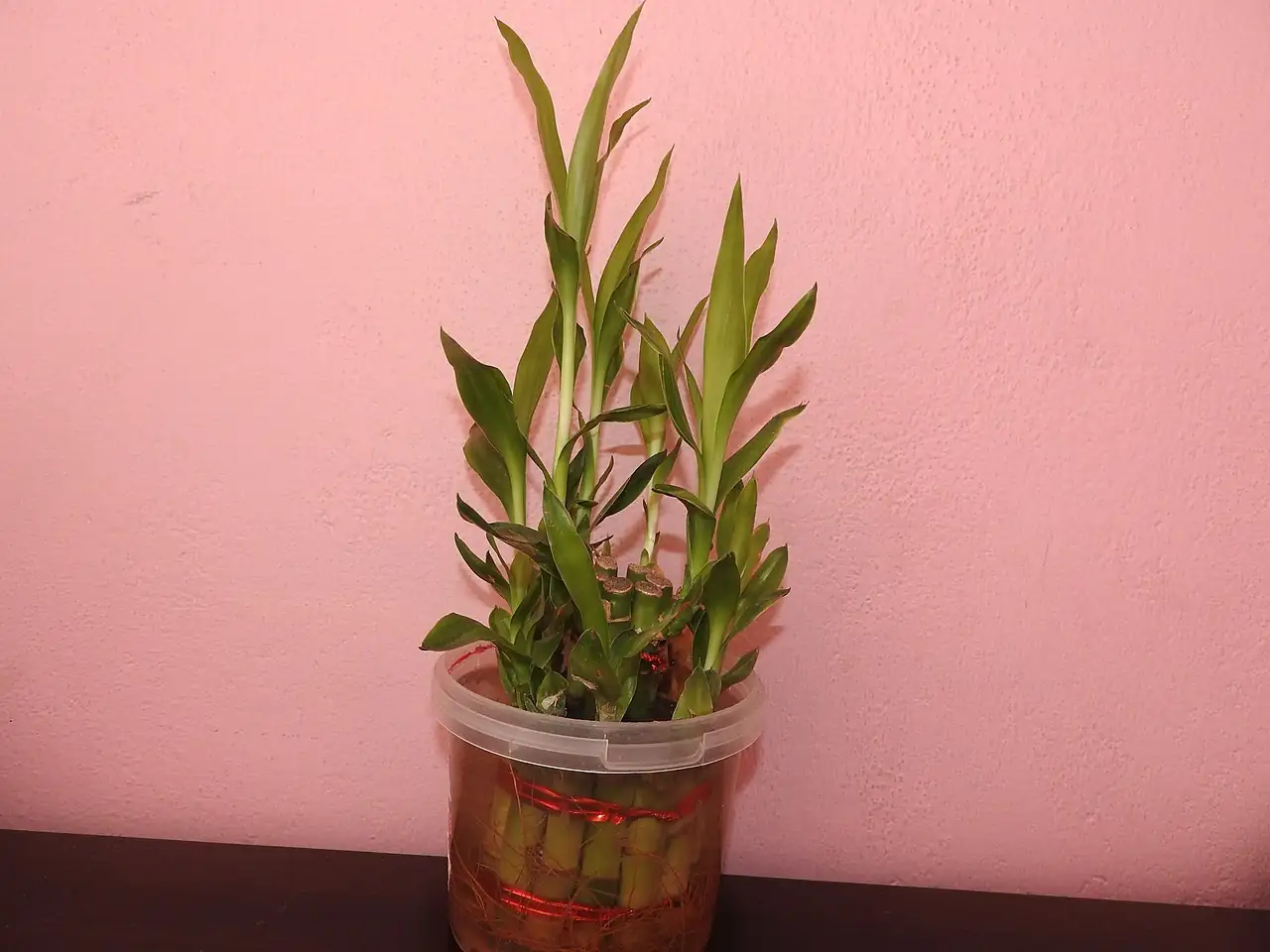
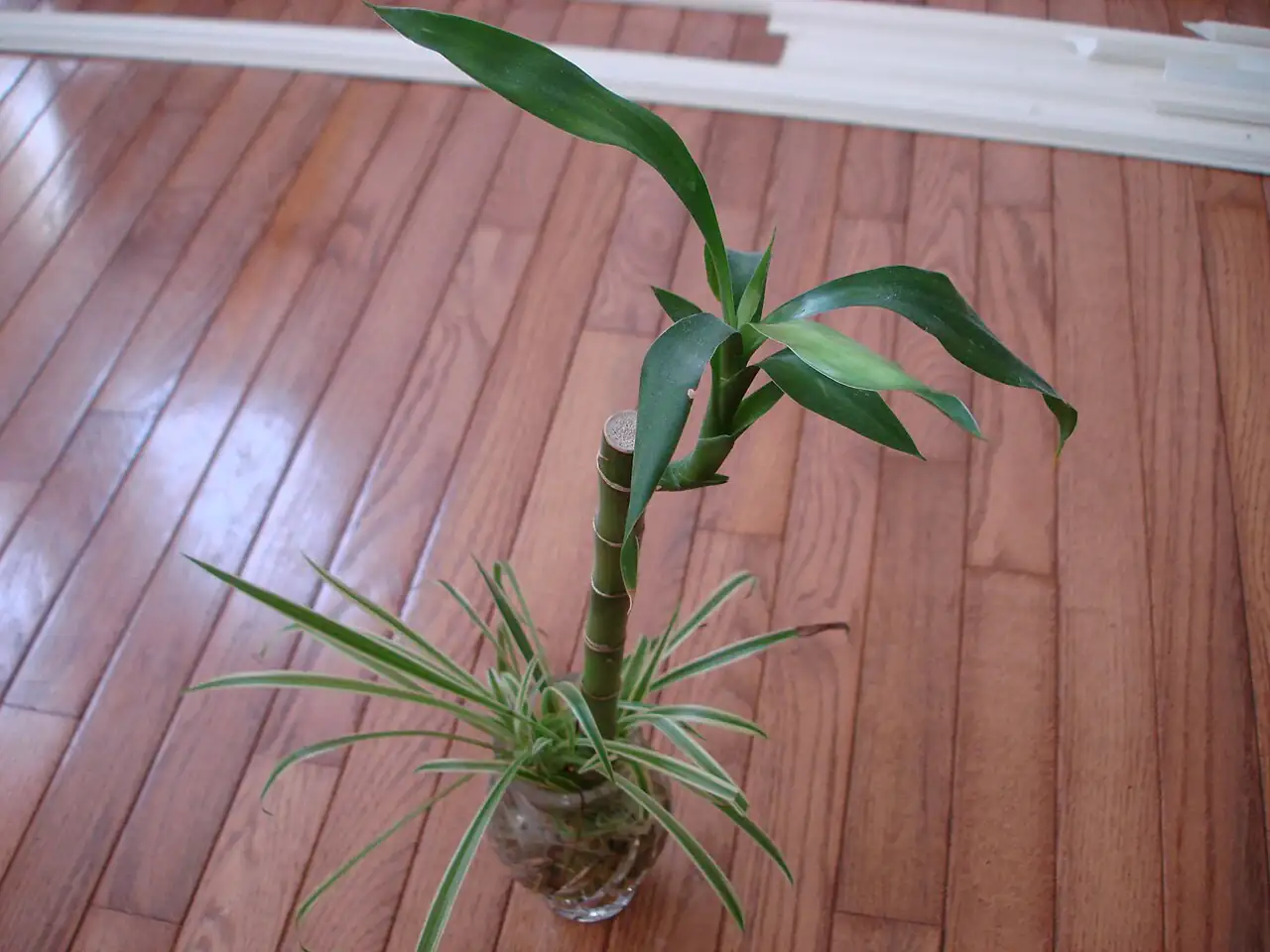
- Foliage: Leaves are glossy, narrow to strap-shaped (sometimes lance-like), and clustered near the tops of the canes, usually a rich medium-to-deep green. Variegated forms are prized for clean, crisp striping. In prolonged low light, growth becomes weaker and softer, leaves can droop, and color may look less intense.
- Flower: Flowering indoors is uncommon. If it does bloom, the flowers are small and pale, typically appearing in summer.
- Flowering Season: Summer (rare indoors).
- Growth Habit: Upright, cane-forming dracaena with relatively fast growth in warm, moist conditions. Tall canes may bend if they get top-heavy; staking or pruning helps. It tolerates hard pruning and can re-sprout from nodes. Roots (especially in water culture) can become dense and vigorous over time.
Environment
Sunlight
Bright, indirect light is ideal. It tolerates lower light/shade but grows weaker and less upright. Avoid harsh direct sun (especially midsummer). About 50%–70% filtered light works well—an east-facing window or a south-facing window with a sheer curtain is a classic spot.
Temperature
Best growth in warm conditions around 18–30°C (64–86°F), with especially strong growth reported at 25–30°C (77–86°F). Keep above 10°C (50°F) in winter; cold injury can occur below 5°C (41°F).
Humidity
Prefers moderate to high humidity (about 50%+). In hot, dry conditions, misting leaves 2–3 times per day can help prevent brown leaf tips—especially while rooting new cuttings.
Soil
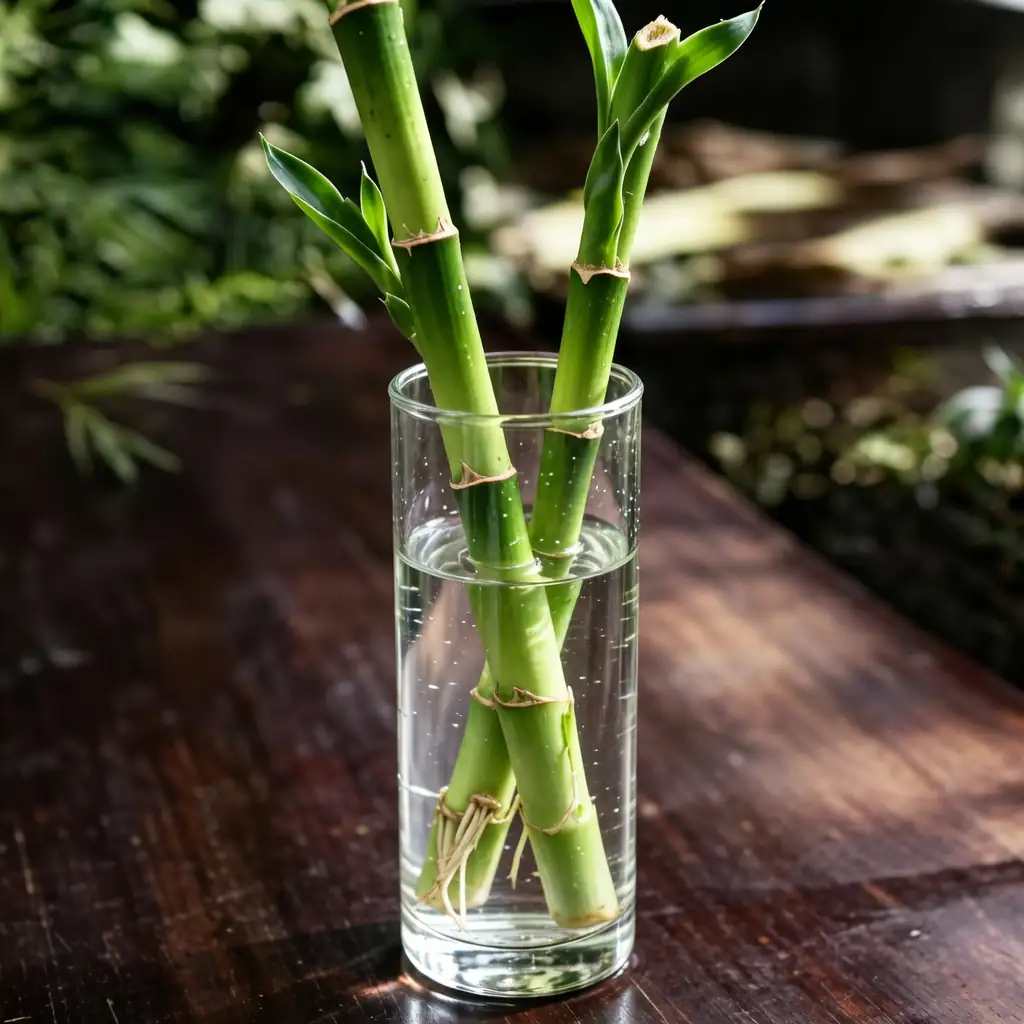
Often grown in water. For pots, use a fertile, well-drained houseplant mix (e.g., all-purpose potting soil/loam improved with compost or leaf mold plus a little sand/perlite for airflow). Keep evenly moist but not waterlogged. In water culture, keep roots submerged and the container clean; some growers leave a small portion of the root mass near/above the waterline for aeration.
Placement
Indoors where there’s bright filtered light: desks, living rooms, dining areas, studies, offices, hotels, reception areas, and bright bathrooms. Keep away from strong sun through glass and from cold drafts/air-conditioning vents.
Hardiness
Frost-tender; not cold-hardy. Suitable outdoors year-round only in warm, frost-free climates (approximately USDA Zone 10–12).
Care Guide
Difficulty
Easy and beginner-friendly. It adapts well to indoor life, tolerates low light better than many plants, and handles pruning well. The biggest pitfalls are cold damage, harsh direct sun, stagnant/dirty water (leading to rot), and very dry air (leaf-tip browning).
Buying Guide
Choose plants with sturdy, full canes and a balanced shape. A convenient indoor size is 30–60 cm (12–24 in). Leaves should be intact, deep green, and free of spots, insect stippling, or sticky residue; variegated types should show crisp, clean striping. Avoid overly tall, top-heavy stems unless you’re happy to prune or stake them soon after bringing them home.
Watering
If grown in soil: keep evenly moist in spring and summer, letting the top of the mix dry slightly between waterings; reduce watering in autumn; in winter keep it slightly drier (while still warm).
If grown in water: never let the container run dry. For fresh cuttings, change the water every 3–4 days; once rooted, change about weekly. Use clean containers and preferably dechlorinated/aged water to reduce rot risk. During water changes, trim away old, crowded, or damaged roots if needed.
Fertilization
Feed lightly during active growth. A practical approach is a dilute, balanced fertilizer (e.g., 20-20-20) about once every 2 months, or a very weak foliage-plant nutrient solution about every 2 weeks—especially sparingly in water culture. Overfeeding can cause soft, floppy growth and can foul water-grown setups.
Pruning
Prune to control height and prevent bending. A common technique is cutting the cane back to about 15 cm (6 in) above the soil line (or above the base in water culture). The remaining cane usually re-sprouts from nodes, and the removed top can be rooted as a cutting. Stake and tie tall stems if you prefer not to cut.
Propagation
Mostly by stem cuttings. Best timing is early summer to midsummer (around June–July). Cut mature canes into 10–15 cm (4–6 in) sections and root in moist sand or a light mix at 25–30°C (77–86°F) with higher humidity; rooting often takes about 20–25 days (roughly 3–4 weeks). For water propagation, use a 20–25 cm (8–10 in) tip cutting, remove lower leaves, place in clean water, and change every 3–4 days; roots typically form in about 3 weeks. Keeping tools clean helps; some traditional growers dust cut ends with charcoal/ash to discourage rot.
Repotting
If soil-grown, repot about once per year in spring or refresh the mix when roots are crowded. It’s often kept in small pots around 12–15 cm (4.7–5.9 in) in diameter. Plants can also be rinsed free of old soil, dead roots trimmed, and moved into water culture if desired.
📅 Seasonal Care Calendar
Spring–Summer: brighter indirect light, steady moisture, and extra humidity (mist in dry heat). Shade from strong summer sun. Propagate mainly in early summer.
Autumn: slow down watering as growth eases.
Winter: keep warm (above 10°C / 50°F), avoid drafts, and water sparingly. For water-grown plants, keep water clean—weekly changes are a good routine.
Pests, Diseases & Safety
Common Pests & Diseases
Most problems come from hygiene and stress: leaf spot and cane/stem/root rot can occur in stagnant water, dirty containers, or poor airflow—refresh water, clean containers, and remove affected tissue promptly. Common pests include scale insects, thrips, and sometimes aphids. Treat early with insecticidal soap or horticultural oil, and isolate the plant if pests are spreading.
Toxicity
Toxic to cats and dogs if chewed (typical Dracaena reaction), potentially causing drooling, vomiting, reduced appetite, or lethargy. Place out of reach of pets and small children.
Culture & Symbolism
Symbolism: Strongly linked with prosperity, good luck, harmony, and longevity—one reason it’s such a popular housewarming or business-opening gift.
History & Legends: Its global popularity surged through feng shui-inspired home décor and gifting. The name “lucky bamboo” refers to the bamboo-like look of the canes, not its true identity.
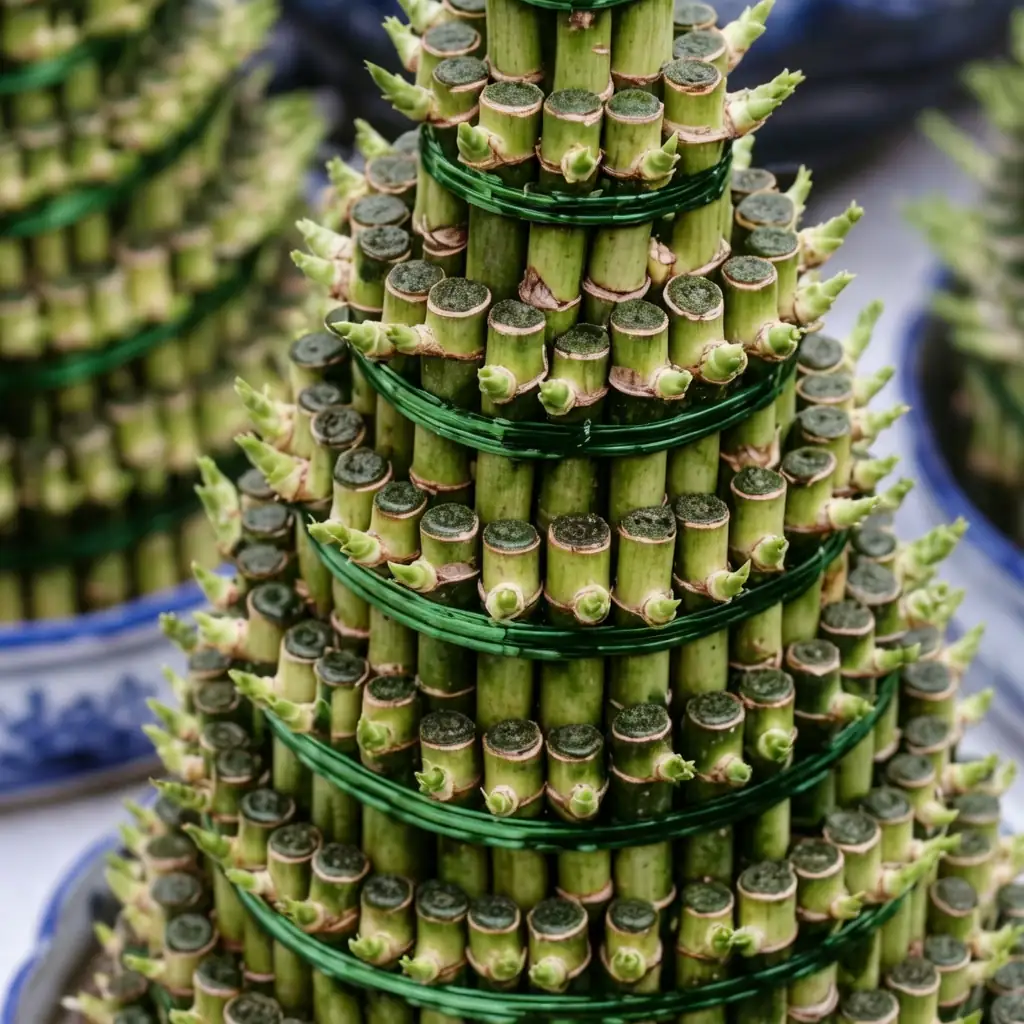
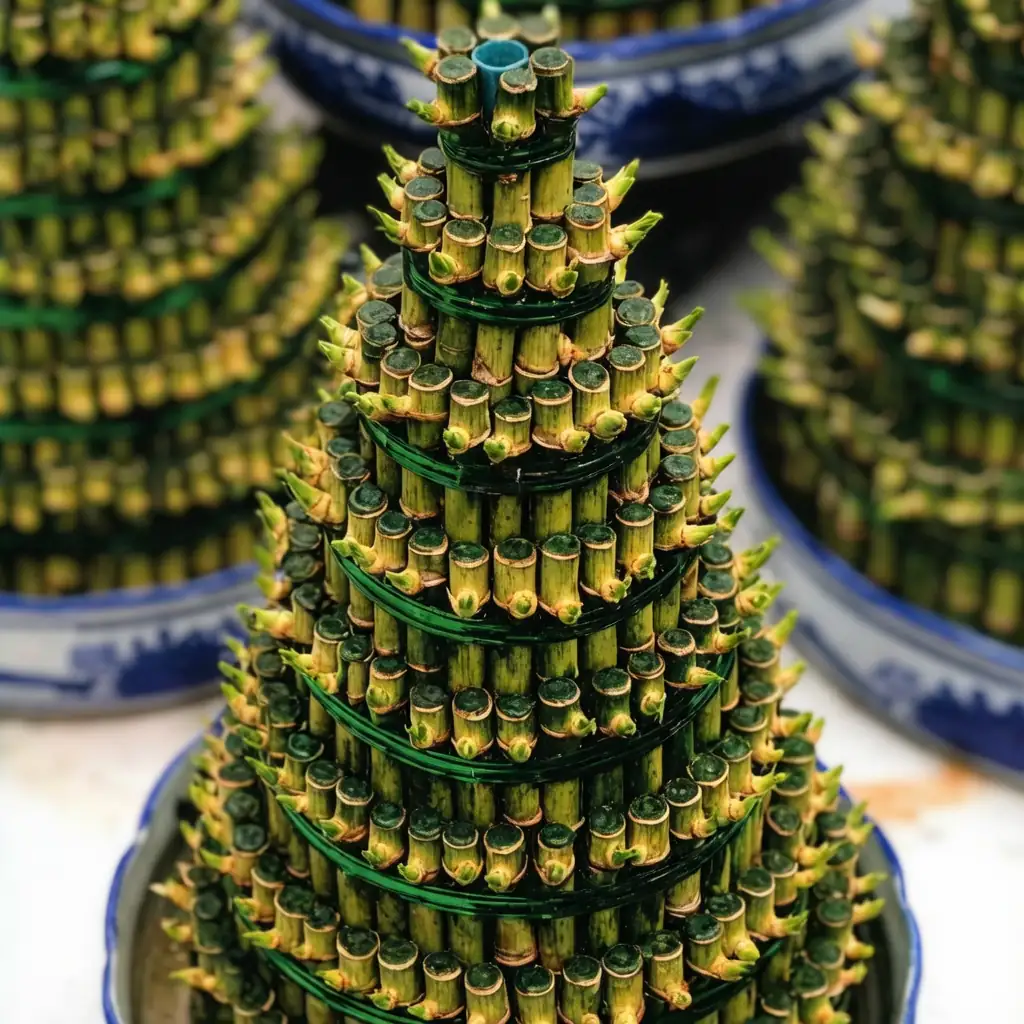
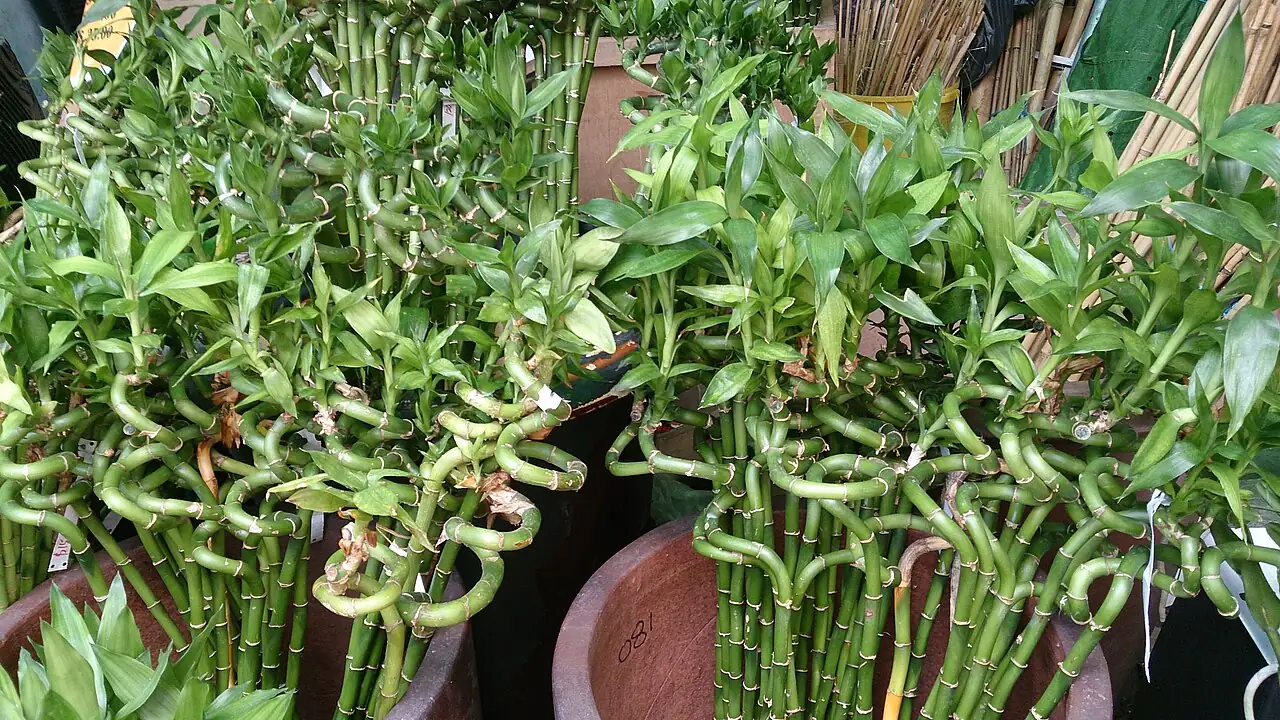
Uses: Primarily ornamental: a classic indoor foliage plant for homes and offices, grown either in pots or in water-filled vases/bowls. Often trained into decorative spirals, braids, and “lucky” arrangements for tabletops and windowsills.
FAQ
My lucky bamboo has grown too tall (over 1 m / 3.3 ft). What should I do?
Prune it back to a stable height—often about 15 cm (6 in) above the soil surface (or above the base in water culture). The remaining cane usually sprouts new shoots from nodes, and the cut top can be rooted as a new plant.
How do I choose a healthy lucky bamboo, and what should I do right after buying it?
Pick plump, sturdy canes with intact, deep-green leaves and no spots or pests; variegated plants should have clean striping. At home, keep it out of direct sun, keep soil evenly moist (or keep water culture topped up), and maintain warmth. If grown in water, keep the container clean and change water regularly.
How do I grow lucky bamboo in water successfully?
Use a clean container and clean, preferably dechlorinated water. Change water every 3–4 days for new cuttings; once rooted, change about weekly. Keep roots submerged and remove any rotting roots immediately. Fertilize very lightly (too much feed can encourage rot and algae).
Fun Facts
- Lucky bamboo isn’t bamboo at all—it’s a Dracaena, so it behaves like a houseplant, not a true bamboo.
- Spiral and other sculpted forms are usually made by training stems toward light and rotating them over time.
- It’s one of the most common “water-grown” houseplants sold worldwide, often displayed in everything from shallow bowls to tall glass vases.


