Plant Features
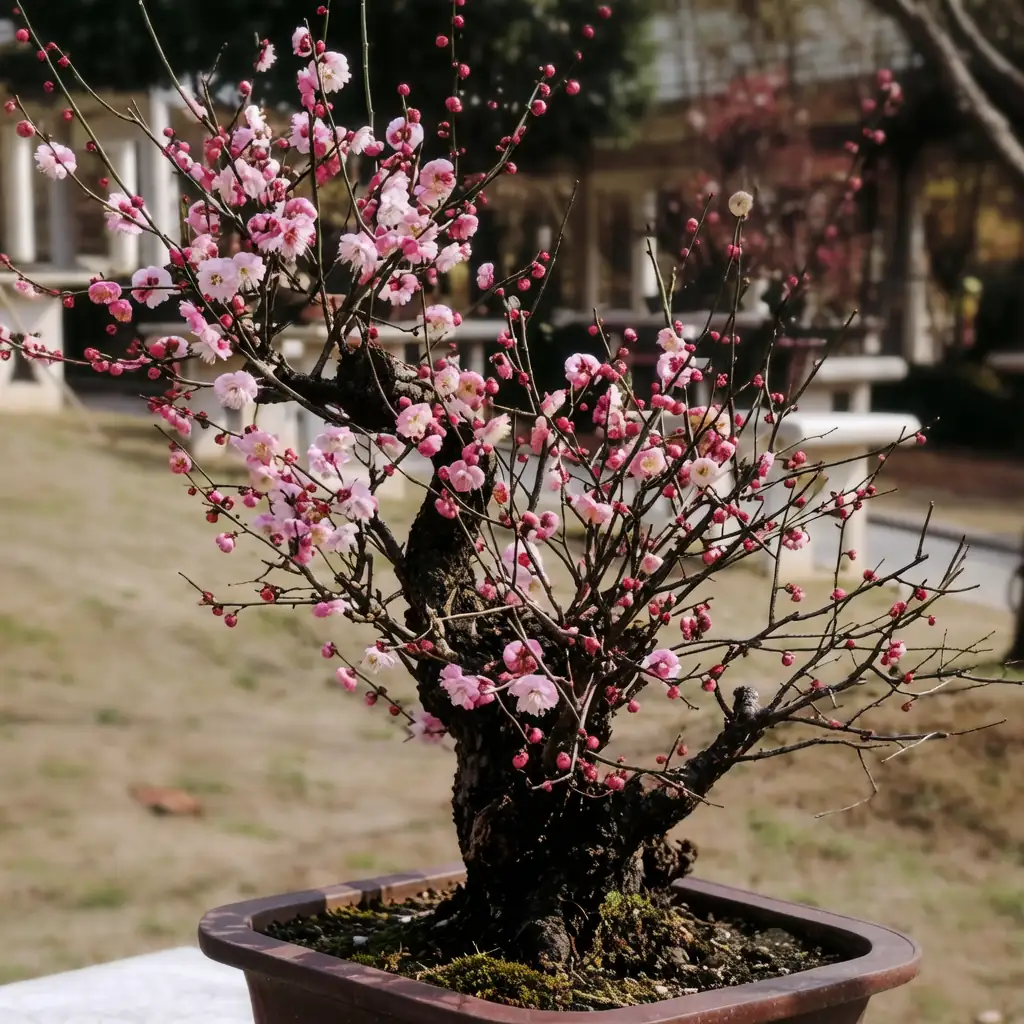
- Size: Often kept compact in containers, typically under 50 cm (20 in) tall for display; commonly grown in pots about 20–25 cm (8–10 in) in diameter. In the ground it matures into a shrub or small tree, usually several meters tall depending on cultivar and training.
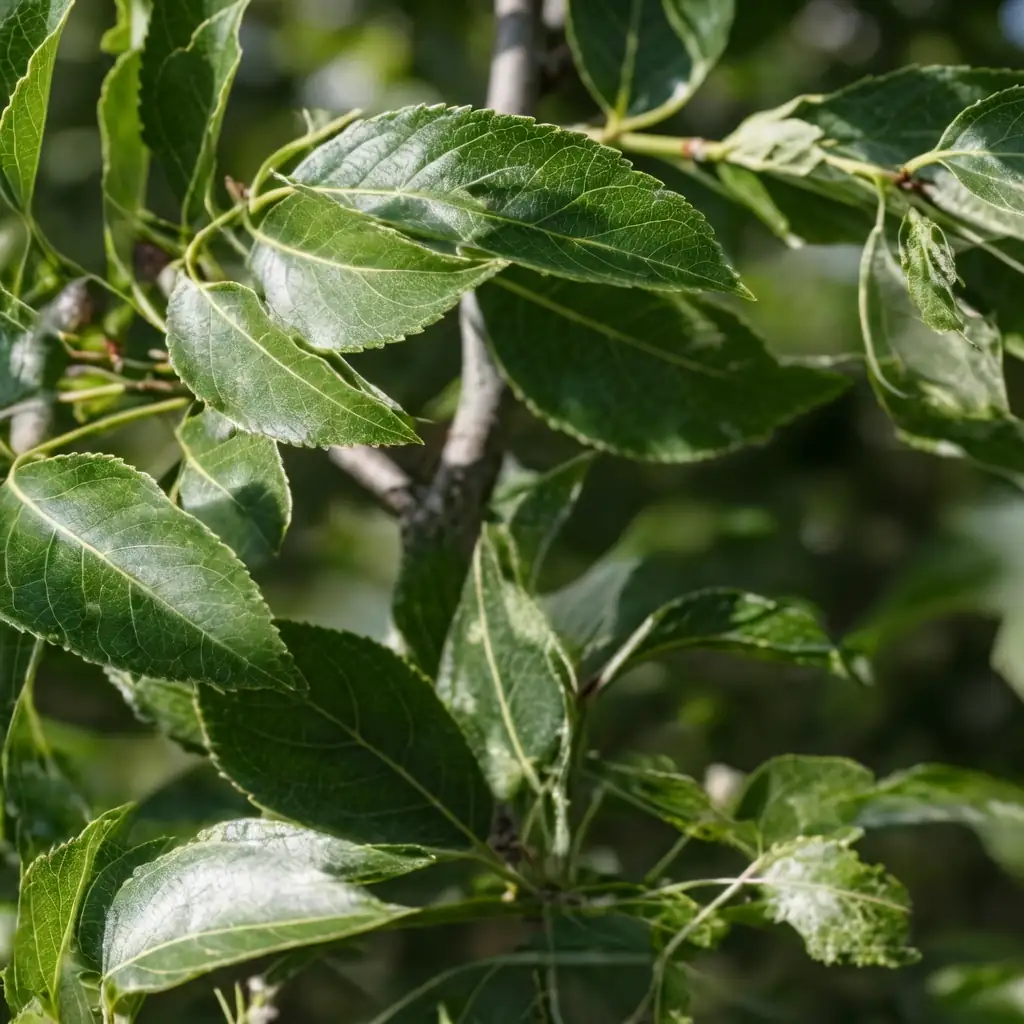
- Foliage: Deciduous. Leaves are generally hardy, but prolonged heat—especially indoors above about 30°C (86°F)—can trigger early leaf drop. When pruning, it helps to recognize and preserve leaf buds versus flower buds so you don’t accidentally remove next season’s display.
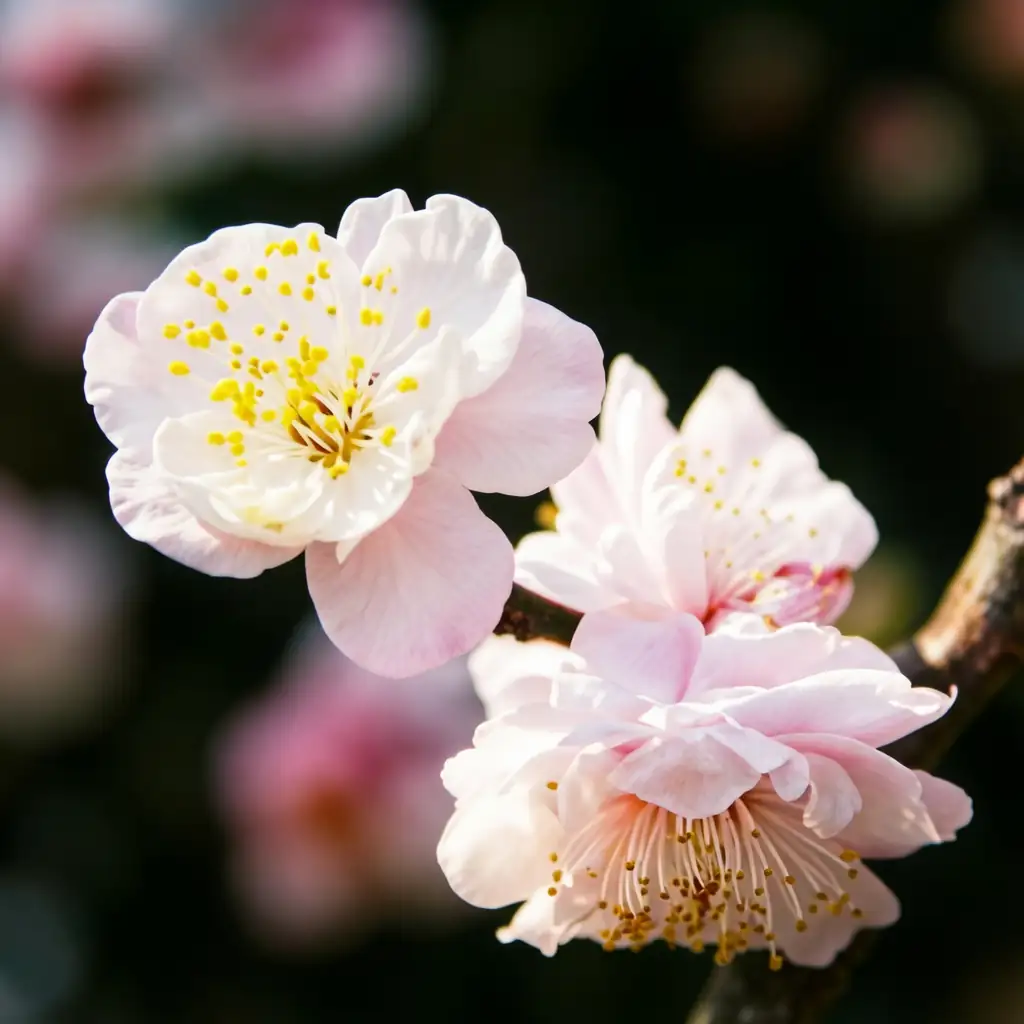
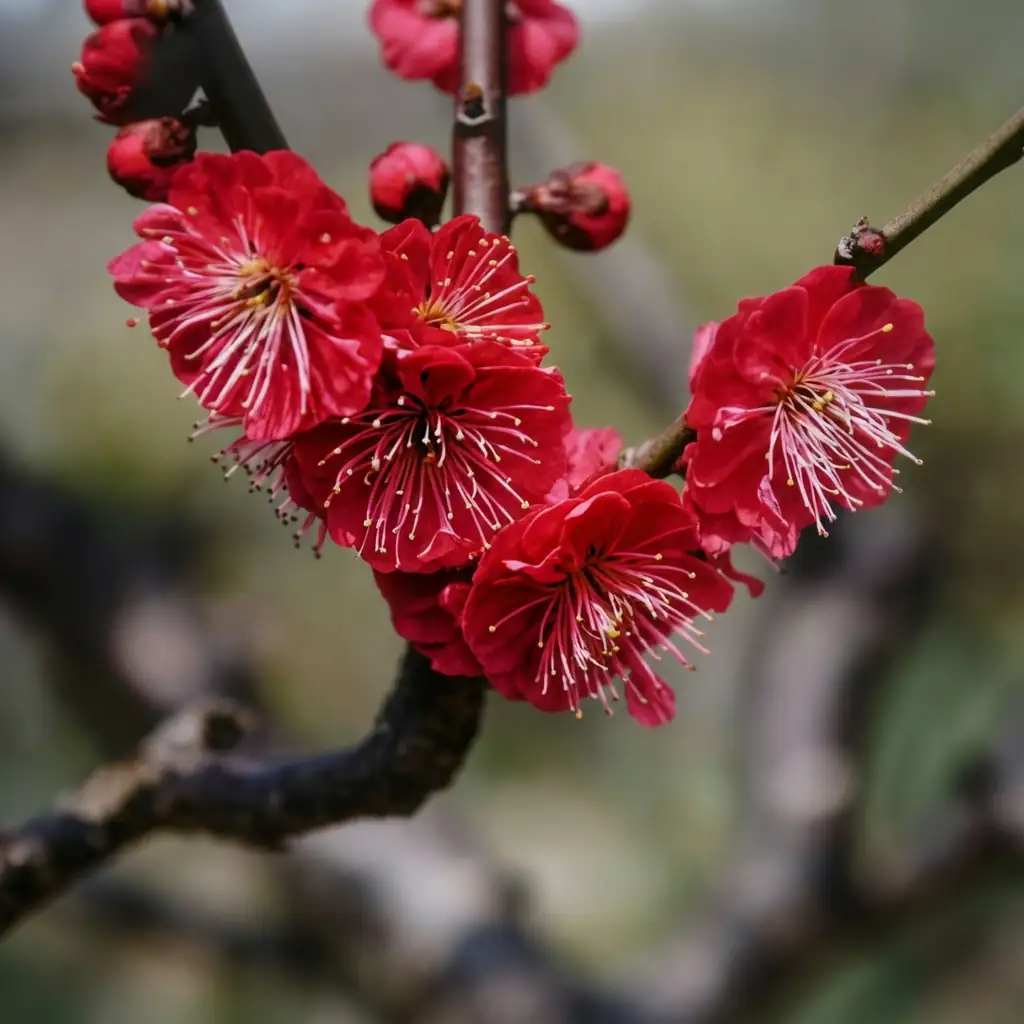
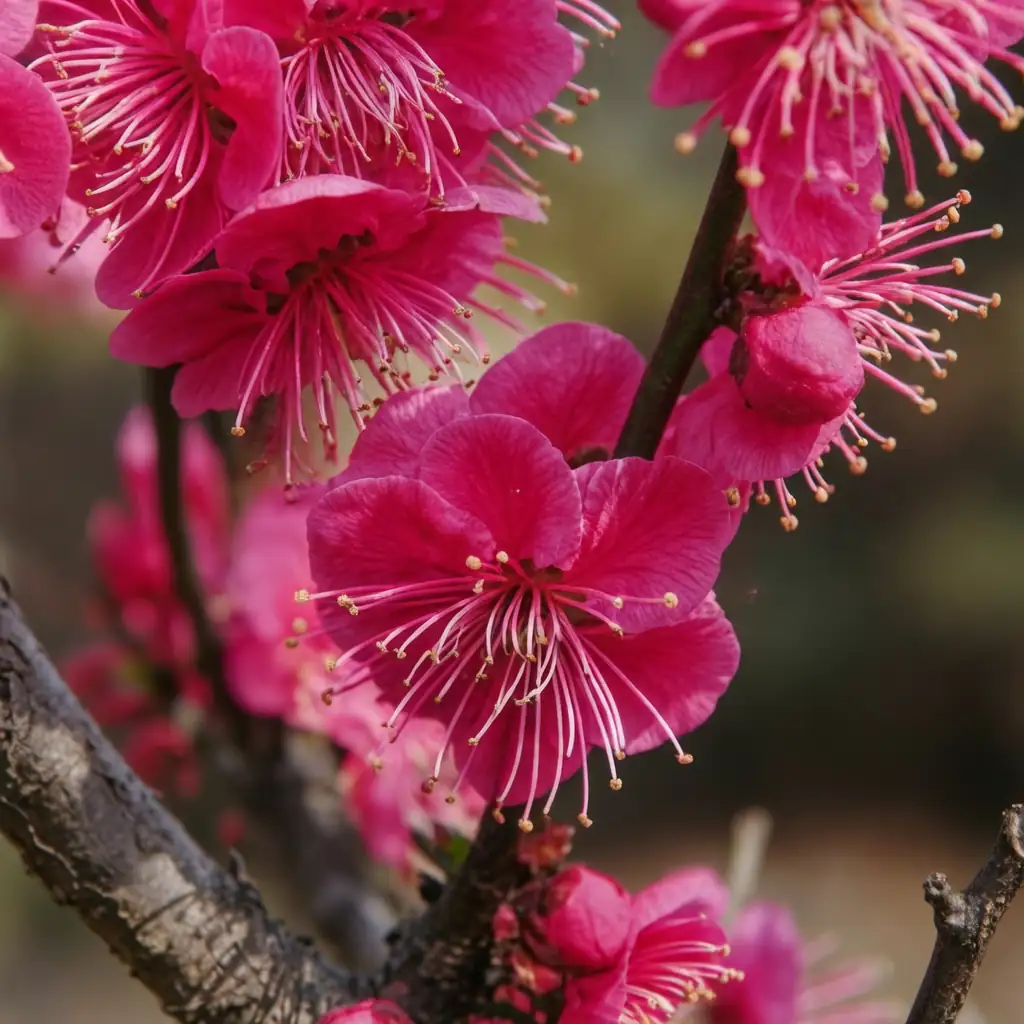
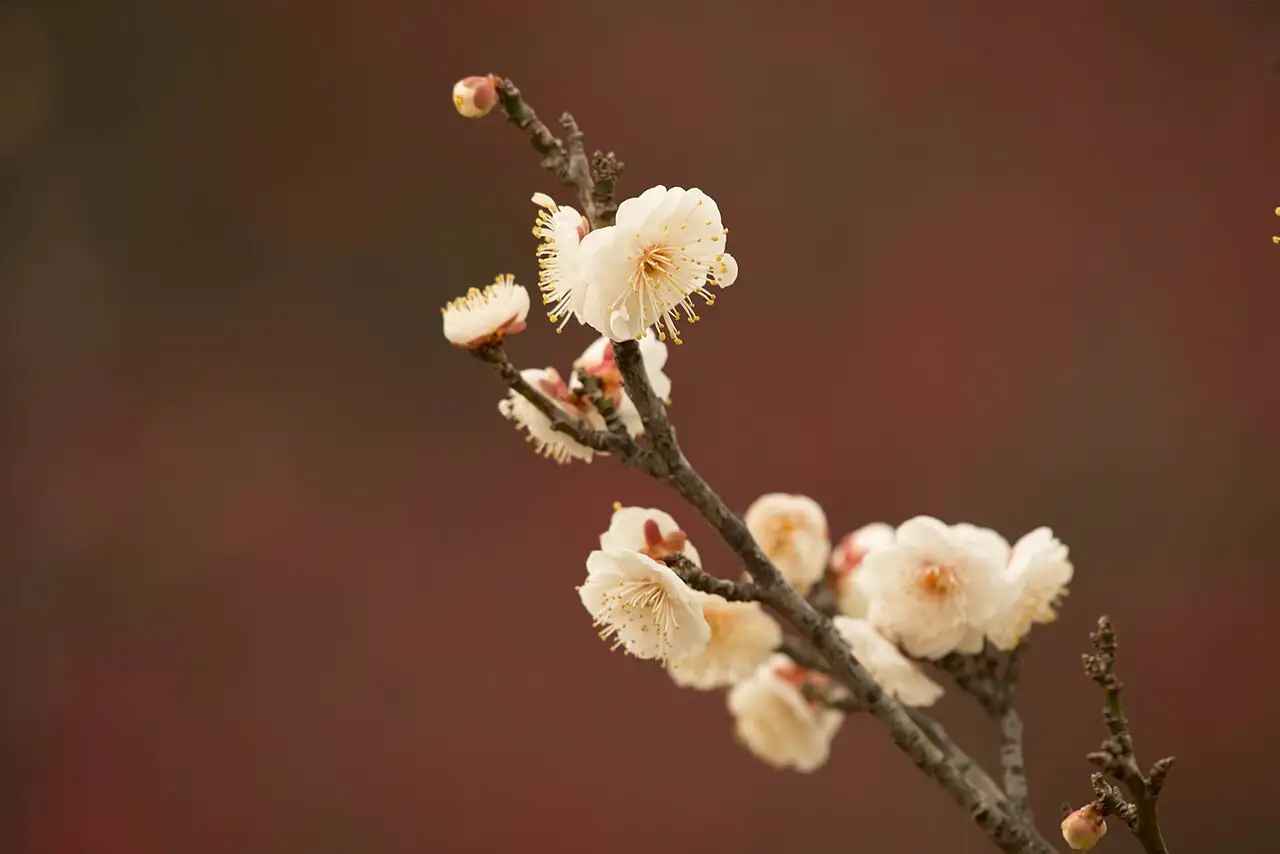
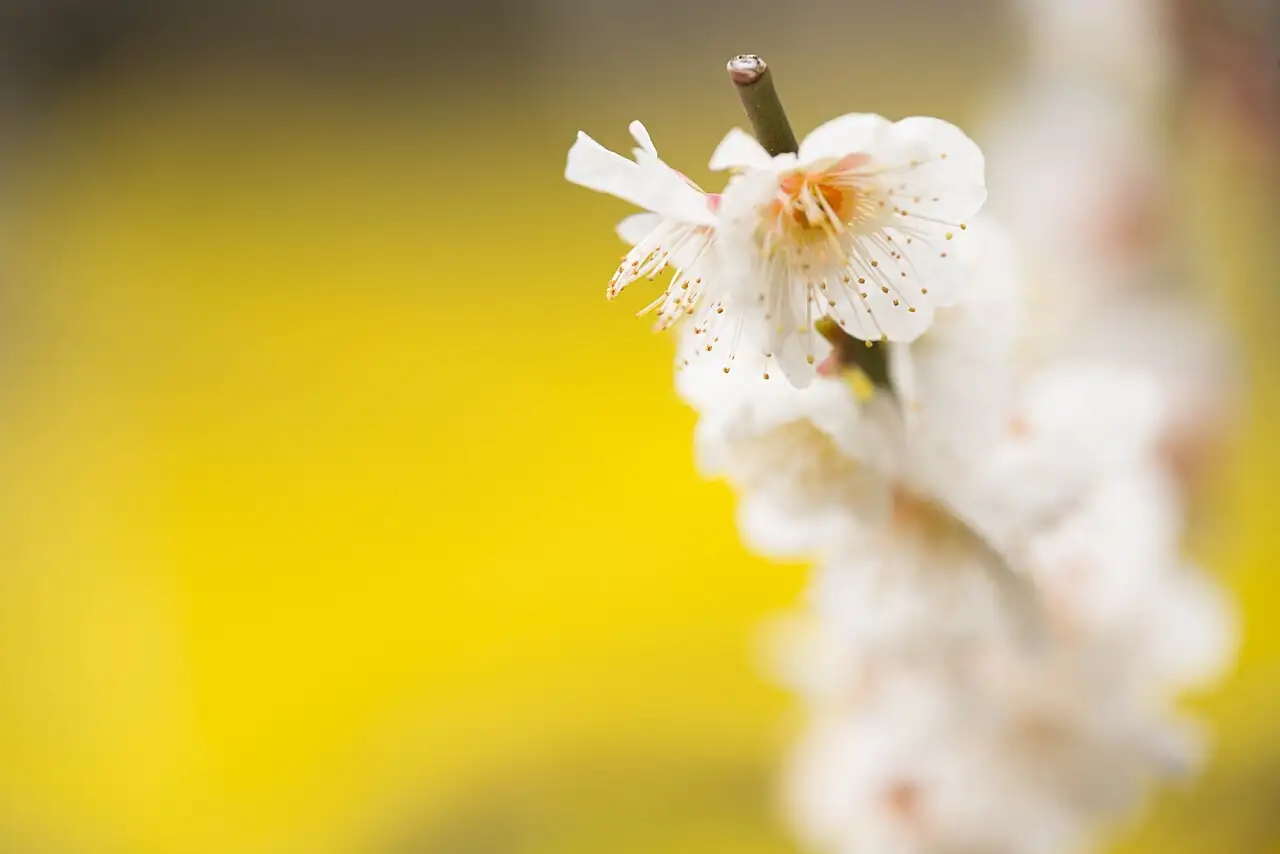
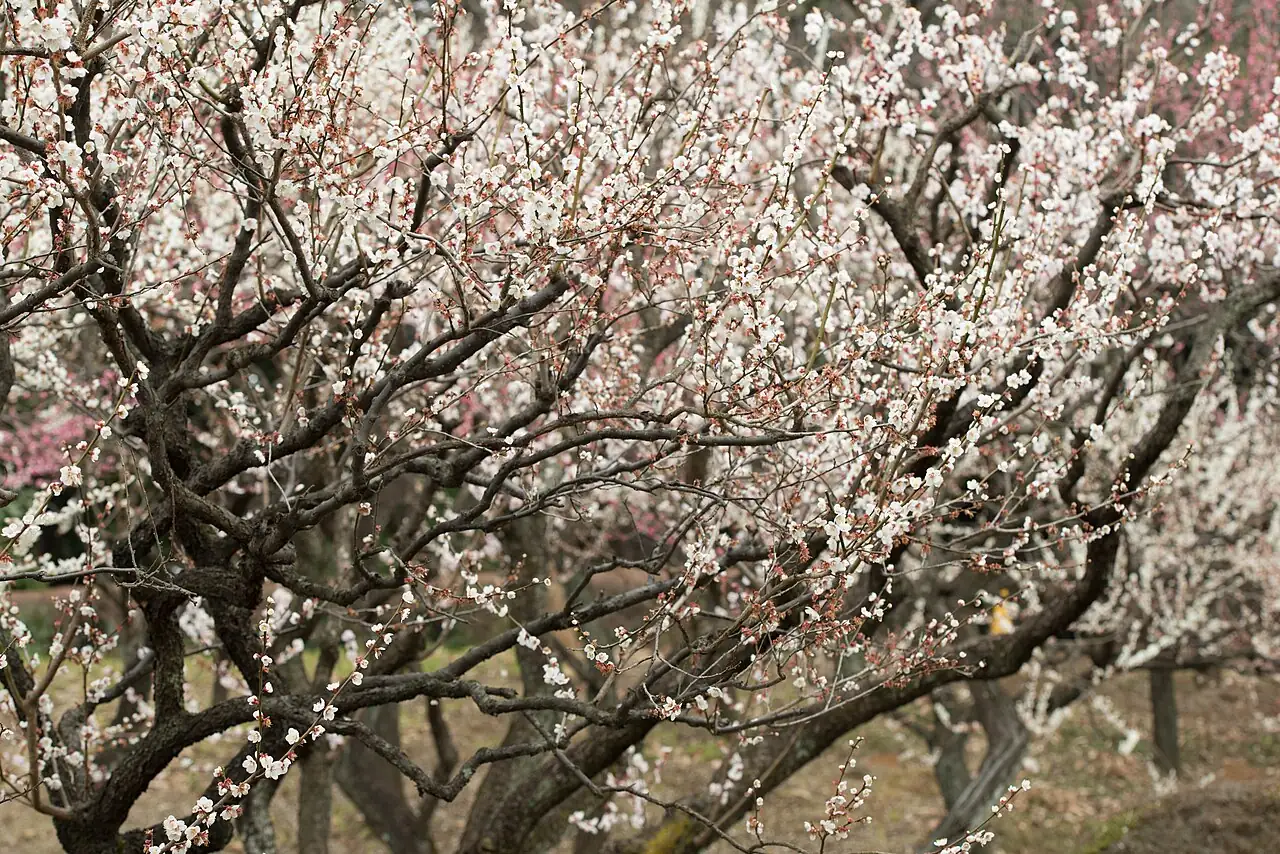
- Flower: Strongly fragrant blossoms borne along woody stems, opening from late winter into early spring, often before leaves appear. Colors vary by cultivar, commonly white through pink to red; some forms have fuller, double blooms. For potted plants, the best display comes from lots of plump, closely set buds with just a few flowers already open; cut branches are also prized for perfuming a room.
- Flowering Season: Winter to early spring (late winter to early spring).
- Growth Habit: Woody shrub to small tree with an elegant branching framework. It produces new shoots readily and responds strongly to training and pruning, making it suitable for bonsai, specimen planting, and small group plantings.
Environment
Sunlight
Full sun is best—aim for at least 6 hours of direct light daily. In winter, give the brightest light possible to support strong bud opening and good bloom quality; it is not shade-tolerant.
Temperature
Prefers cool-to-mild conditions, about 8–20°C (46–68°F). Many plants tolerate winter lows around -10°C (14°F) (depending on cultivar and exposure). Prolonged heat above about 30°C (86°F), especially indoors, may cause leaf drop. For longer-lasting flowers on a potted plant indoors, a cool spot around 8–10°C (46–50°F) is ideal.
Humidity
Moderate humidity with good airflow. Keep moisture steady in the root zone during active growth and bud development, but avoid stagnant, overly humid conditions that encourage mildew.
Soil
Fertile but very free-draining soil is key. For pots, a loam-based mix amended with compost/leaf mold plus coarse sand/grit works well. Many growers incorporate a small amount of bone meal or a balanced slow-release phosphorus source. Avoid heavy, water-retentive mixes and never let the pot sit in standing water.
Placement
Outdoors in full sun is best (balcony, patio, courtyard, or garden). During flowering, a potted plant can be brought into a bright, cool indoor location (such as a cool entryway or bright window) to prolong the display, then returned outdoors afterward. Cut flowering branches also make a classic indoor vase display.
Hardiness
Cold hardy to about -10°C (14°F) for many cultivars; reasonably drought tolerant once established. Poor drainage/waterlogging is the most common cause of decline. Best suited to temperate regions; protect potted plants from extreme freezes and from prolonged indoor heat.
Care Guide
Difficulty
Moderate. It’s not fussy once you understand its rhythm: bright sun, cool conditions for bloom, steady (not soggy) watering, and timely pruning. Flowering quality is strongly tied to correct post-bloom pruning and avoiding waterlogged roots; prolonged heat above 30°C (86°F) indoors can cause leaf drop.
Buying Guide
Choose a compact, sturdy plant (often under 50 cm / 20 in for containers) with evenly spaced branches and lots of plump buds. For best timing and longest enjoyment, look for buds that are colored but mostly still closed, with only a few flowers open and a clean, strong fragrance. Keep it very bright after purchase; cooler indoor temperatures around 8–10°C (46–50°F) noticeably extend the bloom. Many plants will open well within roughly 2–3 weeks indoors if kept bright and cool.
Watering
Water thoroughly, then wait until the surface begins to dry before watering again during spring growth. In late spring to early summer (often May–June), slightly reducing watering (gradually, without letting it wilt) can help encourage flower-bud formation. In midsummer, keep it a touch on the drier side but not bone-dry. From mid-summer through autumn, maintain steady moisture—drought stress here can cause leaf drop and poor bud set. In autumn/winter after leaf fall, water less, but never let the rootball fully dry; water sparingly and preferably around midday on sunny days, and always avoid standing water.
Fertilization
A light feeder in pots. Feed 1–2 times during spring shoot growth. From late June, reduce fertilizer (and avoid pushing lush growth) to support flower-bud differentiation. In early autumn as buds form, give one additional light feeding—often with a slightly phosphorus-leaning or bloom-supporting balance. In the ground, winter organic feeding around the dripline (trench/ring application) is commonly used.
Pruning
Prune regularly because it shoots readily. Thin crowded, weak, crossing, or inward-growing twigs to improve structure and airflow. Key timing: immediately after flowering, hard-prune the spent one-year shoots back to about 1–2 cm (0.4–0.8 in), or leave roughly 2–3 buds at the base—this is crucial for next year’s bloom. In summer, remove excess water-sprouts and unwanted new shoots; pinch vigorous shoots after about 5–6 leaves to control length. Before flowering in winter, shorten overly long upright shoots to balance the canopy. Pay attention to bud direction and avoid removing important leaf buds needed for future growth.
Propagation
Hardwood cuttings: in winter to early spring, take strong 1–2-year-old shoots about 10–18 cm (4–7 in) long, stick into a sandy medium, and keep warm (about 20–25°C / 68–77°F); rooting often takes ~30–40 days. A brief IBA dip (around 0.5% for 5–10 seconds) can improve success. Softwood cuttings in May–June can also work with frequent misting. Air-layering: very common—do it in early spring before bud break or in summer after shoots mature; ring-bark a two-year branch about 20–25 cm (8–10 in) from the tip with a girdle around 1 cm (0.4 in) wide, wrap with moist leaf mold/compost and plastic, then sever and pot once rooted. Grafting: also widely used, often around mid-March or mid-to-late September; Prunus rootstocks (apricot, plum, peach types) influence vigor, longevity, and resistance.
Repotting
Repot after flowering and before vigorous spring growth (on a mild, bright day). Lift the plant, remove tired old soil, trim long, dead, or rotted roots, and shorten the flowered one-year shoots (typically leaving 2–3 buds). Replant into fresh, free-draining loam-based mix with compost/leaf mold plus coarse sand/grit; many growers use pots around 20–25 cm (8–10 in) depending on plant size.
📅 Seasonal Care Calendar
Spring: full sun, deep watering as growth starts; feed 1–2 times during shoot extension. Late spring–early summer (May–June): gradually reduce watering a bit; from late June reduce feeding to encourage flower-bud formation. Summer: thin/pinch vigorous growth; avoid overwatering and overfeeding. Summer–autumn (July–October): keep moisture steady to prevent leaf drop and protect bud set. Autumn–winter: after leaf fall, water less but don’t let the rootball dry out; keep bright light. Bloom period: keep cool (around 8–10°C / 46–50°F indoors) for longer-lasting flowers. After flowering: hard prune and often repot. Grafting: mid-March or mid-to-late September. Air-layering: early spring or after summer shoots mature.
Pests, Diseases & Safety
Common Pests & Diseases
Powdery mildew is a common issue; improve airflow, avoid overhead watering late in the day, remove badly affected growth, and treat early with an appropriate fungicide if needed. Aphids often cluster on tender shoots—rinse off or use insecticidal soap/targeted controls. Wood-boring beetles (including longhorn-type borers) can attack stressed plants; prune out badly infested wood, keep the plant vigorous, and use locally permitted borer controls when necessary.
Toxicity
Generally not considered a highly dangerous ornamental, but like many Prunus species, the seeds/kernels (pits) can contain cyanogenic compounds and may be harmful if chewed or ingested in quantity. Keep pits/kernels away from children and pets.
Culture & Symbolism
Symbolism: A classic symbol of resilience, hope, and steadfast spirit—celebrated for blooming through cold weather and hinting that spring is on its way.
History & Legends: Long admired in East Asia as a signature late-winter flowering tree. Its bloom season has traditionally inspired flower-viewing outings and indoor displays of cut, fragrant branches.
Uses: Primarily ornamental: grown as a garden specimen, courtyard tree, and potted flowering display; exceptionally popular for bonsai. Flowering branches are widely used as cut stems to perfume indoor spaces. It’s also important horticulturally within Prunus as scion material and in grafting systems where rootstocks are chosen to suit local conditions.
FAQ
It was covered in flowers last year—why are there only a few buds this year?
Most often it comes down to missed or incorrect post-bloom pruning (and sometimes too much summer feeding/watering). Right after flowering, cut the spent one-year shoots back hard to about 1–2 cm (0.4–0.8 in) or leave 2–3 buds, then manage summer growth by thinning and pinching vigorous shoots. Also avoid waterlogging and don’t over-fertilize after late June—these steps help the plant set strong flower buds for next season.
How do I make the flowers last longer indoors?
Keep the plant very bright but cool: around 8–10°C (46–50°F) is ideal. Water when needed (moist but never soggy), and avoid placing it near heaters or in hot rooms—prolonged warmth shortens bloom and can trigger leaf drop.
Can Japanese apricot be propagated by grafting?
Yes. Grafting is commonly done around mid-March or mid-to-late September. Prunus rootstocks (such as peach, apricot, or plum types) can change vigor, longevity, and resistance—choose one that performs well in your climate and soil.
Fun Facts
- Japanese apricot often flowers on bare branches before leaves emerge, making the blossoms look extra dramatic.
- Keeping a blooming potted plant cool (about 8–10°C / 46–50°F) can noticeably extend the floral display.
- It’s a favorite for bonsai because it buds and shoots readily and responds strongly to training.
- Different Prunus rootstocks can noticeably change how the same cultivar grows—some boost speed, others improve longevity or resilience.