Plant Features
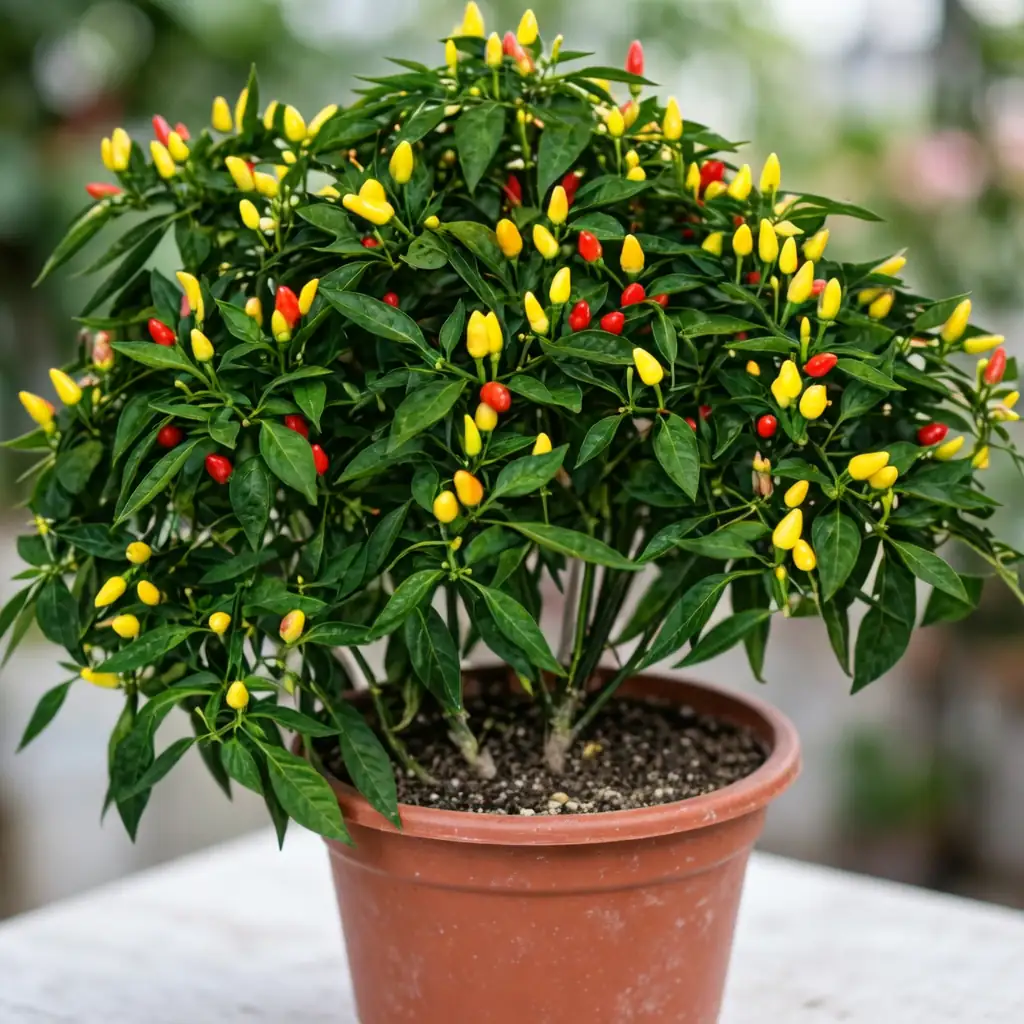
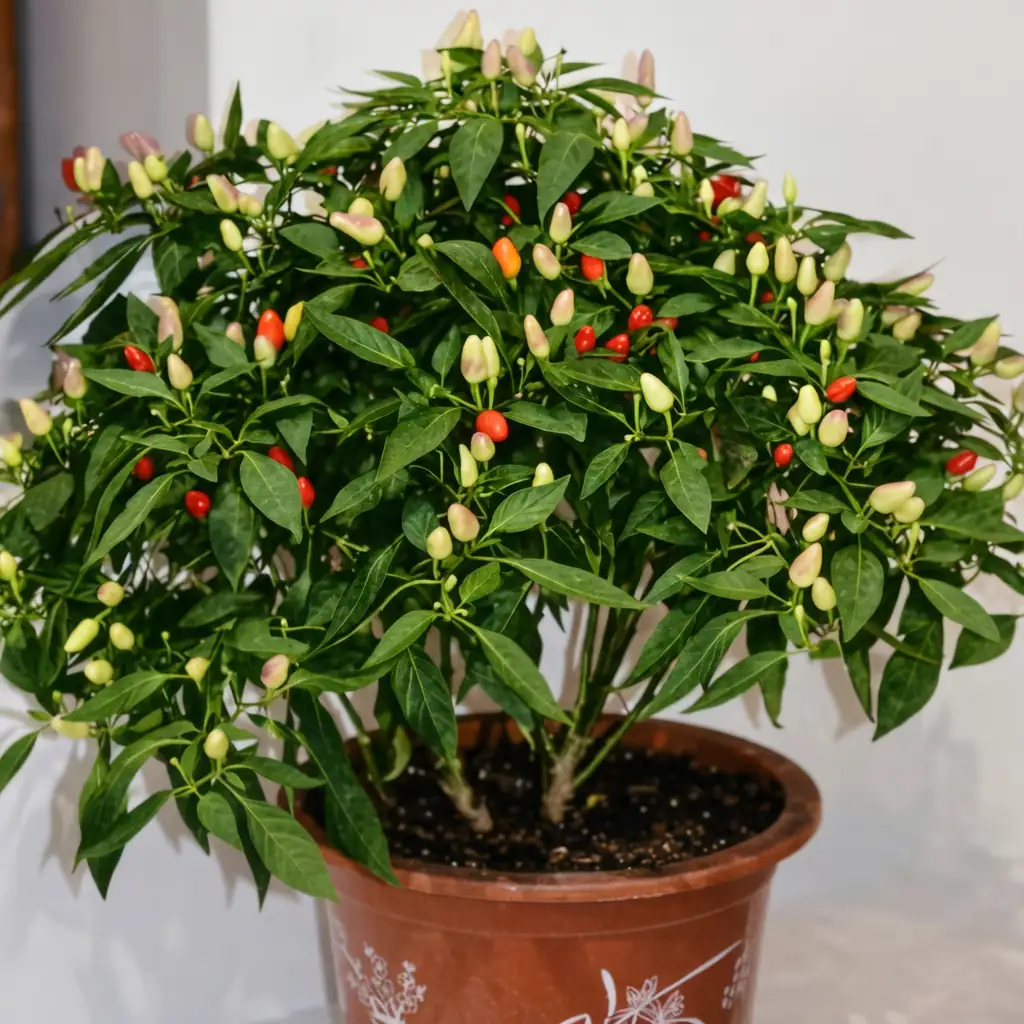
- Size: Compact potted plant, commonly grown in a 12–15 cm (4.7–5.9 in) diameter pot. Many ornamental forms reach about 20–45 cm (8–18 in) tall with a similar spread under good light.
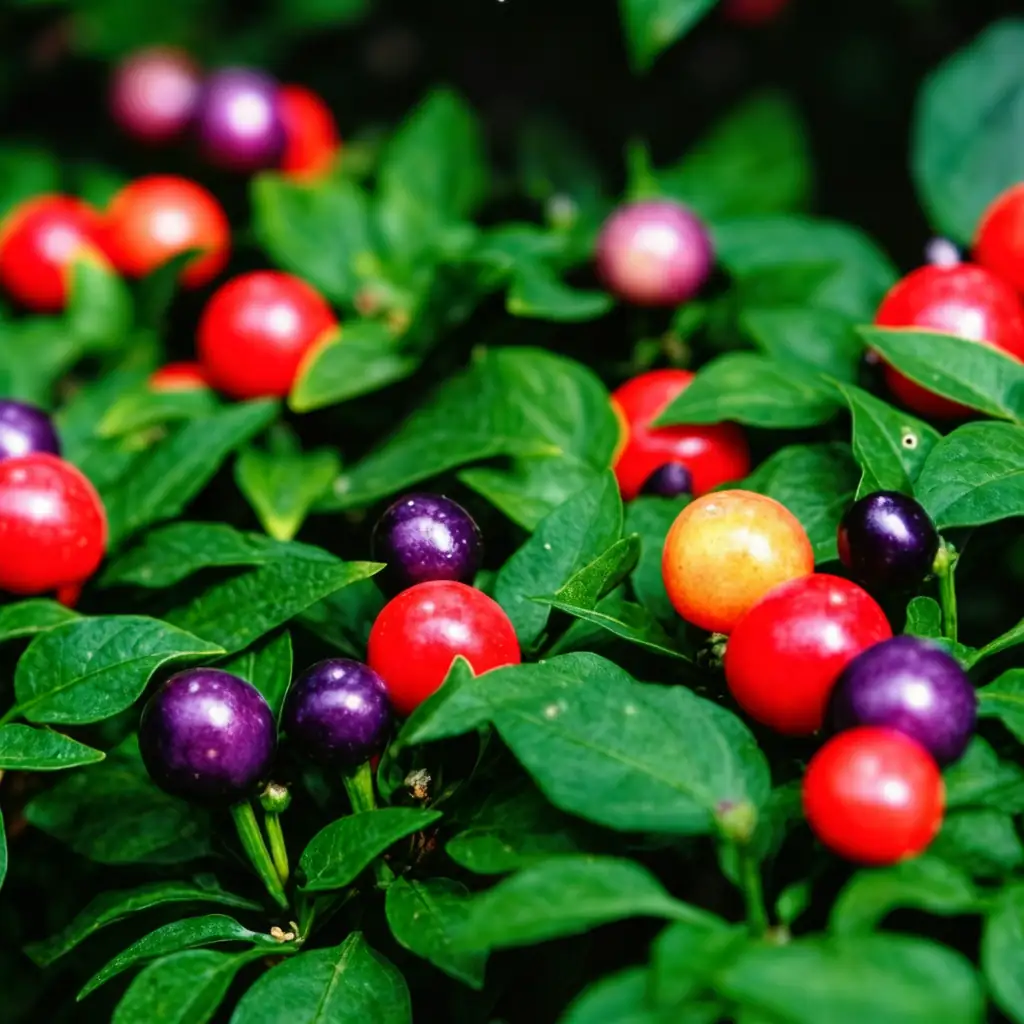
- Foliage: Dense, bushy growth with abundant glossy green leaves (often deep green). The foliage mainly serves as a rich backdrop for the brightly colored fruits. If the canopy gets too crowded, selectively removing a few leaves can improve airflow and light penetration.
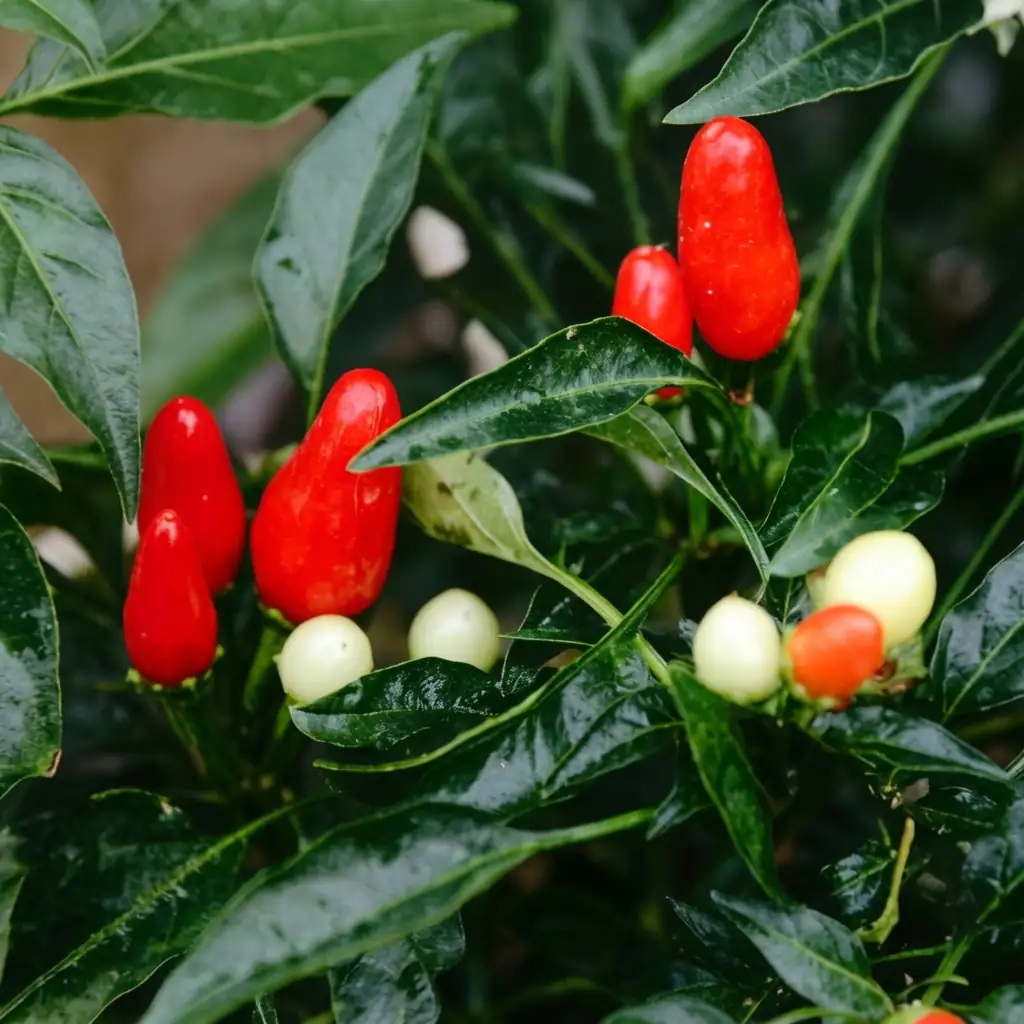
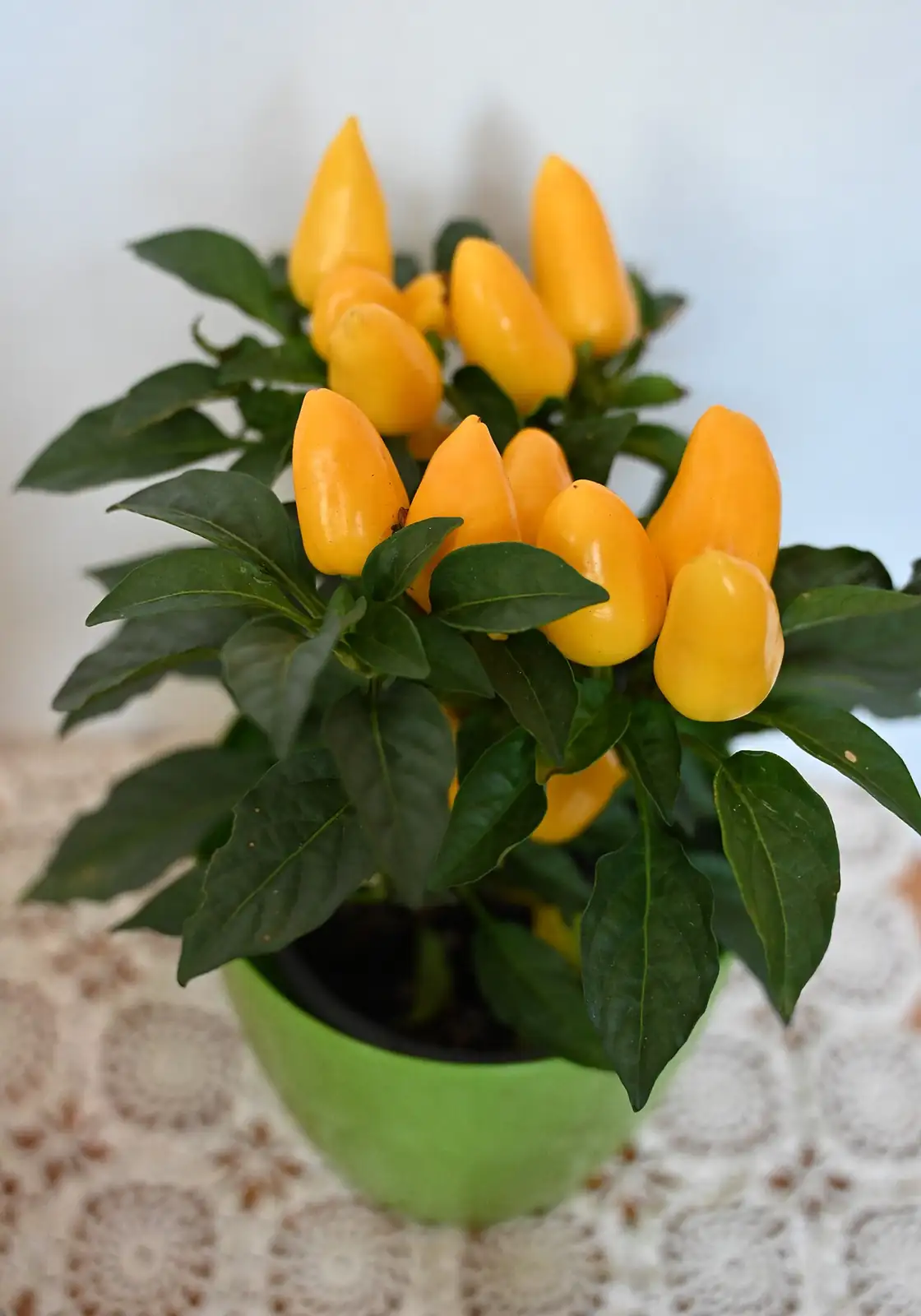
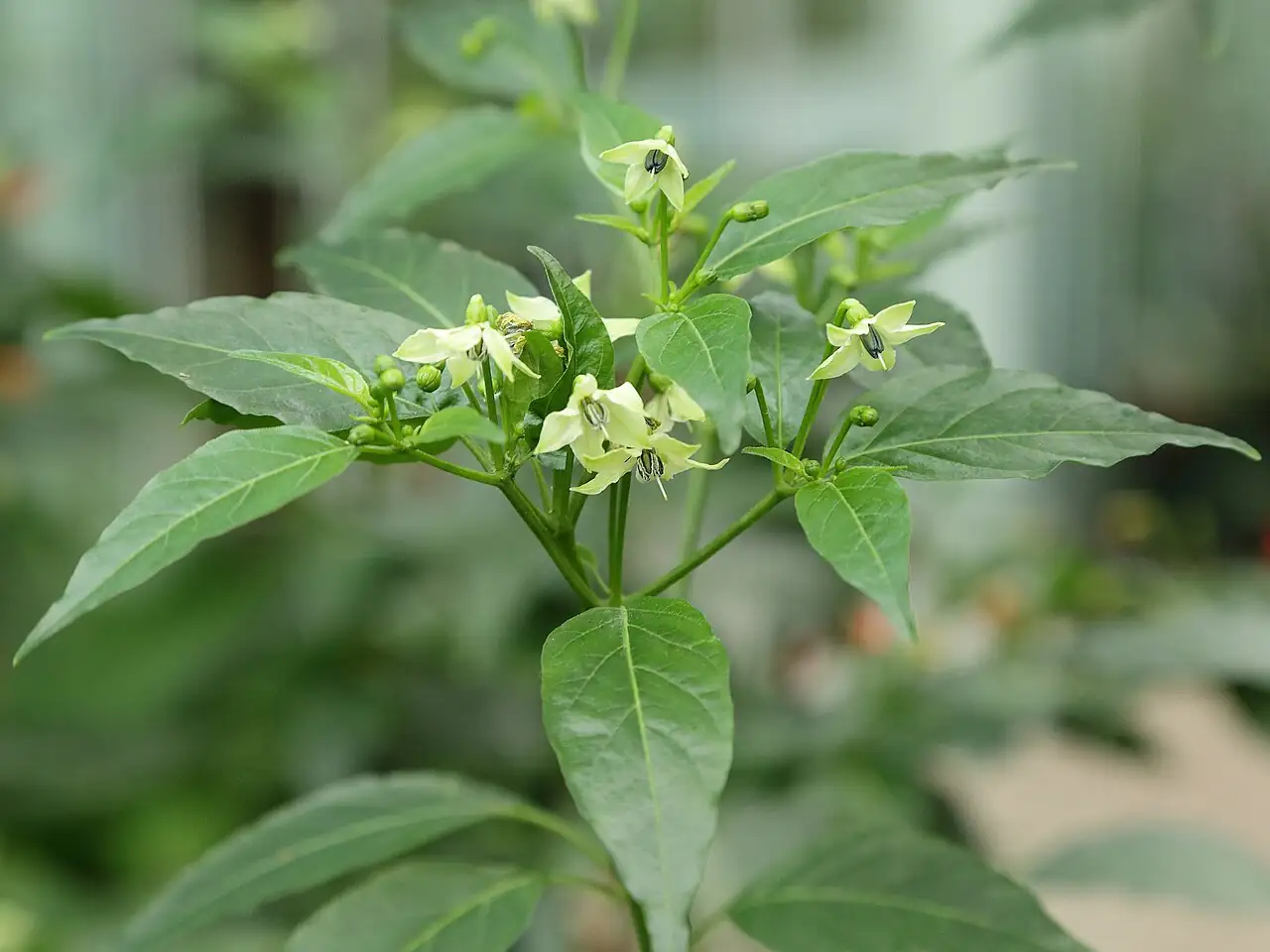
- Flower: Small, typically white, star-shaped flowers that are usually not very showy. After flowering, the plant sets lots of decorative, glossy peppers—often held upright above the foliage. If flowering or fruit set is excessively heavy, thinning a few flowers/fruits can improve fruit size and reduce stress-related drop.
- Flowering Season: Fruiting display typically peaks in autumn to winter (often following summer flowering; indoors it can run from late summer through winter depending on sowing time and light).
- Growth Habit: Compact, sturdy, upright, branching herbaceous plant with a bushy form. Warm-season growth; produces many upright fruits for a “loaded with peppers” look.
Environment
Sunlight
Full sun to very bright light is ideal—aim for at least 6–8 hours of direct sun daily for best flowering and fruit set. Insufficient light often leads to leggy growth and fewer/smaller fruits. A bright east-, south-, or west-facing windowsill, sunroom, or sunny balcony/patio works well.
Temperature
Prefers warmth. Best growth around 21–25°C (70–77°F). Above 30°C (86°F), growth can slow and fruit set may drop. Below 10°C (50°F), growth largely stops; protect from chills and any frost.
Humidity
Moderate humidity is helpful. Hot, dry air combined with dry soil often triggers flower and young-fruit drop. Occasional misting can help in very dry conditions, but avoid leaving foliage wet overnight and prioritize good airflow.
Soil
Rich, fertile, well-drained potting mix. A practical blend is quality potting soil/loam-based mix with compost or leaf mold, plus about 10–30% coarse sand or perlite for drainage; some guides suggest incorporating roughly 15% well-rotted manure or mature compost for extra fertility. Avoid waterlogged soil.
Placement
Brightest window, sunroom, or a sunny balcony/patio. Keep out of reach of children and pets due to very hot fruits. Also keep away from bowls of ripening fruit—ethylene gas can encourage flower/fruit drop.
Hardiness
Frost-tender; outdoors typically only in USDA Zone 10–12. In cooler regions it’s grown as an annual or overwintered indoors.
Care Guide
Difficulty
Easy to moderate. It’s straightforward in strong light and warmth, but performance drops quickly with low light, drought stress, or hot/dry indoor air—common triggers for flower and fruit drop.
Buying Guide
Choose plants that are short, sturdy, and well-branched with an even shape and dense, healthy green leaves. Look for many evenly distributed fruits with bright, glossy color and no soft spots, rot, wrinkling, drying, blackening, or other damage. If buying seed, choose fresh, plump, pest-free seed with clear sowing instructions.
Watering
Keep the mix evenly moist during active growth. Water when the top 2–3 cm (0.8–1.2 in) feels dry; in warm, bright conditions this is often about every ~3 days, but always adjust to your home and pot size. In summer heat, missed watering and hot/dry air commonly cause blossoms and young fruits to drop. As fruits fully color, you can reduce slightly, but never let the pot dry out completely or sit soggy.
Fertilization
From April to August, feed about once a week with a balanced fertilizer (for example NPK 20-20-20) at label rates. After fruit set, add 1–2 feedings higher in phosphorus and potassium (for example 15-30-15) to support flowering and fruit development.
Pruning
Pinch the growing tips 2–3 times early to encourage branching and a fuller shape. Later, lightly thin crowded foliage for airflow and light, and thin some flowers/fruits if the plant is overloaded to improve fruit size and reduce drop.
Propagation
Primarily by seed. Sow indoors in late winter to early spring. Soak seeds for 1–2 hours, surface-dry, then sow and cover with about 1 cm (0.4 in) of mix. Keep warm at 25–30°C (77–86°F); sprouts often appear in about 3–5 days. Transplant when seedlings have 8–10 true leaves. A showy fruit display typically develops about 60–90 days from sowing (depending on light, warmth, and cultivar).
Repotting
Commonly finished in a 12–15 cm (4.7–5.9 in) pot. Pot up only as needed—oversized pots stay wet longer and can reduce performance. Use a fertile, fast-draining mix (and ensure drainage holes).
📅 Seasonal Care Calendar
Late winter–early spring: start seeds indoors; germinate at 25–30°C (77–86°F) in ~3–5 days; transplant at 8–10 true leaves. Spring–summer: maximum sun, steady watering (often every ~3 days), occasional misting if very dry, and weekly feeding from April–August. After fruit set: add 1–2 higher P/K feeds; thin if overloaded. Autumn–winter: peak fruit display—keep in the brightest light, warm, and evenly moist; avoid hot/dry drafts and drought to limit fruit drop.
Pests, Diseases & Safety
Common Pests & Diseases
Common pests include aphids and spider mites (more likely in warm, dry indoor air). Manage by rinsing the plant, improving airflow/humidity balance, and using insecticidal soap or horticultural oil as appropriate. Diseases can include anthracnose and other spotting/rot issues—remove affected parts, avoid wetting foliage late in the day, and increase ventilation to keep leaves and fruits from staying damp.
Toxicity
Not typically classified as poisonous, but the fruits may be extremely hot. Capsaicin can cause intense burning if it gets into eyes, mouth, or onto broken skin. Keep fruits away from children and pets, and wash hands after handling (especially before touching your face). Treat as ornamental unless you’re confident about cleanliness and your tolerance.
Culture & Symbolism
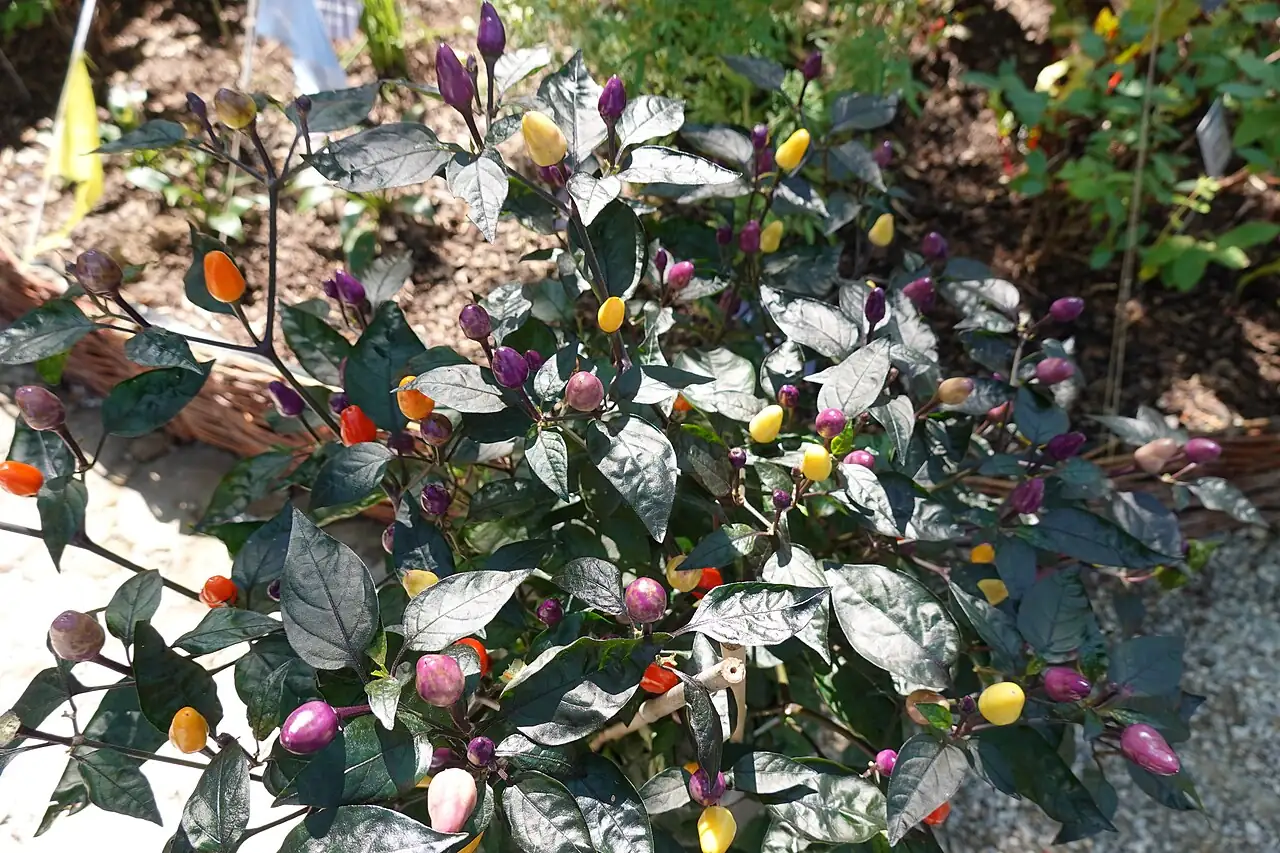
Symbolism: Often seen as festive and eye-catching—one plant can carry multiple fruit colors at once, giving a lively, celebratory look (especially in autumn and winter).
History & Legends: Capsicum annuum originated in the Americas and spread worldwide through trade, eventually becoming a major culinary and garden plant. Across many cultures, peppers are prized for their bold flavor and heat, and they’ve long been associated with warmth and vitality in the kitchen—ornamental forms are simply the showiest members of that big pepper family.
Uses: Primarily ornamental: a colorful potted accent for sunny windowsills, balconies, and patios. Fruits are edible and can be used as a spicy seasoning, but many ornamental cultivars are extremely hot—taste cautiously and handle carefully. Like other peppers, they can contain vitamin C and carotenoids, with levels varying by variety and ripeness.
FAQ
How can I prevent small or sparse fruiting on ornamental pepper?
Give it maximum light (ideally full sun), keep it warm (around 21–25°C / 70–77°F), and maintain even moisture. Low light leads to leggy growth and fewer/smaller fruits. Hot, dry air or missed watering often causes flowers and young fruits to drop—water consistently and avoid drying out.
Can ornamental peppers be eaten?
Yes—ornamental peppers are usually edible because they’re Capsicum annuum, but many ornamental varieties are extremely hot and can irritate skin and eyes. If you want to try them, taste a tiny amount first and handle the fruits carefully.
Why is my ornamental pepper dropping fruits?
The usual culprits are not enough sun, hot/dry air, or uneven watering (especially letting the pot dry out). Also keep it away from ripening fruit bowls, since ethylene gas can encourage flower and fruit drop. Move it to brighter light and keep soil moisture steadier.
How do I choose a good ornamental pepper plant?
Pick a compact, sturdy, well-branched plant with healthy green leaves and lots of glossy, firm fruits in good color. Avoid plants with peppers that are soft, wrinkled, dried, blackened, or showing rot.
Fun Facts
- You can often see several fruit colors on the same plant because peppers ripen in waves and shift color as they mature.
- Many ornamental types hold their fruits upright, so the plant looks like it’s dotted with tiny candles.
- Capsicum annuum includes sweet bell peppers, paprika peppers, and many hot chilies—ornamental forms are selected mainly for looks, not flavor.
- With warm germination at 25–30°C (77–86°F), seeds can sprout in as little as 3–5 days.
- From sowing to a showy fruit display often takes about 60–90 days under good conditions.