🌱 Plant Features
- Size:Typically about 40–90 cm (16–35 in) tall in pots; clumps commonly spread 30–60 cm (12–24 in) wide depending on cultivar and age.
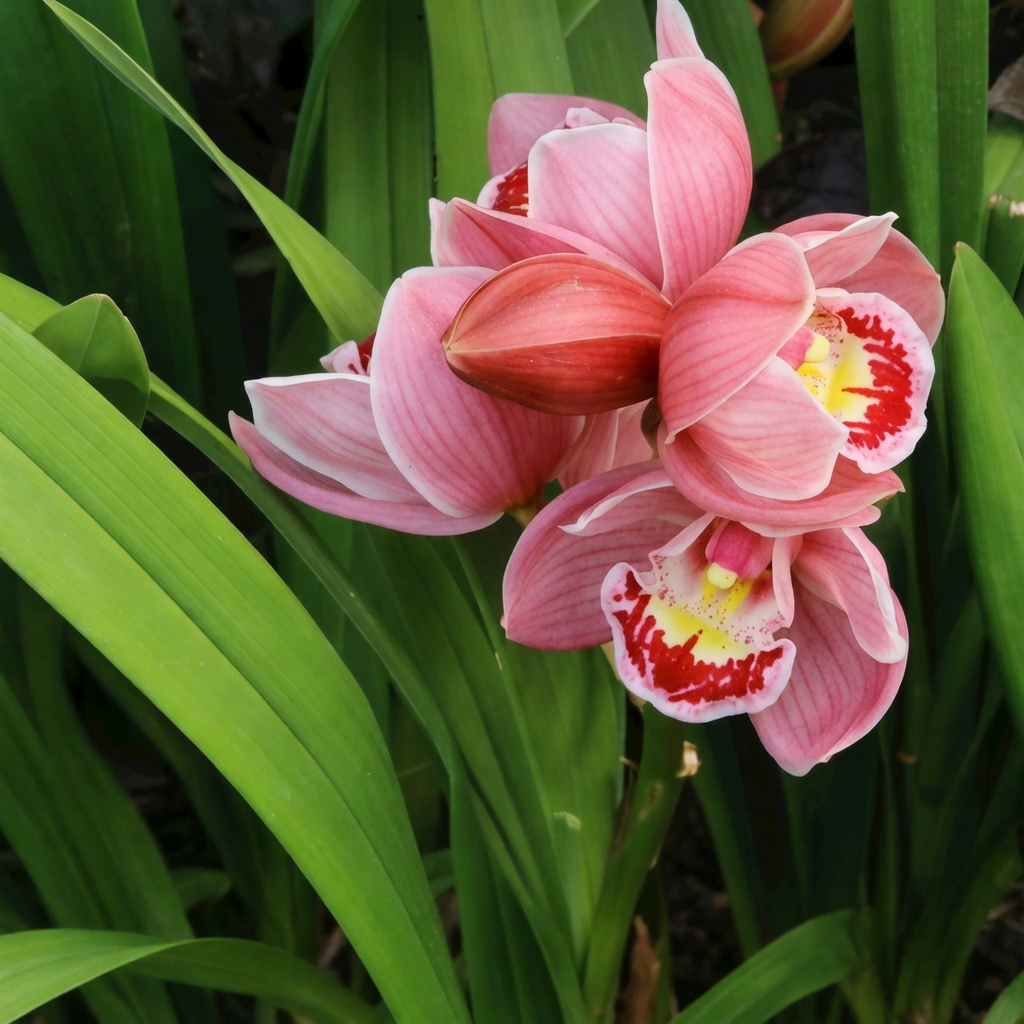
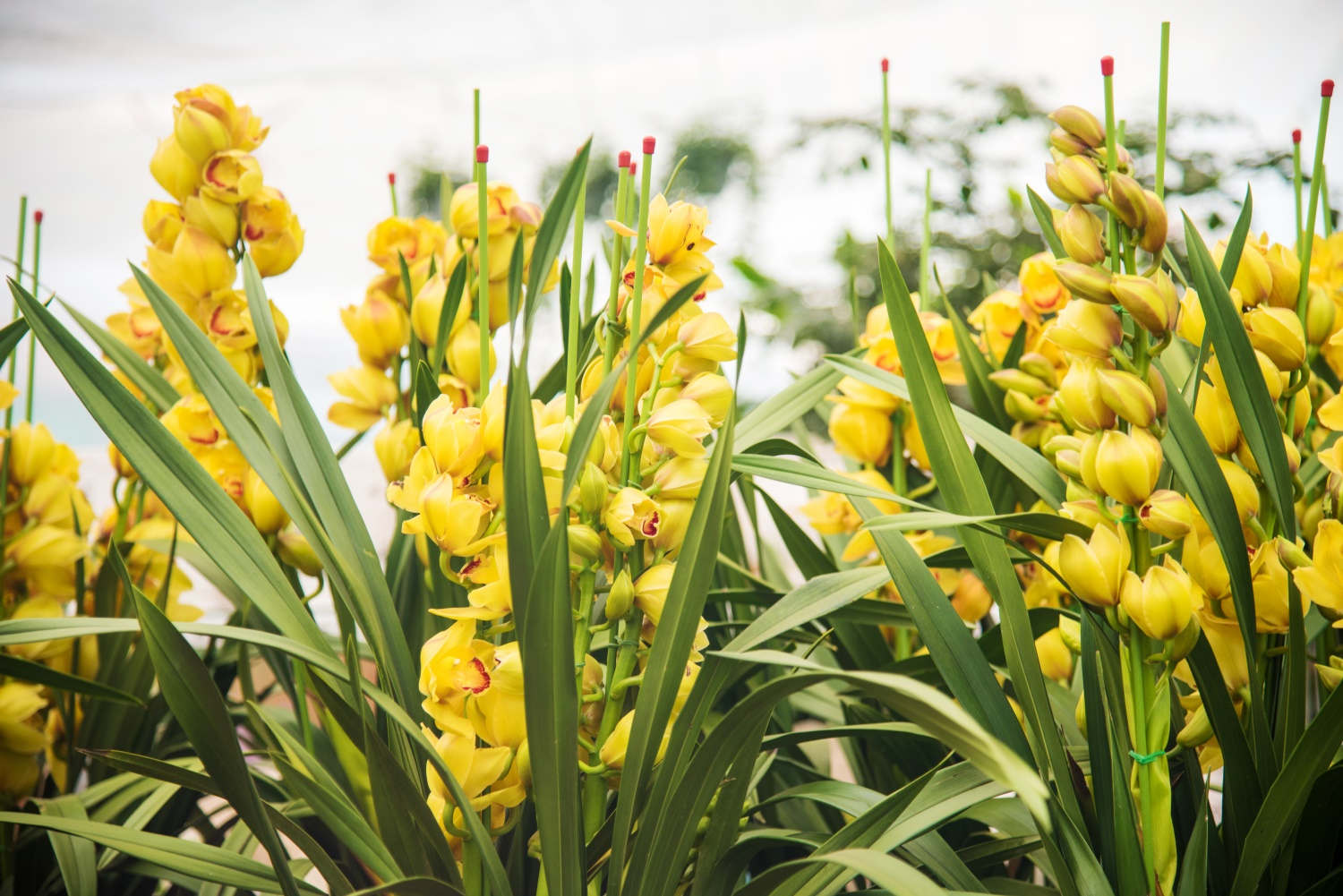
- Foliage:Evergreen, arching, strap-like leaves emerging from pseudobulbs. The foliage is usually medium to deep green and gradually forms dense, fountain-like clumps.
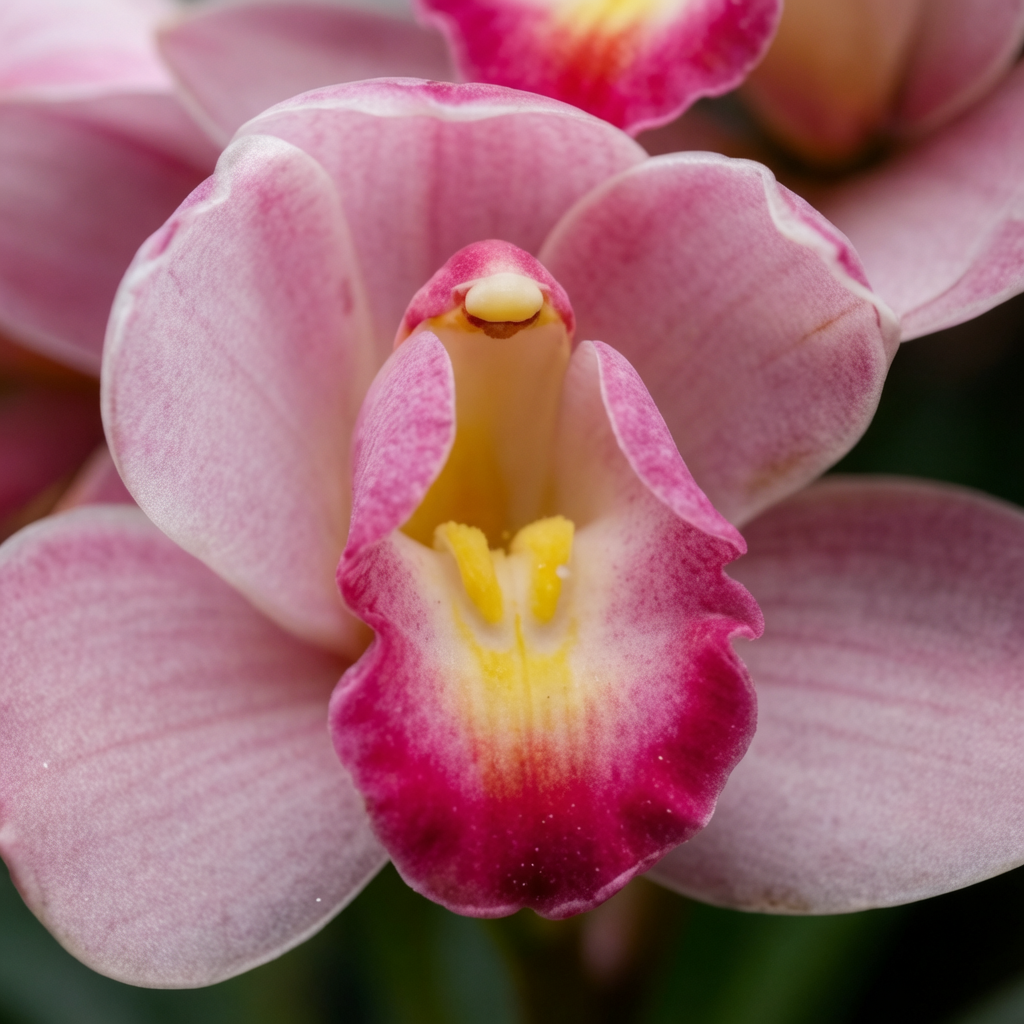
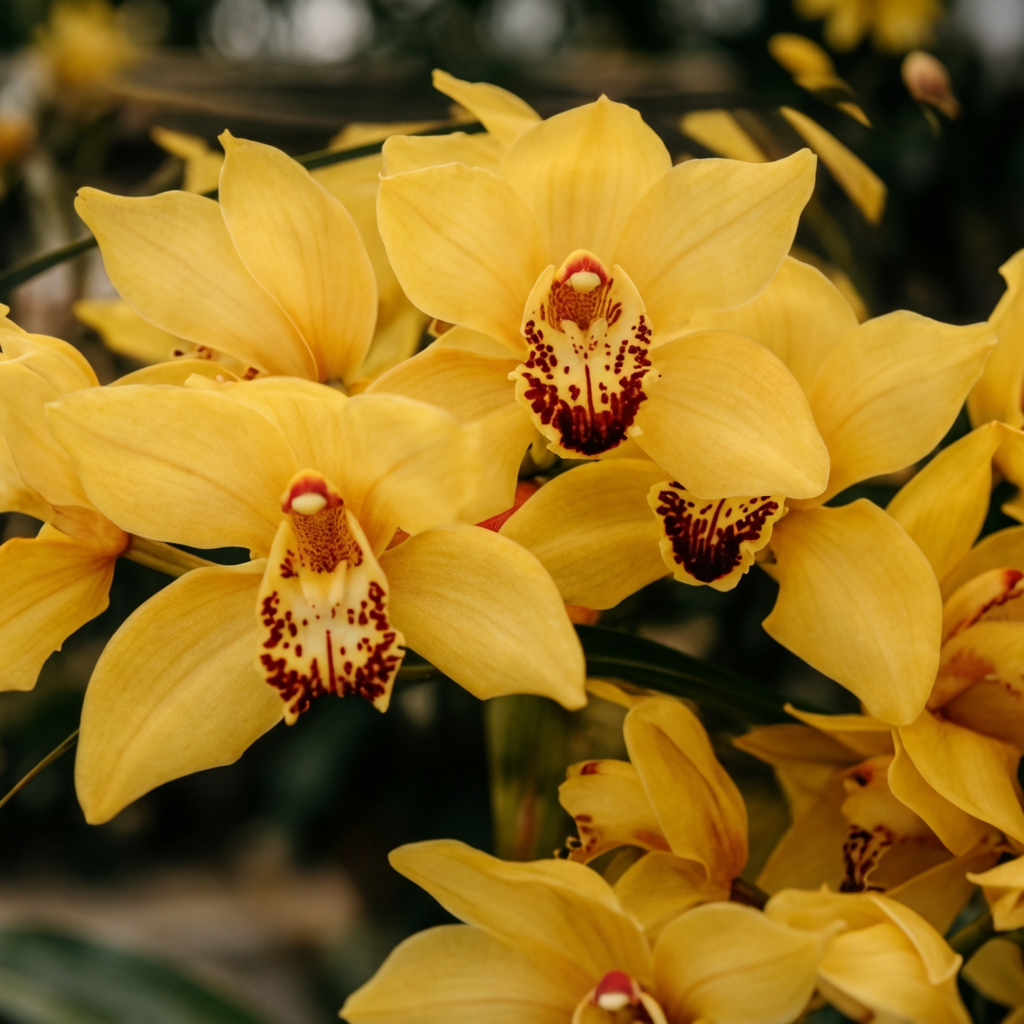
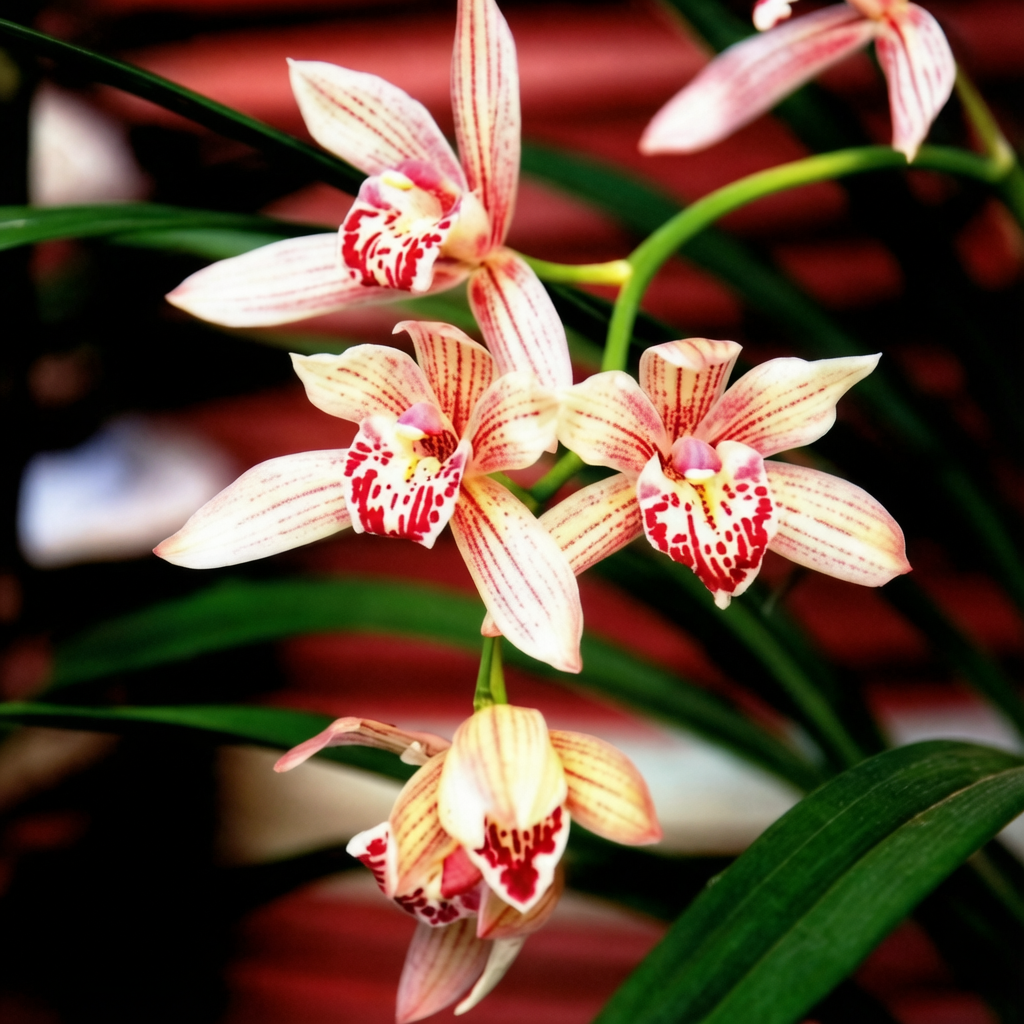
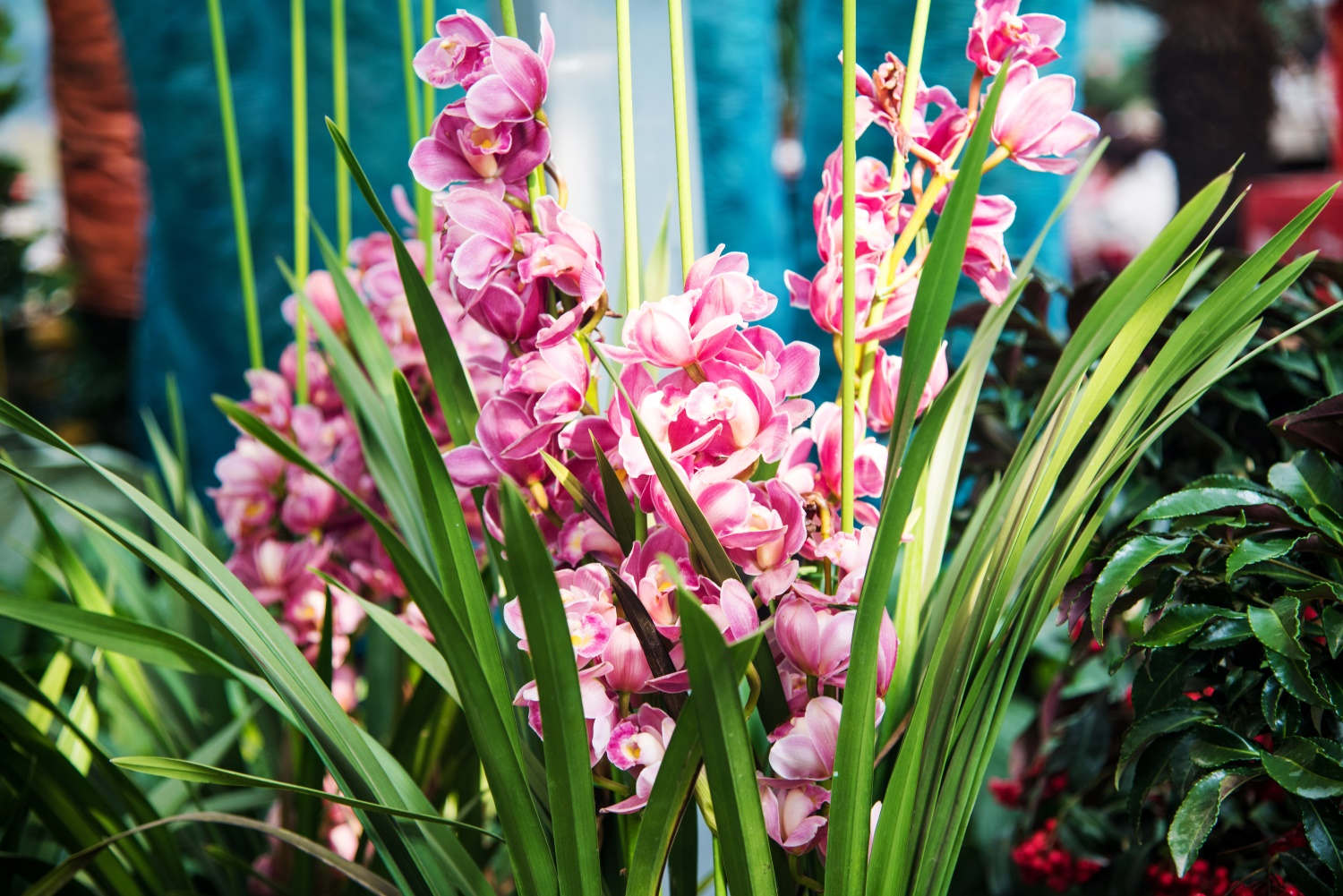
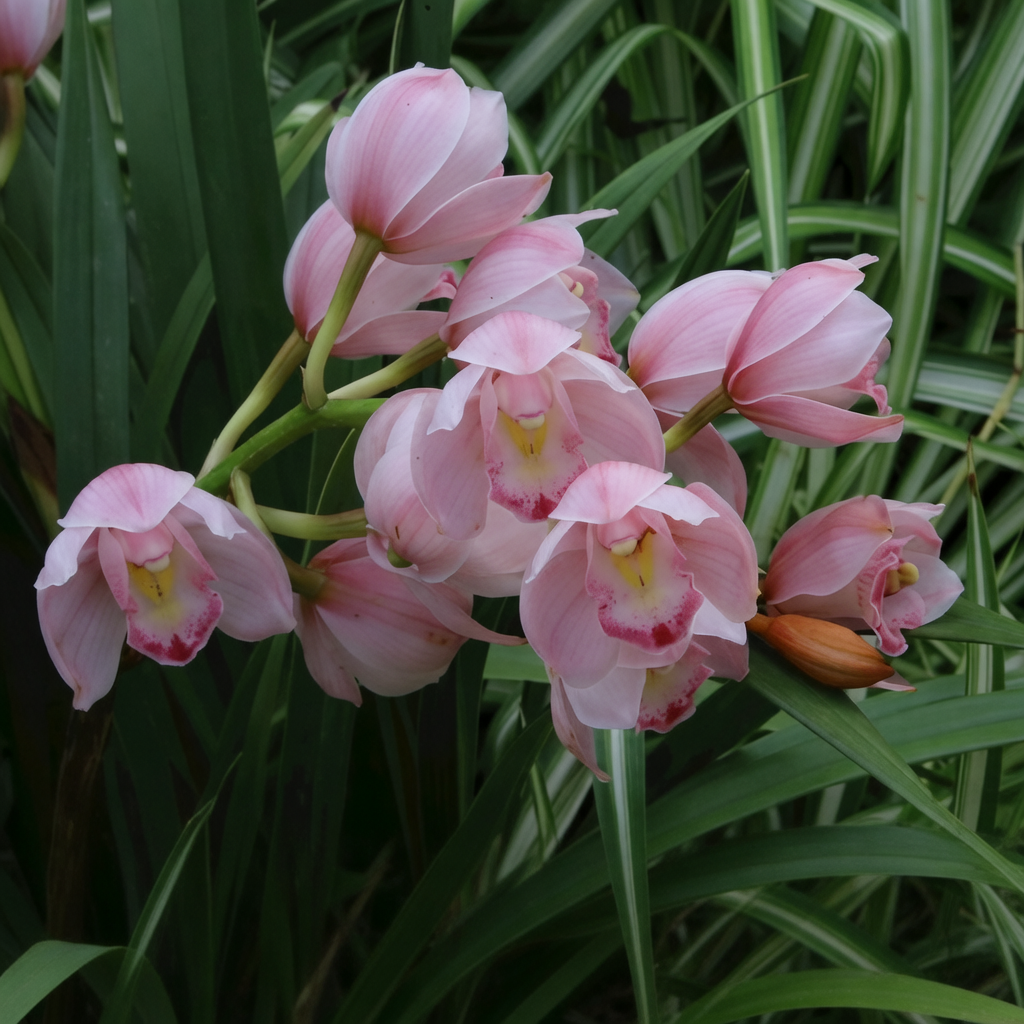
- Flower:Upright to arching flower spikes carry multiple waxy, long-lasting blooms in a wide color range—white, green, yellow, pink, red, brown, and many patterned or bicolored forms. Many cultivars are pleasantly fragrant. When buying, plants with several open flowers tend to settle in better than plants that are mostly tight buds, because buds can drop when conditions change at home.
- Flowering Season:Late winter to spring
- Growth Habit:Clump-forming, sympodial orchid with water-storing pseudobulbs; produces new growths (“leads”) from the base and flower spikes from mature growths.
🌤️ Environment
Sunlight
Bright light to bright filtered sun; can take some gentle direct sun (especially morning). Tolerates light shade. In summer heat, provide about 50–60% shade; in autumn, move to a brighter, airy spot to support spike development.
Temperature
Ideal range about 10–25°C (50–77°F). Keep winter temperatures above 10°C (50°F) and avoid hot, stuffy rooms; cool nights are especially helpful for flowering. Newly purchased plants often do well around 15°C (59°F) near a bright window with a sheer curtain.
Humidity
Likes higher humidity, roughly 70–80% if you can manage it. If indoor air is dry, raise humidity with trays/humidifiers and light misting 1–2 times daily (avoid leaving water sitting in the crown) while keeping gentle airflow.
Soil
Use a very free-draining orchid medium—typically bark-based mixes with additions like sphagnum (in moderation), charcoal, fern fiber, and porous minerals such as zeolite/perlite. Avoid compact, regular potting soil and avoid waterlogged mixes.
Placement
Indoors: a bright east- or south-facing window/balcony position (filtered if intense) with good ventilation. Outdoors in warm seasons: bright shade with ~50–60% shading and strong airflow; shift to a brighter, well-ventilated spot in autumn.
Hardiness
Frost-tender; generally best kept above 10°C (50°F). Outdoors year-round mainly in USDA Zones 10–12; elsewhere grown as a bright, cool houseplant or in a greenhouse/conservatory.
🪴 Care Guide
Difficulty
Moderate. Cymbidiums are very rewarding, but they do best when you can provide bright light, cool-to-mild temperatures, steady moisture (never soggy), and good ventilation. Compact to medium cultivars are usually easiest for homes.
Buying Guide
Choose a compact or medium plant that fits your space and light. Because many retail plants are forced to spike or bloom, pick one with multiple open flowers rather than mostly buds—buds may drop after you bring the plant home if conditions change suddenly.
Watering
Aim for evenly moist, airy media—never waterlogged.
• Spring & autumn: water about 2 times per week.
• Summer: in hot, sunny weather, water thoroughly in the morning and again in the evening as needed; provide 50–60% shade and ensure fast drainage.
• Winter: keep the medium slightly moist; typically water every 4–5 days, and be extra careful not to leave the mix soggy.
If air is dry, mist surrounding air/foliage 1–2 times daily to support humidity (avoid water pooling in the crown and always pair humidity with airflow).
Fertilization
During active new growth, feed weekly with a dilute orchid fertilizer. During flower spike/bud initiation, continue light feeding (many growers keep it weekly; some reduce to about monthly depending on growth speed). During pseudobulb swelling and flowering, a dilute liquid feed—sometimes as a light foliar spray—about once per week can be used. Stop fertilizing in winter or whenever growth slows markedly.
Pruning
After flowering, cut the spent flower spike promptly to reduce energy drain and tidy the plant. During repotting/division, remove yellowing leaves and trim dead, rotten, or hollow roots with sterile tools.
Propagation
Propagate mainly by division after flowering, before new roots and shoots get large. Remove the old flower spike first so divisions don’t weaken. Lift the clump, then use a sterilized knife to separate between pseudobulbs into sections (commonly 3–4 pseudobulbs per division). Clean away dead leaves and old roots, trim damaged roots, and pot each division into fresh orchid medium; new roots typically re-establish quickly under bright, cool conditions.
Repotting
Repot about once a year or when crowded—commonly right after flowering (often around April in many schedules). Many growers use a tall pot around 15 cm (6 in) wide and 20 cm (8 in) deep to suit the root system. Let the mix dry slightly before repotting so roots are more flexible and less likely to snap; refresh the medium and remove dead roots and yellow leaves.
📅 Seasonal Care Calendar
Spring: water ~2×/week; feed weekly during new growth; maintain humidity and airflow; enjoy blooms.
After flowering (often April): ideal window for repotting/division.
Summer: provide 50–60% shade; water more frequently (often morning/evening in heat); mist to cool if needed; prioritize ventilation to prevent fungal issues; remove weak late-summer shoots that won’t mature.
Autumn: move to a brighter, airy position; water ~2×/week; support spike initiation with steady care.
Winter: keep above 10°C (50°F); stop feeding; keep slightly moist (about every 4–5 days) and avoid soggy media.
🔬 Pests, Diseases & Safety
Common Pests & Diseases
Diseases: anthracnose, leaf spot/black spot, and rust are common, especially with stale air or wet foliage—boost ventilation, avoid water sitting on leaves/crown, and remove affected tissue early. Pests: scale insects, whiteflies, and aphids; isolate affected plants and treat with horticultural oil or insecticidal soap, repeating as needed to catch new hatchlings.
Toxicity
Generally considered non-toxic to people and pets. Chewing may still cause mild stomach upset, so it’s best to keep flower spikes and leaves out of reach of persistent nibblers.
🎋 Culture & Symbolism
Symbolism:A symbol of elegance, refinement, and good fortune—one reason Cymbidiums are such a popular celebratory gift, especially in the winter-to-spring season.
History & Legends:Cymbidiums have been cultivated for centuries in Asia and later became a major global crop for both potted plants and cut flower spikes thanks to their durable, transport-friendly blooms that last a long time in the home.
Uses:Primarily ornamental: a premium potted flowering orchid for home display and gifting; also grown for cut flower spikes in the floral trade. Appreciated for fragrance, graceful foliage, and wide color variety.
❓ FAQ
How do I choose a Cymbidium orchid at the store?
Pick a compact or medium plant that matches your space and light. Choose one with several open flowers rather than mostly tight buds—buds can drop after moving into typical home conditions, especially if the plant was forced to bloom.
Why do growers remove extra new shoots on Cymbidium?
A pseudobulb may produce two shoots; keeping the strongest and removing the weaker helps the plant focus energy into one mature growth that’s more likely to flower. Weak late-summer shoots often don’t mature in time to bloom. When a flower spike is forming, removing nearby competing leafy shoots can also help the spike develop well.
💡 Fun Facts
- Cymbidiums are favorites for cool, bright windows and unheated conservatories because many cultivars flower best with cool nights.
- Their pseudobulbs are natural “storage tanks,” holding water and nutrients that help the plant handle short dry spells.
- In cool, bright conditions, a single flower spike can stay showy for weeks—and a well-grown plant may carry multiple spikes at once.
- Many growers use a tall pot around 15 cm (6 in) wide and 20 cm (8 in) deep to comfortably fit the root system.
- Strong ventilation is one of the simplest (and most effective) ways to reduce fungal leaf problems in Cymbidium.