🌱 Plant Features
- Size:Typically 1–2 m tall and 1–2 m wide (3–6.5 ft tall and 3–6.5 ft wide); some cultivars can become much larger in the ground with age and mild winters, occasionally reaching about 4.5 m (15 ft).
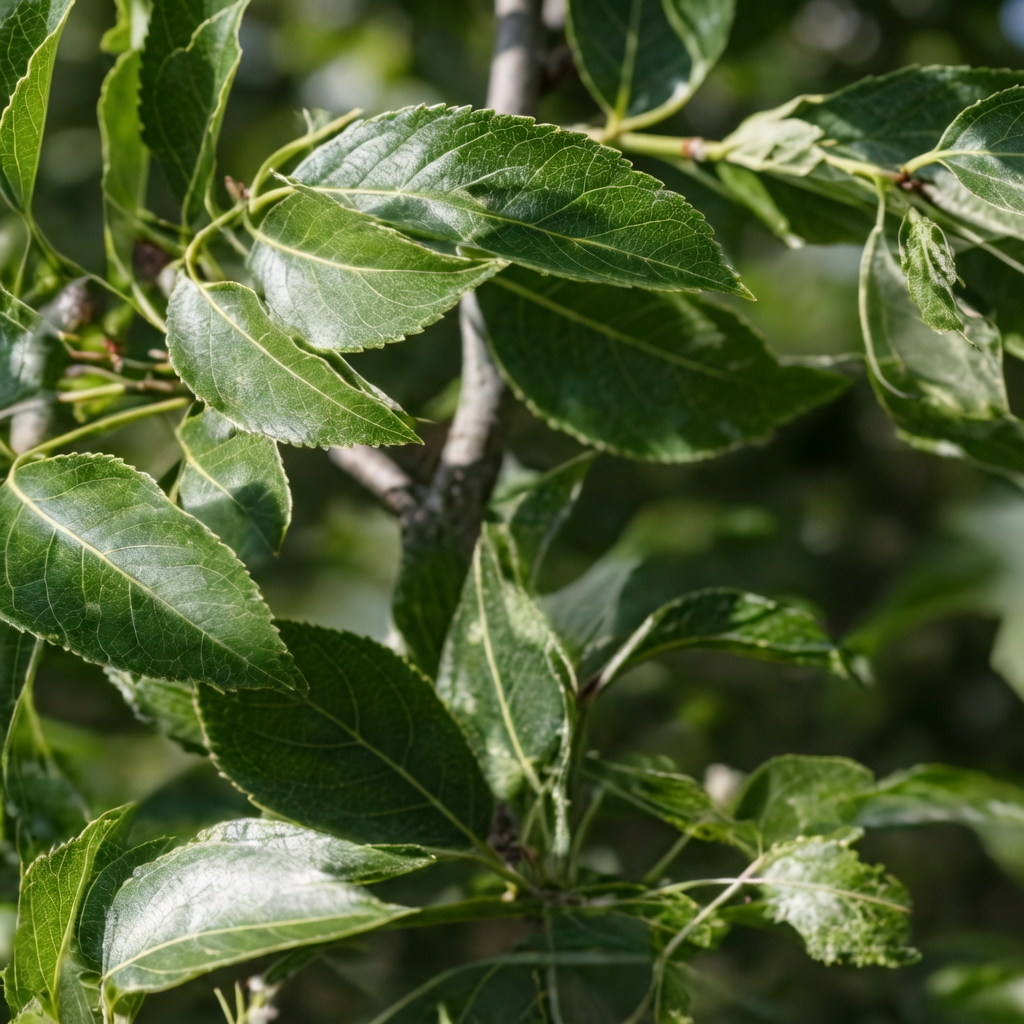
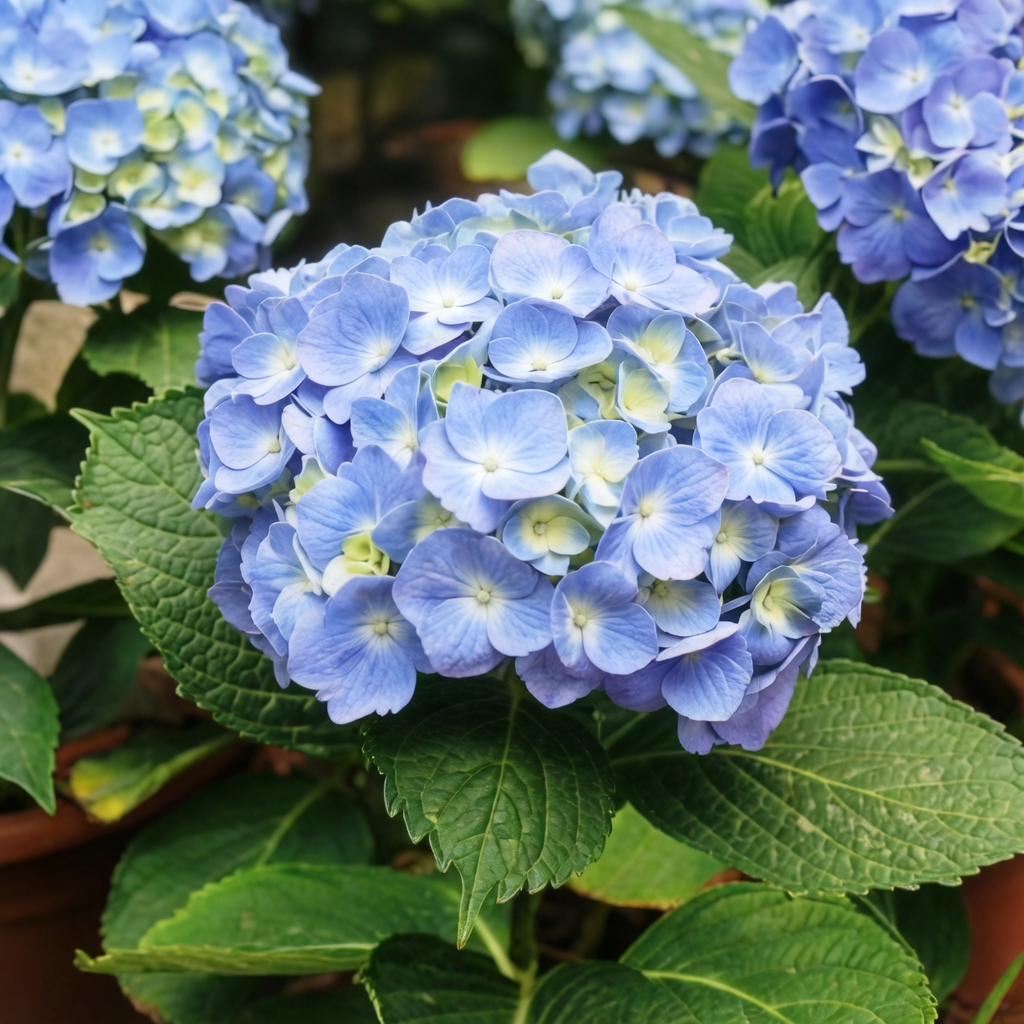
- Foliage:Large, opposite, oval-to-ovate leaves with serrated edges; mid- to deep-green and often glossy. As a deciduous shrub it drops leaves in cold seasons; yellowing can also show up when roots stay too wet or stressed.
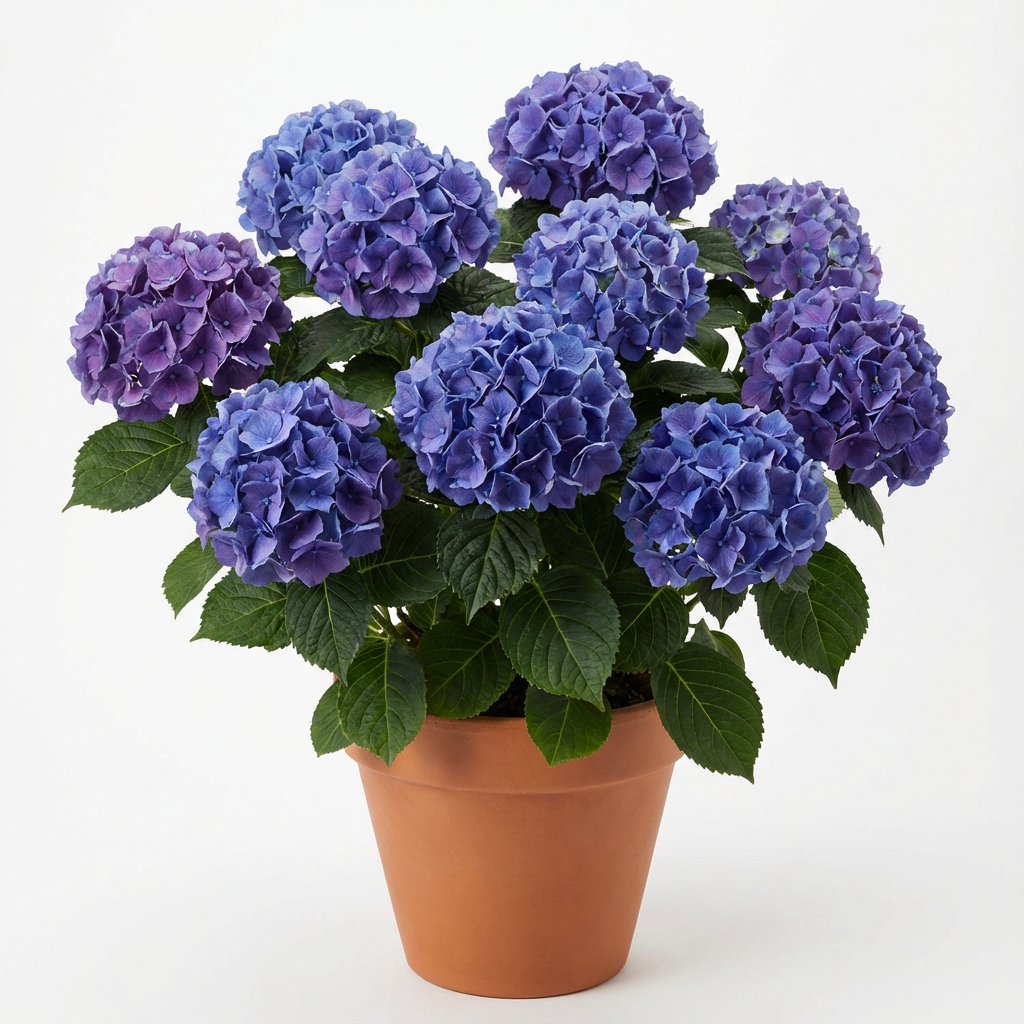
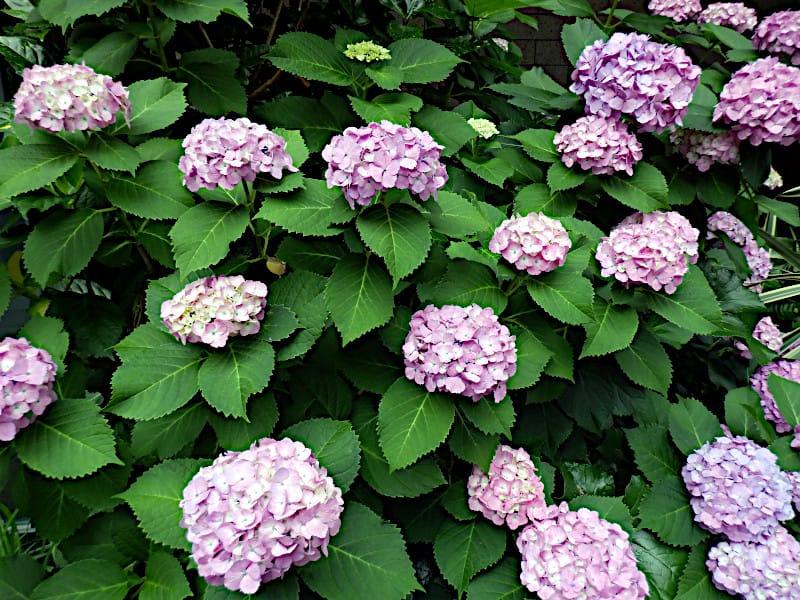
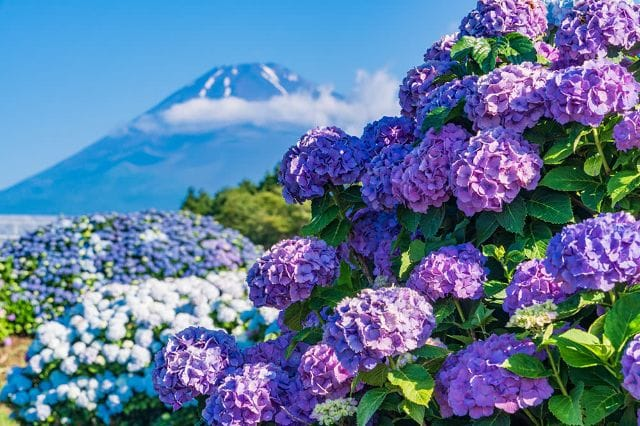
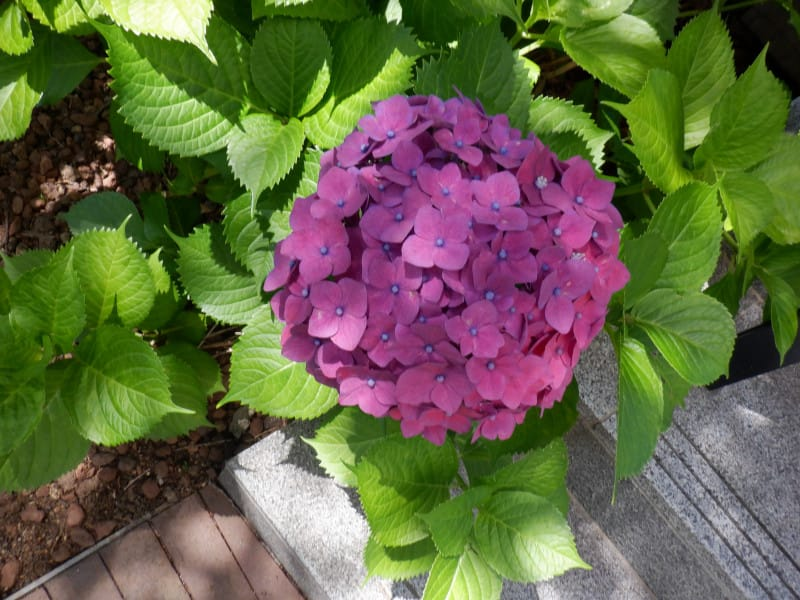
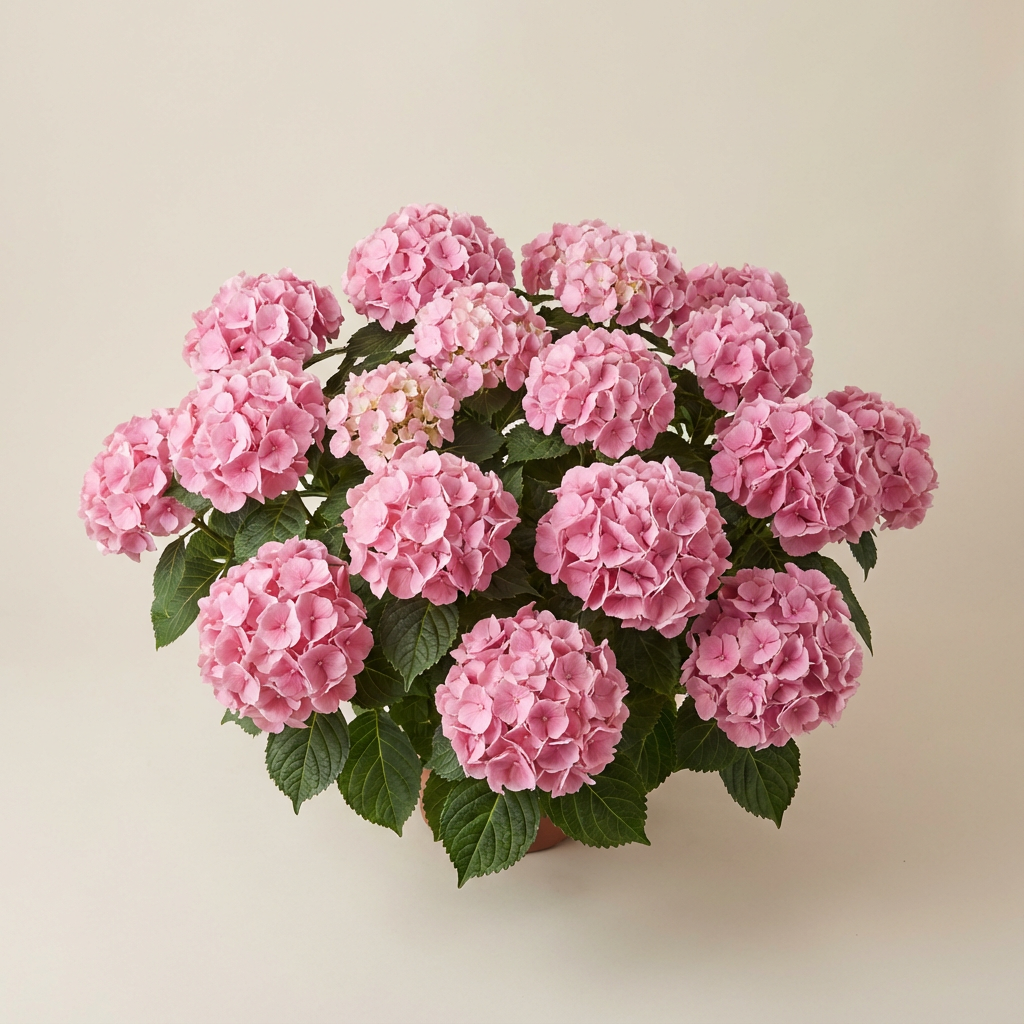
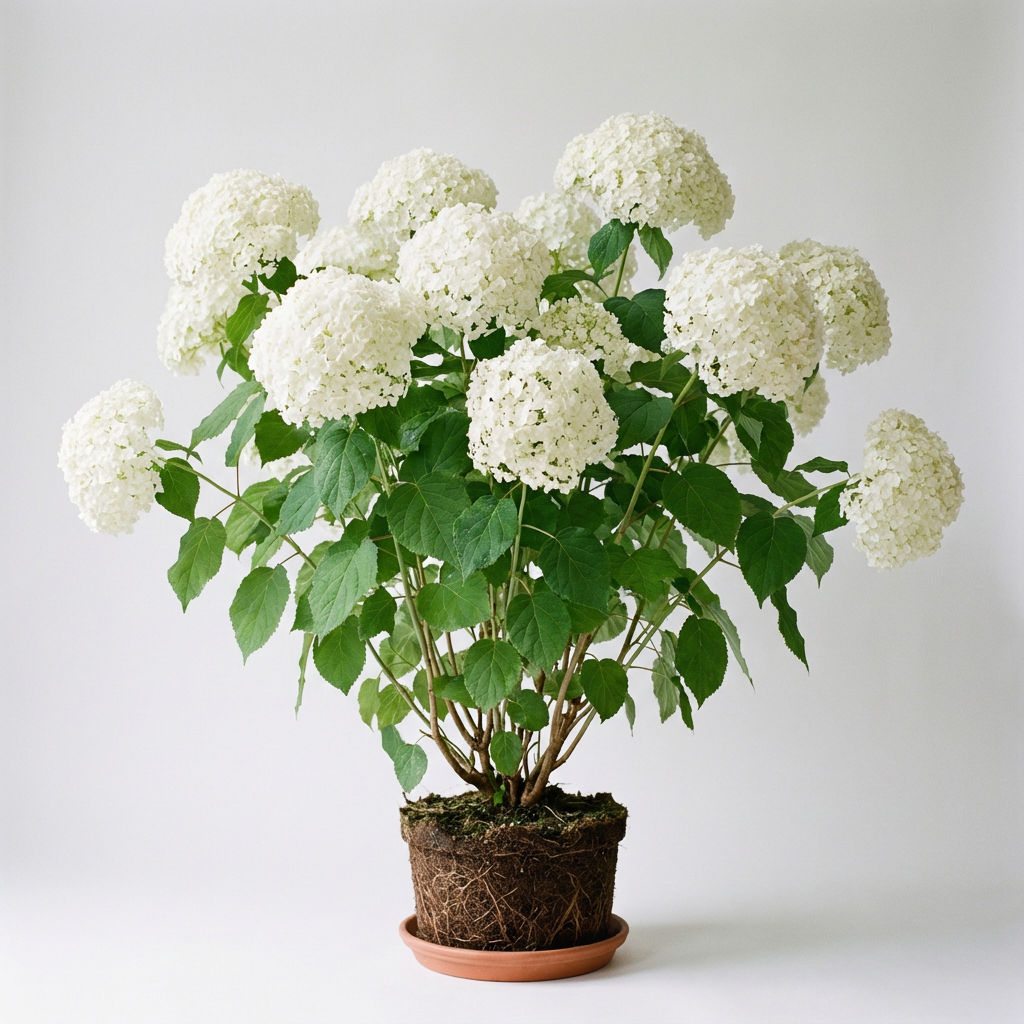
- Flower:Flower heads are dense clusters (inflorescences) made of many tiny fertile flowers plus showy sterile florets that look like petals (they’re actually colorful sepals). Heads are often rounded “mopheads,” though lacecap forms have a flatter center with a ring of showy florets. Typical head size is about 15–20 cm across (6–8 in). Colors can include white, pink, red-rose, blue, purple, and blends—often influenced by soil pH and aluminum availability.
- Flowering Season:Late spring through summer (commonly June–July), with some cultivars reblooming into fall.
- Growth Habit:Bushy, upright to rounded, multi-stemmed deciduous shrub with sturdy stems.
🌤️ Environment
Sunlight
Best with morning sun and afternoon shade, or bright dappled light. In hot summers, partial shade helps prevent scorch and can extend bloom life; in cooler climates it can take more sun if soil moisture stays steady (roughly 3–6 hours of sun daily is a good target).
Temperature
Grows best around 18–28°C (64–82°F). Buds are more cold-sensitive than stems, so protect from hard freezes—especially in containers. For reliable bud set, a cool winter rest helps; bud initiation is often favored around 5–7°C (41–45°F).
Humidity
Prefers moderate to high humidity and evenly moist conditions. In hot, dry weather, water more consistently and boost humidity with good airflow (avoid leaving foliage wet overnight).
Soil
Moist but well-drained, organic-rich soil or potting mix (loam plus peat/coco with perlite/sand works well). Many cultivars shift color with soil chemistry: more acidic conditions (often below about pH 6) encourage blue tones when aluminum is available; more alkaline conditions (often above about pH 7) push flowers toward pink/red.
Placement
Garden borders, foundation plantings, woodland-edge beds, patios and balconies, and containers. Outdoors in a sheltered spot with morning sun/afternoon shade is ideal; indoors is best only short-term (bright window/porch) rather than as a permanent houseplant.
Hardiness
Commonly USDA Zones 6–9 for consistent flowering; overall cold tolerance varies by cultivar and winter bud protection. Not tolerant of drought or waterlogged soil.
🪴 Care Guide
Difficulty
Easy to moderate. It’s straightforward once established, but it really rewards you for two things: steady moisture (never bone-dry, never swampy) and correct pruning that doesn’t remove next year’s buds.
Buying Guide
Pick plants with healthy, richly green leaves, multiple strong shoots, and no spotting, mildew, or insects. For potted plants, buying when the first blooms are just opening is a good way to confirm color and vigor. Check the root ball—avoid severely rootbound plants unless you plan to repot immediately. A common starter pot is 15–20 cm (6–8 in) in diameter.
Watering
Keep soil evenly moist during active growth. In summer, water deeply about 1–2 times per week; in heat waves or small containers, it may need more frequent watering. Water in the morning so leaves can dry by evening. In autumn and winter, reduce frequency—let the surface dry slightly between waterings. Avoid waterlogging, which can trigger root rot and leaf decline.
Fertilization
During the growing season, feed with a balanced fertilizer (for example 10-10-10) or an acid-forming fertilizer for acid-loving plants, following label rates. Many growers fertilize every 2 weeks for container plants, or 1–2 times (spring and early summer) for in-ground shrubs. Ease off in late summer (after about July in many climates) so stems can mature before winter. For color adjustment: aluminum sulfate can encourage bluer blooms; garden lime can push toward pink (only where appropriate for your soil and cultivar).
Pruning
Pruning depends on how your cultivar blooms. Many bigleaf hydrangeas flower mostly on old wood, so heavy pruning in late fall/winter can remove next season’s flower buds. A safe approach: deadhead and lightly shape right after flowering. You can also remove up to about one-third of the oldest stems at the base to refresh the shrub. Pinching young shoots around 15 cm (6 in) can encourage branching on young plants. Always confirm whether your variety reblooms on new wood before doing harder cuts.
Propagation
Softwood cuttings are the easiest: take 12–15 cm (5–6 in) non-flowering tips in early summer, remove lower leaves, use rooting hormone, and root in a well-draining medium; roots often form in about 2–3 weeks under warm, humid conditions. Also possible: layering when buds swell (may root in about 30 days; separate later), and division of rooted shoots in early spring.
Repotting
Repot container plants in spring annually or whenever rootbound. Move up one size (often 5–10 cm / 2–4 in wider than the previous pot), trim circling roots, and refresh with an organic-rich, well-drained mix.
📅 Seasonal Care Calendar
Spring: Resume regular watering; start feeding; watch for aphids and leaf spots. Late spring–summer: Peak growth and bloom—keep evenly moist, give afternoon shade in heat, deadhead to tidy, and avoid letting pots bake dry. Late summer–autumn: Reduce feeding; maintain moisture but begin easing back as temperatures fall; protect developing buds. Winter: Keep cool and protected from harsh freezes and drying winds; water sparingly but don’t let the root ball fully dry—especially for container plants.
🔬 Pests, Diseases & Safety
Common Pests & Diseases
Pests can include aphids, thrips, spider mites, and Japanese beetles. Start with gentle controls like a strong water spray and insecticidal soap; escalate to labeled products if infestations persist. Common diseases include powdery mildew, leaf spot (including bacterial spots), and anthracnose; root rot is common when soil stays soggy. Prevention helps most: space/prune for airflow, water at the soil line rather than overhead (especially late day), remove infected leaves, and keep containers draining freely.
Toxicity
Mildly toxic to people and pets if eaten. Hydrangea contains cyanogenic glycosides; ingestion can cause stomach upset (nausea, vomiting, diarrhea). Treat it as ornamental—keep leaves and flowers away from curious children, cats, dogs, and grazing pets.
🎋 Culture & Symbolism
Symbolism:Often linked with gratitude, heartfelt emotion, grace, and abundance—fitting for a plant that blooms in generous clusters. Blue blooms are commonly associated with apology and understanding; pink with sincere emotion and affection; white with purity; purple with a wish for deeper understanding. In Chinese culture, the name “八仙花” (Eight Immortals Flower) connects it to the Eight Immortals and the idea of diverse strengths coming together.
History & Legends:In Japan (where it’s popularly called “ajisai”), a well-known story tells of an emperor offering blue hydrangeas as an apology gift—helping cement hydrangea’s reputation as a flower of remorse and gratitude. In Europe, hydrangeas became fashionable garden shrubs after being introduced in the 1700s; Victorian floriography sometimes framed them as symbols of boastfulness because they bloom so extravagantly yet may set relatively few viable seeds in ornamental forms.
Uses:Mostly ornamental: prized in gardens, borders, and containers, and widely used as a fresh cut flower. The blooms also dry beautifully for wreaths and arrangements. Although traditional medicinal mentions exist in some sources, internal use is not recommended due to toxicity concerns.
❓ FAQ
Why won’t my bigleaf hydrangea bloom?
The usual culprits are pruning at the wrong time (removing old-wood buds), winter bud damage, too much shade, or high-nitrogen fertilizer that fuels leaves over flowers. Deadhead and shape right after flowering, protect plants (especially pots) from hard freezes, give morning sun with afternoon shade, and use a balanced fertilizer rather than a high-nitrogen lawn feed.
How do I make the flowers turn blue or pink?
For many cultivars, blue is encouraged by more acidic soil and available aluminum; pink/red is encouraged by more alkaline conditions. Gardeners often use aluminum sulfate for bluer blooms and lime to push pinker tones. Changes are gradual—expect results over months, not days—and white cultivars generally won’t change color.
Why are the leaves wilting or turning yellow, especially in winter?
In winter it may simply be normal leaf drop because it’s deciduous. Yellowing and droop can also come from cold stress, or from the opposite problem: staying too warm indoors (which can weaken bud quality). Another very common cause is soggy soil—bigleaf hydrangeas dislike waterlogging, which can lead to root rot and yellow leaves.
Can bigleaf hydrangea grow in full sun?
It can in cooler climates if the soil stays consistently moist, but in hot areas full sun often causes midday wilt, scorched leaves, and shorter-lasting blooms. Morning sun plus afternoon shade is the sweet spot for most gardens.
💡 Fun Facts
- The name “Hydrangea” comes from Greek roots meaning “water vessel,” a nod to both its thirst and its cup-like seed capsules.
- What looks like one big flower is actually a whole bouquet: dozens to hundreds of tiny flowers packed into a single head.
- Those big colorful “petals” are usually sepals (modified leaf-like parts); the true fertile flowers are the small ones.
- With good care, bigleaf hydrangeas can live for decades, becoming more impressive each year.