🌱 Plant Features
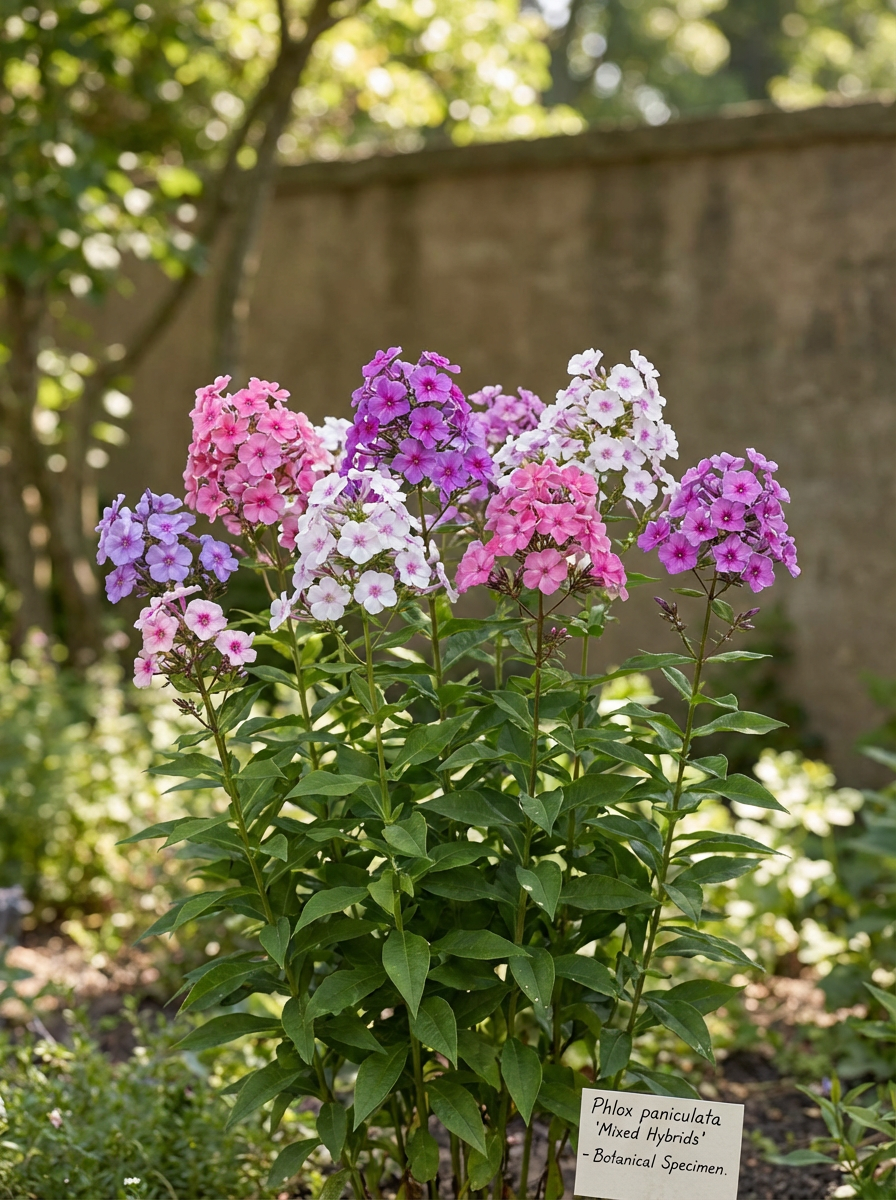
- Size:About 15–60 cm (6–24 in) tall, depending on variety; forms compact clumps.
- Foliage:Bright green leaves with a slightly soft, hairy texture; lower leaves are opposite while upper leaves may be alternate. Leaves are oblong to lance-shaped and can reach about 7.5 cm (3 in) long.
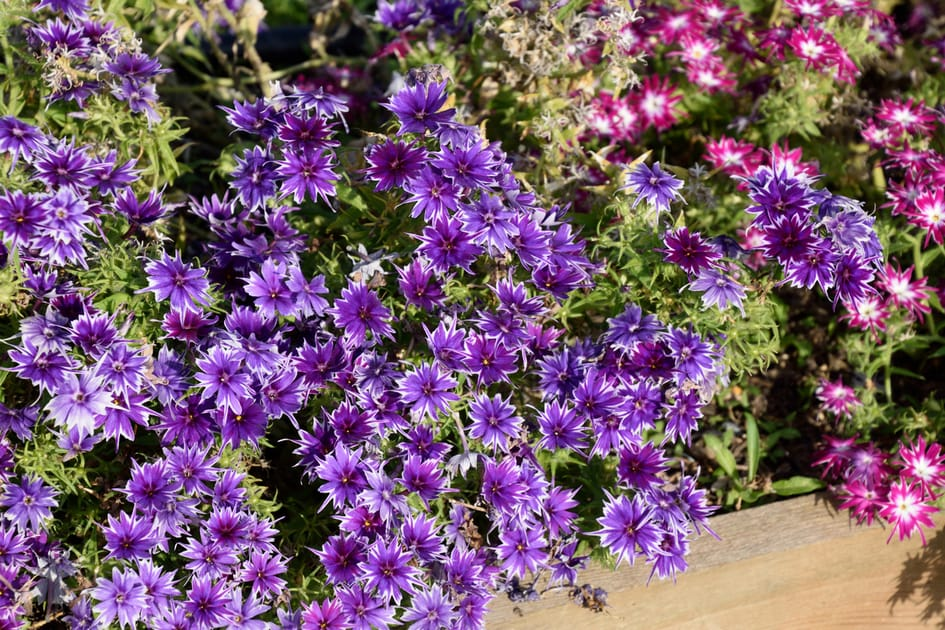
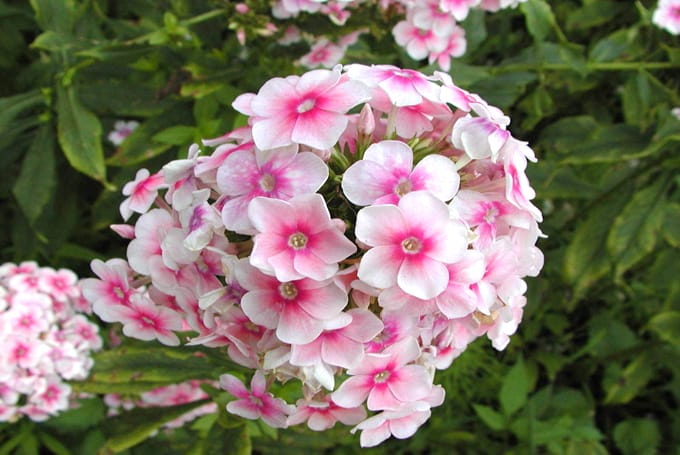
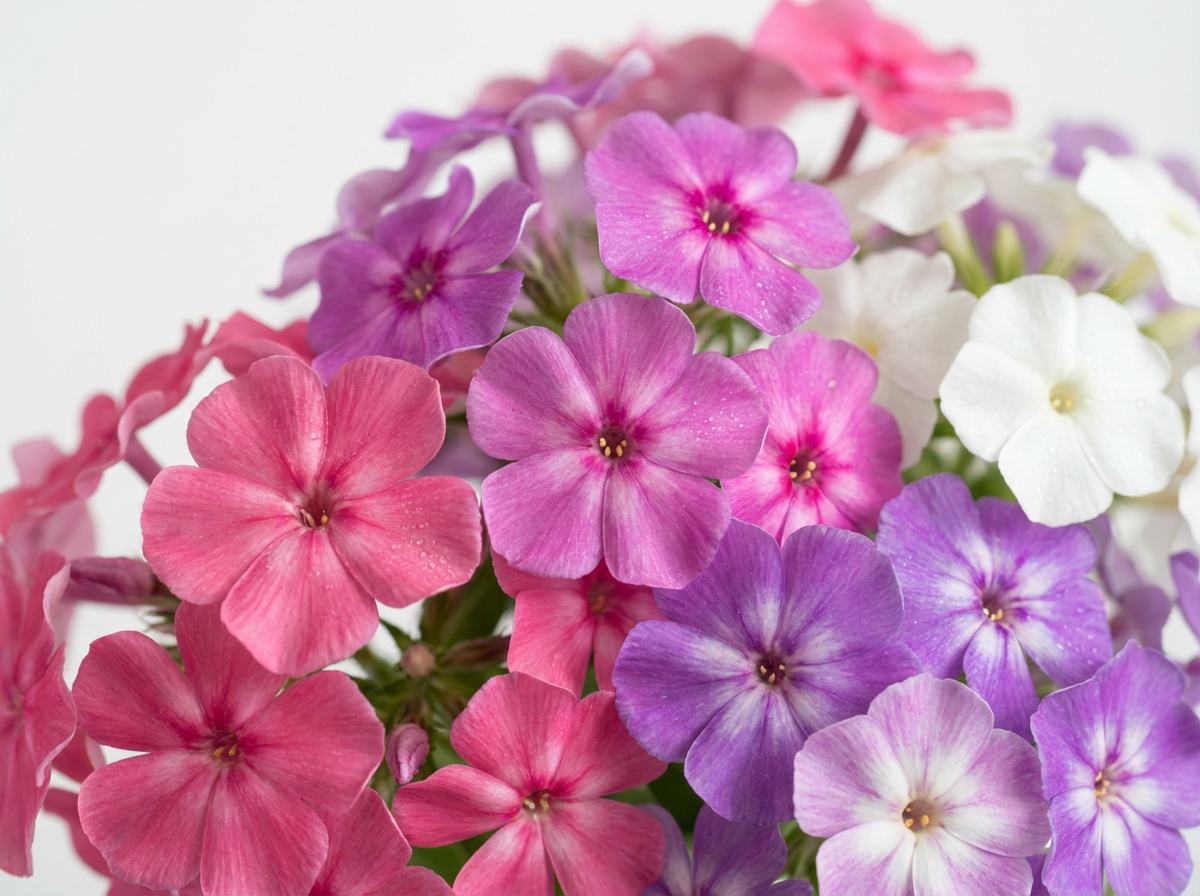
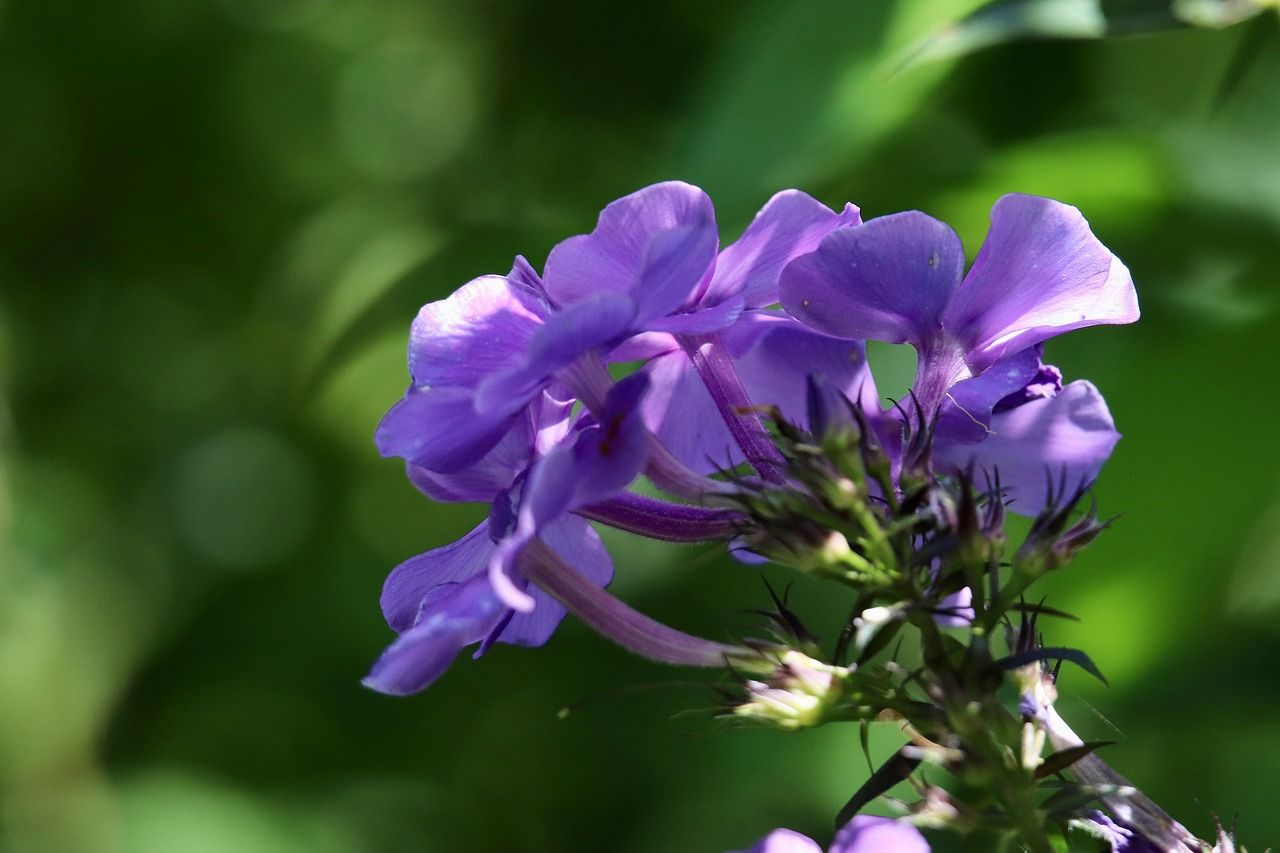
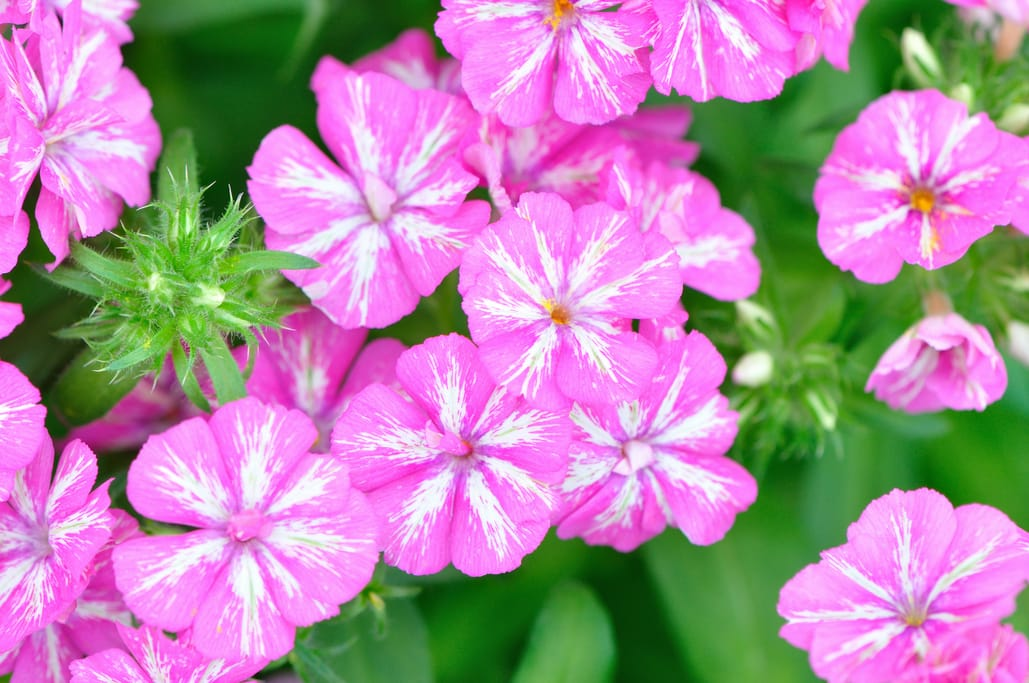
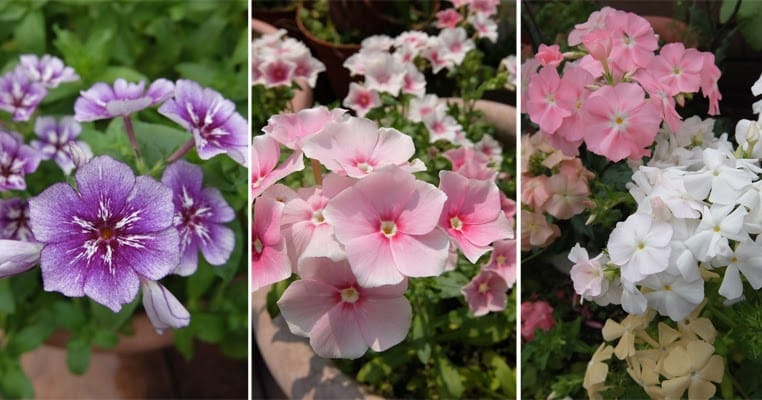
- Flower:Five-petaled, star-shaped flowers held in dense clusters (often described as panicles). Colors span pink, purple, red, white, orange, and many bicolors; some forms feature a contrasting central “eye.”
- Flowering Season:Mid-spring to mid-summer (roughly April–July); can be extended with good deadheading.
- Growth Habit:Upright, single or branched stems forming neat, compact mounds/clumps.
🌤️ Environment
Sunlight
Full sun is best (about 6–8 hours of direct light daily) for heavy flowering; tolerates partial shade, especially where summers are very hot.
Temperature
Enjoys warmth: about 10–30°C (50–86°F). Not frost-hardy; growth and flowering suffer in cold, and it is sensitive below about 5°C (41°F).
Humidity
Moderate humidity is fine, but good air circulation is important to reduce fungal issues like powdery mildew.
Soil
Well-drained, fertile soil enriched with compost or organic matter. Prefers slightly alkaline to neutral conditions (about pH 6.0–8.0).
Placement
Great for flower beds, borders, cottage gardens, rock gardens, mass plantings, and containers (balconies/patios). Taller selections can be used as cut flowers.
Hardiness
Typically grown as an annual; not tolerant of frost.
🪴 Care Guide
Difficulty
Easy to moderate; very beginner-friendly when given sun, drainage, and airflow.
Buying Guide
Pick plants with compact, sturdy growth and clean, healthy green leaves. Avoid any signs of mildew, spotting, or pests. Plants with plenty of buds (not only open flowers) usually give the longest display.
Watering
Keep evenly moist during active growth—aim for about 2.5 cm (1 in) of water per week from rain/irrigation. Water at the soil line (not over the leaves) to reduce mildew risk. Don’t keep it soggy; poor drainage can lead to root problems.
Fertilization
Mix in compost before planting. During the season, use a balanced fertilizer; you can go a bit higher in nitrogen early for leafy growth, then switch to a bloom-supporting formula higher in phosphorus and potassium once flowering begins. Avoid heavy nitrogen late, which can mean more leaves and fewer flowers.
Pruning
Deadhead regularly to keep blooms coming. For bushier plants with more flower clusters, pinch or cut stems back by about one-third to one-half in early summer (especially if plants are getting leggy).
Propagation
Most commonly grown from seed. Start indoors 6–8 weeks before the last frost; sow shallowly (seeds prefer light for germination). Ideal germination temperature is about 15–20°C (59–68°F). It can also be propagated from cuttings in early to mid-summer (June–July).
Repotting
Transplant outdoors after frost danger has passed. Space about 45–60 cm (18–24 in) apart to improve airflow and reduce mildew. In containers, move seedlings to a pot with fresh, well-draining mix and don’t overcrowd.
📅 Seasonal Care Calendar
Spring: Start seeds indoors; transplant after the last frost; set plants with good spacing and sun. Summer: Water steadily, deadhead often, and offer afternoon shade during extreme heat; keep air moving around plants. Fall: Remove and discard diseased foliage to reduce carryover of pathogens. Winter: In most climates it won’t survive frost—treat as an annual and plan to re-sow next season.
🔬 Pests, Diseases & Safety
Common Pests & Diseases
Powdery mildew is the most common issue, especially with humidity and poor airflow. Prevent with proper spacing and watering at the base; if needed, use a labeled fungicide (often sulfur-based products are used) on a 7–10 day schedule. Possible pests include aphids, spider mites, and leaf miners; manage with insecticidal soap and general plant hygiene (and avoid stressing plants with drought).
Toxicity
No significant toxicity is commonly reported for ornamental phlox, but it’s not meant as a food plant—discourage pets or children from chewing on it.
🎋 Culture & Symbolism
Symbolism:In Victorian flower language, phlox often stands for harmony—“we think alike” or “our souls are united.” Color meanings are often shared as: pink for affection, white for purity, purple for wisdom/spirituality, and red for passion. Overall, it’s a welcoming, sweet-dreams kind of flower.
History & Legends:“Phlox” comes from the Ancient Greek word for “flame,” a nod to its bright colors. Folklore includes a Greek tale linking phlox to the torchlight of Odysseus’ men, while other traditions connect it with peace and reconciliation. It became a beloved garden plant widely grown beyond its native range after entering cultivation in the late 1700s.
Uses:Mainly ornamental: excellent for beds, borders, rock gardens, cottage-style plantings, and bold mass displays. Many forms perform well in pots and window boxes, and taller selections can be cut for bouquets. It’s also a strong pollinator plant, attracting bees, butterflies, and hummingbirds, and is often noted as fairly tolerant of urban conditions.
❓ FAQ
Is annual phlox suitable for beginners?
Yes. Give it sun, well-drained soil, and regular deadheading, and it will reward you with lots of color with very little fuss.
Why are my leaves turning yellow?
The two most common causes are overly wet soil (roots can’t breathe) and too little light. Let the top of the soil dry slightly between waterings, make sure drainage is good, and aim for 6–8 hours of sun.
How do I get more flowers and a longer bloom season?
Plant in full sun, deadhead frequently, avoid overfeeding with nitrogen, and use a bloom-leaning fertilizer once buds form. Consistent watering (not drought stress) also helps keep flowers coming.
How can I prevent powdery mildew?
Space plants for airflow, water at the base, avoid wetting leaves late in the day, and remove any heavily infected foliage. Choosing less-crowded plantings is often the biggest fix.
💡 Fun Facts
- The April full moon is nicknamed the “Pink Moon,” inspired by wild phlox blooming in early spring.
- Phlox is a pollinator magnet—bees and butterflies love it, and hummingbirds often visit bright colors.
- There are 60+ Phlox species, most native to North America.
- If annual phlox self-sows, seedlings can surprise you—colors may not match the parent plant.