Plant Features
- Size: Perennial aquatic herb with floating leaves; leaf diameter about 6–30 cm (2.4–12 in); flower diameter about 3–30 cm (1.2–12 in) depending on species/cultivar.
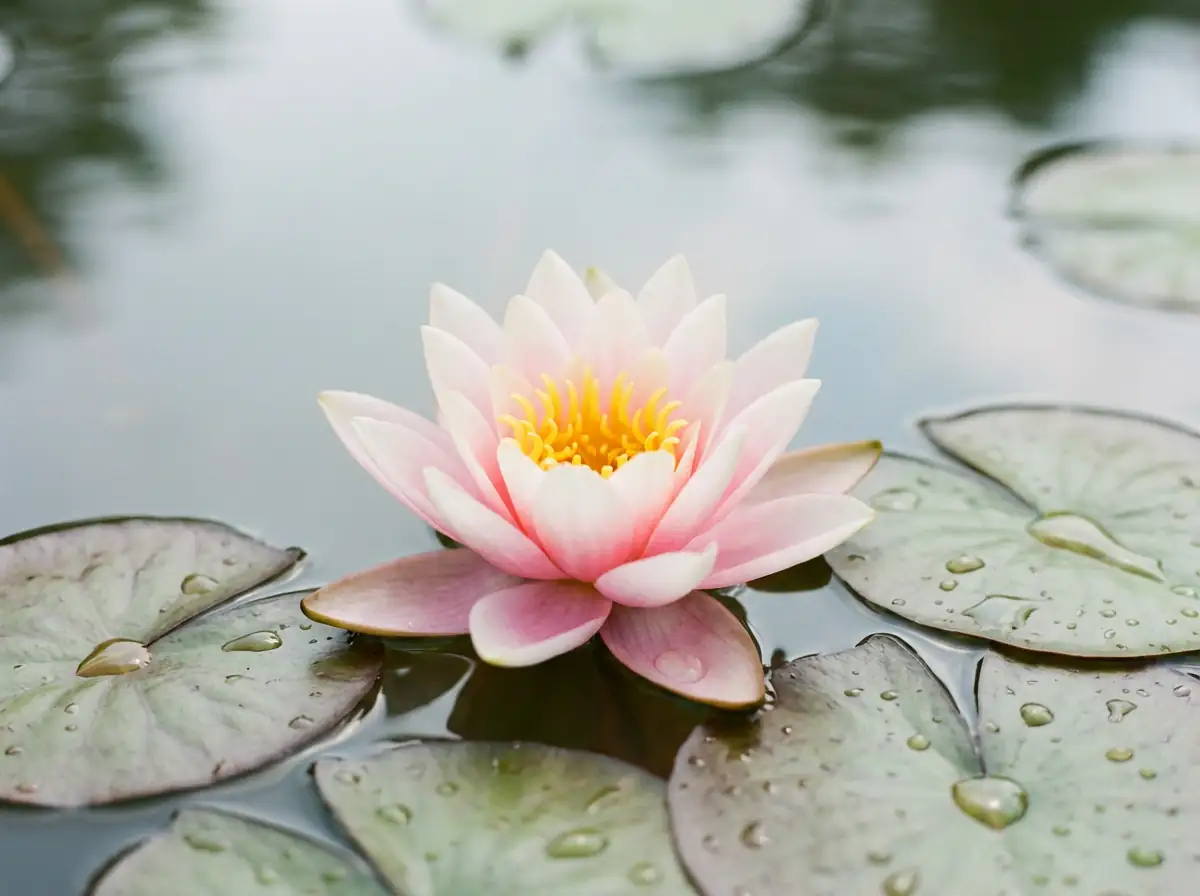
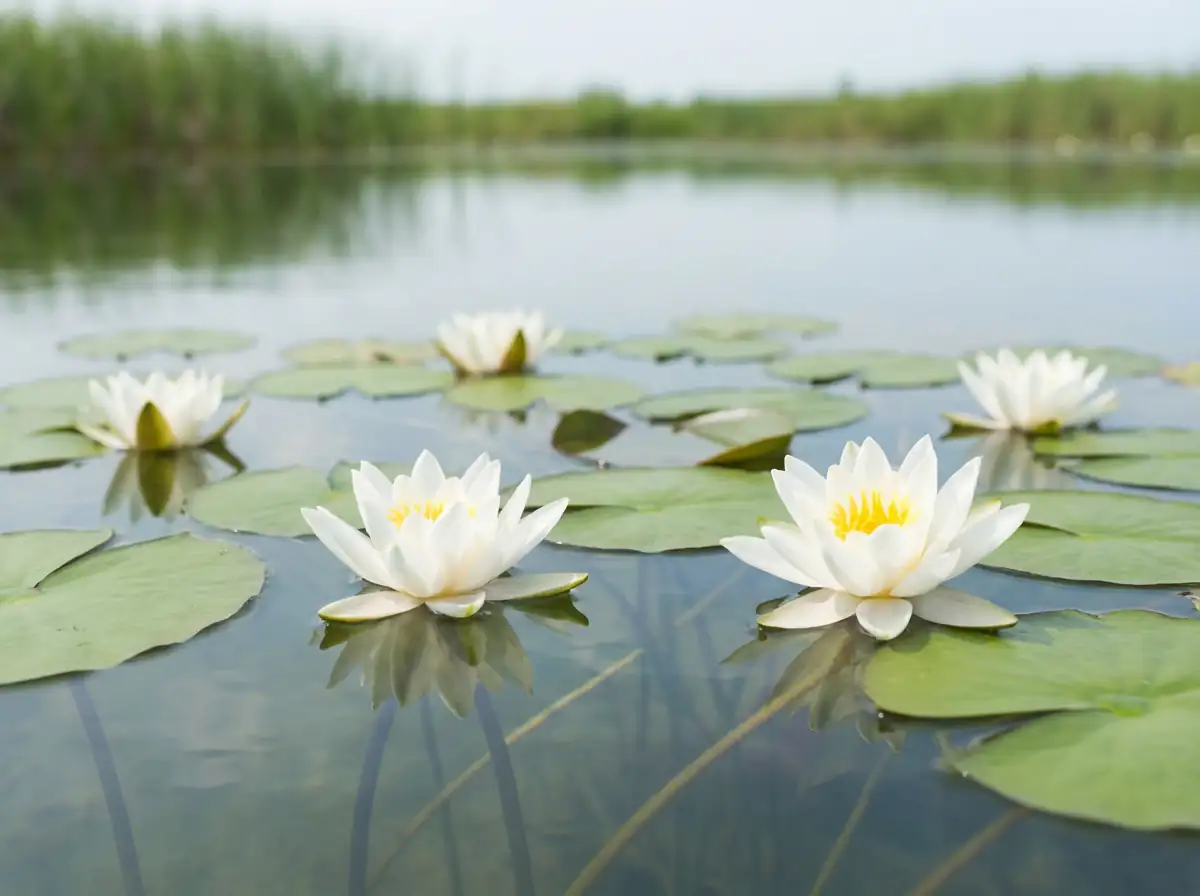
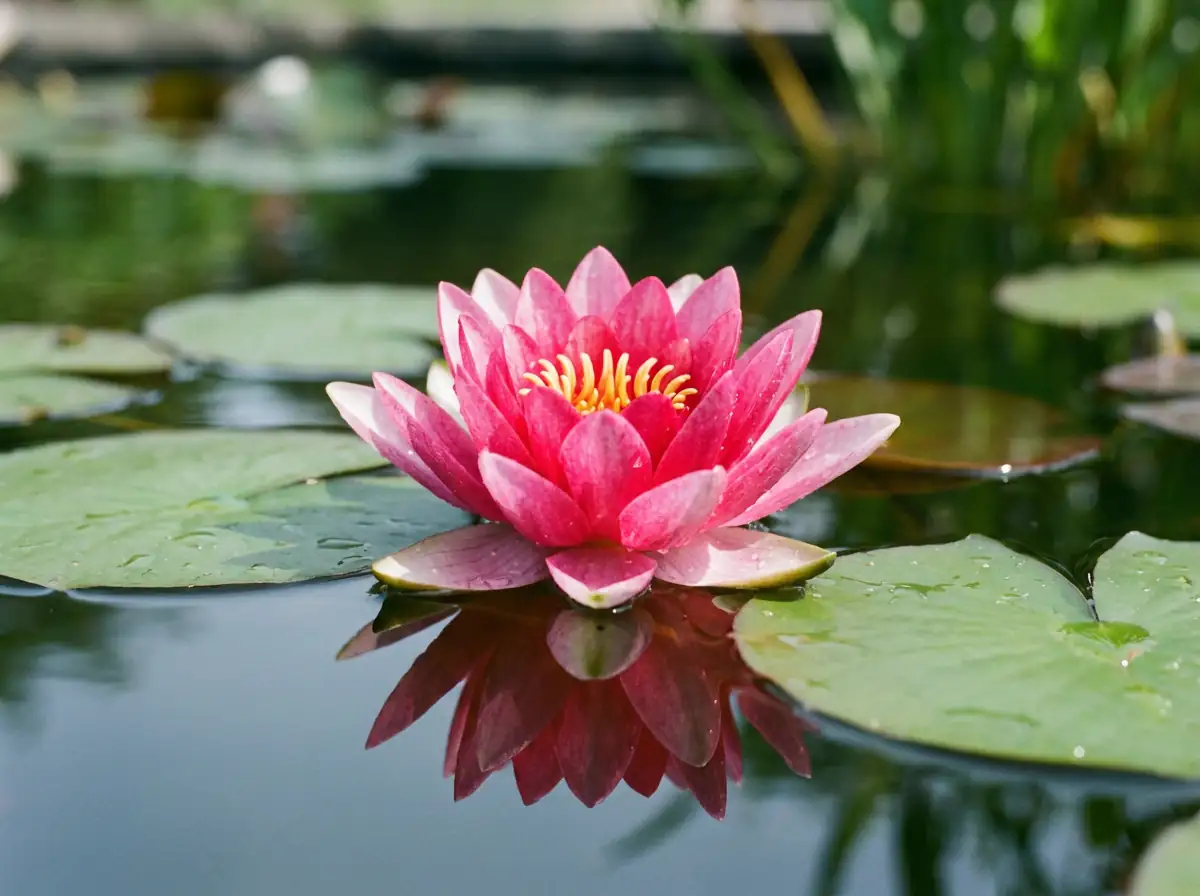
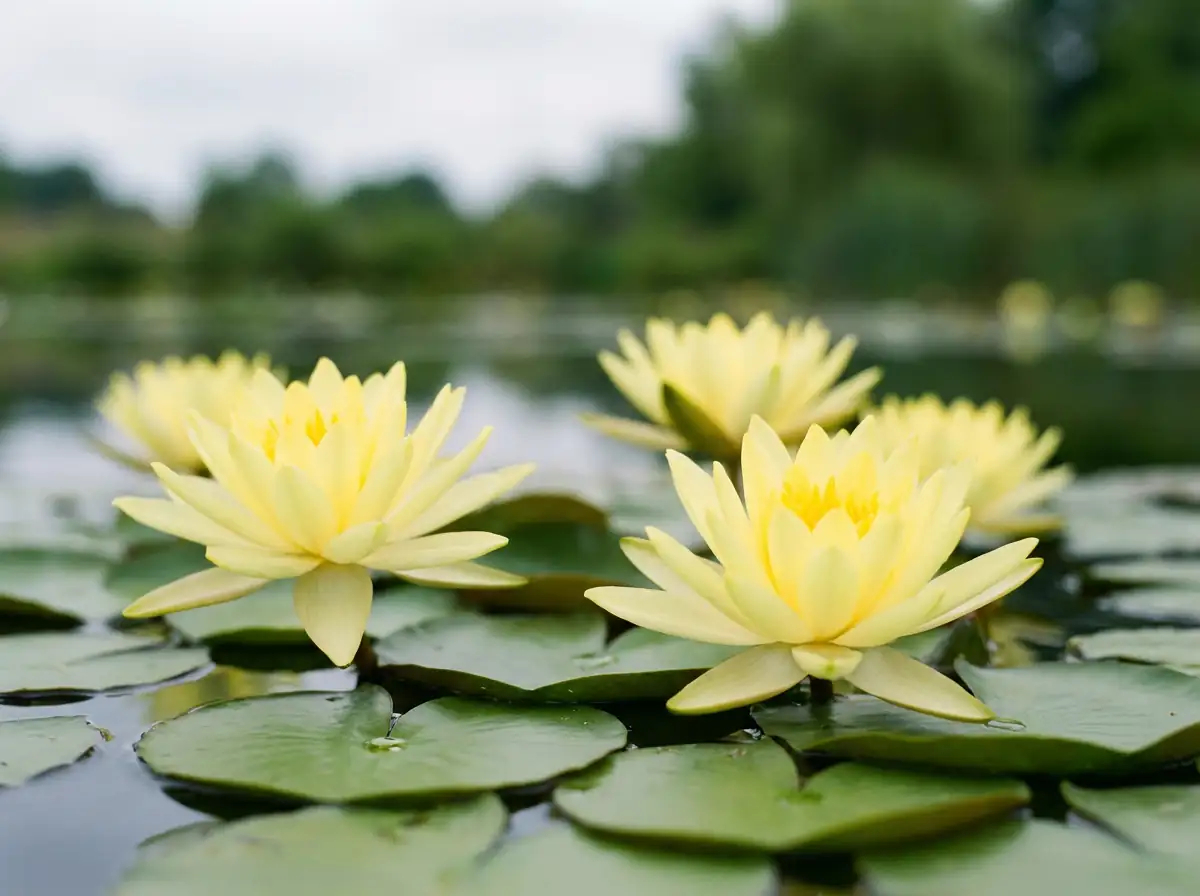
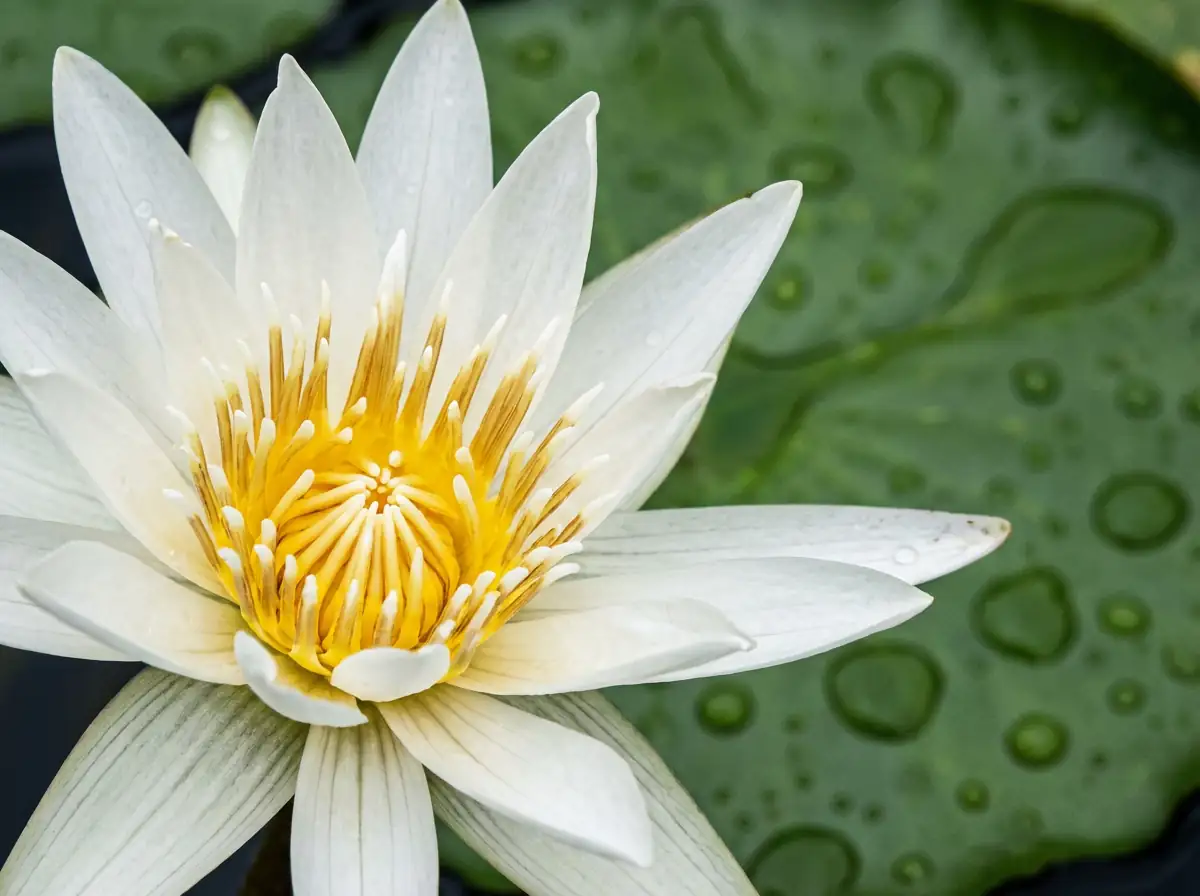
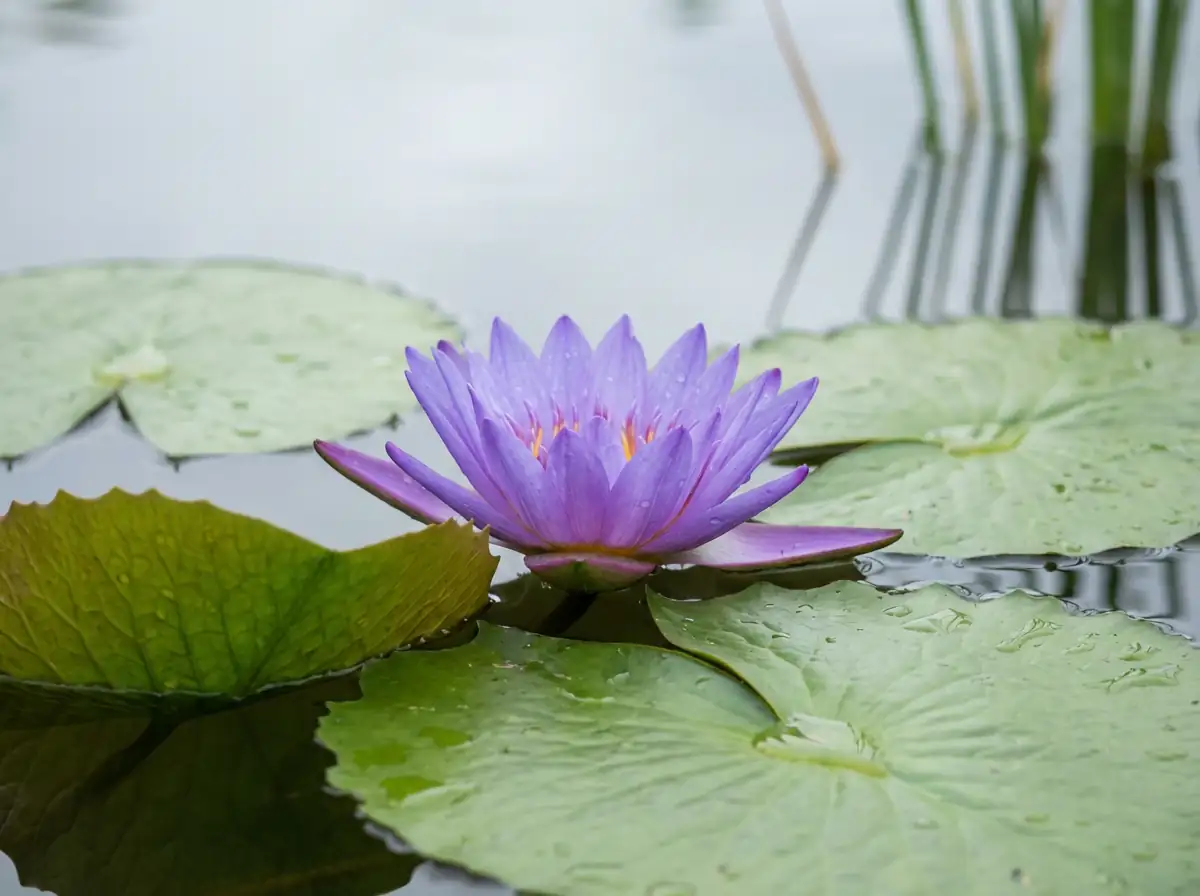
- Foliage: Leaves are round to oval and usually float on the water surface, each with a characteristic notch. The top is typically glossy green, while the underside can be purplish-red; some cultivars show darker mottling. Tropical water lilies often have more noticeably toothed leaf edges, while many hardy types have smoother margins.
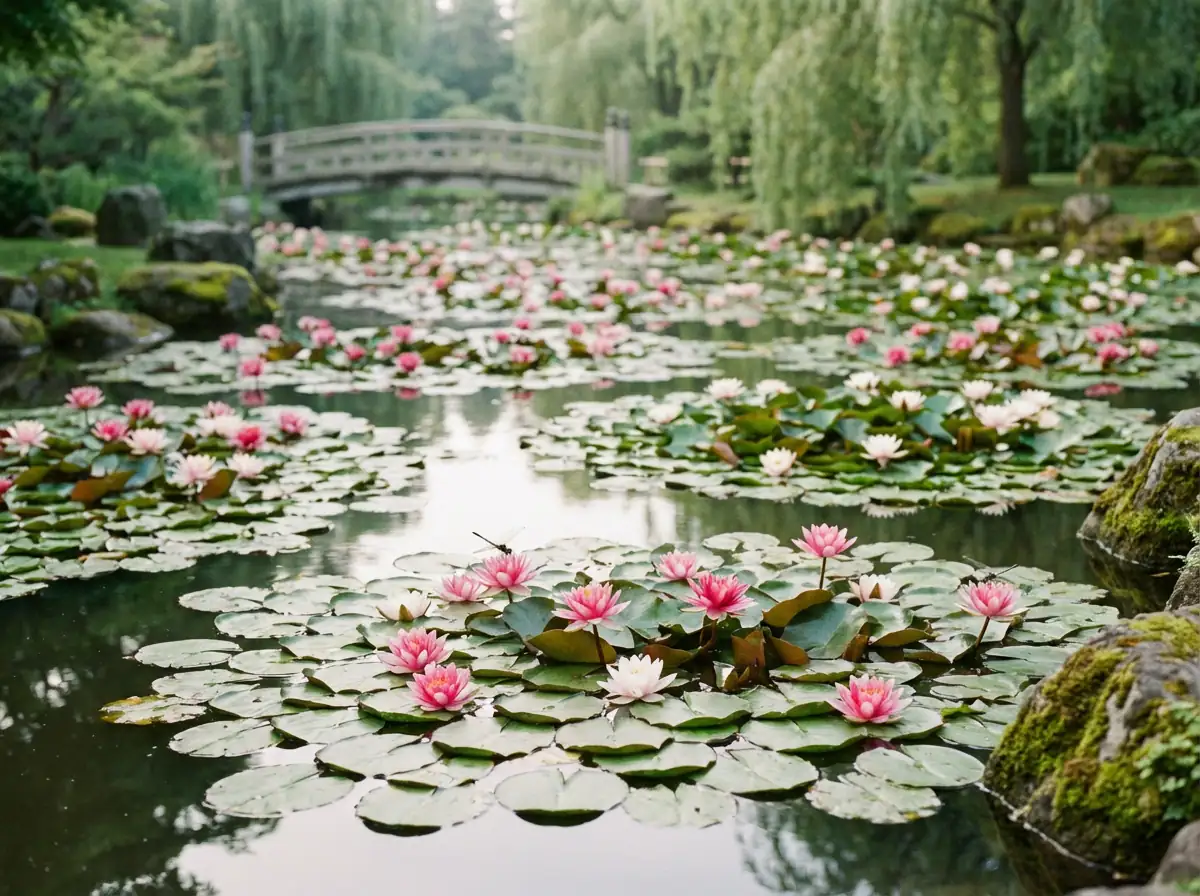
- Flower: Solitary, many-petaled flowers are carried on or just above the water. Colors include white, yellow, orange, red, pink, and purple, and some tropical water lilies can be blue. Many cultivars are fragrant. Tropical types often hold blooms more upright, while many hardy water lilies rest closer to the water surface. Individual flowers commonly last about 3–5 days, following a day-open/night-close rhythm in many varieties.
- Flowering Season: Typically late spring to early autumn; roughly May–October (tropical types often June–October; hardy types can flower from March–November in mild climates).
- Growth Habit: Grows from thick rhizomes (or tubers in some tropical types). Leaves and flowers rise on long stalks from the crown, with foliage floating and blooms floating or slightly emergent. Plants gradually spread and can become crowded over time.
Environment
Sunlight
Full sun is best: at least 6–8 hours of direct sun daily. Some cultivars will tolerate partial shade with about 4–6 hours, but flowering may be reduced.
Temperature
Tropical water lilies prefer consistently warm conditions, with water ideally around 25°C+ (77°F+). Growth slows strongly below about 15°C (59°F). Hardy water lilies tolerate cooler water and can grow and flower at lower temperatures.
Humidity
Grown in water (humidity not a limiting factor). Typical planting depth is about 5–30 cm (2–12 in) of water above the soil/crown; maximum depth about 80 cm (31 in) depending on cultivar vigor.
Soil
Heavy, nutrient-rich loam or clay-based aquatic planting soil; pH about 6–8. Avoid very light, floaty mixes (peat-heavy, barky, or perlite-rich media) that can cloud or foul the water.
Placement
Best in still or gently moving water: ponds, pools, and large tubs/containers (including balcony water gardens). Keep away from strong turbulence, waterfalls, or constant splashing that damages leaves and reduces flowering.
Hardiness
Hardy water lilies are generally suitable for USDA Zones 4–10 (depending on cultivar and whether the rhizome stays below the ice line). Tropical water lilies are frost-tender, typically USDA Zones 9–11, and must be overwintered indoors or grown as annuals where frost occurs.
Care Guide
Difficulty
Moderate overall. Hardy water lilies are usually quite forgiving once established; tropical water lilies need reliably warm temperatures and frost protection.
Buying Guide
Look for firm, healthy rhizomes/tubers or vigorous young plants with no soft, smelly rot. Leaves should be intact and mostly free of spots. Choose a cultivar size that fits your setup—compact varieties for tubs/containers, more vigorous types for ponds.
Watering
No traditional watering—your job is keeping the water level stable. In containers, maintain at least 5–10 cm (2–4 in) of water above the soil surface. In hot spells, top up as needed and keep the container/pond water reasonably clean; avoid strong currents or constant splashing onto foliage.
Fertilization
Feed during active growth (about May–September). Hardy types: about once monthly. Tropical types: about every 2 weeks. Use aquatic fertilizer tablets (slow-release) pushed into the soil near the roots; don’t scatter fertilizer into the water.
Pruning
Remove yellowing leaves and spent flowers promptly by cutting the stalk back near the base/crown. This keeps the plant tidy, encourages fresh growth, and can help keep water clearer.
Propagation
Primarily by division in spring. When crowded (often every 2–3 years), lift and divide rhizomes, replanting pieces with 2–3 growing points. Some tropical water lilies can also be grown from seed.
Repotting
Refresh soil and repot about every 2–3 years. Trim away old, exhausted rhizome sections and replant the most vigorous portions.
📅 Seasonal Care Calendar
Spring (Mar–May): plant or divide; start feeding as growth begins. Summer (Jun–Aug): peak growth—feed regularly, prune old leaves/flowers, and maintain water quality/level. Autumn (Sep–Nov): reduce feeding; prepare tropical types for overwintering. Winter (Dec–Feb): hardy types go dormant; tropical types must be kept warm indoors or overwintered as tubers/rhizomes.
Pests, Diseases & Safety
Common Pests & Diseases
Common pests include aphids (often rinsed off), caterpillars (hand-pick), water mites, and leaf beetles. Diseases include leaf spot and crown/rhizome rot. Prevention focuses on clean water, good sun, removing affected leaves promptly, and avoiding stagnant, dirty conditions. Wildlife like turtles, fish, and waterfowl may chew foliage and buds.
Toxicity
Some species contain bioactive alkaloids; raw plant parts aren’t recommended for people or pets. In some regions, certain water lilies are eaten only after thorough cooking/processing, which helps reduce potential toxicity.
Culture & Symbolism
Symbolism: Purity, serenity, renewal, and spiritual clarity—often celebrated for the idea of “rising clean from muddy water.”
History & Legends: The name Nymphaea references the nymphs of Greek mythology. In ancient Egypt, water lilies were revered and tied to the sun’s daily rebirth, appearing widely in art and symbolism. They’ve also become a modern cultural icon through Claude Monet’s famous Water Lilies paintings inspired by his garden at Giverny.
Uses: Ornamental: a signature plant for ponds and water features. Ecological: provides shade and shelter, helping moderate water temperature and support pond life. Cultural/economic: used as motifs in art and ceremony; some fragrant types are used in perfumery, and a few species are eaten in some cultures after proper preparation.
FAQ
What’s the difference between water lilies and lotus?
Water lily leaves usually float and have a distinct notch, and flowers sit on or just above the surface. Lotus leaves and flowers rise well above the water on tall stalks; lotus leaves are round without the notch and produce the familiar seed pod.
Why isn’t my water lily flowering?
Most often it’s not enough sun (aim for 6–8 hours), planting too deep, cool water, low nutrition, or an overcrowded rhizome. Move to brighter light, adjust planting depth, feed with aquatic tablets, and divide if the plant is packed.
Can I grow a water lily indoors?
Yes—choose a compact cultivar and a wide container around 30–60 cm (12–24 in). Give very bright light, ideally at least 4 hours of direct sun through a window or a strong grow light.
How do I care for water lilies in winter?
Hardy types can usually stay outside if the rhizome remains below the ice line; move containers deeper so the crown is in unfrozen water. Tropical types must be brought in before frost—overwinter tubers/rhizomes in damp sand at about 10–15°C (50–59°F), or grow them as annuals.
Fun Facts
- Many water lily flowers open in the daytime and close at night, and each bloom often lasts about 3–5 days.
- Water lily leaves can be very water-repellent—droplets bead and roll off, inspiring “self-cleaning” surface ideas.
- The famous giant water lily (Victoria) can have pads around 2–3 m (6.6–9.8 ft) across—large enough to support a child when weight is properly distributed.
- Ancient Egyptian culture closely linked blue water lilies with ritual symbolism of rebirth and the sun’s cycle.
- Monet painted roughly 250 works in his Water Lilies series.
- Bangladesh’s national flower is a water lily, commonly referred to in English as the white water lily.
- Some cultivars shift color as the flower ages over successive days of opening.