Plant Features
- Size: Typically 30–180 cm (12–71 in) tall depending on species/cultivar; many garden types are around 60–150 cm (24–59 in). Spread is often about 20–45 cm (8–18 in). Some species can exceed about 250 cm (98 in) in ideal conditions.
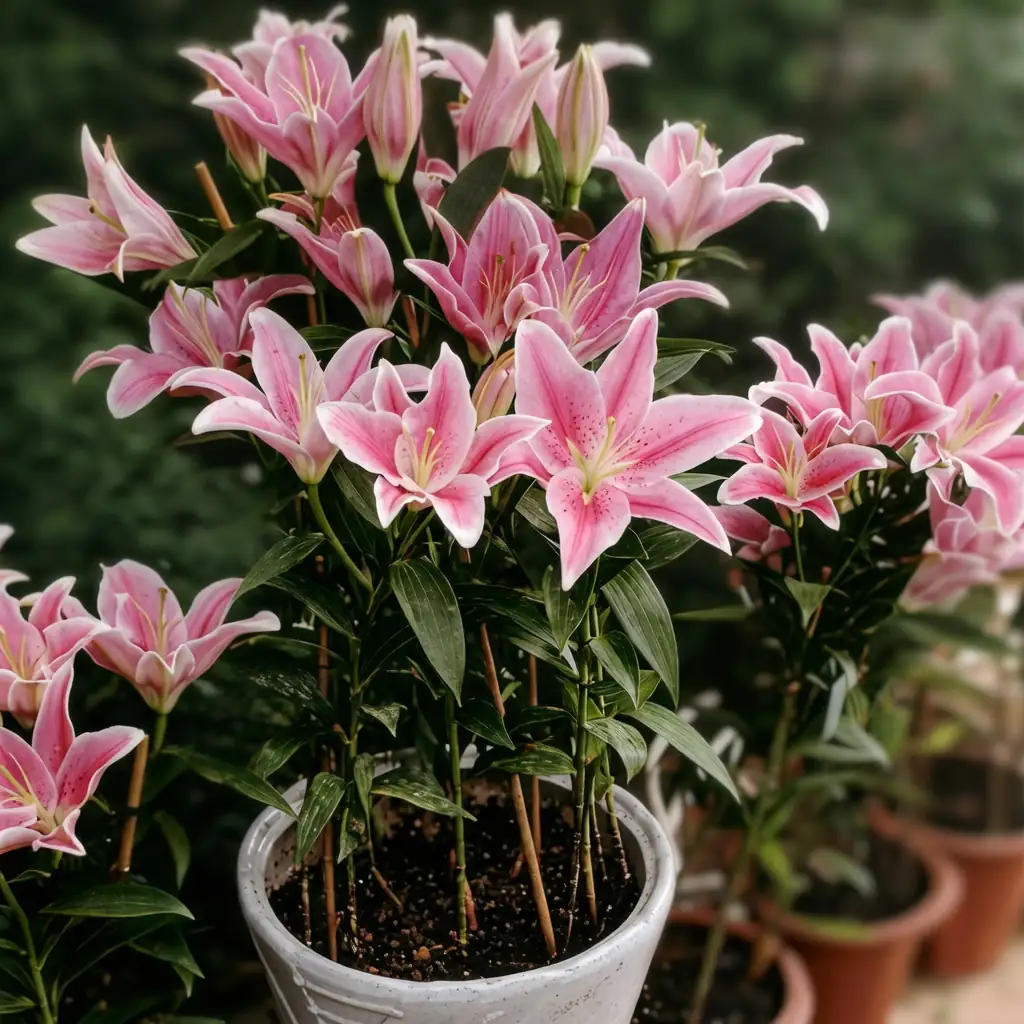
- Foliage: Leaves are narrow linear to lance-shaped (often glossy mid- to bright green) with the parallel veins typical of monocots. They are arranged alternately or sometimes in whorls up the upright stem, giving the plant a clean, elegant silhouette even before buds open.
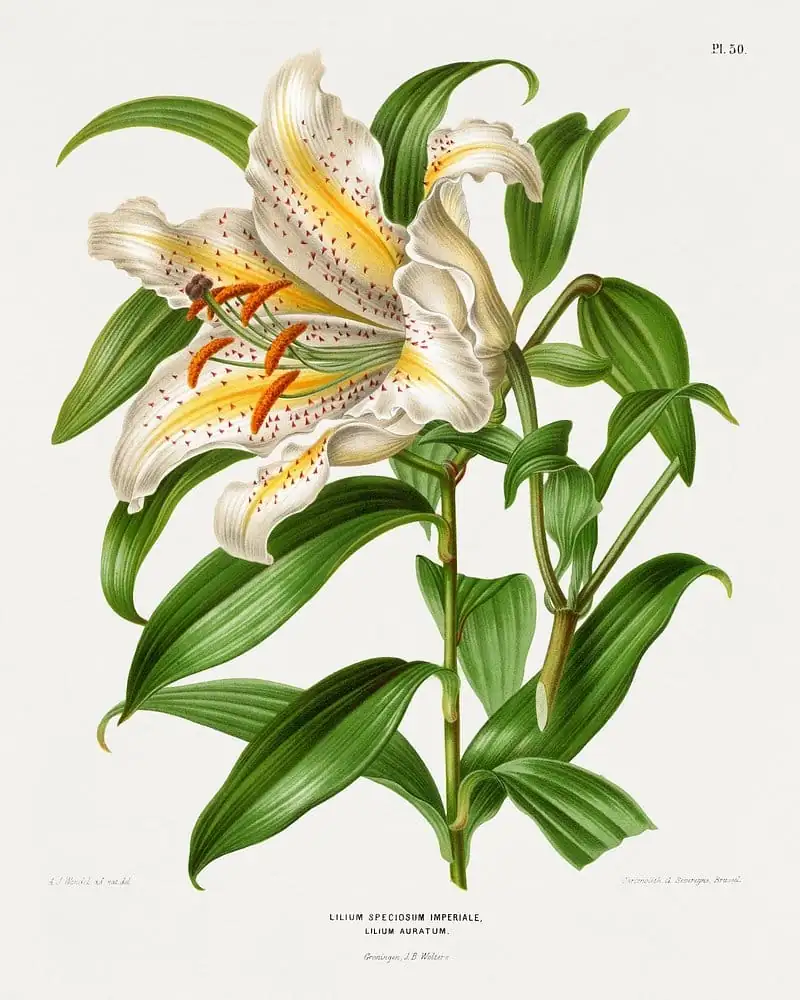
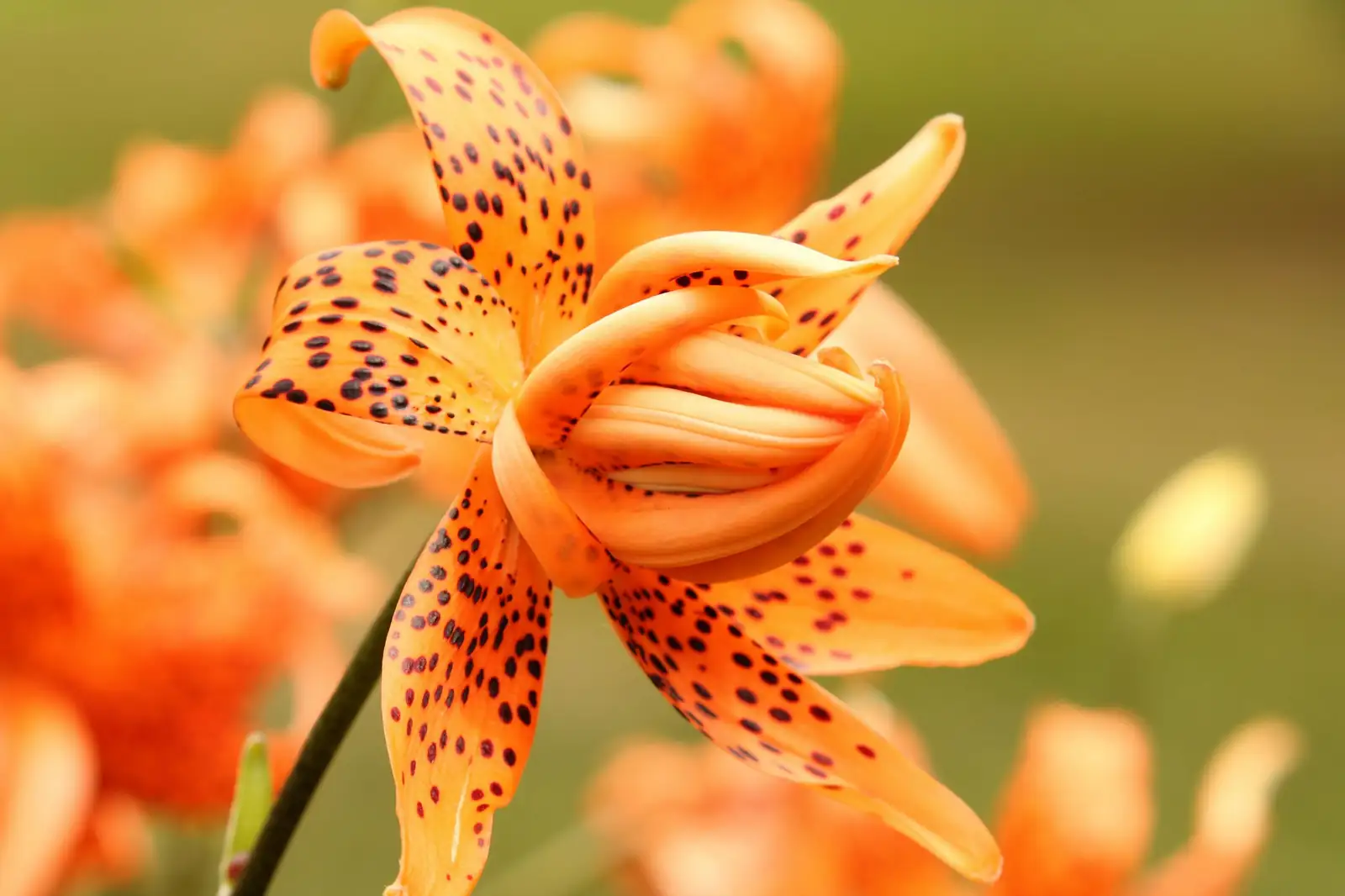
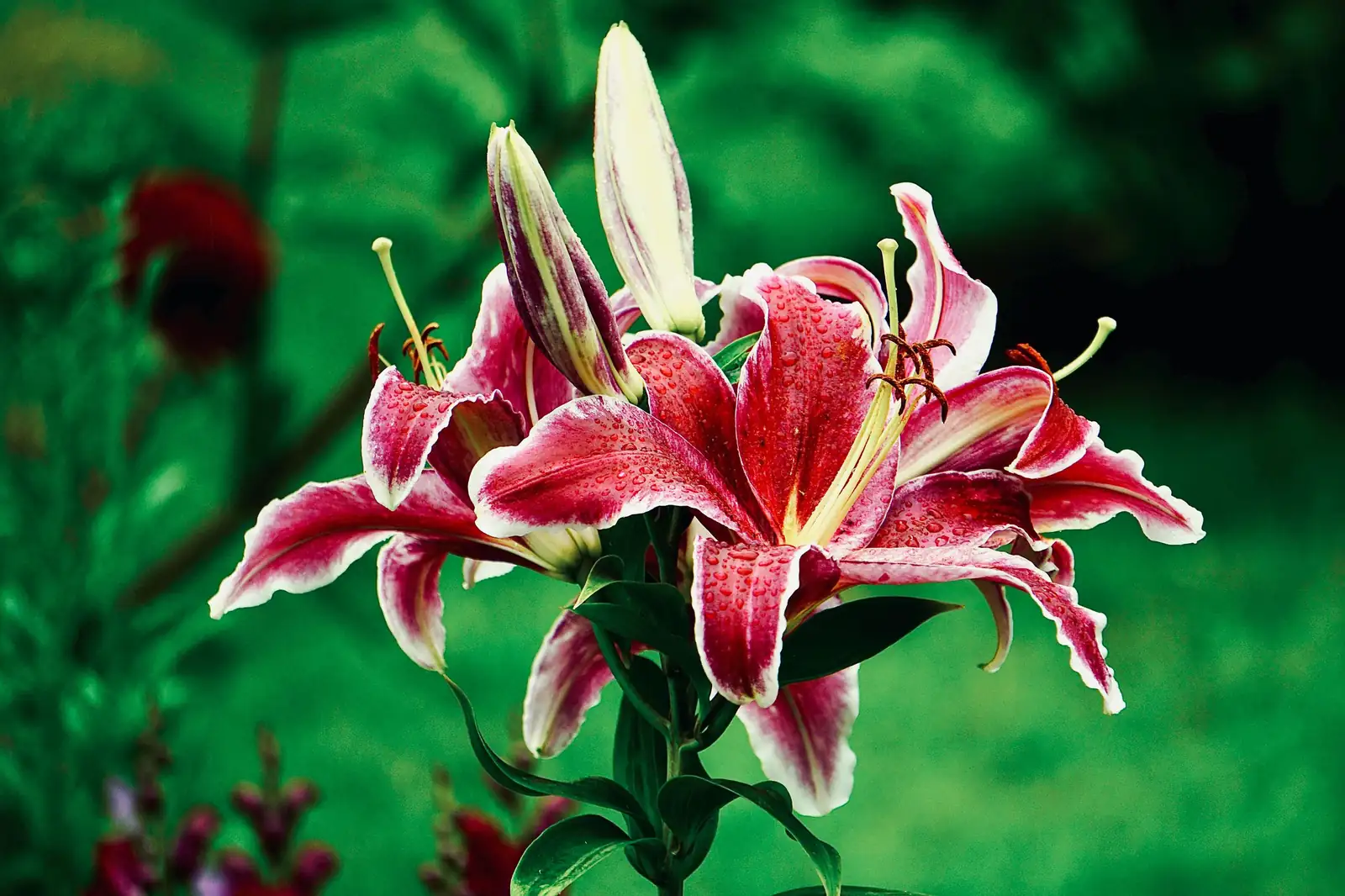
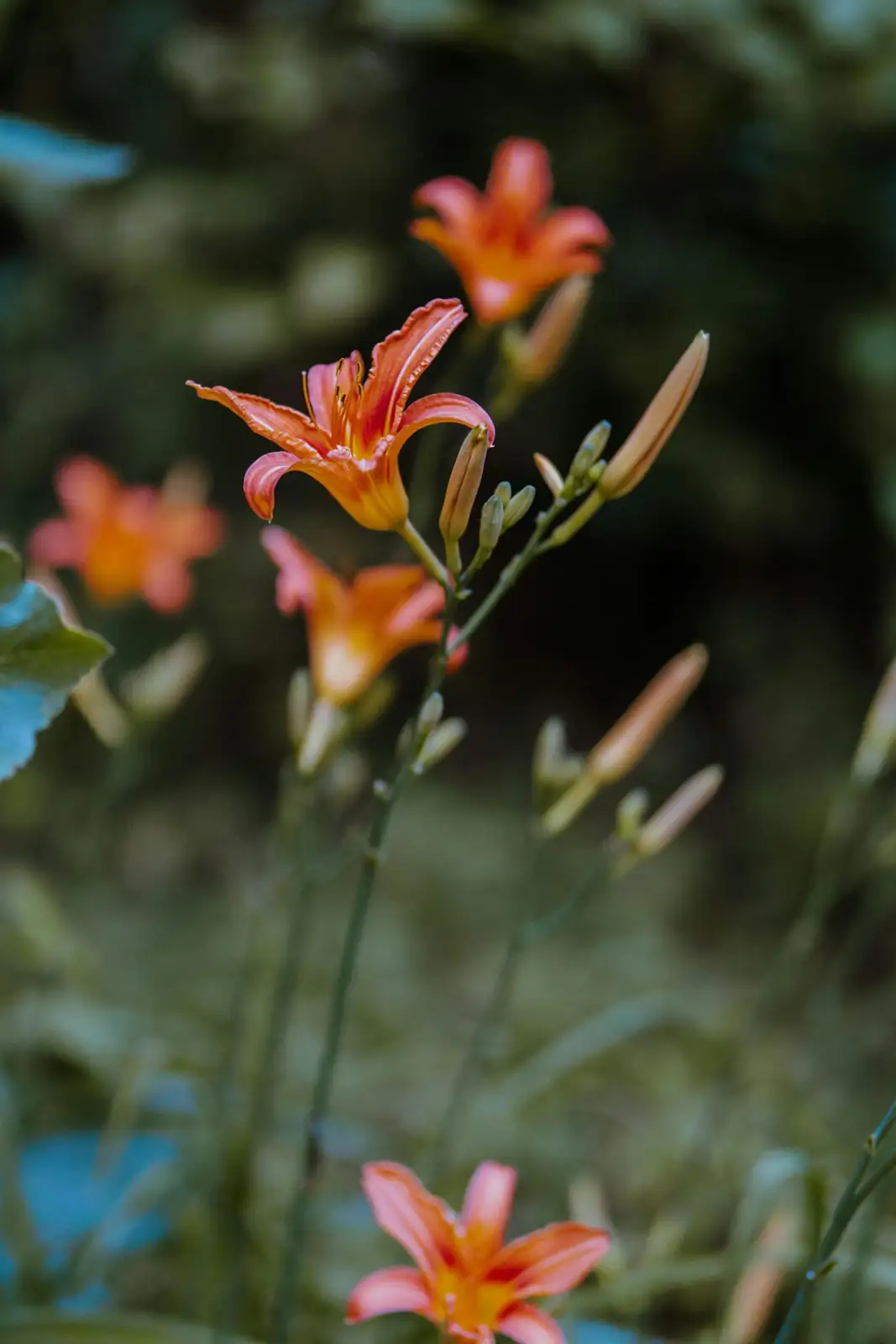
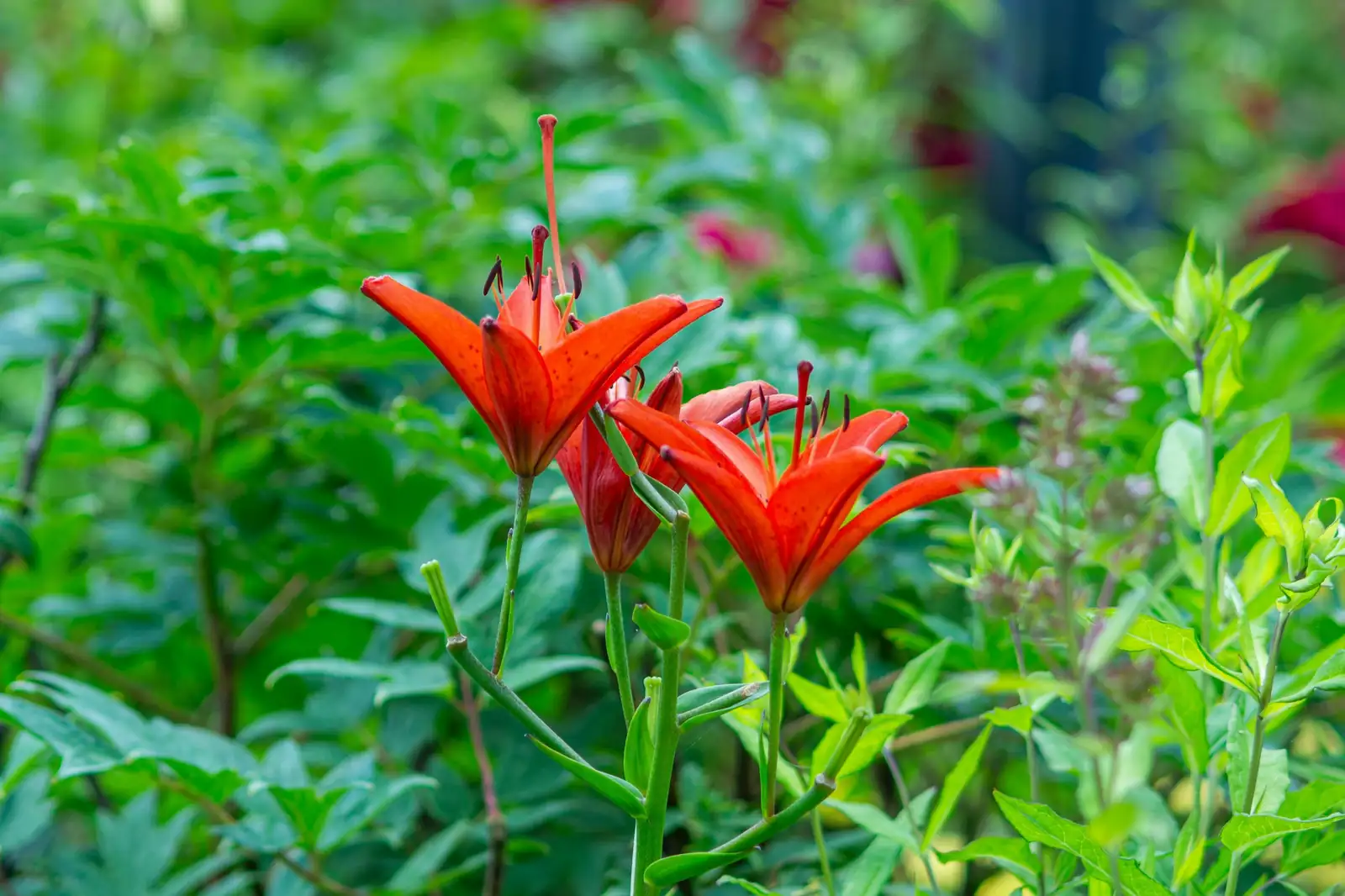
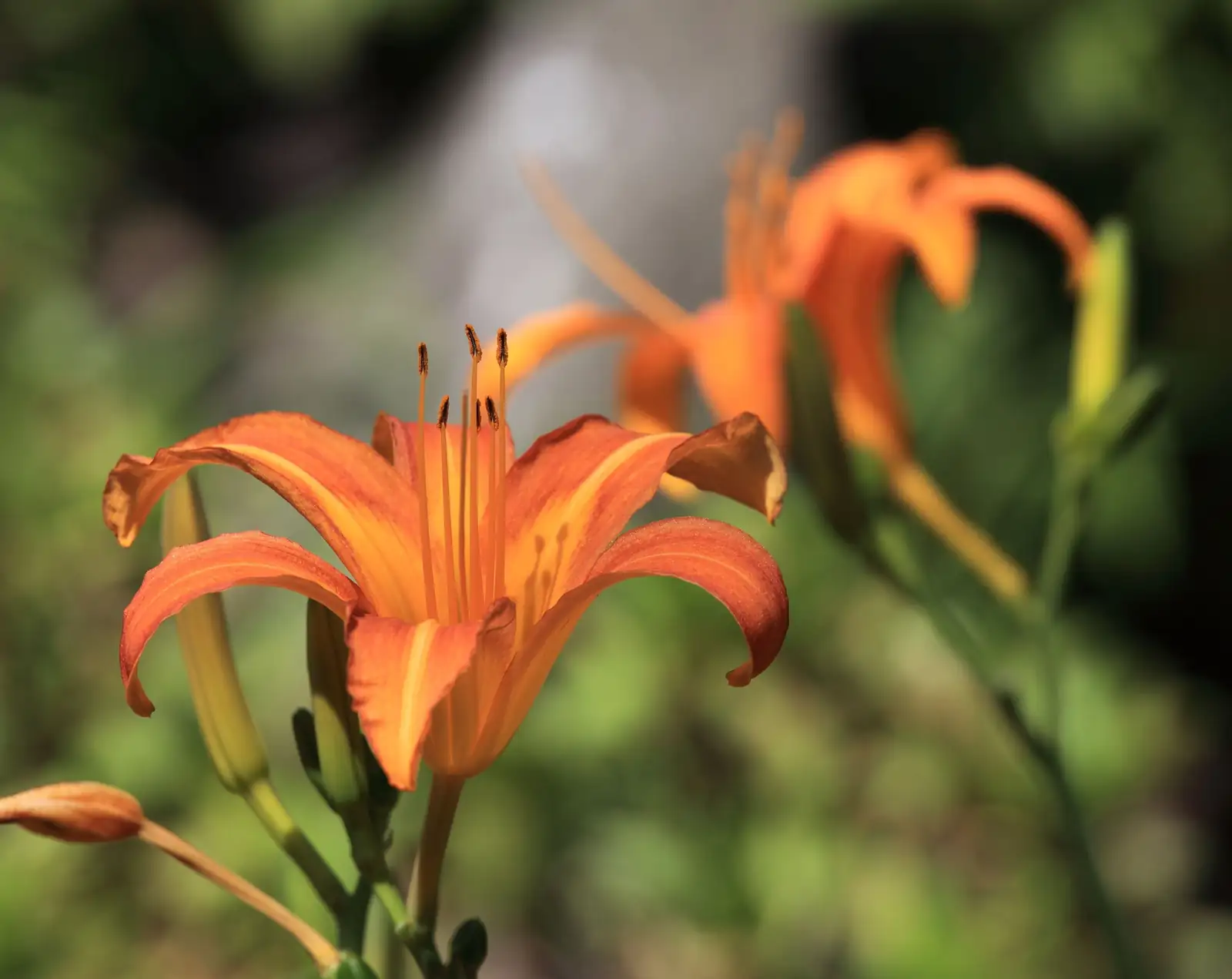
- Flower: Large, prominent flowers with six tepals, shaped like trumpets, funnels, cups, bowls, or reflexed “Turk’s cap” forms. Colors are wide-ranging—white, yellow, orange, pink, red, and purple—often with spots, brush strokes, or contrasting edges. Many garden lilies are strongly fragrant. Individual blooms are commonly about 15–25 cm (6–10 in) across. For cut flowers, harvest when the first bud is fully colored but still closed; removing anthers helps prevent pollen stains.
- Flowering Season: Late spring through summer (often summer; many bloom around July–August depending on species/cultivar and climate).
- Growth Habit: Upright, clump-forming herbaceous perennial growing from a scaly bulb. Typically produces unbranched leafy stems with terminal flowers that may be solitary or clustered.
Environment
Sunlight
Full sun to partial shade. Best flowering usually comes from at least 4–6 hours of sun daily, with some afternoon shade in hot climates. A classic lily trick: keep the stems/leaves in the sun but the root zone cool and shaded (mulch or low companion plants work well).
Temperature
Prefers cool-to-mild temperatures, with strong growth around 15–25°C (59–77°F). Many garden lilies tolerate winter cold in the ground, but potted bulbs are more vulnerable—protect containers from hard freezes and prolonged periods below 0°C (32°F).
Humidity
Moderate humidity with good airflow is ideal. Lilies appreciate steady moisture but dislike hot, stagnant, muggy conditions—especially when combined with wet foliage or poorly drained soil.
Soil
Fertile, loose, and extremely well-drained soil is key. A slightly acidic to near-neutral range is commonly recommended (about pH 5.5–6.5). For containers, a practical mix is compost/leaf mold + peat or coco coir + coarse sand/perlite for drainage; avoid water-retentive, soggy media. Adding a small amount of well-rotted organic matter (and, where appropriate, bone meal) can support flowering.
Placement
Outdoors: sunny, well-drained beds, borders, or patio containers. Indoors (short-term display): a bright, airy spot. Keep potted lilies/cut stems away from ripening fruit—ethylene gas can shorten flower life.
Hardiness
Hardiness varies widely by species and hybrid group. Many common garden lilies do well around USDA Zone 4–8, while others extend colder or warmer. Regardless of rating, bulbs are far more likely to fail from waterlogging than from cold in well-drained ground; pots should be protected from freezing solid.
Care Guide
Difficulty
Moderate. Lilies aren’t fussy once established, but they do demand two things: excellent drainage (to prevent bulb rot) and sensible moisture/feeding during active growth.
Buying Guide
Bulbs: choose firm, plump bulbs with no softness, mold, or damage; larger bulbs generally produce more flowers (one source suggests a bulb circumference of at least 14 cm (5.5 in) for stronger performance). Potted plants: look for clean, bright green, lance-shaped leaves and sturdy, upright stems; avoid spotting, tearing, pests, or limp growth. Cut stems: pick stems where the first bud is fully colored but not yet open. After purchase, keep plants bright and airy; keep the mix evenly moist (not wet). If the air is very dry, lightly mist leaves only—avoid wetting open flowers to reduce staining and rot, and don’t move blooming pots around too much to prevent bud drop or stem breakage.
Watering
During active growth, keep soil evenly moist but never waterlogged. A common rhythm is deep watering about once per week, adjusting for heat, pot size, and rainfall; water at the base to reduce fungal problems and avoid overhead watering. After flowering, gradually reduce watering. Once stems and leaves yellow and die back, stop watering and keep the medium on the dry side during dormancy. Never let pots sit in standing water—bulbs rot easily.
Fertilization
Start with fertile soil and a modest base of compost or well-rotted organic matter at planting. Feed during the growing season, especially from early growth through bud set: many growers use a balanced fertilizer, then shift toward higher phosphorus/potassium as buds form. Practical guidance from the sources includes feeding at early growth and again at bud formation, or applying diluted liquid fertilizer every 15–20 days during active growth (avoid heavy feeding before roots are active).
Pruning
Deadhead spent blooms promptly (especially if you’re not saving seed) to send energy back to the bulb. Leave the stems and leaves until they yellow naturally—this is the bulb “recharging.” Cut back to the ground only after the foliage has fully withered.
Propagation
Most commonly by bulb offsets/division (often the easiest and most reliable). Many lilies can also be propagated by scales, bulbils/bulblets, or seed (seed is slower and may not come true for hybrids). Time to flowering can be slow: offsets may take about 2 years; scale/bulblet methods may take around 3 years depending on conditions.
Repotting
In the ground, clumps often don’t need frequent lifting unless crowded. In containers, refresh the mix and check bulbs every 2–3 years. Use a deep pot (commonly about 15–20 cm (6–8 in) deep; some advice notes 1–3 bulbs per pot). Planting depth depends on context: in the garden, a common rule is about 2–3 times the bulb’s height (often around 20 cm (8 in) for many types). For some container setups described in the sources, bulbs are covered with about 2–3 cm (0.8–1.2 in) of mix, and pre-sprouted bulbs may be set so the shoot tip sits just above the surface—good drainage becomes especially critical with shallower planting.
📅 Seasonal Care Calendar
Spring: shoots emerge—begin regular watering once growth is active; feed lightly once roots are working, then again at bud set. Summer: flowering—keep evenly moist, avoid wetting flowers, and provide afternoon shade in hot areas; remove anthers on cut flowers to prevent stains. After bloom (late summer/fall): deadhead; gradually reduce watering as foliage yellows. Dormancy (fall/winter): stop watering after dieback; protect potted bulbs from freezing solid and keep them on the dry side.
Pests, Diseases & Safety
Common Pests & Diseases
Watch for aphids (which can spread viruses like lily mosaic), lily leaf beetles (where present), and nematodes. Common diseases include Botrytis/gray mold, leaf spot, wilt, and bulb rot—almost always worsened by overhead watering, crowded growth, poor airflow, or soggy soil. Prevention: sharp drainage, watering at the base, good spacing/air circulation, and prompt removal of infected leaves and debris. Treat outbreaks with appropriate, locally approved insecticidal soap/horticultural oil for soft-bodied pests and labeled fungicides when necessary.
Toxicity
High-risk plant for cats: many true lilies (Lilium spp.) are extremely toxic—pollen, leaves, flowers, and even vase water can cause sudden, potentially fatal kidney failure. Keep completely away from cats and seek urgent veterinary care if exposure is suspected. Humans are generally not poisoned by handling lilies, but pollen/fragrance can trigger allergies or irritation in some people. Dogs are usually less severely affected than cats but may still develop gastrointestinal upset if chewed.
Culture & Symbolism
Symbolism: Lilies are classic symbols of purity, renewal, devotion, and fresh beginnings. Color meanings are often shared in floristry: white for purity and rebirth, pink for admiration and abundance, red for passion, orange for confidence, and yellow for gratitude and joy. In Chinese culture, the layered lily bulb is associated with “百年好合” (a hundred years of harmonious union), making lilies a beloved wedding flower and a general symbol of good wishes and harmony.
History & Legends: Lilies have been cultivated for thousands of years across Eurasia for beauty and traditional uses. Greek mythology says lilies sprang from the milk of Hera, tying them to purity and renewal. In Christian tradition, the white “Madonna lily” became associated with the Virgin Mary. They also appear in royal symbolism in Europe, and they’ve long held a special place in Chinese celebrations and gifting culture.
Uses: Ornamental: outstanding in borders, pots, and bouquets; long-lasting as cut flowers (anther removal helps prevent staining). Culinary/medicinal: certain species’ bulbs (not all lilies) are eaten and used in traditional remedies in parts of Asia; use only verified edible/medicinal species and proper preparation—never assume every lily bulb is safe to eat.
FAQ
Why are my lily bulbs rotting?
Nearly always from soggy conditions—poor drainage, overwatering, or pots left sitting in water. Switch to a sharper-draining mix, water only when the top layer starts to dry, water at the base, and remove any rotted tissue. Replant in fresh, well-drained soil; consider a labeled fungicide if rot is recurring.
Why aren’t my lilies blooming?
Common causes are not enough light, bulbs that are too small/immature, planting too shallow (so stem roots can’t form well), or weak feeding during the growth phase. Give at least 4–6 hours of sun, plant at an appropriate depth (often about 2–3× bulb height in the ground), and feed from early growth through bud set.
Why are my petals getting mushy or rotting?
Water sitting on blooms (spraying/misting flowers, overhead watering, poor airflow) encourages petal rot and Botrytis. Keep flowers dry, improve air movement, and mist leaves only if needed—never the open blooms.
Can I keep lilies in my bedroom?
If you’re sensitive to fragrance, it may not be comfortable—some lilies are powerfully scented and can be stimulating or irritating for light sleepers. Also watch for pollen drop (it stains). For a bedroom, choose lightly scented types and remove anthers, or display them elsewhere.
How do I plant lilies at the right depth?
Lilies make basal roots below the bulb and stem roots above it, along the underground stem. Planting too shallow can reduce vigor and flowering. In garden beds, a common rule is about 2–3× the bulb’s height; in pots, use a deep container and ensure excellent drainage.
Fun Facts
- Lilies make two root systems—basal roots and stem roots—which is why planting depth matters more than with many other bulbs.
- Lily pollen is famously staining; florists often remove the anthers to keep clothing and table linens safe.
- Ripening fruit releases ethylene gas, which can shorten the vase life of lilies—keep bouquets away from the fruit bowl.
- China is a major diversity hotspot for wild lilies, and lilies are among the world’s most important cut flowers, especially in the Netherlands and Japan.