Plant Features
- Size:30–90 cm (12–36 in) tall, 25–45 cm (9–18 in) wide
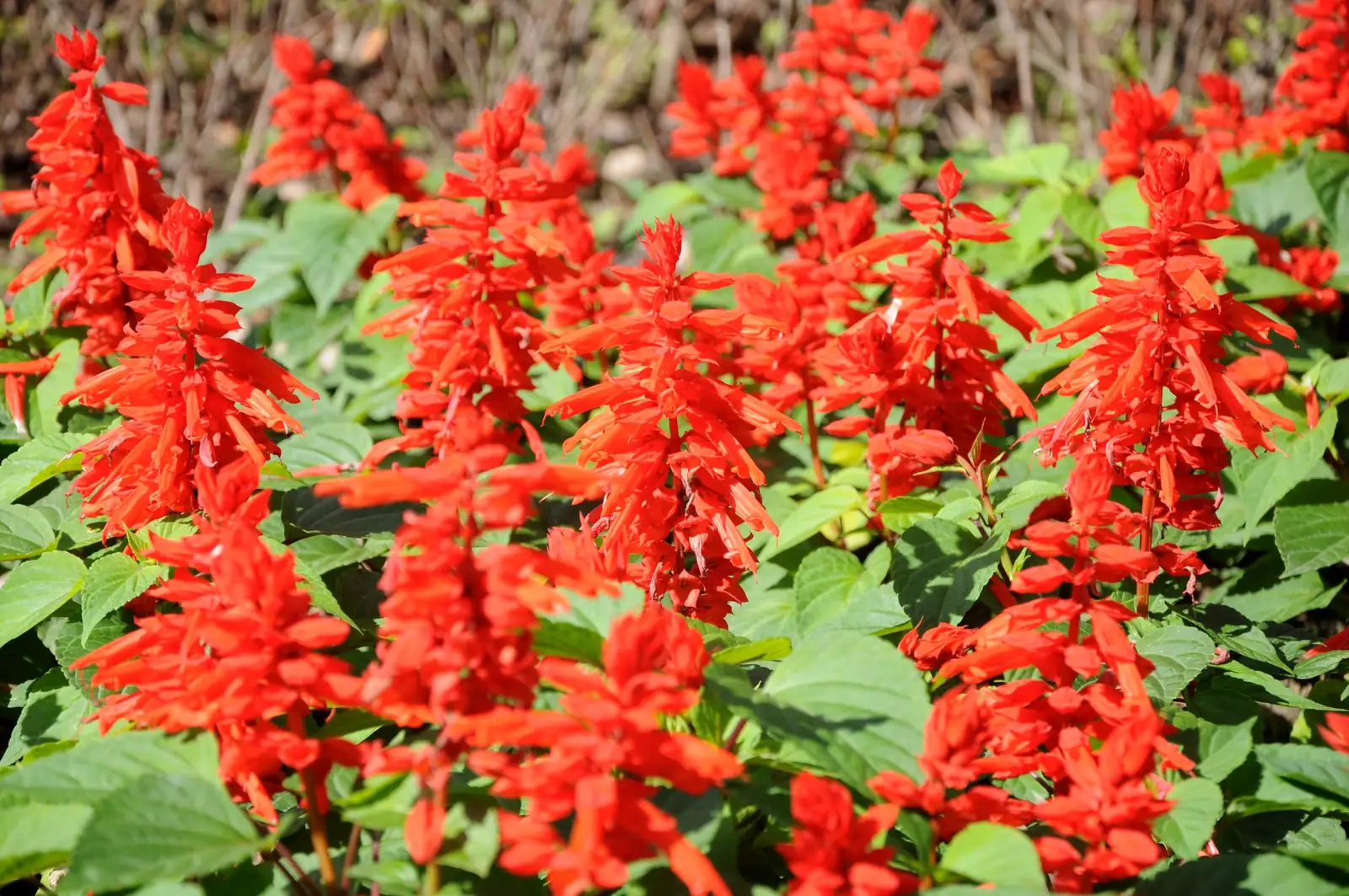
- Foliage: Leaves are opposite, heart-shaped to ovate with softly toothed edges. Foliage is dark green, slightly textured, and mildly aromatic—one reason many browsing animals tend to leave it alone. Stems are square, a classic mint-family trait.
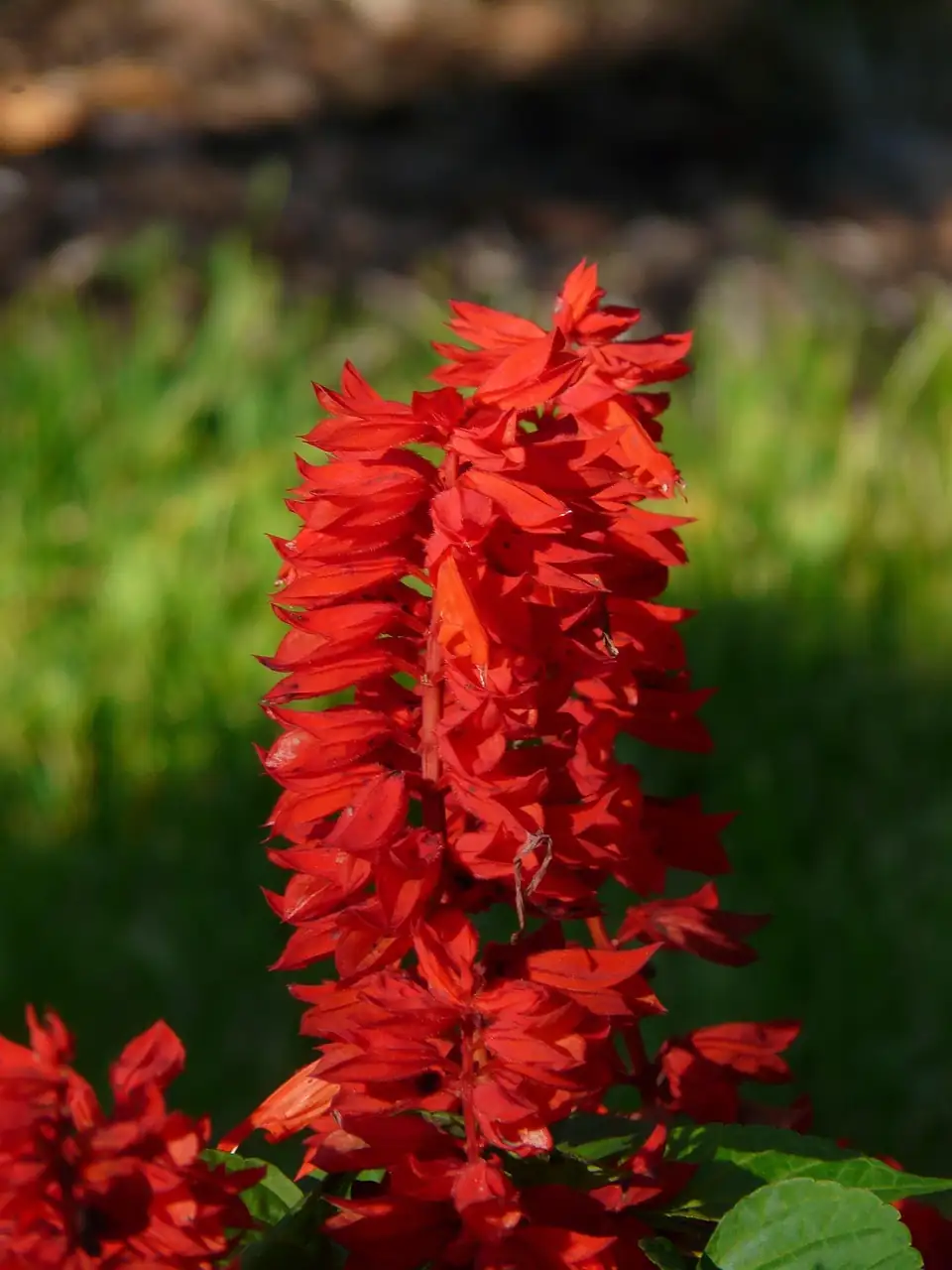
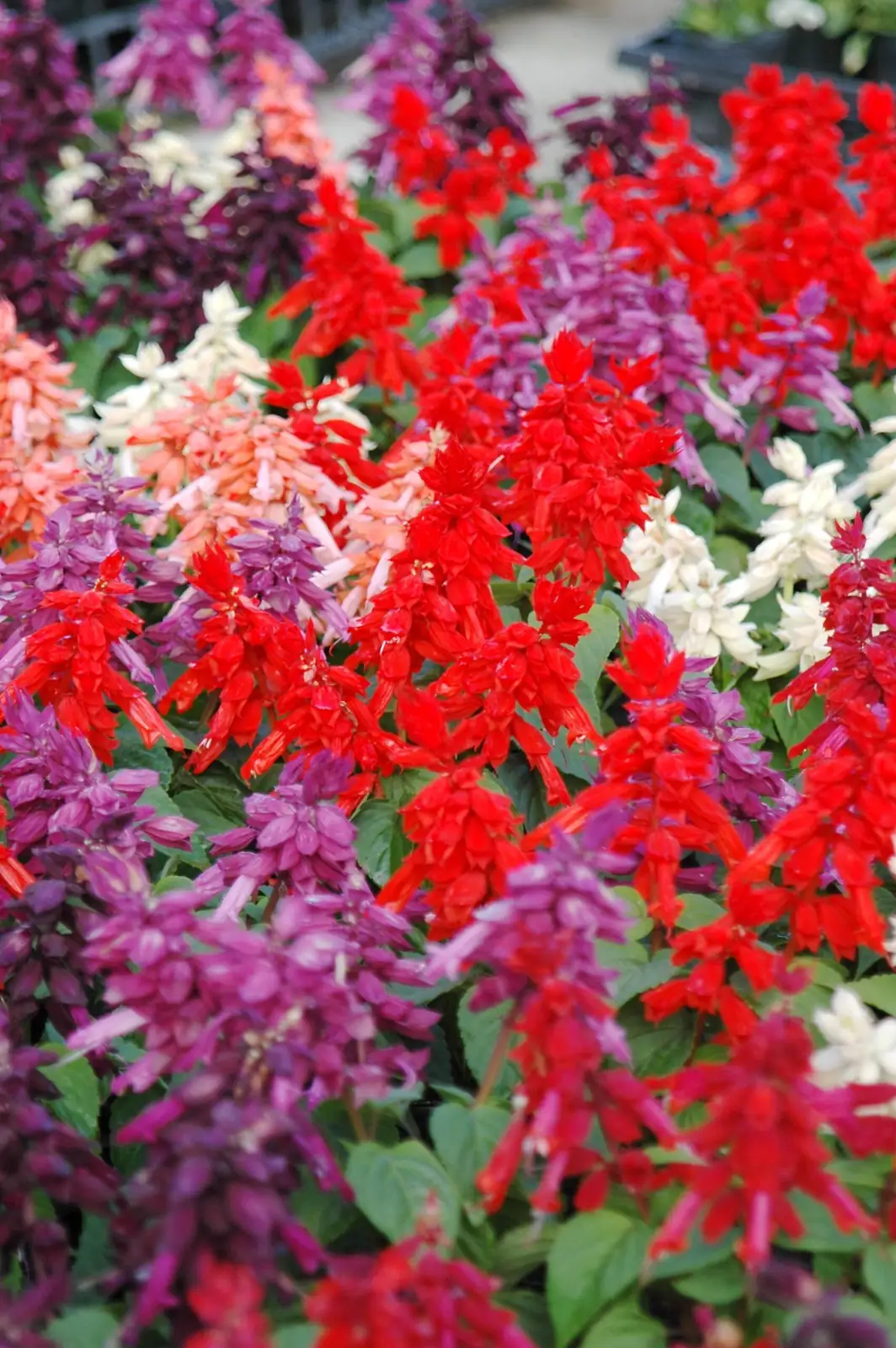
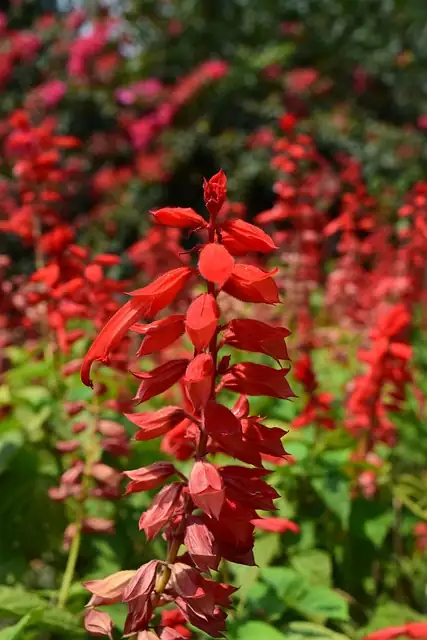
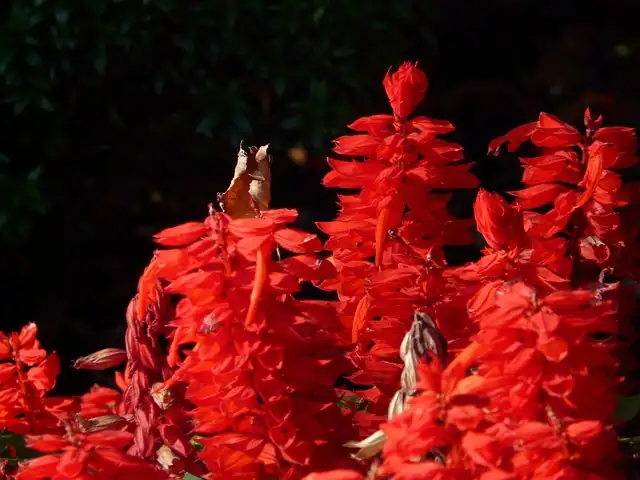
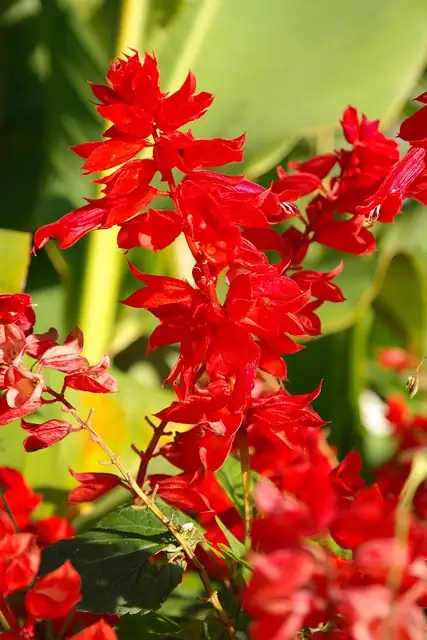
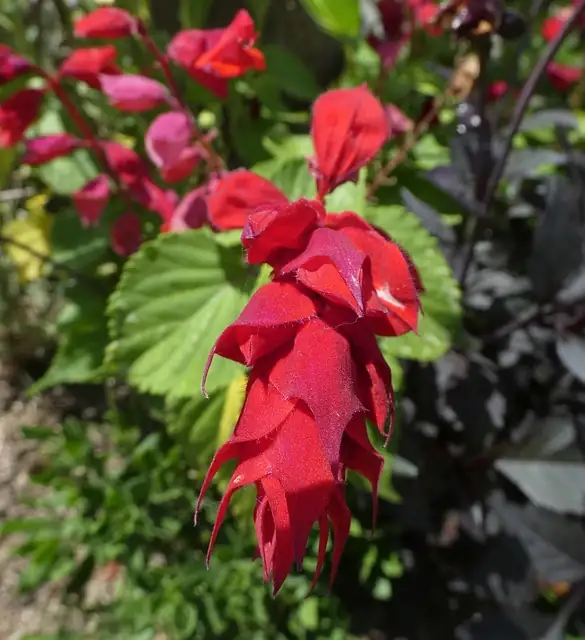
- Flower: Flowers are tubular and two-lipped, arranged in dense, upright spikes held above the foliage. The classic look is brilliant scarlet red, but many garden cultivars also come in purple, pink, salmon, white, and bicolors. Individual blooms open in whorls along the spike, typically progressing from lower flowers upward.
- Flowering Season: Summer through fall (June to first frost)
- Growth Habit: Upright, bushy, multi-branching clumps with a full, mounding form.
Environment
Sunlight
Full sun for best flowering (at least 6–8 hours/day). Tolerates partial shade, but blooming is reduced.
Temperature
Warm-season plant; best growth around 15–30°C (60–85°F). Handles summer heat well but is not frost-tolerant.
Humidity
Prefers moderate to higher humidity, yet adapts well to average garden conditions.
Soil
Moist but well-drained, humus-rich soil with moderate fertility. Loam or sandy loam is ideal; prefers slightly acidic to neutral pH (about 6.0–7.0).
Placement
Great for beds, borders, mass plantings, edging, patio pots, and containers—especially when you want strong blocks of color and vertical flower spikes.
Hardiness
Perennial in USDA Zones 10–11; commonly grown as an annual in Zones 2–9.
Care Guide
Difficulty
Easy and beginner-friendly; generally low-maintenance and fairly resistant to pests and diseases when grown in sun with good drainage and airflow.
Buying Guide
Choose plants with sturdy stems, compact growth, and rich green leaves. Avoid any with yellowing foliage, sticky residue, or visible insects. Plants with buds (not just fully spent spikes) establish and perform better after planting.
Watering
Keep evenly moist but never soggy. Water when the top 2.5 cm (1 in) of soil feels dry. In hot weather, container plants may need daily watering. Water at the base and avoid frequent overhead watering to reduce disease risk; occasional deep watering encourages stronger roots.
Fertilization
Feed during active growth for nonstop blooming. Mix in a slow-release fertilizer at planting or use a balanced liquid fertilizer every 2–3 weeks. If leafy growth is lush but flowers are sparse, reduce nitrogen and use a bloom-supporting formula with higher phosphorus.
Pruning
Pinch young plants to encourage branching and more flower spikes. Deadhead spent spikes to extend flowering (many modern cultivars are partly self-cleaning, but trimming still keeps plants tidy). Remove damaged leaves as needed.
Propagation
Seeds: Start indoors 8–10 weeks before the last frost. Press seeds onto the surface (light helps germination) and keep at 21–24°C (70–75°F); germination typically takes 10–15 days. Cuttings: Take 7.5–10 cm (3–4 in) stem cuttings from healthy growth and root them in a moist medium for reliable clones.
Repotting
For container plants, repot in spring if rootbound. Use fresh, well-draining potting mix and a pot with drainage holes.
📅 Seasonal Care Calendar
Spring: Plant outdoors after frost once soil is warm (around 21°C / 70°F). Begin regular watering and feeding. Summer: Maintain steady moisture, fertilize routinely, and deadhead; offer afternoon shade during extreme heat if plants wilt. Fall: Enjoy peak bloom until frost; take cuttings if you want to overwinter indoors. Winter: In Zones 10–11, cut back and lightly mulch; in colder zones, plants are usually treated as annuals.
Pests, Diseases & Safety
Common Pests & Diseases
Usually trouble-free. Occasional issues include whiteflies (rinse with a strong spray or use insecticidal soap), slugs/snails (traps or barriers), powdery mildew (improve air circulation and avoid wetting foliage), and root rot (prevent by avoiding overwatering and ensuring sharp drainage).
Toxicity
Generally considered safe in gardens, but may cause mild gastrointestinal upset in dogs and cats if large amounts are eaten. Best to discourage pets from chewing; not known to be dangerous to people under normal handling.
Culture & Symbolism
Symbolism: Often associated with vitality, energy, and passion thanks to its intense red color. In flower-language traditions it’s also linked with warm thoughts—like “thinking of you”—as well as wisdom and good health.
History & Legends: Native to Brazil, Scarlet Sage reached Europe in the early 1800s and quickly became a star in formal bedding displays, especially during the Victorian era. Later, dwarf and earlier-flowering forms were developed in European horticulture, cementing its role as one of the most dependable summer color plants in public plantings and home gardens.
Uses: Primarily ornamental for borders, mass plantings, edging, and containers. Excellent for pollinator-friendly gardens—especially for hummingbirds, butterflies, and bees. Flower spikes can also be used as short-lived cut flowers for bright accents in arrangements.
FAQ
Why isn’t my Scarlet Sage blooming much?
The usual culprit is not enough sun—aim for 6–8 hours of direct light. Too much nitrogen fertilizer can also push leafy growth instead of flowers, so switch to a bloom-focused feed. Regular deadheading (or trimming back tired spikes) also helps keep blooms coming.
How can I overwinter Scarlet Sage?
Outdoors it’s reliably perennial only in warm areas (Zones 10–11). Elsewhere, it’s typically grown as an annual. To keep a favorite plant, take cuttings in fall, root them indoors, and grow them in a bright window until spring planting time.
Can Scarlet Sage grow well in pots?
Yes—it’s excellent in containers. Use a pot about 20–25 cm (8–10 in) wide for one plant, with drainage holes and quality potting mix. Expect to water and fertilize a bit more often than in the ground.
Is Scarlet Sage the same as Texas Sage?
Not exactly. Salvia splendens (Scarlet Sage) has dense, tightly packed flower spikes, while Salvia coccinea is often called Texas sage or scarlet sage too and typically has looser, airier flower arrangements. Both attract pollinators, but they look and grow a bit differently.
Fun Facts
- Even though it’s famous for red, modern cultivars come in purple, pink, white, salmon, and bicolors.
- Those square stems you can feel when you roll them between your fingers are a classic mint-family giveaway.
- The tubular flowers are shaped perfectly for hummingbirds’ long bills, which is why they flock to it.
- Its mildly aromatic foliage helps explain its reputation for being deer- and rabbit-resistant.
- Salvia is a huge genus with close to 1,000 species worldwide.