🌱 Plant Features
- Size:Typically 1.8–3.7 m (6–12 ft) tall, occasionally up to 4.6 m (15 ft), with a spread of about 1.2–4.6 m (4–15 ft). In colder winters it may die back to the ground and regrow, so mature size can vary by climate and pruning.
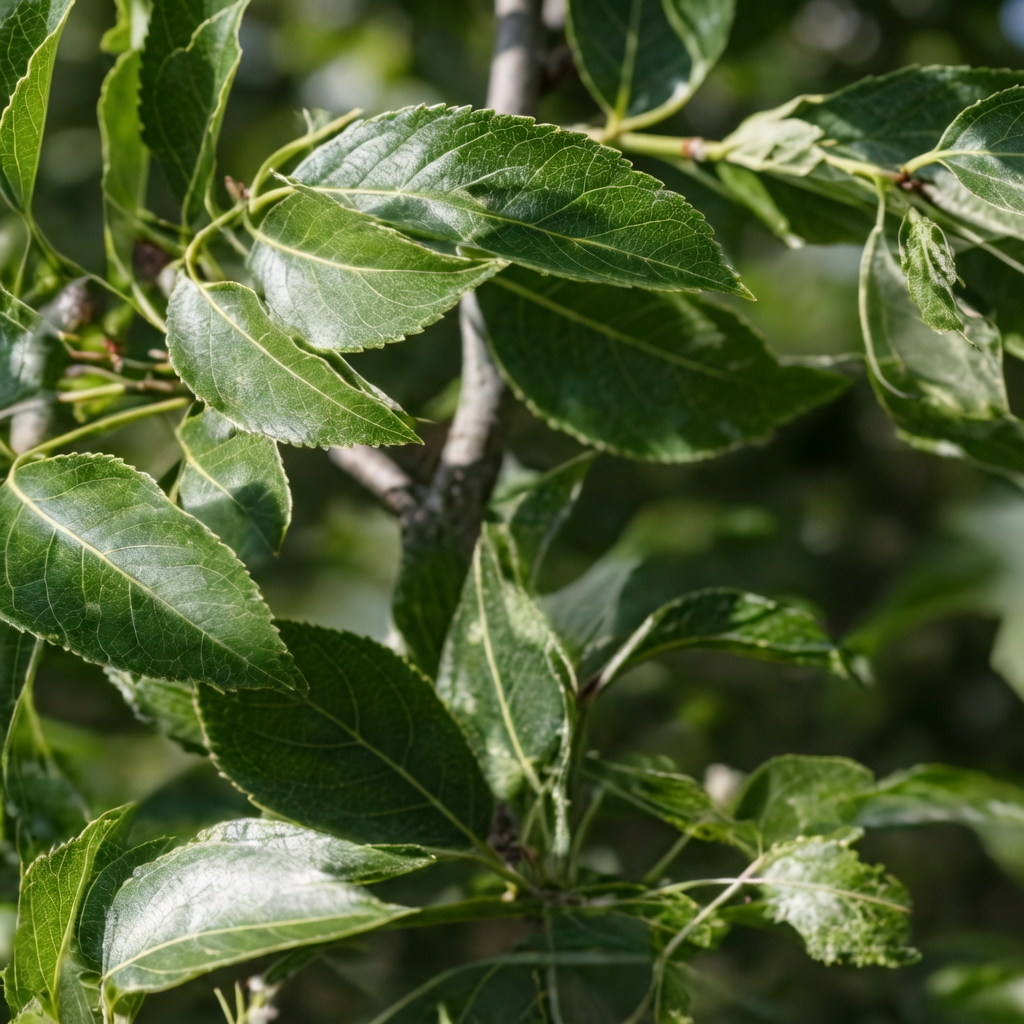
- Foliage:Leaves are opposite and lance-shaped, about 7–13 cm (3–5 in) long, usually sage green to deep green on top with a noticeably paler, white-tomentose (softly fuzzy) underside. Margins are finely serrated and the tips taper to a long point.
- Flower:Flowers are borne in showy, spike-like, cone-shaped panicles about 15–46 cm (6–18 in) long, held at the ends of stems and sometimes from upper leaf axils. Individual blooms are small, tubular, and densely packed, typically lilac to purple with an orange-yellow “eye” in wild forms; cultivars expand the palette to white, pink, yellow, and deep purple.
- Flowering Season:Early summer to early fall, typically June to September, sometimes continuing until first frost
- Growth Habit:A vigorous, bushy, arching deciduous shrub. Stems are often described as quadrangular (four-angled). In cold climates it commonly behaves like a woody perennial—dying back in winter and resprouting strongly in spring.
🌤️ Environment
Sunlight
Full sun is best (aim for 6–8+ hours daily). In shade it becomes lanky, sparse, and flowers far less.
Temperature
Best performance in warm summer conditions; commonly grown in USDA Zones 5–9. Established plants can tolerate about −15 to −20°C (5 to −4°F), though top growth may be killed back in colder zones.
Humidity
Adaptable to a wide range of humidity. Prefers moderate moisture during active growth but handles drier air and short dry spells well once established.
Soil
Average, well-drained soil is ideal. Prefers slightly acidic to neutral pH (about 6.0–7.0). Can tolerate clay if amended for drainage, but struggles in wet, poorly draining sites due to root rot risk.
Placement
Great for sunny borders, cottage-style plantings, pollinator and butterfly gardens, foundation beds, and slopes. Avoid planting right beside fish ponds, as plant compounds have been used historically to stun fish and may be harmful in aquatic settings.
Hardiness
USDA Zones 5–9; in Zones 5–6 it often dies back to the ground in winter and then resprouts in spring.
🪴 Care Guide
Difficulty
Easy and forgiving once established—fast growth, generally low pest pressure, and good drought tolerance. The main “challenge” is managing size and preventing unwanted self-seeding where it’s invasive.
Buying Guide
Pick plants with sturdy, vigorous stems, clean green foliage, and a well-developed root system (avoid pot-bound roots circling heavily). Spring is an ideal time to buy and plant. In colder regions (Zones 5–6), avoid late fall planting so roots have time to settle before winter.
Watering
Water regularly during establishment and through the growing season, aiming for about 1.3 cm (0.5 in) per week from rain/irrigation. Keep soil evenly moist but never soggy—good drainage matters more than frequent watering. Once established it becomes fairly drought tolerant; in clay soils, reduce frequency to avoid root rot.
Fertilization
Light feeding is enough. A thin layer of compost in spring is usually all it needs. Too much fertilizer pushes leafy growth at the expense of blooms. Avoid fertilizing after late July so the plant can naturally slow down and prepare for dormancy. If using granular garden fertilizer, keep it modest and early-season only.
Pruning
Prune in spring after you see buds breaking (not in fall). Many gardeners cut it back hard—down near the base—to encourage vigorous new shoots and bigger flower displays. During the season, deadhead spent flower spikes to keep blooms coming. In fall, removing old flower heads can help reduce self-seeding where that’s a concern. Note: it may leaf out late in spring, sometimes not until mid-June in cool climates—patience pays.
Propagation
Easy from seed (and it can self-seed readily). Seeds can germinate quickly in warm conditions around 20–25°C (68–77°F). Also propagates well from 10–15 cm (4–6 in) softwood/semi-hardwood tip cuttings taken in late spring to early summer; use a free-draining propagation mix (e.g., peat/perlite) and rooting hormone for best results. Division is sometimes used for clump-forming plants, though cuttings are more common.
Repotting
Container growing works best with compact/dwarf cultivars. Use a large pot at least twice as deep as the nursery container, with multiple drainage holes, and a light, fast-draining mix. In cold winters, container plants are more exposed—cut back and move to a sheltered spot if hard freezes are expected.
📅 Seasonal Care Calendar
Spring: Wait for bud break, then prune; top-dress with compost. Summer: Water deeply as needed and deadhead to extend flowering. Fall: Remove flower heads if you want to limit seeding; in colder areas add 5–8 cm (2–3 in) mulch over the root zone. Winter: Expect dieback in colder zones; plants typically resprout strongly in spring. Container plants may need extra protection.
🔬 Pests, Diseases & Safety
Common Pests & Diseases
Usually trouble-free. Possible issues include spider mites (stippling, bronzing, occasional webbing—managed with improved watering practices, strong rinsing sprays, or horticultural oils), nematodes (patchy yellowing and decline in some warm regions—often best addressed by removing affected plants), and occasional chewing damage from beetles/grasshoppers that may reduce buds but rarely kills the shrub.
Toxicity
Not typically considered highly toxic to people, but ingestion isn’t recommended. Notably, compounds in leaves and flowers have been used to stun fish; avoid planting where leaf/flower drop could affect fish ponds or waterways. Pets may experience stomach upset if they chew large amounts.
🎋 Culture & Symbolism
Symbolism:Often associated with transformation, rebirth, and hope—fitting for a plant that springs back after hard pruning and draws in clouds of butterflies.
History & Legends:Buddleja was named by Linnaeus in honor of Reverend Adam Buddle (1660–1715). The species name davidii commemorates Père Armand David, who first brought wider attention to the plant from China in the late 1800s. In post–World War II Britain it became famous for colonizing rubble and bomb-damaged lots, earning the nickname “bombsite bush” for its pioneer spirit.
Uses:Primarily an ornamental shrub for sunny borders and pollinator gardens, valued for long-season color and fragrance. It’s popular in butterfly and bee-friendly plantings (excellent nectar for adults). It’s sometimes used as a cut flower, though vase life can be short. Traditional uses have been reported in Chinese medicine, but because bioactive compounds are present, any medicinal use should be left to trained professionals.
❓ FAQ
Is butterfly bush invasive?
In some regions, yes. Buddleja davidii can self-seed heavily and spread, and it’s restricted or listed as a noxious weed in places such as Oregon and Washington. If you live where it spreads easily, choose sterile/seedless cultivars (often marketed as “non-invasive”) and deadhead spent blooms to reduce seed set.
Why isn’t my butterfly bush blooming much?
The usual culprits are not enough sun (it wants 6+ hours), too much shade from nearby plants, overfertilizing (lots of leaves, fewer flowers), or soggy soil stressing the roots. A hard spring prune and a truly sunny, well-drained spot usually fix the problem.
Is it really good for butterflies?
It’s excellent for feeding adult butterflies with nectar, but it generally isn’t a host plant for caterpillars. For a truly butterfly-friendly garden, pair it with local native host plants so butterflies can complete their full life cycle.
When should I prune it?
In spring, after you can see new buds or growth starting. Avoid fall pruning in colder climates because it can reduce winter hardiness. Many gardeners cut it back hard each spring for stronger flowering.
Can I grow butterfly bush in a pot?
Yes—especially dwarf varieties. Use a large container with excellent drainage and a light, fast-draining mix. In cold winters, protect the pot (or move it to a sheltered place) because roots are more exposed than they are in the ground.
💡 Fun Facts
- After WWII it became a symbol of resilience in Britain by thriving on bombed-out rubble—hence “bombsite bush.”
- A single flower panicle can produce tens of thousands of tiny wind-dispersed seeds, which explains its weedy tendencies in some climates.
- It’s a pollinator favorite for nectar, but it doesn’t usually feed butterfly caterpillars—so it’s best paired with native host plants.
- There are many cultivars and modern breeding programs have focused on compact habits and reduced seed set.