Plant Features
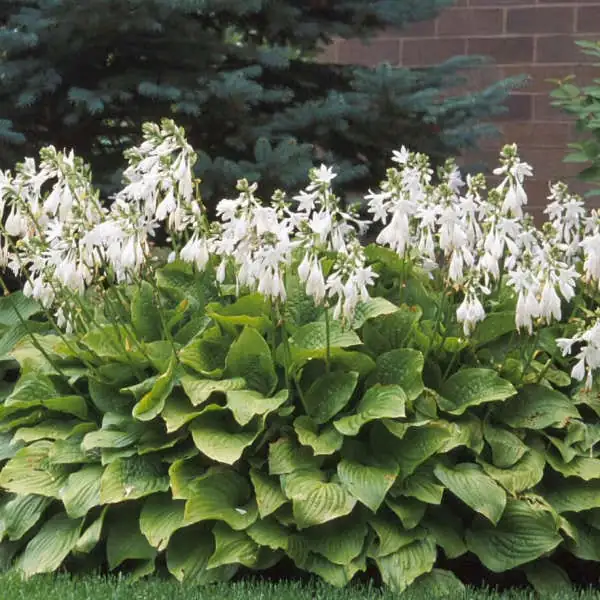
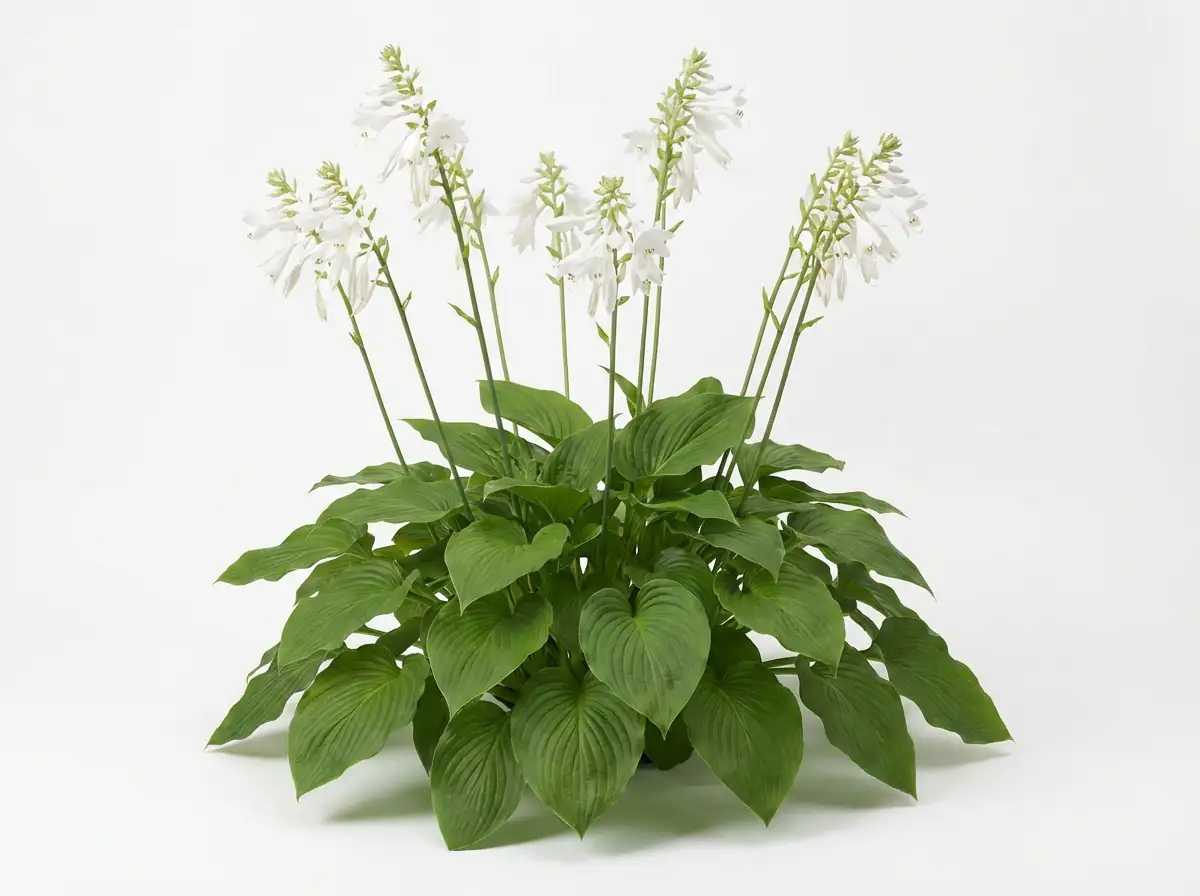
- Size: Height about 60 cm (2 ft); spread about 90–120 cm (3–4 ft)
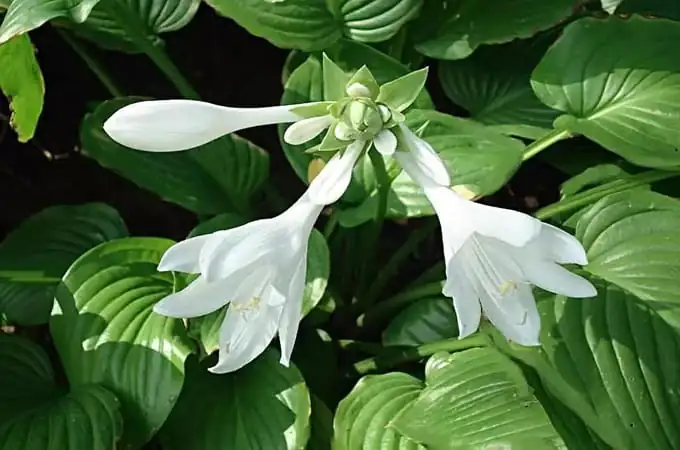
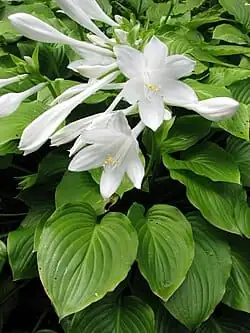
- Foliage: Leaves are basal and tightly clumped, broadly oval to heart-shaped, typically up to about 30 cm long (12 in) and 25 cm wide (10 in). They’re bright green, glossy, and strongly veined with smooth margins, creating a full, leafy mound that looks especially rich in shaded spots.
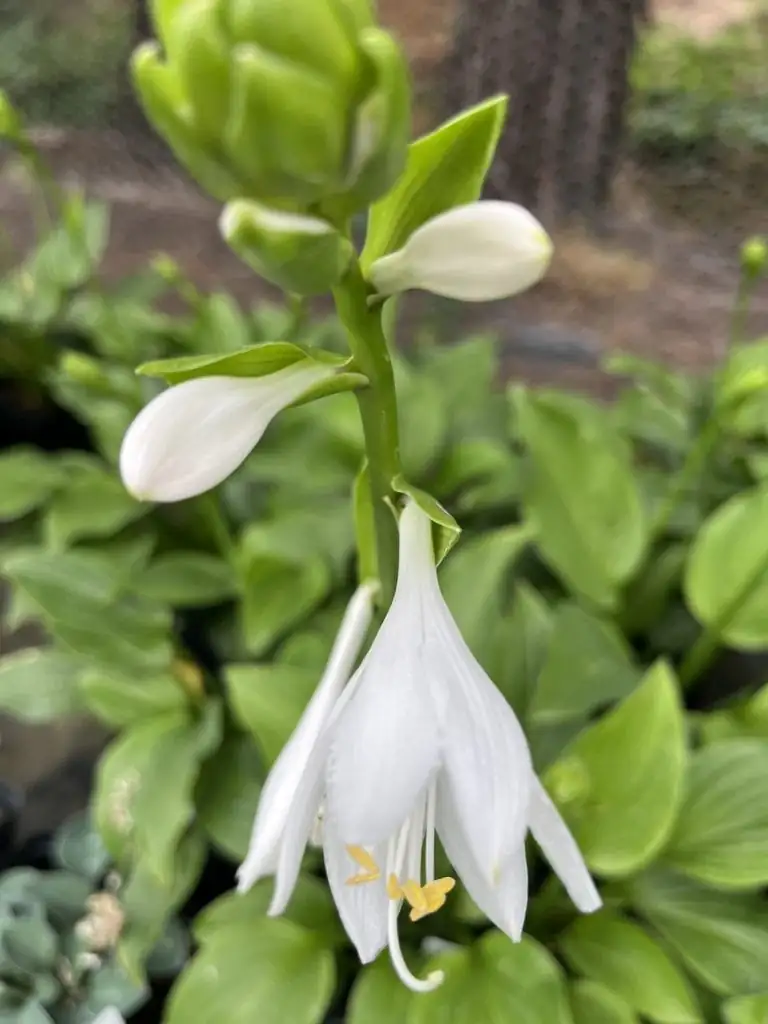
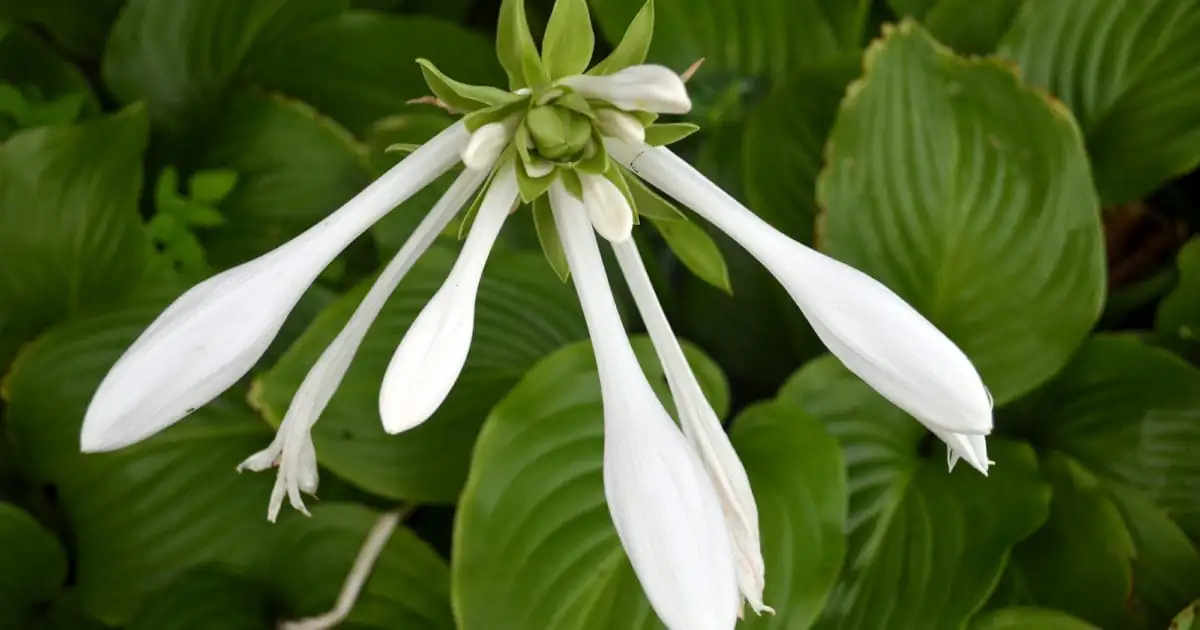
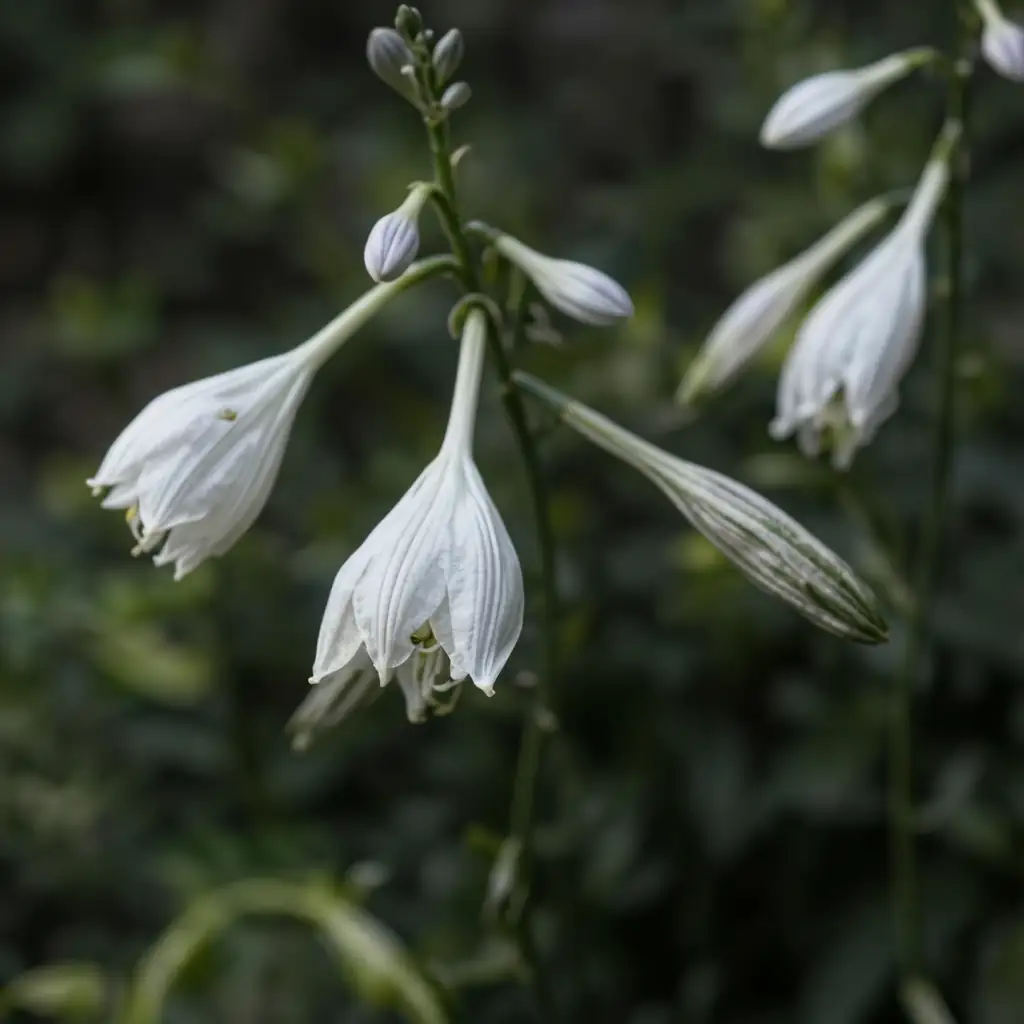
- Flower: Large, pure white, trumpet-shaped flowers about 15–18 cm long (6–7 in), with a waxy look and a powerful, sweet perfume that’s most noticeable from late afternoon through the night.
- Flowering Season: Late summer to early fall (often August)
- Growth Habit: Clump-forming perennial with thick, robust rhizomes (about 1.5–3 cm / 0.6–1.2 in in diameter) and fibrous roots; forms a dense mound over time.
Environment
Sunlight
Shade to part shade. Best in bright indirect light, dappled shade, or morning sun; avoid harsh afternoon sun which can scorch leaves. (General hosta note: gold-leaved types handle a bit more light, while blue-leaved types prefer deeper shade to keep their waxy coating.)
Temperature
Very cold-hardy once established; foliage dies back after frost and the plant overwinters dormant. Performs through cold winters and warm summers in suitable climates.
Humidity
Prefers moderate, steady humidity; appreciates consistent conditions rather than extremes.
Soil
Rich, fertile, moist but well-drained soil; neutral to slightly acidic is ideal (pH about 6.0–7.0). Compost or other organic matter helps keep soil both moisture-retentive and airy.
Placement
Ideal for shade gardens, woodland-style borders, under trees, along shady foundations, mixed borders, and containers; also works as a leafy ground cover in shaded areas.
Hardiness
USDA Zones 3–9
Care Guide
Difficulty
Easy—reliable and beginner-friendly as long as it doesn’t dry out and gets protection from hot sun.
Buying Guide
Look for firm, unblemished leaves (in season), no obvious pest damage (especially slug trails/holes), and a healthy, well-developed root system. Spring or fall is typically the easiest time to establish new plants.
Watering
Keep soil evenly moist, not soggy. During active growth, water about 2–3 times per week as needed, aiming for roughly 2.5 cm (1 in) of water weekly. Water deeply so moisture reaches about 15 cm (6 in) down, and avoid waterlogging to prevent root problems.
Fertilization
In early spring, use a granular slow/controlled-release all-purpose fertilizer. Optionally, feed monthly with a balanced fertilizer during the growing season. Incorporating compost at planting time boosts long-term vigor.
Pruning
Remove damaged or spent leaves as needed, and cut back flower stalks after blooming. In autumn, allow foliage to die back naturally, then clean up dead leaves to reduce overwintering pests and disease issues.
Propagation
Most easily propagated by division in early spring or fall. Divide clumps every 3–4 years if they become crowded: lift the clump, slice into sections with a sharp spade/knife (each with roots and growing points), and replant. Seed is possible but slower and less predictable.
Repotting
For container-grown plants, repot about every 2–3 years (best in spring). Choose a pot about 10–15 cm (4–6 in) wider than the root ball and ensure excellent drainage.
📅 Seasonal Care Calendar
Spring: New shoots emerge; fertilize; divide if needed. Summer: Main growth—keep moisture consistent and protect from hot sun; watch for slugs/snails. Fall: Enjoy blooms, then deadhead; prepare for dormancy and tidy up. Winter: Top growth dies back; roots rest dormant until spring.
Pests, Diseases & Safety
Common Pests & Diseases
Slugs and snails are the classic hosta problem, leaving ragged holes; deer may browse tender growth. Diseases mentioned include Fusarium leaf rot and Hosta virus X. Prevention focuses on cleanliness (removing old foliage), avoiding standing water, and early-season slug control (barriers/baits/traps as appropriate). Thick-leaved forms tend to be more slug-resistant; deterrent sprays are sometimes used but physical control is usually most reliable.
Toxicity
Toxic to dogs, cats, and horses due to saponins in all parts; chewing may cause vomiting, diarrhea, abdominal discomfort, and bloating. Sap may irritate sensitive skin. It’s also noted as edible in some Asian food traditions (young leaves), but it should still be kept away from pets that like to nibble.
Culture & Symbolism
Symbolism: Often associated with purity, elegance, serenity, devotion, and quiet strength—an unshowy plant with a calm, steady beauty.
History & Legends: A well-known Chinese legend says the flowers came from jade hairpins dropped by celestial maidens at the Queen Mother of the West’s peach banquet—an origin story that matches its Chinese name association. Historically, it has been cultivated in China since the Han Dynasty and rose in ornamental importance in the Tang Dynasty. It reached Europe in the late 18th century (seeds sent from Macau to Paris), was described by Lamarck, and quickly became fashionable—so much so that it was nicknamed the “Funkia of Paris.” It was grown in the United States by the early 19th century.
Uses: Ornamental: a top choice for shade borders, woodland gardens, foundation planting, containers, and leafy ground cover. Traditional use: recorded in traditional Chinese medicine contexts for soothing inflammation and discomfort (note: medicinal use should be approached cautiously and with expert guidance). Other noted research/uses include interest in certain plant compounds and potential environmental applications such as soil stabilization and phytoremediation in controlled settings.
FAQ
Why are my August Lily leaves turning yellow?
Most often it’s too much sun (scorch), watering swings (too wet or too dry), heat stress, or seasonal dieback in fall. Check the site first: move to brighter shade/morning sun, keep moisture steady, and make sure the soil drains well.
Can August Lily grow in full sun?
It’s not ideal. This hosta looks best in part shade to full shade, with morning sun at most. Strong afternoon sun commonly leads to yellowing and scorched edges.
How often should I water it?
During the growing season, water as needed to keep soil consistently moist—often about 2–3 times per week, adjusted for rain, heat, pot size, and soil type.
Why do the flowers smell stronger at night?
The blooms open late in the day and stay open through the night, releasing stronger fragrance in the evening to attract nocturnal pollinators like moths.
Is August Lily safe for pets?
No—hostas are toxic to dogs, cats, and horses. If your pet chews plants, place hostas out of reach or choose a pet-safe alternative.
Fun Facts
- It’s famous for its evening perfume—one reason it’s planted near patios and walkways.
- In 18th–19th century Europe it became a garden craze, especially around Paris.
- Hostas have thousands of registered cultivars worldwide, making them one of the most diverse groups of shade perennials in cultivation.
- Some hostas are being studied for interesting natural compounds, and the species has even been discussed for specialized environmental applications in controlled projects.