

Plant Features
- Size: Indoors, most cultivars reach about 30–90 cm (12–35 in) tall, though some can grow to 60–150 cm (24–59 in) in large pots. In warm outdoor/native conditions, leaves may exceed 1.2 m (4 ft). Clumps gradually widen over time as rhizomes spread.
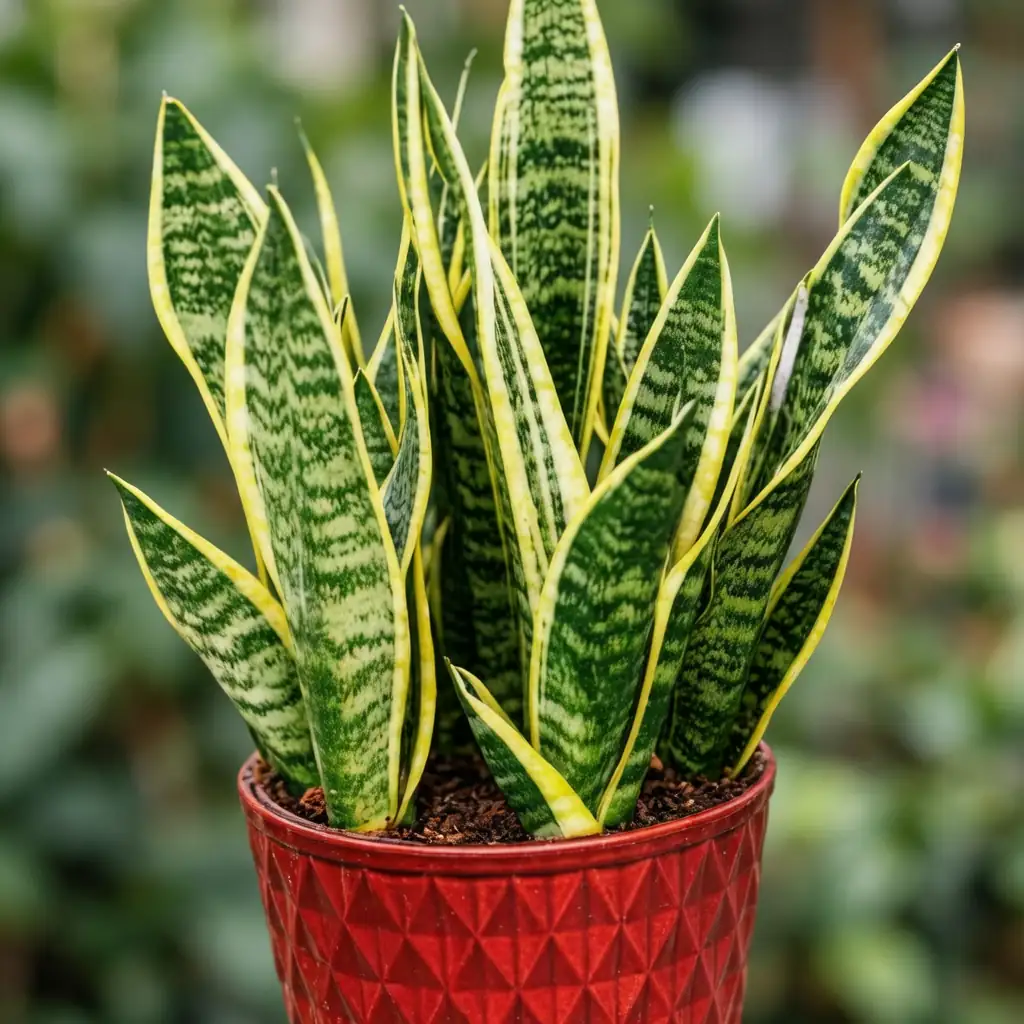
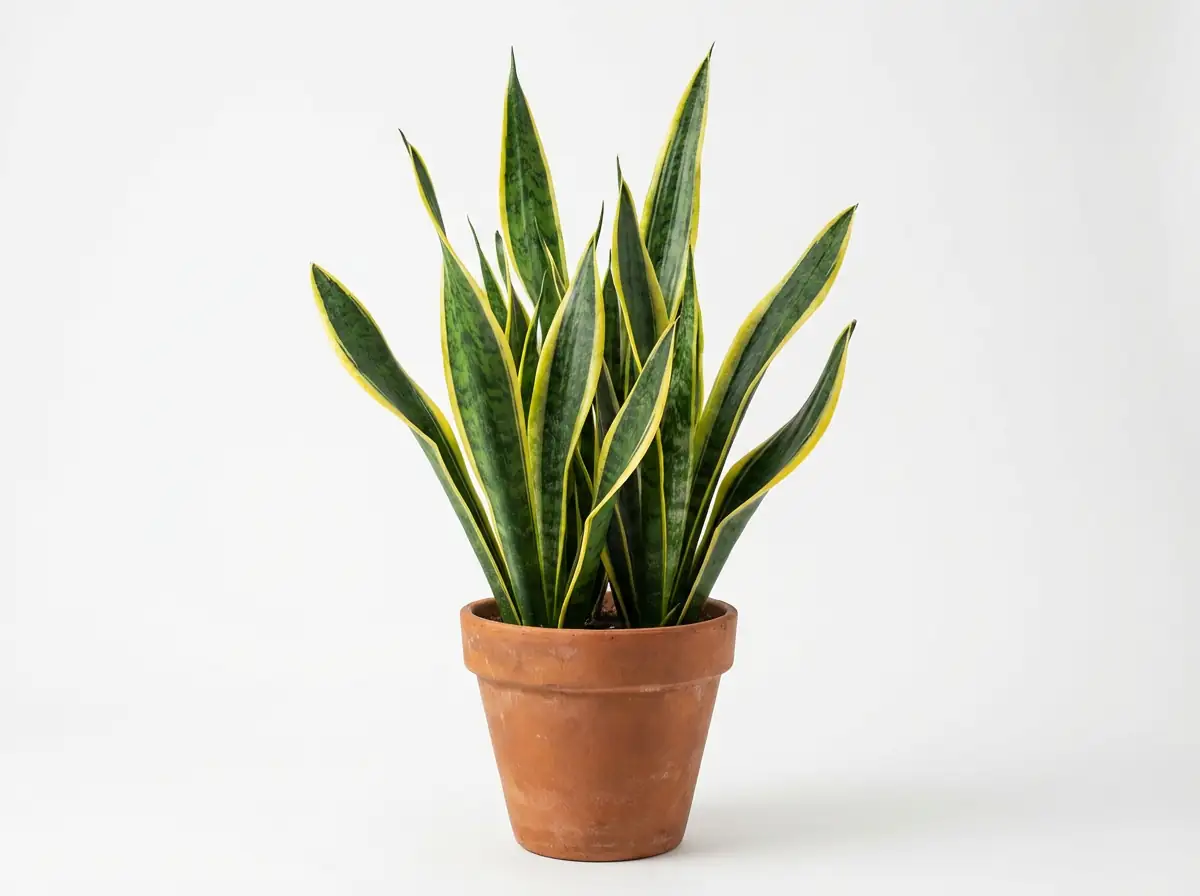
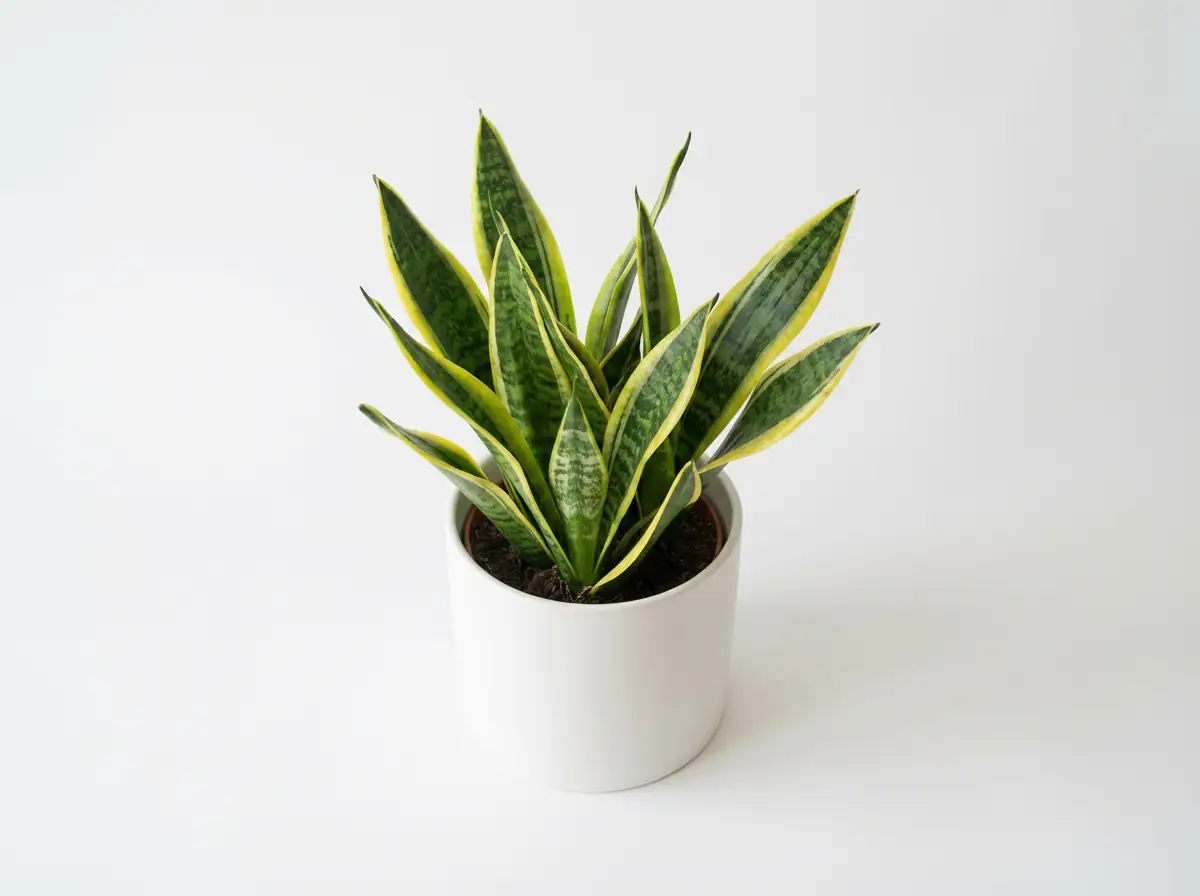
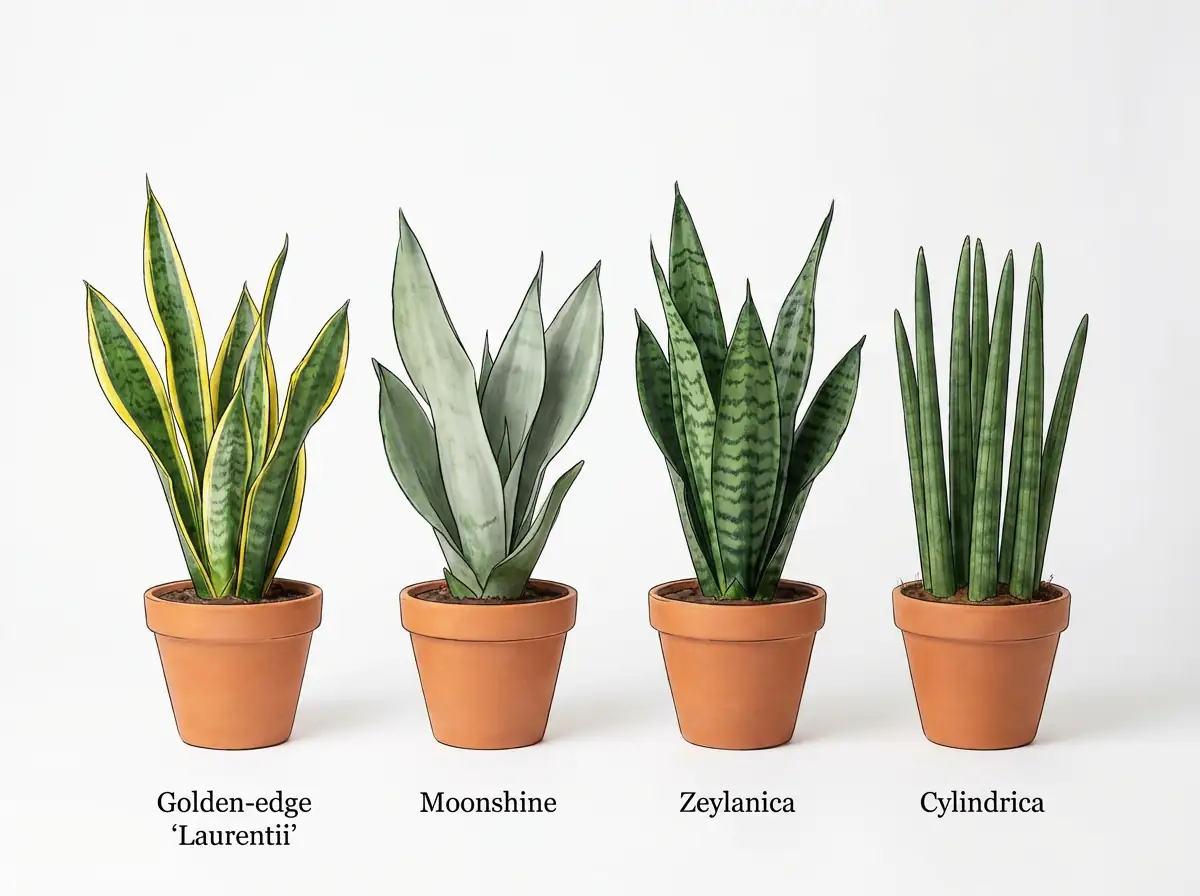
- Foliage: Leaves are thick, leathery, and sharply pointed, held upright in basal rosettes. Color is typically gray-green to deep green with horizontal cross-banding. Many popular cultivars (e.g., ‘Laurentii’) have bold yellow or creamy margins. Healthy leaves feel firm and uncreased; bent/soft bases often point to stress or rot.
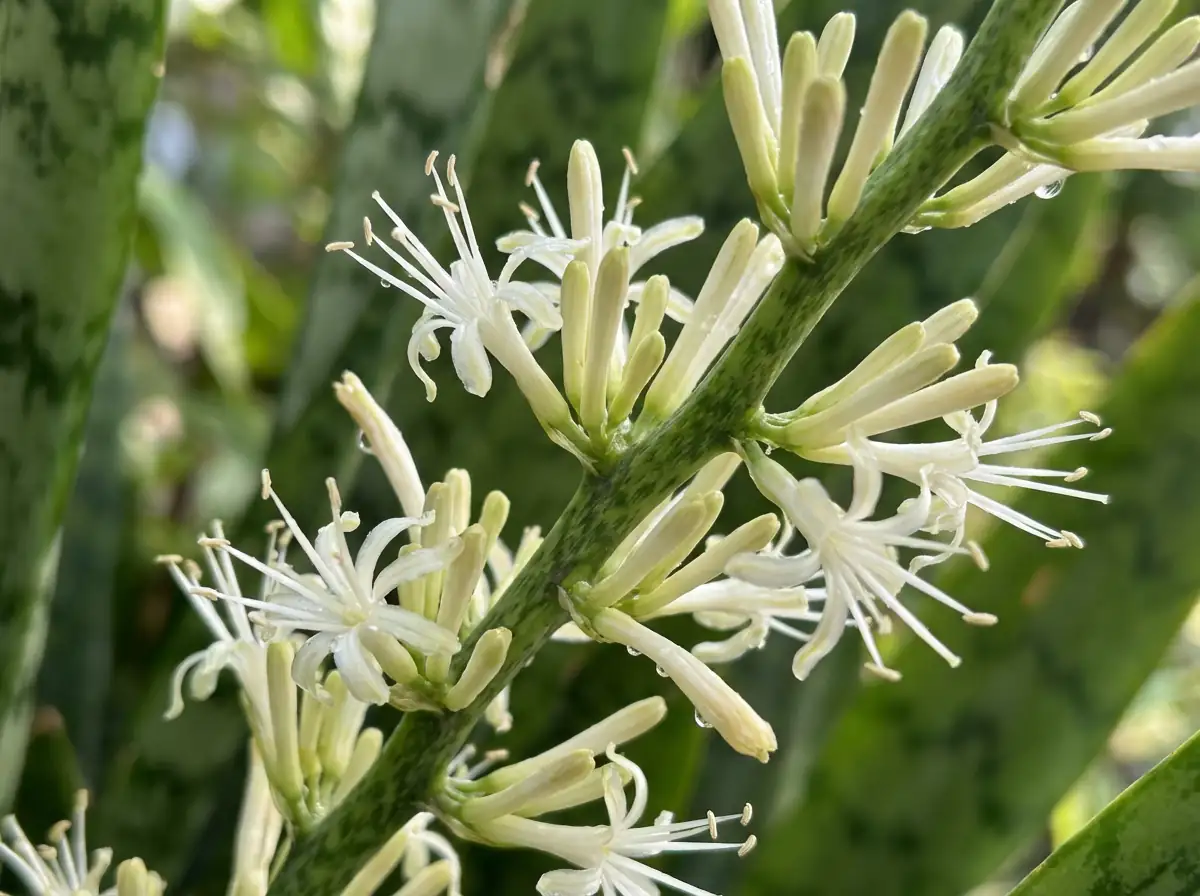
- Flower: On mature plants in good light, slender flower spikes may appear with many small, tubular, lily-like blooms that are greenish-white to cream and often sweetly fragrant (frequently stronger at night). Indoor flowering is uncommon. In ideal conditions, flowers may be followed by orange berries.
- Flowering Season: Spring to summer (sporadic indoors; often rare as a houseplant).
- Growth Habit: Upright, clump-forming perennial that spreads slowly via creeping rhizomes; new shoots (“pups”) emerge near the parent to form symmetrical tufts.
Environment
Sunlight
Very adaptable: bright, indirect light is ideal for faster growth and stronger banding, but it tolerates partial shade and low light. Gentle morning sun is usually fine; avoid harsh, prolonged midday/afternoon direct sun that can scorch leaves.
Temperature
Best growth around 13–24°C (55–75°F) to 21–32°C (70–90°F) depending on conditions. Keep above 10°C (50°F); cold damage becomes likely below 5°C (41°F). Protect from frost and cold drafts.
Humidity
Prefers dry to average indoor humidity and generally doesn’t need misting. If air is extremely dry, light misting is optional, but avoid keeping the crown/base wet for long periods.
Soil
Fast-draining soil is essential. Use a cactus/succulent mix or a gritty blend (e.g., potting soil/loam with added perlite, coarse sand, or grit). Avoid heavy, water-retentive mixes that encourage root/basal rot; drainage matters more than richness.
Placement
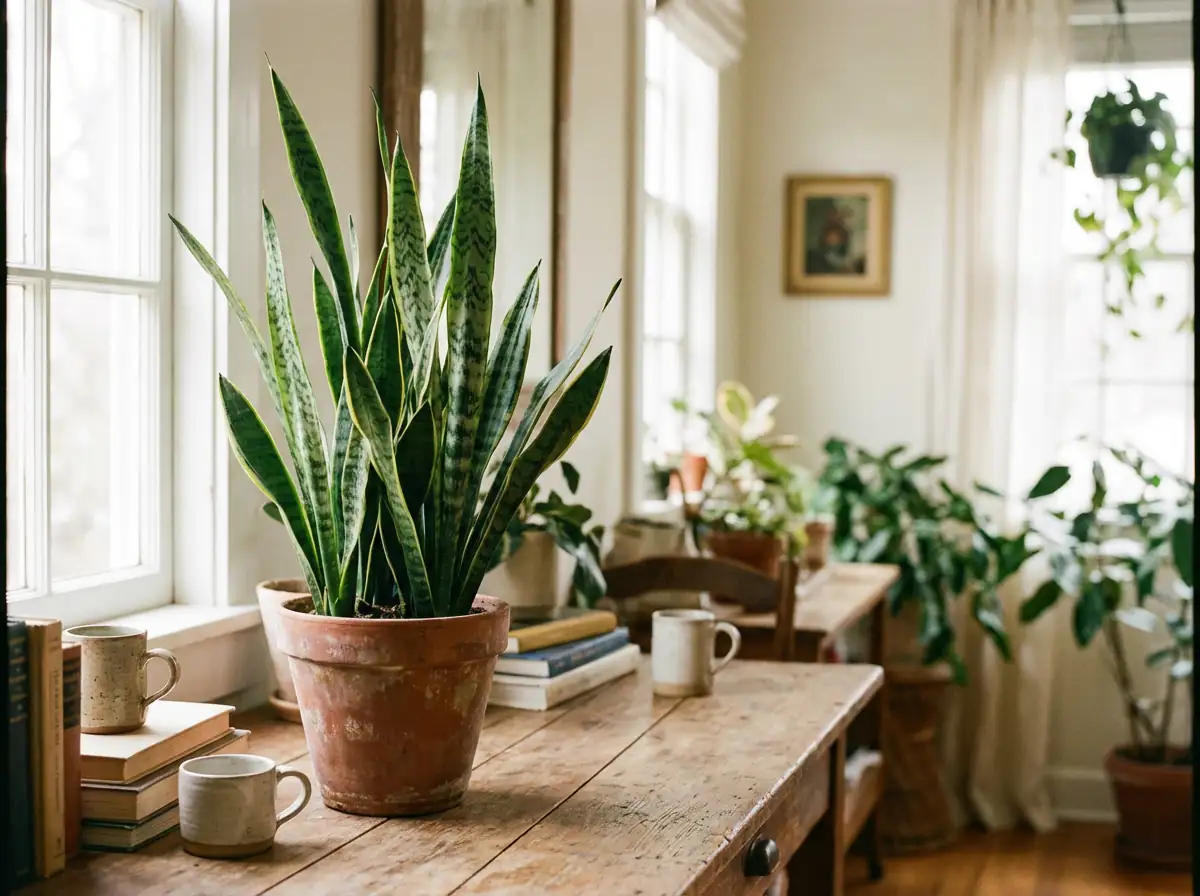
Great for living rooms, bedrooms, offices, shelves, hallways, and bright windowsills (east window or near a south window with a sheer curtain). It can handle lower-light spots, but avoid very dark corners long-term if you want compact growth and strong leaf patterning. In warm seasons, a sheltered patio with filtered light works well—bring indoors before temperatures drop.
Hardiness
Typically grown outdoors year-round only in warm climates: about USDA Zone 9–11 (sometimes cited as 10–12). Frost tender; treat as a houseplant in cooler regions.
Care Guide
Difficulty
Very easy and famously forgiving—often called “neglect-tolerant.” The main rule is: keep it on the dry side and protect it from cold.
Buying Guide
Choose plants with thick, firm, upright leaves and clear banding; for yellow-edged types, look for strong, clean margins. Avoid creased/bent leaves, soft or mushy bases, black spots, widespread yellowing, or visible pests. For easier indoor handling, many growers prefer plants under about 60 cm (24 in) tall. After purchase, acclimate in bright, filtered light (a sheer curtain is perfect) and avoid both harsh sun and very dim placement at first.
Watering
Water deeply but infrequently. Let the mix dry out most of the way (often completely) before watering again—this is the single best way to prevent rot. Typical indoor rhythm is about every 2–4 weeks in warmer months and about once a month (or less) in winter, but always adjust to your light/temperature and pot size. Never leave the pot standing in water. In cold conditions (below about 5°C/41°F), stop watering until warmth returns. When in doubt, underwater rather than overwater.
Fertilization
Light feeder. During spring and summer, feed lightly with a diluted balanced fertilizer (for example, half-strength) about monthly; some growers feed every 2 weeks at very low dilution. Stop fertilizing in autumn/winter. Over-fertilizing can cause stress and discoloration.
Pruning
Minimal pruning. Remove yellowing, damaged, or diseased leaves by cutting cleanly at the soil line with a sanitized blade. To keep variegated cultivars looking crisp, remove any fully green “reversion” shoots. Avoid trimming leaf tips for cosmetic reasons—tips won’t truly regenerate; it’s better to remove the whole leaf if it’s badly damaged.
Propagation
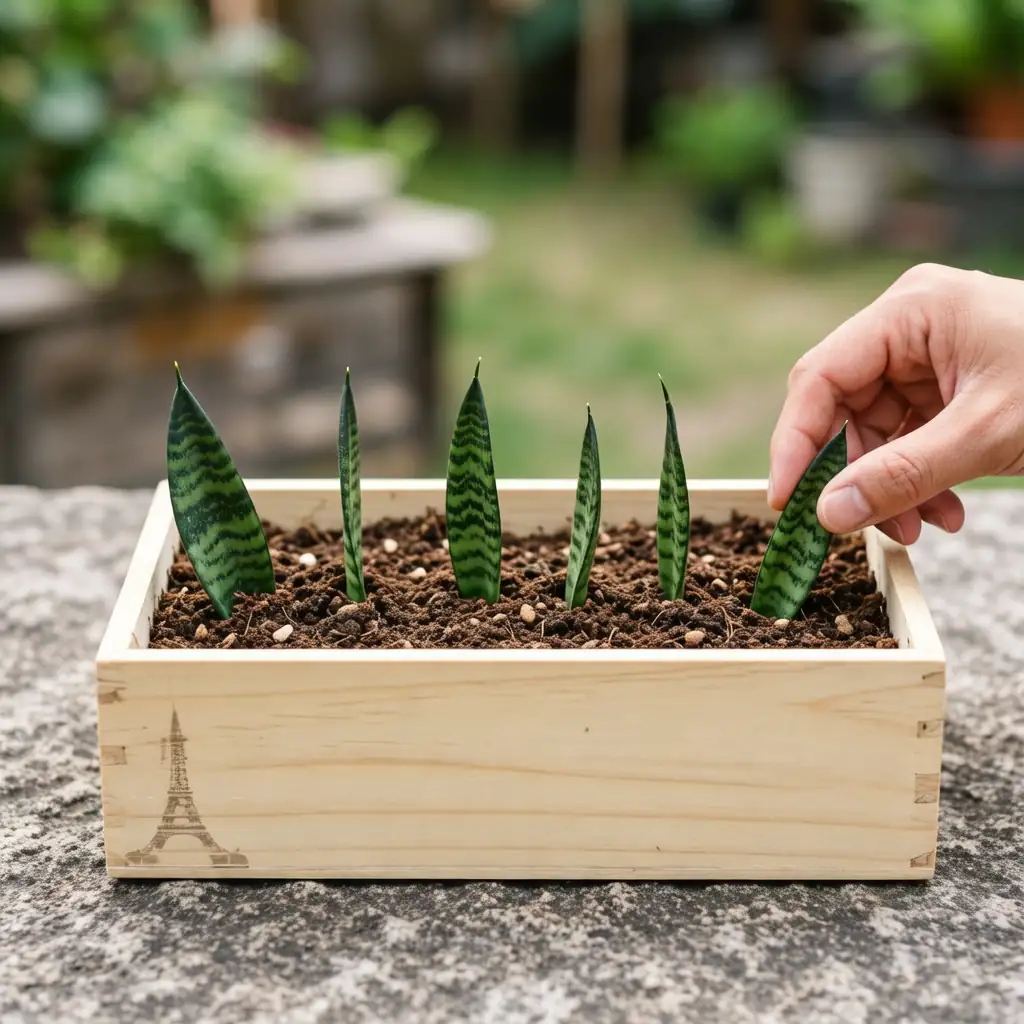
Two easy methods: (1) Division—separate rhizomes/pups during repotting (best in early spring); aim for each division to have roots and roughly 3–4 leaves. (2) Leaf cuttings—cut a healthy leaf into sections about 5–10 cm (2–4 in), allow cut ends to callus for 1–3 days, then insert into gritty mix (or root in water). Rooting commonly takes about 4 weeks in warm conditions, and new shoots may take longer. Note: variegated types often revert to green when propagated from leaf cuttings; division best preserves variegation.
Repotting
Repot about every 2–5 years (or when crowded and rhizomes push the pot), ideally in spring. Snake plants don’t mind being slightly root-bound, but a too-tight pot can crack. Use a sturdy pot with drainage (terracotta/ceramic is great). For a medium plant, a pot around 15–20 cm (6–8 in) in diameter is common; move up only about 2.5–5 cm (1–2 in) wider to avoid staying wet too long.
📅 Seasonal Care Calendar
Spring: growth restarts—water a bit more, begin light feeding, and it’s the best time to repot/divide.
Summer: brightest season—protect from harsh midday sun; water only after drying; optional light feeding.
Autumn: slow down—reduce watering and taper off fertilizer; move to brighter indoor light if it spent summer outside.
Winter: keep warm and bright; water sparingly (about monthly or less); no fertilizer; protect from cold drafts—cold + wet is the fastest route to rot.
Pests, Diseases & Safety
Common Pests & Diseases
Generally tough and pest-resistant, but it can still get mealybugs, scale, and spider mites (treat with insecticidal soap, horticultural oil, or targeted wiping with alcohol for mealybugs). Fungus gnats usually indicate the mix is staying too wet. The most common serious problem is root/basal rot from overwatering—especially in cool weather—followed by leaf spot/anthracnose-like issues when airflow is poor or foliage stays wet. Prevention is simple: fast-draining mix, a pot with drainage, bright light, good airflow, and letting the soil dry well between waterings.
Toxicity
Mildly toxic if chewed, especially for cats and dogs (saponins). It can cause drooling, mouth irritation, nausea, vomiting, and diarrhea. Keep out of reach of pets and small children.
Culture & Symbolism
Symbolism: Often gifted as a symbol of resilience, protection, and steadfast strength—those sword-like leaves give it a “guardian plant” vibe in many homes and feng shui traditions.
History & Legends: Long cultivated from its West African roots and popular worldwide as a houseplant. Names like “Saint George’s Sword” reflect protective folklore more than strict botanical history. It’s also known for its historic fiber use (the “bowstring hemp” nickname). Modern DNA studies folded Sansevieria into Dracaena, which is why labels may show both names.
Uses: Primarily an ornamental indoor foliage plant prized for its architectural form and tolerance of indoor conditions. Historically, the tough leaves have been used for strong fiber (rope, mats, bowstrings), and in some places it has served as a living barrier/hedge. It’s widely marketed for indoor air benefits and is associated with NASA’s Clean Air Study; in real homes, the effect depends on plant size and ventilation—but it’s still a great, sturdy companion plant.
FAQ
Why are my snake plant leaves turning yellow or getting mushy at the base?
That’s most commonly overwatering—especially when it’s cool—leading to root or basal rot. Let the mix dry out much more between waterings, make sure the pot drains freely, and consider repotting into a gritty cactus/succulent mix. In winter, water about monthly or less; if temperatures drop near 5°C (41°F), stop watering until it warms up.
Can snake plants really live in low light?
Yes—they’re among the best low-light tolerant houseplants. They’ll survive and stay presentable, but growth slows and patterns can look less bold. For faster growth and sharper color, give bright, indirect light.
How do I propagate a variegated snake plant without losing the yellow edges?
Use division (separating pups/rhizomes). Leaf cuttings often revert to plain green in variegated cultivars, so division is the reliable way to keep the same look.
How often should I water my snake plant?
Only when the potting mix has dried well—often every 2–4 weeks in warmer months and about monthly (or less) in winter. Adjust based on light, temperature, pot size, and soil; it’s safer to underwater than overwater.
Why is my snake plant not growing?
They naturally grow slowly. If it’s completely stalled, check for low light (move brighter), cold temperatures (keep above 10°C/50°F), an exhausted/compacted mix (repot), or lack of nutrients during the growing season (light feeding in spring/summer).
Fun Facts
- It uses CAM photosynthesis, so it can release oxygen at night—one reason people like it in bedrooms.
- It was reclassified from Sansevieria to Dracaena based on DNA evidence, but the old name is still extremely common in the plant trade.
- Variegated forms can “revert” by pushing fully green leaves; removing those helps keep the striped/yellow-edged look.
- In warm climates, leaves can exceed 1.2 m (4 ft), far taller than most indoor specimens.
- It spreads via underground rhizomes and can eventually fill (or even crack) a pot—division turns that into free new plants.
- Snake plant flowers are rare indoors but can be surprisingly sweetly fragrant, often strongest at night.


