

Plant Features
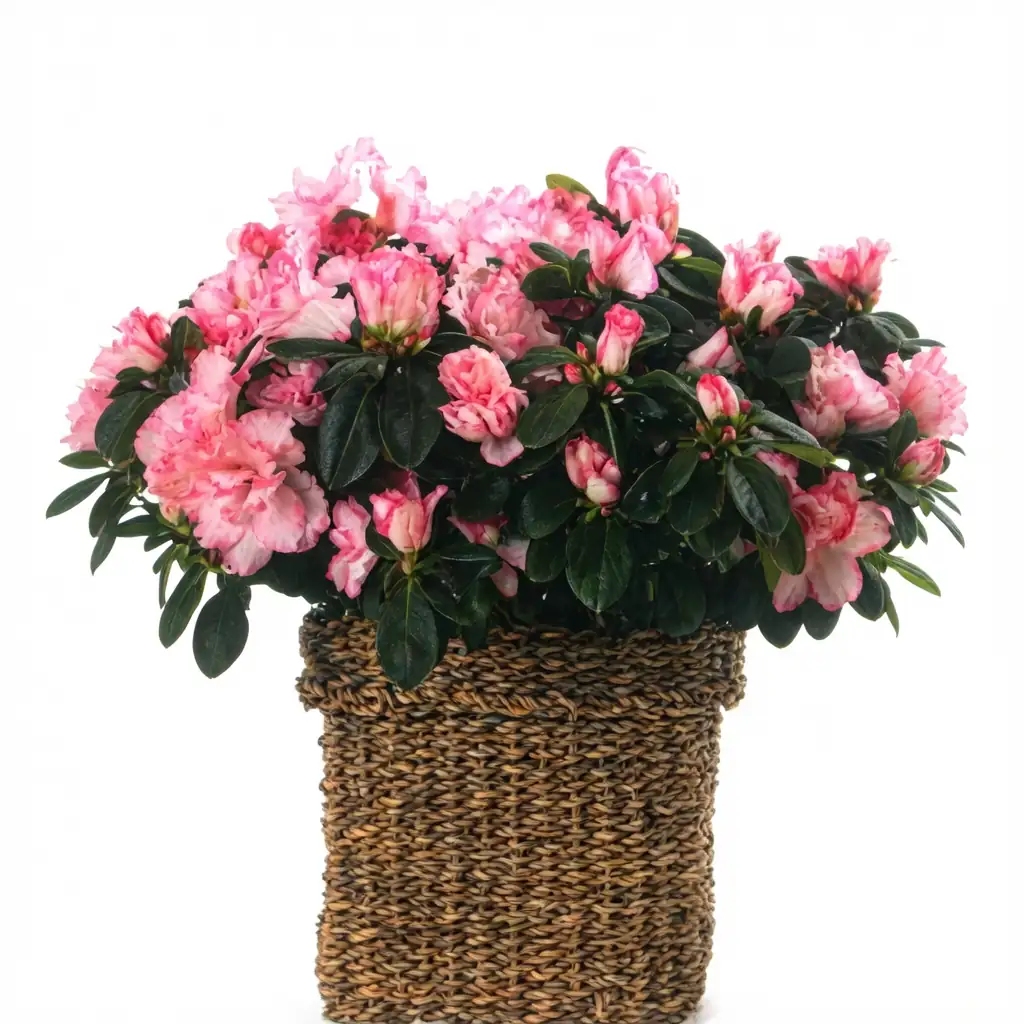
- Size: As a typical potted florist’s azalea: about 45 × 45 cm (18 × 18 in). Across the broader Rhododendron group, plants range from roughly 10–100 cm (4–39 in) for dwarfs up to about 30 m (98 ft) for tree forms, though most garden and pot varieties are shrub-sized.
- Foliage: Leaves are generally deep green and glossy on florist’s azaleas, staying attractive even out of bloom. In the wider Rhododendron genus, leaves are spirally arranged and can be evergreen or deciduous, ranging from tiny (about 1–2 cm / 0.4–0.8 in) to very large (over 50 cm / 20 in); some species show fine hairs or scales on the leaf undersides.
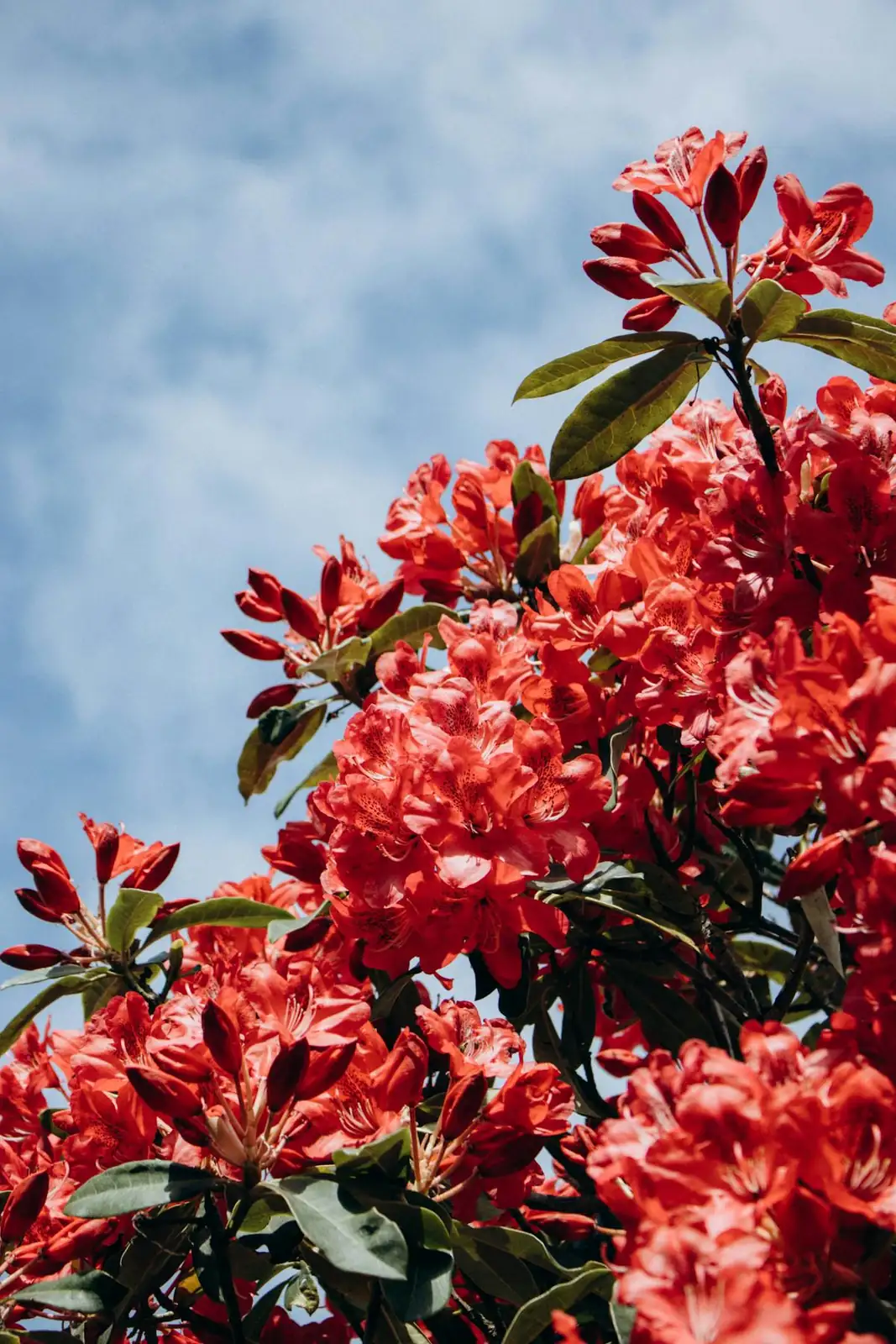
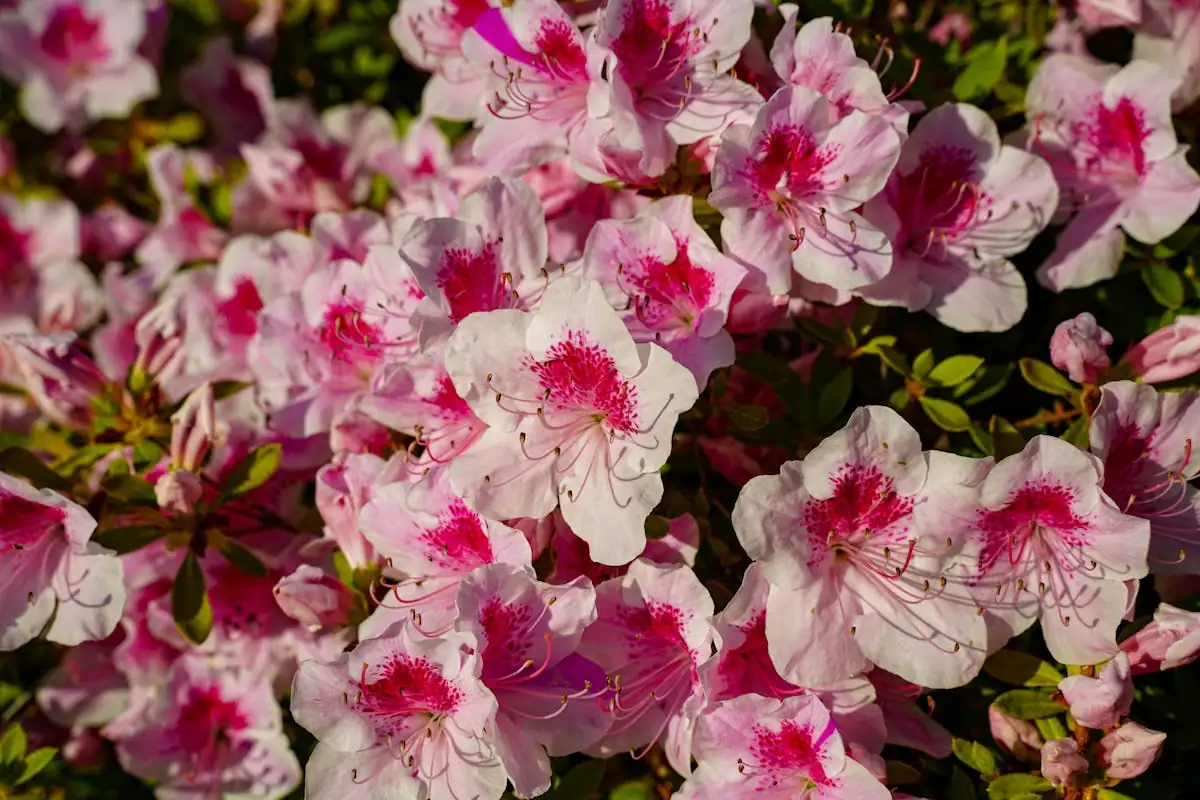
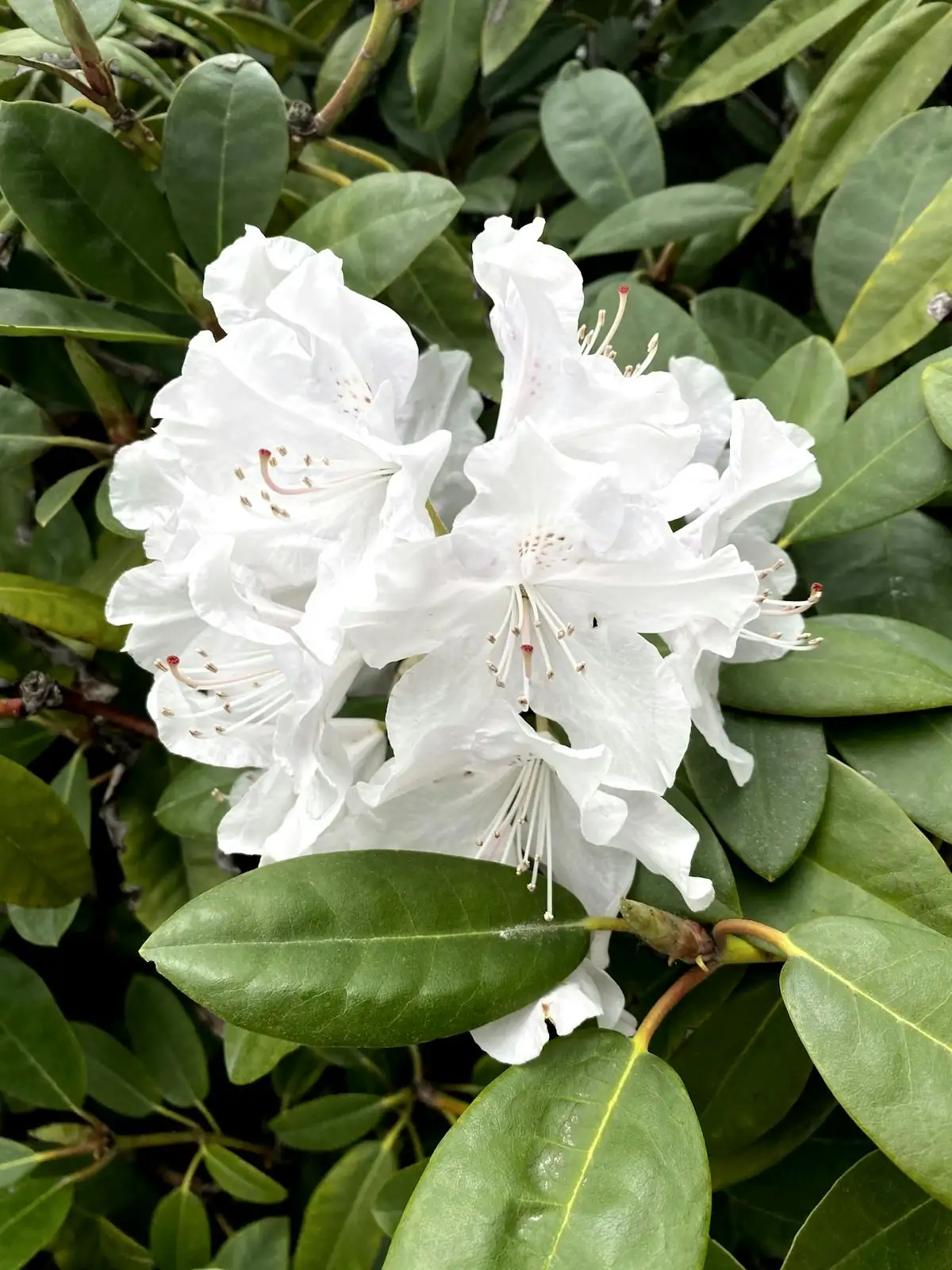
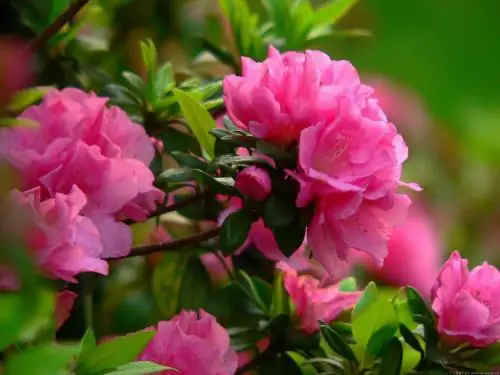
- Flower: Flowers appear in dense clusters, often creating a ‘bouquet’ effect. Blooms may be single or double, sometimes ruffled, typically in shades of pink, red, and white, with many bicolors in cultivation. In Rhododendron generally, flowers are often bell-, funnel-, or tube-shaped with five lobes and prominent stamens; some forms can be lightly fragrant.
- Flowering Season: Primarily spring (roughly March–June). Florist’s azaleas often bloom for several weeks indoors; some rhododendrons/azaleas can also flower in autumn depending on variety and climate.
- Growth Habit: Compact, bushy evergreen shrub in pots; the genus overall ranges from low shrubs to small trees, typically with a fibrous, shallow root system.
Environment
Sunlight
Bright, indirect light to partial shade is ideal. Morning sun with afternoon shade suits many types; avoid harsh midday sun, especially for large-leaved forms and indoor plants. Too much shade reduces flowering.
Temperature
Best in cool-temperate conditions. Florist’s azaleas do well around 10–24°C (50–75°F), with flowers lasting longest at about 10–18°C (50–64°F). Many garden rhododendrons tolerate colder conditions (some below -10°C / 14°F), but warmth plus dry air shortens bloom and stresses plants.
Humidity
Prefers evenly moist air and soil; florist’s azaleas cope with low to moderate humidity but dislike hot, stuffy rooms or drying heat sources. Outdoors, rhododendrons generally thrive where humidity is moderate to high.
Soil
Acidic, organic-rich, well-drained medium. Aim for pH about 4.5–6.0. For pots, use an ericaceous (acid-loving) mix that holds moisture yet drains freely; avoid heavy, waterlogged compost. In the ground, amend clay soils and consider planting slightly proud (a bit above grade) to prevent root suffocation.
Placement
Indoors: a cool, bright spot out of harsh sun (near an east or north window is often great), away from radiators and blasting vents. Outdoors (seasonally): a shaded, sheltered patio or woodland-style spot, protected from strong wind.
Hardiness
Florist’s azalea (Rhododendron simsii hybrids) is typically kept frost-free (often treated as approx. USDA Zone 10–11 / RHS H1 for indoor culture). Hardiness across Rhododendron varies widely, with many landscape types in USDA Zones 4–9, while tropical Vireya rhododendrons are tender.
Care Guide
Difficulty
Easy to moderate. Florist’s azaleas can be quite easy if you keep them cool and never let the root ball dry out; rhododendrons in general are moderate because they insist on acidic, well-drained soil and steady moisture.
Buying Guide
Pick a plant with lots of buds and only a few open flowers for the longest show. Leaves should be glossy and green—avoid yellowing, stickiness, webbing, speckling, or obvious pests. Check the pot: the root ball should be moist (not bone-dry) and the plant shouldn’t be sitting in soggy, waterlogged compost; avoid severely root-bound specimens with circling roots if possible.
Watering
Keep evenly moist, not waterlogged. Water thoroughly when the top ~2.5 cm (1 in) begins to feel slightly dry, then let excess drain. From early spring through autumn, florist’s azaleas strongly prefer rainwater or distilled water; hard (lime-rich) tap water can push pH up and cause yellowing (chlorosis). In winter, reduce a little but never allow the root ball to fully dry. Avoid frequent overhead watering on foliage and flowers, which can encourage disease—water at the soil level when possible.
Fertilization
Feed lightly. Use an acid-forming/ericaceous fertilizer (azalea/rhododendron feed). For pots: about once a month from spring through autumn. For garden plants: a light application in spring, ideally after flowering. Avoid high-nitrogen feeding and avoid fertilizing after July (in temperate climates) so growth can harden before winter.
Pruning
Prune right after flowering, before next year’s buds set. Deadhead spent flower clusters and lightly pinch/prune to shape and encourage bushiness. Remove dead, diseased, or crossing stems anytime; heavy pruning later in summer can sacrifice the next bloom.
Propagation
Commonly propagated by semi-ripe or softwood cuttings (late spring through summer) in a humid environment; rooting is often slow and benefits from rooting hormone and gentle bottom heat. Layering in spring also works for many rhododendrons. Seed is mainly used for species rather than named cultivars.
Repotting
Repot container plants in spring every 2–3 years (or when root-bound) into fresh ericaceous compost. Don’t jump to an oversized pot; azaleas like a snug fit. Keep the root crown at soil level—planting too deep can invite root problems.
📅 Seasonal Care Calendar
Spring: enjoy peak bloom; after flowering, deadhead and lightly prune; begin feeding. Summer: keep evenly moist and cool; provide shade outdoors and watch for pests like spider mites. Fall: continue steady watering but ease feeding; bring pots to a protected, frost-free place as temperatures drop. Winter: keep cool and bright; water a little less but never let it dry; protect from hot, dry indoor air.
Pests, Diseases & Safety
Common Pests & Diseases
Common pests include spider mites (especially in warm, dry indoor air), aphids, scale, lace bugs, and vine weevil outdoors; rhododendron borer and weevils can also occur in landscapes. Key diseases/problems include root rot (often Phytophthora, encouraged by poor drainage/waterlogging), leaf spot, powdery mildew, and bud blast. Prevention is mostly ‘good basics’: acidic, well-drained soil; even moisture; good airflow; cool conditions; and avoiding overhead watering. Remove affected parts promptly and treat with appropriate controls if needed.
Toxicity
Toxic to people and pets (especially cats and dogs), and also dangerous to grazing animals like horses. All parts contain grayanotoxins; eating leaves or flowers can cause drooling, vomiting, diarrhea, weakness, and potentially serious heart/neurological symptoms. Even honey made from some rhododendron nectar can be poisonous (“mad honey”). Keep out of reach and seek medical/veterinary help if ingested.
Culture & Symbolism
Symbolism: Often linked with springtime joy and renewal—like a burst of color after winter. In flower symbolism it can also carry a gentle note of care and caution (“take care of yourself”), and in many Asian contexts it’s associated with elegance, femininity, and abundance.
History & Legends: Azaleas are not a separate genus—botanically they sit inside Rhododendron. The name Rhododendron comes from Greek words meaning “rose” and “tree.” Rhododendron toxicity has been famous since antiquity: ancient accounts describe soldiers being sickened by “mad honey” made from rhododendron nectar. Florist’s azaleas were bred from East Asian species (notably Rhododendron simsii and relatives) for compact growth and heavy indoor flowering, becoming classic spring gift plants worldwide.
Uses: Primarily ornamental: as flowering houseplants, gift plants, conservatory specimens, and (in suitable climates) landscape shrubs for woodland-style gardens. In broader Rhododendron horticulture, they’re also used for mass planting and slope/erosion control. In parts of the Himalayas, some rhododendron flowers are traditionally used in foods and drinks, though edibility varies by species and caution is essential due to toxin concerns.
FAQ
Why are my azalea/rhododendron leaves turning yellow?
The most common culprit is chlorosis from water or soil that’s too alkaline (often from hard tap water). Switch to rain/distilled water and use an ericaceous mix; in gardens, test soil pH and amend if needed. Yellowing can also come from poor drainage/root stress, overwatering, or natural shedding of older evergreen leaves.
Where should I place a florist’s azalea indoors for longest bloom?
Keep it cool and bright: bright, indirect light and temperatures around 10–18°C (50–64°F) will noticeably extend flowering. Avoid hot windowsills, radiators, and dry air blasts from vents.
When should I prune my azalea/rhododendron?
Right after flowering. That timing lets the plant set next year’s buds. Pruning too late in summer can remove flower buds and reduce the next spring display.
Why isn’t my rhododendron flowering well?
Common reasons include too much shade, pruning at the wrong time, excess nitrogen fertilizer (lots of leaves, few flowers), drought stress while buds were forming, or late frosts damaging buds.
Is azalea safe for pets?
No—azaleas and rhododendrons are toxic if chewed or eaten. Place them out of reach and contact a vet promptly if you suspect ingestion.
Fun Facts
- “Azalea” is a gardener’s word—botanically, azaleas live inside the Rhododendron genus.
- Cool temperatures are one of the simplest tricks to make a florist’s azalea bloom for weeks indoors.
- Rhododendrons are incredibly diverse: the group spans tiny alpine shrubs to tree-sized giants (up to about 30 m / 98 ft).
- So-called “mad honey” poisoning comes from grayanotoxins in nectar of certain rhododendrons—an infamous story recorded since ancient times.
- There are tens of thousands of registered rhododendron/azalea cultivars used in gardens worldwide.


