Plant Features
- Size: Typically 15–60 cm (6–24 in) tall, depending on variety.
- Foliage: Leaves are thick and slightly succulent, usually bluish-gray to blue-green with a waxy (glaucous) coating. They’re broad and lance-shaped to ovate-lanceolate with a wider base and tapering tip, usually appearing as 2–6 leaves per plant along the lower to mid stem.
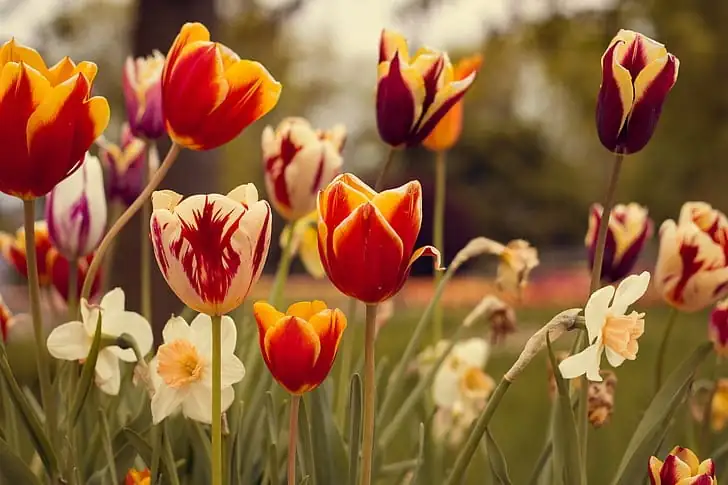
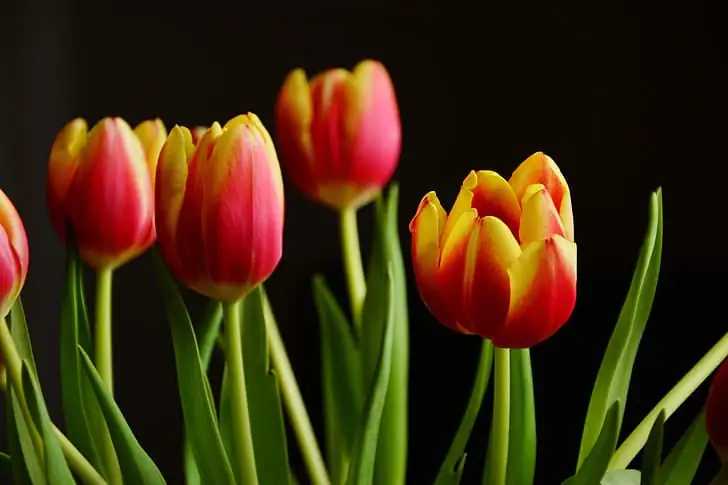
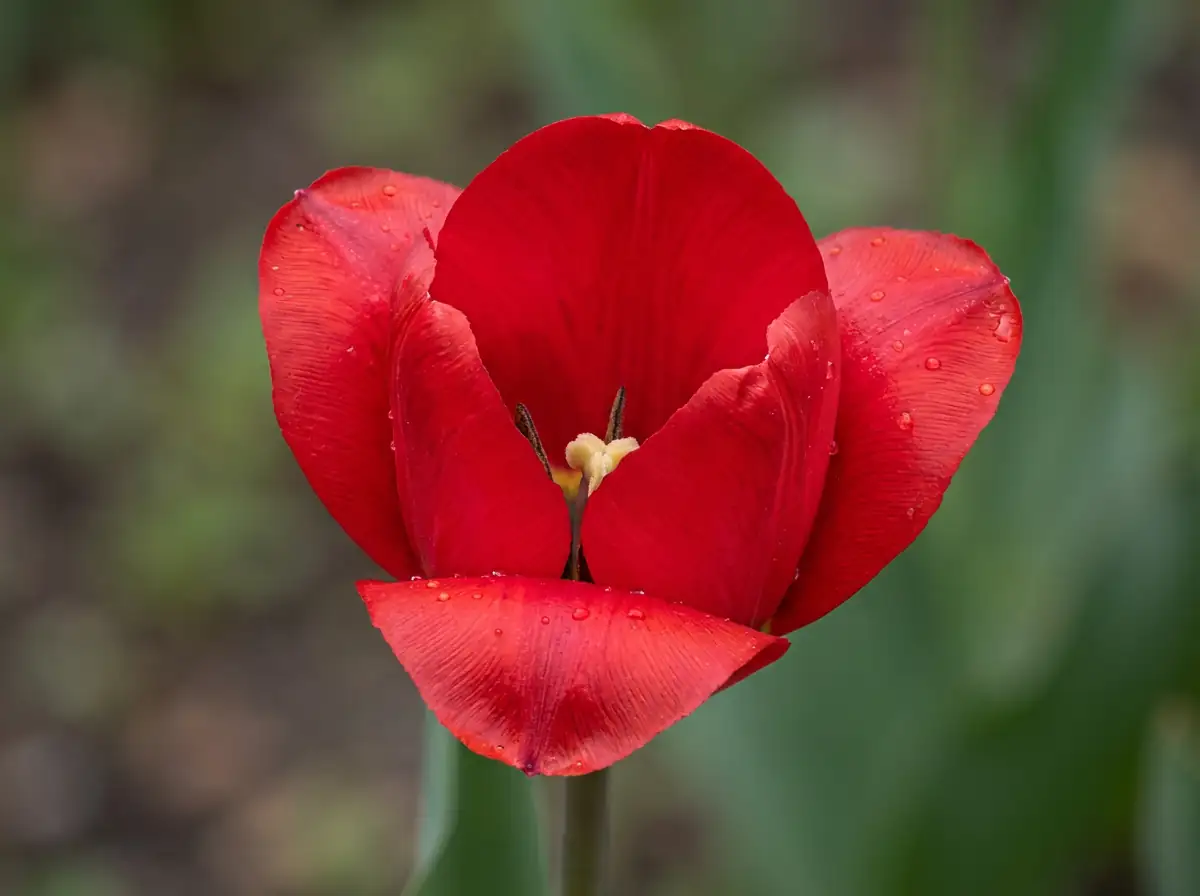
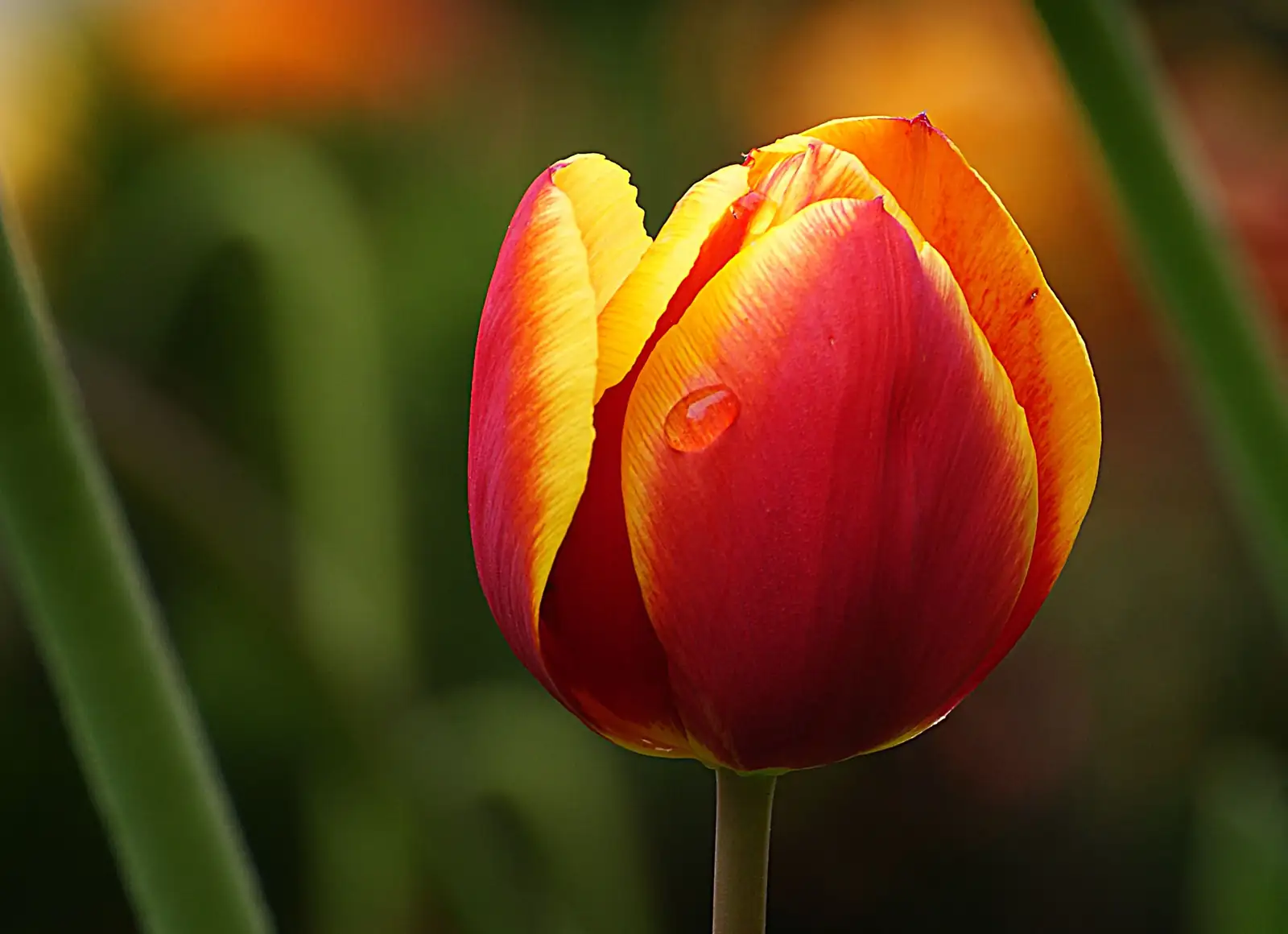
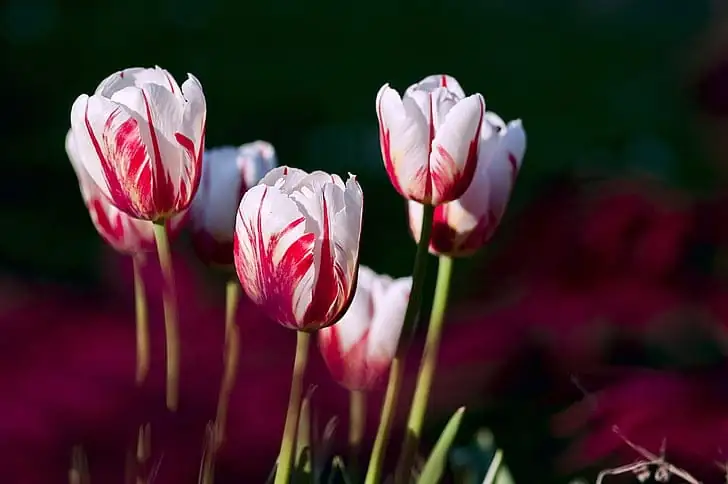
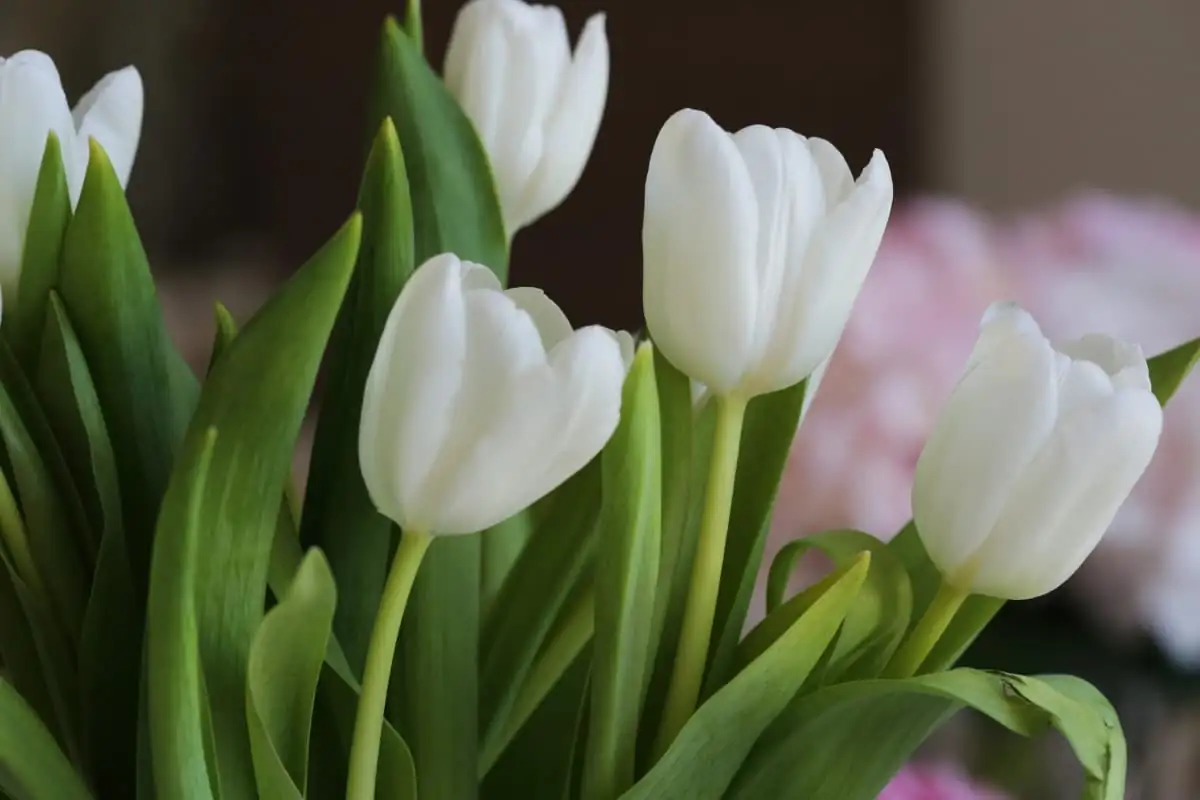
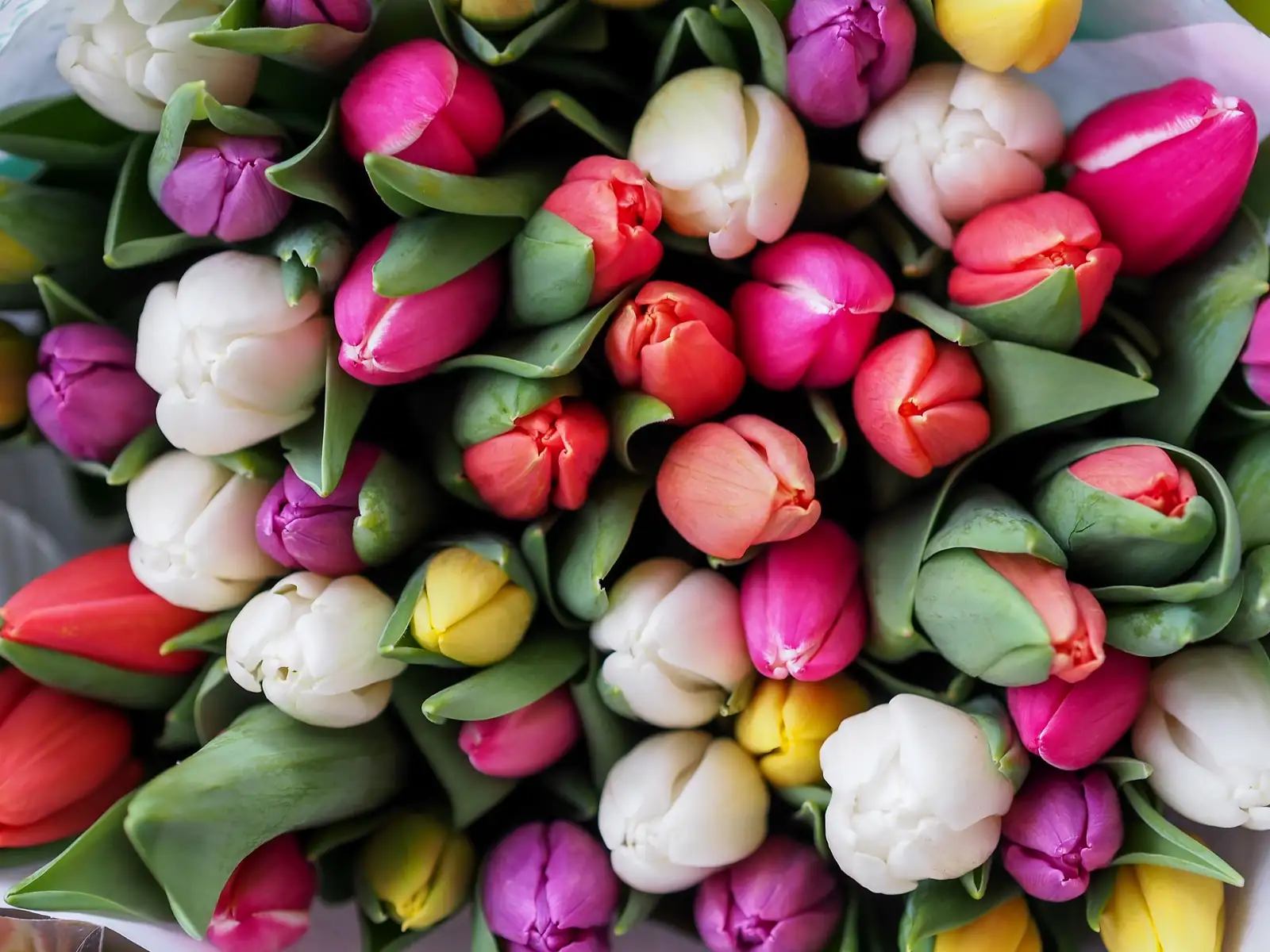
- Flower: Large, usually solitary blooms (single or double) with forms ranging from simple cups and bowls to goblets and specialty types like fringed, parrot, and lily-flowered. Colors include white, pink, red, scarlet, deep red, purple, yellow, orange, green, brown, and near-black, and many cultivars show stripes, spots, flames, or decorative edging.
- Flowering Season: Spring (typically March–May), with early-, mid-, and late-season varieties.
- Growth Habit: Upright, clump-forming bulb plant arising from a flattened, conical bulb; foliage and flower stalks emerge cleanly in spring and die back into summer dormancy.
Environment
Sunlight
Full sun is ideal in cool climates; in warmer regions, give morning sun or light afternoon shade to avoid heat stress and help blooms last longer.
Temperature
Best growth in cool spring weather. Optimal growing temperatures are about 9–13°C (40–55°F). Very cold-hardy in the ground in many regions (reported down to about -37°C (-35°F) with appropriate conditions). In warm climates, bulbs often need pre-chilling to mimic winter cold.
Humidity
Prefers moderate moisture during active growth but dislikes muggy, stagnant conditions. Avoid waterlogging; once established and after flowering, it prefers drier conditions.
Soil
Rich but well-draining soil is key—fertile sandy loam is ideal, neutral to slightly acidic. Avoid soggy sites and overly alkaline soils; good drainage helps prevent bulb rot.
Placement
Great for garden beds and borders, rock gardens, containers, and as a classic cut flower for indoor vases. Choose spots with good drainage and spring sun.
Hardiness
USDA Zones 3–8 (many garden tulips perform best as reliable bloomers within this range). In warmer zones, pre-chill bulbs for about 12 weeks to improve flowering.
Care Guide
Difficulty
Moderate. Tulips are straightforward as bulb plants, but long-term success depends on getting the “cool-and-dry” cycle right: cool rooting and spring growth, then a dry-ish summer rest.
Buying Guide
Choose bulbs that are firm and heavy for their size, with intact papery skins and no soft spots, mold, or damage. Bigger bulbs generally mean stronger stems and bigger flowers.
Watering
Water well after planting to settle soil around the bulb. During spring growth, keep soil lightly and evenly moist—water when the top layer dries, but never let bulbs sit in soggy soil. If you’re getting regular rain, you may not need extra watering. After flowering, reduce watering as the plant heads into dormancy.
Fertilization
Feed at planting with a balanced bulb fertilizer or bone meal. Apply a bulb fertilizer again when shoots emerge. If growth is weak, a light nitrogen feed can help early on, while higher phosphorus and potassium before flowering supports bud and bloom quality.
Pruning
Remove spent flowers (deadhead) soon after blooming to prevent seed formation, but keep the leaves in place for about 6 weeks so the bulb can recharge. Only cut foliage once it has fully yellowed and dried.
Propagation
Most commonly by bulb division/offsets. Plant bulbs in fall, typically 15–20 cm (6–8 in) deep and about 10–15 cm (4–6 in) apart. Seed propagation is mainly for breeding and can take about 3–7 years to bloom.
Repotting
In beds, lift and divide clumps every 2–3 years if crowded or if performance declines, then store bulbs dry and cool through summer if needed. In containers, many gardeners refresh with new bulbs yearly for the best display.
📅 Seasonal Care Calendar
Fall: Plant when soil cools to about 10°C (50°F). Winter: Bulbs chill/root; mulch in very cold areas. Early spring: Provide strong light and begin feeding as shoots appear. Spring bloom (Mar–May): Enjoy flowers; keep soil lightly moist and avoid heat stress. Post-bloom: Deadhead, keep leaves for ~6 weeks. Summer: Foliage dies back; keep bulbs on the dry side during dormancy, lifting/storing in hot or wet-summer climates if necessary.
Pests, Diseases & Safety
Common Pests & Diseases
Watch for Botrytis (gray mold), various bulb/stem rots (soft rot, stem rot), damping-off, and “blind” buds (buds that fail). Tulip breaking virus can cause dramatic color streaking but weakens plants and spreads via sap and aphids. Pests include aphids and slugs. Prevention focuses on excellent drainage, good airflow, clean/virus-free bulbs, prompt removal of infected plants, and targeted control (e.g., slug management and aphid control) when needed.
Toxicity
Toxic to people and pets if eaten, especially the bulbs, due to compounds such as tulipalin A/B. In humans, ingestion may cause nausea, vomiting, drooling, and diarrhea; skin contact can irritate sensitive people (sometimes called “tulip fingers” in handlers). For cats and dogs, ingestion can cause vomiting, drooling, diarrhea, lethargy, and more severe signs in larger exposures. Keep bulbs away from children and pets and wear gloves if you’re sensitive.
Culture & Symbolism
Symbolism: Tulips are classic symbols of love, beauty, blessings, and elegant “springtime hope.” Color meanings are especially popular: red for passionate/true love; pink for affection and good wishes; white for purity and forgiveness; yellow for cheer and friendship (with older traditions linking it to unrequited love); purple for royalty and admiration; and near-black varieties for mystery, strength, and dramatic elegance.
History & Legends: Though strongly associated with the Netherlands today, tulips were first cherished in Central Asia and then cultivated by the Turks around 1000 AD. They reached Europe in the mid-1500s via diplomat Ogier Ghiselin de Busbecq, and by the late 1500s they had become a sensation in the Netherlands. The 1600s brought the famous “Tulip Mania,” when rare bulbs sold for astonishing sums—often cited as one of history’s earliest economic bubbles. The name “tulip” is linked to Turkish and Persian words for a turban, inspired by the flower’s shape. Folklore and legends across regions also celebrate tulips as symbols of love, transformation, prosperity, and joy.
Uses: Tulips are primarily grown as ornamentals for spring beds, borders, and mass plantings, and they’re also a top-tier cut flower with a typical vase life around 7 days. They shine in containers, drive tourism through tulip festivals, and remain a major economic crop through bulb and flower production (especially in the Netherlands). Historically, bulbs were eaten during times of famine, but this is not recommended because of their irritating/toxic compounds.
FAQ
Why did my tulips bloom poorly (or not at all) the second year?
Many modern tulips are bred for spectacular first-year display and may not perennialize strongly, especially in warm or wet-summer climates. For better repeat blooms: let foliage yellow naturally for about 6 weeks after flowering, avoid summer overwatering, and consider lifting/storing bulbs dry. If you want more reliable return bloom, look at types known for stronger perennial performance (for example, many Darwin Hybrids).
When should I plant tulip bulbs?
Plant in fall when soil cools to around 10°C (50°F). In colder regions that’s often September–October; in milder regions it may be November–December. Planting too early can increase rot and disease; too late can reduce rooting. In warm climates, use pre-chilled bulbs or chill them for about 12 weeks before planting.
Why are my tulip leaves turning yellow?
Yellowing is often normal after bloom as the plant enters dormancy. If it happens earlier, common causes include overwatering (leading to rot), underwatering during active growth, low nutrients, insufficient light, or viral issues that create streaking/mottling. Check drainage first—soggy soil is the fastest way to trouble.
Can I grow tulips indoors?
You can enjoy tulips indoors as potted “forced” bulbs or as cut flowers, but they’re generally not great as a long-term houseplant because they need strong light and a natural cold period. If forcing indoors, give a proper chilling phase, bright light once sprouted, and keep bulbs out of reach of pets and children.
How can I make cut tulips last longer in a vase?
Cut stems when buds are colored and just starting to open. Recut stems at an angle, use clean cool water, and change it daily. Keep the vase in a cool spot away from sun and heaters. Tulips keep growing and bending toward light, so rotate the vase and consider wrapping stems briefly in paper to straighten them.
Fun Facts
- The bulb you dig up in late summer is often not the exact same bulb you planted—many tulips form a replacement bulb and offsets during the growing season.
- During 17th-century Tulip Mania, some rare bulbs sold for prices compared to a house on an Amsterdam canal.
- The word “tulip” is linked to a Turkish/Persian term for “turban,” inspired by the bloom’s shape.
- Tulips aren’t native to the Netherlands—Central Asia and nearby regions are their original homeland.
- Cut tulips are famously phototropic: even in a vase, they keep growing and lean toward the light.