Plant Features
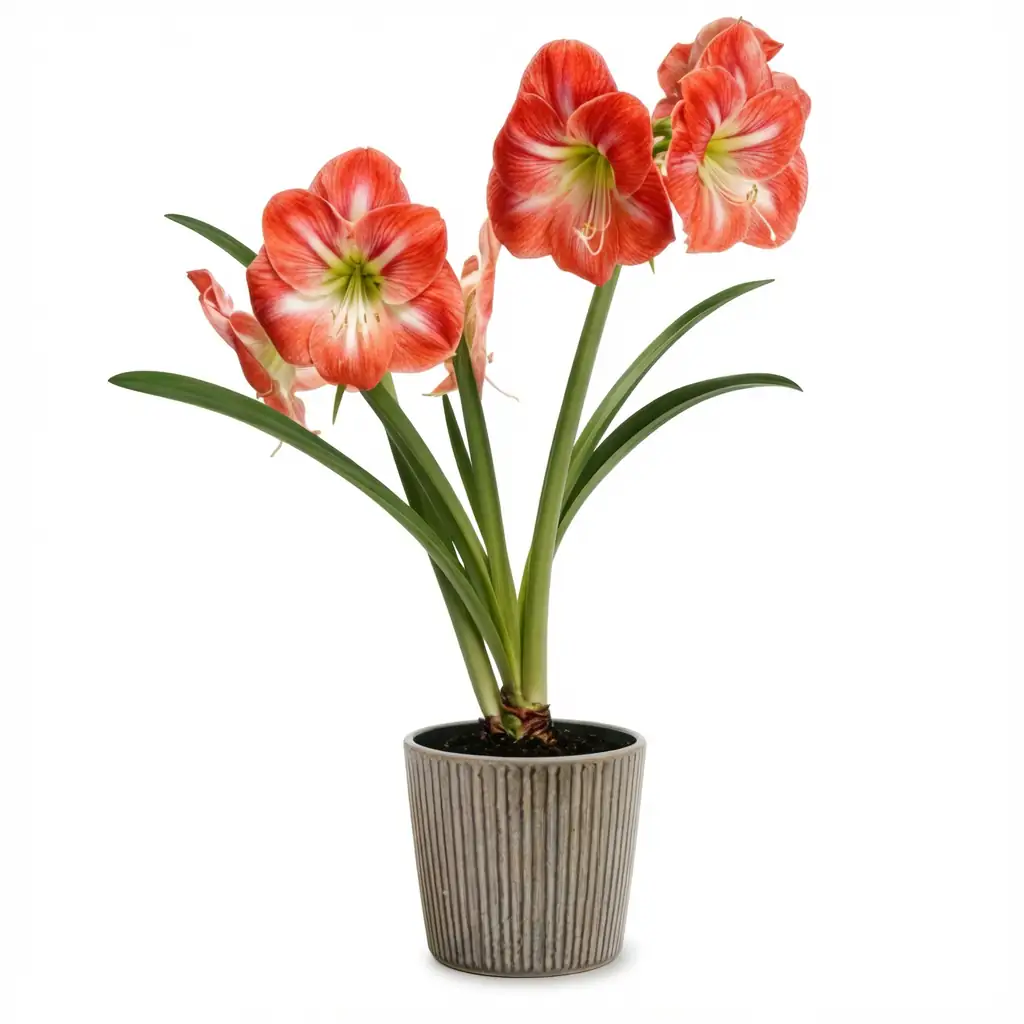
- Size: In bloom, typically about 30–60 cm (12–24 in) tall and around 30 cm (12 in) wide (varies by cultivar). Leaves can reach up to about 60 cm (24 in) long. For pots, a common container size is about 12–15 cm (4.7–5.9 in) in diameter, and the bulb is usually planted with roughly the top 1/3 above the soil line. Flowering-size bulbs are often around 24–26 cm (9.4–10.2 in) in circumference; “jumbo” bulbs around 34–36 cm (13.4–14.2 in) circumference may produce multiple stalks.
- Foliage: Leaves are long, strap-like, smooth and glossy, usually deep green and neatly arranged. Depending on cultivar and forcing, foliage may appear before the blooms or emerge alongside/after flowering. In very dry indoor air, lightly misting the leaves can help (avoid wetting open flowers).
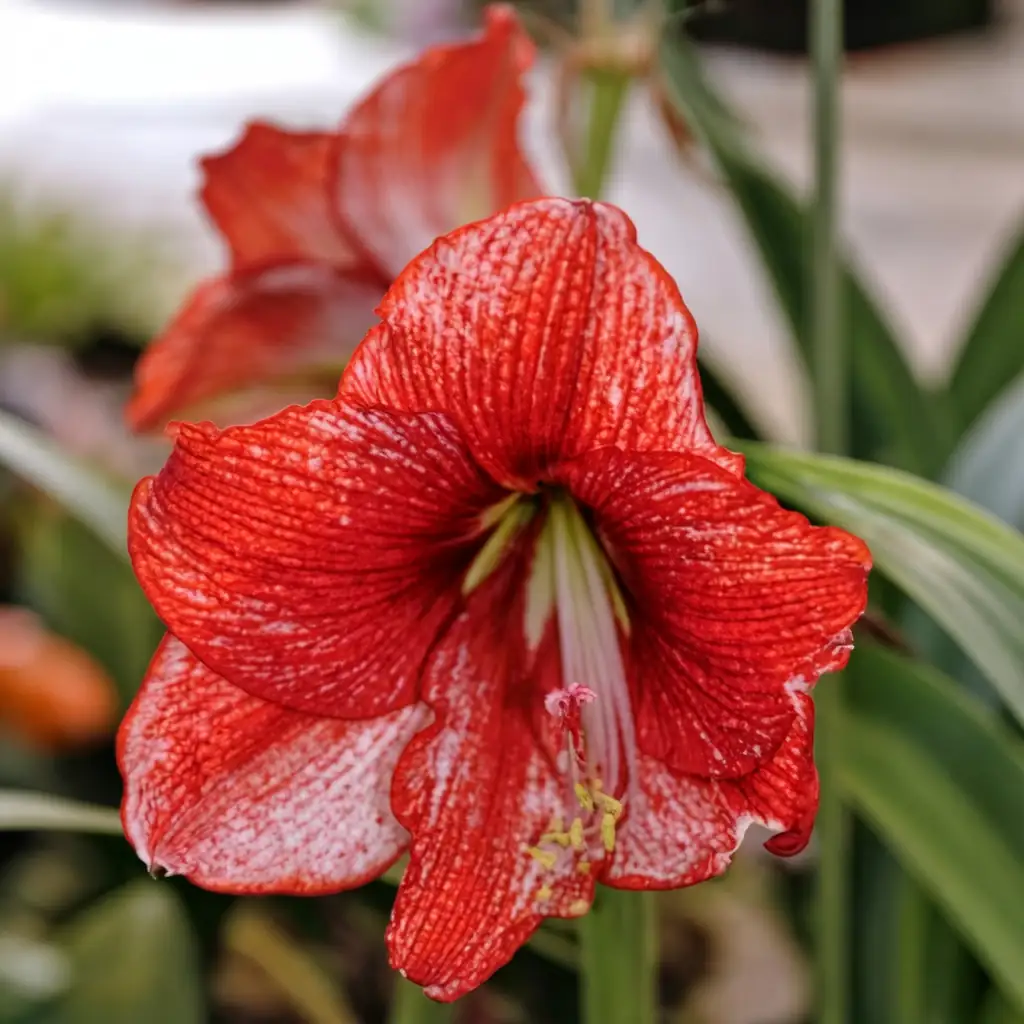
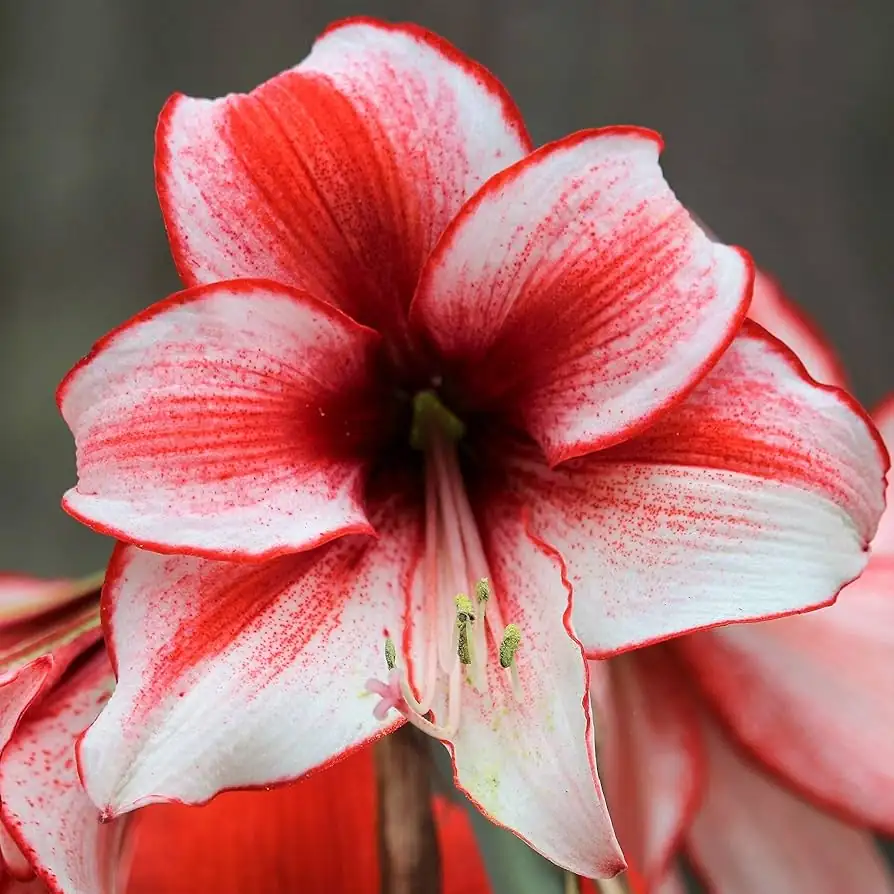
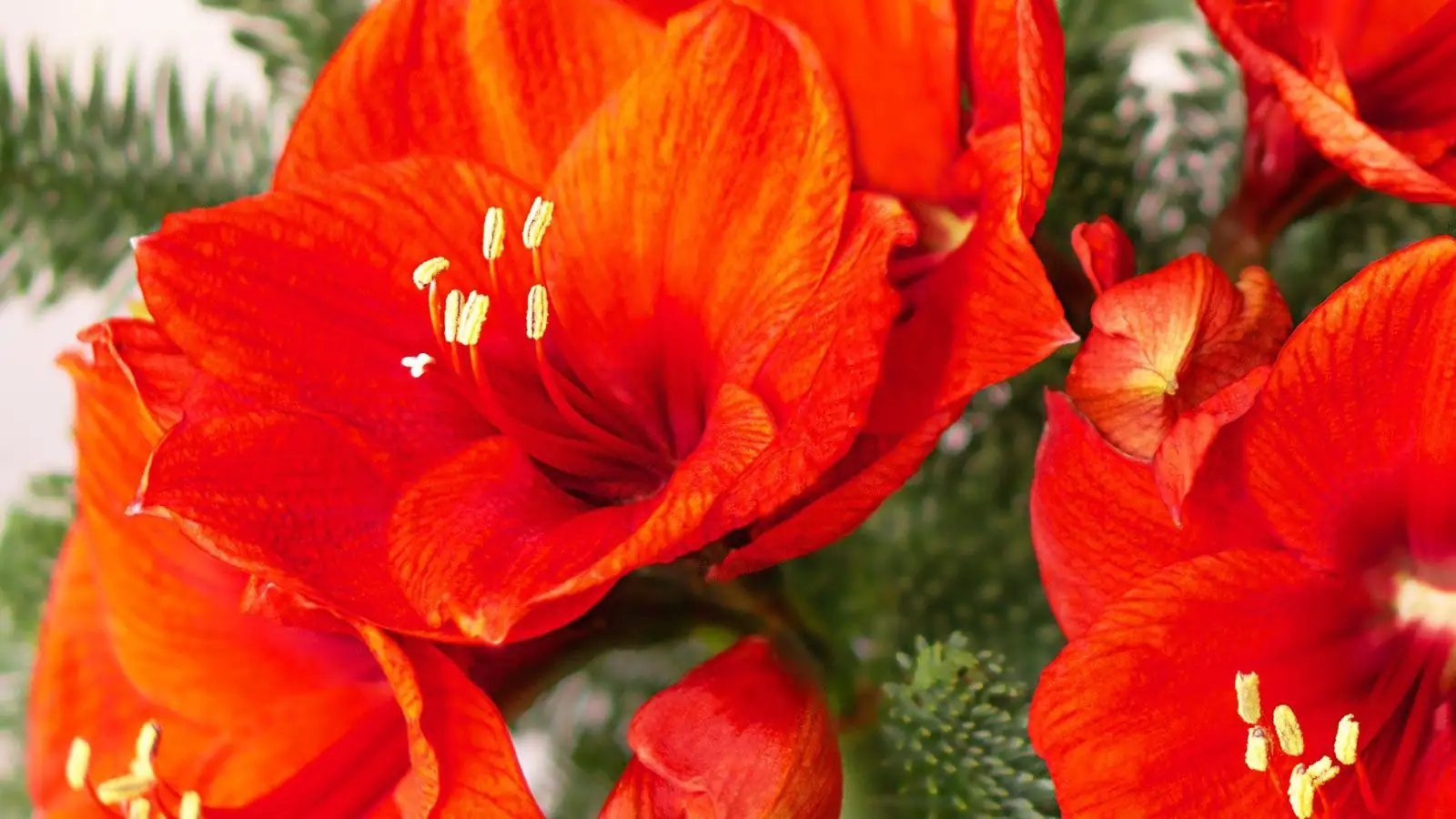
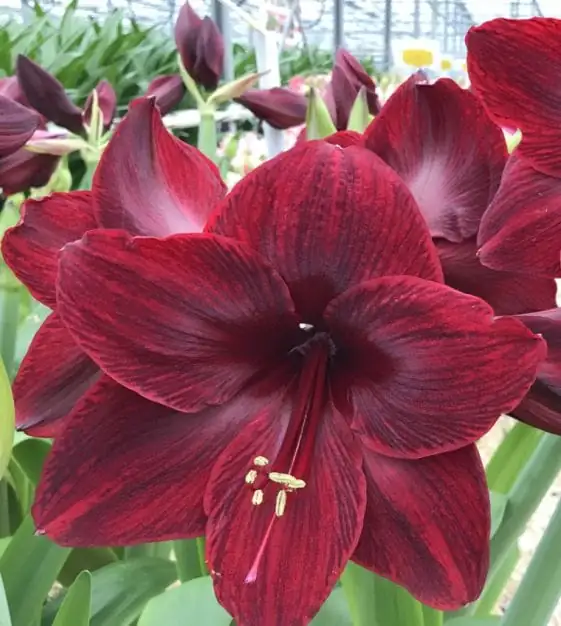
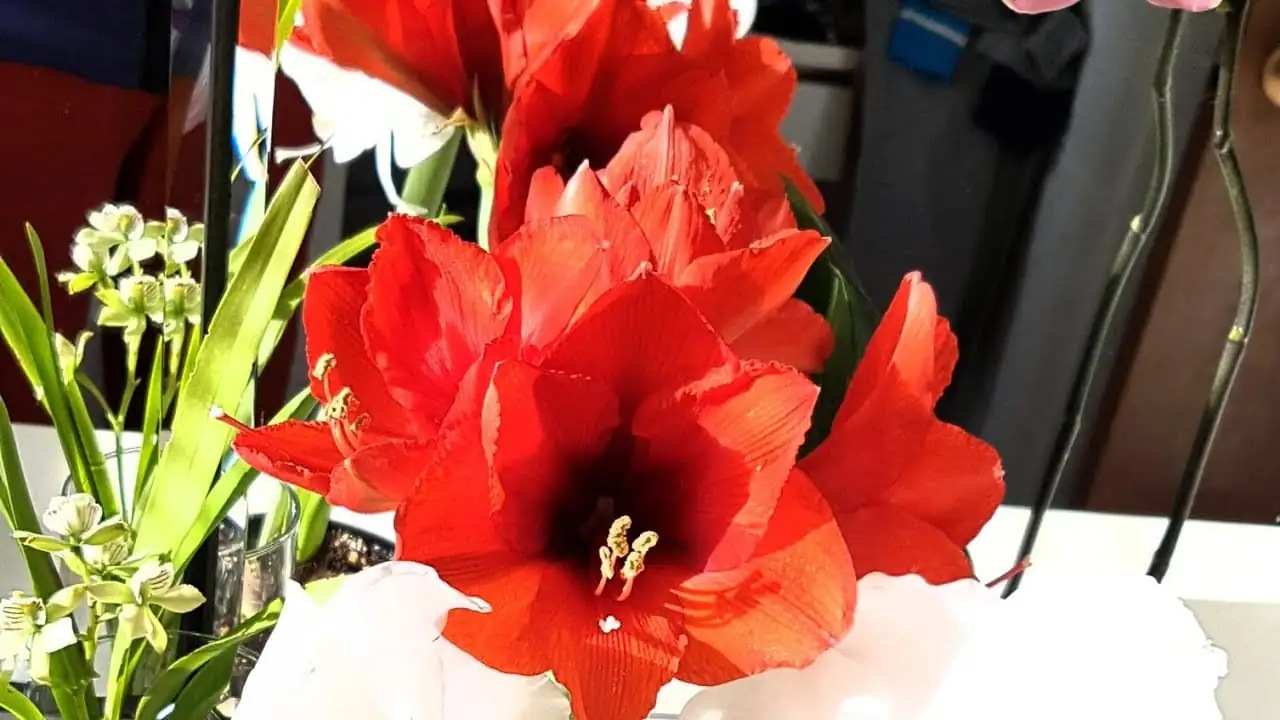
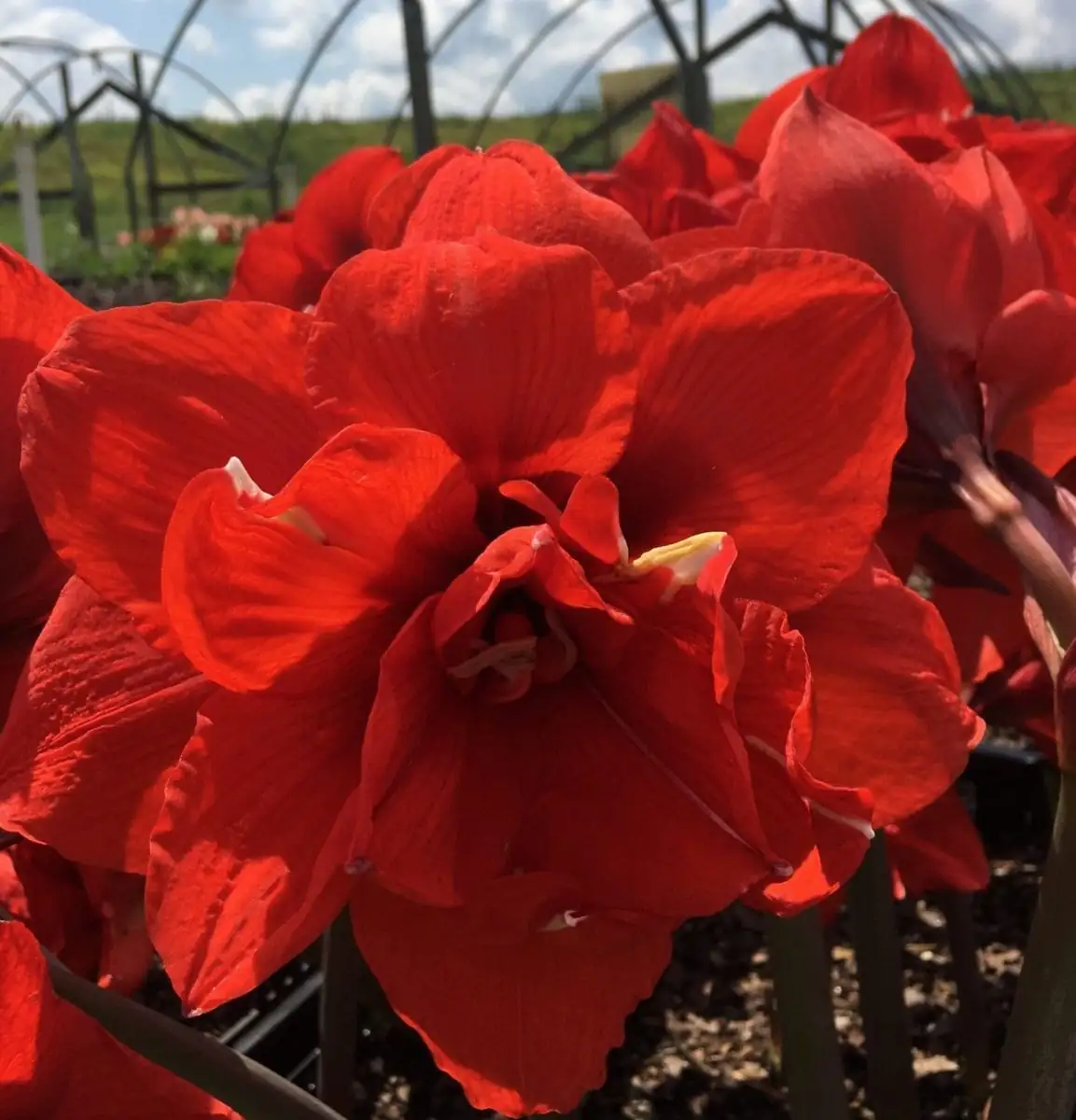
- Flower: Large, symmetrical, trumpet-shaped blooms carried on stout, upright, hollow stems. Each stalk typically bears 2–6 flowers in an umbel-like cluster. Individual flowers are often about 15–25 cm (6–10 in) long, and in many modern hybrids the bloom diameter can be strikingly large—up to about 23 cm (9 in). Colors range from white and soft pastels to vivid reds and oranges, with countless bicolors, stripes, and picotee edges; single, double, compact, and tall forms are all common.
- Flowering Season: Naturally spring to summer; commonly forced indoors to bloom in winter through early spring (often timed for December–March).
- Growth Habit: Bulb-forming perennial with upright flowering stems; grown as a seasonal indoor bloomer in cool climates and as a garden/perennial bulb in warm, frost-free areas.
Environment
Sunlight
Bright light is key. Give some direct sun (especially morning sun), but protect from harsh midday/afternoon scorch—an east or bright south window with a sheer curtain is ideal. When blooming, bright indirect light is fine; strong light also helps keep stems sturdy.
Temperature
Best growth around 20–25°C (68–77°F). Many do well in typical indoor ranges around 13–21°C (55–70°F). Once buds show, slightly cooler bright conditions can help flowers last longer. Not frost-hardy; keep above about 5°C (41°F). During dormancy/rest, cooler conditions around 10–13°C (50–55°F) are commonly used for reliable reblooming.
Humidity
Low to average household humidity is generally fine; moderate humidity is ideal. If air is very dry, increase humidity around the leaves (not the flowers) to discourage spider mites.
Soil
A fertile but free-draining potting mix (all-purpose mix improved with coarse sand/perlite/grit). Aim for a slightly acidic to neutral pH, and prioritize drainage to prevent bulb rot.
Placement
Indoors: bright windowsills, living rooms, entryways—away from drafts and heat blasts. Outdoors (in warm seasons/areas): patio or balcony with bright light and midday protection; can be moved outside after frost risk passes and brought back before cold weather. Once buds appear, moving the pot to a cooler bright spot can extend the bloom show.
Hardiness
Tender bulb: generally suited outdoors year-round only in warm regions roughly USDA Zone 9–11; elsewhere grown as a houseplant or lifted/stored. Not frost-tolerant and sensitive to waterlogging.
Care Guide
Difficulty
Easy for the first bloom (most bulbs are sold with flower buds already formed). For repeat blooming, care is moderate: strong light, sensible watering, feeding after flowering, and a proper dry rest period make the difference.
Buying Guide
Pick the biggest, firmest bulb you can—size matters for flower count. Avoid bulbs that feel soft, light, shriveled, moldy, or damaged, and look for healthy roots if present. For potted plants, choose specimens with tidy deep-green leaves, thick upright stalks, and blooms just starting to open. As a rough guide, bulbs around 24 cm (9.4 in) circumference usually flower reliably; very large “jumbo” bulbs (about 34–36 cm / 13.4–14.2 in circumference) can produce multiple stalks.
Watering
Start sparingly after potting—too much water before growth is the fastest route to rot. Once a flower stalk or leaves appear, water when the top 2.5 cm (1 in) of mix feels dry, keeping it evenly moist but never soggy and never leaving standing water in the saucer. Avoid pouring water into the bulb neck/crown. After flowering, continue steady (but careful) watering while leaves grow and the bulb “recharges.” During the rest/dormancy phase, keep the bulb much drier and, for many rebloom routines, stop watering entirely until restarting growth.
Fertilization
Feed during active growth. A common rhythm is every 2 weeks with a balanced liquid houseplant fertilizer; some growers add a one-time bloom-boost (higher phosphorus/potassium) when the flower stalk emerges. After flowering, keep feeding (often every 2–3 weeks) while the leaves are green so the bulb can store energy. Stop fertilizing when you begin the dry rest/dormancy period.
Pruning
Deadhead spent blooms to keep things tidy and to prevent seed production from draining energy. Once all flowers on a stalk finish, cut the stalk down near the bulb. Keep the leaves until they yellow naturally—those leaves are the bulb’s “solar panels.” Remove yellowing/dead leaves at the base. Handle pots gently; tall stalks can snap if knocked, and moving the pot constantly can shorten display time.
Propagation
Most commonly by offsets (bulblets) produced beside the mother bulb—separate during repotting when offsets are large enough to handle, then pot with the top third exposed. Offsets typically take about 2–3 years to reach flowering size. Seed is also possible: sow in late spring/early summer (often May–June), lightly cover, keep warm at about 18–22°C (64–72°F), and expect germination in roughly 20 days; seedlings commonly take about 3–6 years to bloom (often ~3–4 years under good conditions). Commercial production may use basal cuttings and tissue culture.
Repotting
Repot about every 2–3 years or when crowded. Use a pot only about 2.5–5 cm (1–2 in) wider than the bulb—amaryllis often bloom best slightly snug. Plant with about the top 1/3 of the bulb above the soil line to reduce rot. A popular timing is late winter after rest, or during/after the dry rest period; some growers also combine repotting with offset division in February–March.
📅 Seasonal Care Calendar
Winter (Bloom/Display): Start watering lightly; keep in bright light. Once buds show, move to a slightly cooler bright spot to extend bloom life.
After Bloom (Recharge Phase): Cut spent stalks, keep leaves growing in strong light; water when the surface dries and feed regularly for several months.
Late Summer–Autumn (Rest/Dormancy): Gradually reduce water, then keep the bulb dry for about 8–10 weeks (often in a cool, frost-free spot around 10–13°C / 50–55°F). Stop feeding.
Restart/Forcing: Bring back to warmth and bright light, repot if needed, resume watering. Flowers typically follow about 6–8 weeks after growth restarts (timing varies by cultivar and conditions).
Pests, Diseases & Safety
Common Pests & Diseases
Watch for bulb rot from overwatering or poorly drained mix—prevention is better than cure. Red blotch/red scorch (Stagonospora curtisii) can cause red lesions on leaves and stalks; improve airflow, remove badly affected tissue, and use an appropriate fungicide if needed. Common indoor pests include mealybugs, scale, and spider mites (mites are more likely in dry air—raise humidity around foliage and wash leaves; treat with insecticidal soap/horticultural oil as needed). Viral issues can cause distortion and decline; discard severely affected plants and control vectors such as aphids/mites.
Toxicity
Toxic if ingested (especially the bulb). Like many Amaryllidaceae, it contains alkaloids (including lycorine) that can cause nausea, vomiting, diarrhea, drooling, and stomach pain; sap may irritate sensitive skin. Keep away from children and pets, and seek veterinary/medical advice if ingestion is suspected.
Culture & Symbolism
Symbolism: Often linked with pride, strength, determination, and radiant beauty—basically the floral version of “stand tall and shine.” In Victorian flower language it’s sometimes read as “splendid beauty” and celebration of achievement.
History & Legends: Although sold almost everywhere as “amaryllis,” most holiday bulbs are actually Hippeastrum hybrids from the Americas. The name “amaryllis” traces back to Greek myth, where a devoted shepherdess’s love is said to have sparked the first crimson blooms. Meanwhile, the botanical name Hippeastrum comes from Greek for “knight/horseman” and “star,” a nod to the starry markings seen in some wild species.
Uses: Primarily ornamental: a star indoor bulb for winter and early-spring color, a striking patio/balcony plant in warm weather, and an excellent cut flower with sturdy stems. In mild, frost-free climates it can be planted in beds and borders for bold seasonal displays. (Research has explored medicinal compounds in the broader group, but it’s not a home herbal plant due to toxicity.)
FAQ
How do I get my amaryllis to rebloom next year?
After flowering, keep the leaves in very bright light and continue watering and feeding for several months so the bulb can recharge. In late summer/early autumn, gradually reduce watering and give it a dry, cool rest for about 8–10 weeks (around 10–13°C / 50–55°F works well). Then bring it back to warmth and bright light, resume watering, and blooms usually follow in about 6–8 weeks.
Why is the flower stalk leaning or falling over?
The stems are hollow and the flowers are heavy—especially in warm rooms or low light where stems stretch. Give stronger light, rotate the pot for even growth, and stake gently if needed. Keeping it slightly cooler once buds show can also help slow stretching and extend bloom life.
Can I plant amaryllis outdoors?
Yes, but only where it won’t freeze—roughly USDA Zone 9–11. In cooler areas, many people move potted plants outdoors after the last frost for summer growth, then bring them back indoors before temperatures drop.
How should I water it so the bulb doesn’t rot?
Water lightly until you see active growth, then keep the mix evenly moist but never soggy. Let the top 2.5 cm (1 in) dry between waterings, make sure the pot drains freely, and avoid pouring water directly into the bulb’s neck/crown.
Is it poisonous to pets?
Yes—especially the bulb. Keep it out of reach of cats, dogs, and small children, and contact a vet/doctor if ingestion is suspected.
What about waxed amaryllis bulbs?
Waxed bulbs are designed for a one-time show (they bloom using stored energy). You can sometimes remove the wax and pot the bulb afterward, but success varies—traditional potted bulbs are the best choice if you want reliable reblooming.
Fun Facts
- Most “amaryllis” sold for winter indoor bloom are Hippeastrum hybrids—not the true Amaryllis (Amaryllis belladonna), which is native to South Africa.
- Bulbs are often sold with flower buds already formed inside, which is why the first bloom can feel almost foolproof.
- Leaving about the top third of the bulb above the soil line helps reduce rot and improves stability in the pot.
- Flower timing for the holidays isn’t the plant’s natural schedule—growers use controlled rest periods to ‘program’ bloom time.
- With good care and repeat recharge/rest cycles, a single bulb can live and flower for decades.