Plant Features
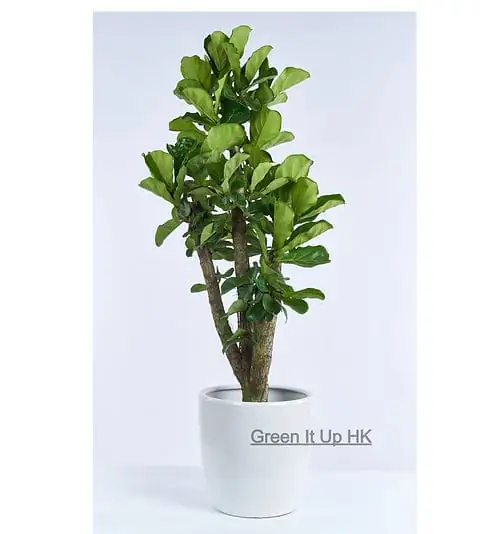
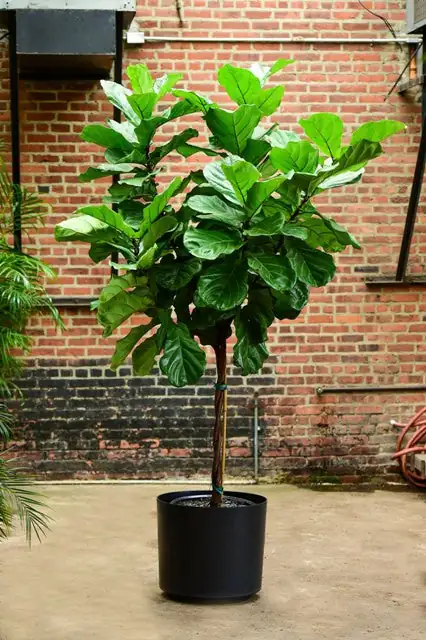
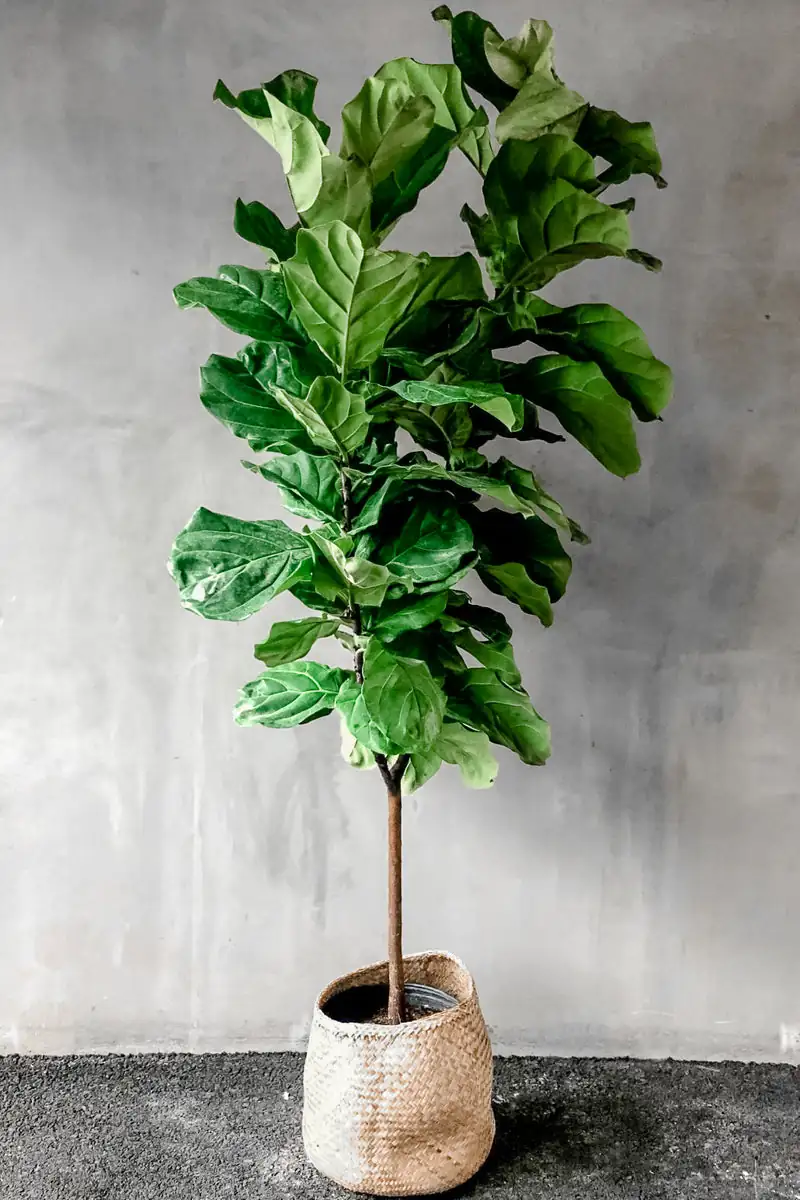
- Size: Indoors typically 1.8–3 m (6–10 ft) tall and about 1.2 m (4 ft) wide with good care; can be kept smaller with pruning and pot size. Outdoors in warm climates/native habitat it can reach about 12–15 m (40–50 ft) or more.
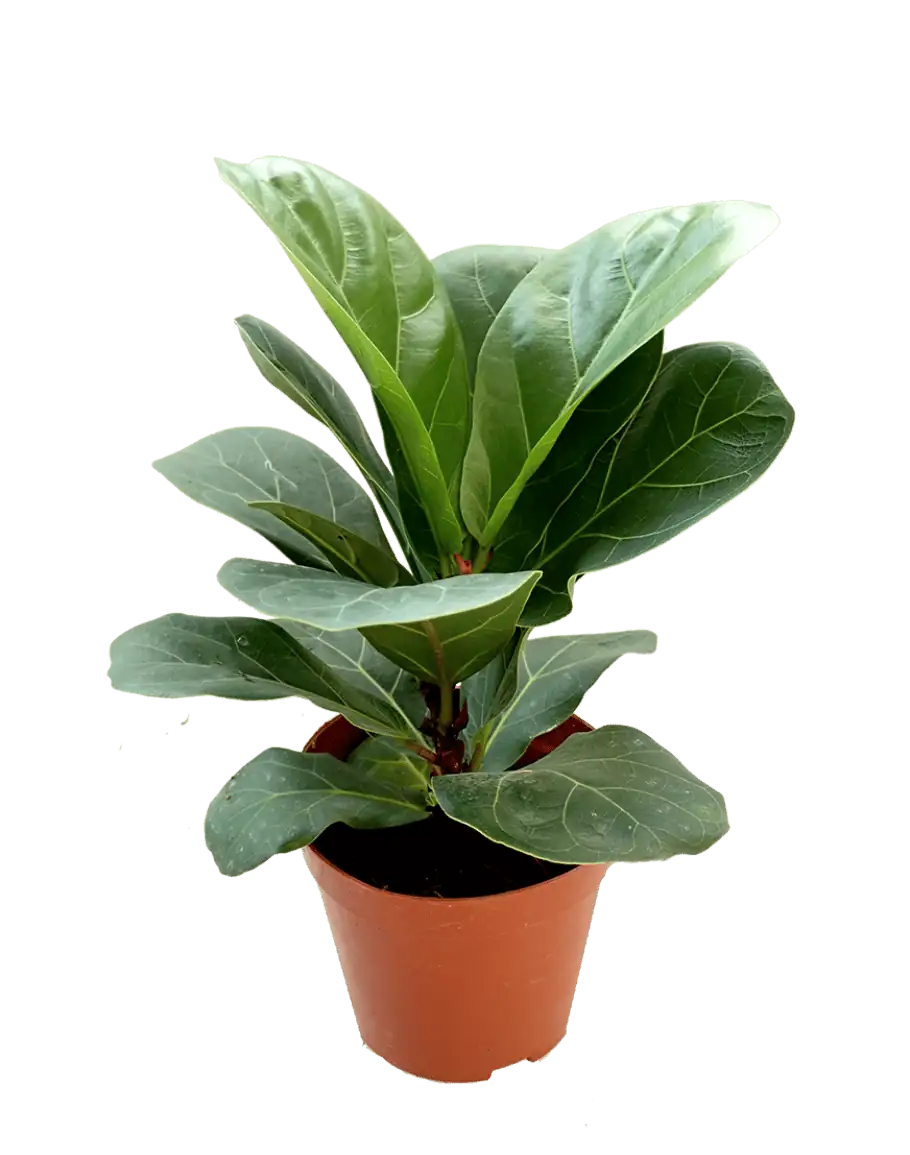
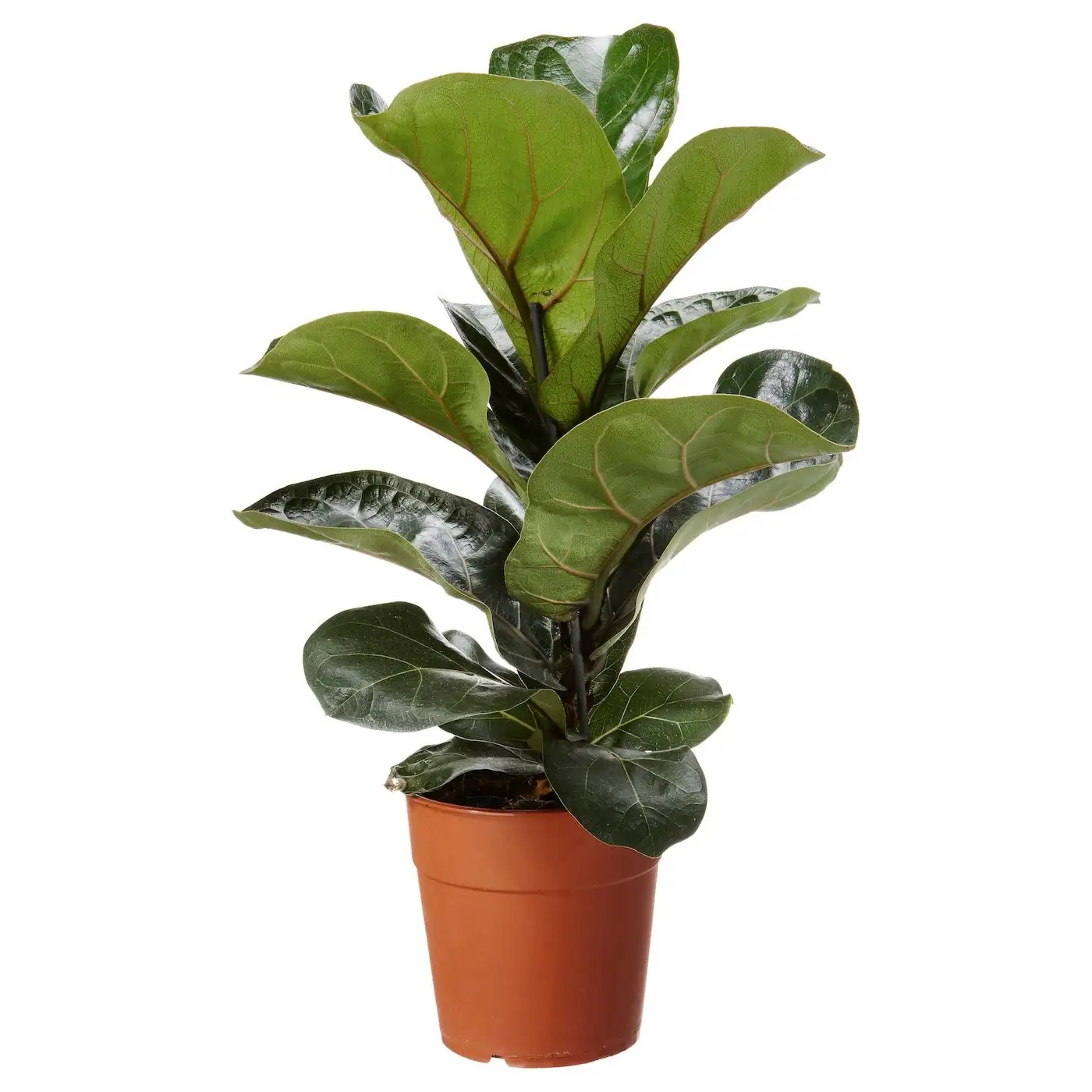
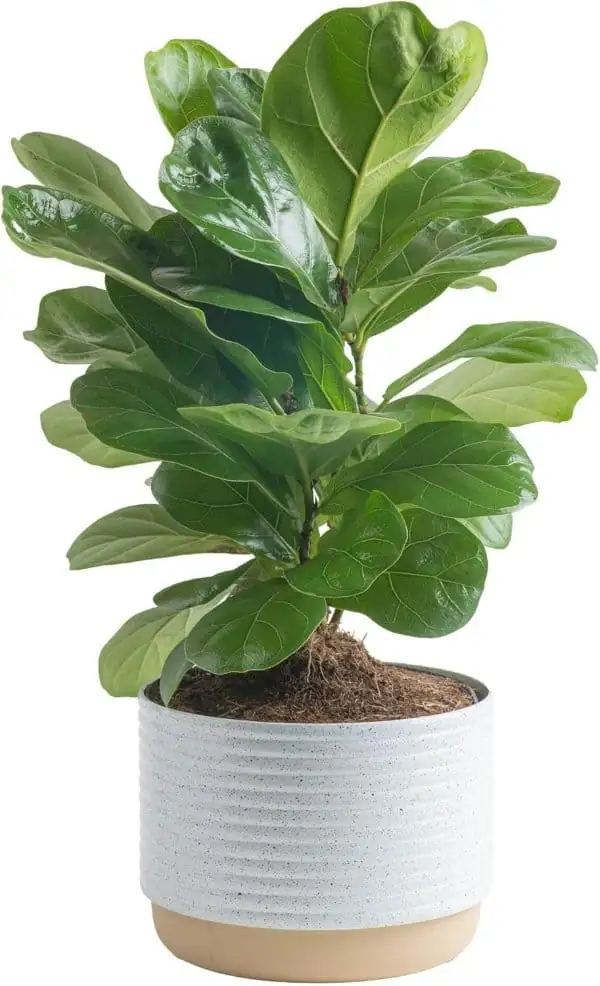
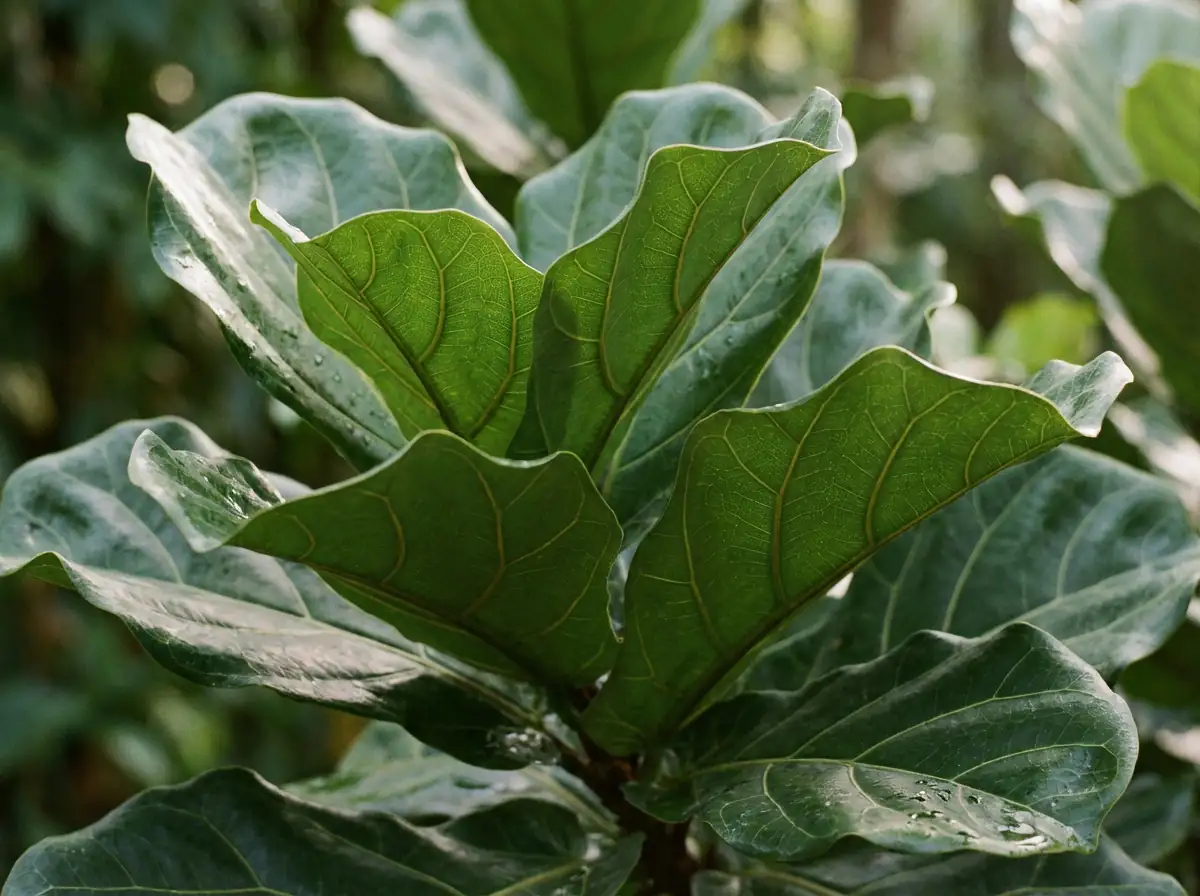
- Foliage: Leaves are large, thick, and leathery with slightly wavy edges, shaped like a violin/lyre. They’re usually glossy medium to deep green with distinctive lighter, prominent veins; mature leaves can reach about 45 cm (18 in) long and 25 cm (10 in) wide.
- Flower: Not grown for flowers. Indoors, flowering and fruiting are rare; when it does reproduce, the “flower” is actually hidden inside a small fig structure (a syconium). In suitable outdoor conditions it may form small green figs that mature to greenish-brown.
- Flowering Season: Rare as a houseplant; in warm natural habitat it may flower/fruit intermittently rather than in a dramatic seasonal display.
- Growth Habit: Upright, evergreen, tree-like habit with a strong trunk and branching canopy (branching can be encouraged with pruning). Compact cultivars like ‘Bambino’ stay denser with smaller leaves.
Environment
Sunlight
Bright, indirect light for best growth (around 6 hours a day is ideal). It can tolerate lower light but becomes slower and leggier. Gentle morning sun is usually fine, but harsh midday/afternoon direct sun—especially through a hot west-facing window—can scorch leaves.
Temperature
Best at 15–24°C (59–75°F) with steady conditions. Keep above about 10°C (50°F); avoid cold drafts and sudden temperature swings.
Humidity
Handles average home humidity, but looks best around 40–60% with decent airflow. Keep away from drying heaters and blasting AC/vents; extra humidity can help reduce crispy edges and mite problems.
Soil
Fast-draining, airy mix in a pot with drainage holes. A peat-based houseplant mix cut with perlite (about 3:1), or roughly a 50/50 blend of cactus mix and regular houseplant mix works well. Slightly acidic to neutral is fine (around pH 6–7).
Placement
A stable, bright spot near a large window with filtered light (south-facing with sheer curtain in the Northern Hemisphere, or bright east/west light). Great for living rooms, offices, and bright entryways—just keep it away from drafts, radiators, and vent blasts.
Hardiness
USDA Zones 10–12; not frost tolerant and usually grown as a houseplant outside those zones.
Care Guide
Difficulty
Moderate overall: easy once you nail the routine, but it can be fussy about changes. Bright light, excellent drainage, and not overwatering are the big keys.
Buying Guide
Pick a plant with firm, glossy, unblemished leaves and a sturdy trunk. Avoid lots of yellowing leaves, mushy stems, heavy spotting, or a sour smell from the potting mix (often a sign of root issues). Check undersides of leaves and nodes for pests—especially spider mites (tiny moving dots and fine webbing)—and make sure the pot has drainage holes.
Watering
Water when the top layer dries out—commonly when the top 5 cm (2 in) of mix feels dry. Water thoroughly until it drains, then empty the saucer. Letting the soil stay constantly wet is the fastest route to root rot, so err on the side of slightly dry rather than soggy. In winter, water less and keep the mix only lightly moist.
Fertilization
During spring and summer, feed regularly: either a balanced liquid fertilizer monthly at 1/2 strength, or every 2–4 weeks depending on your product and growth rate. Many growers use a slightly higher-nitrogen approach (around a 3:1:2 ratio) to support leafy growth. Reduce or pause feeding in fall/winter if growth slows.
Pruning
Prune in spring to early summer to shape, control height, and encourage branching. Remove damaged leaves any time. Make clean cuts just above a node; topping the main stem once it’s about 1.5 m (5 ft) tall can encourage a fuller canopy. The milky sap can irritate skin—wear gloves and wipe tools.
Propagation
Most often by stem cuttings in spring/summer. Take a cutting with several nodes, remove lower leaves, and root in water or a warm, airy medium (rooting hormone helps). In water, roots may appear in about 2–3 weeks; pot up once roots are about 2.5–5 cm (1–2 in) long. Air-layering is also a reliable option for larger plants.
Repotting
Young plants may be repotted yearly in spring; many indoor plants do well with repotting every 2–3 years or when roots emerge from drainage holes. Move up just one size (about 5 cm / 2 in wider). If it’s too large to repot, refresh the top 7.5–10 cm (3–4 in) of mix instead.
📅 Seasonal Care Calendar
Spring: prime time for repotting, pruning, and propagation; resume feeding and consistent watering as growth ramps up. Summer: keep up watering and feeding; protect from harsh direct sun; it can go outdoors only if nights stay above about 15°C (60°F). Fall: slow down feeding and let the top dry a bit more between waterings. Winter: minimal growth—water sparingly, stop or reduce fertilizer, and keep it away from cold drafts and heat vents.
Pests, Diseases & Safety
Common Pests & Diseases
Common pests include spider mites (fine webbing), scale (brown bumps), mealybugs (cottony clusters), aphids, and thrips—often worse in dry indoor air. Improve light and airflow, and treat early with insecticidal soap, neem oil, or horticultural oil. The most common care-related disease is root rot from overwatering/poor drainage; stress from low light, drafts, or inconsistent watering can also trigger leaf drop. Bacterial leaf spot can occur, especially when leaves stay wet and airflow is poor.
Toxicity
Toxic/irritating: the milky latex sap can irritate skin and eyes. If chewed or ingested, it may cause mouth and stomach irritation, drooling, and vomiting in people and pets (cats and dogs). Keep out of reach of children and animals and wash hands after handling.
Culture & Symbolism
Symbolism: Often linked with abundance, prosperity, and steady growth—plus a bold, confident presence in a room. In feng shui-inspired spaces, it’s commonly used to represent uplifting, positive energy and expansion.
History & Legends: A West African rainforest native that’s been grown indoors for generations, the fiddle leaf fig became a true modern icon in the 2010s as interior design blogs and Pinterest-style décor made its dramatic leaves the ultimate “statement plant.” In nature, it’s part of complex tropical forest communities, where figs play important ecological roles.
Uses: Primarily ornamental as a dramatic indoor tree for homes, offices, hotels, and bright commercial spaces. Like many leafy houseplants, it can contribute modestly to indoor comfort by adding greenery and a bit of humidity; it’s also popularly described as an “air-purifying” plant in houseplant culture.
FAQ
How often should I water my fiddle leaf fig?
Water when the top 5 cm (2 in) of soil is dry, then soak thoroughly and let it drain. Many homes land around weekly in bright conditions, but it varies with light, pot size, and season—winter usually needs less.
Why are my fiddle leaf fig leaves turning brown?
Brown spots often point to overwatering/root stress, while brown crispy edges can come from low humidity or temperature swings. Pale, bleached patches usually mean sunburn from strong direct light.
Why is my fiddle leaf fig dropping leaves?
Leaf drop is usually stress: not enough light, watering swings, soggy soil, cold drafts, or being moved. Keep conditions stable, increase bright indirect light, and water only after the top dries.
Can it handle direct sun?
A little gentle morning sun is often fine, but strong midday/afternoon sun can scorch leaves indoors. Bright, filtered light is the safest goal.
How tall can it grow indoors?
Commonly around 1.8–3 m (6–10 ft) indoors, and you can manage height with pruning and pot size.
Fun Facts
- The species name “lyrata” refers to a lyre—matching the leaf’s violin/lyre shape.
- What seems like a fig “flower” is actually a hidden inflorescence tucked inside the syconium (the fig structure).
- In the wild, many figs (including relatives of Ficus lyrata) can begin life as canopy seedlings and send roots downward—one reason the group is famous for dramatic growth strategies.
- Those tiny raised pale dots sometimes seen on leaves are lithocysts—specialized cells that contain calcium carbonate crystals.