

Plant Features
- Size: Typically 30–100 cm (1–3 ft) tall depending on variety.
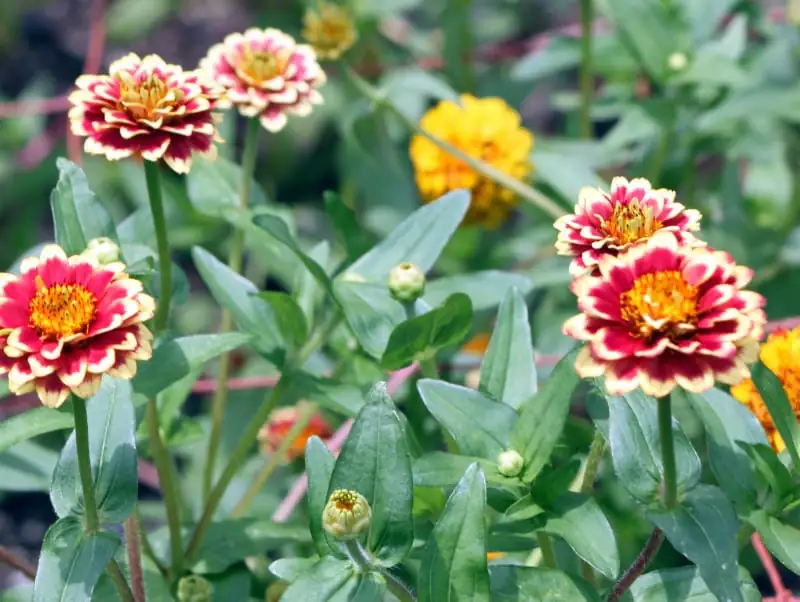
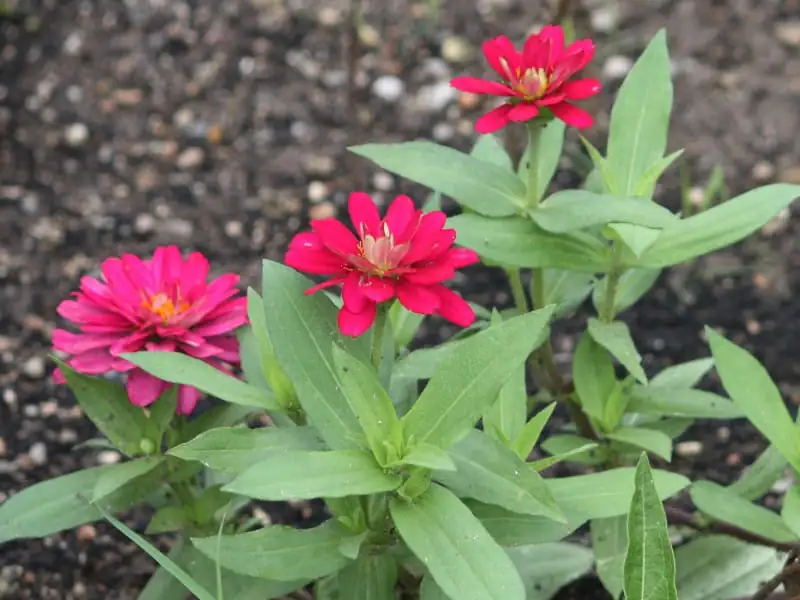
- Foliage: Leaves are broad oval to oblong-elliptic with a noticeably rough texture on both surfaces. They are about 5–10 cm (2–4 in) long and 2.5–5 cm (1–2 in) wide, clasp the stem at the base, and often show three prominent veins.
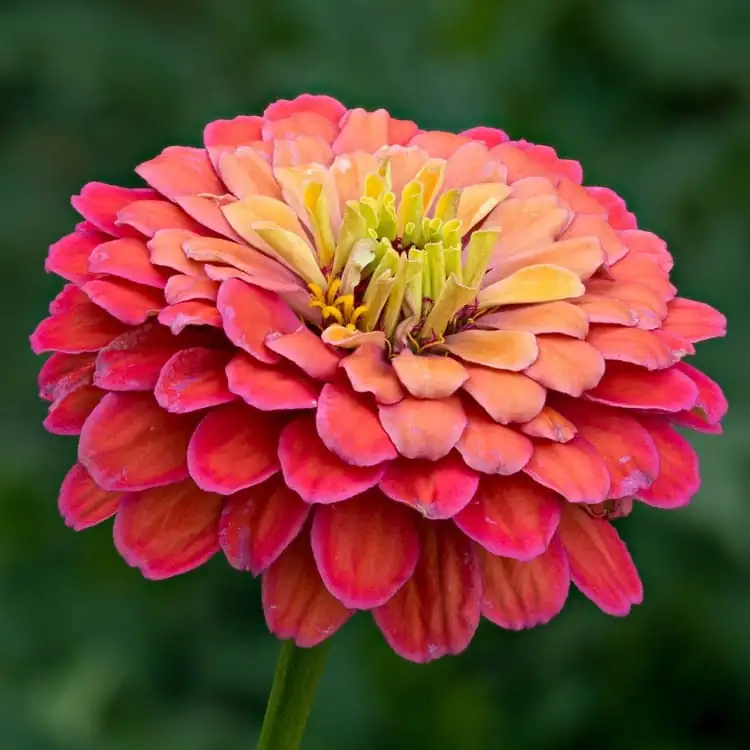
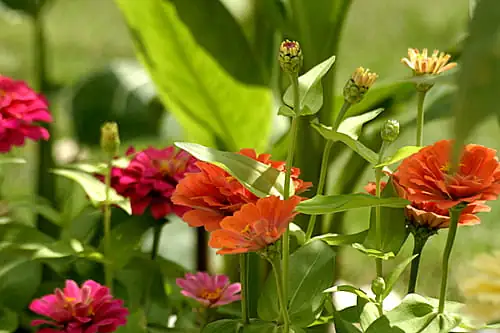
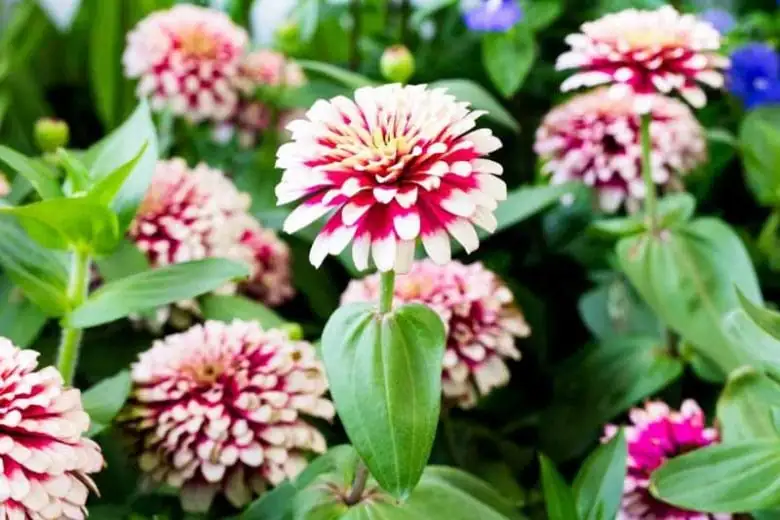
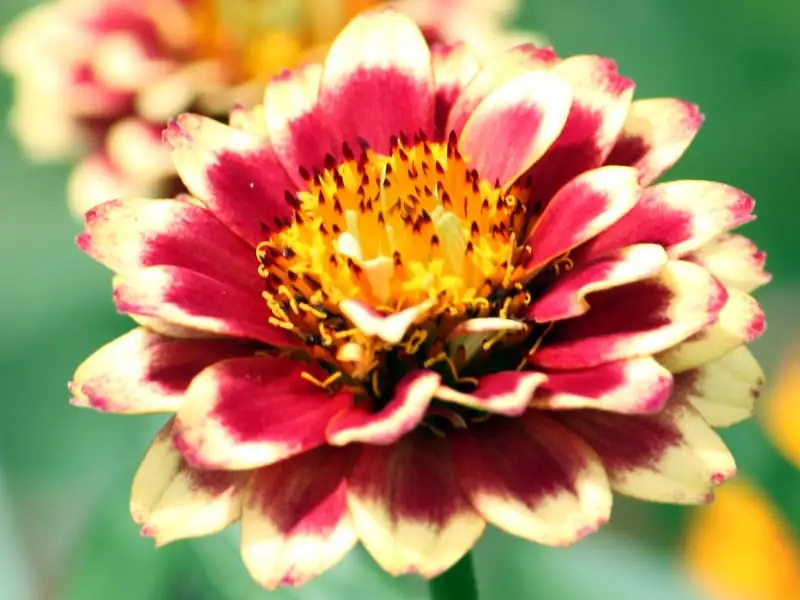
- Flower: Flower heads are usually about 5–6.5 cm (2–2.6 in) across and sit singly at the tips of branches. Petal-like ray florets come in many colors (including deep red, rose, purple, and white), while the central disc florets are typically yellow to orange. Cultivars range from simple singles to fully double, curled, and ruffled forms.
- Flowering Season: June to September in many climates, often flowering continuously for around 100 days and persisting until frost.
- Growth Habit: An upright, branching annual with hairy stems and a strong root system that helps it stay standing (resists lodging).
Environment
Sunlight
Full sun is best—aim for at least 6+ hours of direct light daily for strong stems and maximum flowering.
Temperature
Thrives in warm conditions; roughly 15–30°C (60–85°F) is ideal. Not cold-hardy and will be damaged or killed by frost.
Humidity
Prefers evenly moist conditions during establishment, but once rooted it handles short dry spells well. High humidity and wet foliage can encourage powdery mildew, so good airflow helps.
Soil
Fertile, deep, well-draining soil produces the best plants. It tolerates poorer soils but dislikes soggy ground. Enriching with organic matter helps; avoid repeatedly replanting in the exact same spot to reduce disease pressure.
Placement
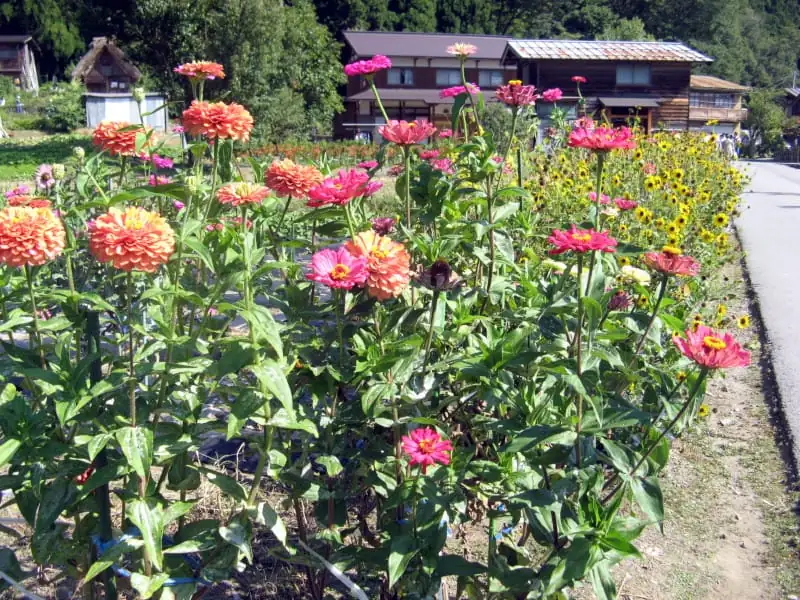
Sunny borders, beds, mixed plantings, cutting gardens, and containers—anywhere bright and airy. Excellent in pollinator gardens.
Hardiness
Tender annual; not frost-tolerant (effectively grown as an annual in most regions).
Care Guide
Difficulty
Easy—one of the most reliable, fast-reward flowers for beginners, especially in warm sunny sites.
Buying Guide
Pick plants with sturdy, upright stems, clean green leaves (no spotting), plump buds, and roots that look well-developed (not rotting, circling excessively, or showing pests/disease).
Watering
After transplanting, water regularly to keep soil lightly moist so roots establish quickly. Once growing strongly, water deeply when the top layer dries, focusing at the base in the morning to keep foliage dry and reduce mildew. Drought-tolerant once established, but bloom quality improves with consistent moisture during hot, dry spells.
Fertilization
Feed moderately: a balanced fertilizer (for example 20-20-20) a couple of times through the season, or use a slow-release fertilizer at planting. During active growth, diluted liquid feeds can be used weekly; avoid overfeeding with nitrogen (it can push leafy growth at the expense of flowers). When buds and blooms are the priority, a phosphorus/potassium-leaning feed (e.g., potassium dihydrogen phosphate) can support flowering. Nitrate-based nitrogen is often preferred over ammonium-heavy sources.
Pruning
Pinch young plants when they reach about 20–30 cm (8–12 in) tall by removing the top 7.5–10 cm (3–4 in) above a set of leaves to encourage branching and more flower stems. Deadhead spent blooms regularly to keep new flowers coming.
Propagation
Grown from seed. Seeds germinate quickly at about 22–25°C (70–77°F), often in 4–5 days. Direct sow outdoors after the last frost, or start indoors 4–6 weeks before the final spring frost and transplant once nights are reliably warm.
Repotting
Generally not needed as it’s an annual (for container culture, pot up only if a seedling outgrows its starter pot before planting out).
📅 Seasonal Care Calendar
Spring: sow indoors 4–6 weeks before last frost or direct sow once frost risk passes; plant out in full sun. Summer: peak growth—water at the base, feed lightly, pinch early for branching, and deadhead often. Fall: continues flowering until frost; reduce feeding as growth slows. Winter: plants are frost-killed; save seed from mature, dry flower heads if desired.
Pests, Diseases & Safety
Common Pests & Diseases
Powdery mildew can appear, especially in humid conditions or crowded plantings—prevent with spacing, strong sun, and watering at soil level in the morning. Aphids may also visit; a firm water spray or insecticidal soap can help if populations build.
Toxicity
Generally considered non-toxic to humans and pets.
Culture & Symbolism
Symbolism: Often associated with endurance, strong friendship, long-lasting affection, remembrance, and steady progress—sometimes linked to its habit of blooming repeatedly over a long season.
History & Legends: Zinnias are native to Mexico and entered European horticulture in the 18th century. The genus commemorates German botanist Johann Gottfried Zinn. They surged in popularity as breeders expanded the color range and flower forms, especially in the early 20th century. Some traditions describe ceremonial or symbolic uses in Indigenous cultures of the American Southwest and in Mexican heritage contexts, where their sun-bright colors made them meaningful in decorative and ritual settings.
Uses: Mainly grown as ornamentals and as excellent cut flowers thanks to their long flowering season and sturdy stems. They’re also outstanding pollinator plants—especially attractive to butterflies such as monarchs and swallowtails. Historically, some Indigenous uses have been recorded in folk practice (for example, poultices or washes), and the vivid petals have also been used for dyeing crafts.
FAQ
Why are they called zinnias?
They’re named for Johann Gottfried Zinn, a German botanist associated with early scientific description of the group.
Are zinnias easy to grow?
Yes—give them sun, warmth, and well-drained soil, and they usually take off quickly. They’re among the best “confidence booster” flowers for new gardeners.
How do I get more blooms from my zinnias?
Pinch early (when plants are about 20–30 cm / 8–12 in tall) to encourage branching, then deadhead often. Avoid excessive nitrogen and keep them in strong sun.
Do zinnias attract butterflies?
Very much so. Open-faced blooms with accessible centers are especially attractive, and planting a patch in full sun can turn into a butterfly hangout.
When should I cut zinnias for bouquets?
Try the “wiggle test”: hold the stem a bit below the flower and gently shake. If the stem stays stiff and upright, it’s ready to cut; if it flops, let it mature a little longer.
Fun Facts
- Zinnias were among the first flowers successfully grown and bloomed on the International Space Station (reported in 2016).
- Some varieties can produce very large blooms—up to about 15 cm (6 in) across under good conditions.
- They often keep flowering through intense summer heat when many other annuals pause.
- The old nickname “Youth-And-Old-Age” is linked to the way fresh-looking blooms can appear above older, fading flowers on the same plant.


