Plant Features
- Size: Typically a compact, low plant about 10–20 cm (4–8 in) tall. Flower heads are usually about 2–3.5 cm (0.75–1.5 in) across. As a potted plant, it’s commonly sold around 20 cm (8 in) tall or less in 12–15 cm (4.7–5.9 in) pots.
- Foliage: Leaves form a tight basal rosette close to the ground. They’re small, rounded to spoon-shaped, about 2–5 cm (0.75–2 in) long, bright to dark green and often slightly glossy, with subtly wavy or lightly serrated margins toward the tips. In parts of Europe, young leaves have traditionally been eaten as a salad green.
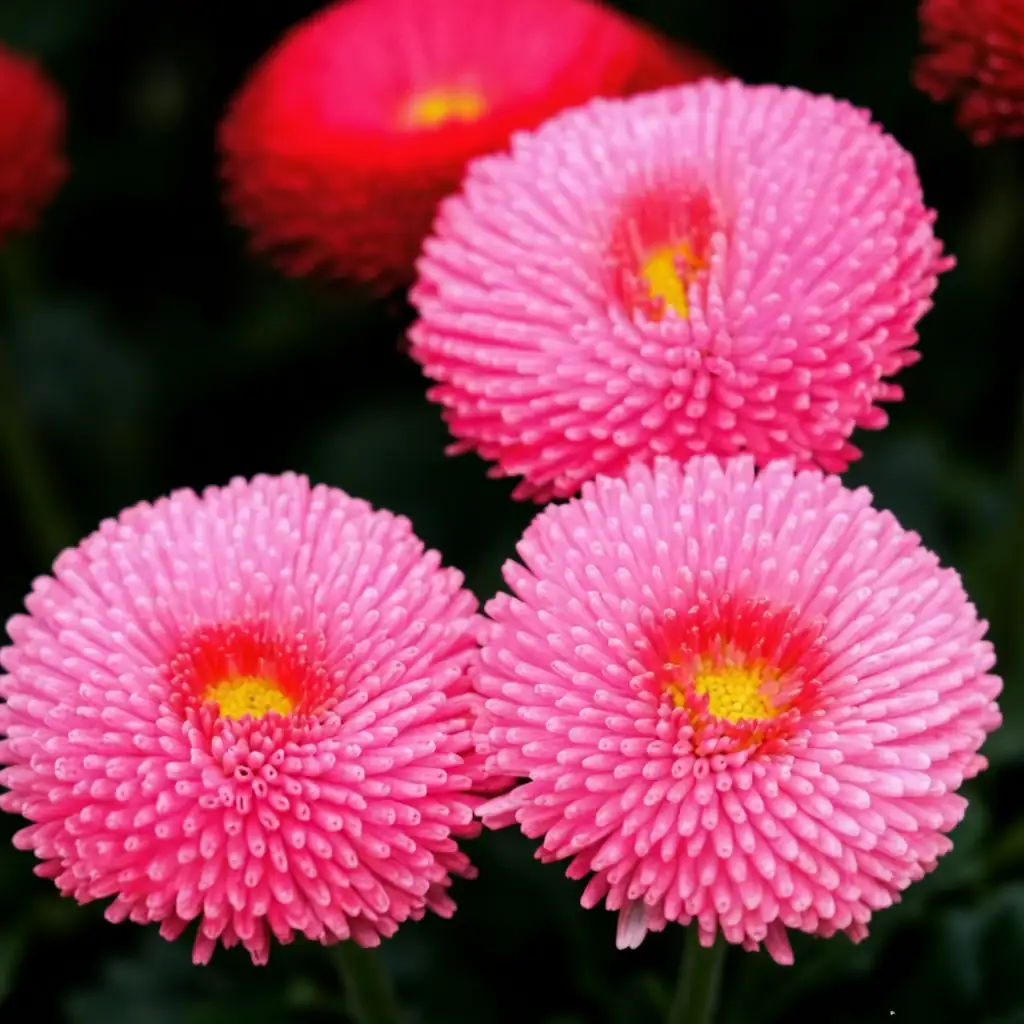
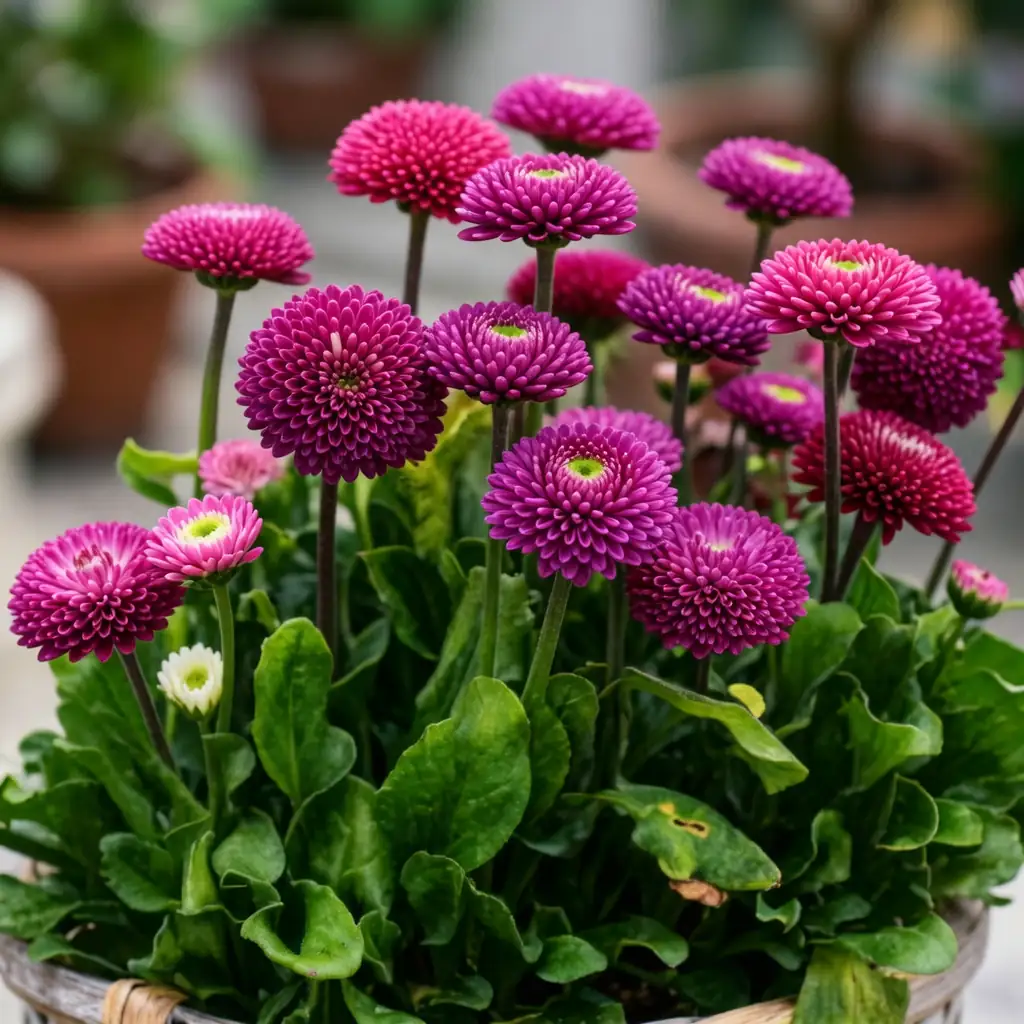
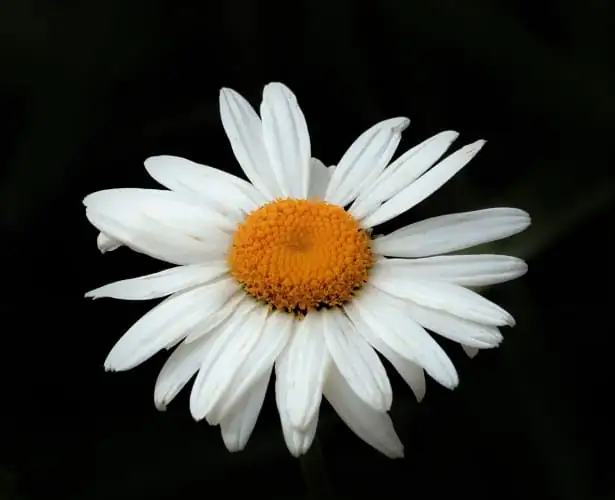
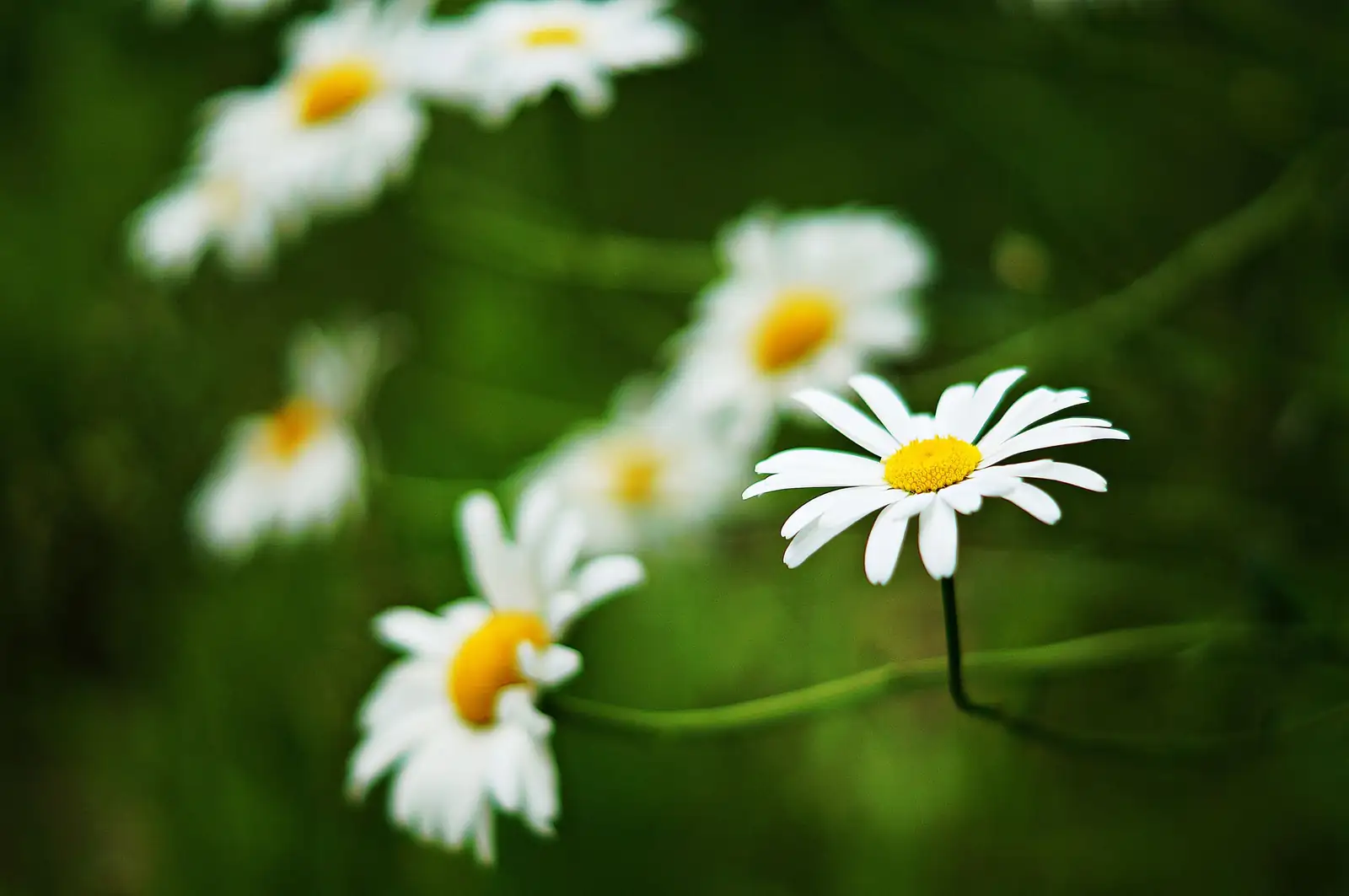
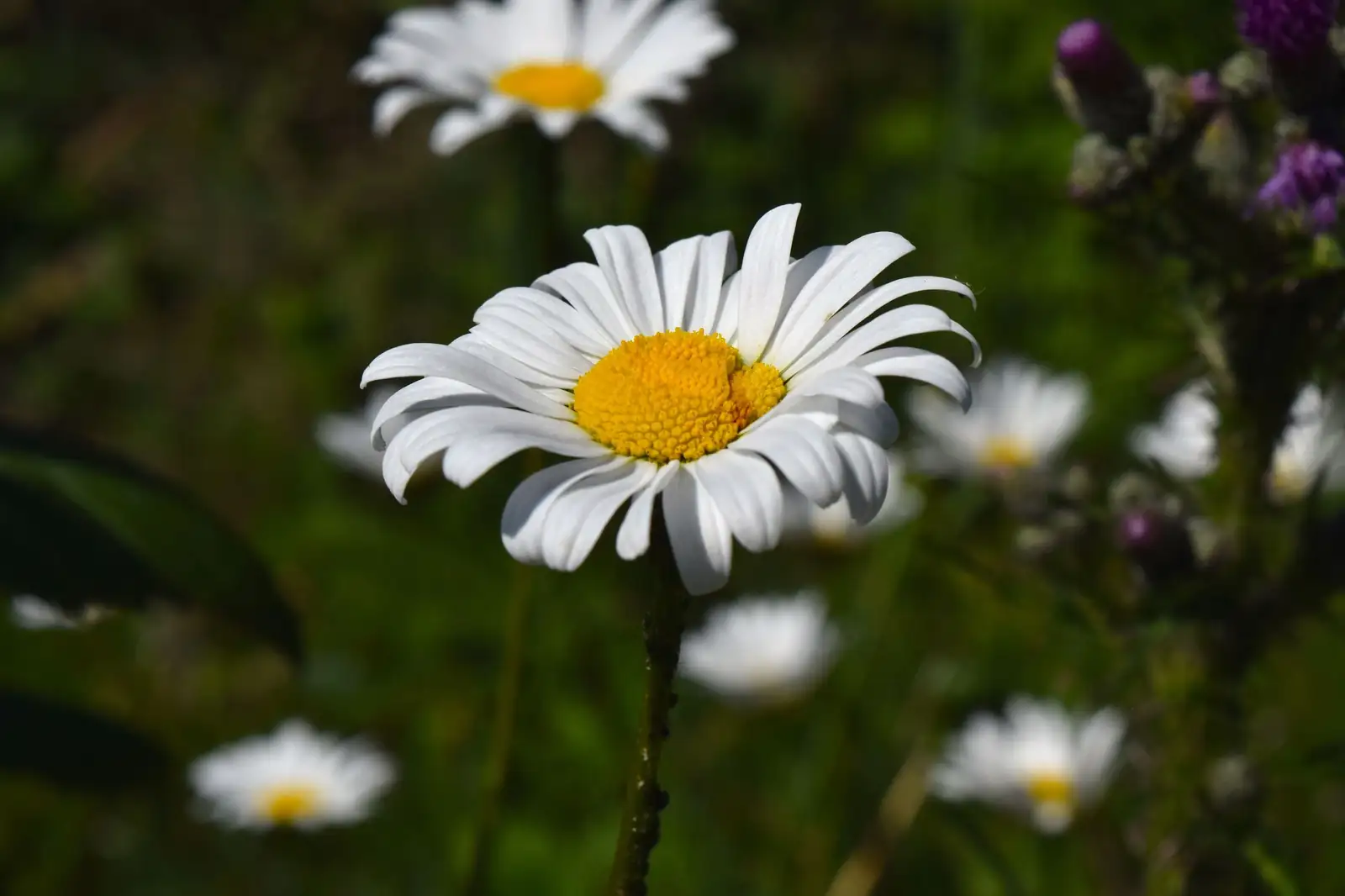
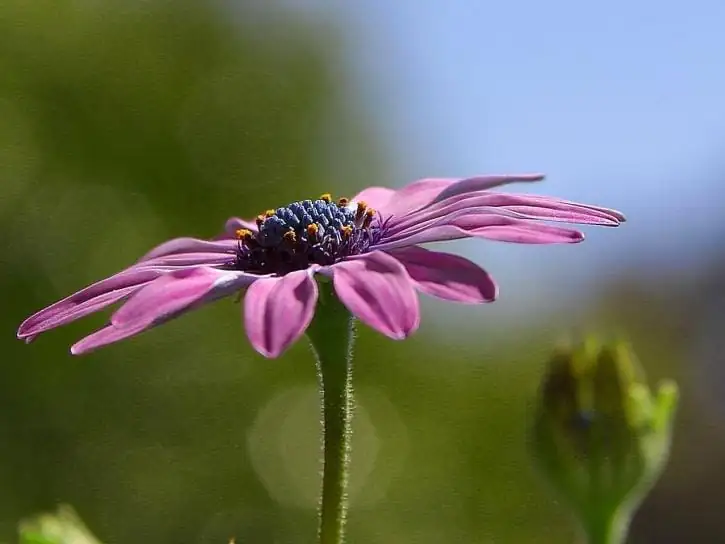
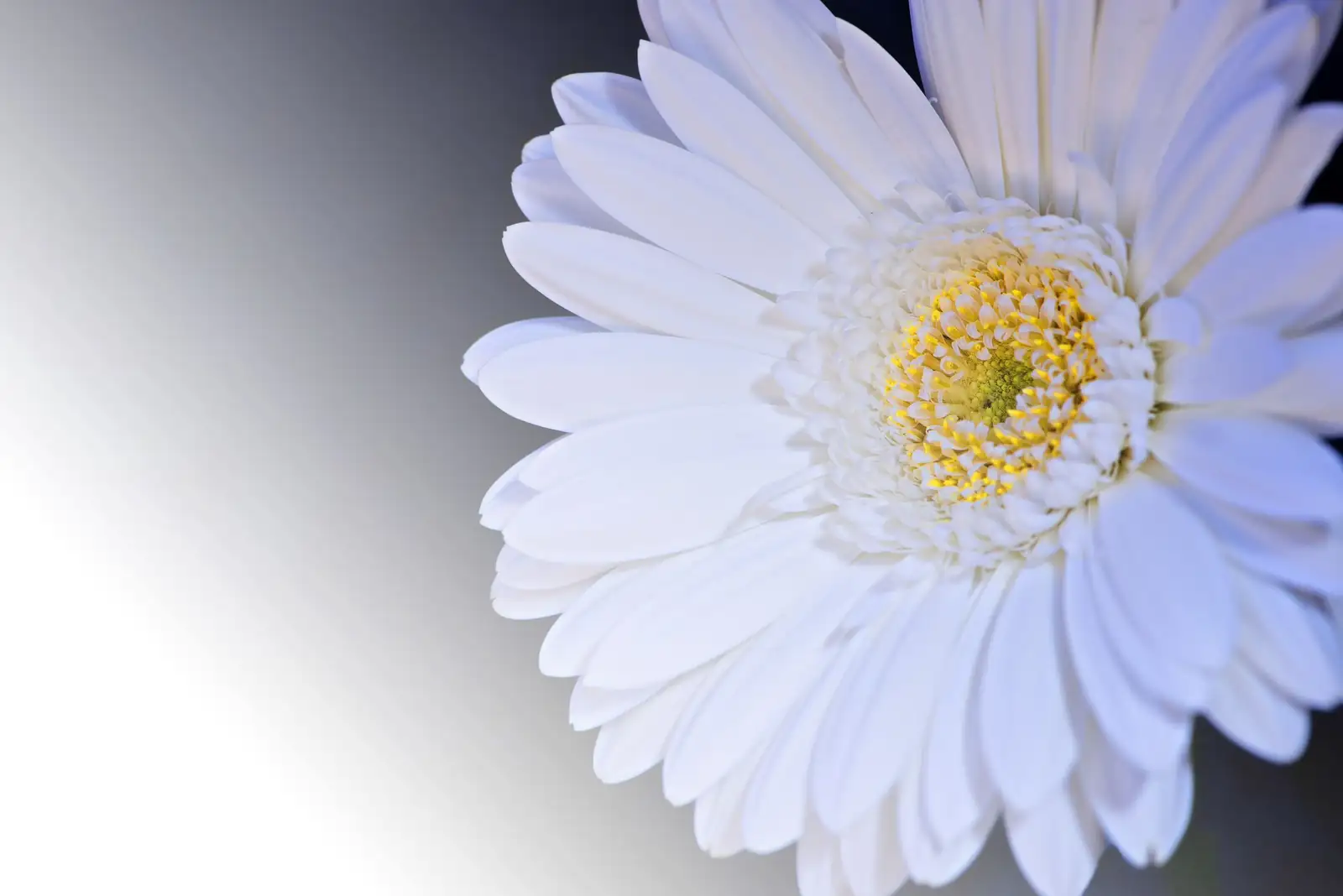
- Flower: Flower heads are composites (many tiny flowers acting as one): white ray florets (often with pink/red tips) surrounding a yellow disc. Blooms sit on slender, leafless stems and many flowers close in low light and reopen with sun (the classic “day’s eye” effect). Garden forms range from single to semi-double and fully double, in white through pink, red, and even purplish tones; double forms can be a little less cold-tolerant than singles.
- Flowering Season: Spring to summer; commonly May to September. In cool, mild conditions it can flower for a very long stretch and may even bloom through winter around 5°C (41°F).
- Growth Habit: Low-growing, clump-forming perennial that makes dense tufts/patches from short creeping rhizomes and spreading crowns. It can self-seed and spread vigorously in cool-summer climates (especially in lawns), while often slowing down or declining in hot summers.
Environment
Sunlight
Full sun to part shade. For best flowering, aim for at least ~6 hours of direct sun. In hot summers, light afternoon shade and good airflow help; newly divided plants appreciate temporary shade while re-establishing.
Temperature
A cool-season plant. Strongest growth is often around 7–15°C (45–59°F), while general growth and flowering can occur in mild conditions up to about 20–25°C (68–77°F). It dislikes high heat and may fade or decline in hot summers. Very hardy once established, tolerating severe cold (commonly grown in USDA Zone 4 winters) when soils are well-drained.
Humidity
Prefers moderate humidity and evenly moist conditions, but hates soggy, stagnant wetness. High humidity plus poor airflow can encourage mildew or leaf spots.
Soil
Well-drained soil is key. Best in moderately fertile, humus-rich sandy/loamy soil or a free-draining container mix (e.g., compost/leaf mold + quality potting mix + coarse sand/perlite). Overly rich soil can push leafy growth at the expense of flowers. Slightly acidic to near-neutral is suitable (often cited around pH 5.8–6.5).
Placement
Outdoors: ideal for edging beds and borders, rock gardens, spring meadows, bulb companions, and naturalized lawns (where welcome). Containers/window boxes do well in bright light. Indoors temporarily: keep very bright (an east- or south-facing window) and cool rather than warm and dim.
Hardiness
Generally USDA Zones 4–8. Plants are heat-sensitive and may be treated as cool-season annuals/biennials in hot-summer regions. Double-flowered cultivars can be slightly less hardy. Poor winter drainage can be fatal even where temperatures are otherwise suitable.
Care Guide
Difficulty
Easy overall, especially in cool, bright conditions. The main “tricks” are: plenty of light, steady moisture without waterlogging, and protection from intense summer heat. In cool climates it can spread enthusiastically via self-seeding and creeping crowns.
Buying Guide
Choose compact plants with dense, healthy green rosettes and no yellowing, spotting, or mushy crowns. For potted plants, those with roughly half the buds open usually settle in best; avoid stretched, floppy stems (a sign of low light). If you want less spreading, favor cultivated forms that set little to no viable seed.
Watering
Keep evenly moist during active growth and flowering, letting the surface dry slightly between waterings—never leave the pot sitting in water. Outdoors, established plants are fairly tolerant of short dry spells; as a rough guide, water during dry periods if weekly rainfall is under about 25 mm (1 in). In summer heat, move containers to a cooler spot, increase airflow, and provide light shade. In winter, keep soil just barely moist (not wet).
Fertilization
Moderate feeding supports continuous bloom. In garden beds, compost mixed in at planting and a light monthly balanced feed during the growing season is usually enough. In containers, feeding every ~2 weeks during active growth with a bloom-supporting, higher-potassium fertilizer (for example, something similar to 15-0-15) can extend flowering—avoid overfeeding, which can cause lots of leaves and fewer blooms.
Pruning
Deadhead regularly to keep flowers coming and to tidy the plant. Remove old/yellow leaves to improve airflow. After the first hard frost, cut plants back to about 2.5–5 cm (1–2 in) above the soil line. In hot areas where plants collapse in summer, it’s common to remove and replant in the cool season.
Propagation
Seed: sow on the surface (seeds need light), press in gently without covering; germination is often best around 18–21°C (64–70°F). Transplant when seedlings have 2–3 true leaves. Expect flowering after a season for many seed-grown plants. Division: divide clumps every 2–3 years (early spring before flowering or late summer/early fall after flowering) to rejuvenate and prevent sparse centers; divisions may establish a bit slower than seed-grown plants. Plants may also self-seed freely.
Repotting
Often grown for a season in 12–15 cm (4.7–5.9 in) pots. Repot if roots circle the pot or emerge from drainage holes; go up about 2.5–5 cm (1–2 in) in diameter and refresh the mix. After flowering, many gardeners prefer dividing the clump rather than continually stepping up pot size.
📅 Seasonal Care Calendar
Spring: peak growth and flowering—full sun, steady moisture, and regular feeding. Summer: in hot regions provide light shade, airflow, and cooler conditions; plants may decline and can be replaced. Fall: a good time to sow seed and/or divide clumps; keep bright light and reduce watering slightly. Winter: keep cool and bright; water sparingly but don’t let pots bone-dry; cut back after frost and mulch in cold areas, prioritizing drainage.
Pests, Diseases & Safety
Common Pests & Diseases
Usually trouble-free, but can get aphids, slugs/earwigs, and (less commonly) nematodes. Leaf spots (e.g., Alternaria, Septoria) and powdery mildew can occur with crowding, wet foliage, and poor airflow. The biggest preventable issue is crown/root rot from waterlogged soil—use sharp drainage, water at the base, and remove infected leaves. Treat aphids with insecticidal soap/horticultural oil; use fungicides only when truly necessary and according to local guidance/labels.
Toxicity
Generally considered non-toxic to people and pets. Traditionally, young leaves and petals have been eaten (best from pesticide-free plants). As with many Asteraceae plants, sensitive individuals may react—try small amounts first and confirm identification before eating.
Culture & Symbolism
Symbolism: A classic symbol of innocence, purity, and fresh beginnings. It’s also tied to loyal/true love and the idea of “hidden feelings,” thanks to the playful tradition of petal-plucking love divination.
History & Legends: The name “daisy” traces back to the Old English for “day’s eye,” a nod to how the flowers close in low light and reopen with the sun. Daisies show up across European culture—from medieval nicknames like “Mary’s Rose,” to literature (including Shakespeare), to the familiar childhood daisy chain and the “he loves me, he loves me not” ritual. The scientific name is equally charming: Bellis comes from Latin for “pretty,” and perennis highlights its perennial nature.
Uses: Ornamental: edging, borders, containers, rock gardens, spring meadows, and naturalized lawns. Culinary (traditional): young leaves and petals as garnishes/salad additions; use only from clean, chemical-free plants. Folk herbal tradition: historically associated with soothing bruises and minor skin concerns; flower infusions have also been used in bath water for dry winter skin. Ecological: a small but useful early-season nectar/pollen source for pollinators.
FAQ
Do common daisies come back every year?
Yes in suitable climates: Bellis perennis is a perennial in many cool-temperate areas (often USDA Zones 4–8). In hot-summer regions it may decline and be treated as a cool-season annual or biennial. Dividing clumps every 2–3 years helps keep plants vigorous.
Why do daisies close at night or in low light?
That sleep-like movement is called nyctinasty. Closing helps protect the flower’s pollen and central florets from cold, damp nights and can reduce weather damage—one reason the plant earned the nickname “day’s eye.”
Why are my daisy stems drooping?
Most commonly it’s low light—plants stretch and stems weaken in shade or dim indoor spots. Move the pot to a brighter location (especially in winter), rotate for even light, and keep the plant cool. Overwatering and root stress can also cause limp growth, so check drainage and let the surface dry slightly between waterings.
Are common daisies invasive?
They can be, especially in cool-summer regions where they self-seed readily and tolerate mowing in lawns. If you want a tidier plant, deadhead before seed forms or choose cultivars that set little to no viable seed.
How can I make cut daisies last longer?
Use clean water, recut stems, and keep them cool—around 4–5°C (39–41°F) if you can. Change the water regularly; commercial flower food is the safest preservative option.
Fun Facts
- A daisy “flower” is actually a whole bouquet in miniature: white ray florets around a center packed with yellow disc florets.
- Many daisies track the sun when young (heliotropic behavior), and they famously open and close with the light.
- The species name perennis literally points out its perennial habit—built to return year after year in the right conditions.
- The common lawn daisy can be mowed repeatedly and still manage to flower, which is why it’s beloved by some and battled by others.